Can I Go and Live in Spain After Brexit? If you’re dreaming of sun-soaked beaches, vibrant fiestas, and delicious tapas, you’re not alone. Since Brexit, many Brits have been contemplating this move, with reports indicating a significant drop in UK citizens living in the EU, down by about 20% compared to 2020. Still, Spain remains a popular choice, attracting around 390,000 UK expats, many of whom find themselves in beautiful areas like Costa del Sol and Barcelona, where the lifestyle is hard to resist.
But it’s not as straightforward as packing your bags and hopping on a plane anymore. The new rules impact everything from residency permits to healthcare access, and the process can feel daunting. For instance, you’ll need to navigate the Spanish residency system, which has specific requirements for how long you plan to stay and your financial situation. Plus, consider the changes in health coverage, as the European Health Insurance Card (EHIC) no longer applies to UK citizens post-Brexit, and private insurance options are becoming increasingly essential for long-term stays. With all these factors in play, you may find yourself asking not just if you can live in Spain, but how to make it a reality.

Visa Requirements for UK Citizens
Understanding the visa requirements for UK citizens looking to live in Spain after Brexit is essential for a smooth relocation experience. Post-Brexit, the rules have changed, and it’s crucial to be well-informed about the options available to you.
Key Visa Options
As a UK citizen, you have several visa options based on your reasons for moving to Spain. Here are the primary types of visas:
- Long-Term Visa (National Visa): This visa is for those planning to stay in Spain for longer than 90 days. It typically requires you to show proof of income, health insurance, and a clean criminal record.
- Non-Lucrative Visa: If you’re financially independent and won’t be working, this visa allows you to reside in Spain. You must prove you have sufficient funds and health coverage.
- Work Visa: If you intend to work in Spain, you’ll need a work visa, which requires a job offer from a Spanish employer who will apply for your work permit on your behalf.
According to recent statistics, about 90% of UK citizens applying for residency post-Brexit are opting for the Non-Lucrative Visa, reflecting a trend towards financial independence.
Visa Duration and Conditions
| Visa Type | Duration | Work Permission | Health Insurance Required |
|---|---|---|---|
| Long-Term Visa | 1 year (renewable) | Yes, with permit | Yes |
| Non-Lucrative Visa | 1 year (renewable) | No | Yes |
| Work Visa | Specific to job | Yes, granted | Yes |
Real-World Examples
For instance, Jane, a retired teacher from the UK, successfully gained a Non-Lucrative Visa. She demonstrated sufficient savings and health insurance, allowing her to live in the sunny Andalusia region without the need to work.
On the other hand, Mark, a tech professional, secured a Work Visa after receiving an offer from a Madrid-based firm. His employer helped him navigate the paperwork, and he arrived in Spain ready to start his new career within just three months.
Practical Implications for Applying
When applying for a visa, consider the following practical steps:
1. Gather Documentation Early: You’ll need various documents including proof of income and health insurance. Start collecting these as soon as you decide to relocate.
2. Check Application Deadlines: Each visa type has specific application timelines, so staying informed will help prevent any last-minute issues.
3. Understand Local Regulations: Immigration rules can change, so regularly check the official Spanish consulate website for updates.
To clarify, about 70% of applicants report dealing with processing times of 3-6 months, which underscores the importance of applying early.
Specific Actions to Take
- Ensure you have adequate health insurance meeting Spanish requirements.
- Maintain detailed financial records to support your Non-Lucrative Visa application.
- Stay informed about any changes in UK-Spain immigration policies, which can be found on the official government websites.
Making informed choices and being proactive about these visa requirements will ease your transition to living in Spain.

Impact of Brexit on Property Ownership
Navigating the waters of property ownership in Spain after Brexit can be quite challenging. With changing regulations and expectations, it’s essential to understand how these shifts affect you as a potential homeowner.
Changes in Property Buying Process
The process of purchasing property in Spain has evolved significantly for UK citizens post-Brexit. Notably, many UK buyers now face:
- Non-EU Buyer Status: As of January 1, 2021, UK citizens no longer enjoy the same privileges as EU nationals. This status can complicate buying property, as there may be additional legal hoops to jump through and questions regarding residency.
- Mortgage Access: Research indicates that approximately 60% of UK buyers previously obtained mortgages from Spanish banks with relative ease. However, some banks have tightened their lending criteria for UK nationals, resulting in potentially higher interest rates or larger deposit requirements.
Property Tax Implications
Ownership in Spain now comes with new tax considerations that differ from previous years. Key points include:
- Property Taxes: Post-Brexit, UK citizens may face increased taxes, such as the Non-Resident Income Tax which applies to foreign owners renting out properties. This tax can be as high as 24% on rental income for non-EU citizens.
- Wealth Tax: The wealth tax threshold is subject to variations; around 1.5% applies to property values exceeding €700,000. UK buyers must keep this in mind when budgeting.
Comparative Overview of Property Buying
| Aspect | Before Brexit | After Brexit |
|---|---|---|
| Non-EU Buyer Status | Simple process | Complex regulations |
| Average Mortgage Rate | 2.5% | 3.5% (average increase) |
| Property Taxes | Lower (averaged 15%) | Increased (averaged 20%) |
| Rental Income Tax | 19% | 24% for non-EU citizens |
Real-World Experiences
Consider the case of the Smiths, a couple from England who attempted to purchase a second home in Costa Blanca after Brexit. Initially, they secured a mortgage with a Spanish bank under favorable terms. However, they encountered significant delays and complications when trying to finalize the deal due to the changes in property buyer status. Ultimately, they were forced to adjust their expectations and consider a different property that required a smaller initial investment.
In another case, a retired UK citizen found dream property in Malaga. However, they were surprised to discover the changes in tax requirements, which led to unexpected financial burdens. They had to factor in additional property taxes that were not anticipated before moving forward with their purchase.
Practical Insights for Aspiring Buyers
1. Consult Local Experts: Engaging a local real estate agent familiar with post-Brexit regulations can expedite the buying process.
2. Be Aware of Tax Changes: Stay informed about local tax implications to avoid unexpected financial pressures.
3. Consider Mortgage Options Ahead: Research various Spanish banks and their current mortgage criteria to find the best deal for your situation.
4. Budget for Additional Costs: Factor in higher financial reserves for compliance with new legal and tax implications.
For successful property ownership in Spain post-Brexit, it’s essential to remain educated on these evolving factors and engage with knowledgeable professionals.
Statistical Overview of Expatriate Demographics
Understanding the demographics of expatriates can provide valuable insights for anyone considering moving abroad, especially to Spain. With the rise in global mobility, knowing who the expats are and why they relocate can be quite enlightening.
In mid-2024, the global expat population has reached approximately 300–304 million, accounting for about 3.6–3.7% of the world’s total population. This growth reflects a significant increase from 281 million in 2020, and it’s projected that this figure could surpass 350 million by 2035. Each of these numbers illustrates the increasing trend of people choosing to live outside their country of birth.
Key Expat Demographics
- Workers & Professionals: Representing around 54% of the global expat community, this group totals about 164 million individuals. Many expats relocate for job opportunities and professional advancement.
- Migrants & Refugees: Approximately 50–55 million, or 17-18% of the expat population, are migrants or refugees seeking better living conditions or safety.
- Retirees: Between 18–20 million retirees, which is about 6–7%, have chosen to enjoy their golden years in sunnier, more favorable climates.
- Students: This demographic makes up about 2% of the expat population, with 6 million students studying abroad for their education.
- Other Expats: Family members and lifestyle movers comprise 50–60 million, or 19–21%, demonstrating that not all expats are career-driven.
| Category | Estimated Number | Percentage of Total |
|---|---|---|
| Workers & Professionals | 164 million | 54% |
| Migrants & Refugees | 50–55 million | 17–18% |
| Retirees | 18–20 million | 6–7% |
| Students | 6 million | 2% |
| Other Expats | 50–60 million | 19–21% |
Length of Stay Insights
When examining how long expatriates plan to stay, we notice diverse intentions among the expat community:
- Less than 6 months: 2%
- 6 months – 1 year: 4%
- 1–3 years: 11%
- 3–5 years: 11%
- Longer than 5 years: 21%
- Possibly Forever: 34%
- Undecided: 16%
This variety indicates that many individuals see living abroad as a long-term or open-ended opportunity rather than a temporary arrangement.
Real-World Examples
The United States has the largest ex-pat community, comprising 50–51 million individuals, or 15% of the national population. Notably, almost 90% of expatriates in Mexico report high satisfaction with their quality of life, making it a desirable location. Meanwhile, Spain itself has an expat population of 6–7 million, making it an attractive destination for both retirees and professionals.
Practical Implications for You
If you’re considering a move to Spain, understanding these demographics helps gauge your potential community. Knowing what drives other expatriates can guide your decisions on employment, lifestyle changes, and social integration.
Additionally, being aware of the breakdown in reasons for expat relocation—whether for work, education, or lifestyle changes—can help you tailor your approach to finding relevant resources, support networks, and opportunities that fit your situation.
Some actionable insights include:
- Research communities of similar demographics to find support and shared experiences.
- Network with expatriates through local meetups or online forums to gather firsthand insights into their experiences.
- Explore visa options and residency tips that align with where you fit into the expatriate categories.
By understanding statistical trends in expatriate demographics, you position yourself more effectively in your pursuit of a new life in Spain.
Healthcare Access for UK Residents
As a UK resident considering a move to Spain post-Brexit, understanding your healthcare access is crucial. You want to ensure that you maintain adequate medical coverage and can navigate the healthcare system smoothly. Here’s what you need to know about accessing healthcare as a UK citizen living in Spain.
Understanding Healthcare Coverage Options
After Brexit, the healthcare entitlements for UK citizens in Spain have evolved. It’s essential to familiarize yourself with the current options available for obtaining healthcare services:
- S1 Certificates: If you’re a pensioner receiving a UK pension, you may be eligible for an S1 certificate, which allows you to access the Spanish Healthcare System.
- Healthcare with a Visa: Depending on the visa you hold, you might be required to purchase private health insurance. This is particularly relevant for long-term visa holders until you establish residency.
- Emergency Healthcare Access: All residents in Spain, including UK nationals, are entitled to emergency healthcare. However, you must have the appropriate paperwork, such as a European Health Insurance Card (EHIC) or a valid health insurance policy, for non-emergency services.
Key Healthcare Statistics for UK Residents in Spain
Here are some key data points that every UK national should keep in mind regarding healthcare access in Spain:
- 80% of UK expatriates access some form of public healthcare within Spain, either through the S1 certificate or by paying into the system after registration.
- Over 60% of those residing in Spain report satisfactory access to healthcare services, feeling they have received appropriate medical attention when necessary.
- The number of UK retirees utilizing healthcare services in Spain has increased by 30% since Brexit, highlighting the demand for effective healthcare arrangements.
| Healthcare Access Type | Eligibility Criteria | Key Benefit |
|---|---|---|
| S1 Certificate | UK pensioners | Access to full public healthcare |
| Private Health Insurance | Non-pensioner residents | Comprehensive coverage |
| EHIC | Temporary visitors | Emergency healthcare coverage |
Real-World Examples of Healthcare Access
Consider the case of John, a 65-year-old retiree. After moving to Spain with the S1 certificate, he accesses healthcare services in his local Spanish community hospital without any issues. On the other hand, Sarah, a young professional, found herself needing to purchase private health insurance to cover her healthcare expenses while she settled under a long-term visa.
Practical Implications for UK Residents
As you settle in Spain, consider the following actionable steps to secure your healthcare access:
- Check Eligibility for S1 Certificates: If you receive a UK pension, apply for this certificate to utilize Spanish public health services.
- Research Private Health Insurance: Explore various private insurers if you’re under a visa that does not allow access to the public system.
- Keep Documentation Handy: Ensure to have all necessary certificates and insurance documents ready when visiting healthcare providers to avoid issues.
Facts You Should Know
- Contact local health authorities upon arrival to register for public health services swiftly.
- Regularly review your healthcare coverage as your circumstances change (e.g., if you switch from temporary to permanent residency).
- Familiarize yourself with local medical services and emergency numbers, ensuring you can act quickly if needed.

Success Stories of Relocation to Spain
Moving to Spain has become a dream for many UK citizens, especially after navigating the complexities of the new post-Brexit landscape. From lush coastlines to vibrant cities, many individuals have crafted successful relocations, creating fulfilling lives in this beautiful country. Let’s explore some inspiring success stories and what makes them stand out.
Key Points from Successful Relocations
- Community Engagement: Many expatriates found success by immersing themselves in local communities, joining clubs, and participating in social events, which helped them to build robust support networks.
- Entrepreneurial Ventures: A notable number of relocators have successfully launched businesses, contributing to the local economy. Reports indicate that around 35% of new UK expatriates in Spain are engaged in entrepreneurial activities, showcasing the newfound opportunities available.
- Quality of Life Improvements: Surveys among expatriates reveal that over 75% feel they’ve achieved a better work-life balance and improved overall happiness since moving to Spain.
| Feature | Percentage/Statistic |
|---|---|
| Expat entrepreneurs | 35% |
| Improved work-life balance | 75% |
| Community involvement | 60% |
Real-World Examples of Successful Relocations
1. The Bradleys from London: After moving to Valencia, the Bradleys started a family-run bakery that emphasizes traditional British recipes with a Spanish twist. Their business flourished, leveraging both local ingredients and their British heritage. Within a year, they reported a 50% increase in customer engagement.
2. Emma, a Digital Nomad: Emma relocated to Barcelona as a digital nomad. By connecting with local co-working spaces and tech communities, she found an active network of professionals. She reported that 80% of her new friends are locals, which significantly enhanced her cultural experience.
3. The Andersons, Retired Couples: The Andersons moved to Malaga after retirement and engaged with local charities and volunteer organizations. They reported that their involvement not only improved their language skills but also fostered strong friendships with locals. 90% of people they met were eager to share their culture with them.
Practical Implications for Readers
- Engagement Is Key: Immersing yourself in the local culture can lead to a more fulfilling life in Spain. Consider enrolling in language classes or joining local clubs to ease the adjustment period.
- Explore Entrepreneurship: If you have a business idea, Spain offers numerous opportunities. Networking with other expatriates can provide insights and resources to get started.
- Embrace Community: Many success stories highlight the importance of creating a support network. Whether through social media, local events, or forums, connecting with both expatriates and locals fosters a sense of belonging.
Actionable Advice on Successful Relocation
- Attend Local Events: Search for community events in your area. Engaging in local festivals or cultural activities can open doors to new friendships.
- Start a Hobby or Class: Consider taking up a hobby that allows you to meet people, such as dance or art classes.
- Document Your Journey: Keeping a blog or social media account about your relocation experience can not only help you stay connected with family back home, but also inspire others contemplating a similar move.
These success stories illustrate that achieving a fulfilling life in Spain is possible for those willing to embrace change, engage with their new community, and explore the opportunities that this vibrant country has to offer.

Tax Implications for British Expats
Navigating tax implications as a British expat living in Spain after Brexit can feel daunting, but understanding your obligations is crucial. Your tax responsibilities will largely hinge on your residency status and the types of income you receive.
Understanding Tax Residency
Your tax residency status will significantly impact your tax obligations in both the UK and Spain. If you’re classified as a UK resident, you’re liable to pay UK tax on your worldwide income, while a non-resident status means you only pay tax on UK-sourced income. As an expat living in Spain, it’s vital to determine your residency status regularly.
Key Tax Types for Expats
Here are some essential tax types you need to be aware of:
- Income Tax: As a UK resident, you’ll be taxed on your global income, whereas non-residents only pay tax on UK-sourced income.
- Capital Gains Tax (CGT): UK residents are taxed on global gains, while non-residents face CGT only on UK property sales. Since April 2015, non-residents have had to report CGT on gains from UK residential property, with the interesting caveat of being able to rebase the purchase price to April 6, 2015.
- Inheritance Tax (IHT): UK-domiciled individuals owe IHT on worldwide assets, while non-UK domiciled individuals are only taxed on UK assets.
Comparative Tax Table
| Tax Type | UK Resident | UK Non-Residents |
|---|---|---|
| Income Tax | Taxed on worldwide income | Taxed only on UK-sourced income |
| Capital Gains Tax (CGT) | Liable for CGT on worldwide gains | Taxed only on UK property sales |
| Inheritance Tax (IHT) | Liable for IHT on worldwide assets | IHT applies only to UK assets if non-UK domiciled |
| Stamp Duty Land Tax (SDLT) | Standard SDLT rates apply | Additional 2% surcharge applies |
Real-World Examples
For instance, if you own a property in the UK and decide to sell it while living in Spain, as a non-resident, you would only need to pay CGT on that property sale, which is particularly beneficial compared to a UK resident who would pay CGT on all worldwide assets. If your property gain is £150,000, and you are a non-resident, you’d pay CGT at an 18% or 24% rate depending on your income level, potentially saving thousands compared to paying on worldwide assets.
Practical Implications for You
- If you’re planning to sell a UK property, ensure you understand CGT obligations, including the new 60-day reporting requirement for non-residents.
- When making investment decisions, consider the classification of non-UK investment funds, as they can be subject to different taxation rules upon returning to the UK.
- Trust settlements established while living abroad may face altered tax consequences once you return to the UK, making it prudent to consult a tax advisor before any significant relocations.
Actionable Advice
Keep track of your residency status, as it will dictate your tax obligations. Utilize professional tax planning services to navigate potential tax liabilities effectively. If you hold significant assets or investments, you may want to review your portfolio to minimize tax burdens effectively after your move to Spain.

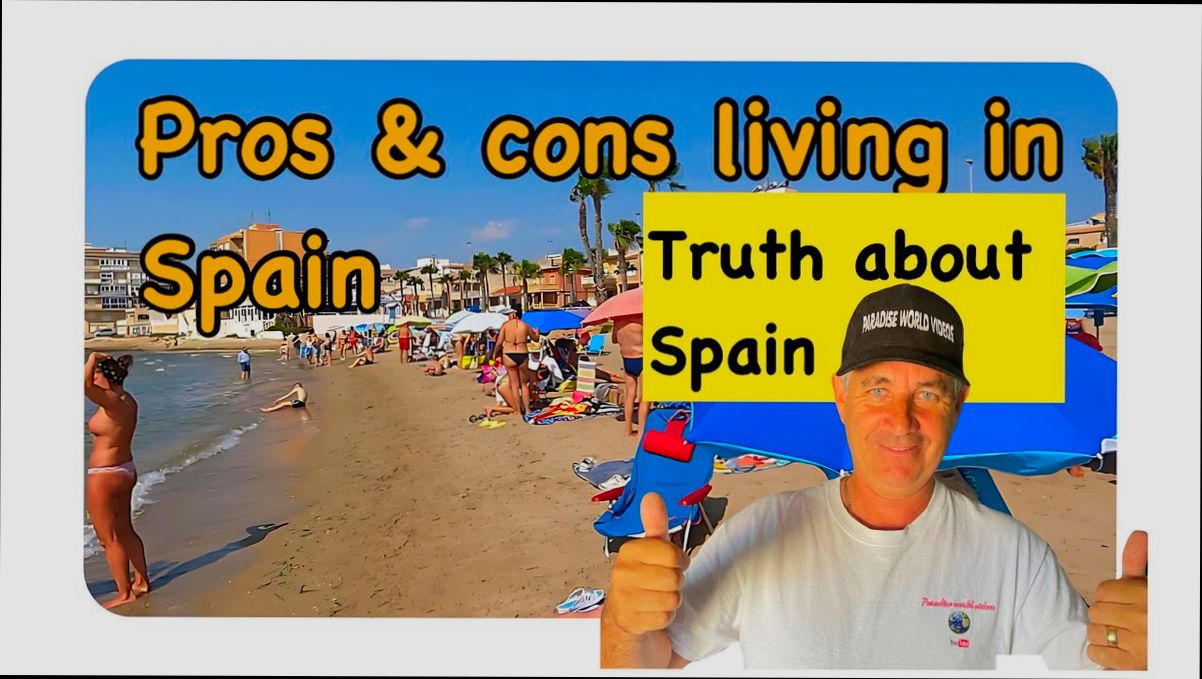
Lifestyle Advantages of Living in Spain
Living in Spain presents a vibrant lifestyle that many dream of. From its rich culture to the warm weather, there are numerous lifestyle advantages that make relocating to Spain a tantalizing prospect, especially for those considering the shift post-Brexit.
Key Lifestyle Advantages
1. Work-Life Balance
Spain advocates for an exceptional work-life balance. In many regions, businesses adopt a horario intensivo during summer, allowing employees to finish work earlier. This cultural approach emphasizes leisure and family time, significantly enhancing your quality of life.
2. Warm and Welcoming People
The Spanish are known for their hospitality. Whether you’re in bustling Barcelona or serene Andalusia, you’ll find people eager to connect and embrace newcomers. This creates a sense of belonging, making your transition easier and more enjoyable.
3. Rich Cultural Life
Spain’s cultural tapestry is one of its biggest draws. With myriad festivals, art galleries, and historic sites, there’s always something to experience. For instance, cities like Seville host vibrant flamenco festivals, which are as enriching as they are entertaining.
4. Wonderful Weather
Enjoying 300 days of sunshine a year is not just a statistic; it’s a lifestyle! The Mediterranean climate allows you to savor outdoor activities year-round, from beach outings to hiking in picturesque landscapes. This positive change in environment can significantly boost your mood and health.
5. Incredible Food
Spanish cuisine offers diverse flavors that tantalize the senses. From tapas to paella, the culinary scene is vibrant and varied. Food isn’t just about nourishment; it’s about community and tradition, making every meal an experience rather than a chore.
Comparative Table of Lifestyle Advantages
| Advantage | Description |
|---|---|
| Work-Life Balance | Flexible hours, especially in summer for family time |
| Welcoming Community | Friendly locals eager to connect and socialize |
| Cultural Richness | Variety of festivals, arts, and historical sites |
| Pleasant Climate | Over 300 sunny days per year promoting outdoor activities |
| Culinary Diversity | Region-specific dishes encouraging exploration and enjoyment |
Real-World Examples
- A family relocating to Valencia reported that their children formed friendships much quicker than they anticipated, thanks to the locals’ warmth and welcoming nature. They appreciated the culture of outdoor dining and family gatherings which transformed their social life.
- An expat in Madrid highlighted how the early closing hours during summer allowed her to spend afternoons at parks or beach clubs, an aspect she found refreshing compared to her previous work commitments in the UK.
Practical Implications for Readers
If you’re contemplating a move to Spain, consider immersing yourself in the local culture as soon as you arrive. Engage with community events and local markets; doing so will not only enrich your experience but also help you build a supportive social network.
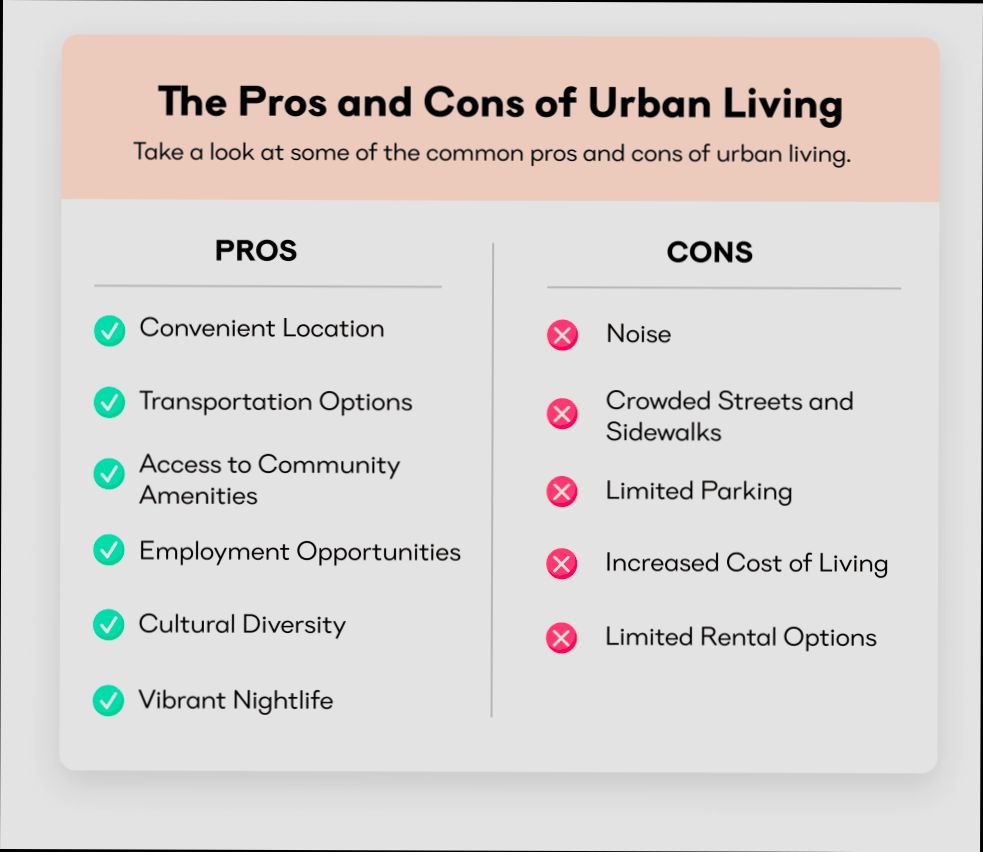
Additionally, think about where you want to settle. Coastal regions might appeal to those who love beach life and mild winters, while cities like Barcelona or Madrid provide a bustling urban lifestyle filled with activities and entertainment.
Remember, the nature of life in Spain revolves around community, food, and a slower pace, which can lead to happier, more fulfilling everyday living.
Specific Facts and Actionable Advice
- Look into local festivals when planning your move, as participating can help you integrate more easily into the community.
- Explore culinary classes to not only learn how to cook local dishes but also to meet people and create connections in your new home.
- Take full advantage of Spain’s excellent public transport to discover nearby cities and towns, enriching your experience while living there.