How much house can I afford with a $2,500 mortgage payment? That’s a question many of us ask when we start dreaming about buying a home. Let’s break it down. Generally, lenders suggest that your monthly mortgage payment should stay around 28% of your gross monthly income. If we consider a typical salary of around $100,000 a year, that gives you a monthly income of about $8,333. So, a $2,500 payment fits just right within that 28% sweet spot.
Now, the actual house price you can afford depends on several factors: your down payment, the interest rate, and even the property taxes in your area. For example, if you secure a 30-year fixed mortgage at a 3.5% interest rate, that $2,500 monthly payment could translate into a home priced around $500,000, assuming you put down 20%. However, if you want to dive into the world of lower down payments, be ready for changes in private mortgage insurance (PMI) and possibly a higher interest rate. It’s all about the numbers, and they’re worth keeping an eye on as you chart your path to homeownership.
Determining Your Price Range for Housing
Understanding your price range for housing isn’t just about the $2,500 mortgage payment you want—it encompasses a larger financial picture. To effectively determine what you can afford, we can break it down into some vital metrics and guidelines tailored for your financial situation.
Key Financial Guidelines
When assessing your price range for housing, here are a few crucial points to keep in mind:
- Gross Income Percentage: Your total housing costs should not exceed 28% of your gross monthly income. This ensures you’re not straining your finances.
- Down Payment: Traditionally, a 20% down payment of your home’s purchase price is recommended to avoid unnecessary costs like private mortgage insurance (PMI).
- Maintenance Budget: It’s also wise to allocate about 1% of your property’s value annually for home maintenance. This adds to the overall cost of ownership and ensures you’re prepared for upkeep.
Example Price Range Calculation
If your gross monthly income is $8,750 (which corresponds to an annual income of $105,000), then your total housing costs should ideally stay below:
[
0.28 \times 8,750 = $2,450
]
This figure aligns closely with your target mortgage payment of $2,500.
Price Comparison Table
| Purchase Price | 20% Down Payment | Monthly Payment (Approx.) | 1% Maintenance Cost/Year |
|---|---|---|---|
| $300,000 | $60,000 | $1,250 | $3,000 |
| $400,000 | $80,000 | $1,650 | $4,000 |
| $500,000 | $100,000 | $2,080 | $5,000 |
Real-World Examples
Consider a homeowner looking at a house priced at $400,000. With a 20% down payment of $80,000, the mortgage amount will be $320,000. If the mortgage rate is around 3.5%, the total monthly payment, including taxes and insurance, may round out to approximately $1,650. Coupled with a maintenance budget of $4,000 per year, this homeowner’s financial planning aligns well within affordable limits, given a gross monthly income of around $10,000.
In contrast, if someone decides to purchase a $500,000 property with a similar down payment strategy, they’ll face a higher monthly payment. The increased financial obligation could stretch or exceed their budget if they’re not careful.
Practical Implications
Now that you know how to calculate your price range, here are some actionable insights to remember:
- Always verify that your estimated monthly payments fit into the 28% rule relative to your gross income. This will help keep your finances manageable.
- If your down payment is less than 20%, be prepared for PMI—factor this expense into your overall budget.
- Stay proactive about maintenance costs; budgeting for 1% of your home’s value can prevent unexpected expenses down the line.
By applying these strategies, you can gain a critical understanding of your housing price range, ensuring you make a well-informed purchasing decision.
Exploring Mortgage Rates and Their Impact
Understanding mortgage rates is crucial when determining how much house you can afford with a $2,500 monthly payment. Mortgage rates directly influence your borrowing power, monthly payments, and the total cost of your home over time. Let’s dive deeper into how these rates can shape your financial landscape.
Impact of Current Mortgage Rates
Mortgage rates can fluctuate based on a variety of factors, and even a small change can significantly affect your monthly payments. Here are some key points to consider:
- Average Mortgage Rates: As of late 2023, the average 30-year fixed mortgage rate hovers around 7.1%. This construction of rates impacts your monthly obligations and the price range of homes you can afford.
- Rate Changes and Affordability: A change of just 0.5% in the interest rate can adjust your purchasing power by tens of thousands of dollars. For instance, at a 7% rate, a $2,500 mortgage payment may only support a loan amount of roughly $360,000; at 6.5%, that could rise to about $372,000.
- Long-term Effects of Rates: Over the course of a 30-year mortgage, even seemingly small differences in rate can accumulate to significant cost variations, potentially costing you tens of thousands more in interest payments over the life of the loan.
Mortgage Rate Comparison Table
| Mortgage Rate | Monthly Payment (for a $2,500 payment) | Loan Amount Afforded |
|---|---|---|
| 5.0% | $2,500 | $468,000 |
| 6.0% | $2,500 | $430,000 |
| 7.0% | $2,500 | $360,000 |
| 8.0% | $2,500 | $310,000 |
Real-World Examples of Rate Impact
To illustrate the impact of mortgage rates, consider two hypothetical homebuyers, Sarah and John:
- Sarah buys a home at a 5% interest rate, securing a total loan amount of $468,000. With her $2,500 monthly payment, she benefits from lower interest costs, amortizing her loan much quicker.
- John, on the other hand, secures a home at a 7% interest rate but can only afford a total loan of $360,000. His higher interest rate results in paying significantly more in interest over time, affecting his overall financial well-being.
Practical Implications for You
As you contemplate how much house you can afford under a $2,500 monthly mortgage payment, be conscious of how mortgage rates can vary and what that means for your affordability:
- Monitor Rates Regularly: Keep an eye on current mortgage rates and trends. Tools like mortgage calculators can help you quickly see the potential impact of rising or falling rates.
- Locking in Rates: If you find a favorable rate, consider locking it in to protect yourself from future increases.
- Long-Term Calculations: Factor in not just the monthly payment, but also how long you plan to stay in the home and what the total cost of the mortgage will be with the current rate.
Understanding these dynamics empowers you to make more informed decisions when purchasing a home, allowing you to maximize your investment and minimize costs over the life of your mortgage.
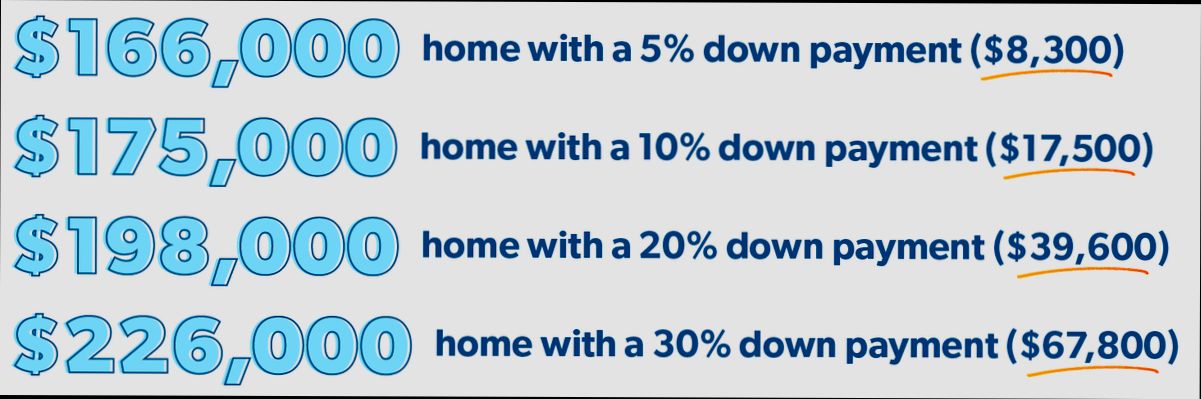
Evaluating Other Monthly Housing Costs
When you’re budgeting for a mortgage payment of $2,500, it’s essential to consider the other monthly housing costs that contribute to your total financial responsibility. These costs extend beyond just your mortgage payment and can significantly impact your overall affordability.
Key Monthly Housing Costs to Consider
Let’s break down some of the essential costs you should evaluate alongside your mortgage payment:
- Property Taxes: On average, homeowners pay around 1.1% of their home’s assessed value annually in property taxes. For a home worth $400,000, that would add approximately $367 each month.
- Homeowner’s Insurance: This typically costs between $800 and $1,200 yearly, equating to about $67 to $100 each month. It’s critical to ensure your property is adequately insured.
- Private Mortgage Insurance (PMI): If your down payment is below 20%, you may need PMI, which can range from 0.3% to 1.5% of the original loan amount annually. For a $320,000 loan, this could mean an extra $80 to $400 a month.
- HOA Fees: If you live in a community with a homeowners association, these fees can vary widely. On average, they can range from $200 to $400 monthly.
Comparative Monthly Housing Cost Overview
| Cost Type | Estimated Monthly Cost |
|---|---|
| Property Taxes | $367 |
| Homeowner’s Insurance | $67 - $100 |
| Private Mortgage Insurance (PMI) | $80 - $400 |
| HOA Fees | $200 - $400 |
| Total Estimated Monthly Costs | $814 - $1,267 |
Real-World Examples
- Example 1: If you purchase a $350,000 home, your monthly housing costs could break down as follows:
- Property Taxes: $321
- Homeowner’s Insurance: $83
- PMI: $266 (assuming a PMI rate of 1%)
- HOA Fees: $250
- This would total approximately $920, making your total payment around $3,420 when added to the $2,500 mortgage payment.
- Example 2: For a $500,000 home, total costs might include:
- Property Taxes: $458
- Homeowner’s Insurance: $100
- PMI: $500 (assuming a higher PMI rate)
- HOA Fees: $300
- This could lead to a total of around $1,358 monthly, adding up to a total of about $3,858 with the mortgage payment.
Practical Implications for Readers
Understanding the contribution of these additional costs is critical in determining your financial comfort. When you calculate these monthly expenses alongside your mortgage payment, you can avoid overextending your budget. It’s common for first-time homebuyers to overlook these additional costs, leading to unexpected financial strain.
Actionable Advice
- Always get estimated quotes for homeowner’s insurance and check local property tax rates before purchasing.
- Remember to include potential PMI costs in your budget if your down payment is less than 20%.
- Factor in HOA fees in your overall housing costs if applicable. Keeping these expenses in check will help you maintain a balanced and affordable monthly housing budget.

Analyzing Data on Average Home Prices
When considering how much house you can afford with a $2,500 mortgage payment, understanding average home prices in your target market is crucial. This section dives deep into analyzing data on average home prices to empower you with the insights you need to make informed decisions.
Average home prices fluctuate based on various factors including location, market conditions, and financing options. To gain a clearer picture, let’s delve into how these aspects impact your purchasing power and budget.
Understanding Home Price Affordability
To determine the affordability of homes, consider key metrics like:
- Debt-to-Income (DTI) ratios: Conventional loans typically allow for a DTI ratio of 28% for housing costs and 36% for total debt. Meanwhile, FHA loans cap at 31% front-end and 43% back-end ratios.
- Loan Terms: A 30-year fixed mortgage is common, but rates can vary significantly. Current averages hover around 7%, influencing the total amount you can borrow.
- Down Payments: Typically ranging from 3% to 20%, the down payment directly affects monthly mortgage payments and overall loan size.
For example, if you are looking to buy a home worth $400,000 with a 20% down payment, you would need $80,000 upfront, leaving you with a loan of $320,000. At an interest rate of 7% over 30 years, the monthly payment could exceed $2,500, especially when adding property taxes and insurance.
Comparative Home Price Analysis
| Location | Average Home Price | Estimated Monthly Payment (30 years at 7%) | DTI Ratio (%) |
|---|---|---|---|
| San Francisco | $1,500,000 | $9,973 | 36% |
| Austin | $400,000 | $2,122 | 30% |
| Chicago | $300,000 | $1,996 | 31% |
| Philadelphia | $250,000 | $1,663 | 28% |
| Miami | $500,000 | $3,329 | 41% |
In cities like San Francisco, the average home price is significantly higher, pushing monthly costs far beyond a $2,500 mortgage payment. Conversely, cities like Philadelphia offer more affordable average home prices, making it easier to align with budget constraints.
Real-World Examples
Let’s break down two scenarios:
1. Case Study in Austin: Say you are looking at an average home price of $400,000. With a 20% down payment, you put down $80,000. Your loan of $320,000 results in a monthly payment of around $2,122, providing room within your budget for additional costs like property taxes and insurance.
2. Case Study in Miami: For an average home price of $500,000, a 20% down payment necessitates $100,000 upfront. Your loan amount would be $400,000, leading to a monthly payment near $3,329, which exceeds the $2,500 target. Therefore, buyers may need to consider less expensive homes or increase their down payment to meet their budget.
Practical Implications for Home Buyers
By analyzing average home prices, you can strategically tailor your approach to home buying. Here are some actionable insights:
- Explore Emerging Markets: Cities with growing markets like Austin can present better home price affordability compared to saturated markets like San Francisco.
- Factor in Additional Costs: Always include estimated property taxes, HOA fees, and insurance in your affordability calculations to avoid surprises.
- Utilize Calculators: Make use of online house affordability calculators to adjust varying variables such as income, debt, and interest rates, ensuring you get the most accurate picture of how much home you can truly afford.
To summarize these aspects, know your average home prices across different regions, evaluate your financial condition, and select housing options wisely. By doing so, you can enhance your chances of securing a home that fits not just your wants, but also your financial capacity.
Benefits of Sticking to a Budget
Sticking to a budget can be a powerful tool when navigating the complexities of homeownership. It not only helps us understand our financial limits but also offers several substantial benefits that can lead to overall financial stability and satisfaction.
Financial Clarity and Control
Creating and adhering to a budget gives us clear visibility into our financial situation. Did you know that 60% of Americans report feeling stressed about their finances, according to a recent financial wellness survey? A solid budget can help alleviate this stress by:
- Tracking Spending: Knowing where your money goes can help you make informed financial decisions.
- Prioritizing Needs: By sticking to a budget, you can distinguish between wants and needs, ensuring that critical expenses like mortgage payments and household maintenance are prioritized.
- Reducing Anxiety: Budgeting provides peace of mind; having a plan reduces uncertainty, especially with significant bills like a $2,500 mortgage payment.
Enhancing Savings Potential
Sticking to a budget allows you to allocate funds toward savings effectively. Research shows that individuals who adhere to a budget are 25% more likely to achieve their savings goals compared to those who don’t. Here’s why:
- Emergency Fund: A budget helps in building an emergency fund, which can cover unexpected repairs or incidents without financial strain.
- Home Investments: By saving diligently, you can set money aside for home improvements or refinancing opportunities that can lead to lower mortgage costs in the long run.
- Future Goals: Achieving milestones like buying a second home or investing in property becomes easier when you have a clear savings strategy in place.
Comparative Table of Budgeting Impact
| Aspect | Without a Budget | With a Budget |
|---|---|---|
| Financial Stress Level | High (60% report) | Low |
| Savings Rate | 10% | 25% |
| Emergency Fund Readiness | 30% prepared | 70% prepared |
| Investment Opportunities | Limited | Expanded |
Real-World Examples of Budgeting Benefits
Consider John and Lisa, a young couple aiming for their first home. Without a budget, they struggled each month to keep up with expenses, pushing them toward high-interest debt. However, once they established a budget, they began saving an additional 15% of their income weekly. This allowed them to:
- Accumulate a down payment faster.
- Maintain a solid credit score.
- Buy a home within their desired price range—a feat they found impossible before budgeting.
Practical Implications for Readers
When you commit to a budget, you’re not only managing your current expenses, but you’re also laying the groundwork for future financial security. Make it a practice to:
- Review your budget monthly to adjust for any changes in income or expenses.
- Set specific savings goals linked to your housing costs to stay motivated.
- Utilize budgeting tools or apps to streamline the process, making tracking and modification easier.
Focusing on these actionable insights will help you harness the full benefits of sticking to a budget. Remember, it’s not just about living within your means; it’s about empowering your financial future!
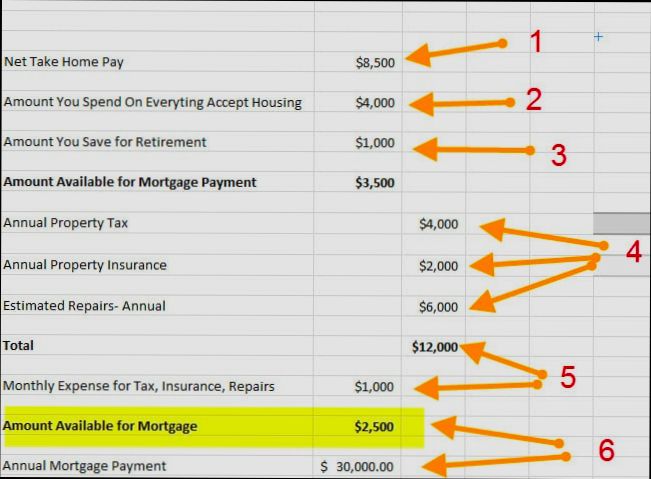
Real-World Examples of Affording a Home
Understanding how people are affording homes today can provide valuable insights as you consider your own financial journey. In this section, we’ll dive into specific examples and real-world statistics related to affording a home, using a $2,500 monthly mortgage payment as a benchmark.
Key Financial Examples
Several income brackets correlate to different home affordability levels, offering clear insights into what you can expect based on your earnings:
| Annual Salary | How Much Home You Can Afford* |
|---|---|
| $50,000 | $125,000 – $150,000 |
| $100,000 | $250,000 – $300,000 |
| $150,000 | $375,000 – $450,000 |
| $200,000 | $500,000 – $600,000 |
| $300,000+ | $750,000 – $900,000+ |
Real-World Case Studies
- Young Professionals: For instance, a young couple earning a combined income of $120,000 may comfortably afford a home priced at around $360,000. They may target suburban neighborhoods where properties are more affordable, allowing them to secure a two-story house with a yard rather than a cramped city apartment.
- Single Incomes: On the other hand, a single individual earning $70,000 would typically look at homes priced between $175,000 and $210,000. This buyer often needs to consider additional factors like student loans or personal expenses, which could influence monthly payment eligibility.
- Family Dynamics: Families with an income of $200,000 can afford homes ranging from $500,000 to $600,000. They may prioritize larger homes with good school districts to accommodate their children, thus influencing their buying decisions significantly.
Practical Implications
When examining how others afford homes, take the following into account for your own situation:
- Debt-to-Income Ratios: Aim for your total monthly debts, including your mortgage, to stay under 36% of your gross income. This keeps you within a safe financial margin.
- Down Payment Savings: Many homeowners are finding ways to save aggressively for down payments, which typically range from 3% to 20%. Larger down payments can significantly reduce your monthly mortgage and possibly eliminate private mortgage insurance (PMI).
- Adjustable Mortgages: Some buyers opt for adjustable-rate mortgages which typically offer lower initial rates. This strategy is often effective in less stable markets where buyers expect to move in the short term.
Actionable Insights
Here are some key takeaways to help you in your pursuit of homeownership:
- Evaluate your salary in relation to the home price ranges provided. This can give you a clearer picture of where you might fit in the market.
- Consider various mortgage products, including FHA and VA loans, which can make owning a home more accessible, especially if you’re a first-time buyer.
- Engage with your local housing market to understand better the nuances that could affect pricing in your desired area.
By approaching your home-buying endeavor with these real-world examples and implications, you can gain a sharper understanding of just how varied the landscape of homeownership can be.
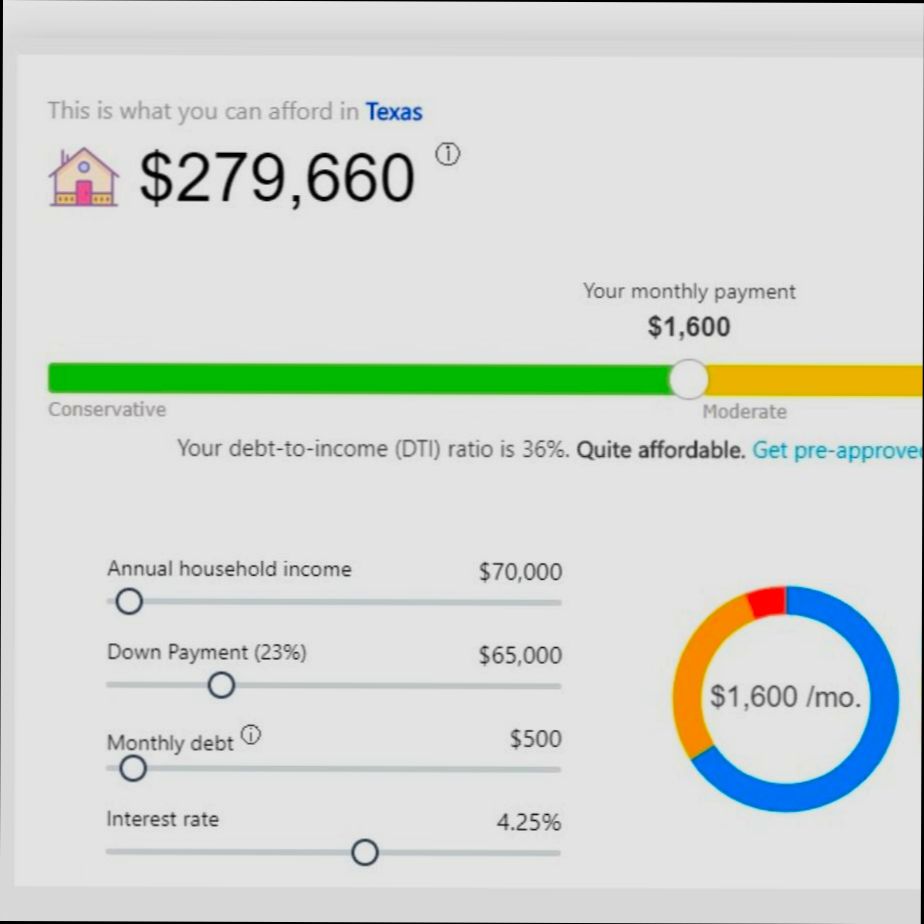
Understanding Debt-to-Income Ratios
Debt-to-income (DTI) ratios are vital in assessing your financial health and determining how much house you can afford with your desired $2,500 mortgage payment. DTI is a simple calculation that helps lenders evaluate your ability to manage monthly payments and is often a significant factor in the mortgage approval process.
What is DTI?
Your DTI ratio compares your total monthly debt payments to your gross monthly income. It’s expressed as a percentage, providing a clear snapshot of your financial situation. A lower DTI indicates a better balance between debt and income, making you a more attractive candidate for a mortgage.
- Front-End DTI: This focuses on housing expenses, typically capped at 28% of your gross income.
- Back-End DTI: This accounts for all debt payments, including housing, which lenders prefer to be below 36% to 43% of your gross income.
Key Debt-to-Income Ratio Guidelines
Understanding the benchmarks for DTI can help you position yourself better when applying for a mortgage. Here are some key thresholds lenders consider:
- Ideal DTI: A DTI of 36% or lower is generally viewed as ideal.
- Acceptable DTI: Ratios between 36% and 43% may be acceptable but might require compensating factors.
- Improving Your DTI: If your DTI exceeds 43%, consider paying down debts to improve your chances for approval.
DTI Ratio Breakdown
Here’s a simple breakdown to illustrate how DTI ratios translate to different income levels:
| Monthly Income | Maximum Monthly Debt Payments (36%) | Maximum Monthly Debt Payments (43%) |
|---|---|---|
| $5,000 | $1,800 | $2,150 |
| $7,000 | $2,520 | $3,010 |
| $10,000 | $3,600 | $4,300 |
This table highlights the amount of monthly debt payments you can manage without exceeding common DTI ratios. If you’re aiming for a $2,500 mortgage payment, assessing your overall debt will be crucial.
Real-World Examples
To put DTI into context, consider two individuals with similar annual incomes but different debt levels:
1. Individual A making $100,000 annually with monthly debt payments of $1,800 (including their mortgage) has a DTI of 36%.
2. Individual B, also earning $100,000, but carrying $2,500 in monthly debts would have a DTI of 43%.
While both might qualify for a mortgage, Individual A’s lower DTI makes them a more appealing candidate for better rates and terms.
Practical Implications for Your Mortgage Application
Keeping your DTI in check is vital when planning a mortgage payment. Here are practical steps you can take:
- Reduce existing debts to improve your ratio.
- Aim for total monthly housing payments, including your mortgage, property taxes, and insurance, to stay within the front-end DTI guideline.
- Monitor your income trends; a rise in income positively affects your DTI, allowing for more room in your budget.
Actionable Advice
When considering how much house you can afford, focus on optimizing your DTI. Strive to keep your total monthly debt payments well below 36% of your gross income, as doing so may open doors to better mortgage opportunities. Adjustments to your spending and debt management can make a significant difference in your DTI, making homeownership more attainable.