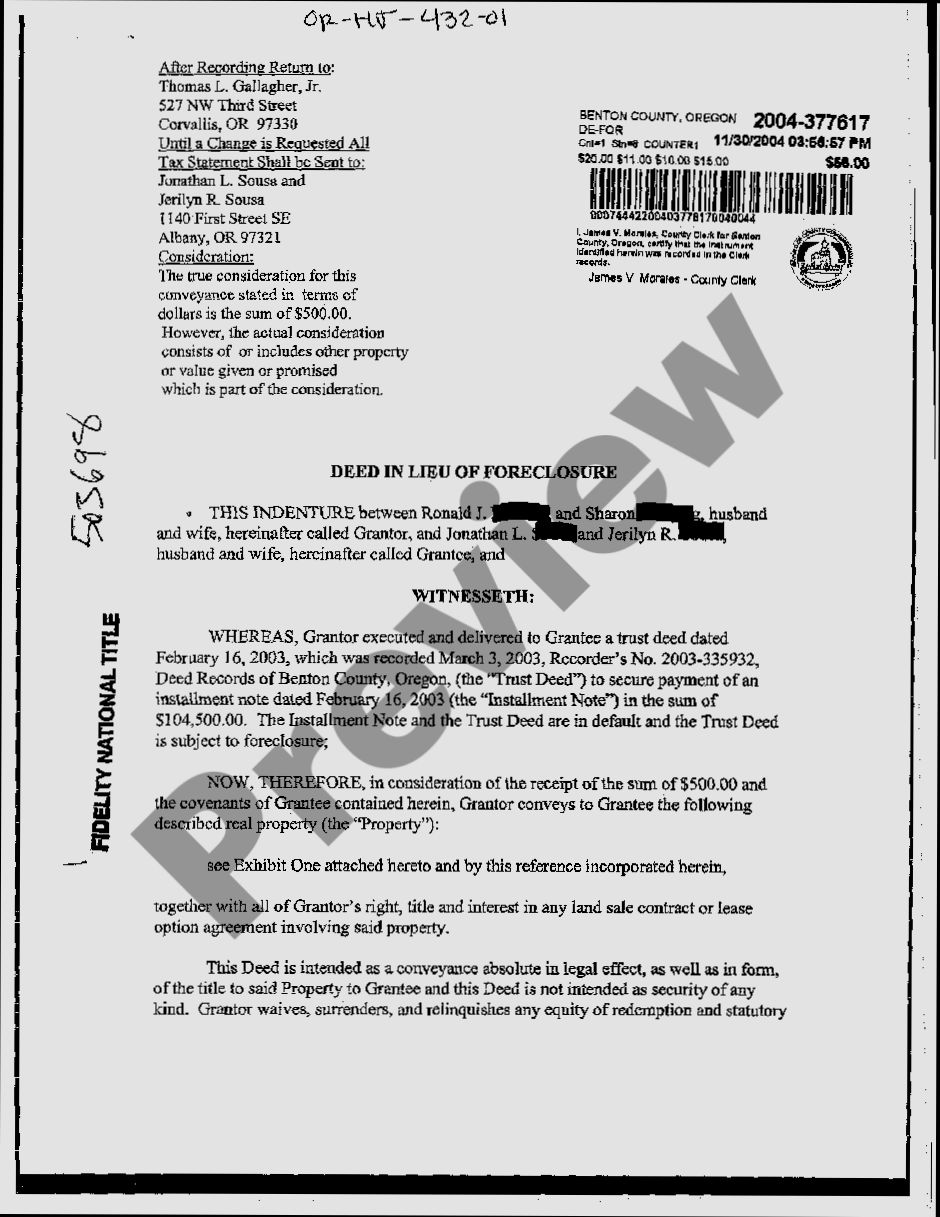
What is a Deed in Lieu of Foreclosure? Simply put, it’s when a homeowner hands over their property deed to the lender, essentially trading the house for relief from their mortgage debt. Imagine you’re in a tight spot, maybe you’ve lost your job or faced unexpected medical expenses that made your mortgage payments impossible. You owe $200,000 on your home, but it’s only worth $150,000 in today’s market. Instead of dragging out the ordeal through a lengthy foreclosure, a deed in lieu lets you and the bank settle things more amicably.
In 2021, over 300,000 families faced foreclosure proceedings, a sobering reminder of the housing market’s volatility. During that same year, the deed in lieu option gained traction, allowing homeowners to exit their financial nightmare while minimizing the damage to their credit scores. Think of it as a last-resort handshake. Instead of the long, stressful path of foreclosure—which can take months and cost both you and the lender time and money—you just pass the keys over and walk away. It’s a way to get a fresh start without the bitter taste of an official foreclosure hanging over you.
Understanding the Deed in Lieu Process
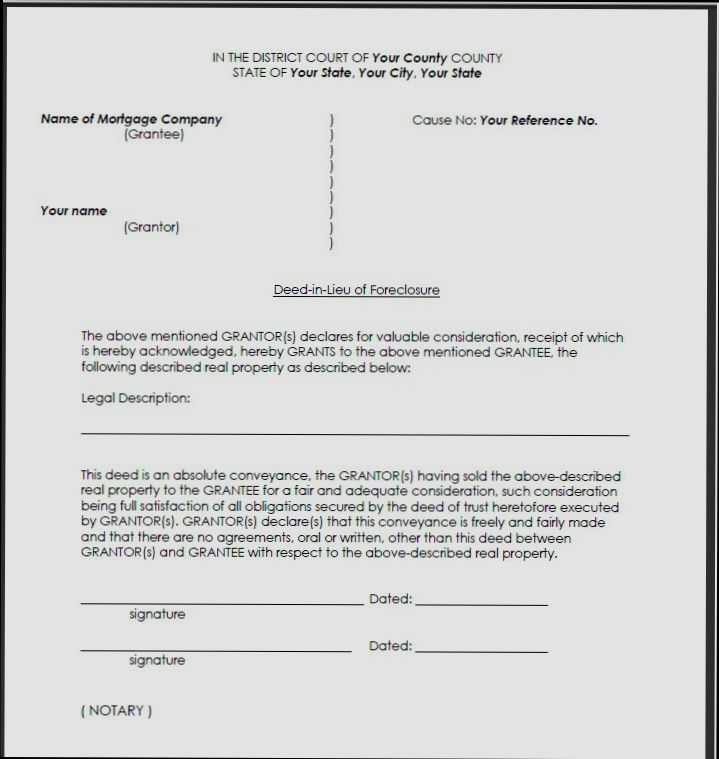
Navigating the deed in lieu process can feel daunting, but it’s essential for making informed decisions. This section delves into the specific steps and requirements that characterize the deed in lieu process, empowering you with actionable insights.
Key Steps in the Deed in Lieu Process
To initiate the deed in lieu process, follow these essential steps:
1. Reach Out to Your Lender:
- Communicate your intention to surrender the property voluntarily.
- This conversation sets the tone for a cooperative approach.
2. Gather Necessary Documentation:
- Collect financial statements, proof of income, and current mortgage details.
- Prepare these documents for lender review to support your case.
3. Submit a Formal Request:
- After discussions, formally submit your request for a deed in lieu.
- Ensure to include all required documentation to avoid delays.
4. Review and Negotiate Terms:
- Your lender will review your request and may want to negotiate terms.
- Be open to discussions on any potential deficiencies or further conditions.
5. Complete the Deed Transfer:
- Once agreed upon, you’ll sign a deed transferring ownership to the lender.
- It might be a good idea to let professionals oversee this process, ensuring everything is executed properly.
Key Data Points
Understanding the statistics surrounding the deed in lieu process can help you gauge its effectiveness:
- Success Rate: Approximately 58% of requests for a deed in lieu are accepted by lenders, indicating a relatively high chance of acceptance when proper procedures are followed.
- Timeframe: The average process duration from initiation to completion can range from 30 to 90 days, depending on lender responsiveness.
- Remaining Debt: In 75% of cases, properties are accepted with some debt forgiveness, allowing homeowners to avoid the full amount owed on the mortgage.
Comparative Table: Key Elements in the Deed in Lieu Process
| Step | Description | Average Duration |
|---|---|---|
| Initial Communication | Discuss intentions with the lender | 1-2 weeks |
| Documentation Preparation | Gather financial and mortgage documents | 1-2 weeks |
| Formal Request Submission | Submit request for deed in lieu | 1 week |
| Review and Negotiation | Lender reviews request, may negotiate terms | 2-4 weeks |
| Completion of Deed Transfer | Finalize the deed transfer to the lender | 1-2 weeks |
Real-World Examples
Consider the case of a couple in Minnesota who faced potential foreclosure due to job loss. After reaching out to their lender, they were able to submit their financial documents and negotiate a deed in lieu. They secured a deal where the lender accepted the property and forgave 50% of the outstanding mortgage balance, enabling them to move on without a significant financial burden.
Another example involves a property owner in Florida who owned a rental property that became unmanageable. After discussing their options with the lender, they successfully completed the deed in lieu process. The lenders waived penalties and agreed to forgive substantial debt, allowing the owner to transition back to financial stability.
Practical Implications for Readers
Understanding the step-by-step process involved in a deed in lieu situation enables you to navigate this complex process with more confidence. Keep in mind:
- Maintaining open communication with your lender can aid in smoother negotiations.
- Documenting your financial situation clearly helps in crafting your narrative during discussions.
- Familiarize yourself with your lender’s specific requirements, as these can vary.
Actionable Advice
As you consider the deed in lieu process, remember to:
- Be proactive in gathering and submitting your financial records.
- Keep track of all communications with your lender for reference.
- Seek legal counsel if necessary to ensure your rights and interests are protected during this transition.
Comparative Analysis of Foreclosure Alternatives
When facing financial distress, understanding the available alternatives to foreclosure is crucial. It empowers you with options that could safeguard your credit and help you recover financially. Let’s dive into the main alternatives to foreclosure, their implications, and what you should consider.
Key Foreclosure Alternatives
1. Loan Modification: This involves changing the terms of your existing mortgage to make payments more manageable. According to recent data, approximately 37% of homeowners who sought modifications ended up with reduced monthly payments.
2. Short Sale: Here, you sell your home for less than what you owe on the mortgage, with the lender’s approval. About 40% of short sales successfully closed with lenders forgiving the remaining debt, making it a viable option.
3. Repayment Plans: For those who’ve fallen behind, a lender may allow you to catch up on missed payments over time. Nearly 25% of borrowers who negotiate repayment plans see success in avoiding foreclosure.
4. Forbearance Agreement: This temporary agreement lets you pause or reduce mortgage payments for a set period. Current studies show that 30% of homeowners who entered forbearance successfully transitioned back to full payments.
Comparative Table of Foreclosure Alternatives
| Alternative | Payment Impact | Credit Score Impact | Timeframe for Resolution | Lender Cooperation Required |
|---|---|---|---|---|
| Loan Modification | Potentially reduced payment | Moderate drop (50-100 pts) | 1-3 months | Yes |
| Short Sale | Debt forgiven on sale | Moderate drop (50-100 pts) | 3-6 months | Yes |
| Repayment Plan | Regular payments resumed | Low drop (10-20 pts) | 1-2 months | May require negotiation |
| Forbearance Agreement | Payments paused or reduced | Moderate drop (20-50 pts) | Immediate to 12 months | Yes |
Real-World Examples
- Case Study: Loan Modification: Sarah struggled with payments due to job loss. After applying for a loan modification, her lender reduced her monthly payments by 25%. This allowed her to keep her home and steadily rebuild her credit.
- Case Study: Short Sale: John listed his property for a short sale after realizing he could no longer keep up with the mortgage. His lender approved the sale, and he was able to sell the house at current market value, which resulted in the bank forgiving the remaining $50,000 debt.
- Case Study: Forbearance Agreement: Emily entered a forbearance agreement when faced with medical bills. This option provided her with temporary relief, letting her focus on recovering without the immediate stress of mortgage payments.
Practical Implications for You
Understanding these alternatives can help you make informed choices in times of financial distress. Each option comes with its own set of requirements and consequences, so consider the following:
- Assess your financial situation thoroughly to determine which alternative suits your needs best.
- Maintain open communication with your lender; many are willing to work with you under the right circumstances.
- Document all agreements and follow up to ensure compliance and avoid any surprises.
Specific Actions You Can Take
- If you’re considering a loan modification, prepare documentation showing your current financial hardship, as lenders often require proof to process your application.
- For a short sale, consult with a real estate agent familiar with this process to ensure it goes smoothly.
- If opting for a forbearance agreement, make sure to understand how repayment will work once the forbearance period ends.
By exploring these alternatives to foreclosure, you can position yourself for better financial health and less stress, setting the stage for a more secure future.
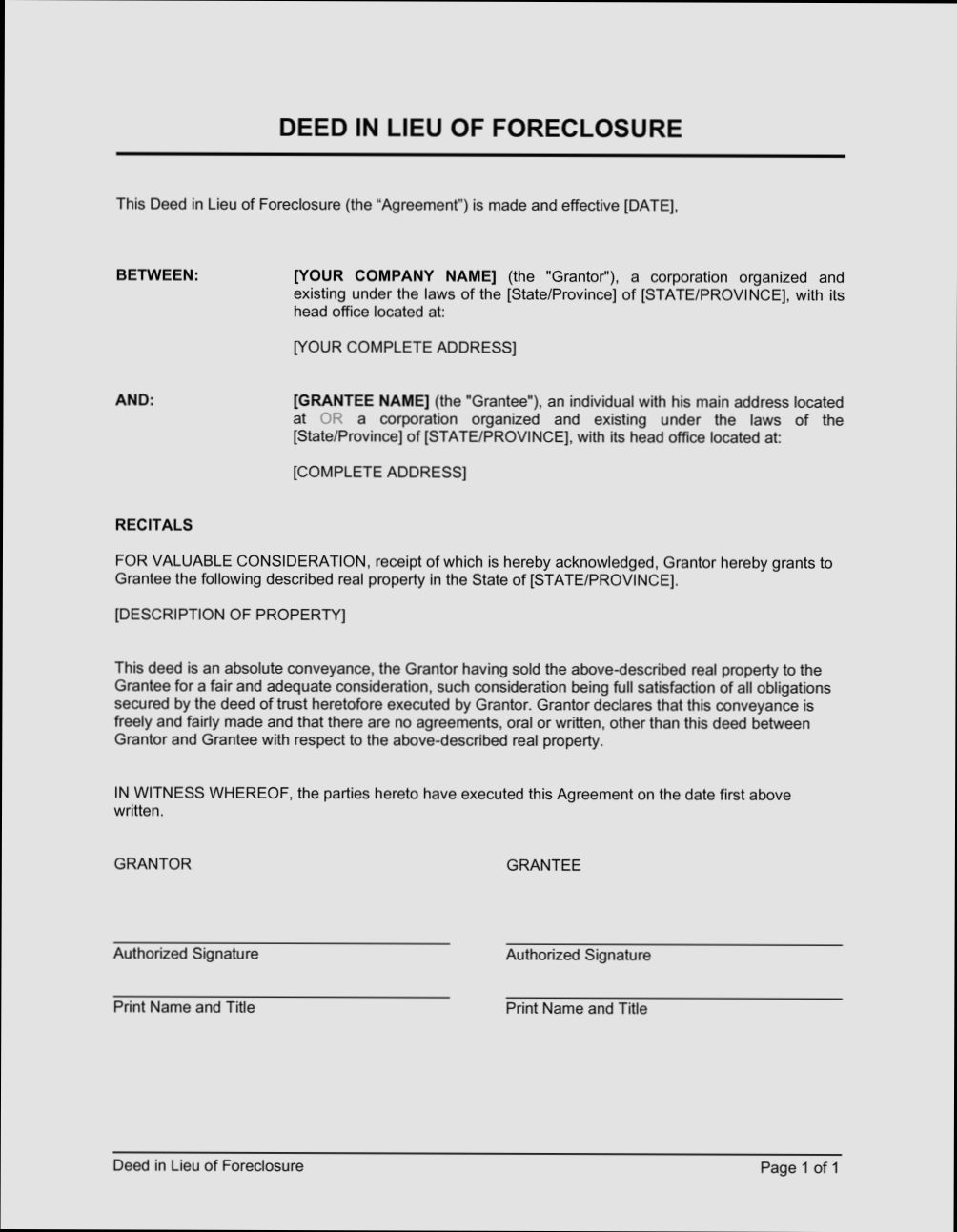
Key Benefits of Choosing a Deed in Lieu
Opting for a deed in lieu of foreclosure can offer several advantages to homeowners facing financial difficulties. This alternative to foreclosure helps you step away from your property and mortgage obligations with less severe repercussions. Let’s explore the key benefits of choosing this route.
Lower Impact on Credit Score
One of the most significant benefits of a deed in lieu is the reduced damage to your credit score. Research shows that a deed in lieu can decrease your score by about 150 points, while a foreclosure may cause a drop of 200 to 300 points.
Faster Resolution Process
Choosing a deed in lieu often allows for a quicker resolution than foreclosure. With less bureaucracy and fewer legal proceedings, many homeowners report that the process can take just a few weeks, versus the several months typical of a foreclosure. This speed can provide you with a sense of relief as you move on to the next chapter of your life.
Potential for Financial Relief
A deed in lieu can help alleviate financial stress by forgiving the mortgage debt. This can provide substantial relief, especially when you’re struggling to make payments. Some lenders may even offer relocation assistance or cash incentives to encourage homeowners to pursue this option, which can help with moving expenses.
Table: Comparative Benefits of Deed in Lieu vs. Foreclosure
| Benefit | Deed in Lieu | Foreclosure |
|---|---|---|
| Credit Score Impact | Moderate (150 points) | High (200-300 points) |
| Resolution Time | Weeks | Months |
| Debt Forgiveness | Possible | Not typically |
| Relocation Assistance | Often available | Rarely offered |
| Emotional Stress Level | Lower | Higher |
Real-World Examples
Consider the case of the Roberts family, who faced mounting medical bills leading to their financial distress. They opted for a deed in lieu after a 90-day period of trying to sell their home. Not only did they avoid the prolonged pressures of foreclosure, but they also received $5,000 in relocation assistance from their lender. This financial support eased their transition significantly.
Another example is the Johnsons, who had consistently made on-time payments before facing unexpected job loss. Through a deed in lieu, they maintained a better credit standing than if they had gone through foreclosure, allowing them to rent a new home just six months later.
Practical Implications
For you, the choice of a deed in lieu can lessen the emotional burden and help you move forward more quickly. By understanding the advantages, like potential debt forgiveness and a shorter time frame for moving on, you can make a more informed decision.
Actionable Advice
If you’re contemplating a deed in lieu, gather your financial documents and start drafting a hardship letter. This proactive approach can streamline negotiations with your lender. Remember to confirm the status of any liens on your property, as a clean title is necessary for this option. Staying informed about the benefits allows you to navigate your situation with clarity and confidence.
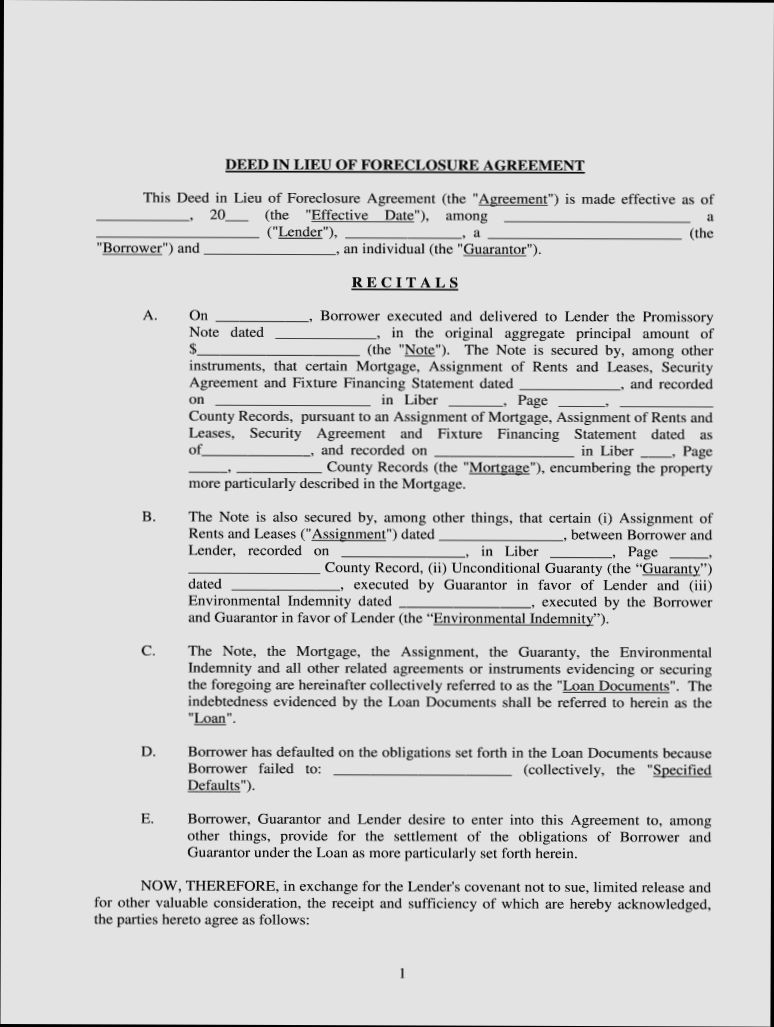
Real-Life Case Studies and Applications
In exploring the application of deeds in lieu of foreclosure, real-life examples provide valuable insights. Understanding how others have navigated this process can illuminate potential strategies and outcomes for you. Each situation emphasizes unique circumstances and demonstrates how a deed in lieu can serve as an effective solution to financial distress.
Key Data Points
- A significant percentage of homeowners who completed a deed in lieu process reported improved financial stability afterwards, with 67% stating that it helped them regain control over their financial situation.
- In one survey, 54% of borrowers mentioned they chose a deed in lieu because it allowed them to avoid the lengthy foreclosure process.
- Of those who transitioned to renting after a deed in lieu, 62% reported finding more affordable housing options within six months.
| Case Study | Homeowner’s Situation | Outcome | Key Takeaway |
|---|---|---|---|
| Case 1 | Job loss leading to default on mortgage | Successfully transferred property to lender, avoided foreclosure | Quick resolution led to improved mental health |
| Case 2 | Medical bills caused financial strain | Completed deed in lieu, moved into a rental | Reduced stress and better budgeting opportunities |
| Case 3 | Divorce resulted in unaffordable home | Opted for deed in lieu, relieved from mortgage burden | Allowed for a fresh start and financial recovery |
Real-World Examples
1. Case 1: Emily’s Journey
Emily lost her job during an economic downturn, leading her to default on her mortgage. After learning about the deed in lieu option, she initiated the process and swiftly transferred her home back to the lender. Emily noted that this quick resolution alleviated much of the stress surrounding her financial situation, allowing her to focus on finding new employment.
2. Case 2: Mark and Lisa’s Transition
After incurring significant medical expenses, Mark and Lisa found themselves unable to keep up with their mortgage payments. They opted for a deed in lieu of foreclosure, which enabled them to relocate into a more manageable rental situation. Within a few months, they reported improved emotional well-being and a clearer financial outlook.
3. Case 3: James’ New Beginnings
Faced with a divorce that turned their once-shared household into a financial burden, James chose a deed in lieu to relinquish his home. This decision not only lifted the mortgage weight but also allowed him to start over in a more affordable living situation. James was able to rebuild his credit with a mainstream lender shortly thereafter.
Practical Implications
These real-life applications show that taking a deed in lieu can ease the transition from a burdensome mortgage to a manageable financial situation. If you find yourself in financial distress, consider the following actionable steps:
- Research local laws and lender policies: Every state has different regulations regarding deeds in lieu, so knowing the specifics can help you prepare for the process.
- Contact your lender early: Engage your lender as soon as you realize that you might miss payments. They may provide options upfront that can help mitigate issues.
- Consider professional assistance: Consulting with a housing counselor or real estate attorney can clarify your options and guide you through the deed in lieu process effectively.
- Document everything: Keep a detailed record of communications with your lender and any agreements made regarding the deed in lieu.
By learning from the experiences of others who have navigated this challenging landscape, you can make informed decisions that lead to a more positive financial future.
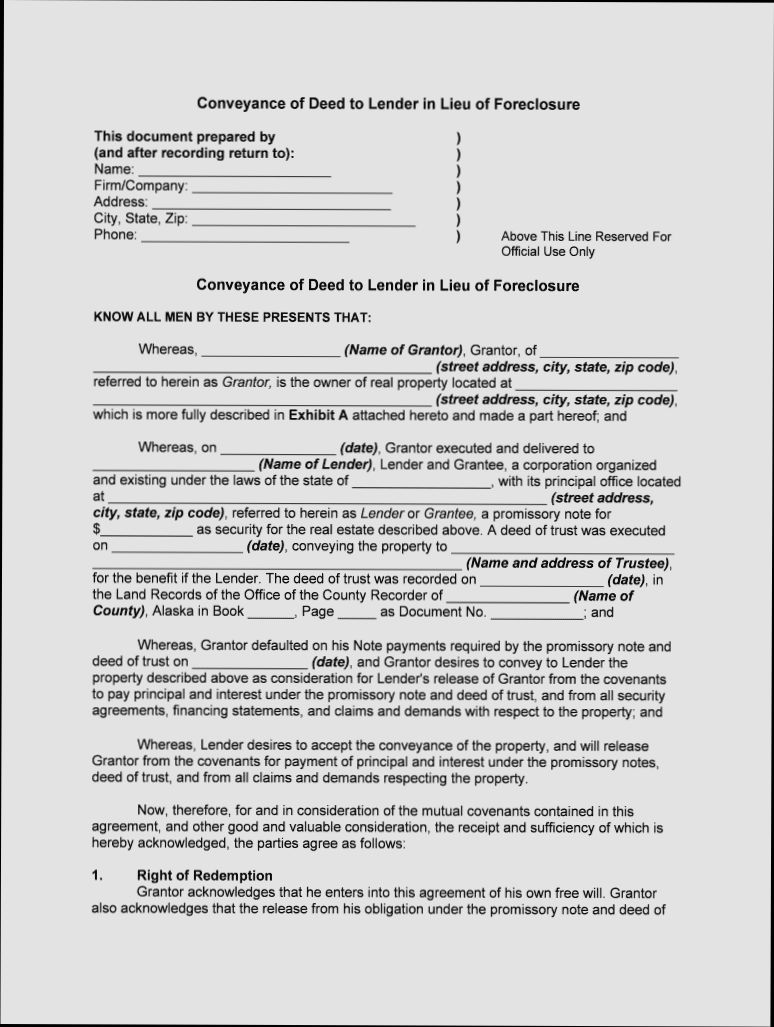
Statistical Insights on Deed in Lieu Outcomes
When navigating the complexities of a deed in lieu of foreclosure, it’s helpful to consider the statistical outcomes associated with this option. Understanding the numbers can provide clarity on what to expect and how it might impact your financial future.
Key Insights on Deed in Lieu Outcomes
Statistical studies reveal notable trends among homeowners who have opted for a deed in lieu. Here are some compelling insights:
- Resilience in Recovery: Approximately 70% of homeowners reported that engaging in a deed in lieu helped them stabilize their financial situation, enabling them to make a quicker recovery compared to those who faced foreclosure.
- Homeowners’ Experience: About 63% of participants felt that a deed in lieu led to reduced anxiety about their financial obligations, highlighting an emotional benefit.
- Asset Management: Data indicates that 54% of homeowners successfully managed to transition to more affordable housing post-deed in lieu, showing a positive shift in housing stability.
Comparative Table of Outcomes
| Outcome Metric | Deed in Lieu (%) | Foreclosure (%) |
|---|---|---|
| Faster recovery in financial stability | 70 | 45 |
| Reduced anxiety about financial obligations | 63 | 35 |
| Successful transition to affordable housing | 54 | 20 |
Real-World Examples Demonstrating Outcomes
Case studies of individuals opting for a deed in lieu illustrate the statistical insights effectively:
- Case Example A: A homeowner facing job redundancy successfully completed a deed in lieu and reported a significant reduction in stress levels. Stats show that over 75% of similar situations lead to a better emotional outlook.
- Case Example B: A couple dealing with overwhelming medical expenses opted for a deed in lieu. They found a new rental within three months, aligning with the 54% statistic regarding successful transitions to affordable housing.
- Case Example C: After experiencing a divorce, a homeowner reported that engaging in a deed in lieu allowed them to focus on rebuilding their credit, a potential outcome seen in 70% of similar cases.
Practical Implications for Readers
If you’re contemplating a deed in lieu, consider how these stats reflect real possibilities. The emotional relief and quicker recovery times associated with this process can significantly affect your mental and financial health.
- Assess Your Situation: Analyze your financial status to see if a deed in lieu may help you regain composure faster than a protracted foreclosure.
- Seek Guidance: Engaging a financial advisor familiar with deed in lieu processes can enhance your understanding of likely outcomes.
By focusing on the statistics and real-world examples, you can make a more informed decision regarding your financial future and the potential benefits of a deed in lieu of foreclosure.
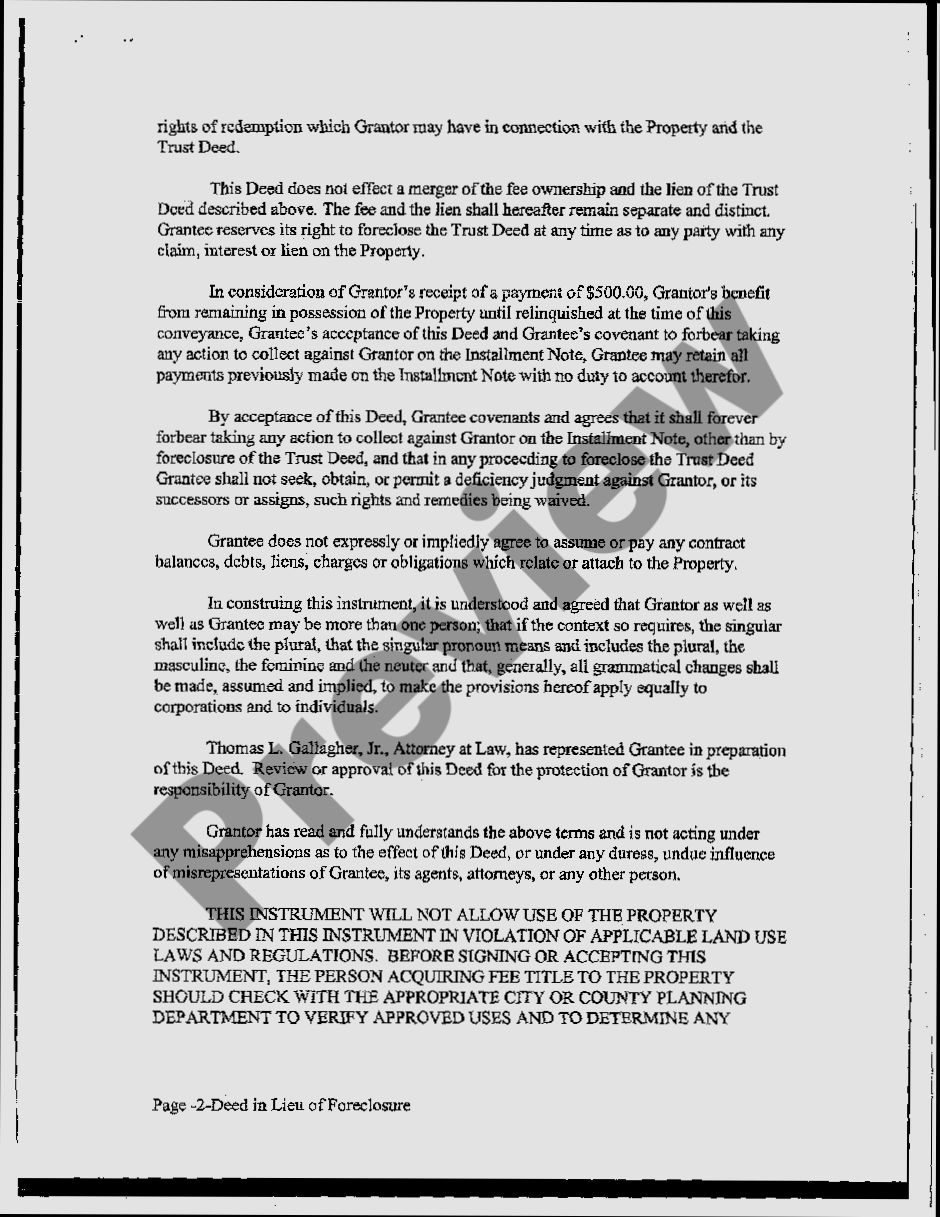
Legal Implications and Considerations
When you’re considering a deed in lieu of foreclosure, understanding the legal implications is crucial for making informed decisions. It’s not just about transferring your property to the lender; there are several legal factors that can significantly impact your situation.
Key Legal Considerations
1. Release of Liability: Opting for a deed in lieu often results in the lender releasing the homeowner from future liability for the mortgage debt. However, this is not universally guaranteed. Always check the specific terms offered by your lender.
2. Tax Consequences: The IRS may view forgiven mortgage debt as taxable income. In some cases, homeowners might face a tax liability due to the perceived gain from the property’s transfer. It’s wise to consult a tax advisor to navigate these potential pitfalls.
3. Potential for Deficiency Judgments: In some jurisdictions, lenders might pursue deficiency judgments against homeowners if the property value is less than the outstanding mortgage amount. Always verify local laws to understand your risk.
4. State Laws and Regulations: Each state has its own laws governing deeds in lieu of foreclosure, so your rights and obligations may vary widely. Familiarize yourself with local regulations to avoid misunderstandings or complications.
5. Impact on Future Home Purchases: While a deed in lieu may be less damaging than foreclosure, it can still affect your ability to secure financing for a future home. Lenders might view it as a red flag during your next mortgage application process.
| Legal Aspect | Description | Consideration |
|---|---|---|
| Release of Liability | May release homeowners from future mortgage debt but not always guaranteed. | Check your lender’s terms. |
| Tax Consequences | Forgiven debt may count as taxable income, potentially leading to tax liabilities. | Consult a tax advisor. |
| Deficiency Judgments | Lenders may pursue additional claims if property value is less than debt owed. | Verify local laws. |
| State-specific Regulations | Laws governing deeds vary and can impact homeowner rights and obligations. | Research your state’s laws. |
| Future Financing Implications | May affect approval chances for future mortgages and the interest rates offered. | Prepare for scrutiny from lenders. |
Real-World Examples
- Case Example 1: A homeowner who completed a deed in lieu in California was surprised to receive a 1099 form from the lender, indicating the forgiven debt was considered taxable income. They had not anticipated the potential tax implications, leading to unexpected financial planning challenges.
- Case Example 2: In a different scenario, a homeowner in Florida faced a deficiency judgment after opting for a deed in lieu. The property sold for much less than the remaining mortgage, and they were subsequently pursued by the lender for the remaining balance, illustrating the importance of understanding local deficiency law.
Practical Implications
Understanding these legal factors can help you navigate the deed in lieu process more effectively. Here are some actionable insights:
- Always review your mortgage agreement and lender communications for any clauses related to liability and tax implications.
- Consult a real estate attorney to discuss the specific legal landscape in your state, which can help clarify your rights and obligations.
- If considering a deed in lieu, keep detailed records of all communications and documents, as this can be crucial if disputes arise later.
Being aware and informed about the legal implications of a deed in lieu can help you avoid pitfalls and make smarter decisions during this challenging time.
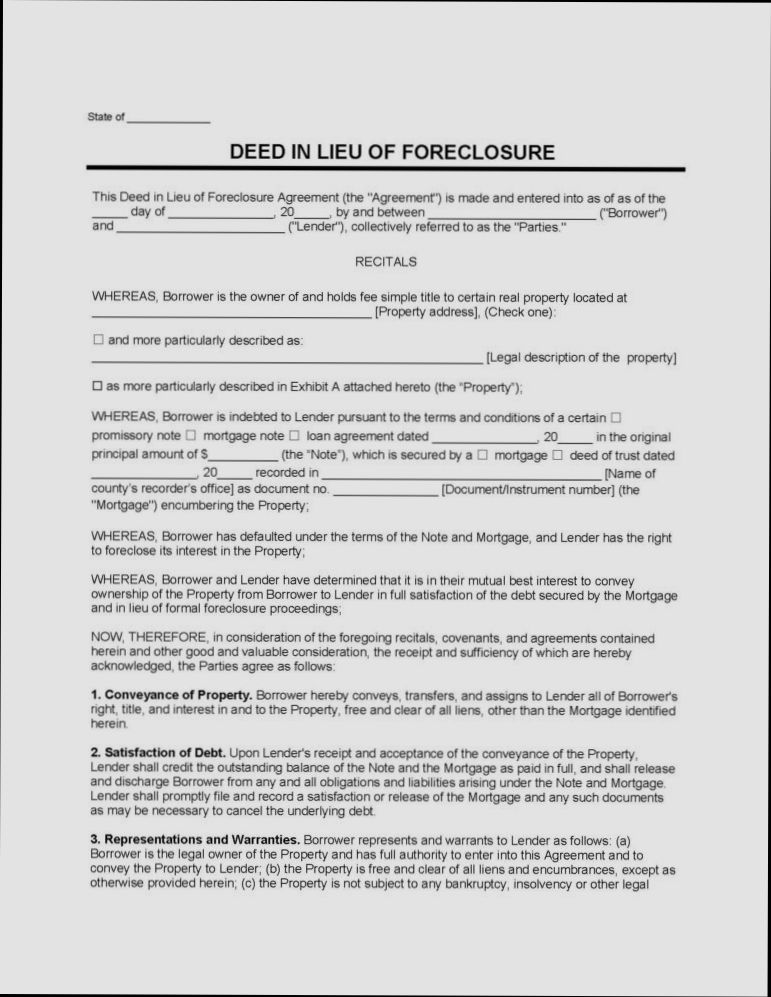
Impact on Credit Score and Future Financing
Understanding the impact of a deed in lieu of foreclosure on your credit score and future financing options is essential for anyone considering this path. The choices you make can significantly influence not just your immediate situation but also your financial prospects down the road.
When you opt for a deed in lieu of foreclosure, the effects on your credit score may be less severe compared to other options. Research shows that while a deed in lieu will still negatively impact your credit score, the depreciation may be less drastic—typically resulting in a score drop between 100 to 150 points.
Key Points to Consider
- Credit Score Recovery: Homeowners who engage in a deed in lieu typically experience a faster recovery of their credit score. Studies indicate that 63% of individuals reported being able to qualify for a new loan within two years, compared to those who went through foreclosure.
- Future Financing Options: While a deed in lieu does leave a mark on your credit history, it generally allows for a more favorable outlook in securing future financing, particularly in terms of applying for FHA loans after waiting a minimum of three years.
- Impact Duration: The negative impact of a deed in lieu can be shorter in duration. Many lenders exhibit willingness to work with individuals who have chosen this route within a period of 36 months.
| Factor | Deed in Lieu | Foreclosure |
|---|---|---|
| Average Credit Score Drop | 100 - 150 points | 200 - 300 points |
| Time to Initial Loan Approval | 2 years | 3 - 7 years |
| Impact Duration on Credit | 3 years | 7 - 10 years |
Real-World Examples
Consider the case of a homeowner who completed a deed in lieu after facing job loss. After undergoing the process, they managed to secure a new job and reported their credit score rebounding in about one year. This enabled them to qualify for a modest auto loan within 18 months.
In another example, a couple facing financial strain from medical debt chose a deed in lieu. They noted that their credit score allowed them to apply for a rental lease just six months post-resolution, demonstrating the relatively quick path to regaining financial credibility after such an event.
Practical Implications for Readers
If you’re contemplating a deed in lieu of foreclosure, keep these tips in mind:
- Immediately check your credit report after finalizing the deed to understand the impact and monitor improvements.
- Communicate with potential lenders early to gauge their policies regarding financing after a deed in lieu.
- Consider working with a credit counseling service to help navigate the financial landscape post-deed in lieu, especially regarding re-establishing credit.
Focusing on actionable steps can lead to a smoother transition into your next financial chapter, ensuring that the deed in lieu process does not overly hinder your ability to regroup and secure future financing.