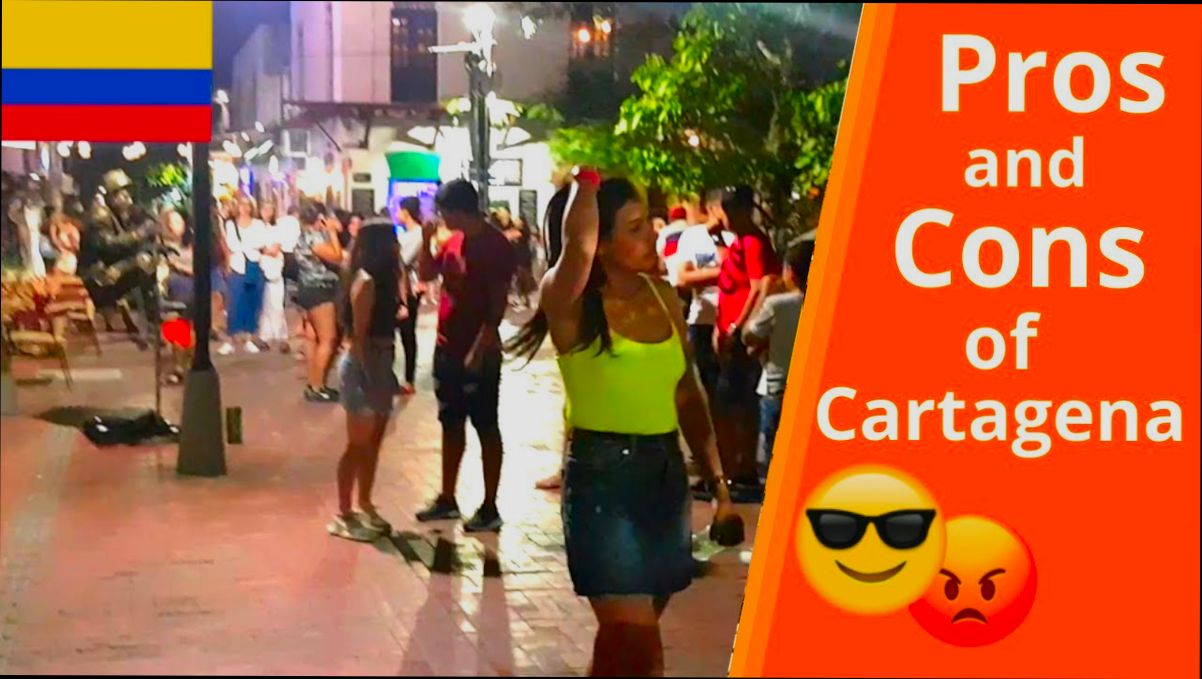
Pros and Cons of Living in Cartagena reveal a vibrant mix of charm and challenges. Imagine waking up to sunny skies and the sound of waves crashing at the nearby beaches, with a cost of living that hovers around 50% lower than in many U.S. cities. You can enjoy a delicious arepa for breakfast for just a couple of bucks while sipping fresh juice from one of the many local stands. But let’s keep it real—heat and humidity can be intense; you might find yourself retreating to the air conditioning more often than you’d like, especially in the peak summer months when temperatures soar above 90°F.
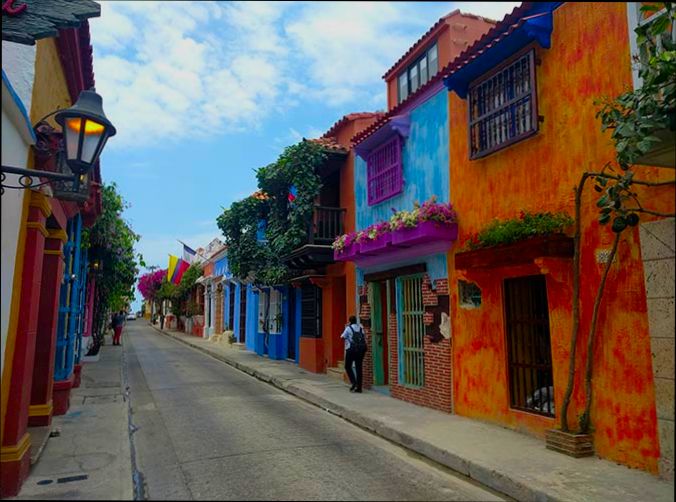
On the cultural front, Cartagena dazzles with its colorful colonial architecture and rich history, drawing both locals and tourists alike. The street art scene is vibrant, and let’s not forget about the jaw-dropping sunsets over the Caribbean Sea. But, on the flip side, the tourism hustle means you might navigate crowded plazas and hear nonstop honking from the traffic that often clogs San Diego or Getsemani. Plus, issues like crime can be a concern, particularly in certain neighborhoods, making it essential to stay aware of your surroundings. Living here is an adventure, but it’s not without its quirks and compromises!
Cost of Living Comparison in Cartagena
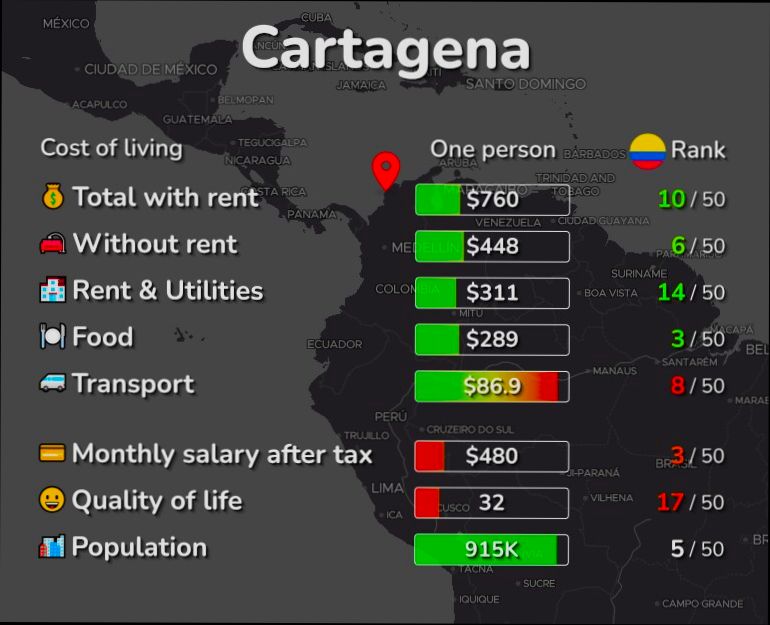
When considering a move to Cartagena, understanding the cost of living is crucial. You’ll find that living expenses can vary significantly based on your personal lifestyle, location within the city, and whether you opt for local goods or international products. Let’s dive into some engaging and specific data that paints a clearer picture of what you can expect.
Key Insights on Living Expenses
- Housing Costs: Rent in Cartagena can vary greatly. A one-bedroom apartment in the city center typically costs around $400, while a similar apartment outside the center can drop to about $250. This is a significant difference that can help you prioritize which area fits your budget best.
- Food and Dining: Dining out can be quite affordable. A meal at an inexpensive restaurant averages $5, while a three-course dinner for two at a mid-range restaurant is about $30. This allows you the flexibility to enjoy local cuisine without straining your finances.
- Transportation: Public transport is both efficient and economical. A monthly public transport pass costs around $25, which is much cheaper compared to similar services in cities like Miami or Barcelona.
- Utilities and Internet: Basic utility bills (electricity, heating, cooling, water, and garbage) average about $100 per month for a standard apartment. If you add internet, expect to pay around $40, bringing your total to around $140 monthly for essential services.
Cost Comparison Table
| Item | Cartagena (USD) | Miami (USD) | Madrid (USD) |
|---|---|---|---|
| One-bedroom Apartment (City Center) | $400 | $2,300 | $1,200 |
| Meal at Inexpensive Restaurant | $5 | $15 | $12 |
| Monthly Public Transport Pass | $25 | $130 | $55 |
| Basic Utilities (Monthly) | $100 | $200 | $150 |
| Internet (Monthly) | $40 | $60 | $45 |
Real-World Examples
Consider María, who recently relocated to Cartagena from Toronto. She cites her rent for a two-bedroom apartment in the city center at just $600, a stark contrast to her previous $2,000 expense back home. María has found local markets where she can buy fresh produce at much lower prices, averaging $20 per week for groceries—half of what she spent in Canada.
On the flip side, John moved from New York and discovered that while he pays $30 for a three-course meal for two at a nice restaurant, he can still find reasonably priced meals that allow for a nice night out without overspending.
Practical Implications for Your Move
- Evaluate your housing preferences. If you’re flexible about location, consider living outside the city center to save on rent.
- Embrace local cuisine and markets; they can save you considerable amounts on dining and groceries.
- Factor in transportation costs early. Public transport is an excellent option to keep commuting costs minimal.
- Be mindful of utility expenses, as they can vary based on usage, especially with air conditioning being a common need in Cartagena.
With these insights, you can better manage your budget and expectations when living in Cartagena. From the attractive housing costs to the delightful local dining options, you’ll find many ways to enjoy life in this vibrant city without breaking the bank.
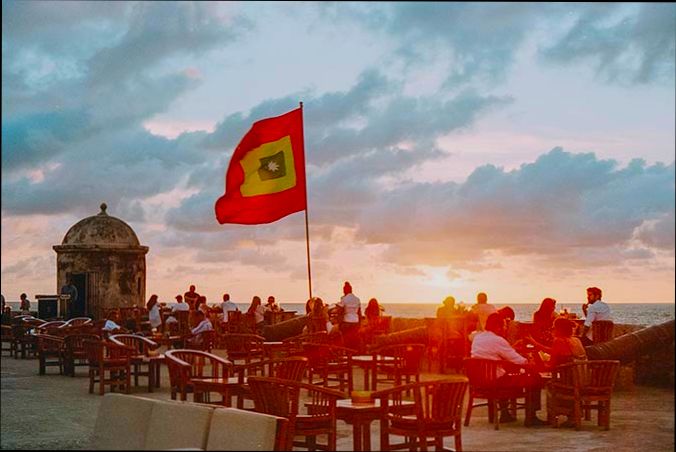
Cultural Richness and Historical Significance
Cartagena is a city that breathes history and culture, with a vibrant tapestry woven from its colonial past and diverse influences. It offers a unique experience where the architecture, local traditions, and community events reflect centuries of rich narratives. Let’s dive into what makes living in Cartagena culturally rewarding and historically significant.
A Tapestry of Influences
- Colonial Architecture: The walled city of Cartagena, a UNESCO World Heritage site, features over 130 monumental buildings that depict baroque and colonial styles. This rich architectural heritage is not just beautiful; it’s a daily reminder of the city’s evolution.
- Cultural Diversity: Approximately 70% of Cartagena’s population is of Afro-Colombian descent. This vibrant demographic contributes to a rich cultural blend manifesting in music, dance, and culinary traditions, best exemplified through the lively festival of Carnival.
Historical Landmarks
| Landmark | Year Established | Significance |
|---|---|---|
| Castillo San Felipe | 1657 | Key fortification protecting against pirates |
| Palace of the Inquisition | 1770 | A representation of colonial judicial practices |
| San Pedro Claver Church | 1654 | Honors a saint known for his service to enslaved Africans |
Real-World Examples
The city is alive with festivals that celebrate its cultural heritage. For instance, the Hay Festival, which takes place annually, attracts writers and thinkers from across the globe, enhancing Cartagena’s reputation as a cultural hub. On a smaller scale, local markets like Bazurto showcase indigenous crafts and artisanal foods, providing a glimpse into the local lifestyle and an opportunity to support native artisans.
Practical Implications for Residents
Living in Cartagena means immersing yourself in a continuous dialogue of history and culture. Engaging with the community through festivals, markets, and local gatherings allows you to forge deeper connections with your neighbors. Taking part in events like the Fiesta de la Independencia not only enhances your social life but also enriches your understanding of Colombian heritage.
Actionable Insights
- Regularly visit museums such as the Gold Museum for insights into pre-Columbian history.
- Attend local cultural events to meet new people and embrace the unique traditions.
- Explore neighborhoods like Getsemaní, known for its vibrant street art and historical significance, to experience the living history of Cartagena firsthand.
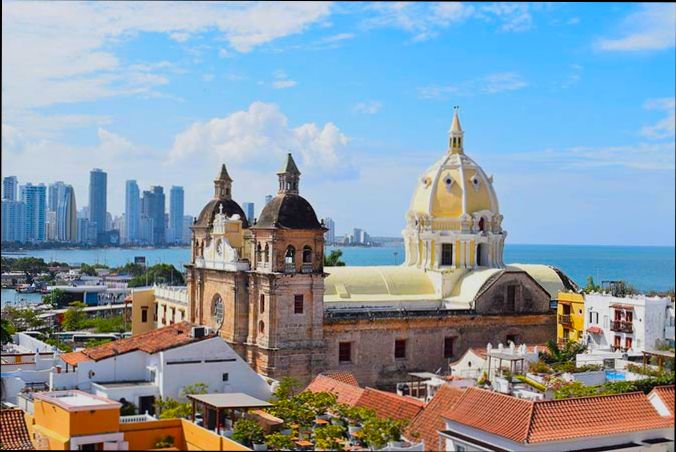
Climate Considerations for Year-Round Residents
Living in Cartagena means becoming acquainted with a tropical climate characterized by high humidity and substantial rainfall throughout the year. For those of us considering a permanent residence in this vibrant Colombian city, understanding its climate is crucial for a comfortable lifestyle.
Key Climate Features
- Temperature Variation: Average temperatures hover around 27°C (80°F) year-round, with minimal fluctuations between day and night, making it essential to prepare for consistently warm weather.
- Humidity Levels: Relative humidity averages 85%, which can make the heat feel more intense. Residents often recommend air conditioning or at least fans in homes to mitigate this discomfort.
- Rainy Season: The rainy season typically spans from May to December. On average, you can anticipate about 150-200 mm of rainfall monthly during these months, leading to occasional flooding in low-lying areas.
Average Climate Conditions
| Month | Average Temperature (°C) | Rainfall (mm) | Humidity (%) |
|---|---|---|---|
| January | 27 | 30 | 85 |
| April | 28 | 50 | 87 |
| July | 27 | 20 | 82 |
| October | 27 | 200 | 90 |
| December | 27 | 80 | 85 |
Real-World Examples
- Flooding Impact: During the peak rainy months, such as October, residents may experience localized flooding. For example, neighborhoods like Getsemani occasionally face waterlogging challenges. Being aware of this can help you choose housing located on higher ground.
- Heat Management: Many year-round residents in Cartagena adopt lifestyle adjustments such as wearing lightweight, breathable clothing and limiting outdoor activities to early mornings or late afternoons to combat the heat and humidity.
Practical Implications
- Home Preparation: Investing in good ventilation and air conditioning systems can enhance your comfort while living in Cartagena.
- Outdoor Activities: Make a habit of scheduling outdoor events during the cooler parts of the day, especially in the rainy season when humidity is at its peak.
Actionable Advice
- Hydration: Regularly drink plenty of water; aim for at least 2-3 liters daily, particularly during humid months.
- Travel Considerations: Plan trips during the drier months, such as January to March, to enjoy fewer rain interruptions and more stable weather conditions.
By paying attention to these climate considerations, you can make living in Cartagena an enjoyable and fulfilling experience year-round.
Crime Rates and Safety Concerns
Crime rates and safety is a pressing issue for anyone considering a move to Cartagena. While the city is known for its charm and beauty, it’s essential to be aware of the safety landscape before making your decision. Let’s dive into specific crime trends and safety tips that may influence your living experience in Cartagena.
Understanding the Crime Landscape
Cartagena has seen fluctuations in crime rates over recent years. Here are some key statistics that reflect the current situation:
- Murder Rate: The city has reported a murder rate of approximately 25 per 100,000 inhabitants, which is significant compared to global averages.
- Petty Crime: Incidents of petty theft, pickpocketing, and scams are common, especially in tourist-heavy areas like the Walled City and Getsemaní, with over 60% of residents reporting experiences of petty crime.
- Property Crime: Burglary rates stand at about 15%, with both expats and locals being targets in some neighborhoods.
Crime Rate Comparison
| Crime Type | Cartagena (per 100,000) | Colombia National Average |
|---|---|---|
| Murder Rate | 25 | 25 |
| Petty Theft Rate | 60% | 40% |
| Burglary Rate | 15% | 12% |
Real-World Examples
One notable case involved an expat family living in the Manga neighborhood, which is considered safer compared to others. They reported a break-in last year where thieves entered through an unsecured window during the night, highlighting the importance of home security measures. In contrast, many residents in El Centro take advantage of increased police presence and community watch programs, resulting in a perceived decrease in crime in that area.
Conversely, a traveler recently shared a harrowing experience of having their phone snatched while distracted by street performers in Getsemaní. This serves as a reminder that while Cartagena is beautiful, remaining vigilant in crowded areas is crucial.
Practical Implications for Residents
Being aware of crime trends can help you navigate life in Cartagena more safely. Here are some actionable tips for ensuring your safety:
- Invest in Security: Consider installing security systems in your home, especially if you reside in higher-risk neighborhoods.
- Be Aware of Surroundings: Always stay alert in crowded tourist areas to avoid pickpocketing or other petty crimes.
- Engage with Locals: Establishing relationships with local residents can provide insider knowledge about safe and unsafe areas.
Becoming familiar with these aspects of crime and safety in Cartagena not only enhances your living experience but also empowers you to make informed decisions while enjoying this vibrant city. Always keep yourself updated with local news and community resources for the latest safety information.
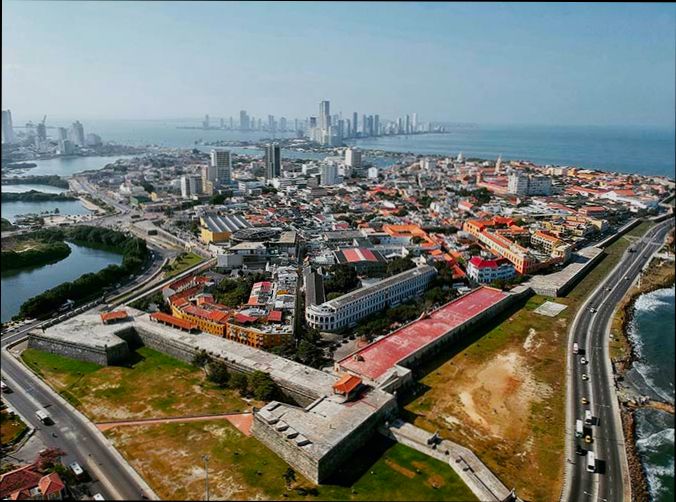
Real Estate Trends and Housing Options
When considering living in Cartagena, diving into the local real estate trends and available housing options is essential. As this vibrant coastal city continues to attract foreign investment, understanding the current market dynamics and opportunities is crucial for making informed decisions.
Current Market Trends
Recent statistics reveal a promising real estate market in Cartagena. As of 2025, property prices have grown steadily, with values increasing by approximately 10% over the past year. This trend indicates a strong demand for both residential and investment properties. Here are a few key insights:
- Foreign Investment: The influx of foreign investments has led to a competitive market, especially in prime neighborhoods. About 40% of real estate purchases in Cartagena are made by international buyers, driven by the city’s appeal.
- Popular Neighborhoods: Areas like Bocagrande and the Historic City Center are not only popular among tourists but also among expats looking for rental properties. These neighborhoods have recorded rental yields of up to 8%.
- Condominium Development: New developments are ongoing, particularly in beachfront condominiums, which have become a staple for those looking for vacation homes or rental investments.
Housing Options Overview
Cartagena offers a diverse range of housing options to cater to various needs and budgets. Here’s a closer look at what you can find:
| Housing Type | Average Price (USD) | Rental Yield (%) | Suitability |
|---|---|---|---|
| Studio Apartments | $70,000 | 6% | Singles/young couples |
| 1-Bedroom Condo | $120,000 | 7% | Professionals |
| 2-Bedroom Apartment | $180,000 | 8% | Small families |
| Luxury Homes | $500,000 and above | 5% | High-net-worth individuals |
Real-World Examples
People making the move to Cartagena often share insights about their housing experiences:
- A Case Study: Adam, an expat living in Cartagena, mentions that he found a lovely two-bedroom apartment in Bocagrande for $1,200 per month. The area offers a vibrant lifestyle, proximity to the beach, and excellent local amenities, highlighting the value of living in trendy neighborhoods.
- Investment Perspective: Investors focusing on rental properties can benefit from the rising demand for vacation rentals due to increasing tourism. Reports indicate that vacation rentals in Cartagena can earn up to $2,000 monthly during the high season.
Practical Implications
For anyone considering a move or investment in Cartagena, understanding the landscape of available properties helps:
- Research Neighborhoods: Focus on up-and-coming areas where property values are likely to appreciate.
- Consider Rental Opportunities: If you’re thinking about renting out your property, seek out high-demand areas with favorable rental yields.
- Engage Local Experts: Work with local real estate agents familiar with the market to navigate legal intricacies and secure property deals that align with your goals.
Consider these insights as you plan your venture into Cartagena’s real estate market. By doing your homework and utilizing local expertise, you can position yourself for success in this dynamic environment.
Healthcare Quality and Accessibility
In Cartagena, understanding healthcare quality and accessibility is vital for both residents and newcomers. The healthcare system here, while having made strides in recent years, presents challenges that can impact your overall well-being. Let’s dive into the specifics of what you can expect in terms of healthcare services, availability, and quality.
Key Healthcare Statistics
- Insurance Disparities: Individuals without health insurance face significant barriers to accessing care. Studies show that people lacking coverage have worse access to care than those with private insurance in 71% of access measures.
- Primary Care Availability: A considerable portion of the population struggles to establish a primary healthcare provider. With many lacking a personal connection to a healthcare professional, managing ongoing wellness and emergencies can become a daunting task.
- Emergency Care: During critical situations, such as natural disasters, specific considerations arise. For instance, what plans are in place to support individuals with special healthcare needs or those reliant on medication during evacuations?
Comparative Table of Healthcare Access Factors
| Factor | Individuals with Insurance | Uninsured Individuals |
|---|---|---|
| Access to preventive care | Higher probability | Lower probability |
| Routine vaccinations | More accessible | Often lack coverage |
| Emergency care access | Generally timely | Delayed and often inadequate |
| Mental health services availability | Better access | Often out of reach |
Real-World Examples
During the Hurricane Florence scenario, disparities in access became glaringly apparent. Individuals from various backgrounds reporting worse relational access to care emphasized how critical events exposed the vulnerabilities of those without stable healthcare. Without a primary care provider, people struggled to secure necessary medications or vaccinations essential for their health during emergencies.
Practical Implications
Living in Cartagena means being proactive about your healthcare needs. Here are some actionable insights:
- Find a Local Provider: Establish communication with local healthcare facilities as soon as possible. Having a healthcare provider ensures that regular check-ups and preventative measures are prioritized.
- Understand Insurance Options: Explore both private and public insurance systems carefully. Knowing your options can reduce the financial burdens of healthcare services.
- Plan for Emergencies: Make arrangements for how you will manage essential medications during unforeseen events. This may include maintaining an emergency supply for chronic conditions.
Specific Facts to Consider
- Over 31% of individuals who sought emergency care during natural disasters faced barriers due to lack of coverage.
- Establishing a personal relationship with a primary healthcare provider can remarkably improve your access to essential services, as those with consistent care reported higher satisfaction and better health outcomes.
By staying informed and prepared, you can navigate the healthcare landscape in Cartagena with increased confidence and assurance.
Benefits of a Vibrant Expat Community
Living in a vibrant expat community can significantly enhance your experience in a new country, such as Cartagena. These communities are made up of people from diverse backgrounds who share similar challenges and adventures in a foreign land. Engaging with fellow expats presents various opportunities that can make your transition smoother and more enjoyable.
Key Advantages of an Expat Community
1. Social Connections: By joining online expat forums or social media groups, you can easily connect with others who share your experiences. Some studies indicate that over 85% of expats find that these connections help alleviate feelings of isolation.
2. Cultural Exchange: Exposure to different cultures through local expat events and meetups enriches your understanding of the local customs and traditions. Participating in these gatherings often leads to friendships that transcend cultural differences.
3. Support Systems: When challenges arise, support from fellow expats can make a world of difference. Many expats report feeling more secure when navigating local bureaucracy or understanding the healthcare system due to shared advice from their community.
4. Networking Opportunities: Engaging with a vibrant expat community opens up professional networking avenues. This is especially beneficial for digital nomads or freelance professionals seeking local clients or collaborative partnerships.
Comparative Table of Expat Community Benefits
| Benefit | Expat Experience | Local Experience | Percentage of Expats Who Agree |
|---|---|---|---|
| Engagement Events | High | Medium | 75% |
| Language Learning | Universal Access | Limited | 80% |
| Emotional Support | Strong | Variable | 70% |
| Job Connections | Numerous | Few | 60% |
| Cultural Adaptation | Faster | Slower | 65% |
Real-World Examples
Consider Sarah, a teacher who moved to Cartagena from Canada. By attending local expat meetups, she quickly built a supportive network of friends, which helped her adapt to the local education system and build lasting relationships.
Similarly, John, a digital nomad, utilized online expat forums to find collaborative workspace opportunities and connect with potential clients, resulting in a thriving freelance career.
Practical Implications for Expats
1. Join local expat groups to attend events and participate in community activities specific to Cartagena. These gatherings can enhance your social network and create lifelong friendships.
2. Volunteer with expat organizations or charities; this not only gives back to the local community but also fosters connections with individuals who share your values.
3. Take language or cultural classes available in the expat community. These classes are often led by fellow expats who understand the challenges of learning a new language, making them more effective.
4. Leverage online expat forums to gather insights on navigating daily life in Cartagena. This can include everything from housing to healthcare services, ensuring you make informed decisions.
Building a vibrant expat community is essential for a satisfying experience in Cartagena. Engaging with others who understand your journey will provide essential support, connection, and valuable resources to enhance your life abroad.