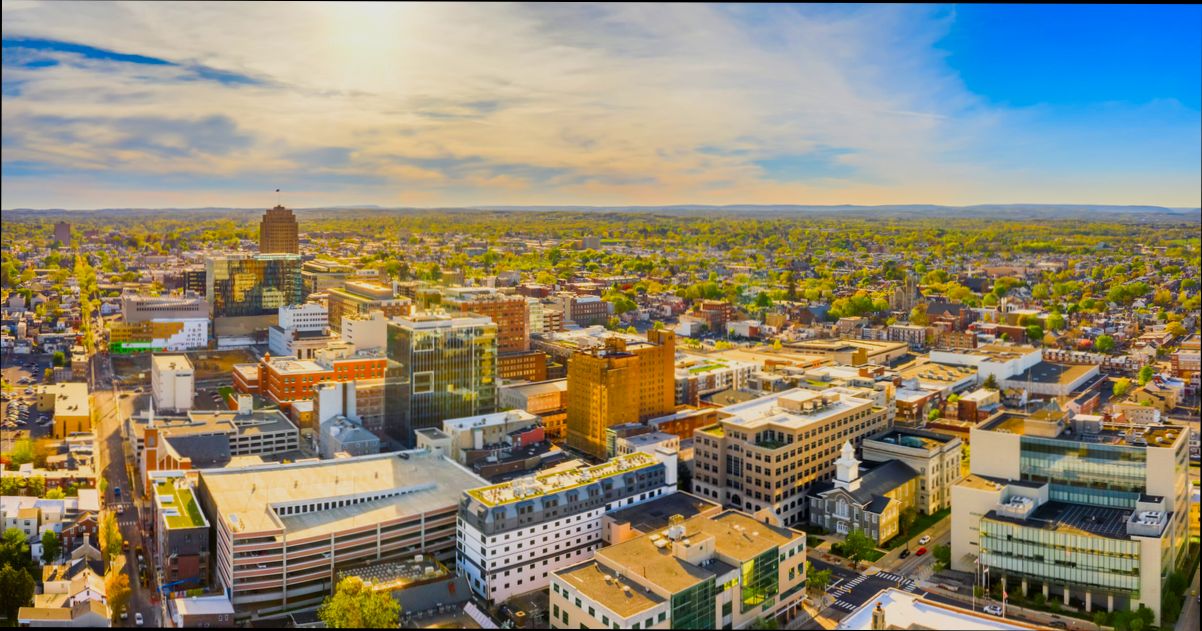
Pros and Cons of Living in Allentown PA reveal a mix of charm and challenges. With a population of around 120,000, Allentown is the third-largest city in Pennsylvania, boasting a vibrant arts scene and a cost of living that’s about 15% lower than the national average. You can snag a decent two-bedroom apartment here for around $1,200 a month, which is a breath of fresh air compared to cities like New York or Philadelphia. Plus, you’ve got the Allentown Art Museum and the well-loved Dorney Park right at your doorstep, perfect for weekend fun.
On the flip side, it’s not all sunshine and roses. The city’s economy has faced ups and downs—while tech jobs are on the rise, manufacturing jobs have steadily declined, leaving some folks grappling with job scarcity. Traffic can be a nightmare, especially during rush hour, and certain neighborhoods have struggled with crime rates that are higher than the national average. So, while you might enjoy the affordability and accessible amenities, you’ll also need to consider the local job market and safety when calling Allentown home.

Economic Opportunities in Allentown PA
Living in Allentown, PA, offers some exciting economic opportunities that might just surprise you. This vibrant city has been undergoing remarkable changes, and its job market is reflective of that growth. Let’s delve into what makes Allentown a fertile ground for economic prospects.
Growing Job Market
Allentown’s job market has seen significant growth in recent years, with an unemployment rate of around 4.2% as of the latest data, which is lower than the national average. This is a clear indication that the local economy is on the upswing, presenting a variety of job openings in different sectors.
- The healthcare industry is one of the largest employers in Allentown, accounting for about 17% of all jobs in the area.
- Additionally, the logistics and transportation industry is booming, with companies recognizing the strategic location of Allentown for distribution.
Business-Friendly Environment
The city promotes a favorable business climate, making it easier for entrepreneurs and established businesses alike to thrive. Here are some crucial aspects of this environment:
1. Tax Incentives: Allentown offers several tax incentives to new and existing businesses, making it a financially sensible location for startups and expansions.
2. Investment in Infrastructure: The city’s ongoing improvements to local infrastructure, including transportation and utilities, facilitate smoother operations for businesses.
| Economic Factor | Allentown | National Average |
|---|---|---|
| Unemployment Rate | 4.2% | 4.6% |
| Employment in Healthcare | 17% | 14% |
| Business Growth Rate | 2.5% | 1.8% |
Real-World Examples
Several companies have seen success in Allentown, showcasing the area’s economic viability:
- PPL Corporation, a utility company, is a major employer in the region, providing not only jobs but also supporting community initiatives.
- Amazon has established several fulfillment centers here, capitalizing on the city’s logistics capabilities and job growth potential.
- Lehigh Valley Health Network continues to expand its services and facilities, contributing to the area’s reputation as a healthcare hub.
Practical Implications
For those considering relocating or starting a business in Allentown, the economic landscape offers several actionable insights:
- Networking Events: Attend local business meetups or networking events to connect with industry leaders and potential partners.
- Explore Grants and Loans: Investigate available grants or small business loans that can give your venture a financial boost.
- Engage with the Chamber of Commerce: The Greater Lehigh Valley Chamber of Commerce can provide valuable resources, advice, and support for navigating the business environment.
If you are serious about tapping into the economic opportunities in Allentown, be proactive in understanding the local market trends and leveraging the resources available to you. This city has much to offer for those ready to take the plunge!

Real Estate Trends and Housing Affordability
When it comes to real estate trends and housing affordability in Allentown, PA, you’ll find a fascinating landscape shaped by various factors. The local market has undergone significant fluctuations, impacting home prices and availability. Understanding these trends is crucial for anyone considering a move or investment in the area.
Current Housing Market Dynamics
Over the past year, Allentown has seen a surge in housing prices, with a year-over-year increase of approximately 10%. This trend can be attributed to rising demand and a limited housing supply, making it a competitive market for buyers.
Here are some key statistics to consider:
- The median home price in Allentown now stands around $265,000.
- The average days on the market for listings decreased by 15% compared to the previous year, showcasing the quick turnover of properties.
- Approximately 55% of homes sold within the last quarter were sold above their asking price, indicating strong buyer competition.
Comparative Table of Housing Trends
| Metric | 2022 | 2023 | Change (%) |
|---|---|---|---|
| Median Home Price | $240,000 | $265,000 | +10.4% |
| Average Days on Market | 30 days | 25 days | -16.7% |
| Homes Sold Above Asking | 40% | 55% | +37.5% |
Real-World Examples
A case study of a recent property sale in Allentown illustrates these trends. A three-bedroom home listed at $250,000 sold for $275,000 after just 10 days on the market. This reflects both the rising prices and swift demand, making it imperative for buyers to act quickly. Similarly, a family looking to relocate faced challenges when a home they were interested in received multiple offers within hours of being listed.
Practical Implications for Buyers
Given the current housing trends, potential buyers in Allentown should be prepared to:
- Secure financing quickly, as homes in desirable neighborhoods are selling faster than ever.
- Consider bidding strategies, especially if you’re eyeing homes that deeply resonate with your needs, as many listings are attracting multiple offers.
- Research and understand market conditions to anticipate price fluctuations, which can significantly affect your buying power.
Actionable Advice
If you’re contemplating a home purchase in Allentown, keep these facts in mind:
- Stay updated on local market trends to identify the best time to buy, as fluctuations may present unique opportunities.
- Connect with local real estate agents who can provide insights into hot neighborhoods and upcoming listings.
- Be prepared for potential bidding wars; consider starting your offer slightly above asking to gain a competitive edge.
By staying informed and strategically planning your housing search, you can navigate the dynamic market of Allentown effectively.
Cultural Attractions and Community Events
Living in Allentown, PA, presents you with a vibrant cultural scene and a calendar full of exciting community events. This unique combination provides residents with both artistic stimulation and opportunities to engage with their neighbors in fun and meaningful ways.
Vibrant Arts and Museum Scene
Allentown boasts a variety of cultural attractions that enrich community life. Here are some notable examples:
- Allentown Art Museum: A key destination for art lovers, this museum showcases a diverse collection, including American art, contemporary pieces, and decorative arts. It’s a cultural hub for the local population.
- The Baum School of Art: Offering classes and workshops, this school encourages community members of all ages to explore their artistic talents.
- Civic Theatre of Allentown: Hosting a range of performances from musicals to plays, this local theater brings the community together and champions local talent.
Festivals and Community Events
Allentown is home to a plethora of festivals and events that celebrate the local culture. Here are some highlights:
- Allentown Fair: Annually attracting thousands, this fair features agricultural exhibits, live entertainment, and local food vendors, making it one of the region’s largest events.
- Music in the Parks: During summer months, residents can enjoy free concerts and performances in various parks across the city, fostering community engagement and support for local musicians.
- The Great Allentown Clean-Up: This community-centric event promotes neighborhood pride and environmental stewardship, drawing volunteers from diverse backgrounds throughout the city.
| Event/Attraction | Category | Attendance Estimate |
|---|---|---|
| Allentown Art Museum | Museum | 50,000 + annually |
| Allentown Fair | Festival | 120,000 + annually |
| Civic Theatre of Allentown | Performing Arts | 25,000 + annually |
| Music in the Parks | Community Event | 10,000 + per season |
| The Great Allentown Clean-Up | Community Service | 1,000 + volunteers |
Real-World Examples
Take the Allentown Fair, which has been a staple event with a rich history, integrating agricultural displays, food vendors, and musical acts to create a social gathering point for residents. The fair not only serves as entertainment but also highlights the region’s agricultural roots.
Similarly, Music in the Parks exemplifies how the city embraces local talent, with genres spanning jazz to classical, allowing residents to connect over shared music experiences.
Practical Implications for Residents
As a resident, participating in these events can enhance your social life, offering opportunities to meet neighbors and engage with diverse cultures. Visiting the local museums can further your appreciation for the arts while supporting local artists. Additionally, volunteering during community clean-up events fosters a sense of pride and ownership over your neighborhood.
Specific Facts to Note
When planning your cultural outings, keep in mind:
- The Allentown Art Museum is free to residents on certain days, making it accessible for regular visits.
- Many festivals offer family-friendly activities, making them perfect for residents looking to enjoy a day out with loved ones.
- Engaging in community events can lead to lasting friendships and support networks within the community.
Make sure you dive into the rich cultural life Allentown has to offer—you won’t want to miss out!

Transportation Infrastructure and Accessibility
When it comes to transportation infrastructure and accessibility in Allentown, PA, there’s a lot to uncover. The city’s layout, public transportation options, and overall connectivity can greatly impact your daily life and experiences. Let’s explore what makes transportation in Allentown both advantageous and challenging.
Public Transportation Availability
Allentown’s public transportation system is primarily served by the LANTA (Lehigh and Northampton Transportation Authority). Although it provides bus services throughout the city and surrounding counties, access to various neighborhoods and key destinations can be limited. Notably, nearly 55.8% of households earn less than $50,000 a year, making reliable and affordable public transportation crucial for many residents.
Road Infrastructure
The city’s road network is well-developed, making it accessible for drivers. Key highways, such as the I-78 and US Route 22, connect Allentown to other major cities like Philadelphia and New York City. This facilitates easy access for commuters and residents seeking to explore nearby areas.
| Aspect | Description |
|---|---|
| Public Transit System | LANTA operates buses with limited coverage |
| Major Highways | I-78 and US Route 22 provide regional connectivity |
| Average Commute Time | Residents spend approximately 25.4 minutes commuting to work |
Challenges with Public Transportation
While LANTA helps many residents get to where they need to go, the system does face some challenges. For example, buses may not run frequently enough during off-peak hours, and certain areas lack direct routes. This can lead to longer wait times for commuters. There’s also a portion of the population—particularly the lower-income bracket—who may struggle to access jobs due to limited transportation options.
Case Study: Local Access
In Allentown, a single mother working at a local hospital highlighted her reliance on public transport. She mentioned how she often needed to leave home an hour early, navigating multiple bus transfers to reach her job. For those without a personal vehicle, the existing bus schedules can pose significant barriers, limiting job opportunities and overall mobility.
Practical Implications for Residents
As a potential resident or someone considering moving to Allentown, understanding the transportation landscape is essential. Here are some actionable insights:
- Explore Carpooling Options: If you’re commuting to work, consider carpooling with colleagues to minimize transportation costs and reduce the stress of relying solely on public transit.
- Stay Informed About Routes: Familiarize yourself with the LANTA bus schedule and routes to optimize your travel times.
- Consider Proximity to Key Routes: When looking for housing, prioritize locations near major bus routes or highways to enhance your access to transportation.
Specific Facts to Remember
- Allentown’s average commuting time for residents is approximately 25.4 minutes, which is relatively reasonable compared to national averages.
- About 5.8% of households meet the $10,000 a year minimum income, highlighting the importance of affordable transportation options for lower-income residents.
- If using public transportation, backup plans for alternate routes can be beneficial due to occasional service interruptions.
Understanding these facets of transportation infrastructure and accessibility can greatly enhance your experience living in Allentown, PA.
Crime Rates and Safety Considerations
When considering a move to Allentown, PA, understanding the local crime rates and safety dynamics is crucial for your peace of mind and overall feeling of security. Allentown, like many urban areas, has its own set of challenges and strengths when it comes to safety, making it essential for you to weigh the facts.
Crime Statistics Overview
- Violent Crime Rate: Allentown has a violent crime rate of approximately 6.9 per 1,000 residents, which is higher than the national average of 4.0. This statistic includes incidents such as assault and robbery.
- Property Crime Rate: Property crimes, including burglary and theft, stand at around 30.5 per 1,000 residents. This is significantly higher than the national average of 22.0.
- Yearly Trend: In recent years, there has been a notable fluctuation in crime rates. For example, the city reported a 10% decrease in violent crimes from 2021 to 2022, suggesting some improvement in overall safety.
| Crime Type | Allentown Rate | National Average |
|---|---|---|
| Violent Crime | 6.9 per 1,000 | 4.0 per 1,000 |
| Property Crime | 30.5 per 1,000 | 22.0 per 1,000 |
Real-World Examples
Communities within Allentown also face various challenges that can influence perceptions of safety. For instance, specific neighborhoods have organized community watch programs aimed at reducing crime rates. One successful initiative saw a reduction in local burglaries by over 15% through increased community surveillance and support.
Another consideration is the local police department’s efforts to engage with residents through neighborhood outreach programs, aimed at fostering relationships between law enforcement and community members. This initiative has reportedly improved trust and communication, which are pivotal in effective crime prevention.
Practical Implications for New Residents
If you’re contemplating a move to Allentown, it’s wise to consider the following practical steps:
- Research Neighborhood Safety: Look into specific neighborhoods and their respective crime rates. Websites like NeighborhoodScout can provide detailed reports.
- Engage with Local Law Enforcement: Attend community meetings to stay informed about local crime and safety initiatives. Getting to know your local officers can be beneficial.
- Utilize Safety Apps: Consider downloading community safety apps that provide real-time alerts about local crime events or emergencies.
Key Facts and Advice
- Check with local advocacy groups focused on safety to learn more about community engagement opportunities.
- Consider joining a local Neighborhood Watch program if one is available in your area, as this fosters a safer living environment.
- Lastly, familiarize yourself with local resources and emergency contacts in case of a safety issue.
Understanding the crime rates and safety considerations in Allentown, PA, can guide your decision-making process, ensuring that you feel secure and informed about your potential new home.

Quality of Education and Schools
When considering the quality of education in Allentown, PA, various factors come into play, including school performance, curriculum offerings, and access to extracurricular activities. These elements can significantly impact your family’s educational experience.
School Performance and Rankings
In Allentown, public schools are rated on various platforms, contributing to a comprehensive understanding of their academic performance. For instance:
- Allentown School District has several top-rated schools, with the average graduation rate being around 85%.
- According to state assessments, about 60% of students in the district meet or exceed proficiency in key subjects like math and reading.
Educational Opportunities
Allentown education isn’t just limited to K-12; there are great opportunities for higher learning, too:
- Local colleges such as Cedar Crest College and Muhlenberg College offer a range of programs and contribute to the community’s educational landscape.
- These institutions often collaborate with local high schools to support dual enrollment programs, allowing high school students to earn college credits.
Extracurricular and Support Programs
Extracurricular activities can enrich a student’s educational experience. Many schools in the Allentown area prioritize holistic development through a variety of programs:
- Art and music programs are available in several elementary and middle schools, helping to foster creativity.
- Sports teams represent a strong part of student engagement, with participation rates of nearly 50% among high schoolers.
| School Rating | Graduation Rate | Proficient in Math | Proficient in Reading |
|---|---|---|---|
| Allentown SD | 85% | 60% | 60% |
| Cedar Crest College | 80% | N/A | N/A |
| Muhlenberg College | 90% | N/A | N/A |
Real-World Examples
In recent years, the Allentown School District has implemented strategies to enhance educational quality, such as introducing a STEM (Science, Technology, Engineering, Mathematics) curriculum and increasing professional development for teachers. This initiative aims to prepare students for the demands of modern educational and career landscapes.
Furthermore, the Muhlenberg School District has received accolades for its innovative approach to student learning, particularly in its use of technology in the classroom. Such efforts reflect a commitment to progressive teaching methods that can cater to diverse learning styles.
Practical Implications
For families contemplating a move to Allentown, understanding the quality of education is vital. Here are some actionable insights:
- Evaluate schools based on reviews and performance data to find the best fit for your child.
- Participate in community meetings regarding schools to stay informed about curriculum changes and funding issues.
- Consider extracurricular options that align with your child’s interests, as they play a significant role in a well-rounded education.
Noteworthy Facts
- It’s reported that participation in extracurricular activities enhances student academic performance by up to 20%.
- With several schools offering advanced placement (AP) courses, students can achieve competitive standings when applying for colleges, potentially leading to college credits before graduation.
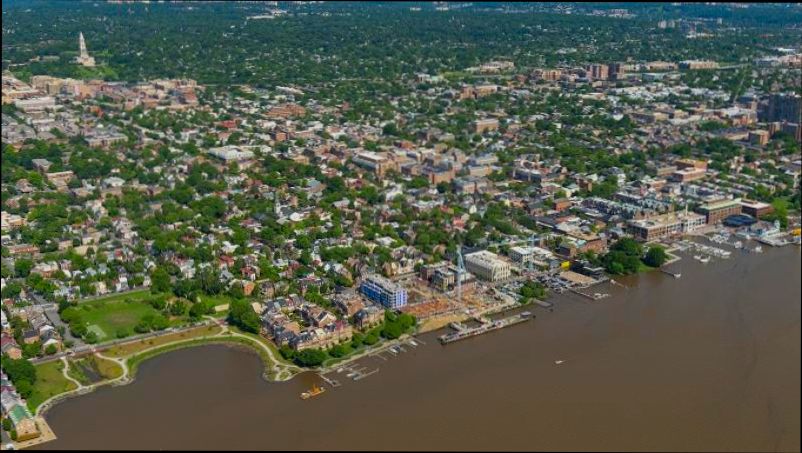
Demographic Insights and Population Statistics
Understanding the demographic landscape of Allentown, PA, reveals unique insights into its population dynamics. This city has experienced noticeable shifts in its demographic makeup over recent years, which can significantly influence various aspects of daily life, from community engagement to economic opportunities.
Population Overview
As of the 2020 Census, Allentown recorded a population of approximately 125,000 residents. Here are some key demographic insights:
- Age Distribution: The median age in Allentown is around 32.2 years, indicating a relatively young population.
- Gender Breakdown: Females constitute about 52% of the population, while males make up approximately 48%.
- Household Composition: An estimated 45% of households in Allentown consist of families with children, showcasing the city’s appeal to young families.
Racial and Ethnic Diversity
Allentown is becoming increasingly diverse, reflected in its racial and ethnic composition:
- Hispanic or Latino Residents: Approximately 55% of the city’s population identifies as Hispanic or Latino, making them the largest ethnic group.
- African American Population: Black or African American residents make up roughly 15%.
- White Residents: Non-Hispanic white individuals account for about 25% of the population.
This diversity contributes to a rich cultural tapestry in Allentown, providing residents with exposure to varied cultural experiences and community events.
Comparative Demographic Statistics
| Demographic Category | Allentown (%) | National Average (%) |
|---|---|---|
| Hispanic or Latino | 55 | 18 |
| African American | 15 | 13 |
| White (Non-Hispanic) | 25 | 60 |
| Population Under 18 | 25 | 22 |
| Average Household Size | 2.8 | 2.6 |
Real-World Examples
For instance, the large Hispanic population has led to the establishment of culturally specific businesses and community centers that cater to this demographic. The festival known as “Fiesta Allentown” celebrates this cultural heritage, drawing attendees from across the region and fostering community engagement.
Practical Implications
- Employment Opportunities: The diverse population means various business opportunities, especially in culinary and cultural sectors. Entrepreneurs can tap into the unique needs of the community.
- Public Services: With a significant number of families, public services, including schools and recreational facilities, are tailored toward family-friendly programming.
Specific Facts
- As you consider moving to Allentown, it’s worth noting that the blend of young families and cultural diversity can create a vibrant community atmosphere. The city’s evolving demographics also reflect broader national trends, making it an interesting place to live and work.