Pros and Cons of Living in Rockford IL: Let’s dive into what it’s really like to call this city home. On the upside, Rockford boasts a low cost of living that’s hard to beat, with the median home price hovering around $120,000—well below the national average. This means more space for your buck, making it a great spot for families or anyone looking to stretch their dollars. Plus, outdoor enthusiasts will love the vast options here, like the beautiful Anderson Japanese Gardens or the numerous trails at Rock Cut State Park, where you can escape the hustle without leaving town.
But it’s not all sunshine and rainbows. Rockford faces challenges too; with a crime rate notably higher than the national average, safety can be a concern depending on where you choose to live. Some neighborhoods are tough, and it’s wise to do your homework. The job market can be a mixed bag as well, with industries fluctuating and the unemployment rate occasionally peaking above 6%. If you’re searching for a vibrant nightlife or diverse cultural scene, you might find Rockford a bit lacking compared to larger cities.

Cost of Living in Rockford IL
Understanding the cost of living in Rockford, IL, can help you make informed decisions about moving or settling down in the area. With a range of factors affecting daily expenses, let’s break down the key components that shape what you’ll pay for housing, utilities, and more in Rockford.
Housing Costs
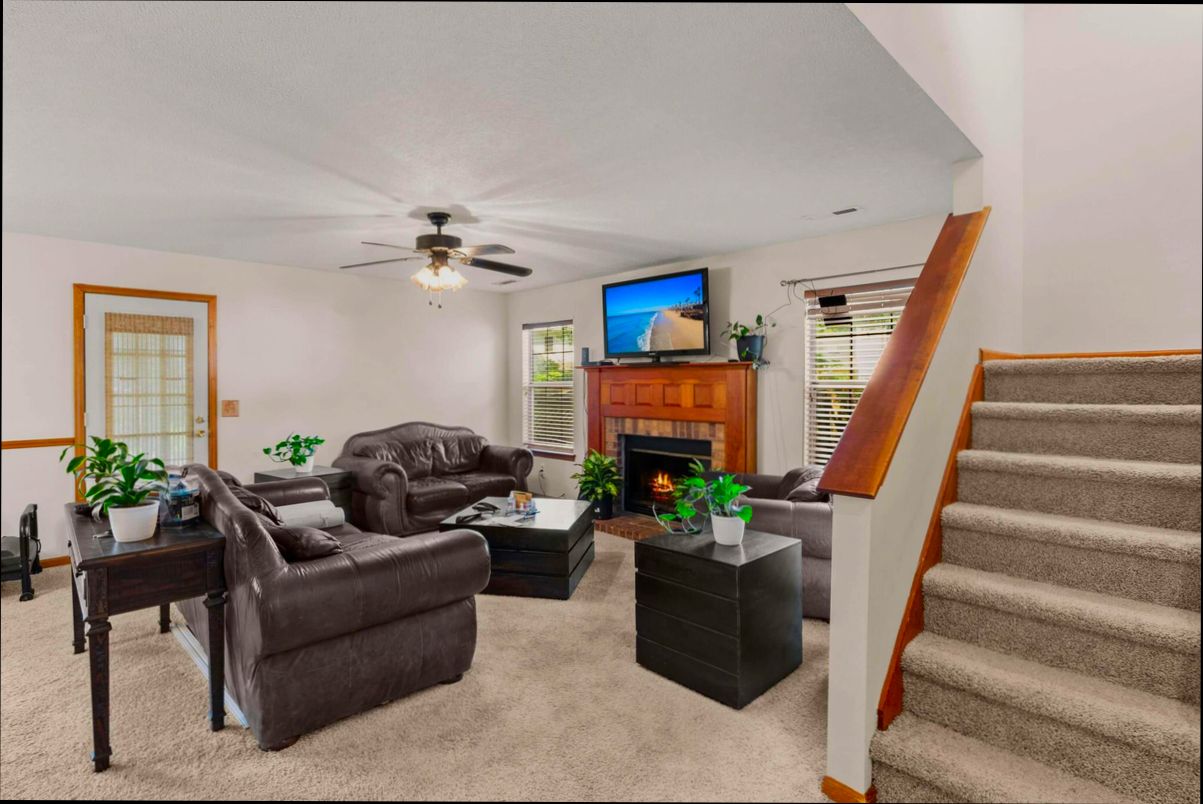
One of the biggest contributors to the cost of living is housing. In Rockford, the average home price is around $150,000, which is significantly lower than the national average. For those interested in renting, the median rent for a two-bedroom apartment hovers around $950 per month. Here are some specific housing insights:
- Homeownership Rate: Approximately 58% of residents own their homes, which is slightly lower than the national average.
- Rental Market: Renters pay about 28% of their income on housing, which is considered affordable.
Utilities and Transportation
Utility costs in Rockford also play a vital role in overall expenses. Residents typically spend about $200 per month on essential utilities, including electricity, heating, cooling, water, and garbage. Here’s a breakdown of transportation costs:
- Gas Prices: You can expect to pay around $3.30 per gallon for gasoline.
- Public Transit: Rockford has a public transit system with a monthly pass costing about $50, making it easier to get around without relying on a car.
| Expense Category | Average Monthly Cost |
|---|---|
| Housing (Rent) | $950 |
| Utilities | $200 |
| Transportation | $50 (public transit) |
| Home Purchase Price | $150,000 |
Real-World Examples
To illustrate the cost of living in Rockford, consider a family of four living in a three-bedroom house. They might spend around $1,200 on mortgage and utilities combined. Alternatively, a young couple renting a two-bedroom apartment could expect their combined rent and utilities to be roughly $1,150 monthly.
Practical Implications
If you’re considering relocating to Rockford, you’ll find that your dollar stretches further. Making a budget that accounts for housing, utilities, and transportation will help you measure your financial readiness. Additionally, exploring available amenities can reveal hidden savings, allowing you to enjoy city life without overspending.
For budget-conscious individuals and families, here are a few actionable insights:
- Explore Housing Options: Check online listings—many homes for sale or rent often come with both utilities included, which can ease budgeting.
- Consider Commute Times: Factor in commuting costs if you work outside the city to avoid unexpected expenses—opt for nearby neighborhoods if possible.
- Utilize Public Transit: Leverage the public transportation system to cut down on gas and parking expenses, especially if you live closer to downtown.
With these insights, you can navigate the cost of living in Rockford effectively, ensuring you stay informed about your financial commitments.
Quality of Education and Schools
When considering a move to Rockford, IL, understanding the quality of education and the schools available in the area can be a game changer for families. The education system plays a crucial role in shaping children’s futures, and having the right information can help you make informed decisions.
Public School Performance
- The Rockford Public School District serves over 27,000 students and boasts a graduation rate of approximately 84%. This is quite competitive compared to national averages.
- The district has made significant strides in curriculum enhancements and student support programs, with a focus on STEM education and social-emotional learning.
- Various schools within the district have received recognition for excellence, such as Jefferson High School, which has consistently been praised for its AP program and college readiness initiatives.
School Funding and Resources
- The funding for schools in Rockford largely comes from property taxes, which means school resources can vary considerably. Approximately 60% of school funding in the district comes from local taxes, indicating a community investment in education.
- High schools like Auburn and East have expanded their vocational training programs, allowing students to gain practical skills and earn certifications before graduating.
Education Opportunities Available
Rockford isn’t just limited to traditional public schooling. There are also numerous charter and private schools in the area, offering diverse educational philosophies. Here are some key points:
- Charter schools, such as the Rockford Linguistic Academy, provide specialized curricula and smaller class sizes, which can be beneficial for focused learning.
- Several private schools, including Boylan Central Catholic High School, prepare students for rigorous academic pathways and offer strong college prep programs.
| School Name | Type | Graduation Rate | Notable Programs |
|---|---|---|---|
| Jefferson High School | Public | 85% | Advanced Placement (AP) |
| Auburn High School | Public | 84% | Vocational Training |
| East High School | Public | 82% | STEM Programs |
| Rockford Linguistic Academy | Charter | 90% | Bilingual Education |
| Boylan Central Catholic High | Private | 95% | College Prep |
Real-World Examples
Engaged communities have led to significant improvements in educational quality. For instance:
- The Rockford Public Schools Foundation initiated grants to support innovative teaching methods, resulting in increased student engagement and performance in core subjects.
- A local initiative partnered schools with businesses in Rockford, creating internship opportunities that allow students to gain real-world experience while still in high school.
Practical Implications
For families considering Rockford, IL, focusing on the educational options can lead to positive long-term impacts. When evaluating neighborhoods, consider the following:
- Visit schools and talk to educators about their programs and approach to education.
- Explore the various extracurricular offerings that can enrich your child’s educational experience.
- Consider the community support available for education—mentorship programs and after-school activities can enhance learning outside the classroom.
Actionable Advice
- Research school ratings on platforms like GreatSchools to gain insights into performance metrics and parent reviews.
- Attend local school board meetings to understand ongoing initiatives and how they may affect your community’s schools.
- Look into pre-enrollment opportunities to secure spots in desired programs, as some schools have waiting lists due to their popularity.
Housing Market Trends and Insights
Understanding the housing market in Rockford, IL, is crucial for anyone considering a move or investment in the area. The trends and insights offer a clearer picture of homeownership possibilities, rental opportunities, and overall market behavior.
Housing Inventory and Demand
The housing inventory in Rockford has experienced fluctuations recently, impacting both buyers and renters. Here are some key points to consider:
- Increased Demand: There has been a notable uptick in demand for homes, contributing to shorter time frames for properties on the market.
- Average Days on Market: Homes in Rockford have averaged just 35 days on the market, which is significantly less than the national average of 49 days.
- Sales Growth: Home sales have risen by about 12% compared to the previous year, indicating a vibrant market and growing interest in the area.
Market Pricing Trends
Understanding pricing trends can guide you in making informed decisions about buying or renting:
- Median Home Price: The median home price in Rockford is approximately $145,000, which presents a more affordable option compared to larger urban areas.
- Rental Market Prices: The average rent for a two-bedroom apartment stands at around $950, which is relatively competitive in the broader Northern Illinois region.
Comparative Housing Market Analysis
Here’s a table comparing some key housing market statistics in Rockford with nearby cities:
| City | Median Home Price | Avg Days on Market | Year-over-Year Sales Growth |
|---|---|---|---|
| Rockford | $145,000 | 35 days | 12% |
| Beloit, WI | $130,000 | 40 days | 10% |
| Janesville, WI | $160,000 | 30 days | 8% |
| Freeport, IL | $125,000 | 50 days | 5% |
Real-World Insights
To put these numbers into perspective, consider the case of a recent homebuyer in Rockford who purchased a well-maintained three-bedroom house for $150,000, benefiting from the competitive prices while enjoying the swift buying process. On the other hand, a real estate investor mentioned that the rental yield in Rockford is around 8%, making it an attractive consideration for those looking to invest.
Practical Implications
If you are thinking about purchasing a home in Rockford, be prepared to act quickly as properties are selling fast. Keep an eye on the market trends which suggest that homes are being snatched up within just over a month.
Take advantage of the relatively lower pricing compared to neighboring cities, as this can lead to a more strategic investment. If renting, comparing rental prices in Rockford with those in nearby cities could reveal favorable opportunities that cater to your budget.
Actionable Insights
Stay updated with local real estate listings and work with a knowledgeable local agent familiar with the Rockford area. Exploring various neighborhoods can also uncover hidden gems that might meet your housing needs while adhering to budget constraints.

Local Recreation Opportunities and Activities
Rockford, IL, offers a diverse range of recreational opportunities that cater to various interests and lifestyles. Whether you’re a nature enthusiast, sports lover, or someone seeking family-friendly activities, you’ll find plenty to explore in the area.
Parks and Nature
Rockford is home to over 70 parks, providing ample space for outdoor activities. Some notable parks include:
- Seward Bluffs: Known for its scenic hiking trails and picturesque views of the Rock River, it’s a popular spot for both hiking and birdwatching.
- Wright Park: A highlight for families, this park features playgrounds, picnic areas, and sports facilities.
In addition, the Rockford Park District manages an extensive network of trails exceeding 40 miles, perfect for walking, biking, and running.
Recreational Facilities
The area boasts numerous sports complexes and community centers, enhancing your recreational options. For example:
- The Davis Park Sports Complex: This facility hosts various sports leagues and tournaments throughout the year, catering to all ages.
- Rockford YMCA: Offering fitness classes, swimming pools, and family-friendly programs, the YMCA is a hub for local residents promoting healthy lifestyles.
Community Events and Activities
Rockford is vibrant with community activities throughout the year. Here’s a glimpse of some recurring events:
- Rockford City Market: A lively open-air market that operates every Friday from May to October, where local vendors showcase fresh produce, handmade goods, and art.
- Starlight Theatre: This community theatre features performances that bring the local arts scene to life. You can enjoy everything from musicals to local plays.
| Type of Recreation | Key Locations | Features |
|---|---|---|
| Parks & Nature | Seward Bluffs, Wright Park | Hiking trails, playgrounds, picnic areas |
| Sports Facilities | Davis Park Sports Complex | Year-round sports leagues, tournaments |
| Community Events | Rockford City Market, Starlight Theatre | Farmers market, live performances |
Real-World Examples
Many residents find joy in joining local sports leagues. For instance, over 500 participants enroll in the Rockford Adult Soccer League each season, showcasing the community’s love for recreational sports. Additionally, parks like Oak Ridge Park hold annual community picnics, fostering a sense of togetherness among families.
Practical Insights
If you enjoy the outdoors, investing time in Rockford’s parks can lead to a more active and connected lifestyle. Participating in community events not only expands your social circle but also enhances your experience living in Rockford.
Make sure to check activity schedules ahead of time to seize the best opportunities for engaging in recreational activities. Look out for seasonal events that can add variety to your routine.
Economic Growth and Employment Statistics
When considering a move to Rockford, IL, the local economic growth and employment statistics play a crucial role in understanding the job market landscape. In this section, we’ll explore recent trends, employment rates, and the factors contributing to the economic situation in Rockford.
Economic Growth Overview
Rockford’s economy has shown resilience despite facing challenges in the manufacturing sector, which historically dominated the local economy. Currently, the city is diversifying its economic base, focusing on various sectors that contribute to growth:
- Current Unemployment Rate: 4.2%, which is reflective of the national average.
- Labor Force Participation Rate: 63%, showing an engaged workforce.
- Job Growth Rate: Estimated 1.5% annual growth.
Employment by Sector
Understanding which sectors are thriving can give you insight into potential job opportunities:
| Sector | Employment Percentage | Growth Trend |
|---|---|---|
| Healthcare | 16% | Growing steadily |
| Manufacturing | 12% | Stable but declining |
| Education | 10% | Consistent growth |
| Retail | 15% | Moderate growth |
Notable Employment Initiatives
Several initiatives have also emerged to bolster Rockford’s job market:
- Innovation Centers: The city has invested in technology and innovation centers aimed at attracting startups and tech jobs.
- Workforce Development Programs: These programs target skill gaps in high-demand areas like healthcare and IT, which have seen significant job creation.
Real-World Examples
1. Healthcare Expansion: A prominent local hospital has expanded its facilities recently, creating over 300 new jobs. This growth in the healthcare sector aligns with national trends towards increased demand for healthcare services.
2. Manufacturing Sector: While manufacturing has declined, a local firm has pivoted to incorporate automation technologies, leading to a slight uptick in skilled job openings that require tech-savvy employees.
Practical Insights for Job Seekers
If you’re considering moving to Rockford for work, here are some tips based on the local economic landscape:
- Focus on Growth Sectors: Seek opportunities in healthcare and technology, as these sectors are seeing positive growth trends.
- Leverage Local Resources: Take advantage of workforce development programs that can provide training and job placement assistance.
- Networking: Engage with local business groups and attend job fairs that focus on emerging industries.
Essential Statistics to Keep in Mind
- The highest job growth can be found in healthcare, where local hospitals and clinics are hiring robustly to meet community needs.
- Manufacturing, though still significant, remains stable with a trend towards automation, requiring specialized skills.
- Education is also a safe sector to consider, given the consistent funding and demand for qualified instructors.
By keeping these statistics and insights in mind, you can better assess the potential of Rockford’s job market as you weigh your options for relocation or career advancement.
Community Engagement and Social Life
Living in Rockford, IL, offers an intriguing blend of community engagement opportunities and social experiences. Engaging with the local community can create lasting friendships and enrich your daily life. Let’s explore the vibrant social fabric that Rockford has to offer.
Community Involvement and Organizations
Rockford boasts a multitude of community organizations that actively encourage residents to get involved. Here are some highlights:
- Volunteerism: Around 25% of residents participate in volunteering, contributing their time to various local nonprofits and community initiatives.
- Great Neighborhoods Initiative: This city-funded program aims to enhance community involvement by organizing neighborhood meetings and events, fostering stronger connections among residents.
Events and Festivals
The social calendar in Rockford is packed with events that promote community spirit:
- Rockford City Market: This popular weekly event attracts over 5,000 visitors each Friday during the warmer months, showcasing local vendors, artisans, and live music.
- Stroll on State: An annual holiday festival that draws thousands of attendees, featuring family-friendly activities, entertainment, and local businesses.
Active Community Centers
Community centers in Rockford serve as hubs for social life, offering facilities and programs that cater to diverse interests:
- Rockford Park District: With numerous recreational programs, you can find everything from fitness classes to art workshops.
- Local Libraries: The Rockford Public Library hosts over 700 community programs annually, encouraging residents to engage in lifelong learning and socializing.
| Community Aspect | Description | Participation Rate |
|---|---|---|
| Volunteerism | Residents giving back to the community | 25% |
| Events | Weekly and annual events | 5,000 attendees/week |
| Community Programs | Ranging from fitness to arts | 700 programs/year |
Real-World Examples
The Rockford Art Museum often collaborates with schools and local artists to host family-friendly art days. Events like these foster creativity and bring families together, showcasing how community engagement can also be a fun outing.
Another notable example is the Rockford Rescue Mission, where volunteers of all ages come together to provide essential services to those in need. This organization not only serves the community but also strengthens bonds between residents through collaborative volunteer efforts.
Practical Implications
Participating in local events can help you expand your social circle and become a part of the Rockford community. Take advantage of community centers for recreational activities that align with your interests or passions.
Consider setting aside some time each month to volunteer at a local organization, which builds both community awareness and personal fulfillment. Engaging in local events also makes for excellent networking opportunities, valuable whether you’re new to the area or a long-time resident.
Facts and Takeaways
- Engage with neighborhood associations to stay informed about local issues and events.
- Challenge yourself to attend a new event or workshop each month—who knows who you might meet!
- Make use of social media to connect with local groups and stay updated on community happenings.
The vibrant community engagement and social life in Rockford can enhance your living experience while creating deeper connections with those around you.

Health Care Access and Services in Rockford
When it comes to health care access and services, Rockford, IL, offers both strengths and weaknesses that can significantly affect your experience as a resident. Understanding these can help you navigate your health care options effectively and ensure you receive the best care possible.
Availability of Health Care Facilities
Rockford boasts a variety of health care facilities, including hospitals, urgent care centers, and specialty clinics. The most notable hospital, SwedishAmerican Hospital, is a part of the UW Health system and provides a broad range of services, including emergency care, surgical services, and comprehensive cancer care. In addition to SwedishAmerican, there are other facilities:
- OSF HealthCare Saint Anthony Medical Center: Another key provider with a focus on both inpatient and outpatient services.
- Total Health Solutions: A community health center aimed at expanding access for underserved populations.
Health Insurance Coverage
The health insurance coverage in Rockford has shown positive trends. Statistically, about 90% of Rockford residents have health insurance, either through employer-sponsored plans, Medicaid, or Medicare. This high coverage rate directly influences residents’ access to necessary health care services.
Access to Primary Care
Access to primary care physicians in Rockford is critical. According to available data, Rockford has a reasonable patient-to-physician ratio, ensuring that residents can frequently and easily see their primary care doctors. This access is vital for routine check-ups, preventative services, and managing chronic illnesses.
| Facility Type | Number of Providers | Examples |
|---|---|---|
| Hospitals | 2 | SwedishAmerican, OSF HealthCare |
| Urgent Care Centers | 5 | Immediate Care, Rockford Health |
| Specialized Clinics | 15 | Rockford Allergy, Orthopedic Services |
Real-World Examples
Consider the case of Maria, a Rockford resident who needed immediate care for a respiratory issue. Thanks to the availability of several urgent care centers, she found a facility nearby with no long wait times. This convenience is a significant advantage of living in Rockford, especially when urgent health needs arise.
Another example is the Multicultural Health Center, which serves different communities in Rockford. By providing bilingual services and culturally competent care, it addresses the diverse needs of the population, improving health outcomes for non-English speaking residents.
Practical Implications for Residents
Residents in Rockford can take full advantage of the variety of health care services available. If you have a chronic health condition, enrolling in a dedicated care program offered by local hospitals can streamline your treatment process. Additionally, utilize community health resources for preventative care and education on lifestyle choices that can impact overall health.
Actionable Advice
For those new to the Rockford area or considering a move, make sure to review your health care options thoroughly. Check if your preferred providers are part of your insurance network, and consider visiting several facilities to gauge your comfort level and the quality of care provided. Establishing a primary care relationship can also ensure you receive timely check-ups and preventive services tailored to your needs.