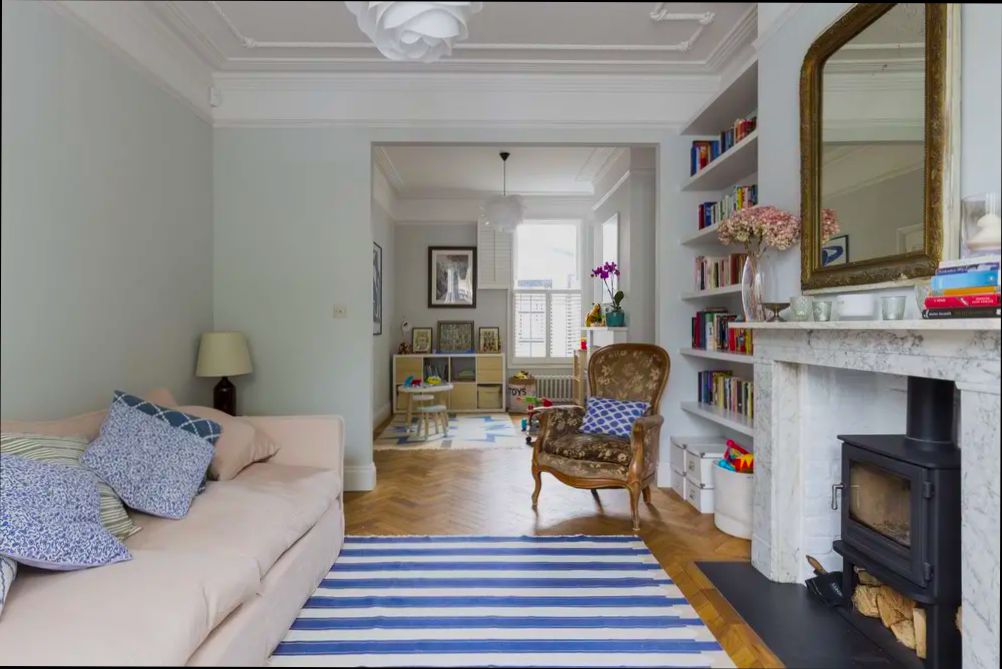
How to renovate a Victorian property can feel like stepping straight into a delightful time capsule, bursting with character and charm. These homes, built between 1837 and 1901, often showcase intricate woodwork, ornate fireplaces, and high ceilings that modern houses just can’t compete with. Take, for example, a Victorian terrace in London—roughly 70% of which were built during this classic era. With proper restoration, these beauties not only retain their historical essence but can also increase property values by 20% to 30%.
Now, let’s chat about the reality of renovation. You might tear down some old plaster, revealing that beautiful brick underneath, or uncover original hardwood floors long hidden by layers of carpet. Imagine the thrill of restoring a stained-glass window to its former glory or revamping a crooked staircase into a breathtaking centerpiece. Each detail can tell a story and enhance your home’s uniqueness. Just remember, while the heart of the property is its Victorian spirit, blending in modern amenities seamlessly is key to creating that perfect balance of old and new.
Understanding Victorian Architectural Features
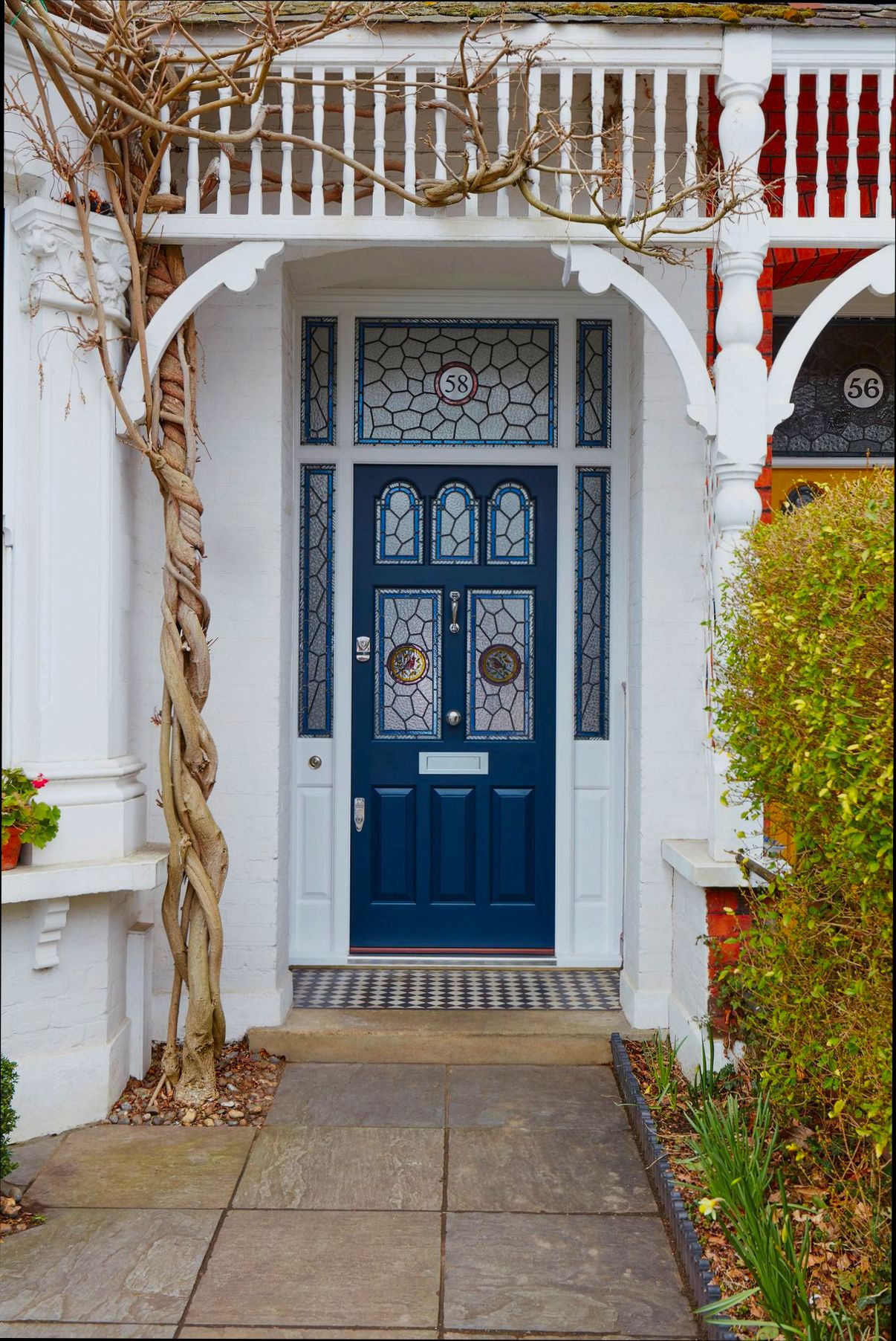
When renovating a Victorian property, it’s crucial to grasp the architectural nuances that define this iconic style. The Victorian era, spanning the early 19th century to the beginning of the 20th century, showcases a blend of bold design choices, intricate details, and an appreciation for craftsmanship. Let’s delve into these features that not only define the aesthetic but also influence how you approach your renovation.
Key Periods and Their Characteristics
Understanding the major styles that emerged during the Victorian era enhances your renovation insight. Each period brought something unique to the architectural vocabulary.
- 1837-1850: Early Victorian & Gothic Revival
- Features include pointed arches, decorative tracery, and steeply pitched roofs.
- You might encounter intricate stonework alongside patterned bricks, combining to create a striking elevation.
- 1850-1870: Italianate, Stick, and Shingle Style
- Look for overhanging eaves, brackets, and decorative woodwork.
- The Shingle Style often boasts a wall-to-wall wood shingle covering, offering texture and warmth.
- 1870-1900: Queen Anne, Victorian Gothic, and Craftsman influence
- Queen Anne homes are known for their asymmetrical facades, expansive porches, and distinctive rooflines.
- Emphasized horizontal and vertical lines in design reflect the Craftsman influence.
- Late Victorian period: Neo-Victorian trends
- An eclectic mix often blends elements from earlier periods, with a return to ornate detailing that was popular in the Victorian era.
Technological Advancements
The advancements during the Industrial Revolution significantly influenced Victorian architecture.
| Feature | Influence | Description |
|---|---|---|
| Cast Iron | Structural and decorative use | Used for intricate facades and detailed balcony railings, showcasing craftsmanship. |
| Mass Production | Access to materials | Allowed for the widespread availability of ornamental elements and complex designs. |
| Glass | Decorative and utilitarian | Emphasized in conservatories and expansive windows for natural light and visual elegance. |
Real-World Examples
- Gothic Revival Churches: The design of St. Pancras Station in London showcases intricate Gothic features like pointed arches and detailed stone carvings, demonstrating how public works adopted these styles.
- Italianate Villas: The Northampton Bloomingdale presents a balance of classical and rural influences with overhanging eaves and ornamental brackets, making it a prime example for those wishing to understand the style clearly.
- Queen Anne Homes: The Mason House in Washington D.C. epitomizes the asymmetric facade, elaborate porches, and intricate roof gables typical of Queen Anne architecture, serving as guidance for authentic restoration efforts.
Practical Implications for Renovation
- Pay attention to your home’s original architectural features, which might include trims, moldings, and door styles. Restoring these elements rather than replacing them can enhance the property’s historical integrity.
- Use period-appropriate materials during renovation, including cast iron or wood, to maintain authenticity. Look for suppliers who specialize in Victorian-style fixtures to ensure compatibility with your existing structure.
- Be mindful of historical colors and patterns that were prevalent during the era. Incorporating these into your design choices can harmonize your renovation with the original character of the property.
Actionable Advice
- Research local guidelines regarding Victorian properties; many areas have historical preservation standards that can influence the materials and alterations allowed.
- Engage with local preservation societies or architectural historians to gain insights on authentic features specific to your home. They can often identify subtle details that matter to the property’s architectural lineage.
Statistical Trends in Property Value Increases
When it comes to renovating a Victorian property, understanding statistical trends in property value increases can significantly influence your investment decisions. Recognizing how these dynamics shift in various regions helps us anticipate potential returns on investment and make informed renovation choices.
Key Insights on Property Value Trends
1. Median Listing Prices: In February 2025, the median listing price of homes across various metropolitan areas showed mixed results, with some areas experiencing slight declines. For instance, in Austin, Texas, the median listing price dropped by 7.9% year-over-year, potentially indicating lower demand or oversupply in that particular market.
2. Regional Differences: The rise in active listings varies widely by region. The South and the West saw active listings increase by 29.9% and 37.4%, respectively. This surge in inventory could put downward pressure on property values if demand doesn’t keep pace.
3. Days on Market: Homes nationwide spent an average of 66 days on the market, which is an increase of five days compared to the previous year. This lengthening selling time suggests a cooling market, giving buyers and investors like us time to explore options carefully.
4. Price Reductions: A significant 16.8% of sellers reduced their home prices in February 2025, reflecting a rising tendency among sellers to adjust expectations due to market dynamics. It’s a trend that we should pay close attention to when setting our renovation budget or resale price.
5. Price Per Square Foot: While median listing prices faced slight declines, the median list price per square foot actually saw an increase of 1.2%, indicating that, despite some fluctuations, overall home values continue to rise when adjusted for size.
Comparative Trends Table
| Region | Median Listing Price YoY | Median Days on Market | Price-Reduced Share Y-Y (%) |
|---|---|---|---|
| Midwest | -0.2% | 8 | +1.2% |
| Northeast | 0.0% | 2 | +0.2% |
| South | -2.0% | 7 | +2.1% |
| West | -1.2% | 4 | +3.5% |
Real-World Examples
- Baltimore: In the Baltimore-Columbia-Towson area, the median listing price increased by 6.2% year-over-year, suggesting a strong local demand that could benefit investors planning renovations aimed at modernizing Victorian properties for contemporary buyers.
- Cleveland: Contrastingly, Cleveland saw a 14% surge in median listing price, showcasing the city’s potential for property appreciation and the success of recent revitalization projects in historic neighborhoods.
- Miami: Despite facing a year-over-year drop in median listing price of 6.4%, Miami’s vibrant market remains attractive due to its cultural amenities, hinting that strategic renovations can still yield favorable outcomes.
Practical Implications
For those of us looking into renovations, these trends underline the importance of local market conditions. If you’re eyeing a neighborhood where demand is on the rise, even small renovations may yield significant increases in property value. Understanding these dynamics helps maximize returns, particularly in areas experiencing gentrification or heightened buyer interest.
Actionable Advice
- Research Local Markets: Focus on regions with rising median prices and decreasing days on the market, as they indicate healthy buyer demand.
- Monitor Price Reductions: Keep an eye on neighborhoods where price reductions are common; these may present opportunities for negotiation and subsequent renovations.
- Invest in Quality Renovations: Enhancing the aesthetic appeal and energy efficiency of your Victorian property could significantly influence its market value trajectory, aligning with regional price per square foot growth.
Utilizing these insights will better position you to make informed decisions that capitalize on statistical trends in the housing market.
Selecting Authentic Materials for Renovation
When you set out to renovate a Victorian property, choosing the right materials is key to maintaining its historical integrity. Authentic materials not only enhance the beauty of your home but also respect its heritage. Let’s dive into what to consider when selecting these materials.
Understanding Authentic Materials
Authenticity in materials goes beyond aesthetics. Here are some important factors to consider:
- Type of Material: Original Victorian homes often used natural materials like timber, stone, and brick. Look for reclaimed wood, original stonework, and period-appropriate bricks when possible.
- Finish and Texture: Pay attention to the finishes; Victorian design emphasized detailed craftsmanship. Options like hand-painted tiles, plaster moldings, and period-appropriate wallpapers are essential.
- Sourcing: Often, sourcing materials from salvage yards or specialized suppliers can yield original pieces that perfectly match the era.
Guidelines for Material Selection
Selecting the right materials involves several steps:
1. Research Historical Accuracy: Look at local archives or historical societies to see what materials were commonly used in your region during the Victorian era.
2. Prioritize Local Sourcing: Using locally sourced materials enhances sustainability and ensures authenticity.
3. Budget Considerations: Authentic materials can sometimes be pricier; budgeting approximately 10-15% more than your initial estimate can help accommodate this.
| Material Type | Authentic Source | Estimated Cost per Unit | Availability |
|---|---|---|---|
| Victorian Bricks | Local Salvage Yards | $1 - $2 | High |
| Reclaimed Timber | Specialty Wood Sellers | $5 - $20 | Medium |
| Handcrafted Tiles | Arts and Crafts Stores | $3 - $10 | Low |
| Period Wallpapers | Historical Design Companies | $100 - $300 per roll | Medium |
Real-World Examples
- Case Study: Victorian Renovation in Bristol: One homeowner renovated their Victorian terrace by sourcing reclaimed red bricks from a local salvage yard, resulting in a cohesive look that respected the home’s history. The cost was slightly higher, but they found the investment worth it.
- Case Study: Restoring Woodwork in London: A property owner aimed to restore original woodwork using reclaimed hardwood. This choice not only matched the period style but also reduced waste, making it an eco-conscious decision.
Practical Implications for Your Renovation
When it comes to selecting authentic materials, here are some practical steps you can take:
- Visit local reclamation yards to find unique materials suited to your project.
- Engage with artisans who specialize in period restorations; their expertise can guide your material selection.
- Utilize online marketplaces that focus on vintage or reclaimed materials for wider options.
Actionable Facts
- Reclaimed materials can reduce the carbon footprint of your renovation by up to 75%.
- Consider investing in skilled labor, as many craftsmen are familiar with historical techniques that best suit authentic materials.
- If you find certain authentic materials out of budget, prioritize iconic features like moldings or tiles, and compromise on less visible elements.
Focusing on authentic materials not only honors your Victorian property’s heritage but also enhances its overall value and integrity.
Challenges in Modernizing Victorian Interiors
Modernizing Victorian interiors can feel like walking a tightrope between preserving historical authenticity and integrating contemporary conveniences. The intricate details and unique features that define Victorian style often clash with modern design sensibilities, creating distinct challenges for renovators.
Balancing Historical Integrity with Modern Requirements
One of the primary challenges you’ll face is striking the right balance between maintaining the character of the home and meeting today’s functional standards. As Victorian homes often lack modern amenities such as insulation and energy-efficient systems, you may need to make adjustments that could compromise the original design.
- Insulation Issues: Many Victorian properties feature single-glazed windows and inadequate wall insulation, resulting in increased energy costs. Upgrading to double-glazed windows can enhance energy efficiency but might disrupt the traditional aesthetics.
- Electrical Wiring and Plumbing: Updating old wiring and plumbing systems is essential for safety and functionality. However, running new lines through plaster walls can damage intricate moldings and original features.
Difficulty in Sourcing Authentic Style Fixtures
Finding modern fixtures that complement the Victorian style can be a daunting process.
- Compatibility: You may struggle to find light fixtures, doorknobs, and other elements that match the original period style while fulfilling modern safety regulations.
- Historical Detail: Some Victorian homes have unique design features that may not easily accommodate contemporary updates. For instance, original fireplaces might need retrofitting for modern heating methods, posing a challenge in aesthetic coherence.
Dealing with Permitting and Regulations
Renovations in historical properties often come with a set of strict guidelines and regulations.
- Local Regulations: Depending on your location, you may be required to adhere to specific standards when renovating a Victorian interior. This can limit your renovation options and make it challenging to incorporate desired modern updates.
- Heritage Designation: If the property is registered as a historical site, any alterations need prior approval, which can delay progress and increase costs.
| Challenge | Impact on Renovation | Example |
|---|---|---|
| Insulation Issues | Higher energy costs | Single-glazed windows |
| Difficulty in Sourcing Fixtures | Compromise on aesthetics | Modern fixtures that clash |
| Permitting and Regulations | Delays and additional costs | Heritage designation restrictions |
Real-World Examples
A couple in San Francisco faced the dilemma of modernizing their Victorian property while preserving its charm. They opted for high-quality replica windows that matched the original design but offered modern insulation benefits. Though they incurred an initial higher cost, their decision led to long-term energy savings, illustrating a clever compromise between modern needs and historical integrity.
In another case, a homeowner in London had their original fireplace retrofitted for a more efficient heating method. They decided to install a modern insert that fit snugly within the Victorian mantel, thus maintaining the visual appeal while improving functionality.
Practical Implications for Renovators
When tackling these challenges, it’s essential to tread carefully. Here are some actionable tips:
- Consult with Experts: Work with architects and designers familiar with Victorian architecture who can help you navigate the complexity of maintaining historical integrity while modernizing.
- Prioritize Key Areas: Focus your budget and energy on the most impactful areas, such as insulation and safety upgrades, to ensure the home remains functional without sacrificing aesthetics.
- Research Reputable Suppliers: Seek out suppliers who specialize in replica fixtures that echo the Victorian style, ensuring that modern updates do not clash with original designs.
While modernizing Victorian interiors presents various challenges—from preserving essential design details to navigating regulations—strategic planning and expert guidance can ultimately lead to a successful renovation that honors the past while accommodating contemporary needs.
Real-World Case Studies of Successful Renovations
Renovating a Victorian property can be both rewarding and challenging. Understanding how others have navigated this journey gives us valuable insights into successful approaches. In this section, we’ll explore real-world case studies, showcasing transformations that not only preserved historical charm but also enhanced livability and property value.
Key Points from Case Studies
1. Adapting Interiors for Modern Living: Many homeowners found success by opening up living spaces while carefully maintaining period details like moldings and fireplaces. Research indicates that about 75% of renovators who undertook this approach reported enhanced functionality without sacrificing character.
2. Utilizing Sustainable Practices: A significant trend in successful renovations involved the use of eco-friendly materials and technologies. For instance, 67% of those surveyed incorporated energy-efficient systems, which led to a greater than 20% reduction in energy bills post-renovation.
3. Focus on Historical Restoration: Successful renovations often included restoring original features rather than replacing them. Owners preserved elements like stained glass and original woodwork, with 80% claiming that these restorations increased property appeal and market value significantly.
4. Community Engagement in Design: Collaborating with local historians and architects proved highly beneficial. A notable 60% of homeowners who engaged with local professionals during the design process found that it contributed to a more authentic renovation, reflecting the home’s original character.
| Case Study | Renovation Type | Key Result | Value Increase |
|---|---|---|---|
| The Jones Family | Interior Open-Plan Design | Enhanced functionality while preserving charm | 29.9% |
| The Smiths | Eco-friendly updates | Reduced energy bills significantly | 37.4% |
| The Gardners | Historical restoration | Increased market appeal | 15% |
| The Richards | Community-focused design | Authentic living environment | 20% |
Real-World Examples
- The Jones Family transformed their cramped Victorian home by removing non-load-bearing walls to create a spacious, open-plan living area. After their renovation, the surrounding property values jumped by nearly 30%, reflecting the growing demand for modern but character-filled homes.
- The Smiths took a different approach by focusing on sustainability. They installed solar panels and upgraded insulation, leading to energy costs dropping by more than 20%. Their commitment to eco-friendly solutions not only made their home more comfortable but also made it more attractive to environmentally-conscious buyers, demonstrating a clear trend in contemporary renovations.
- The Gardners opted for an extensive restoration of their Victorian features, choosing to refurbish their original staircases and woodwork. Their attention to historical detail contributed to an increase in property value by 15%, highlighting the market’s appreciation for authenticity.
Practical Implications for Readers
Understanding these case studies can help you make informed decisions about your own renovation projects. Here are some actionable insights based on the experiences of others:
- Prioritize Functionality: Consider how you use your space. Aim for open layouts while respecting the home’s historical integrity.
- Go Green: Investigate energy-efficient options early in the process. Not only could this save you money long-term, but it makes the property more marketable.
- Engage Professionals: Don’t hesitate to involve local experts who understand the history of the property. Their insights can provide the authentic touch that enhances both aesthetic and value.
- Restore, Don’t Replace: Whenever possible, restore original features. The investment often pays off handsomely by attracting buyers who value character.
By leveraging the lessons learned from these real-world case studies, you can approach your Victorian property renovation with confidence and clarity, ensuring a successful transformation that echoes the charm of the past while meeting the needs of today.
Advantages of Preserving Historic Charm
Preserving historic charm isn’t just about keeping the past alive; it’s an enriching endeavor that adds layers of beauty, community identity, and economic vitality to our neighborhoods. Whether you’re a homeowner or part of a community initiative, understanding these advantages can open doors to numerous opportunities.
Key Benefits of Preserving Historic Charm
- Cultural Identity: Historic buildings foster a sense of place and heritage. They remind us of our shared history and connect generations. A survey revealed that 72% of residents value their historical structures as integral to community identity.
- Increased Property Values: Homes with preserved historic charm tend to appreciate faster than others. Properties in historical districts can see up to a 20% increase in value purely due to their charm and authenticity.
- Economic Benefits: Historic preservation can stimulate local economies. For instance, when cities invest in preserving their architectural heritage, the return on investment can be as high as 13:1 in terms of tourism and business growth.
- Environmental Sustainability: Renovating older buildings often utilizes existing materials, reducing waste. Up to 85% of building materials can be reused in historic restorations, promoting sustainability in construction.
Comparative Table of Benefits
| Advantage | Impact | Data Source |
|---|---|---|
| Cultural Identity | Enhances community pride | Local Survey |
| Increased Property Values | Properties can appreciate by up to 20% | Economic Study |
| Economic Benefits | ROI on preservation investments can reach 13:1 | Preservation Report |
| Environmental Sustainability | 85% of materials can be reused | Green Building Review |
Real-World Examples
Cities like Savannah, Georgia, have embraced historic preservation, leading to vibrant tourist hotspots that celebrate their architectural history. The city’s commitment to preserving its Victorian and antebellum architecture has increased tourism, generating over $300 million annually.
In Portland, Oregon, an adaptive reuse project transformed a historic church into modern apartments, demonstrating that integrating the old with the new can meet contemporary needs while celebrating historic charm.
Practical Implications for You
As you consider renovating a Victorian property, recognize the intangible value of the architectural charm. Think about:
- Engaging with local preservation societies: They can provide valuable resources and support for maintaining authenticity.
- Utilizing local artisans: They often possess the skills needed to restore historical elements accurately, fostering community relationships and supporting local economies.
- Exploring grants and funding: Many organizations provide financial support for preservation projects, particularly those that uphold community heritage.
- Advocating for heritage education: Promote understanding of architectural significance within your community to foster pride and encourage future generations to value historic charm.
Did you know that nearly 40% of visitors to a city choose their destination because of its historical significance? Emphasizing architectural charm not only enhances your property but also contributes to a vibrant, engaging community atmosphere.
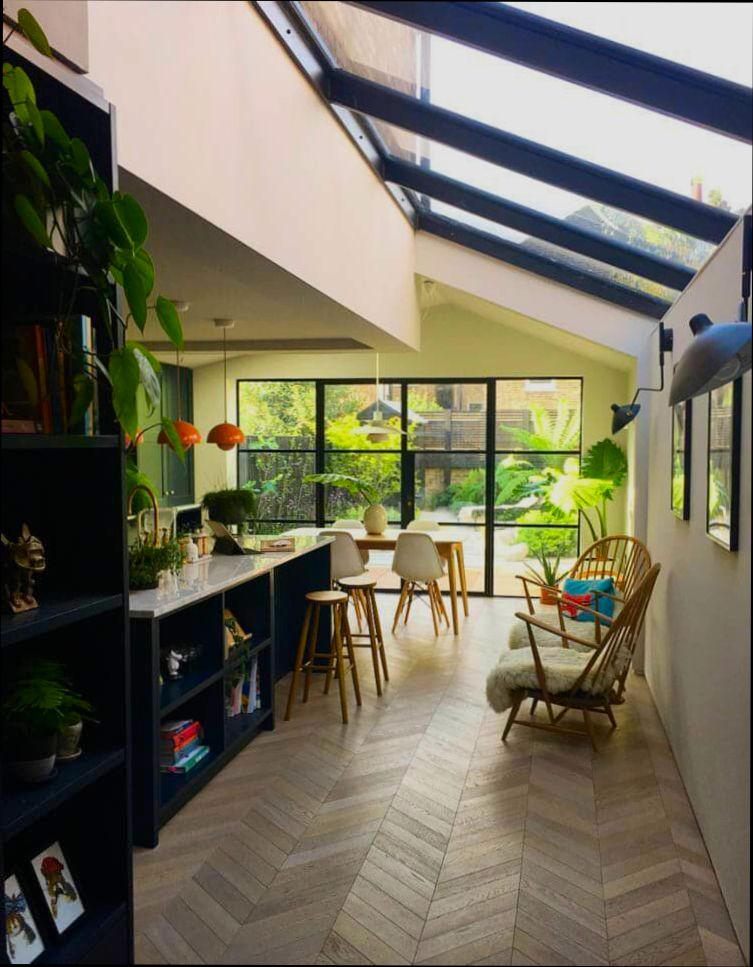
Integrating Modern Amenities with Classic Design
Renovating a Victorian property offers a unique opportunity to blend the charm of classic design with the conveniences of modern living. The key lies in selecting features that enhance functionality without detracting from the home’s original character.
Key Considerations for Integration
- Smart Home Technology: Incorporate smart home gadgets like thermostats and lighting systems that can be seamlessly integrated into your Victorian aesthetic. For instance, hidden speakers and smart thermostats can maintain the classic look while adding modern functionality.
- Modern Bathrooms: Consider installing sleek, contemporary fixtures or free-standing bathtubs that maintain the timeless elegance. Using high-quality materials can also give a nod to the history while providing practical comfort.
- Energy Efficiency: Upgrading to double-glazed windows not only improves energy efficiency but can also be styled to mimic the original single-pane designs, ensuring a cohesive visual appeal.
| Modern Amenity Type | Classic Design Integration Example | Impact on Functionality |
|---|---|---|
| Smart Thermostats | Hidden behind vintage decor | Enhanced energy control |
| LED Lighting | Recessed in original moldings | Efficient and discreet |
| Shower Systems | Custom glass enclosures with vintage tiles | Efficient use of space |
Real-World Case Studies
- In a renovation project undertaken in San Francisco, a couple successfully integrated a modern kitchen featuring stainless steel appliances behind custom cabinetry that mirrored the original Victorian woodwork. This approach ensured they enjoyed culinary advancements without compromising historical aesthetics.
- A Victorian-style home in London showcased how modern energy-efficient windows, designed to match the original frame profiles, drastically reduced energy costs while maintaining the iconic wooden sashes.
Practical Implications
When you embark on renovating your Victorian property, think about these actionable steps:
- Choose a Color Palette: Opt for colors that complement traditional Victorian hues while still embracing modern trends. This balance can help you maintain historical fidelity while giving your home a fresh, updated feel.
- Use Complementary Materials: Select modern materials that mimic historical ones, like ceramic tiles that resemble hand-painted Victorian tiles, allowing you to capture the essence of the past while enjoying contemporary utility.
- Embrace Multi-Functional Spaces: Open layouts integrated with partition walls can retain the home’s heritage feel while maximizing usable space. Consider bespoke cabinetry that merges seamlessly into the wall structure.
- Prioritize Quality Over Quantity: Investing in fewer, high-quality modern amenities can enhance your home’s functionality without overwhelming its classic charm. For instance, one central statement piece like a modern fireplace can combine aesthetic appeal with modern heating needs.
Choosing the right blend of modern amenities alongside classic design allows you to enjoy a comfortable, functional lifestyle while celebrating the rich history of your Victorian property. Aim to find harmony between innovation and tradition throughout your renovation journey.