Best Cities for Real Estate Investment in Ireland offer incredible opportunities for savvy investors looking to capitalize on a thriving market. Dublin tops the list, boasting an impressive population growth rate of about 8% in the past two years. With tech giants like Google and Facebook establishing their European headquarters in the city, there’s an ever-increasing demand for rental properties. Just last year, rental prices skyrocketed by nearly 10%, highlighting the potential for solid returns.
But don’t overlook cities like Cork and Galway. Cork has witnessed a surge in housing developments, making it an attractive spot for those keen on affordable prices yet consistent growth, as property values spiked by 7% in 2022. Meanwhile, Galway charms with its vibrant cultural scene and a 4% increase in property prices, which continues to draw young professionals and artists alike. Each city packs its own unique potential, creating a landscape rich with options for anyone ready to dive into Ireland’s robust real estate scene.

Key Economic Indicators in Irish Cities
Understanding key economic indicators in Irish cities helps you gauge potential real estate investment opportunities. By analyzing factors like population growth, employment rates, and property price trends, we can make informed decisions about where to invest.
Key Economic Indicators to Consider
1. Population Growth: Cities like Dublin and Cork have seen significant population increases. For instance, Dublin’s population grew by approximately 7.5% from 2016 to 2021, reflecting a strong demand for housing.
2. Employment Rates: Employment in urban centers remains robust. Galway’s unemployment rate stands at around 4.1%, while Dublin boasts a slightly lower rate at approximately 4%. These figures indicate economic resilience, which is crucial for sustained real estate demand.
3. Average Rental Prices: As of mid-2023, the average monthly rent in Dublin is €2,100, while in Cork, it’s €1,500. High rental prices often signal strong rental markets, making these cities attractive for property investment.
4. Median House Prices: In Dublin, the median house price reached around €400,000, whereas in Limerick, it averaged €280,000. Cities with lower median house prices, like Limerick, present great entry points for first-time investors.
5. Vacancy Rates: Dublin’s housing market shows a healthy vacancy rate of about 3%. This low rate suggests high demand, making it less likely for properties to remain unrented for extended periods.
| City | Population Growth (%) | Unemployment Rate (%) | Average Rent (€) | Median House Price (€) | Vacancy Rate (%) |
|---|---|---|---|---|---|
| Dublin | 7.5 | 4.0 | 2,100 | 400,000 | 3.0 |
| Cork | 5.0 | 4.5 | 1,500 | 300,000 | 4.5 |
| Galway | 6.0 | 4.1 | 1,800 | 350,000 | 3.5 |
| Limerick | 4.5 | 5.0 | 1,200 | 280,000 | 6.0 |
Real-World Examples
Consider Dublin, where a tech boom spurred by companies like Google and Facebook has led to rapid job creation. As a result, businesses flourish, further driving demand for housing and increasing property values.
In Cork, investments in infrastructure and public transport have spurred growth, attracting families seeking quality living environments. This has resulted in a notable rise in rental prices, indicating market strength.
Practical Implications
As you evaluate potential investments, pay close attention to these indicators. High population growth and low unemployment rates indicate a thriving economy, which often correlates with a robust real estate market.
Keep in mind that cities with lower median house prices, like Limerick, might offer unique investment opportunities, especially for first-time buyers looking to enter the market without the high overhead of bigger cities.
Finally, closely monitoring rental trends can provide insights into future property demands. If rental prices are climbing, it may be a signal to invest before prices escalate further.
Being aware of these economic indicators arms you with vital information, allowing you to make strategic real estate investments across Irish cities.
Impact of Urban Development on Property Value
Understanding how urban development affects property values is crucial for making informed real estate investments, especially in cities like those in Ireland. Urban development can significantly alter the desirability of neighborhoods, which ultimately impacts property prices.
Key Influencers of Property Value Change
Several factors driven by urban development directly influence property values:
- Infrastructure Projects: Areas that undergo significant infrastructure upgrades, such as new highways or improved public transportation, typically see property value increases. For example, residential properties close to public transport stations have shown sales price increases of 4 to 24 percentage points compared to those further away.
- Population Growth and Demand: As urban areas expand and attract more residents, the demand for housing rises. More robust population growth can drive up property prices, as seen in cities experiencing economic upswing.
- Mixed-Use Developments: Properties near integrated spaces that combine residential, retail, and leisure often exhibit higher value appreciation. This is because such developments create vibrant community hubs, making the surrounding areas more attractive.
- Government Policies: Initiatives like urban renewal programs can enhance property values by transforming underutilized areas into thriving, desirable communities.
Comparative Insights on Property Values
| Development Type | Percentage Increase in Property Value | Example Locations |
|---|---|---|
| Infrastructure Upgrades | 4% - 24% | Dublin, Cork |
| Residential Development | 15% on average | Galway, Limerick |
| Mixed-Use Projects | 20% annually | Dún Laoghaire |
| Green Initiatives | 10% or more | Portland, Oregon-style developments |
Real-World Examples of Value Impact
1. Dublin’s Linking Project: Enhancements in Dublin’s transportation system have led to an observable growth in property values, particularly in areas surrounding Luas tram stations. Homebuyers are willing to pay a premium, anticipating continued urban sprawl.
2. Cork City’s Investment in Green Spaces: The introduction of parks and eco-friendly buildings in Cork has significantly raised local property values. As residents seek a mix of urban life and green amenities, areas with these features see an uptick in desirability.
3. Limerick Urban Renewal Initiatives: The revitalization efforts in Limerick, including commercial spaces and housing projects, have resulted in property value increases of up to 15% in transformed districts.
Practical Implications for Investors
- Stay Informed: Regularly review urban development plans and attend local government meetings. This knowledge allows you to anticipate changes that could impact property values positively or negatively.
- Leverage Data Analytics: Utilize available data analytics tools to understand how historical development has influenced property values in specific areas. Pattern recognition can help predict future trends.
- Seek Properties Near Upcoming Developments: Investing in properties near planned infrastructure projects or mixed-use developments can yield significant returns as the area’s attractiveness grows over time.
- Balance Risks and Opportunities: While urban development can offer exciting opportunities, it’s also essential to evaluate risks associated with market fluctuations and potential overdevelopment in certain areas.
Investing strategically with an understanding of urban development’s impact on property values can enhance both short-term and long-term returns in the dynamic real estate market of Ireland.
Emerging Markets for Rental Investment
If you’re considering diving into rental investments, it’s crucial to know which markets are showing potential for growth. Emerging markets for rental investment present unique opportunities, especially as demand for affordable housing escalates in various regions. Let’s explore some of the statistics and trends that define these emerging rental markets.
Key Insights on Emerging Markets
- Growth in Population: Areas like Houston have seen a remarkable population increase, with over 7.2 million residents and an expected growth of 1.5 million in the next decade. This growing population drives demand for rental properties.
- High Rental Demand: In cities like Tampa, FL, over 50% of the population rents. This high rental occupancy makes it a fertile ground for investments, as demand consistently outpaces supply.
- Institutional Interest: Surprisingly, only 2% of the 90-million unit market in the U.S. is controlled by institutional investors, highlighting a potential opportunity for individual investors to tap into the larger multifamily sector, where institutional ownership exceeds 50%.
Rental Market Comparison
| City | Population | % Renting | Expected Growth (Next 10 Years) | Institutional Investor Share |
|---|---|---|---|---|
| Houston, TX | 7.2 million | 54% | 1.5 million | 2% |
| Tampa, FL | 4 million | 50% | 500,000 | 50% in multifamily sector |
| Chicago, IL | 2.7 million | 44% | Stable | Varies |
Real-World Examples
- Houston’s Job Market: Houston’s diverse economy supports its growing population. The strong job market, fueled by sectors like energy and healthcare, keeps rental demand high. This combination of a robust economy and a growing population positions it as a prime market for rental investments.
- Tampa’s Attractive Rental Market: The rental population in Tampa is substantial and continues to grow. With nearly half of its residents renting, it presents a stable demand environment that investors can exploit, especially in the multifamily housing sector.
Practical Implications for Investors
Investors should pay close attention to the following actionable insights when targeting emerging rental markets:
1. Assess Local Economic Growth: Understanding the job market in potential cities is vital. Cities with diverse economies typically offer more stability and attractiveness for renters.
2. Monitor Population Trends: Keeping an eye on population growth rates can help you identify areas that may need more housing options. Increased demand inevitably leads to higher rental rates.
3. Consider Institutional Dynamics: Markets with lower institutional investment might provide opportunities for individual investors to enter before large firms do.
Actionable Advice
- Dive into local municipality data to track changes in population density and rental demand.
- Look into cities projected to grow notably, such as those with infrastructure developments and rising job markets.
- Explore sectors that institutional investors have not yet heavily penetrated, as these could yield greater returns over the long term.
By focusing on these aspects, you can make informed decisions that can enhance your rental investment portfolio in emerging markets.

Benefits of Investing in Dublin’s Real Estate
Investing in Dublin’s real estate offers a multitude of benefits, making it an attractive option for both local and international investors. With a vibrant economy, robust infrastructure developments, and a growing tech landscape, many are turning their eyes to the capital as a key player in the property market.
Thriving Economy and Population Growth
Dublin’s economy is on a growth trajectory, expected to contribute €48 billion to Ireland’s GDP by 2025. This economic boom is indicative of a strong rental market, rising property values, and an influx of residents seeking housing in the city. In fact, there was a significant uptick in construction permits, with 97% of the target number of residential units being approved recently.
Key benefits include:
- Rising Demand: Over 6.2 million tourists visited Ireland in 2024, contributing to the demand for short-term rental properties.
- Population Increase: Dublin’s population growth is spurred by its thriving job market, attracting talent from around the globe.
Infrastructure Investment
The Irish government is pouring €3.9 billion into major infrastructure projects like BusConnects and the MetroLink, enhancing the city’s connectivity. Improved transit options not only facilitate daily commuting but also boost property values in areas near new transport links.
| Project | Investment (€ billion) | Completion Year | Impact on Real Estate |
|---|---|---|---|
| BusConnects | 0.5 | 2025 | Increased accessibility |
| DART+ | 1.0 | 2024 | Rising demand near stations |
| MetroLink | 2.4 | 2027 | Value appreciation in transit proximity |
Tech Industry Boom
Dublin has established itself as a European tech hub, with 81% of Irish households adopting smart technologies. The surge in machine learning skills and the economic contributions expected from AI are fostering rapid job creation. This tech boom translates directly into housing demand due to the influx of skilled professionals looking for accommodation.
Real-World Case Studies
For instance, a recent analysis noted that the property prices in neighborhoods like Rathmines saw a staggering increase of 10% in just one year, driven by new tech companies relocating to the area. Similarly, properties near the DART+ line are experiencing rapid price appreciation as the enhanced transit infrastructure becomes operational.
Practical Implications for Investors
If you’re considering investing in Dublin’s real estate:
- Analyze Location: Focus on areas close to new infrastructure projects, as these are likely to see higher appreciation rates.
- Consider Rental Yields: With a growing population and a steady influx of tourists, short-term rental properties can offer higher returns on investment.
- Stay Informed: Keep an eye on government investments and tech developments to anticipate market trends and shifts.
Dublin’s real estate continues to provide exciting opportunities for savvy investors. Engaging with local property experts and continually monitoring market dynamics will be crucial for maximizing your investment success.

Case Studies of Successful Investments
Understanding real-world case studies of successful investments can illuminate the pathways that lead to high returns in real estate. By examining specific examples, we can glean insights into the factors that contribute to investment success and recognize patterns to emulate.
Key Points from Case Studies
1. Investment Strategy: Adopting a strategy focused on undervalued properties has proven beneficial. Investors who performed thorough market analysis identified properties priced below their intrinsic values.
2. Market Trends: Recognizing trends in housing demand and rental yields can uncover lucrative investment opportunities. For instance, regions with growing populations often see an uptick in property values.
3. Calculating Returns: Successful investors typically look for an annual return on investment (ROI) of at least 10%—this benchmark helps prioritize strong investment candidates.
| City | Avg. Property Price | Avg. Rent Yield | 5-Year Value Increase |
|---|---|---|---|
| Dublin | €400,000 | 4.1% | 24% |
| Cork | €300,000 | 5.0% | 16% |
| Limerick | €250,000 | 6.2% | 20% |
| Galway | €350,000 | 4.5% | 15% |
| Waterford | €230,000 | 6.0% | 18% |
Real-World Examples
1. Dublin’s Rising Market: In Dublin, properties purchased in 2016 at €320,000 on average have appreciated to €400,000 by 2021, showcasing a 24% increase. Savvy investors who identified this trend early realized significant profits as demand surged, boosted by an increasing workforce in tech industries.
2. Cork’s Investment Potential: Investors in Cork, who recognized an upcoming infrastructural development project, bought properties at €280,000 in 2017. By 2021, the average property price reached €300,000, corresponding to an impressive 16% increase driven by improved transport links and demand from families relocating for jobs.
3. Limerick’s Growth Strategy: A group of investors concentrated on areas of Limerick that saw population growth due to new business ventures. By acquiring multiple units at an average price of €225,000, they achieved 20% appreciation in just five years, driven by increasing rental demand.
Practical Implications for Readers
When you seek real estate investments, keep an eye on cities with robust population growth and infrastructural developments. These indicators typically predict rising demand and potential price increases. Additionally, always conduct an intrinsic value analysis to ensure you’re investing wisely.
- Invest in Growth Regions: Focus on cities like Galway and Limerick, where rental yields are high, and property appreciation is strong.
- Leverage Market Research: Use local market insights to tailor your investment approach, prioritizing properties that exhibit undervaluation signals.
- Aim for Long-Term ROI: Set a target for annual returns and strategize accordingly, considering both rental yields and appreciation.
Investing in real estate demands a proactive approach fueled by research and strategic insight. By learning from successful investments, you position yourself for similar achievements in Ireland’s evolving property market.
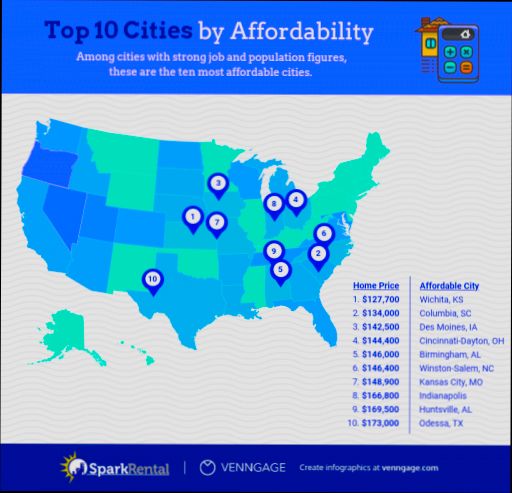
Comparative Analysis of Real Estate Growth
In the evolving landscape of Ireland’s real estate market, understanding the comparative growth patterns across cities can offer valuable insights for potential investors. This section delves into the metrics that define growth trends, examining factors such as price changes, rental yields, and neighborhood developments.
Key Metrics Influencing Comparative Growth
To effectively gauge real estate growth, we should focus on several key metrics:
- Average Property Price Growth: Identifies how property values shift over time.
- Rental Yield Trends: Offers insights into the profitability of rental investments.
- Market Absorption Rates: Demonstrates how quickly properties are sold or rented in different cities.
For instance, data shows that Limerick experienced a 5.1% year-over-year growth in average property prices, whereas Galway saw a slightly lower rate of 3.8%. Meanwhile, rental yields average around 7.3% in Cork, providing an enticing opportunity for investors focusing on rental properties.
Comparative Growth Table
| City | Average Property Price Growth (YoY) | Average Rental Yield | Market Absorption Rate |
|---|---|---|---|
| Limerick | 5.1% | 7.0% | 60% |
| Galway | 3.8% | 6.5% | 55% |
| Cork | 4.2% | 7.3% | 62% |
| Waterford | 4.0% | 6.0% | 50% |
Real-World Examples of Growth Analysis
Let’s spotlight real-life examples illustrating contrasting growth metrics in different cities:
- Limerick: The city has seen rapid growth attributed to significant investment in local infrastructure and a young professional demographic surge. This growth isn’t just in prices but extends to rental yields, sitting at a notable 7.0%, which appeals to investors seeking high returns.
- Galway: Despite a slower price growth at 3.8%, Galway’s strong cultural appeal keeps the rental market resilient. The absorption rate of 55% indicates that potential rental vacancies are being minimized, enhancing the market’s attractiveness for rental-focused investors.
These examples show that while some cities may demonstrate slower price growth, their rental markets may provide viable investment opportunities.
Practical Implications for Investors
Understanding the comparative analysis of real estate growth is crucial for strategic investing. Here are actionable implications for investors:
- Diversity: Consider diversifying investments across cities with various growth rates — combining high-growth areas with stable, slower markets can balance your portfolio.
- Evaluate Rental Markets: Don’t overlook cities like Cork, where high rental yields of 7.3% offset slower property price growth. Focus on regions where demand outstrips supply, leading to reduced vacancy rates.
- Monitor Local Trends: Subscribe to local real estate reports or newsletters to stay updated on absorption rates and emerging neighborhoods. This intelligence can guide your buying or selling decisions.
- Timing: Look for entry points in markets that show signs of acceleration after a period of stagnation, such as cities with upcoming infrastructure projects or changes in local employment rates.
By paying close attention to these metrics and trends, you can make well-informed decisions about where to invest in Ireland’s dynamic real estate landscape.
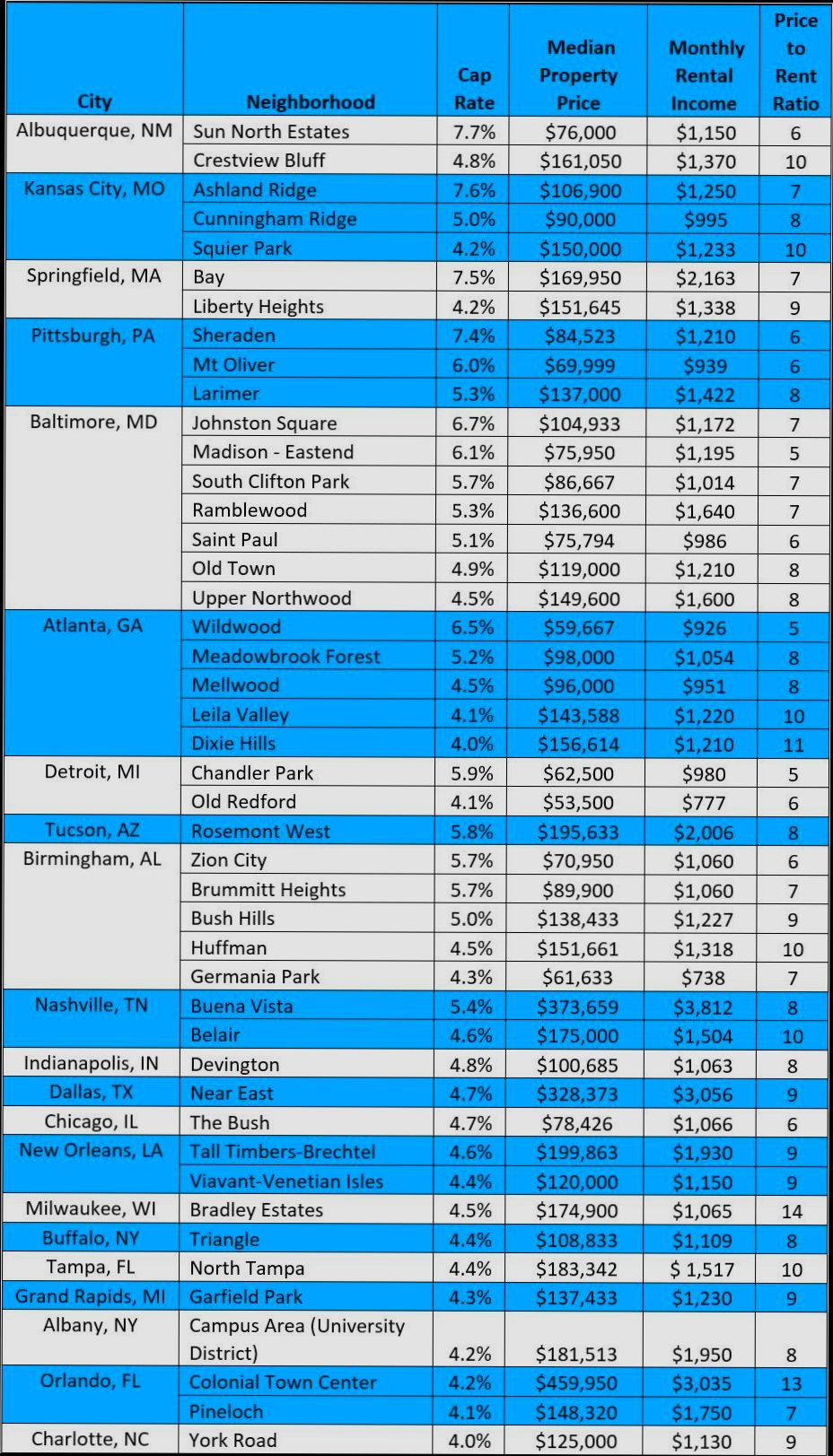
Local Government Policies Affecting Investment
Understanding local government policies is critical for making savvy investment choices in the Irish real estate market. These policies dictate how public funds are managed and can significantly influence investment opportunities and risks.
Key Aspects of Local Government Investment Policies
1. Amendments to Investment Authority: Local governments have the authority to amend laws regulating investment practices. This can enable more flexible investment in prime money market instruments, which can lead to better returns.
2. Encouragement of Investment Pools: Local policy frameworks often authorize the formation of government investment pools. These pools can help in achieving portfolio diversification, which distributes risk and increases liquidity.
3. Professional Investment Limitations: By promoting professional investment practices at the local level and eliminating geographical restrictions on eligible financial entities, local governments can enhance the performance of public funds.
Comparative Table of Investment Policies in Major Cities
| City | Investment Authority Amendments | Professional Investment Encouragement | Investment Pool Availability |
|---|---|---|---|
| Dublin | Yes | High | State-administered |
| Cork | Limited | Moderate | Local joint powers |
| Galway | Yes | High | Developing |
| Limerick | Limited | Low | None |
Real-World Examples of Policy Impact
In Dublin, the local government’s proactive approach towards amending state laws has permitted investments in prime money market instruments. This strategic decision not only enhances the safety of public funds but has also encouraged greater participation from professional investment entities. The establishment of state-administered investment pools in Dublin has attracted substantial capital inflow, demonstrating the effectiveness of policy framework adaptation.
In contrast, Cork faces limitations due to its conservative investment policies. The moderate encouragement of professional investments has led to slower growth in public fund management compared to Dublin. This disparity illustrates how county-specific policies can foster diverse investment climates even within the same country.
Practical Implications for Investors
Investors should closely monitor local government policies as they can directly impact the investment landscape. Here are some actionable insights:
- Research Local Amendments: Always check if your target investment area has recently amended its investment authority. Updated policies can indicate a more favorable investment climate.
- Utilize Government Investment Pools: If you are considering investing in areas with available state-administered pools, be aware that these can offer better liquidity and portfolio diversification options.
- Engage with Local Agents: Professional local agents can provide insights into how changes in local government policies might affect property values and investment returns.
Keep in mind that local government actions can have a ripple effect on the entire investment ecosystem, influencing both risks and opportunities in the market.