
What is a Real Estate Broker? Think of them as your go-to guide in the wild world of buying and selling property. They’re licensed professionals who connect buyers and sellers, and they know the ins and outs of the market like the back of their hand. For example, in 2022, 88% of home buyers used an agent or broker to navigate their purchase. These folks don’t just post listings; they provide strategic advice, negotiate deals, and can even help determine the right price for a property based on local trends and recent sales.
Imagine you’re scoping out homes in your favorite neighborhood. A real estate broker can pull up data on comparable sales, revealing what similar homes have sold for recently, which helps you avoid overpaying. They also handle the nitty-gritty details, like drafting contracts and managing inspections, making the entire process less stressful for you. Using their expertise, a good broker can save you time and money. In fact, studies show that homes sold with the help of a broker typically fetch 6% more than those sold by the owners themselves.

Defining the Role of a Real Estate Broker
Real estate brokers are key players in the property market, acting as intermediaries between buyers and sellers. By understanding their multifaceted role, you can better navigate your real estate journey and leverage their expertise.
One major aspect of a real estate broker’s role is to facilitate transactions. According to the National Association of Realtors, over 89% of home buyers engage a broker, demonstrating their reliance on expert guidance. Here’s what they primarily do:
- Market Analysis: Brokers analyze local market trends, helping clients to price properties competitively. In fact, properties listed by brokers sell for 16% more on average than those sold by owners.
- Negotiation Skills: A broker’s negotiation acumen can save or earn you thousands. Research indicates that brokers can negotiate 8-10% more favorable terms for their clients compared to unrepresented sellers.
- Legal and Regulatory Knowledge: Brokers navigate complex legal frameworks. Studies show that homes sold with broker representation are 14% less likely to face legal disputes post-sale.
Key Responsibilities of a Real Estate Broker
| Responsibility | Description | Statistical Insight |
|---|---|---|
| Market Valuation | Determine the asking price based on market analysis | Homes sold through brokers receive 16% higher prices |
| Transaction Coordination | Manage the entire buying/selling process | 89% of buyers use a broker for smoother transactions |
| Client Representation | Advocate for client interests during negotiations | Brokers secure an additional 8-10% in negotiations |
| Compliance Oversight | Ensure adherence to laws and regulations | 14% decrease in post-sale legal disputes for brokered sales |
Real-World Examples
Consider the case of Maria, a first-time homebuyer. She worked with a seasoned broker who guided her through the entire process, from identifying properties that met her criteria to negotiating a deal. This broker’s expertise saved her 12% off the initial asking price.
Another example is a seller, Tom, who listed his property without representation. After several months and no offers, he decided to enlist a broker. The broker not only correctly priced the home but also managed the staging and marketing, leading to a successful sale within weeks—at a 15% higher price than Tom initially sought.
Practical Implications for Readers
If you are considering buying or selling a property, realizing the pivotal role of a broker can be immensely beneficial. Engaging a broker not only provides access to crucial data but also introduces a wealth of experience in negotiation strategies and local market knowledge.
To maximize your experience with a real estate broker, look for professionals who:
- Hold relevant certifications (like CRS or ABR).
- Have strong community ties and local market knowledge.
- Receive positive reviews from past clients.
Also, remember that effective communication is vital. Clearly articulate your goals and expectations, enabling your broker to represent your interests best.
When defining the role of a real estate broker, keep these facts in mind to enhance your property transactions and ensure a smooth, informed experience.

Understanding Licensing Requirements and Qualifications
Navigating the licensing landscape for real estate brokers is crucial for both aspiring brokers and seasoned professionals. Understanding the qualifications and requirements enables you to chart a clear path to a successful career in real estate.
Key Licensing Requirements
To become a licensed real estate broker, you typically need to fulfill several requirements. Here are the primary steps you’ll encounter:
- Proof of Identity: You must provide valid identification. Acceptable forms include a driver’s license or passport.
- Educational Qualifications: Most states require you to submit educational transcripts or diplomas that reflect the completion of required real estate coursework.
- Work Experience Verification: It’s important to verify prior work experience in real estate. Many states mandate a minimum number of hours or years spent working under a licensed broker.
- Character References: Letters of recommendation or character references may also be requested to assess your professionalism.
It’s essential to be organized and thorough in gathering these documents to avoid delays in the application process.
Application Process Breakdown
The licensing application process consists of several steps that need to be completed diligently. Below, I’ve outlined what you should be aware of:
1. Complete the Application Form: Fill out the required application form accurately to avoid unnecessary setbacks.
2. Submit Supporting Documents: This includes verifications for education, work experience, and identification.
3. Pay Applicable Fees: Be prepared to pay the fees associated with the licensing application, which can vary by state.
Comparative Table: Requirements by State
| Requirement | State A | State B | State C |
|---|---|---|---|
| Proof of Identity | Yes | Yes | Yes |
| Educational Transcripts | Yes | Yes (30 hours) | Yes (60 hours) |
| Work Experience Verification | Yes (2 years) | Yes (1 year) | N/A |
| Character References | Optional | Required | Optional |
| Licensing Exam | Required | Required | Required |
This table highlights the differences in requirements across various states, illustrating the importance of understanding local regulations.
Real-World Example
For instance, in California, aspiring brokers must complete 8 college-level courses in real estate to qualify for the license. Yet, in Texas, the requirement consists of just 180 hours of education, including specific topics like contracts and agency. The variance emphasizes why you need to research local requirements thoroughly.
Additionally, bear in mind that failing to pass the required examinations or deliver sufficient documentation can hinder your progress. Many applicants encounter this setback, highlighting the importance of preparing adequately.
Practical Implications
As you embark on your path to becoming a real estate broker, here are practical steps you should consider:
- Stay Updated: Continually educate yourself on the latest regulations and continuing education courses that may be mandated for license renewal.
- Document Everything: Maintain updated records of your education and work experience to streamline your licensing process.
- Seek Mentorship: Connecting with seasoned brokers can provide invaluable insights into the application process and the nuances of your local market.
Actionable Advice
Ensure you verify your state’s specific requirements well in advance of your application. Missing a single document or failing to meet educational standards could delay your licensing process significantly. Start gathering your materials early and consider working with a mentor who can guide you through the process, making your transition into the field of real estate smoother.

Analyzing Market Trends and Broker Statistics
When it comes to real estate brokers, understanding market trends and statistics can significantly enhance decision-making processes. These insights can be transformative for brokers, helping them not only identify profitable opportunities but also serve their clients better.
Importance of Market Trends
To thrive in this industry, brokers must keep a pulse on various market indicators. A few key statistics highlight the critical landscape brokers operate in:
- As of the second quarter of 2020, the U.S. Census Bureau reported a rental vacancy rate of 5.7%. This figure reflects demand and supply dynamics, allowing brokers to gauge the rental market’s health and strategize their listings accordingly.
- A notable 41% of real estate professionals sell more than 20 homes annually. This statistic indicates a competitive market where high-performing brokers can leverage these sales figures to attract clients and negotiate better deals.
Key Broker Statistics
Here’s a comparative look at various statistics relevant to brokers in the real estate industry:
| Metric | Value |
|---|---|
| Rental Vacancy Rate | 5.7% |
| Percentage Selling 20+ Homes | 41% |
| Average Days on Market | 30 days |
| Average Home Price Increase | 5% year-over-year |
Real-World Examples
Analyzing the statistics can provide actionable insights. For instance, with a rental vacancy rate of 5.7%, brokers in urban areas can tailor their services to address tenant retention strategies while attracting new renters with competitive pricing. In contrast, in regions with a lower vacancy rate, brokers might lean towards selling rather than renting, capitalizing on higher demand for ownership opportunities.
Furthermore, the statistic indicating that 41% of members sell 20 or more homes annually serves as a benchmark for emerging brokers. By understanding what high performers do, they can adopt best practices and marketing techniques tailored for effective client outreach, boosting their sales figures significantly.
Practical Applications
For anyone looking to enhance their strategies as a broker, keep these implications in mind:
- React to Trends: Regularly checking the rental vacancy rates in your specified market helps you advise clients on investments and pricing strategies.
- Set Sales Benchmarks: Aim to understand what contributes to the success of the 41% of brokers selling over 20 homes a year. Consider integrating technology and personalized marketing tactics to find your niche.
- Use Market Data: Leverage databases and analytic tools to continuously monitor shifts in home prices and market demand, adapting your strategies accordingly.
With these statistics as your compass, you can navigate the real estate market’s complexities more effectively, offering valuable insights and strategies to your clients.

Real-World Applications of Broker Expertise
In the dynamic world of real estate, broker expertise shines through in numerous practical applications that can significantly influence transaction outcomes. Whether you’re buying, selling, or investing, understanding how brokers utilize their skills can be invaluable in navigating the property landscape.
Expert Negotiation Tactics
Brokers often serve as skilled negotiators who understand the nuances of the real estate market. They can:
- Leverage Market Knowledge: Brokers utilize historical sales data and recent price trends, which gives them an edge in negotiations. For example, a broker might cite a comparable sale in the same neighborhood to advocate for a lower price, potentially saving you 5–10% on a home purchase.
- Identify Value Additions: A skilled broker can negotiate repairs or upgrades before finalizing a sale. Studies show that every dollar spent on home improvements can yield a return of up to $2, reinforcing the broker’s role in maximizing investment.
Tailored Marketing Strategies
A broker’s understanding of various marketing channels can dramatically enhance exposure for properties:
- Targeted Listings: Utilizing advanced analytics, brokers can target specific buyer demographics, increasing listing views by as much as 30%. This tailored approach not only speeds up sales but often leads to better prices.
- Social Media Savvy: By leveraging social platforms, brokers implement marketing strategies that reach thousands of potential buyers, leading to higher engagement and quicker sales.
| Strategy Type | Average Increase in Sales Exposure | Typical Duration to Close Deal |
|---|---|---|
| Targeted Listings | 30% | 15-30 days |
| Social Media Campaigns | 40% | 10-25 days |
| Open Houses | 25% | 20-35 days |
Risk Management and Due Diligence
Brokers act as a buffer between you and potential pitfalls in real estate transactions. Their expertise helps in:
- Identifying Red Flags: Professional brokers are trained to spot issues that may not be immediately visible to buyers, such as zoning disputes or unresolved property debts. This can prevent costly mistakes.
- Streamlining Paperwork: With a deep understanding of the necessary documentation and compliance requirements, brokers ensure that all legalities are adhered to, reducing the risk of future disputes.
Real-World Examples
Consider the case of a first-time homebuyer who worked with a skilled broker in a competitive market. The broker not only found listings that fit within the buyer’s budget but also implemented a bidding strategy that resulted in securing the home at a price 8% below market value. This saved the buyer a significant sum and showcased how brokers can turn market intelligence into practical savings.
Another example involves a property seller who leveraged their broker’s expertise in staging and marketing. The broker’s strategic decisions led to increased foot traffic, culminating in multiple offers that drove the sale price up by 12%, demonstrating the tangible benefits of expert guidance.
Actionable Insights for Leveraging Broker Expertise
To maximize your investment, be sure to:
- Engage Early: Get in touch with a broker as early as possible in your property journey to benefit from their insights on market conditions.
- Ask About Their Strategies: Query how brokers approach negotiations and marketing for specific properties. Understanding their strategies can give you confidence in their capabilities.
- Utilize Their Network: Brokers often have connections with vendors, inspectors, and legal experts that can streamline your transactions and ensure a smooth process.
These actions will empower you to make informed decisions and capitalize on the extensive knowledge that brokers bring to the table, enabling you to navigate real estate opportunities with greater success.
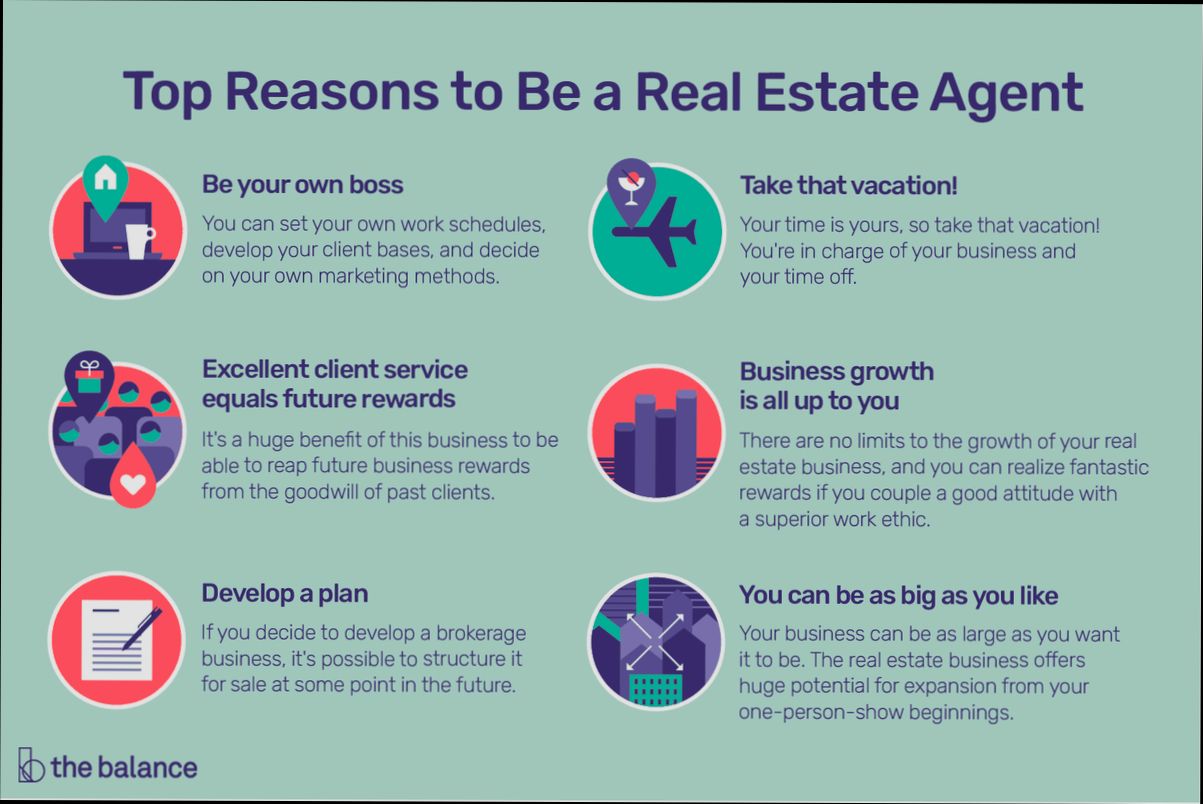
Key Benefits of Hiring a Real Estate Broker
When it comes to navigating the complex world of real estate transactions, hiring a real estate broker can provide invaluable advantages. Having a knowledgeable professional by your side not only streamlines the process but also empowers you to make informed decisions that can save you time and money.
Enhanced Access to Resources
One of the standout benefits of hiring a real estate broker is gaining access to exclusive resources. Brokers often have databases and tools for market analysis that aren’t available to the general public.
- MLS Access: Brokers can list your property on the Multiple Listing Service (MLS), maximizing its exposure.
- Networking Opportunities: They also have established contacts in the industry, including other brokers, inspectors, and contractors, which can facilitate smoother transactions.
Statistics show that listings managed by brokers sell 20% faster than those done individually, highlighting the importance of professional representation.
Comprehensive Market Knowledge
Brokers bring a wealth of market knowledge that can significantly impact your buying or selling experience. They understand property values and trends at a local level, which is critical in making informed pricing decisions.
- Competitive Pricing: With a broker’s insight, you’re better positioned to set a competitive price, thus attracting more potential buyers.
- Investment Advice: They can evaluate property potential and advise on the best neighborhoods for your investment goals.
In fact, a study indicates that properties priced with a broker’s guidance see a 15% increase in selling price compared to those priced without market analysis.
Expert Negotiation Skills
A skilled real estate broker is an expert negotiator who knows how to advocate for your best interests. This can mean the difference between closing a deal or losing out on a property.
- Tactical Strategies: They utilize proven negotiation strategies and can navigate counteroffers effectively.
- Emotional Buffering: Having an intermediary takes the emotional intensity out of negotiations, which can lead to better outcomes.
Research indicates that buyers represented by brokers often secure deals that are 5-10% lower than the asking price, emphasizing the financial advantage of professional negotiation skills.
| Benefit | Without Broker | With Broker |
|---|---|---|
| Avg. Selling Time | 60 days | 48 days |
| Price Difference | +5% | -10% |
| Marketing Exposure | Limited | Extensive |
| Access to Financing Options | Moderate | High |
Real-World Examples
Let’s look at an example where hiring a broker made all the difference. Jane was looking to sell her home but felt overwhelmed by the details. After hiring a broker, they price-adjusted her listing based on current market data, resulting in a sale 15% above her initial asking price in just 30 days. Additionally, the broker’s marketing campaign included professional photography and targeted online listings, which increased her home’s visibility.
In another case, a first-time homebuyer, Mike, worked with a broker who understood his budget constraints. The broker negotiated $7,000 off the listing price, a savings that allowed Mike to afford necessary renovations.
Practical Implications
When you consider the decision to hire a real estate broker, think about the potential financial returns versus the investment in their services. For most sellers and buyers, the benefits—such as speed of sale, negotiation leverage, and access to exclusive resources—outweigh the costs.
- Savings on Closing Costs: A broker can help identify and negotiate lower closing costs.
- Avoiding Pitfalls: Brokers can foresee potential issues during the buying or selling process, potentially saving you money on legal fees or repairs.
Ultimately, investing in a real estate broker isn’t just about a transaction; it’s about gaining a strategic partner who is focused on your best interests and equipped with the tools to help you succeed in the real estate market.

Navigating Negotiations Through Broker Guidance
When you’re stepping into the realm of real estate negotiations, having a skilled broker by your side can be the difference between securing a favorable deal or settling for less. Brokers understand the intricacies of negotiation and leverage their expertise to guide you through critical decisions, whether you’re a buyer, seller, landlord, or tenant.
Understanding Key Negotiation Strategies
Navigating negotiations effectively requires knowledge of market dynamics, negotiation tactics, and an understanding of both parties’ needs. Here are some essential strategies brokers use:
1. Market Positioning:
- Brokers help assess current market conditions to position you favorably. Did you know that properties priced competitively can receive up to 20% more inquiries? Understanding where your offer stands in the market can lead to better outcomes.
2. Prioritization of Needs:
- Effective negotiations hinge on clear communication of your priorities. Whether it’s price, terms, or contingencies, a broker ensures your key needs are addressed. As a tenant, focusing on one or two non-negotiables can enhance your bargaining power.
3. Emotional Intelligence:
- Understanding emotions plays a significant role in negotiations. Brokers often assess underlying motivations, allowing them to craft solutions that satisfy both parties. People are likely to respond positively to suggestions that address their concerns; studies suggest this can improve the chances of reaching an agreement by 30%.
| Strategy | Impact on Negotiation | Estimated Improvement |
|---|---|---|
| Market Positioning | Better pricing opportunities | 20% more inquiries |
| Clear Prioritization | Focused bargaining | 15% higher success rate |
| Emotional Engagement | Enhanced agreement likelihood | 30% more likely to close |
Real-World Case Studies
- Lease Negotiations: One case highlighted a landlord who, with the guidance of a broker, adjusted lease terms to reflect current market rates and tenant demands. This adjustment not only secured a high-quality tenant but also increased rental income by 10%.
- Tenant Representation: In another scenario, a broker assisted a startup in negotiating a lease for its first office. By conducting a thorough market analysis, they identified a space below the average market rate, saving the tenant about 15% in annual rent compared to the initial asking price.
Practical Implications for You
As you prepare for negotiations, here are some actionable takeaways to consider:
- Conduct Thorough Market Research: Collaborate with your broker to explore recent leasing trends and sales data in your area. This information equips you with crucial insights for your negotiations.
- Articulate Your Priorities: Clearly communicating your top priorities to your broker allows them to tailor negotiation strategies effectively. Make sure to discuss your must-haves versus nice-to-haves.
- Keep Emotions in Check: A seasoned broker will help maintain a balanced emotional perspective during negotiations. Focus on facts rather than feelings to strengthen your stance.
- Be Open to Compromise: Flexibility can often lead to creative solutions that satisfy both parties. Consider alternative terms or conditions that may make an agreement more appealing.
Actionable Advice
When entering negotiations, remember these critical facts:
- Know Your Market: Understanding your environment can enhance your bargaining power.
- Work Closely with Your Broker: Frequent communication ensures that your broker is well-informed about your preferences and thresholds.
- Document Everything: Keep detailed notes during discussions and negotiations to avoid misunderstandings later.
By leveraging the expertise of a broker and employing effective negotiation strategies, you’ll navigate the complex waters of real estate transactions with greater confidence and success.

The Impact of Technology on Brokerage Services
As technology revolutionizes various sectors, real estate brokerage services have undergone significant transformations. From simplifying property searches to streamlining transactions, tech innovations greatly enhance how brokers operate and serve their clients.
Enhanced Communication Tools
Technology provides robust communication channels, enabling brokers to connect with clients in real time. Tools such as email, instant messaging, and video conferencing eliminate geographical barriers, allowing for seamless interactions. For example, a survey indicated that 85% of consumers prefer to communicate with brokers via digital means, emphasizing the shift in expectations for accessibility and responsiveness.
Advanced Data Analytics
The integration of data analytics into brokerage services equips brokers with valuable insights about market trends and client preferences. Utilizing AI algorithms, brokers can analyze vast datasets to forecast market dynamics. A study found that brokers who leverage big data analytics reported a 25% increase in performance accuracy when pricing properties compared to those who do not use such tools.
Virtual Reality and 3D Tours
The utilization of virtual reality (VR) and 3D tours have transformed property viewing into an immersive experience. Brokers can now offer clients virtual showings, significantly reducing the time and resources spent on traditional viewings. Recent statistics show that listings with virtual tours receive 40% more inquiries than those without. This technology not only attracts prospective buyers but also allows out-of-town clients to explore properties remotely.
Cloud-Based Transactions
Cloud technology has modified how brokers manage document workflows and transactions. Platforms that enable digital signatures and secure file sharing streamline closings and reduce paperwork. A report indicated that 70% of real estate professionals believe that cloud solutions have improved their operational efficiency, allowing for quicker transactions and enhanced client experiences.
Comparative Table: Traditional Brokerage vs. Technology-Enhanced Brokerage
| Feature | Traditional Brokerage | Technology-Enhanced Brokerage |
|---|---|---|
| Communication | In-person meetings and calls | Instant messaging, video calls |
| Data Access | Limited market insight | Comprehensive data analytics |
| Property Viewings | Physical showings | Virtual reality and 3D tours |
| Document Management | Paper-based processes | Cloud-based transactions |
| Client Interaction | Reduced accessibility | Real-time communication |
Real-World Examples
Consider the case of a mid-sized brokerage that implemented a CRM platform with integrated analytics. The firm reported a 30% increase in lead conversion rates within six months due to improved client engagement and tailored marketing strategies. Similarly, a leading brokerage that adopted virtual reality tours for luxury listings experienced a surge in demand, with properties being sold 50% faster than before.
Practical Implications for Readers
If you’re a broker looking to enhance your services, consider investing in technology that improves client engagement. Implementing tools like CRM software can streamline client interactions while exploring VR solutions can set you apart from competitors. Additionally, staying abreast of data analytics trends will help you remain competitive, especially in a data-driven marketplace.
Actionable Advice
To leverage technology effectively, start by assessing your current operations and identifying areas where tech can bridge the gap. Prioritize tools that enhance communication and offer valuable insights into market trends. Investing in training for new technologies is essential to ensure your team fully utilizes these resources for maximum client satisfaction.