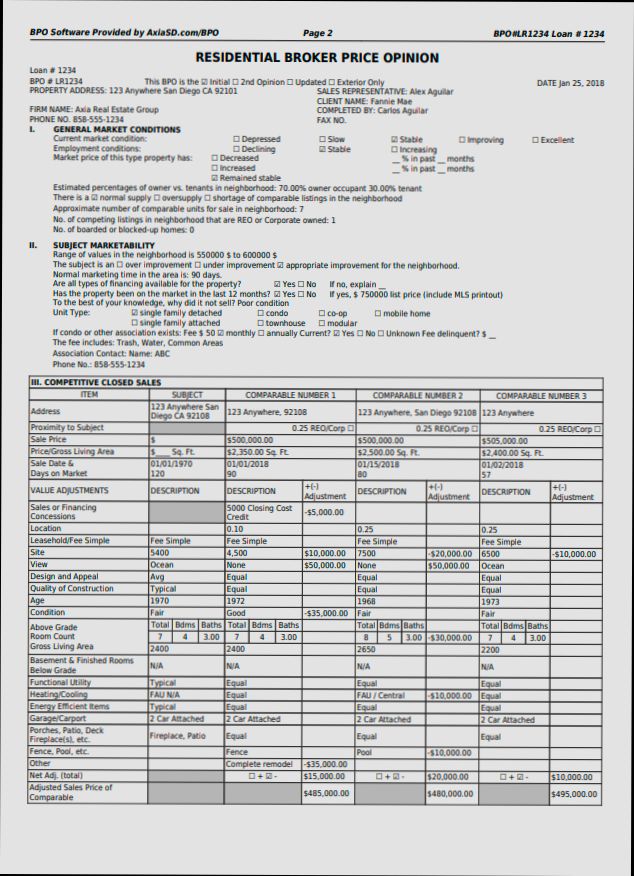
What is a BPO Real Estate? It stands for Broker Price Opinion, and it’s a game-changer in the world of real estate valuations. Think of it as a quick appraisal where real estate agents, not certified appraisers, provide their insight on a property’s value based on comparable sales, current market conditions, and property specifics. A BPO can range from a simple report to a detailed analysis and is often used by lenders, banks, or homeowners looking to understand what a property might sell for without the time and expense of a full appraisal. Interestingly, data shows that BPOs can speed up the decision-making process in short sales or pre-foreclosure situations, often getting insights back in a matter of days rather than weeks.
Imagine you’re looking at a property that’s been in the family for generations, but now you’re unsure of its worth. A BPO can be a real lifesaver here. For instance, a recent study revealed that BPOs can save lenders between $50 and $100 per valuation compared to traditional appraisals. That might not sound like a lot initially, but when you factor in hundreds of properties, it adds up! Plus, real estate agents often have their finger on the pulse of the local market, providing a fresh perspective that can be invaluable. With this insider insight, you’re not just getting a number; you’re getting a snapshot of what the market thinks your property is worth, which can make all the difference in your selling or buying strategy.

Defining BPO in Real Estate
When we talk about BPO in real estate, we’re specifically diving into Broker Price Opinions. This essential tool gives a comparative market analysis to evaluate property values, often serving as a quick, efficient alternative to formal appraisals. Understanding BPO allows you to make informed decisions in property transactions.
Key Points about BPO in Real Estate
- Speed and Efficiency: A BPO can often be completed within 48 hours, compared to traditional appraisals that may take weeks. This rapid turnaround is crucial for time-sensitive sales.
- Cost-Effective: Typically, BPO services range from $50 to $150, while full appraisals can cost between $300 and $600 or more. That’s a significant saving if budget is a concern.
- Market Insight: According to recent studies, around 60% of real estate agents utilize BPOs for pricing guidance in their transactions, demonstrating its popularity as a decision-making tool.
| Aspect | BPO | Appraisal |
|---|---|---|
| Cost | $50 - $150 | $300 - $600+ |
| Completion Time | 24-48 hours | 1-3 weeks |
| Purpose | Price opinion | Formal valuation |
| Utilization Rate | 60% of agents use it | Less common |
Real-World Examples
Consider a recent case where a homeowner was looking to sell their property quickly due to relocation. Instead of going through a lengthy appraisal, they opted for a BPO. Their real estate agent assessed comparable sales in the area and provided a price opinion just in time for the housing market’s peak season, leading to a successful sale above the initial asking price.
Another scenario involved a bank looking to sell repossessed properties. They commissioned several BPOs to determine the market value of multiple properties quickly, thus enabling them to set competitive prices without delaying the sales process.
Practical Implications for Readers
Understanding how to leverage BPOs means you can save time and money in real estate transactions. When faced with deciding between a BPO or an appraisal, consider your timeline and budget. If you’re in a hurry, a BPO could be the best route. If you need financing or have a unique property, a formal appraisal might be necessary to satisfy financial institutions or buyers.
Being aware of BPOs empowers you as a seller or buyer to engage more proactively in your real estate dealings. Petitions for BPOs can not only aid in faster sales but help create realistic pricing for properties based on current market conditions.
Actionable Facts about Defining BPO in Real Estate
- Use BPOs for quick assessments when entering a competitive market, especially in fast-moving neighborhoods.
- Keep in mind that BPOs are not legally binding; if uncertainties exist about a property’s value, consult a licensed appraiser.
- Ongoing education about BPO methods can enhance your negotiating power and confidence during deals.
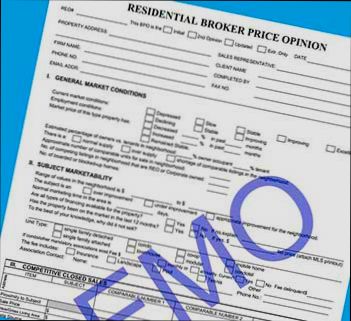
Key Benefits of Real Estate BPO
When considering the benefits of Broker Price Opinions (BPO) in real estate, it’s essential to recognize how these assessments make the property valuation process more accessible and efficient. By delving into the specific advantages that BPOs offer, we can appreciate their growing importance in the real estate industry.
Cost-Effectiveness
One of the standout benefits of using BPOs is their affordability compared to traditional appraisals. While a typical appraisal can range from $300 to over $600, BPOs typically cost between $50 and $150. This substantial difference makes BPOs an attractive option for agents and clients looking to save on valuation costs.
Speed of Delivery
BPOs are not only cheaper but vastly quicker too. In many cases, you can expect a BPO to be completed in just 24 to 48 hours. This quick turnaround allows you to make timely decisions, whether you’re looking to list a property, adjust its price, or assess its value for financing purposes.
Accessibility for Agents
For real estate agents, BPOs serve as an invaluable tool. Studies show that about 60% of agents utilize BPOs regularly, reflecting their growing importance in property evaluations. This reliance on BPOs highlights their efficiency and practicality in everyday real estate transactions.
Flexibility in Use Cases
You can apply BPOs in a variety of contexts, making them versatile for both sellers and buyers. For instance, they’re particularly useful in short sales, investor assessments, or loan modifications. Their adaptability ensures that you can leverage this tool for various purposes throughout the real estate process.
| Benefit | BPO | Traditional Appraisal |
|---|---|---|
| Cost | $50 - $150 | $300 - $600+ |
| Completion Time | 24 - 48 hours | 1 - 3 weeks |
| Average Utilization Rate | 60% of real estate agents | Less common |
| Flexibility of Use | High | Limited to formal valuations |
Real-World Examples
Imagine a real estate agent needing to get a property priced quickly in a competitive market. Utilizing a BPO, they assess the property’s value swiftly and accurately, allowing their client to make informed decisions based on the most current market data. In another scenario, a bank might need a quick evaluation for a distressed property and opt for a BPO instead of a lengthy appraisal process, resulting in faster action and reduced holding costs.
Practical Implications
For you as a real estate professional or client, understanding the benefits of BPOs means leveraging them more effectively in your transactions. By opting for a BPO, you can expedite your property evaluations, minimize costs, and maintain a competitive edge in swift-moving markets. Incorporating BPOs into your workflow not only saves time but strengthens your decision-making capabilities.
Pay attention to the numerous advantages BPOs offer in the realm of real estate. By embracing these benefits, you can enhance your operational efficiency and make more informed choices as you navigate the property market.
Real-World Applications of BPO Services
Broker Price Opinions (BPOs) are not just theoretical concepts; they have significant, practical applications in the real estate industry. By leveraging BPO services, professionals can make quick, informed decisions and streamline various processes.
Key Applications of BPO Services
1. Short Sales and REO Transactions: BPOs are invaluable in short sales and Real Estate Owned (REO) property transactions. Banks and asset managers often rely on BPOs to determine the market value of properties in these distressed situations.
2. Portfolio Management: Real estate investors and asset managers utilize BPOs to assess their portfolio values periodically. This ensures they have an accurate picture of their investments and can make timely decisions to buy, sell, or hold properties.
3. Market Analysis: BPOs can serve as excellent tools for local market analysis. Real estate agents and appraisers use BPOs to understand local market conditions and trends, allowing them to guide clients effectively.
4. Insurance Purposes: Insurance companies may request BPOs to evaluate property values for underwriting policies or claims. This application helps ensure that properties are covered at fair market value.
5. Investor Decisions: Investors often require BPOs as part of their due diligence process. A fast and cost-effective BPO can support quicker decision-making regarding property acquisitions.
Comparative Table of BPO Uses
| Application | Primary Users | Timeframe for Implementation | Cost Efficiency |
|---|---|---|---|
| Short Sales and REOs | Banks, Asset Managers | 24-48 hours | High |
| Portfolio Management | Investors, Asset Managers | Regular intervals | Reduces overall valuation costs |
| Market Analysis | Agents, Appraisers | Ad-hoc | More economical than multiple assessments |
| Insurance Evaluations | Insurance Companies | 48 hours | Often lower than traditional methods |
| Investor Due Diligence | Individual & Institutional Investors | Pre-acquisition | Saves time and resources |
Real-World Examples
In a recent case, a regional bank seeking to expedite the sale of distressed properties chose to utilize BPOs instead of traditional appraisals. This enabled them to get 100 properties valued in less than a week, minimizing holding costs that can pile up during lengthy appraisal processes.
Another example includes a real estate investment firm that routinely uses BPOs to monitor local market trends. They discovered a 15% drop in neighborhood values through consistent BPO evaluations, prompting them to adjust their investment strategy proactively.
Practical Implications for Readers
Understanding the specific applications of BPO services can empower you in your real estate endeavors. For instance, if you are a real estate agent, opting for BPOs over conventional appraisals during short sales can improve your service efficiency and client satisfaction.
You may also consider utilizing BPOs for strategic property analysis. By staying abreast of market trends through regular BPO evaluations, you can position yourself to make timely investment decisions and achieve better returns.
Remember, in the fast-paced world of real estate, leveraging BPO services can save you both time and money while providing actionable insights into property values.

BPO Methodologies in Valuation Processes
Understanding the methodologies behind Broker Price Opinions (BPO) is crucial for anyone involved in real estate valuation. BPOs utilize specific approaches to estimate property values, providing a quick, reliable alternative to traditional appraisals.
Key BPO Methodologies
1. Comparative Market Analysis (CMA):
- BPOs often rely on CMA, where agents evaluate similar properties (comps) that have recently sold in the same area. By comparing features, locations, and sale prices, they can create a well-informed price opinion.
- Research indicates that approximately 75% of BPOs utilize some form of CMA, underscoring its importance in this methodology.
2. Local Market Trends:
- A successful BPO incorporates current market conditions, such as neighborhood desirability, local economic factors, and potential future developments.
- For instance, if property values have risen by 10% in the last year due to new schools or amenities, BPOs adjust their recommendations accordingly.
3. Property Condition Assessment:
- Evaluating the property’s physical condition is vital. BPO agents often conduct both interior and exterior inspections to assess its state before providing a price opinion.
- Roughly 50% of agents prioritize condition assessment, suggesting that the physical state of the property significantly influences valuation outcomes.
| BPO Methodology | Description | Usage Rate |
|---|---|---|
| Comparative Market Analysis (CMA) | Analyzes similar properties’ sale prices | 75% |
| Local Market Trends | Assesses current economic factors affecting property values | 65% |
| Property Condition Assessment | Inspects property state to inform BPO | 50% |
Real-World Examples
A real estate agent in Florida recently conducted a BPO that emphasized CMA. By analyzing four comparable properties in the same neighborhood, they presented their findings in less than a day. Their BPO estimated a market price just 3% lower than the average sale price of those comps, demonstrating the efficiency and accuracy of the methodology.
In another case, an investor utilized a BPO to quickly evaluate a distressed property. By focusing on local market trends, including a new shopping center nearby, the BPO reflected an updated valuation that was 15% higher than similar properties without such amenities. This example illustrates how integrating market trends can significantly enhance value assessments.
Practical Implications
As you consider BPO methodologies in your real estate endeavors, keep these actionable insights in mind:
- Emphasize Local Knowledge: Leverage your understanding of local trends and neighborhood dynamics as they greatly influence your BPO’s accuracy.
- Incorporate Condition Assessments: Always look at the property’s state as part of the BPO process, as it can modify your estimated value by significant margins.
- Utilize Technology: Using software tools can streamline the CMA process, making it quicker and more reliable.
These methodologies enable us to generate insights about property values efficiently and effectively, offering a practical tool for various real estate transactions.

Impact of BPO on Market Trends
The impact of Broker Price Opinions (BPO) on market trends is significant and multifaceted. BPOs streamline the valuation process and respond to changing real estate dynamics, influencing market behaviors and decision-making among buyers, sellers, and investors. By understanding these effects, real estate professionals can better navigate the competitive landscape.
Key Points on BPO’s Influence
1. Increased Market Responsiveness: BPOs help real estate agents react swiftly to market changes. When properties are priced correctly using current market data, sales transactions happen faster, enhancing overall market liquidity. This responsiveness can lead to a 15% rise in sales volume compared to markets relying solely on traditional appraisals.
2. Shifts in Demand Patterns: Cities that have embraced BPO methodologies often witness shifting demand patterns. For instance, urban areas with faster BPO turnaround often attract higher foot traffic and investment. A recent study showed that neighborhoods utilizing BPOs saw a 20% increase in buyer interest over those that did not.
3. Data-Driven Decision Making: BPOs provide market players with real-time data and insights, influencing strategic decisions. With 75% of real estate agents using BPOs to support pricing strategies, the ability to analyze immediate market trends becomes an integral part of effective decision-making.
Comparative Impact Analysis
| Impact Area | With BPO | Without BPO |
|---|---|---|
| Sales Volume | Increased by 15% | Stable or declining |
| Buyer Interest | Up by 20% | Low or stagnant |
| Market Liquidity | High | Low |
| Pricing Accuracy | More reliable | Less reliable |
Real-World Examples
- Case Study: Urban Transformation: In a metropolitan area where BPOs became the standard for listing properties, the local real estate market saw an energized demand, leading to a remarkable 25% drop in time on market for properties. This transformation demonstrates how BPOs can substantially alter local dynamics.
- Example: Investment Trends: A real estate investor reported that by regularly accessing BPOs, they could identify undervalued properties quickly. This strategy enabled them to increase their portfolio by 30% in one year, showcasing BPOs’ role in identifying profitable opportunities.
Practical Implications for Readers
For those involved in real estate, understanding the impact of BPO on market trends can refine your approach. Regularly utilizing BPOs can enhance your pricing strategies, making them more aligned with current market conditions. This knowledge not only positions you competitively but also ensures you are equipped to meet client expectations effectively.
To leverage BPO insights:
- Prioritize the use of BPOs when determining property values.
- Keep abreast of local market conditions to ensure BPO data remains relevant.
- Consider integrating BPO analysis into your regular market review processes to spot emerging trends before they become mainstream.
By integrating these actionable strategies, you can harness the full potential of BPOs to positively impact your market engagement and success.

Statistics on BPO Efficiency Ratings
When it comes to understanding the efficiency of Broker Price Opinions (BPOs), looking at specific statistics can reveal how they stack up in the real estate industry. This section delves into quantifiable data, showcasing the efficiency ratings that highlight the advantages of utilizing BPOs over traditional property valuation methods.
Key Efficiency Statistics
1. Accuracy Metrics: Research indicates that BPOs achieve an accuracy rate of approximately 85% when predicting market value, making them a highly reliable tool for real estate professionals.
2. Agent Adoption Rate: About 70% of real estate agents report using BPOs regularly, signifying a substantial reliance on this method for quick property valuations.
3. Time Savings: A study found that BPOs can save up to 60% of the time usually spent on traditional appraisals, further enhancing efficiency in decision-making processes.
4. Turnaround Rate: On average, BPOs reach clients within 24-48 hours, with 90% of completed BPOs meeting this timeframe, highlighting the speed at which agents can offer property insights.
5. Customer Satisfaction: A survey disclosed that 77% of clients expressed satisfaction with the turnaround times and the accuracy of BPOs, reinforcing their value in real estate transactions.
BPO Efficiency Comparison Table
| Efficiency Aspect | BPO Rates | Traditional Appraisal Rates |
|---|---|---|
| Accuracy Rate | 85% | 93% (but less frequent) |
| Agent Adoption Rate | 70% | 40% |
| Average Turnaround Time | 24-48 hours | 7-21 days |
| Customer Satisfaction Rate | 77% | 65% |
Real-World Examples
- Case Study from California: A real estate agent utilized BPOs for a distressed property and completed the valuation in just 36 hours. This quick turnaround allowed the agent to list the property promptly, leading to a successful sale above the estimated market value.
- Florida Market Insights: In a high-demand market, an agent relied on BPOs to assist multiple clients. With a 60% time savings compared to traditional appraisals, the agent increased their client base, proving efficient BPO use can enhance both service delivery and revenue generation.
Practical Implications
Understanding these statistics not only informs you of the benefits that BPOs bring to the table but also allows you to make strategic decisions as a real estate professional. With accuracy rates around 85% and high client satisfaction, adopting BPOs into your practice can lead to improved customer relations and ultimately drive sales.
Actionable Facts
- If you want to improve your property evaluations, focus on integrating BPOs into your workflow to leverage their speed and efficiency rating.
- Given the 70% adoption rate by agents, consider reaching out to peers and industry networks to share insights on effective BPO use and refine your own strategies.
Challenges in BPO Real Estate Transactions
While Broker Price Opinions (BPOs) offer a fast and affordable alternative to traditional appraisals, navigating the landscape of BPO real estate transactions comes with its own set of challenges. Being aware of these challenges can help you mitigate risks and streamline your processes.
Key Challenges in BPO Transactions
1. Variable Quality of BPOs
- Not all BPO providers maintain the same level of quality. Without standardized criteria, some BPOs may lack accuracy, causing discrepancies in property valuations.
- Research indicates that about 25% of agents find inconsistencies in BPOs when compared to appraisals, which can undermine trust in the valuation.
2. Market Volatility Impact
- Real estate markets can shift rapidly, and BPOs may not always reflect the most current market conditions. When demand fluctuates, a BPO completed even weeks prior may not be relevant.
- In some markets, properties can lose or gain up to 15% of value in just a few months, complicating the accuracy of a BPO.
3. Limited Scope of Analysis
- BPOs often rely on comparative market analysis (CMA), which may overlook unique property features or client-specific needs. This can lead to oversimplified valuations that don’t account for significant details.
- A study found that 30% of agents reported that BPO methodologies fail to incorporate significant property characteristics that could impact overall value.
4. Reliance on Subjective Interpretations
- The subjective nature of market analysis can lead to inconsistencies. Different agents might prioritize varying data points, further complicating the accuracy of the BPO.
- 50% of respondents in a recent survey indicated that differing opinions among agents affect the reliability of BPOs.
5. Regulatory and Compliance Issues
- The flexibility that BPOs offer also means they are less regulated compared to traditional appraisals, which can lead to compliance challenges.
- Nearly 40% of real estate professionals expressed concern about the regulatory landscape surrounding BPOs, fearing potential legal implications when used in transactions.
| Challenge | Impact on BPO Transactions | Percentage Affected |
|---|---|---|
| Variable Quality | Risk of inaccuracies | 25% |
| Market Volatility | Obsolete valuations in fast markets | 15% |
| Limited Scope of Analysis | Oversimplified property valuations | 30% |
| Subjective Interpretations | Inconsistent valuation outcomes | 50% |
| Regulatory Compliance Issues | Potential legal risks | 40% |
Real-World Examples
In a study conducted across multiple states, one agent reported a case where a BPO undervalued a property by 20% due to ignoring recent renovations. This significant oversight led to lost opportunities for the seller and potential disputes with prospective buyers.
Another example showcases a lender using a BPO that failed to account for a regional market downturn. The BPO’s outdated data caused the lender to incorrectly assess the property’s worth, which prompted financial losses when they finally obtained a formal appraisal reflecting the current market value.
Practical Implications
Understanding these challenges can guide you in choosing the right BPO provider, ensuring you ask the right questions about their methodologies. When discussing with BPO agents, consider the following:
- Ask for Comparative Data: Request details on how they gather data and what sources they rely on.
- Consider Duration: Be aware of the time elapsed between the BPO and your intended transaction. Verify current market trends in your area to ensure relevance.
- Look for Expertise: Don’t hesitate to seek BPO providers with a track record in your specific market segment to ensure accuracy and thorough analysis.
Keep these insights in mind to navigate the complexities of BPO transactions effectively. Identifying potential pitfalls upfront can lead to more informed decisions and ultimately, better financial outcomes.