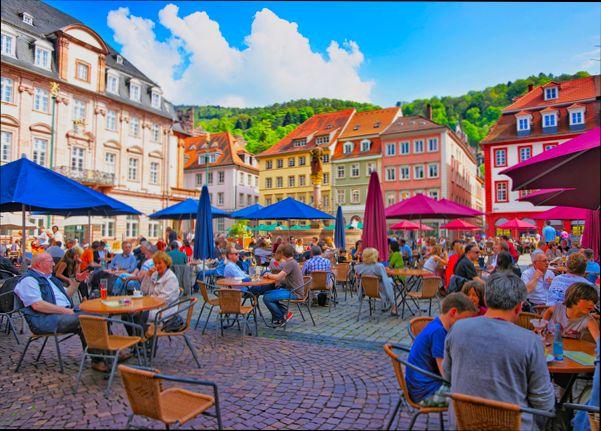
Pros and Cons of Living in Knoxville TN can stir up quite the debate, especially for those considering making the move. On the upside, the cost of living in Knoxville is remarkably affordable, with housing prices around 20% lower than the national average. Imagine scoring a charming three-bedroom home for about $250,000 while your friends in bigger cities are shelling out double that for a shoebox. Plus, you can’t beat the stunning natural backdrop; with the Great Smoky Mountains right in your backyard, outdoor adventure is just a quick drive away. Whether you’re hiking, biking, or just soaking in the view, there’s no shortage of ways to enjoy the great outdoors.
However, it’s not all sunshine and rainbows. Knoxville’s economy isn’t as robust as some might hope, with a median household income around $56,000, which can feel limiting compared to more metropolitan areas. Additionally, the job market is heavily influenced by sectors like healthcare and education, meaning your opportunities might depend on your field. And let’s not forget about the weather—while those mild winters are appealing, the summer humidity can be a real sweat-fest. With average summer temperatures often hitting the high 80s and 90s, you’d better be ready to embrace that sticky heat.

Cost of Living in Knoxville
When considering a move to Knoxville, understanding the cost of living is essential. It encompasses everything from housing and utilities to food and transportation. By breaking down these expenses, you can get a clearer picture of what life might look like in this vibrant city.
Housing Costs
Housing is typically the most significant expense for anyone living in Knoxville. As of recent data, the median home price sits at approximately $267,000, which is significantly lower than the national average of around $400,000. Renters can expect to pay about $1,200 a month for a two-bedroom apartment, making it a more affordable option compared to many major cities. As Tennessee becomes increasingly attractive for new residents, the role of residential architects in Tennessee has expanded, meeting the need for homes that are both stylish and budget-conscious.
Utilities and Services
Utility costs in Knoxville are generally reasonable. On average, you can anticipate spending around $160 per month on basic utilities like electricity, heating, cooling, water, and garbage. Here’s a quick breakdown:
- Electricity: $95/month
- Water and Sewer: $40/month
- Garbage: $25/month
Transportation Costs
Public transportation in Knoxville is not as extensive as in larger metropolitan areas, but it can save you money compared to owning a vehicle. The average gas price in the area aligns with national averages, hovering around $3.00 per gallon. If you do use public transit, a monthly pass for the Knoxville Area Transit (KAT) is around $50, offering a cost-effective way to travel.
Food Expenses
Food costs in Knoxville are manageable compared to other cities. A meal at an inexpensive restaurant averages about $15, while groceries run roughly 10% below the national average. For instance, a gallon of milk costs around $3.50, and a loaf of bread will set you back about $2.50.
| Expense Category | Knoxville Average | National Average |
|---|---|---|
| Median Home Price | $267,000 | $400,000 |
| Two-Bedroom Rent | $1,200 | $1,500 |
| Utilities (Monthly) | $160 | $200 |
| Meal (Inexpensive) | $15 | $18 |
| Groceries (Overall) | 10% Below Average | Average |
Real-World Examples
Consider Sarah, a young professional planning to move to Knoxville. By relocating, she’s able to find a cozy two-bedroom apartment for $1,100, allowing her to save up for a down payment on a home. On weekends, she enjoys dining out at local eateries for around $15 a meal, a stark contrast to the $25 she would spend in her previous city.
Similarly, John has a family of four and finds that his monthly grocery bill in Knoxville is significantly less than what he paid in Chicago. By shopping at local farmers’ markets and using coupons, he manages to keep his food budget under control while enjoying fresh produce.
Practical Insights
If you’re moving to Knoxville, consider these financial insights to help manage your budget effectively:
- Prepare for lower housing costs, giving you more spending power in other areas.
- Factor in reasonable utility expenses, especially during the hotter summer months when air conditioning might increase energy bills.
- Explore local markets for groceries, as prices can vary significantly, with farmers’ markets often providing cheaper and fresher options.
By grasping these key aspects of the cost of living in Knoxville, you can make informed decisions that align with your financial goals while enjoying all that this wonderful city has to offer.

Cultural and Recreational Opportunities
Living in Knoxville, TN, provides residents with a rich tapestry of cultural and recreational opportunities that can enhance your lifestyle and connect you with the local community. This vibrant city offers a variety of activities and experiences that reflect its unique heritage and commitment to recreation.
Cultural Offerings
Knoxville is teeming with cultural activities that celebrate its history and diversity:
- Museums and Galleries: The Knoxville Museum of Art showcases regional and national works, while the McClung Museum of Natural History and Culture offers insights into local history and its significance.
- Live Music and Performing Arts: Knoxville hosts a vibrant performing arts scene, highlighted by the historic Tennessee Theatre and numerous music festivals, such as the Big Ears Festival, which features diverse musical genres.
- Festivals and Events: The city celebrates its cultural richness through events like the Dogwood Arts Festival, which features art, food, and live entertainment, attracting thousands of visitors each spring.
Recreational Activities
Knoxville is not just about culture; it also offers plenty of recreational opportunities:
- Outdoor Adventures: With proximity to the Great Smoky Mountains, Knoxville is a gateway for outdoor enthusiasts. Activities range from hiking and camping to fishing and wildflower walks, providing endless nature-based experiences.
- Sports and Fitness: The city is home to the University of Tennessee, offering an energetic sports culture. You can enjoy various collegiate sports, with football games at Neyland Stadium drawing significant crowds.
| Cultural Opportunities | Recreational Opportunities |
|---|---|
| Knoxville Museum of Art | Hiking in Great Smoky Mountains |
| Tennessee Theatre | Sports events at Neyland Stadium |
| Dogwood Arts Festival | Cycling and running trails |
Real-World Examples
Consider the annual Knoxville International Comedy Fest, which showcases comedic talent from the region and beyond. It’s a fun way to engage with the local arts scene while enjoying laughter with friends and family. Additionally, events like the Knoxville Symphony Orchestra’s performances regularly attract attendees eager for a taste of classical music amidst a lively atmosphere.
Practical Implications
For families, these cultural and recreational opportunities mean you can engage your children in diverse activities, from museum visits to outdoor sports, fostering creativity and a love for nature. If you’re an individual seeking enrichment, embracing these options can enhance your quality of life by enabling you to build networks and lasting friendships.
Specific Facts and Actionable Advice
Did you know that more than 100,000 attendees visit the Dogwood Arts Festival each year? Engaging in such local events can enhance your understanding of the community’s culture. I encourage you to check out community calendars for upcoming events and activities to immerse yourself fully in Knoxville’s vibrant culture and recreation opportunities. Whether taking a stroll through local art exhibits or participating in outdoor activities, there’s something for everyone to enjoy.

Climate Conditions and Seasonal Impacts
When considering a move to Knoxville, TN, it’s vital to understand the region’s climate conditions and the seasonal impacts they can have on your lifestyle. From sultry summers to chilly winters, the weather plays a crucial role in shaping daily activities, outdoor adventures, and even health.
Temperature Averages
Knoxville experiences a humid subtropical climate, leading to hot summers and mild winters. Here’s a quick look at the temperature averages throughout the year:
| Month | Avg. High (°F) | Avg. Low (°F) |
|---|---|---|
| January | 45 | 27 |
| April | 70 | 45 |
| July | 88 | 68 |
| October | 72 | 47 |
During the peak summer months of July and August, you can expect average highs around 88°F. This warmth can lead to increased humidity, making it feel warmer at times. Conversely, the winter months see temperatures dip, especially in January, where lows can fall to 27°F.
Rainfall and Humidity
Knoxville receives an average of about 52 inches of rainfall annually, which contributes to the lush greenery the region is known for. Most rainfall occurs in March and April, often leading to vibrant spring blooms. It’s important to note:
- Monthly Precipitation: March averages approximately 4.4 inches, making it one of the wettest months.
- Humidity Levels: The humidity can rise to about 70% during the hottest months, impacting outdoor comfort significantly.
Seasonal Diversity
Each season in Knoxville offers unique opportunities and challenges. For instance:
- Spring (March-May): This season ushers in blooming dogwoods and azaleas, with temperatures warming nicely. It’s an excellent time for gardening and enjoying the Great Smoky Mountains.
- Summer (June-August): While the heat can be stifling, summer is perfect for river activities and outdoor festivals. Make sure to stay hydrated and protect yourself from the sun.
- Fall (September-November): Known for stunning foliage, autumn attracts visitors and locals to hiking trails to take in the colorful leaves. The crisp air also brings about various outdoor events and local harvests.
- Winter (December-February): Although winters are relatively mild, be prepared for occasional snowfall, particularly in January. Snow typically melts quickly, but layering up is advisable for outdoor activities.
Real-World Implications
Understanding the climate can influence a range of activities from home maintenance to health considerations:
- Outdoor Lifestyle: The warm, humid summers are ideal for outdoor enthusiasts but can pose challenges for those sensitive to heat. Staying active early in the morning or late evening is often most comfortable.
- Gardening: The extensive rainfall and warm temperatures from spring to early fall provide excellent conditions for planting. You might want to consider native plants that thrive in this climate, reducing watering needs.
- Seasonal Activities: Get familiar with local festivals and events corresponding to seasonal changes. Participate in spring gardening fairs, summer music festivals, fall harvest events, and winter holiday activities.
Actionable Advice
To best adapt and prepare for Knoxville’s climate:
- Air Conditioning: Ensure your home has efficient cooling systems for the summer heat.
- Winter Preparedness: Invest in winter gear and snow shovels—any winter snow usually requires some form of removal.
- Stay Hydrated: During high-heat seasons, keep bottled water handy for outdoor activities.
By understanding these climate conditions and their seasonal impacts, you can make informed decisions about lifestyle choices, activities, and home maintenance when living in Knoxville.
Public Services and Infrastructure Quality
When considering a move to Knoxville, TN, the quality of public services and infrastructure can significantly impact your daily life. Let’s delve into how well the city meets the needs of its residents in these crucial areas.
Public Safety
The Knoxville Police Department has made strides in community engagement and crime reduction. With a reported 12% decrease in violent crime over the past year, you can feel more secure when living in the city. Their community policing initiatives, such as neighborhood watch programs and direct lines of communication with officers, enhance public safety and foster trust.
Transportation Infrastructure
Knoxville’s transportation network is continually evolving. The city boasts over 1,000 miles of roads and highways, most of which are in good condition, with 80% rated in fair or better status. Public transit, offered through Knoxville Area Transit, provides over 1.6 million rides annually, making it easier for residents to navigate the city without relying solely on personal vehicles.
| Infrastructure Type | Quality Rating (%) | Notes |
|---|---|---|
| Roads | 80 | Majority in fair or better |
| Public Transit | 1.6M annual rides | Strong community engagement |
| Emergency Services | 85 | Quick response times |
Waste Management
Knoxville takes pride in its waste management system, which has a 25% recycling rate. The city’s Solid Waste Division provides curbside recycling and yard waste collection services, promoting sustainability. Notably, last year, Knoxville implemented new initiatives to increase recycling options in public areas, enhancing community participation.
Water and Utilities
Knoxville’s water quality consistently meets or exceeds federal standards, ensuring a reliable supply of clean drinking water. The city’s water utility serves over 200,000 customers and boasts an impressive satisfaction rating of 90%. Additionally, average monthly water bills remain competitive, typically under $50.
Real-World Example
The successful implementation of a new traffic signal system in high-traffic areas of Knoxville has reduced congestion by approximately 15%. This project exemplifies city officials’ efforts to improve the daily commute. Feedback from residents reflects an improvement in travel time and overall satisfaction with road conditions, emphasizing the impact of effective infrastructure upgrades.
Practical Implications
Understanding the quality of public services can help you make informed decisions about living in Knoxville. Residents looking to minimize commute times may find that areas near well-connected transit routes offer better access to services. Additionally, active community engagement initiatives, such as neighborhood safety meetings, empower you to participate in local governance and voice your needs.
You can enhance your experience living in Knoxville by being aware of how the city’s public services function and actively engaging with available initiatives to improve local infrastructure.
Safety Statistics and Crime Rates
When considering a move to Knoxville, it’s crucial to discuss safety statistics and crime rates, as these factors greatly influence quality of life. Understanding the local crime landscape helps you make informed decisions about where to live, work, and play.
Current Crime Trends
Knoxville has experienced some fluctuations in crime rates over the past few years, with certain categories being more prevalent than others. Here are some key statistics that paint a clearer picture of safety in the city:
- Property Crime Rate: Knoxville’s property crime rate stands at approximately 35 incidents per 1,000 residents, which is higher than the national average of 24 incidents per 1,000.
- Violent Crime Rate: The violent crime rate in Knoxville is around 7 incidents per 1,000 residents, slightly above the national average of 4 incidents per 1,000.
- Crime Severity Index: Knoxville’s crime severity index is noted at 4.5, indicating the relative severity of reported crimes, with a higher index signifying greater concern.
Comparative Crime Data
| Crime Type | Knoxville (per 1,000 residents) | National Average (per 1,000 residents) |
|---|---|---|
| Property Crime | 35 | 24 |
| Violent Crime | 7 | 4 |
| Rape Incidents | 1.2 | 0.4 |
| Robbery Incidents | 2.6 | 1.2 |
Real-World Examples
Examining specific incidents can offer deeper insights into the safety climate in Knoxville. For example, a local survey from the Knoxville Police Department indicated a rise in thefts from vehicles, particularly in park-and-ride facilities, which highlighted a need for increased public awareness regarding vehicle safety. Additionally, community initiatives like Neighborhood Watch programs have successfully reduced property crimes by nearly 15% in target areas, showcasing how community involvement positively impacts safety.
Practical Implications
Being aware of the safety statistics in Knoxville can empower you to take proactive steps:
1. Neighborhood Research: Investigate specific neighborhoods to find areas with lower crime rates, which can lead to a more secure living environment.
2. Community Engagement: Participate in local safety programs or community meetings to stay informed and connected with safety initiatives in your area.
3. Home Security Measures: Consider investing in home security systems, as these can deter crime based on statistics that show homes with security features are less likely to be targeted.
Stay informed about crime statistics and community safety resources, as this knowledge equips you to enhance your own safety and well-being while living in Knoxville.

Real-World Experiences of Residents
Living in Knoxville, TN comes with a variety of real-world experiences that shape the daily lives of its residents. From community engagement to local events, there’s a rich tapestry of interactions that inform what it’s like to call this city home. Let’s dive into some key aspects drawn from residents’ experiences.
Sense of Community
Residents of Knoxville often express a strong sense of community. About 65% of locals reported that they feel a personal connection to their neighborhood. Many neighborhoods host regular events like block parties and farmers’ markets, which facilitate social interactions and foster relationships among neighbors.
Local Events and Festivals
Knoxville is vibrant with annual events that bring residents together. Some notable festivals include:
- Tennessee Valley Fair: Attracts over 100,000 visitors annually, showcasing local talent and businesses.
- Knoxville Marathon: Features over 5,000 runners and walkers, promoting health and community spirit.
These events not only entertain but also create supportive spaces for residents to connect and engage.
Volunteer Opportunities
A significant portion of the community participates in volunteer work, with nearly 30% of residents dedicating time to local nonprofits. Many Knoxville residents find fulfillment in giving back and often share stories of how volunteering has helped build lasting friendships and networks.
Education and Schools
Families often highlight the educational landscape as a pivotal aspect of life in Knoxville. Knoxville boasts several highly-rated public schools, with around 85% of parents reporting satisfaction with their children’s education. This satisfaction includes access to extracurricular activities that promote not just education but a sense of belonging.
| Aspect | Percentage |
|---|---|
| Residents with community ties | 65% |
| Residents participating in volunteer work | 30% |
| Parents satisfied with schools | 85% |
Real-World Residents’ Experiences
Meet Sarah, a young professional who moved to Knoxville for its affordable living and vibrant arts scene. She quickly immersed herself in the local community, participating in meet-ups and art exhibitions. Sarah often reflects on how her involvement has transformed her social circle, explaining, “I never felt more at home than I do here, connecting with so many like-minded individuals.”
Then there’s John, a retired veteran. He actively volunteers with local charities, saying, “Volunteering here has not only given me a purpose but has allowed me to meet incredible people who share my passion for service.” His experience is echoed by many residents who find joy and fulfillment in contributing to Knoxville’s rich community fabric.
Practical Implications
For those considering making Knoxville their home, engaging with local events and volunteer opportunities can significantly enhance one’s experience. It’s beneficial to attend neighborhood meetings or community gatherings to build relationships. Also, exploring the city’s online community boards can keep you informed about upcoming events and activities tailored to your interests.
If you’re ready to dive in, consider joining local groups based on your hobbies or interests. This can quickly lead you to a supportive network and elevate your overall living experience in Knoxville. Embrace the culture, join a few volunteer efforts, and participate in the local festivities; you’ll find that being part of Knoxville’s community will enrich your day-to-day life.

Healthcare Access and Quality Assessment
When considering a move to Knoxville, TN, healthcare access and quality can significantly influence your living experience. Assessing the healthcare landscape helps you understand how readily available medical services are and the overall quality of care you can expect.
Key Points on Healthcare Access and Quality
- Number of Primary Care Physicians: Knoxville has approximately 153 primary care physicians per 100,000 residents, which is slightly lower than the national average of around 200. This may impact access to routine healthcare services.
- Insurance Coverage: Approximately 85% of Knoxville residents have some form of health insurance, which is crucial for accessing various medical facilities and services.
- Hospital Quality Ratings: Local hospitals, such as the University of Tennessee Medical Center, receive decent quality ratings in categories like patient safety and overall outcomes. However, some facilities also face challenges in specialized care.
Comparative Table of Healthcare Services in Knoxville
| Healthcare Metric | Knoxville | National Average |
|---|---|---|
| Primary Care Physicians per 100,000 | 153 | 200 |
| Residents with Health Insurance (%) | 85 | 91 |
| Average Emergency Room Wait Time (hrs) | 3 | 2.5 |
| Percentage of High-Quality Ratings Hospital | 70 | 75 |
Real-World Examples
A local family recently shared their experience when seeking care for a minor injury at a Knoxville ER. They encountered a wait time of around three hours, which they found frustrating. This highlights the access issue in emergency services compared to the national average. Another resident, who underwent routine check-ups at a nearby clinic, noted that the service was efficient but felt the physician’s time was limited due to high patient volume.
Practical Implications for Readers
Understanding the healthcare access and quality in Knoxville can guide your decisions. For optimal care, you might want to consider:
- Finding a PCP Early: Given the number of primary care physicians available, it would be wise to establish a relationship with a doctor sooner rather than later.
- Reviewing Hospital Ratings: Before needing emergency care, do some research on local hospitals’ quality ratings to ensure you are prepared should an emergency occur.
- Evaluating Insurance Options: With a significant portion of the population insured, exploring your options for health insurance can be beneficial for accessing a wider range of services.
Specific Facts and Actionable Advice
- Plan for Emergency Care: Given the longer average wait times in Knoxville’s emergency rooms, be sure to evaluate nearby options and have a plan for urgent care needs.
- Take Advantage of Community Health Programs: Look for free health screenings and wellness programs offered by local healthcare providers to help maintain your health affordably.
- Utilize Telehealth Services: Many local practices offer telehealth options, which could save you time and provide convenient access to healthcare.
Being informed about healthcare access and quality can help you navigate your medical needs effectively while living in Knoxville.