Pros and Cons of Living in Germany come to mind as soon as you think about the country’s blend of rich history, robust economy, and modern lifestyle. On one hand, you’ve got affordable healthcare, thanks to its top-notch public health system, which covers about 90% of Germans. You can stroll through beautiful parks in cities like Munich or Berlin, where public transportation is efficient and relatively cheap. Let’s not forget the mouthwatering street food – from bratwursts to pretzels – it’s hard not to gain a few pounds as you savor local flavors during weekend festivals.
On the flip side, it isn’t all beer gardens and Christmas markets. The language barrier can trip you up, especially if you’re not fluent in German. You might find it challenging to navigate bureaucracy, which is notorious for being overly complicated and time-consuming. The weather can be a real mixed bag too—winters are long and grey, which can dampen your spirits if you’re not a fan of the cold. And while punctuality is essential, it can feel a bit stressful at times.
Cultural Richness and Diversity in Germany
Germany is a tapestry of cultures woven together by a rich history, diverse immigration, and vibrant traditions. Its cultural landscape is reflected in its art, music, festivals, and cuisine, offering something unique for everyone. Let’s delve deeper into what makes Germany’s cultural scene so compelling.
Key Aspects of Cultural Diversity
- Germany is home to over 10 million immigrants, accounting for about 12.5% of the population. These individuals bring with them their own languages, customs, and culinary traditions, enriching the German social fabric.
- The country boasts more than 150 officially recognized ethnic groups, contributing to its diversity. From the Turkish community in Berlin to the Vietnamese in Hamburg, each group adds a unique flavor to local culture.
- Berlin is known as a hub of artistic expression, with approximately 200 galleries and numerous cultural events taking place annually. This dynamic environment makes it a magnet for creatives from around the globe.
| Aspect | Statistics | Description |
|---|---|---|
| Percentage of Immigrants | 12.5% | Represents the significant immigrant population in Germany. |
| Ethnic Groups | 150+ | Showcases the diversity of cultures within the country. |
| Art Galleries in Berlin | 200 | Illustrates Berlin’s status as a cultural hotspot. |
Real-World Examples
In cities like Frankfurt, the Dippemess fair celebrates international cuisine, reflecting the city’s diverse inhabitants. You can find cuisine from around the world, ranging from Lebanese shawarma to traditional German bratwurst, highlighting the blending of cultures.
Another example is the annual Carnival of Cultures in Berlin, which attracts over 1.5 million visitors each year. This festival showcases the artistic and cultural contributions of various ethnic communities, offering parades, music, and delicious food from around the world.
Practical Implications
Engaging actively with Germany’s cultural diversity can enhance your experience living there. I recommend:
- Attending local festivals to immerse yourself in different cultural traditions.
- Exploring neighborhoods known for their immigrant communities to discover authentic cuisine and experiences.
- Participating in community events or workshops to better understand and appreciate the multicultural background.
Actionable Facts
- Visit the Museum of Migration in Hamburg to learn about the history and impact of immigration in Germany.
- Try cooking a dish from a different culture each week; this not only broadens your culinary skills but also deepens your appreciation for the diverse communities around you.
- Build connections with locals from various backgrounds, which can provide a more enriching and fulfilling experience while living in Germany.
Job Market Insights and Employment Rates
When considering living in Germany, it’s crucial to understand its job market and employment rates. With a strong economy and low unemployment levels, many find Germany an attractive destination for work. Let’s dive deeper into these factors to give you a clearer picture.
Key Job Market Insights
- As of 2023, Germany’s unemployment rate stands at just 5.5%, which is relatively low compared to other European nations. This indicates a resilient job market bolstered by various sectors.
- The Federal Employment Agency reported that over 2 million job vacancies existed in Germany, highlighting significant demand for skilled workers.
- The technology and engineering sectors are particularly thriving, with a 13% increase in job offerings year-on-year, signaling strong growth opportunities for individuals in these fields.
- The labor force participation rate for people aged 15-64 is approximately 78%, which reflects a high engagement in the workforce compared to other industrialized countries.
| Sector | Job Openings (in millions) | Growth Rate (%) |
|---|---|---|
| Technology | 0.6 | 13 |
| Healthcare | 0.4 | 10 |
| Engineering | 0.5 | 12 |
| Hospitality | 0.3 | 8 |
Real-World Examples
Consider the case of a software engineer moving to Berlin, where the tech scene has seen exponential growth. Companies like SAP and Siemens are actively recruiting, which has driven up salaries by approximately 8% in this sector over the past year. This trend demonstrates how targeted industries are expanding rapidly, creating ample job opportunities.
Similarly, the healthcare sector is experiencing a surge in demand for qualified professionals, particularly due to an aging population. With over 400,000 jobs expected to be added by 2030, this field shows significant potential for both stability and growth.
Practical Implications
If you’re looking to move to Germany for work, here are some actionable insights based on the current job market:
- Target In-Demand Sectors: Focus on industries experiencing growth, like technology or healthcare, to improve your job prospects.
- Skill Development: Upskill in fields with high demand. Courses in technology or vocational training in healthcare can give you a competitive edge.
- Networking: Consider joining professional networks in Germany to learn more about job openings and the local industry demands.
Specific Facts and Actionable Advice
- Investigate language requirements, as many roles might prefer or require proficiency in German, especially in sectors like healthcare.
- Leverage job portals like LinkedIn or local platforms like StepStone to apply for positions actively.
- Stay informed about regional differences; cities like Munich and Frankfurt often have lower jobless rates compared to the national average, offering better job availability.
By focusing on these facets of the job market, you can strategize your move to Germany effectively, increasing your chances of professional success.
High Quality of Life Benefits
When we talk about living in Germany, one of the standout factors is its high quality of life. This term encompasses not just material wealth but also emotional and psychological well-being, which is crucial for a fulfilling life. The research indicates various aspects that contribute to this enviable lifestyle, making Germany an attractive option for many.
Key Benefits of High Quality of Life
- Universal Health Care: Germany provides robust health care services. The country is known for its high standards in healthcare, contributing to lower mortality rates and increased life expectancy. As of recent data, life expectancy in Germany averages around 81 years, reflecting the effectiveness of its health system.
- Education System: Education is highly valued, with nearly 100% of children enrolled in primary education and a strong emphasis on vocational training. This means that living in Germany often equates to having access to top-tier education, which translates to better job opportunities and overall satisfaction.
- Work-Life Balance: German workers enjoy one of the most favorable work-life balances in the world. The standard workweek is typically around 35-40 hours, and employees receive an average of 33 vacation days per year. This balance positively impacts mental health and overall quality of life.
- Environmental Quality: Germany leads in environmental protections and sustainable practices. The country ranks high in environmental quality, with over 80% of the population expressing satisfaction with their natural environment and public spaces, which contribute greatly to emotional well-being.
- Low Crime Rates: Safety is paramount for a high quality of life. Germany boasts a low crime rate, with violent crime rates at about 1.3 per 1,000 inhabitants. This sense of security enhances the overall happiness of residents.
| Aspect | Germany | Average EU |
|---|---|---|
| Life Expectancy | 81 years | 80 years |
| Vacation Days per Year | 33 days | 25 days |
| Violent Crime Rate | 1.3/1,000 | 2.0/1,000 |
| Satisfaction with Environment | 80% | 75% |
| Health Care Coverage | Universal | Varies |
Real-World Examples
A perfect illustration of these benefits can be found in cities like Munich and Frankfurt. Residents have access to top-tier hospitals and emergency services, which contribute to the overall health outcomes. Organizations like the German Social Accident Insurance work diligently to maintain safety standards in workplaces, further enhancing quality of life.
Moreover, the robust public transport system allows citizens to commute easily while reducing carbon footprints. Say you live in Berlin; not only can you rely on punctual trains, trams, and buses to move about, but you also benefit from the city’s impressive parks and green spaces—vital for maintaining mental health.
Practical Implications
For those considering a move to Germany, here are some practical insights:
- Leverage Health Benefits: Take full advantage of Germany’s healthcare services. Regular check-ups and preventive care are encouraged and generally covered under public health insurance.
- Engage in Community: Participate in local activities or groups. With a strong emphasis on social relationships, engaging with your community can significantly enhance your well-being.
- Explore Education Options: If you have children, explore Germany’s educational opportunities, particularly vocational training schools, which often provide pathways to successful careers.
- Utilize Paid Vacation: Make sure to use your vacation days. Traveling within Europe can broaden your horizons and contributes significantly to happiness.
Germany is not just a country with a stable economy; it also features a holistic approach to living that ties emotional, physical, and environmental well-being together.
Public Transportation System Advantages
Living in Germany offers a robust public transportation system that provides numerous benefits for residents and visitors alike. The system is designed to be both efficient and user-friendly, making it an attractive option for getting around.
Key Advantages
- Cost-Effectiveness: Public transport in Germany often comes at a lower price point than owning and maintaining a personal vehicle. For instance, a monthly transit pass in major cities can save you a significant amount on fuel, parking, and vehicle maintenance costs.
- Accessibility: With extensive networks of buses, trains, and trams, public transportation is widely accessible. In metropolitan areas, stops are often within walking distance for most residents, enhancing mobility for all demographics.
- Community Integration: Public transport systems facilitate social interaction and community integration. You frequently share journeys with diverse groups of people, making it easier to connect and network.
- Environmental Benefits: Utilizing public transport significantly reduces individual carbon footprints. By choosing a bus or train over a car, you’re helping decrease air pollution, contributing to cleaner cities, and supporting sustainable urban development.
- Efficient Time Management: With frequent schedules and quick transit times, you can plan your journeys with precision. Many transportation networks also provide real-time updates, enabling you to optimize your travel arrangements.
Comparative Transportation Costs
| Transportation Mode | Average Monthly Cost | Environmental Impact |
|---|---|---|
| Personal Vehicle (fuel/maintenance) | €300+ | High (CO2 emissions) |
| Public Transportation Pass | €80-€120 | Low (shared rides reduce emissions) |
Real-World Examples
In Berlin, for example, the BVG (Berliner Verkehrsbetriebe) offers an extensive tram network that supports thousands of commuters daily. The efficient operation means that you can travel across the city quickly and without the stress of traffic or parking.
In Munich, the MVG (Münchner Verkehrsgesellschaft) has implemented a comprehensive system of trains and buses that connects residents to both urban and suburban areas, illustrating how public transport can bridge distances and improve connectivity.
Practical Implications
When you consider the impact of public transport on your lifestyle in Germany, think about the savings you’ll enjoy not just in terms of money but also in the time and energy you save. Public transit can also encourage a healthier lifestyle; many stations are designed to promote walking and cycling.
By opting for public transportation, you’re not only taking a step towards saving money but also backing an eco-conscious initiative that aims to foster a more sustainable city environment. As public transport carries millions of passengers each day, your choice supports an industry that plays a crucial role in stimulating the economy, generating jobs, and reducing reliance on fossil fuels.
Investing in public transportation is a smart choice for personal convenience and community well-being. Consider exploring monthly passes or local transit options to fully experience these advantages during your time in Germany.
Cost of Living Variability in Urban Areas
Living in Germany can provide an intriguing mix of experiences, particularly when you look at the cost of living across various urban areas. It’s essential to understand that living expenses can significantly differ depending on where you reside.
Key Factors Influencing Cost of Living
The cost of living in Germany’s urban centers varies due to several factors:
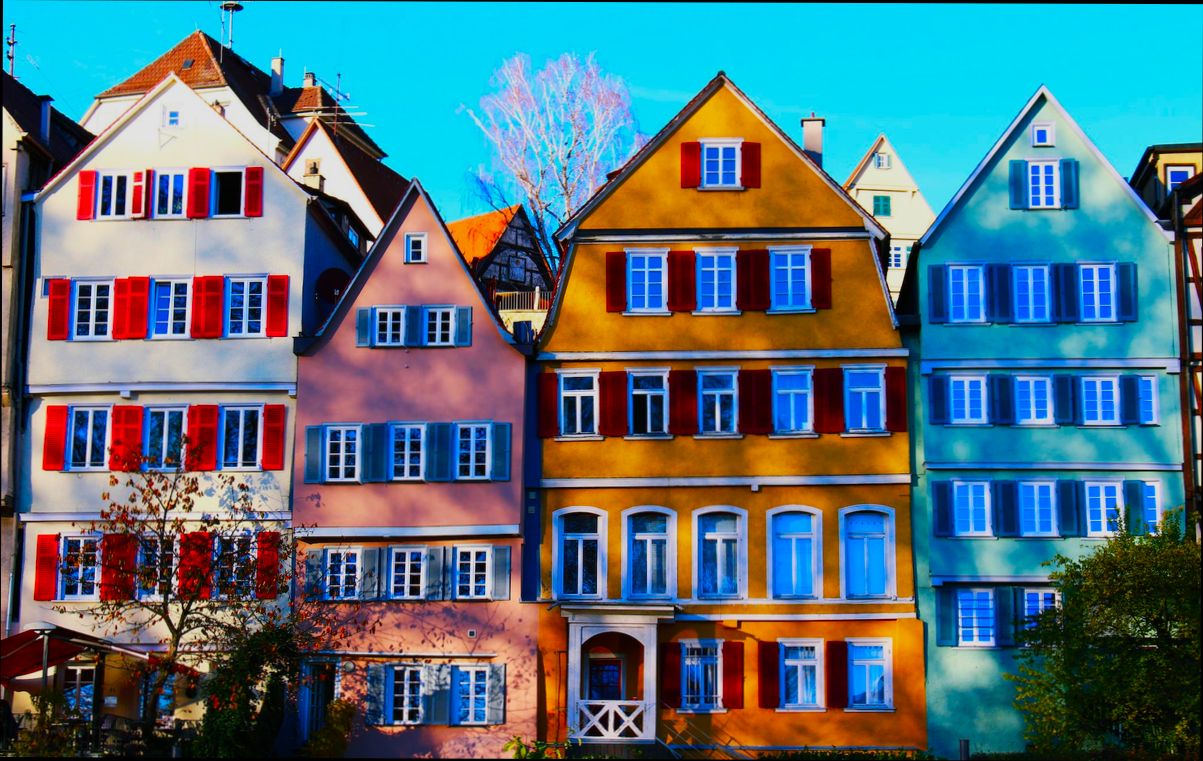
- Location: Cities like Munich and Frankfurt are often ranked among the most expensive in the country, while places like Leipzig and Chemnitz offer more affordable living options.
- Housing Costs: Housing expenditures can fluctuate dramatically. In Munich, average rent can reach around 16.50 EUR per square meter, whereas in smaller cities, the rent might drop to approximately 8.00 EUR per square meter.
- Transportation and Services: Public transportation costs vary, impacting overall living expenses. For instance, a monthly transportation pass in Berlin costs about 86 EUR, while in smaller cities, it can be about 60 EUR.
| City | Average Rent (EUR/sqm) | Monthly Transportation Pass (EUR) |
|---|---|---|
| Munich | 16.50 | 86 |
| Frankfurt | 14.50 | 89 |
| Berlin | 10.00 | 86 |
| Leipzig | 8.00 | 60 |
| Chemnitz | 6.50 | 49 |
Real-World Examples of Cost Variability
- In Munich, not only is rent high, but overall living costs (including groceries and leisure) can be about 15% higher than in smaller urban areas. This can affect your overall budget significantly if you plan on living in such a vibrant city.
- Leipzig, on the other hand, has become a hotspot for younger residents due to its booming cultural scene and much lower costs. A two-bedroom apartment here typically costs around 900 EUR compared to nearly 2,000 EUR in Munich.
- Frankfurt serves as a financial hub, which brings with it high costs in housing and daily expenses. Yet, salaries in this city tend to be higher, helping to balance the extra costs.
Practical Implications for Your Budget
If you’re considering moving to Germany, it’s vital to evaluate where you might want to live based on these cost factors. Here are some actionable insights:
- Research Different Areas: Prioritize city neighborhoods based on your lifestyle needs and budget.
- Consider Shared Living Arrangements: If you choose a higher-cost area, consider sharing accommodation to ease the financial burden.
- Look for local deals: Many services may offer lower rates outside of the main urban centers, so always check for ways to cut costs without sacrificing quality.
- The cost variations can provide you with opportunities for budget management. Evaluate your priorities—do you prefer an urban lifestyle with higher costs or a quieter, cheaper environment?
Understanding these dynamics of living expenses can empower you to make informed decisions about your future in Germany.
Healthcare System: A Comprehensive Review
Living in Germany means accessing a robust healthcare system designed to offer comprehensive care to its residents. This system is characterized by universal coverage, advanced medical technology, and an emphasis on quality. Let’s explore the essential components and benefits of Germany’s healthcare framework.
Key Aspects of the Healthcare System
- Universal Coverage: Almost all residents of Germany are covered under statutory health insurance (SHI), with around 90% relying on this system. The remaining 10% are privately insured, which often provides enhanced services.
- Quick Access to Care: The healthcare system facilitates timely access to medical professionals. Patients can typically see a doctor within a few days, significantly reducing wait times.
- Emphasis on Digital Health: The integration of digital health technologies, such as eHealth and mHealth, enhances patient care delivery. These innovations increase efficiency and reduce administrative costs, supporting better health outcomes.
| Feature | Statistics | Description |
|---|---|---|
| SHI Coverage | 90% | Majority of residents are covered under statutory health insurance. |
| Access to Care | Within Days | Patients can often secure doctor appointments quickly. |
| Digital Health Usage | Increasing Trend | Use of eHealth and mHealth is on the rise, optimizing care delivery. |
Real-World Examples
Research highlights how health information systems (HIS) are reshaping patient care in Germany. For instance, a study by Ammenwerth and Duftschmid shows that implementing eHealth solutions has led to a reduction in operational costs while enhancing the quality of clinical services. This shift facilitates innovative models of healthcare delivery tailored to the needs of the population.
Moreover, the collaboration among various healthcare stakeholders is becoming more fluid, thanks to advancements in HIS. Tummers, Tobi detailed how HIS supports seamless information exchange, which ultimately boosts the quality of care patients receive. This collaborative environment allows healthcare entities to remain interconnected, ensuring that patient information is readily available, fostering efficient treatment plans.
Practical Implications for Residents
As a resident in Germany, understanding how to navigate the healthcare system can improve your experience substantially:
- Engage with Technology: Leverage the advancements in digital health by utilizing patient portals or mobile health apps to access your medical records and schedule appointments easily.
- Utilize Preventive Services: The German healthcare system heavily promotes preventive measures. Regular check-ups and screenings can help catch health issues early.
- Inquire About Health Services: Don’t hesitate to speak with your healthcare providers about available services, especially those covered under your insurance plan, to maximize your benefits.
- Ensure you are well-informed about the specifics of your health insurance; it can vary from provider to provider.
Specific Facts and Actionable Advice
- Be Proactive: Regularly check your health insurance coverage details to understand your entitlements and any additional premium services that may be available.
- Explore Digital Tools: Familiarize yourself with the digital tools provided by your healthcare provider for accessing health information, which can save you time and enhance your understanding of your health status.
- Seek Second Opinions: If faced with a significant health decision, using the interconnectedness of German healthcare allows you to seek second opinions easily without additional stress.
By keeping these insights in mind, you can navigate Germany’s healthcare landscape efficiently and make the most of the quality services available to you.
Real-World Experiences of Expat Life
Living in Germany offers a unique expat experience shaped by a blend of opportunities, challenges, and cultural nuances. Understanding these real-world experiences can help you navigate your transition to this vibrant country more smoothly.
Diverse Expat Community
Germany is home to approximately 16–17 million expats, which constitutes about 19–20% of its national population. This diversity means that you’ll likely encounter people from various backgrounds, making it easier to find shared experiences and build friendships.
- Types of Expats:
- 54% are workers and professionals seeking better job opportunities.
- Another 19–21% comprises family members, dependents, and lifestyle movers.
This large expat community fosters a vibrant ecosystem where cultural exchange flourishes, leading to an enriching experience.
Duration of Stay
Understanding the planned length of stay can also shape your expat experience. According to statistics:
| Planned Length of Stay | % of Expats |
|---|---|
| Less than 6 months | 2% |
| 6 months – 1 year | 4% |
| 1–3 years | 11% |
| 3–5 years | 11% |
| Longer than 5 years | 21% |
| Possibly forever | 34% |
| Undecided | 16% |
Many expats, around 34%, express intentions to stay indefinitely, which reflects a deep connection and satisfaction with their life in Germany.
Case Study: Maria’s Journey
Meet Maria, a software engineer from Spain who moved to Berlin. Initially planning to stay for two years, she found herself captivated by the culture and the thriving tech scene. Now, after seven years, she describes her expat life as fulfilling, filled with innovative projects and community involvement. Her experience mirrors a broader trend among expats in Germany, where 54% report moving for professional reasons.
Language and Integration
One of the key challenges for expats in Germany is the language barrier. While many Germans speak English, learning German can significantly enhance your social integration and job prospects. Many expats, like David from Canada, initially struggled but found local language schools and community classes invaluable.
- Benefits of Learning German:
- Enhances job opportunities in a competitive market.
- Fosters personal connections and friendships within the community.
- Instills confidence in navigating daily life, from grocery shopping to healthcare.
Practical Implications for Expat Life
- Network Opportunities: Join local expat groups through social media or platforms like Meetup. Engaging with others will help you forge connections and find support.
- Professional Development: Attend networking events or workshops in your industry. Many are tailored for expats aiming to grow their careers in Germany.
- Cultural Activities: Immerse yourself in local history and culture by participating in festivals or community events. This not only enriches your experience but also helps you feel part of the local society.
Actionable Advice
- Explore Local Communities: Look for neighborhood festivals or markets to meet locals and other expats alike. It’s a great way to feel at home and make lasting connections.
- Embrace the Learning Curve: Don’t shy away from language classes and local customs. Embracing the culture and language will make your experience more enjoyable and meaningful.
Understanding these aspects of expat life will empower you to make the most of your experience while living in Germany. Whether you stay for a short time or settle in for the long haul, every moment is an opportunity for growth and discovery.