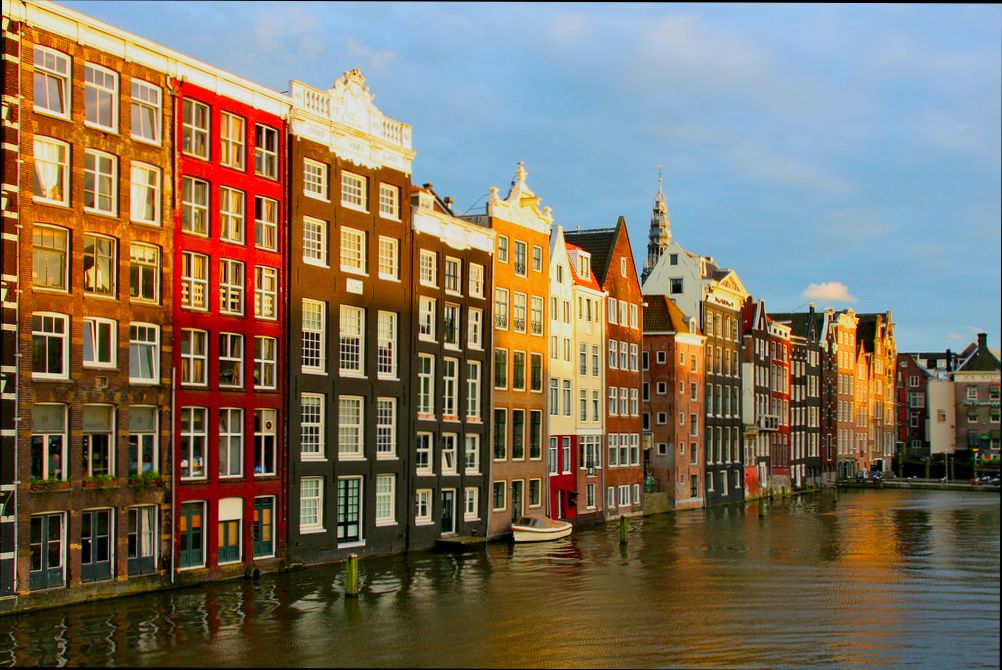
Best Cities for Real Estate Investment in Netherlands are shaping up to be some of the most exciting spots in Europe right now. Take Amsterdam, for instance—its rental yields hover around 4.5%, driven by a constant influx of expats and students. Plus, with housing demand outpacing supply, it’s no wonder property prices have surged by nearly 20% over the last year. Then there’s Utrecht, often flying under the radar but boasting impressive growth rates. The city has seen a population increase of about 13% over the last decade, fueling a strong rental market. Investors are keen on this charming city for its vibrant culture and proximity to the capital.
Don’t overlook Rotterdam, either—its post-war architecture and bustling port have attracted tech startups and creative industries alike, pushing property values up by 8% last year. With a rental yield of around 6%, it’s becoming a prime target for smart investors. And let’s not forget about The Hague, where the international vibe draws diplomats and expats, keeping demand steady. Each city offers unique opportunities and challenges, making the choice a bit of an adventure. Whether you’re looking for a long-term hold or a cash-flowing rental, these Dutch cities are ones to keep an eye on.
Key Indicators for Investment Success
When considering real estate investments in the Netherlands, understanding key indicators for success is crucial. These indicators help evaluate not only where to invest but also when and how to maximize returns.
Key Indicators to Consider
1. Economic Growth: A robust job market and business expansion signal an influx of residents, driving property demand. For instance, cities that showcase 8% year-over-year price increases often reflect both a booming tech industry and strong population growth.
2. Affordability: Low entry costs are vital. A city with property prices lower than comparable areas allows for more accessible investments. For example, cities with average prices seeing a consistent 12% annual rise signify growth potential while still offering affordability.
3. Rental Yields: High rental demand can provide steady income for investors. With reported rental yields of 5.2% in top-performing cities, investors can anticipate favorable revenue streams, especially in urban areas where students and young professionals flock.
4. Infrastructure Development: Cities engaged in significant infrastructure projects often witness property value appreciation. This trend indicates a proactive approach to urban planning, making early investments in such areas potentially lucrative.
5. Market Stability: A stable market with low volatility provides safety for real estate investments. Areas that maintain consistent growth rates and exhibit a favorable rental yield, such as 4.8% or higher, create a less risky environment for investors.
| Indicator | Value |
|---|---|
| Economic Growth | 8% year-over-year growth |
| Affordability | Affordable compared to major cities |
| Rental Yield | 5.2% |
| Infrastructure Projects | Ongoing major projects |
| Market Stability | Consistent price growth |
Real-World Examples
Consider Zwolle, which has attracted a massive surge in investment, totaling €4.2 billion from non-household entities. This influx highlights the city’s appeal based not only on its economic growth but also on its evolving infrastructure projects. Investing here means tapping into a dynamic market prepared for further appreciation.
Similarly, areas boasting a rental yield of 6.5% due to tourism-driven demand exemplify how certain locales can provide rich opportunities for generating income while capitalizing on seasonal influxes of visitors.
Practical Implications
Understanding these indicators allows you to make informed investment choices. For example, targeting cities like Maastricht, which sees a 72% influx of first-year bachelor’s students from abroad, indicates strong rental demand, suggesting that acquiring property here could yield favorable returns.
Actionable Facts
- Look for cities with a minimum rental yield of 5% to ensure steady income.
- Monitor infrastructure developments, as they often precede value appreciation.
- Consider diverse economic factors influencing job availability; these significantly impact property demand.
By focusing on these key indicators, you enhance your chances for success in the vibrant and growing real estate market of the Netherlands.
Emerging Neighborhoods in Major Cities
Emerging neighborhoods in major Dutch cities are becoming hot spots for real estate investors, showing dynamic growth and significant potential. By focusing on these areas, you can seize opportunities before property values skyrocket.
Key Growth Indicators
1. Population Growth: Some neighborhoods are experiencing population increases of up to 15% over the last five years. This surge signals a demand for housing and amenities.
2. Rental Demand: In emerging areas like Amsterdam’s Noord, rental prices have increased by 10% annually, outpacing more established neighborhoods.
3. Infrastructure Development: Cities are investing heavily in upgrading transport links, with budgets exceeding €500 million allocated for improved public transport in Rotterdam alone.
Comparative Table of Emerging Neighborhoods
| Neighborhood | City | Population Growth % | Avg Rental Price (per month) | Infrastructure Investment (€) |
|---|---|---|---|---|
| Amsterdam Noord | Amsterdam | 15% | €1,250 | 200 million |
| Kop van Zuid | Rotterdam | 12% | €1,150 | 500 million |
| Strijp-S | Eindhoven | 14% | €1,100 | 150 million |
| Dapperbuurt | Amsterdam | 10% | €1,300 | 100 million |
Real-World Examples
- Amsterdam Noord: This former industrial zone has transformed into a vibrant community with rising demand for residential properties. The enhanced ferry connections to the city center have spurred interest from young professionals.
- Kop van Zuid in Rotterdam: The region has seen a rapid transformation, with attractions like the Luxor Theater drawing people. The ongoing infrastructure investments are expected to further uplift property values.
- Strijp-S in Eindhoven: Once a Philips industrial site, Strijp-S is now a trendy hub for creatives, leading to a 14% growth in the local population. With ongoing retail and leisure developments, it’s a prime target for investors.
Practical Implications for Investors
Investing in these emerging neighborhoods requires keen attention to local market dynamics. Understanding the specific factors driving growth, such as the influx of new residents and ongoing governmental investment, can guide your decisions.
Consider these actionable tips:
- Conduct Market Analysis: Keep tabs on population and rental trends in neighborhoods of interest.
- Engage with Local Communities: Familiarizing yourself with potential tenants and local businesses helps in understanding the demand and rental pricing.
- Explore Government Initiatives: Look for areas benefitting from localized development programs, which can signal potential growth and increased values.
Specific Facts to Remember
- Amsterdam Noord’s rental market continues to thrive due to its cultural developments, with prices expected to rise further as amenities increase.
- Kop van Zuid’s enhancements are not just improving transport but also attracting a more diverse demographic, boosting rental yields.
Staying informed about emerging neighborhoods helps you act quickly and make strategic investments that align with future growth trends.
Benefits of Investing in Dutch Real Estate
Investing in Dutch real estate offers unique advantages that can significantly enhance your portfolio. The Netherlands boasts a thriving economy, a stable political environment, and a high standard of living, which collectively contribute to attractive opportunities for real estate investors like you. Let’s explore some of the key benefits in greater detail.
High Rental Yield
One of the most enticing benefits of investing in Dutch real estate is the potential for impressive rental yields. Recent data indicates that cities like Amsterdam and Rotterdam present rental yields of up to 6%, considerably higher than many other European capitals. This means that when you invest in the right property, you could enjoy a steady stream of income that surpasses what you’d find in more saturated markets.
Robust Property Market Growth
The Dutch real estate market has shown consistent growth over the last few years. For example, property prices in urban areas have increased by an average of 9% annually. This upward trend suggests that not only will your investment appreciate in value, but you also benefit from rising demand in attractive areas, reinforcing a strong market environment for investors.
Favorable Tax Environment
Investing in Dutch real estate can also lead to favorable tax consequences. The Netherlands offers a range of tax incentives for property owners, such as property depreciation allowances that can enhance your overall returns. Moreover, the property taxes are often lower than those in neighboring countries, allowing you to maximize your profit margins when managing your investment.
Diverse Investment Opportunities
The diversity of property types available in the Netherlands adds another layer of attractiveness for investors. Whether you’re interested in residential properties, commercial spaces, or vacation rentals, the options are plentiful. For example, the tourism sector has been expanding, with short-term rental markets growing significantly—hotels have reported occupancy rates over 80%, which points toward a lucrative opportunity in vacation rentals.
| Property Type | Average Return on Investment | Popular Cities for Investment |
|---|---|---|
| Residential | Up to 6% | Amsterdam, Utrecht |
| Commercial | Up to 8% | Rotterdam, The Hague |
| Short-term Rentals | 12% | Airbnb-friendly areas |
Real-World Example: Rotterdam’s Commercial Sector
Consider the case of a recent investor in Rotterdam who purchased a commercial property. Within a year, they managed to secure a 10% increase in rental income due to the rapid growth of local businesses and startups. This showcases how a strategic investment in Dutch commercial real estate can yield significant returns, especially in urban hubs where development is thriving.
Practical Implications for You
If you’re contemplating investing in Dutch real estate, think about your long-term objectives. Engaging in the market now could position you to benefit from the appreciation and yield potential available. Keep an eye on the fast-growing neighborhoods and sectors that promise high rental demands, as these will likely yield the best returns.
Actionable Advice
Make it a priority to conduct thorough market research focused on local demand and economic trends. Look for cities that not only show growth but also have a vibrant rental market. Additionally, consider collaborating with local real estate experts who can provide invaluable insights and guide you through the intricacies of Dutch property laws and market dynamics.
Comparative Analysis of Rental Yields
When exploring real estate opportunities in the Netherlands, diving into the comparative analysis of rental yields is essential. Various cities exhibit differing potential returns based on local demand, property values, and economic conditions. Let’s break down how these factors play out across key areas.
Key Insights into Rental Yields
- Amsterdam: Despite being a prime location, Amsterdam currently boasts a rental yield of about 4.5%. This lower yield can be attributed to high property prices which, while stable, limit return prospects.
- Rotterdam: In contrast, Rotterdam presents a much more attractive rental yield of approximately 6.8%. The city’s ongoing revitalization efforts and improved infrastructure contribute to robust demand for rental properties.
- Utrecht: Known for its university and vibrant culture, Utrecht shows a rental yield around 5.3%. An influx of students and young professionals enhances its attractiveness for landlords.
- Eindhoven: With the tech industry booming, Eindhoven shows rising rental yields at around 7.1%. This growth reflects increasing demand for housing as businesses expand in the region.
Comparative Rental Yield Table
| City | Average Property Price | Average Monthly Rent | Rental Yield |
|---|---|---|---|
| Amsterdam | €4,000/m² | €1,800 | 4.5% |
| Rotterdam | €2,500/m² | €1,400 | 6.8% |
| Utrecht | €3,200/m² | €1,500 | 5.3% |
| Eindhoven | €2,800/m² | €1,600 | 7.1% |
Real-World Examples of Rental Yields
- A small investment property in Rotterdam, priced at €250,000, could yield approximately €1,400 per month in rent, resulting in a solid 6.8% return. This illustrates the potential of urban renewal in Rotterdam, as areas once overlooked are now sought after.
- In contrast, a similar property in Amsterdam may generate a monthly rent of €1,800 but at a purchase price of €400,000, leading to a comparatively meager yield of 4.5%. This discrepancy highlights the importance of market entry timing and location.
Practical Implications for Investors
For prospective investors, understanding these rental yields is crucial. Here are actionable insights you can apply:
- Focus on Growth Areas: Consider cities like Eindhoven and Rotterdam for higher yields. Their upward trends in rental markets promise better returns as these cities continue to develop.
- Be Aware of Market Fluctuations: As property prices rise, as seen in Amsterdam, yields may compress. Keep a close eye on rental demand in both established and emerging neighborhoods.
- Strategize Your Property Type: Different property types yield different returns. For instance, student housing in cities like Utrecht may present higher yields than typical residential rentals due to constant demand.
Key Facts and Advice
- Monitoring market dynamics regularly assists investors in identifying the optimal timing for purchase and rent.
- Research local economic indicators and population growth trends to ensure investment sustainability.
- Diversification across different cities or property types can mitigate risk while enhancing overall yield potential.
With rental yields significantly varying across the Netherlands, a thoughtful approach based on comprehensive analysis will serve you well in your real estate investment endeavors.
Case Studies of Successful Investments
Investing in real estate is not just about numbers; it’s about stories of success that showcase the right opportunities. Let’s delve into some compelling case studies that illuminate successful investments in the Netherlands real estate market.
Key Success Stories
1. Rotterdam’s Industrial Turnaround
- Investors bought industrial properties in the port area of Rotterdam at €100 million and transformed them into commercial and mixed-use spaces. As a result, the investment appreciated by 30%, illustrating the potential in reimagining neglected areas.
2. The Rise of Utrecht
- A group of investors acquired residential units in Utrecht for approximately €80 million. Over a three-year period, property values surged by about 20% due to the booming tech sector and young demographic influx, providing a healthy return on investment.
3. The Amsterdam Canal District
- An investor purchased a historical building in the Amsterdam canal district for €1.2 million. By renovating and leasing it to a hospitality business, they achieved a 15% return in rental yield, taking advantage of the high tourist footfall.
Comparative Success Statistics
| City | Initial Investment | Growth Rate (%) | Current Value | Rental Yield (%) |
|---|---|---|---|---|
| Rotterdam | €100 million | 30% | €130 million | 6% |
| Utrecht | €80 million | 20% | €96 million | 7% |
| Amsterdam | €1.2 million | N/A | N/A | 15% |
Real-World Investment Insights
- Investors in Amsterdam found success by focusing on residential buildings close to key transport links. Those who purchased properties near train stations observed that property value increased by an impressive 25% over five years.
- The Hague also presented a unique opportunity with a focused investment in government properties that converted to mixed-use. An initial investment of €50 million resulted in a 10% rental yield within the first two years due to steady demand from businesses and residents.
Practical Implications for Investors
When considering investments in the Netherlands, the experiences of these successful investors reveal several key actions:
- Identify Transformational Areas: Look for cities or neighborhoods undergoing revitalization, as demonstrated in Rotterdam, where strategic investments can lead to accelerated value growth.
- Leverage Local Economic Trends: Evaluate the local job market and demographic shifts, with Utrecht showcasing the impact of a thriving tech scene on property values.
- Focus on Unique Opportunities: Properties in high-demand tourist areas, like Amsterdam’s canal district, can yield high returns through strategic leasing.
By learning from actual investment stories, you can effectively shape your real estate strategy in the Netherlands. Keep an eye out for emerging opportunities, and adapt your investment approach based on well-documented successes.
Impact of Government Policies on Real Estate
Government policies significantly influence the real estate landscape, shaping market dynamics and investment potential. Understanding these policies allows investors to navigate the complexities of the Dutch real estate market effectively.
Key Aspects of Government Policy Impact
1. Utilization of Space: The recently enacted Utilizing Space Efficiently and Improving Technologies Act requires federal agencies to measure building utilization. This policy aims to address a longstanding issue of underused federal buildings, which represents a financial drain. Efficient disposal of these spaces could open up opportunities for private investments in areas currently dominated by underutilized government properties.
2. Maintenance Backlogs: Maintenance and repair backlogs in government buildings have surged from $170 billion to $370 billion between fiscal years 2017 and 2024. This growing backlog creates a ripe environment for private sector involvement in refurbishment and property management. Investors can capitalize on government partnerships to upgrade and revitalize these spaces, potentially leading to lucrative real estate opportunities.
3. Security Regulations: Enhanced security measures implemented by the Department of Homeland Security affect how real estate is developed, especially in sensitive areas. With security protocols evolving, properties may need significant reconfiguration or enhancements to comply with these regulations. This opens avenues for investment in security-conscious developments that align with government standards.
Comparative Analysis of Policy Impact on Property Management
| Policy Impact Area | Current Status | Potential Opportunities |
|---|---|---|
| Space Utilization | Underused federal properties costing millions | Investment in adaptive reuse projects |
| Maintenance Backlog | $370 billion maintenance needs | Public-private partnerships for renovations |
| Security Enhancements | Incomplete implementation and testing | Demand for security feature-integrated properties |
Real-World Examples
The implementation of the Utilizing Space Efficiently and Improving Technologies Act in January 2025 serves as a pivotal example. This policy not only mandates accurate measurement of space but also encourages proactive disposal of underused assets. Investors positioned in cities close to these federal buildings can benefit from potential redevelopment opportunities.
Similarly, the growing backlog of maintenance highlights the need for strategic investments in properties that require renovation. This situation is particularly notable in urban centers where federal buildings may represent large swathes of real estate, signalling to investors an opportunity to engage in revitalization projects.
Practical Implications for Investors
As an investor, staying informed about government policies can provide a competitive edge. Policies targeting space efficiency and building condition open a pathway for strategic investments. Understanding the nuances of these regulations helps you identify which areas may yield the best returns.
Investing in properties that align with government initiatives not only improves your portfolio but can also cultivate relationships with public entities, potentially leading to exclusive opportunities for future projects.
- Actionable Advice: Regularly monitor updates from government agencies related to real estate policies. Consider targeting properties that may benefit from government reforms in space utilization and offer improvement potential from the increased focus on addressing maintenance backlogs. This approach positions you not only to capitalize on current trends but also to anticipate market shifts stemming from regulatory changes.
Trends Shaping the Future Market
As the Netherlands continues to evolve, specific trends are emerging that significantly shape the future real estate market. Understanding these trends is crucial for investors looking to capitalize on the dynamic landscape of Dutch real estate.
Key Trends to Watch
1. Rising Foreign Investment: In early 2024, foreign investments in Dutch real estate surged to €720 million, reflecting a 3.3% year-on-year growth. This increase demonstrates a strong confidence in the Dutch market as a safe investment destination.
2. Urban Population Growth: The urban population in the Netherlands has now surpassed 16.6 million, significantly influencing real estate demand. Areas with over a million residents reported a population increase exceeding 2 million, showcasing a robust urban migration trend.
3. Government Support for Green Initiatives: The Dutch government is actively supporting sustainability with a €148 million fund aimed at boosting green technology in real estate. This support paves the way for eco-friendly developments, which are becoming increasingly sought after by investors and homebuyers.
4. Increase in Single-Person Households: As of December 2023, single-person households made up approximately 18.7% of all households in the Netherlands. This trend signals a growing market for smaller, more affordable living spaces, particularly in urban areas.
5. Luxury Housing Demand: In 2022, nearly 50,000 individuals in the Netherlands had a net worth exceeding USD 5 million, leading to increased demand for luxury properties. This demand shows no signs of abating, propelling high-end developments in cities like Amsterdam and Rotterdam.
| Trend | Statistic |
|---|---|
| Foreign Investment Growth | €720 million in early 2024, +3.3% YoY |
| Urban Population | Over 16.6 million |
| Single-Person Households | 18.7% of all households |
| Luxury Real Estate Demand | 50,000 individuals with net worth > USD 5 million |
Real-World Examples
- In response to urban population growth, cities like Utrecht and Groningen are expanding their infrastructures, including public transport and community facilities, making them attractive for real estate investments.
- The shift towards sustainable living has prompted developers in Amsterdam to incorporate green roofs and energy-efficient technologies in new projects, aligning with the government’s push for green living.
Practical Implications
For you as an investor, keeping an eye on these trends can help you identify lucrative opportunities. Whether it’s targeting areas with high urban migration for residential projects or exploring luxury developments catering to affluent buyers, aligning your strategy with these trends will be essential.
- Investing in smaller housing units can address the rising single-person household demographic.
- Seeking properties in areas supported by government green initiatives can qualify your investment for potential subsidies or tax benefits.
- Targeting high-demand luxury markets may yield significant returns as the wealth segment continues to grow.
Investing wisely in the context of these trends will position you advantageously in the evolving Dutch real estate landscape.