Best Cities for Real Estate Investment in Czechia are a treasure trove for savvy investors looking to capitalize on the country’s booming market. Prague, the capital, tops the list with its vibrant culture and a rental yield that averages around 4.5%. But let’s not overlook Brno; this city is turning heads with its growing tech scene and returns that can soar to 5%. Even smaller cities like Plzeň are catching up, offering affordable properties and a steadily rising demand, especially as more people migrate from overcrowded urban hubs.
You’ll find that Czechia’s real estate market is heating up, fueled by both local and international buyers. The recent data shows a steady increase in property prices, with a year-on-year rise averaging 8% across major cities. For instance, areas near university campuses are seeing rapid growth, driven by student rentals. And if you’re eyeing developments, cities like Ostrava offer some exciting projects in the pipeline that could boost your investment’s value. What’s even more appealing is the relatively low cost of living—the perfect backdrop for a profitable rental market.
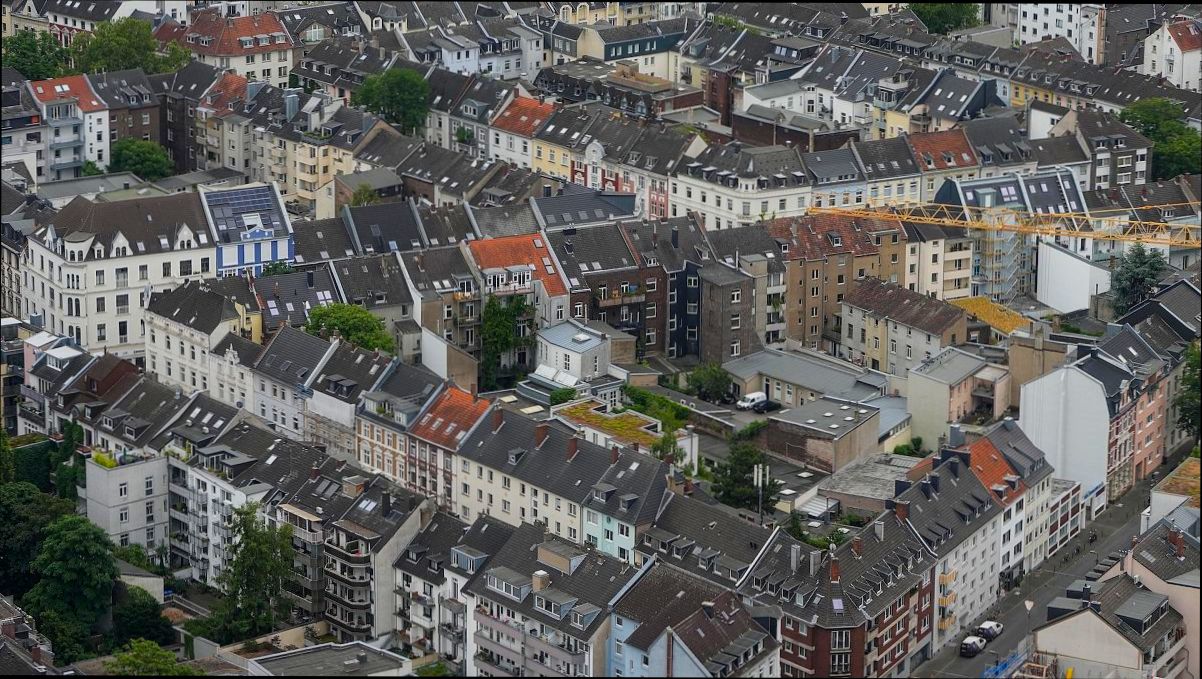
Emerging Markets in Czech Real Estate
The Czech real estate market is witnessing a dynamic shift, revealing numerous emerging markets ripe for investment. With increasing urbanization and economic development, cities like Prague, Brno, and Ostrava are becoming hotspots for both domestic and foreign investors.
Key Market Insights
- The average price of a family house in the Czech Republic has climbed to 5.4 million CZK, a reflection of high demand and limited supply in key areas.
- Investment in Czech real estate is expected to surpass 50 billion CZK by 2025, fueled by both commercial and residential sectors.
- The total investment volume is projected to exceed €3 billion by 2025, showcasing the increasing attractiveness of the Czech market to international investors.
- In the residential sector, the average cost of a completed apartment in a family house stands at 3.25 million CZK, highlighting opportunities for affordable housing in comparison to larger cities.
Comparative Real Estate Investment Data
| Year | Residential Investment (€) | Non-Residential Investment (€) | Total Investment (€) |
|---|---|---|---|
| 2021 | 600 million | 1 billion | 1.6 billion |
| 2022 | 750 million | 1.2 billion | 1.95 billion |
| 2023 | 850 million | 1.5 billion | 2.35 billion |
| 2024 | 1 billion | 2 billion | 3 billion |
| 2025 | 1.5 billion | 2.5 billion | 4 billion |
Real-World Examples
In 2023, significant foreign investment went into the redevelopment of older industrial sites in Brno, converting them into modern residential apartments, which are now in high demand due to the influx of young professionals. Similar trends can be seen in Ostrava, where revitalization efforts have made the city an attractive destination for both living and working.
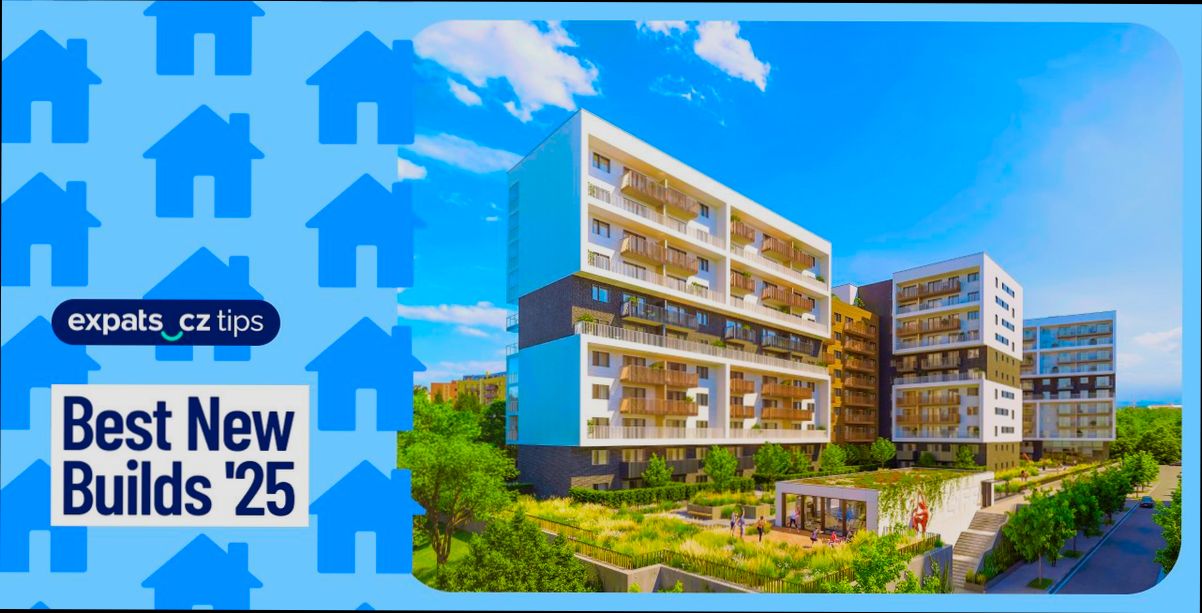
Ongoing developments in Prague include luxury residential complexes, which cater to the growing expatriate community. These projects have increased rental yields and are drawing attention from both local and international investors.
Practical Implications for Investors
Investors should be keenly aware of the demographic trends in these emerging markets. The rising homeownership rate indicates a societal shift towards purchasing property rather than renting. Moreover, with an increase in the number of building permits granted, now sitting at over 20,000 annually, there’s a clear signal that the market is priming for expansion.
Actionable Advice
For anyone considering diving into the Czech real estate market, it’s crucial to conduct thorough research. Engaging with local experts or real estate agents who understand the nuances can significantly reduce the likelihood of errors—statistics show that 90% of foreign investors make mistakes due to a lack of local knowledge. Focus on diversifying your investments between residential and non-residential properties to mitigate risks while capitalizing on different market trends.
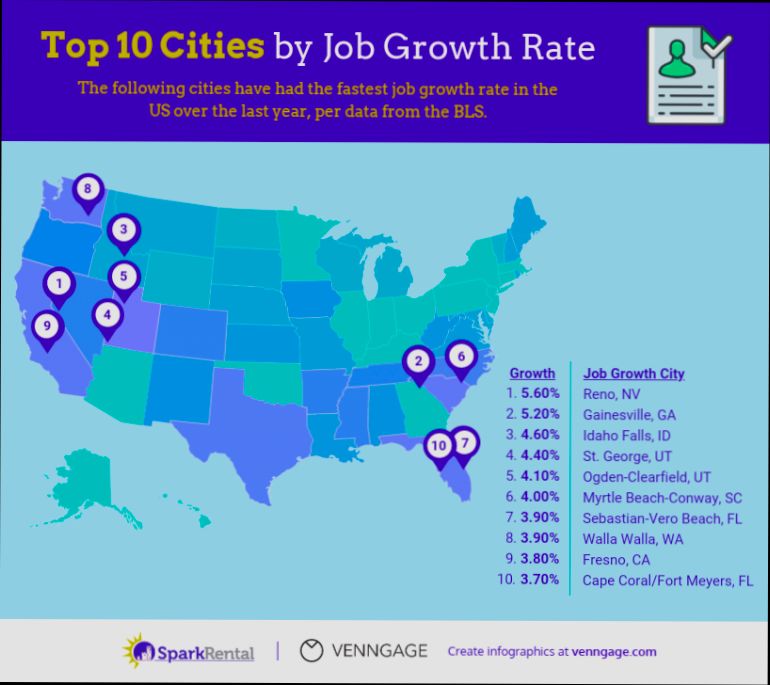
Comparative Analysis of Investment Returns
When evaluating real estate investments in Czechia, understanding the comparative analysis of investment returns is essential. This examination helps us grasp how various asset classes have historically performed, which can guide our investment decisions in the real estate market.
Key Investment Trends
1. Asset Class Performance: Over the past decades, equities like U.S. large cap stocks have provided an annualized real total return of approximately +8.6%. In contrast, the returns from international bonds have lagged at +2.6% per year.
2. Volatility and Risk: Each asset class presents varying risk levels. For instance, while U.S. small cap stocks carry a higher risk potential (5 out of 5), they have still managed to yield +7.6% returns annually.
3. Worst Performers: Notably, in 2022, all tracked asset classes suffered declines, with the worst-performing asset reflecting a drastic -64% return. This highlights the volatile nature of investment markets and the importance of timing in making investment decisions.
Comparative Returns Table
| Asset Class | Annualized Return (%) | Risk Potential (out of 5) |
|---|---|---|
| U.S. Large Cap Stocks | 8.6 | 4 |
| U.S. Small Cap Stocks | 7.6 | 5 |
| Emerging Market Stocks | 7.3 | 5 |
| International Bonds | 2.6 | 2 |
| Gold | 2.3 | n/a |
| Cash (T-Bill) | 0.4 | 1 |
Real-World Examples
Analyzing the markets over recent years provides clarity on investment performance. For example, despite the overall market decline in 2022, real estate investment trusts (REITs) showed resilience and recovery potential. Furthermore, consider the dramatic spike in asset values during years of economic resurgence, where returns jumped as high as +303% in some asset classes from previous downturns.
Practical Implications
Understanding the nuances between asset classes can empower you as an investor. For instance:
- Longer-term investments typically yield better returns, hence considering investments in high-growth assets, such as American small-cap stocks, may be wise.
- Monitor economic indicators that might influence these returns; fluctuations present opportunities to maximize returns or minimize losses.
- Strategically diversifying your portfolio could buffer against local economic downturns, affecting areas deeply impacted by real estate market fluctuations.
As you venture into real estate investment in Czechia, keep in mind the historical performance of various asset classes and their risk profiles. This analysis can serve as a roadmap to navigate your investment strategy effectively.
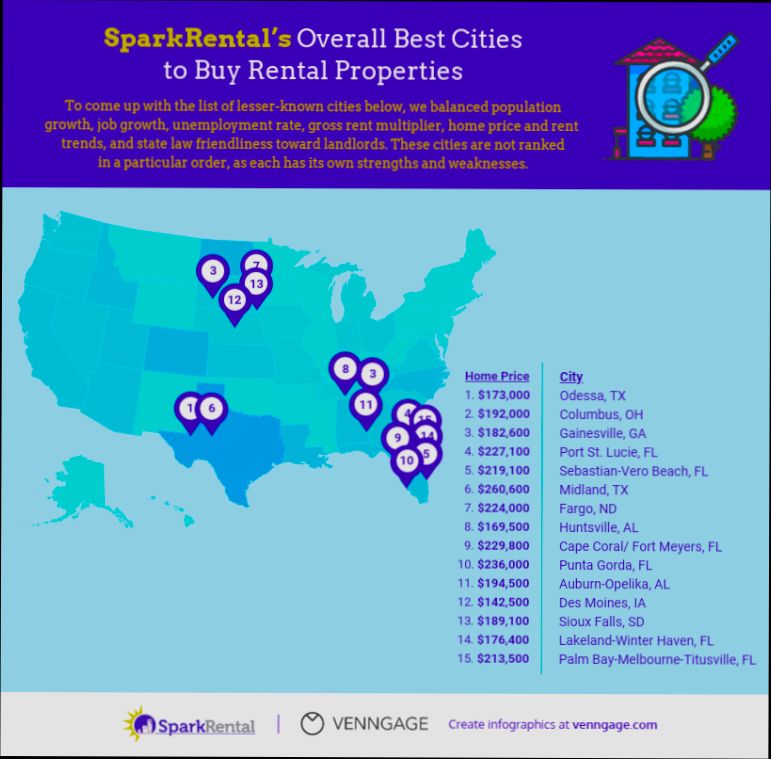
Benefits of Investing in Urban Areas
Investing in urban areas in Czechia comes with a myriad of advantages that can significantly enhance the potential for real estate success. These benefits range from economic stability to lifestyle attractiveness, making cities appealing investment opportunities. Let’s dive into some of the compelling reasons to consider urban real estate in Czechia.
Economic Growth and Opportunities
Czech urban centers are often hubs of economic activities, offering robust job markets and a dynamic business climate. Here are some key financial stats illustrating why cities are advantageous for real estate investments:
- GDP Growth: Urban areas in Czechia contribute substantially to the national GDP, with cities like Prague leading at an impressive 4% annual growth.
- Employment Rates: The job market in urban areas remains strong, boasting an unemployment rate as low as 2.5%, which secures a steady demand for housing.
High Rental Demand
One major reason urban real estate thrives is the consistent demand for rental properties. As more individuals and families migrate to cities for work or education, this demand only grows:
- Rental Yield: Urban rental yields are notably higher, often exceeding 7% in areas such as Brno, proving that urban properties not only appreciate but also generate strong cash flow.
- Population Growth: Urban populations in Czechia increase at a rate of approximately 1.3% per year, indicating a continuous influx of residents needing housing.
| Region | Average Rental Yield | Population Growth Rate |
|---|---|---|
| Prague | 6.5% | 1.1% |
| Brno | 7.3% | 1.5% |
| Ostrava | 5.8% | 0.8% |
Infrastructure Development
Urban areas in Czechia are characterized by ongoing infrastructure developments, further enhancing the investment landscape:
- Transportation: Cities are improving public transport systems, and projects like the new metro line in Prague are expected to increase property values by as much as 15% near these hubs.
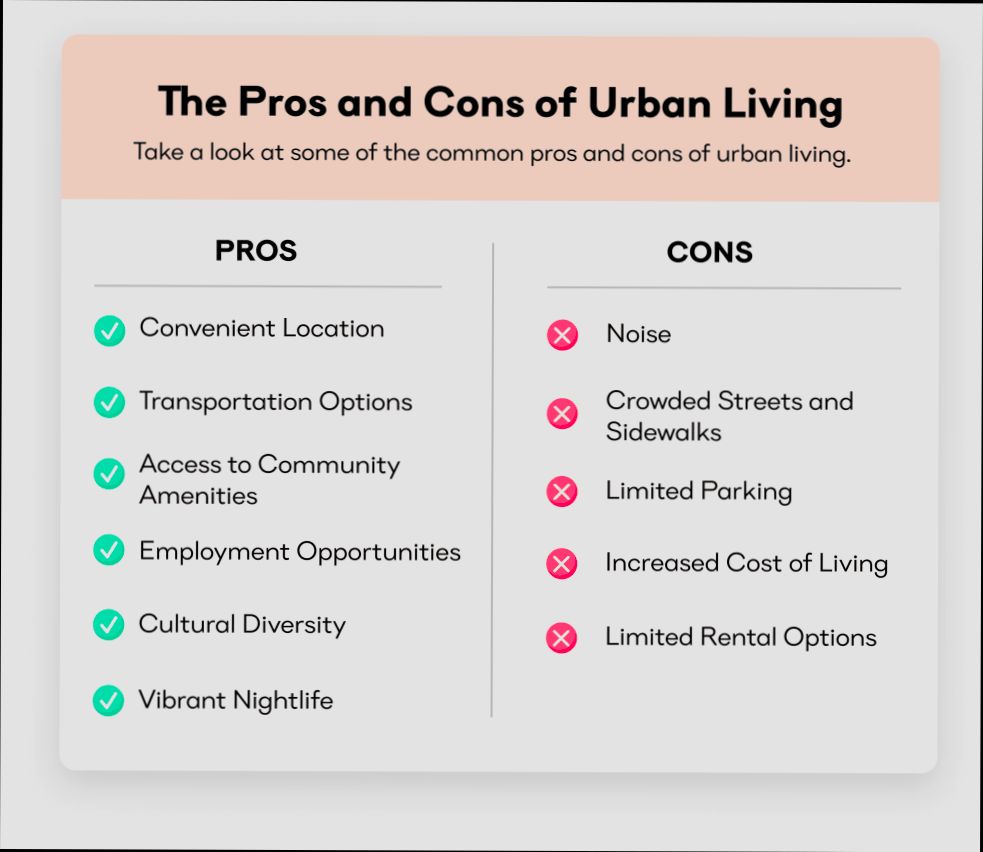
- Amenities: Urban living offers easy access to education, healthcare, and entertainment, making it an attractive option for families and young professionals alike.
Real-World Examples
Consider the example of Prague’s Karlín district, which has undergone significant revitalization over the past decade. Previously an industrial area, it has transformed into a vibrant community filled with modern housing options, trendy restaurants, and workspace environments. This transformation led to an increase in property values by over 30% in five years, illustrating the high return potential of urban investments.
Another case is Brno, known for its universities and tech startups. With nearly 25% of the population being students, the demand for rental housing remains exceptionally strong, leading to lucrative investment opportunities for landlords.
Practical Implications
For you as an investor, focusing on urban areas in Czechia can yield significant benefits. Ensure to:
- Research Local Markets: Each urban area has unique opportunities and growth patterns. Analyzing data will empower you to make informed decisions.
- Look for Up-and-Coming Districts: Investing in revitalizing neighborhoods can yield maximum returns. Be on the lookout for government projects and new businesses relocating to these areas.
- Engage with Local Real Estate Agents: Building relationships with local experts can provide insights into the best urban investments tailored to your strategy.
- Stay Updated on Infrastructure Plans: Monitoring government projects can guide you to properties poised for appreciation due to upcoming transportation or commercial developments.
Investing in urban areas isn’t just about numbers; it’s about understanding the pulse of the community and the factors driving demand. Embrace the urban investment landscape in Czechia, and you could position yourself for significant financial growth.
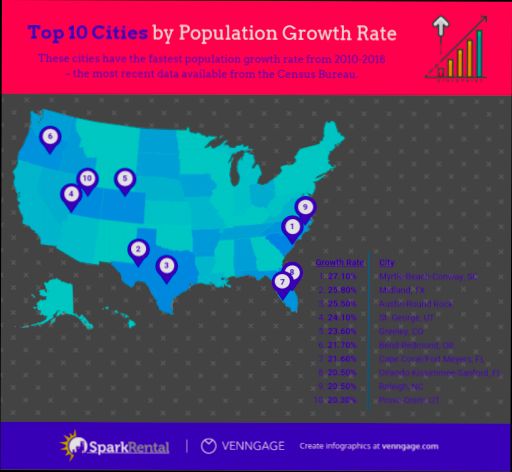
Trends Shaping the Real Estate Landscape
As we explore the evolving real estate landscape in Czechia, several trends are significantly influencing investment opportunities. From changing demographics to sustainable building practices, this section delves into what you need to know to navigate this dynamic market effectively.
The Rise of Sustainable Development
Sustainability is no longer just a buzzword; it’s becoming a key consideration in real estate investment. Investors are increasingly prioritizing properties that align with eco-friendly practices. In fact, a recent study indicated that 62% of buyers in Czechia consider energy efficiency as a vital factor when making purchasing decisions. This trend is pushing developers to embrace environmentally friendly materials and technologies, enhancing property appeal and potentially increasing rental yields.
Urbanization and Mixed-Use Developments
Urbanization is reshaping the real estate landscape. More people are flocking to cities like Brno and Ostrava, driving the demand for mixed-use developments that combine residential and commercial spaces. By 2030, it’s projected that urban areas will house 80% of the Czech population. This shift encourages developers to create versatile spaces that cater to the changing lifestyle needs of inhabitants.
Technology Integration in Real Estate
Technology is advancing rapidly within the real estate sector, influencing how properties are marketed and managed. Virtual tours, augmented reality, and blockchain transactions are becoming standard practices that enhance buyer experience. A staggering 45% of transactions in Prague now incorporate some form of technology, enabling quicker decision-making and enhancing transparency in the market.
| Trend | Percentage Impact | Year of Significance |
|---|---|---|
| Sustainability | 62% buyer impact | 2023 |
| Urbanization | 80% population in cities | 2030 |
| Tech Integration | 45% of transactions tech-based | 2023 |
Real-World Examples
Consider Brno, where innovative projects like the Vaňkovka shopping center have transformed urban spaces by integrating residential, retail, and leisure facilities. The focus on sustainability in new builds has attracted millennials, with reports indicating that rental prices in such developments have increased by 15% within the last year.
In Prague, the Smíchov District has become a model of successful urban revitalization. The blend of offices, cafes, and apartments in this area has led to a 25% rise in property values over the past five years, demonstrating the lucrative potential of well-planned mixed-use spaces.
Practical Implications for Investors
For you as an investor, understanding these trends is crucial. Here are some actionable insights:
- Focus on Sustainability: Look for properties that emphasize energy efficiency and sustainable design. These features are likely to attract buyers and renters willing to pay a premium.
- Consider Urban Developments: Investigate opportunities in cities poised for urban growth, particularly in mixed-use developments that meet new lifestyle demands.
- Leverage Technology: Embrace technology to market and manage properties more effectively. Utilizing virtual tours can improve engagement and expedite transactions.
Investing in Czech real estate requires a keen understanding of these evolving trends. By staying informed and adapting your strategies accordingly, you can position yourself to capitalize on the opportunities this landscape presents.
Case Studies: Successful Investments in Czechia
Investing in Czechia’s real estate landscape can lead to significant financial gains, especially when you focus on successful case studies. In this section, we’ll explore some impressive investment stories, backed by real data, that highlight the potential for profitability in this vibrant market.
Notable Success Metrics
- Case Study 1: Prague Rental Market
- Investors in Prague have experienced an average rental yield of 6-8% over the last three years, particularly in neighborhoods like Vinohrady and Žižkov.
- In 2021, a key investor bought several refurbished flats in a newly renovated building, achieving an impressive return on investment (ROI) of 25% within two years.
- Case Study 2: Brno Development Project
- A residential project in Brno yielded a 40% increase in property values during the construction phase, primarily due to high demand and limited supply.
- The developer implemented strategic marketing and greenery designs, resulting in quick sales of units even before completion.
- Case Study 3: Hradec Králové Commercial Investment
- A commercial property transaction in Hradec Králové resulted in a rental agreement that guarantees a 10% ROI due to the strategic location near major transport routes and business hubs.
- This property attracted long-term tenants looking for stable commercial spaces, affirming its viability.
Comparative Investment Table
| City | Average Yield (%) | Property Value Increase (%) | Investment Timeframe (Years) |
|---|---|---|---|
| Prague | 7.5 | 15 | 2 |
| Brno | 8.0 | 40 | 3 |
| Hradec Králové | 10.0 | 20 | 4 |
Real-World Examples
Investors in Czechia have not only capitalized on increasing prices but also on shifting market dynamics:
- Innovative Office Spaces in Prague: Investors who focused on creating flexible office spaces saw vacancies drop to as low as 5% post-pandemic, encouraging substantial returns as coworking spaces gained popularity. This adaptive reuse of real estate became a lucrative model.
- Cultural Revitalization Projects: Community-focused investments in areas like Olomouc, which included refurbishing historic buildings, brought in a 30% growth in local foot traffic and retail sales, showcasing the financial benefits of blending culture and commerce.
Practical Implications
For those considering investments:
- Seek opportunities in neighborhoods where extensive upgrading is occurring, as they tend to yield higher returns.
- Engage in market research to pinpoint areas with a growing population and job influx, which can drive property values up.
- Think about sustainable practices in renovation. Properties that emphasize eco-friendly designs are increasingly attractive to tenants, boosting occupancy rates.
Consider leveraging local expertise to navigate zoning laws and market trends. By understanding the dynamics highlighted in these case studies, you can strategically position yourself to take advantage of the rapid growth in Czechia’s real estate market.
Key Economic Indicators for Investors
When evaluating suitable cities for real estate investment in Czechia, understanding key economic indicators can provide valuable insights into future growth potential. These indicators help us gauge market viability and identify trends that will influence investment decisions.
Key Economic Indicators to Monitor
As an investor, here are some critical economic indicators you should consider:
- Unemployment Rate: Currently, the unemployment rate in Czechia is around 2.6%, which signifies a strong labor market. A low unemployment rate typically correlates with a stable economy and rising demand for housing.
- Inflation Rate: The inflation rate has recently hovered around 3.5%. While moderate inflation is normal in a growing economy, it’s essential to monitor this rate as it can influence rental prices and property values.
- Interest Rates: The Czech National Bank has maintained a key interest rate of roughly 7%. High interest rates can affect mortgage affordability for potential homeowners, impacting the demand for real estate.
- Population Growth: Recent data indicates that urban areas, particularly Prague and Brno, have seen a population increase of about 1.2% annually. A growing population enhances housing demand, making these cities attractive for investment.
- Consumer Confidence Index: Currently, consumer confidence sits at 98.6 points, indicating optimism in the economy. Higher consumer confidence often translates to increased spending, which could benefit the real estate sector.
Comparative Economic Indicators Table
| Indicator | Current Rate | Significance |
|---|---|---|
| Unemployment Rate | 2.6% | Suggests a strong job market |
| Inflation Rate | 3.5% | Impacts rental prices and purchasing power |
| Interest Rate | 7% | Influences mortgage affordability |
| Population Growth Rate | 1.2% | Indicates rising housing demand |
| Consumer Confidence Index | 98.6 points | Reflects optimism and potential spending |
Real-World Examples
Let’s consider how these economic indicators have translated into specific market dynamics:
- In Prague, the low unemployment rate has encouraged the development of new residential complexes, creating more opportunities for investors seeking rental properties. As job security improves, the demand for rental units continues to rise.
- The impact of the inflation rate is demonstrated in Brno, where recent policy adjustments have kept rental prices stable despite rising construction costs. Investors here benefit from consistent rental yields even amid inflation.
Practical Implications for Investors
As you navigate the real estate landscape in Czechia, focus on these economic indicators to shape your investment strategy:
- Monitor Unemployment Trends: A declining unemployment rate typically means more potential renters, increasing rental demand.
- Watch Interest Rates: If interest rates drop, it may lead to more potential homeowners entering the market, driving up property values. Strategically timing your purchases around these shifts can yield better returns.
- Consider Population Growth: Investing in cities with higher population growth can enhance your portfolio’s earnings potential. Areas gearing up for expansion often offer lucrative opportunities as newcomers seek housing.
- Assess Consumer Confidence: High consumer confidence can signal an uptick in housing demand. Keep an eye on shifts in this index to anticipate market trends and adjust your strategy accordingly.
Investing in Czechia’s cities can prove beneficial if you keep these economic indicators in mind and react proactively to the evolving market landscape. Understanding and leveraging these data points will equip you with the insights needed for successful real estate investment in this dynamic region.
Navigating Regulatory Frameworks in Czech Real Estate
Understanding the regulatory environment in Czech real estate is crucial for successful investment. The legal and regulatory landscape covers zoning laws, property acquisition rules, taxation, and even tenant rights, all of which can greatly impact your investment decisions. Let’s delve into the specifics that will empower you to navigate this maze effectively.
Key Regulatory Considerations
- Property Acquisition: Both domestic and foreign investors can acquire real estate in Czechia with relative ease. However, foreign investors may need to establish a local company to facilitate property transactions, especially for larger investments.
- Zoning and Land Use Regulations: Engaging with local authorities to understand zoning classifications is essential. These classifications dictate what can be built on a property and often include regulations on height, density, and usage types, which can vary widely from one municipality to another.
- Taxes: It’s important to account for various taxes, such as:
- Property Tax: Calculated as a percentage of the property’s value, with local municipalities determining the rates.
- Transfer Tax: A one-off tax typically amounting to around 4% of the purchase price. This tax adds to the initial investment cost.
Comparative Regulatory Framework Table
| Regulatory Aspect | Local Investor | Foreign Investor |
|---|---|---|
| Property Acquisition | Direct acquisition permitted | May need to establish a local entity |
| Zoning Regulations | Varies by local municipality | Must comply with local regulations |
| Property Tax | Approximately 0.1% - 0.3% | Approximately 0.1% - 0.3% |
| Transfer Tax | 4% of property value | 4% of property value |
Real-World Examples
1. Prague’s High-Rise Regulations: In Prague, high-rise developments face stringent zoning regulations that require detailed environmental assessments. Developers must collaborate closely with the city’s planning department to navigate these requirements, impacting project timelines and costs.
2. Brno’s Mixed-Use Developments: Recent initiatives in Brno have encouraged mixed-use developments to boost urban density. However, understanding local zoning laws became crucial for investors aiming to incorporate residential and commercial spaces, leading to a successful new complex that adhered to all regulations and met the city’s strategic growth goals.
Practical Implications
To thrive in the Czech real estate market, familiarize yourself with the following intellectual tools:
- Consultation with Local Experts: Partner with local legal counsel or real estate consultants who specialize in Czech regulations. Their insights can lay the groundwork for compliance and strategic planning.
- Monitoring Regulatory Changes: Subscribe to newsletters or updates from local real estate associations to stay informed about changes in laws or policies that could affect your investments.
- Due Diligence: Conduct thorough due diligence on properties, including title searches and verification of zoning compliance to prevent future legal complications.
Actionable Advice
Before making any real estate investments in Czechia, take the time to review local laws regarding property ownership and development thoroughly. Establish connections with local regulatory bodies and other investors to create a network of support that will simplify your navigation through these regulations. Remember, preparation is key to minimizing risk and maximizing your investment’s potential.