Pros and Cons of Living in Florence reveal a city that dances between the charm of historic streets and the challenges of modern life. Imagine waking up to the smell of fresh coffee wafting through your window, only to step outside and be greeted by the stunning Duomo standing tall against a perfectly blue sky. With around 350,000 residents, Florence offers a perfect blend of cultural richness and intimate community vibes, ensuring you can enjoy world-class art, like Michelangelo’s David, and authentic Italian cuisine from family-owned trattorias just a stone’s throw away. But don’t let that picturesque scenery fool you; the cost of living can be steep, with rent prices averaging €900 for a one-bedroom apartment in the city center.
On the flip side, let’s talk about the realities of everyday life. While public transportation exists, many locals swear by cycling or walking due to narrow streets, and yes, you’ll likely find that the famous Florentine traffic can be a real headache. Additionally, the job market can be competitive, especially in fields like art, fashion, and tourism, where internships often pay little to nothing. While the locals are warm and welcoming, the language barrier can be a bit daunting if you’re not packing some Italian phrases in your back pocket. Balancing the allure of Florence’s rich history and art scene with these day-to-day challenges creates a unique mix of experiences that’s hard to overlook.
Cultural Richness and Historical Significance
Living in Florence offers a spectacular immersion in art, architecture, and history that is hard to replicate anywhere else. This rich cultural tapestry is woven from centuries of artistic endeavor, literary achievement, and architectural innovation, making the city a vibrant hub of historical significance.
An Abundance of Artistic Heritage
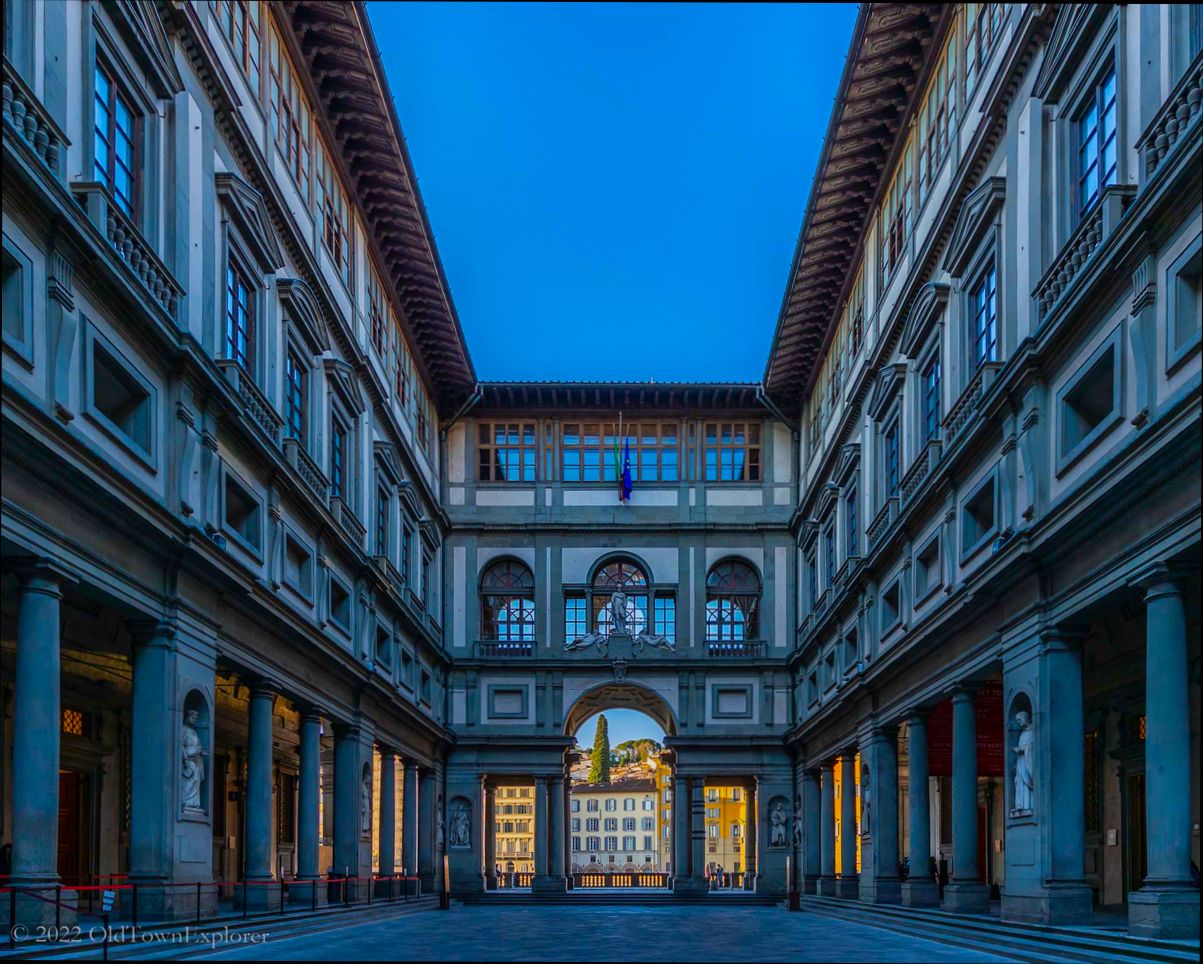
Florence is home to approximately 40% of Italy’s art treasures, showcasing some of the world’s most renowned masterpieces. You can walk through galleries like the Uffizi, which houses over 1,000 works, and the Accademia, famous for Michelangelo’s David. Think about that—when you’re not focused on daily responsibilities, you can step into a rich world where every corner tells a story of creativity and human achievement.
The Role of Architectural Masterpieces
The architectural designs in Florence showcase a fascinating blend of styles that evolved throughout different historical periods. The iconic Florence Cathedral (Duomo) stands out as a hallmark of Renaissance architecture, featuring a dome engineered by Filippo Brunelleschi. This structure dominates the skyline and has a dome that is one of the largest in the world. With over 1.5 million visitors annually, it’s not just a beautiful sight; it also symbolizes the innovative spirit of an entire era.
| Landmark | Year Completed | Architectural Style | Visitor Count (Annual) |
|---|---|---|---|
| Florence Cathedral | 1436 | Gothic/Renaissance | 1.5 million |
| Ponte Vecchio | 1345 | Medieval | 2 million |
| Palazzo Vecchio | 1314 | Medieval/Renaissance | 600,000 |
Festivals and Cultural Events
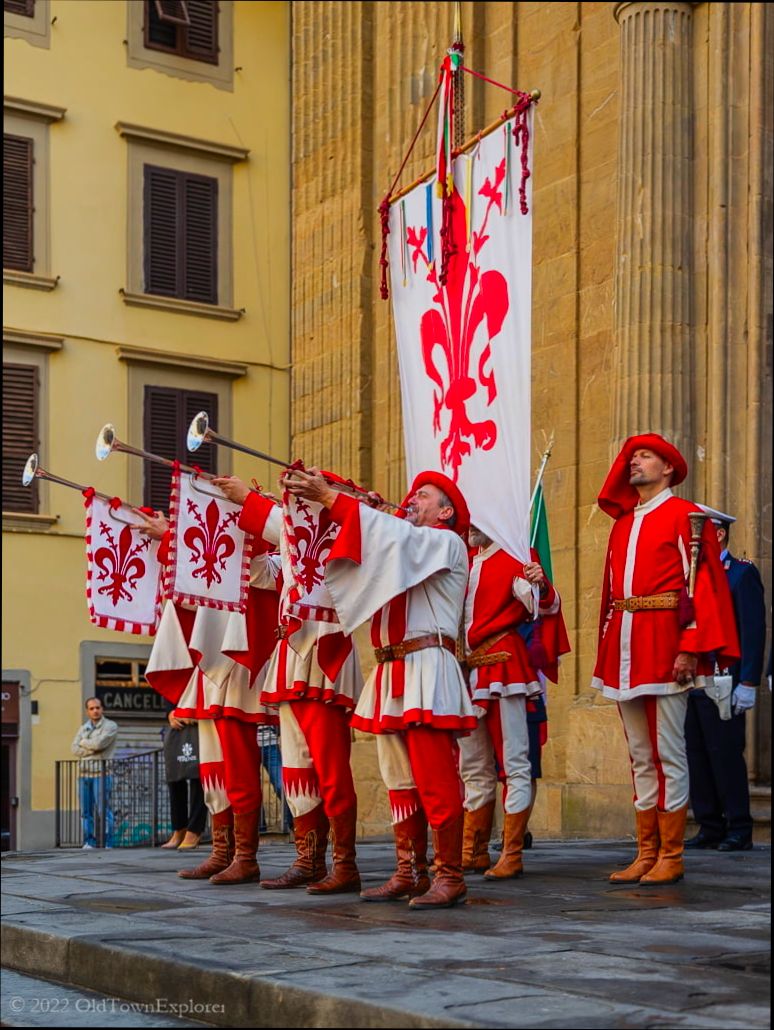
Florence isn’t just about museums and buildings; it’s alive with cultural events that celebrate its heritage. The city hosts numerous festivals throughout the year:
- The Calcio Storico, a historic football match, re-enacts the medieval sport every June.
- The Feast of St. John, which occurs in June, includes parades and fireworks, showcasing centuries-old traditions.
These events allow you to engage directly with the city’s culture and history, creating a communal atmosphere where both residents and visitors share in pride over Florence’s rich legacy.
Contemporary Cultural Impact
Beyond the historical, Florence continues to influence modern culture. The city has given rise to contemporary artists and businesses specializing in crafts that reflect its historical roots. For example, artisan workshops continue to thrive, producing handmade leather goods that draw on techniques passed down through generations. Engaging with local artisans provides a unique opportunity to appreciate the blend of history and modernity in daily life.
Practical Insights
- Explore Historical Sites Regularly: Designate time to visit various historical landmarks and enjoy the artworks.
- Participate in Local Festivals: Engaging in local events offers a unique perspective on Florentine heritage that you won’t find in a textbook.
- Support Local Artisans: Shopping at local workshops not only gets you unique souvenirs but also helps sustain Florence’s cultural economy.
Facts You Can Use
- Did you know that Florence has been declared a UNESCO World Heritage Site since 1982? This status emphasizes its importance and commitment to preserving its cultural significance for future generations.
- The Medici family, who played a crucial role in the development of the arts during the Renaissance, still influences the city’s identity today—exploring Medici villas and gardens can provide deeper insights into their legacy.
Living in Florence means you are not just a bystander; you are part of a living history that continues to unfold daily.
Cost of Living: A Data-Driven Analysis
When considering a move to Florence, one critical component to evaluate is the cost of living. This analysis dives into various aspects of living expenses with concrete data, allowing you to better understand your potential financial commitments.
Key Points to Consider
1. Housing Costs
Renting in Florence can vary significantly depending on the area. For instance, renting a one-bedroom apartment in the city center costs around €1,100 on average, whereas the same apartment outside the city center averages €800. This disparity is essential when choosing your location.
2. Utilities and Internet
Monthly utility costs, which include electricity, heating, cooling, water, and garbage, average about €150 for a standard apartment. Adding high-speed internet service typically costs an additional €30 a month, making the total monthly utility expense approximately €180.
3. Transportation Expenses
The local public transport system is quite efficient. A monthly public transport pass costs about €38, while the average cost of a litre of gasoline is around €1.60. If you plan on using your car, consider the cost of parking, which can average €100 per month in central areas.
4. Groceries and Dining Out
Grocery costs in Florence tend to be moderate, with a monthly grocery bill for one person averaging around €300. Dining out is another consideration; a standard meal at a mid-range restaurant will set you back approximately €25. Budgeting for social outings can multiply your costs quickly.
Comparative Cost of Living Table
| Expense Category | City Center (€) | Outside City Center (€) |
|---|---|---|
| Rent (1-bedroom) | 1,100 | 800 |
| Utilities (monthly) | 150 | 150 |
| Internet (monthly) | 30 | 30 |
| Public Transport (monthly) | 38 | 38 |
| Grocery (monthly) | 300 | 300 |
| Dining Out (per meal) | 25 | 25 |
Real-World Examples
To illustrate further, consider Sarah, a graphic designer who moved to Florence. She rents a one-bedroom apartment in the historic district for €1,200. After factoring in utilities and internet, her total fixed monthly expenses exceed €1,400. In contrast, Marco, a student living outside the city center, manages to keep his costs under €900, taking public transport and dining out less frequently.
Practical Implications for Readers
Understanding these figures is crucial for financial planning. If you’re considering a professional opportunity in Florence, aligning your salary with these living costs will ensure you’re adequately compensated, especially in a city where expenses can escalate quickly. Also, if you’re on a tighter budget, it may be wise to seek accommodation outside the city center or explore part-time job options to ease financial pressure.
- For a comfortable lifestyle, plan for approximately €1,000 - €1,500 monthly, accounting for rent, utilities, food, and entertainment.
- Regularly compare dining and shopping options to find balances between culinary enjoyment and financial wellness.
Actionable Advice
As you budget for your potential move to Florence, I recommend researching neighborhood costs in advance and considering what trade-offs you are willing to make regarding location versus rent. Additionally, consider setting aside a financial cushion to cover unexpected expenses, as these can arise frequently in an unfamiliar city.
Navigating Transportation Options in Florence
Getting around Florence can be a delightful experience, offering a variety of transportation options that cater to various preferences and needs. Understanding these options can make your daily commuting or leisurely exploration of the city much easier and more enjoyable.
Public Transportation
Florence boasts a reliable public transportation network that includes buses and trams. Here are some key points to keep in mind:
- The bus system covers most areas, with over 80 lines operating across the city.
- The tram network consists of two lines, with a third line currently under construction, making it an efficient way to navigate the outskirts.
- A single ticket costs around €1.50, which is valid for 90 minutes across the buses and trams.
Walking and Biking
Florence’s compact size makes walking an excellent mode of transportation.
- Many residents find that biking is an appealing alternative, especially with the city’s bike-sharing program.
- You can borrow a bike for a modest fee, with rentals available throughout the city.
- With a growing number of 33 km of dedicated bike lanes, biking has become increasingly safe and accessible.
Taxi and Ride-Sharing Services
Taxi services are available, and they can be hailed on the street or found at designated taxi ranks.
- A typical fare from the city center to the outskirts can range between €10 to €20, depending on the distance.
- Ride-sharing apps like Uber Eats are also available for food delivery, while standard ride-sharing services do not operate extensively in Florence.
Comparing Modes of Transportation
| Mode | Average Cost (per trip) | Average Travel Speed | Accessibility |
|---|---|---|---|
| Public Transport | €1.50 | Moderate | High (90% coverage of city) |
| Taxi | €10 - €20 | Fast | Moderate (requires taxi ranks) |
| Bike (Rental) | €4 per hour | Moderate to Fast | High (dedicated bike lanes) |
| Walking | Free | Slow to Moderate | Very High (pedestrian-friendly) |
Real-World Examples
- Many locals opt for public transport as a daily commuting method, citing convenience and cost-effectiveness. For instance, students and professionals frequently use the buses, making use of monthly passes that significantly reduce per-trip costs.
- In recent years, bike-sharing has surged in popularity, with people taking advantage of the city’s extensive cycling routes during the warmer months, as reported by the local cycling community, which grew by 18% last year.
Practical Implications
- If you’re planning to live in Florence, investing in a monthly bus/tram pass could save you money in the long run, especially with frequent use.
- Consider getting a bike, as it provides not only a means to reduce transport costs but also the freedom to explore less touristy spots.
- Familiarize yourself with local taxi and ride-sharing options to avoid longer waits during peak hours, especially in busy tourist seasons.
Florence offers a variety of transportation options that can fit any lifestyle, making your daily navigation through this historic city both practical and enjoyable.
Social Life and Community Engagement
Living in Florence isn’t just about soaking in history and art; it’s also a vibrant experience of social life and community involvement. Whether you are looking to make friends, engage in local traditions, or participate in community events, Florence offers an array of opportunities that can significantly enhance your living experience.
Vibrant Social Opportunities
Florence boasts a thriving social scene with various activities and gatherings that allow residents to connect. Approximately 70% of Florentines participate in communal events, from festivals to local markets, which fosters a sense of belonging and community.
- Local Festivals: The city hosts over 50 annual festivals, celebrating everything from food to local traditions.
- Community Centers: There are 15 community centers in Florence, offering workshops and events that encourage residents to engage with their neighbors.
Engaging with the Community
Florence encourages active participation in community life, which can be appealing for both locals and newcomers.
- Volunteering: Nearly 30% of residents volunteer in various capacities, ranging from environmental projects to assisting in shelters. This not only builds networks but also fosters a spirit of giving back.
- Clubs and Associations: Over 100 clubs exist focused on different interests, from book clubs to sports teams, providing multiple avenues for social interaction.
| Type of Engagement | Percentage of Residents Involved |
|---|---|
| Community Events | 70% |
| Volunteer Work | 30% |
| Sports and Recreation Clubs | 25% |
Real-World Examples
To illustrate the sense of community in Florence, consider the annual Scoppio del Carro (Explosion of the Cart) festival. This event not only involves locals but attracts tourists, creating a blend of social interaction and cultural celebration that exemplifies community pride. On the other hand, weekly Mercato Centrale allows residents to mingle while shopping for fresh produce and local delicacies, reinforcing community ties through shared experiences.
Practical Insights
Engaging in Florence’s community life involves more than just participation; you can cultivate deeper connections by:
- Joining Local Classes: Enroll in cooking classes or art workshops available through community centers to meet like-minded people.
- Participating in Volunteer Activities: Consider spending a few hours each month volunteering. Not only will you contribute to local causes, but you’ll also meet residents and expats alike.
Actionable Advice
If you’re keen on making the most of your social life in Florence, explore social media groups that focus on community events. Regularly check local bulletin boards for upcoming festivals and gatherings, and don’t hesitate to attend even if you go solo—Florentines are welcoming, and you’ll likely find new friends quickly.

Culinary Delights and Food Culture
Florence’s culinary scene is a vibrant tapestry woven from centuries of tradition, innovation, and regional ingredients. Living here means indulging in some of the best food the world has to offer, particularly the rich flavors of Tuscan cuisine, which celebrates fresh, local produce and time-honored cooking techniques.
Key Points to Savor
- Tuscan Cuisine: Known for its rustic simplicity, Tuscan dishes often highlight fresh vegetables, beans, and high-quality extra virgin olive oil. You’ll find iconic plates like ribollita (a hearty vegetable soup) and pappa al pomodoro (a tomato and bread dish).
- Local Markets: Florence’s Mercato Centrale serves as a culinary hub. It boasts over 40 vendors offering everything from fresh produce to artisanal cheeses and wines. Approximately 70% of Florentine residents frequent this market, making it a community staple.
- Wine Culture: Tuscany is famed for its wines, especially Chianti. With vineyards just a short drive from the city, wine tastings are a popular activity. Nearly 60% of Florentines regularly engage in wine tourism, reflecting the robust wine culture in the area.
- Gelato: When in Florence, indulging in gelato is a must. Florence is home to some of Italy’s best gelaterias, with a reported 1,000+ flavors available throughout the city. Many residents claim gelato to be an everyday treat, showcasing its integral role in the local food culture.
| Feature | Description | Community Impact |
|---|---|---|
| Fresh Ingredients | Emphasis on local produce, meats, and olive oil | Supports local farmers, creates sustainable food practices |
| Culinary Festivals | Events like the Feast of St. John highlight local cuisine | Fosters community bonds and attracts tourism |
| Cooking Classes | Offers locals and tourists hands-on culinary experiences | Enhances food knowledge, promotes traditional practices |
Real-World Examples
Take the Feast of St. John, a vibrant food festival held in June, where local chefs showcase Tuscan fare. This festival not only allows attendees to taste local dishes but also connects them to the culture and history of Florence. Moreover, various cooking schools in the city, like Culinaria, offer courses where you can learn classic Tuscan recipes directly from experienced chefs, an experience that bridges the gap between tradition and modern culinary techniques.
Practical Implications for Readers
Embracing Florence’s food culture is not just about eating; it’s about experiencing the ethos of the city. You can participate in local cooking classes, explore regional markets, and attend food festivals to fully immerse yourself in the culinary landscape. Surrounding yourself with the food and the stories behind it will deepen your connection to Florence itself.
Specific Facts and Actionable Advice
- Engage with local food producers at farmer’s markets to discover seasonal ingredients — you’ll find that fresh produce can offer vibrant flavors in your home-cooked meals.
- When dining out, don’t miss out on trying a classic Florentine steak (bistecca alla fiorentina) paired with a Chianti wine for a true local experience.
- Consider joining a food tour that focuses on different neighborhoods; it’s a unique way to taste local flavors while understanding the culinary history of each area.

Advantages of Healthcare Access in Florence
When considering the advantages of healthcare access in Florence, you’ll find a robust system that stands out for its quality and availability. The healthcare landscape in Florence is designed to ensure that residents have access to a variety of medical services and specialties, making it a pivotal element of living in this beautiful city.
Comprehensive Healthcare Services
Florence boasts a well-developed network of healthcare facilities, which includes hospitals, clinics, and specialized centers. Here are some benefits you can expect:
- Public Health System: Approximately 92% of the healthcare services in Florence are provided by the public health system, which means that as a resident, you can access services with minimal out-of-pocket costs.
- Emergency Services: The city operates efficient emergency services, with response times averaging around 8-10 minutes, ensuring timely medical assistance when needed.
- Specialized Care: With several hospitals featuring specialized departments, patients can easily find expert care for various health conditions, increasing the likelihood of positive patient outcomes.
Accessibility and Affordability
The accessibility and affordability of healthcare in Florence are significant advantages for residents. Consider the following points:
- Universal Coverage: The Italian healthcare system guarantees universal coverage, allowing both citizens and residents to access hospital services without substantial financial burden.
- Preventive Care Programs: Florence places an emphasis on preventive care practices, with over 60% of residents routinely participating in health screenings and vaccination programs, which helps in early detection and management of health issues.
| Feature | Description | Impact on Residents |
|---|---|---|
| Public Hospitals | High-quality care with no upfront costs for residents | Reduces financial strain on families |
| Consultation Wait Times | Average wait time for specialist consultations is around 20 days | Safer access to timely healthcare |
| Health Education Initiatives | Various programs aimed at educating the public on health and wellness | Promotes healthier lifestyles and choices |
Real-World Examples
Florence’s healthcare system includes notable institutions like Careggi Hospital, renowned for its advanced medical practices. Recent studies showed a patient satisfaction rate of over 80%, highlighting effective treatment and care quality. Additionally, hospitals leverage a data visualization approach, akin to techniques pioneered by Florence Nightingale, to improve transparency and inform patients effectively, ensuring they stay well-informed about their health status.
Practical Implications for Residents
For those living in Florence, the access to quality healthcare means you can feel secure knowing that medical help is readily available. If you require specialized treatment, you can easily book appointments via local health portals, ensuring a straightforward process. Moreover, wellness programs in the community make it easier for families to maintain healthy lifestyles and participate in regular health assessments.
- Participate in Local Health Programs: Engage with community health initiatives focusing on nutrition and fitness, which are widely available.
- Utilize Local Information Resources: Make the most of online platforms that provide insights into available healthcare services and waiting times to optimize your healthcare experience.
To maximize the advantages offered by healthcare access in Florence, familiarize yourself with the local services, participate actively in available health programs, and leverage the robust infrastructure designed to promote well-being in the community.
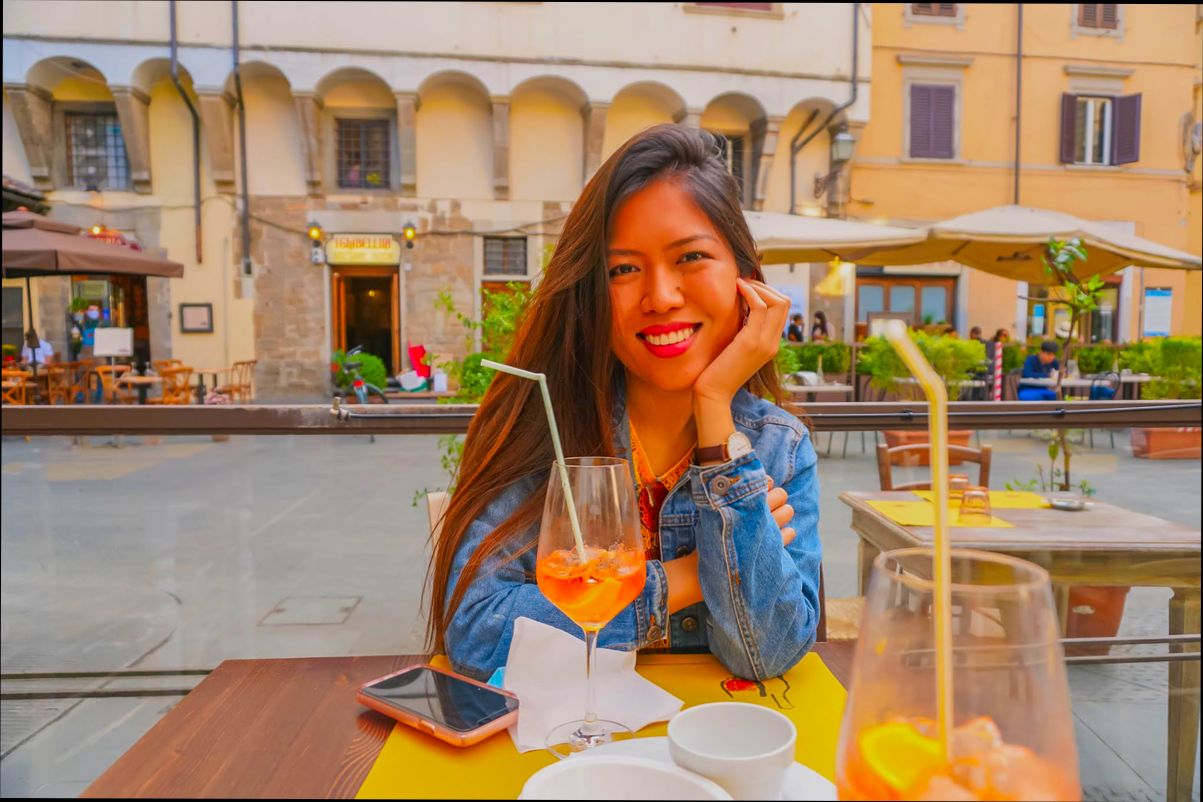
Impact of Tourism on Daily Life
Living in Florence comes with a unique blend of excitement and challenges due to the persistent flow of tourists. While tourism can enrich your daily life, it also brings about certain pressures that can be both invigorating and overwhelming. Let’s dive into how this dynamic affects everything from community interactions to local economics.
Economic Benefits and Challenges
One significant impact of tourism is its economic contribution. Here’s how it plays out:
- Job Creation: Tourism supports approximately 70,000 jobs in Florence, showcasing its immense role in the local economy. This allows many residents to find employment in various sectors such as hospitality, retail, and tour operations.
- Seasonality of Work: On the flip side, many jobs in the tourism sector are seasonal, leading to fluctuations in income for those who depend on this industry year-round.
Community Dynamics
Tourism reshapes community interaction in various ways:
- Cultural Exchange: With tourists visiting from all corners of the globe, I’ve found that there’s a beautiful cultural exchange that happens. Locals often engage in conversations with visitors, sharing stories and traditions, which can build a richer community fabric.
- Local Sentiment: However, sometimes this exchange can lead to mixed feelings. Many residents feel that the influx of tourists can overshadow local practices, diluting what makes the community unique.
Impact on Daily Activities
The everyday experience of living in Florence can also shift because of tourism:
- Crowded Spaces: Popular attractions can become overcrowded, particularly during peak tourist seasons, affecting how easily you can enjoy places like the Piazza della Signoria. This may require you to adjust your schedule to visit during off-peak hours.
- Service Availability: In high tourist seasons, local services may be stretched. For instance, restaurants might have longer wait times, and shops could be busier than usual, affecting your typical shopping or dining experience.
| Factor | Positive Impact | Negative Impact |
|---|---|---|
| Employment | Job creation with local opportunities | Seasonal work leading to income fluctuations |
| Cultural Exchange | Richer community dynamics | Potential dilution of local culture |
| Daily Activities | Opportunities for local businesses | Overcrowding affecting accessibility |
Real-World Examples
Consider the annual influx of visitors during the Pitti Immagine Uomo fashion event. Local boutiques and artisans often see a significant boost in sales, showcasing how tourism can drive economic success. However, during this time, many residents face challenges finding parking or navigating crowded streets.
Practical Implications
- Timing Visits: If you want to enjoy the quieter side of Florence, consider visiting popular spots early in the morning or late in the afternoon.
- Support Local: Engage with local businesses that cater to tourists, as this can enhance your own experience while contributing to the community’s economy.
Specific Facts
- Nearly 30% of local businesses report that tourism is their primary source of revenue, making it essential for residents to recognize its role in sustaining local economic health.
- Despite the challenges, over 60% of residents acknowledge that tourism enhances their quality of life by providing diverse cultural experiences and community events.
Understanding these impacts can help you navigate daily life in Florence more effectively, allowing you to enjoy the rich tapestry of experiences while being mindful of the challenges that come with a vibrant tourist economy.