Blog
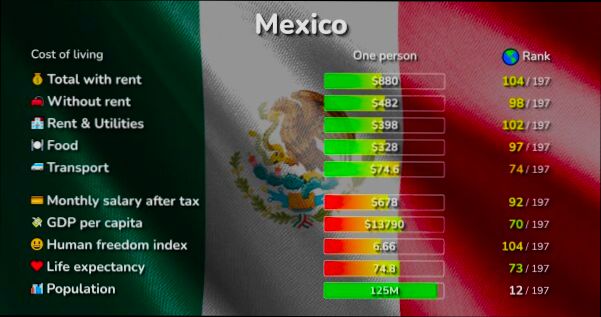
What is the Cost of Living in Mexico
What is the Cost of Living in Mexico? If you’re dreaming of sun-soaked beaches or vibrant city life, knowing how far your dollar goes can make a big difference. Picture this: you can rent a charming one-bedroom apartment in Mexico City for around $500 a month, while a similar spot in Playa del Carmen might set you back about $600. Dining out is a treat, too—enjoying a hearty meal at a local taqueria can cost you just $5, whereas a three-course dinner for two at a nice restaurant might run you about $30.
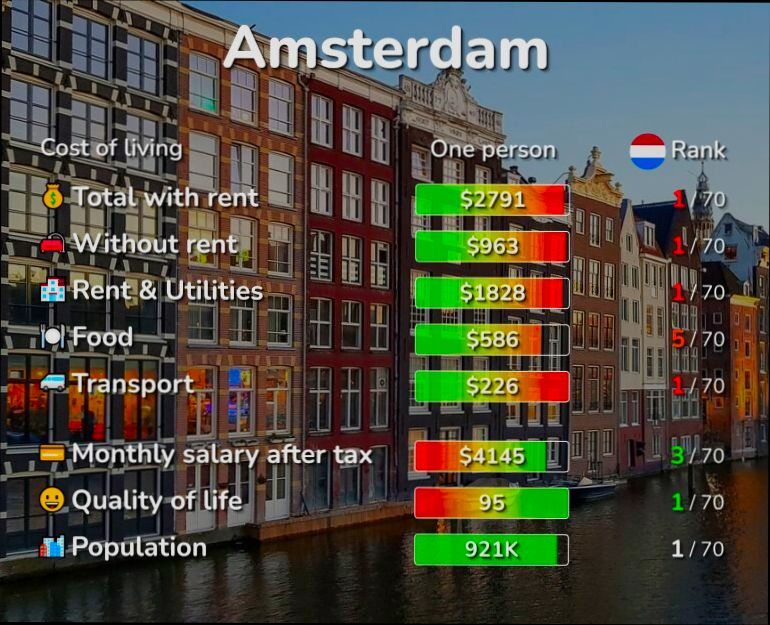
What is the Cost of Living in Netherlands
What is the Cost of Living in the Netherlands? Well, if you’re thinking about moving to or simply visiting this stunning country, you’ll want to buckle up for some real talk on your wallet. Picture this: rent in Amsterdam can easily set you back €1,500 for a modest one-bedroom apartment in the city center. Yes, you read that right! Even smaller cities like Utrecht and The Hague aren’t far behind, with decent rentals averaging around €1,200. Plus, you’ll need to factor in those tasty Dutch cheeses and stroopwafels, which can run you about €60 to €100 a month in groceries if you’re cooking at home.
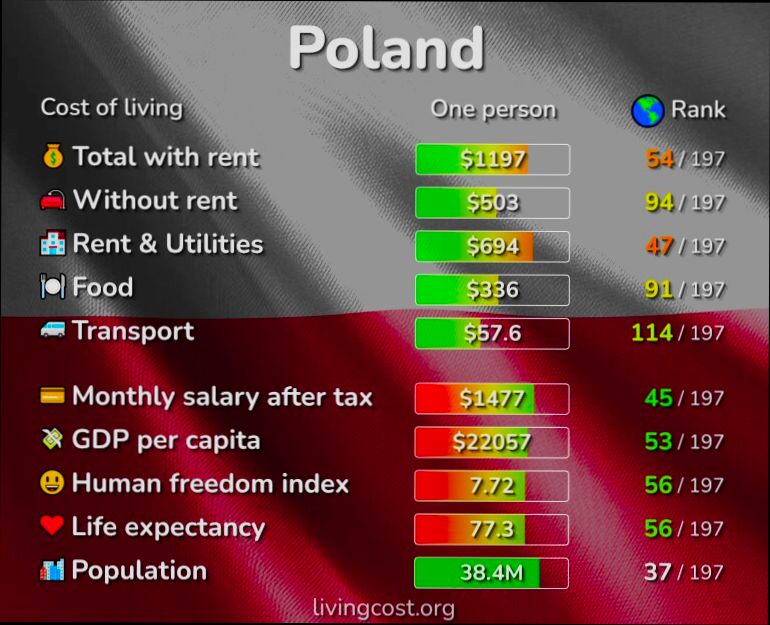
What is the Cost of Living in Poland
What is the Cost of Living in Poland? Well, let’s dive right into it! If you’re living in Warsaw, for example, you might shell out around 3,100 PLN (about $750) for a decent one-bedroom apartment in the city center. But venture a bit into the suburbs, and that price can drop to around 2,200 PLN ($520). Eating out is also a treat—grab a tasty pierogi for around 25 PLN ($6), while a meal for two at a mid-range restaurant can set you back about 150 PLN ($36).
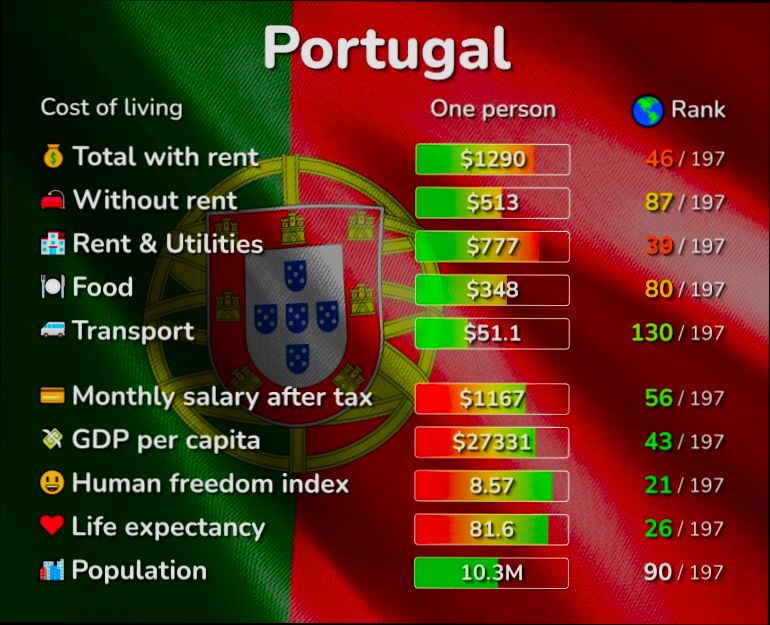
What is the Cost of Living in Portugal
What is the Cost of Living in Portugal? Well, it can be surprisingly affordable, especially when you compare it to other European hotspots. For instance, the average monthly rent for a one-bedroom apartment in Lisbon sits around €1,200, but if you venture out to places like Porto or the Algarve, you might find the same for just €600. Groceries can be a steal too; a meal at a local restaurant might only set you back about €12, and a cappuccino often costs around €1.50.
What is the Cost of Living in Romania
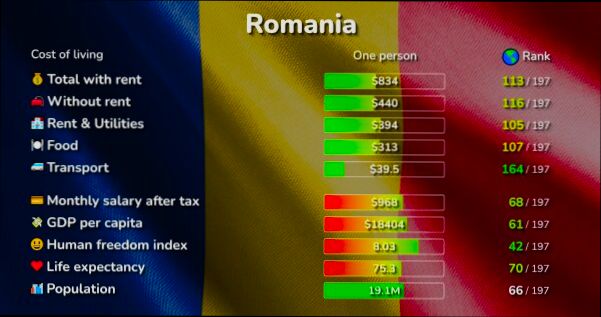
What is the Cost of Living in Romania? Let’s dive into the numbers and experiences that give you a real picture. For starters, you can rent a decent one-bedroom apartment in the city center of Bucharest for around €400, while a similar place in Cluj-Napoca might set you back about €350. And if you're on a tight budget, you can find something in a less trendy area for as low as €200. Grocery shopping is pretty wallet-friendly too—imagine snagging a homemade loaf of bread for just €0.50 or a dozen eggs for around €2.75. Dining out? You can enjoy a hearty meal at a local restaurant for about €10, which beats many spots in Western Europe.
What is the Cost of Living in Serbia
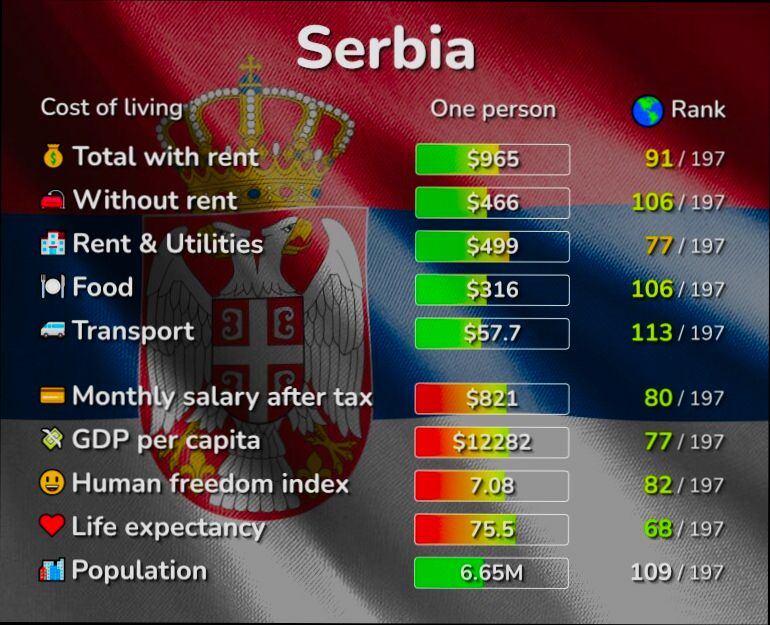
What is the cost of living in Serbia? If you find yourself dreaming of vibrant cities, rich history, and delicious cuisine—all without breaking the bank—Serbia might be your next destination. For instance, in Belgrade, you can snag a one-bedroom apartment in the city center for around $400 a month, while a hearty meal at a local restaurant might set you back just $10. Groceries are also pretty friendly on the wallet; a loaf of bread costs about 50 dinars, and a liter of milk is around 100 dinars.
What is the cost of living in Slovakia
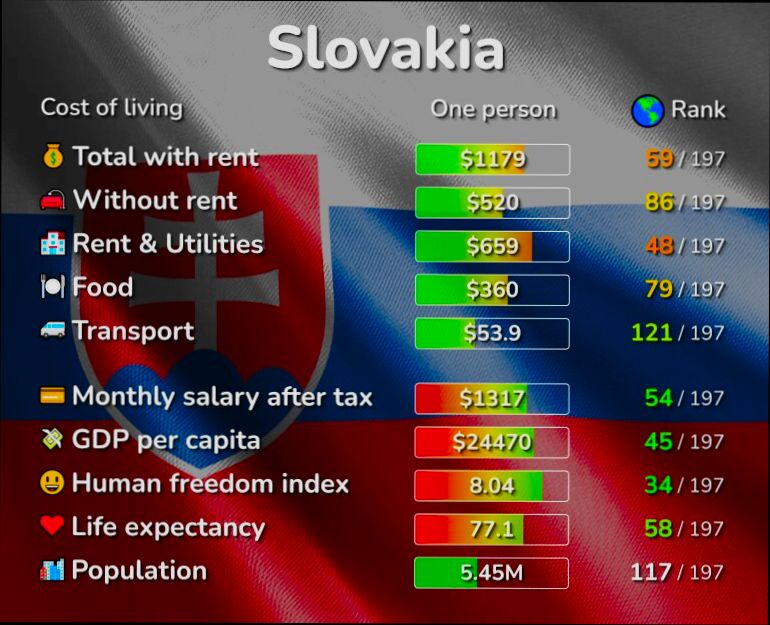
What is the cost of living in Slovakia? Well, if you're considering a move to this beautiful Central European country or just curious about what expenses to expect, you’re in for an interesting ride! Slovakia is known for its stunning landscapes, rich history, and vibrant culture, but one of the first things you’ll want to know is how much you'll need to budget to enjoy all it has to offer. From bustling cities like Bratislava to serene towns in the High Tatras, the cost of living can vary quite a bit.
What is the Cost of Living in Spain
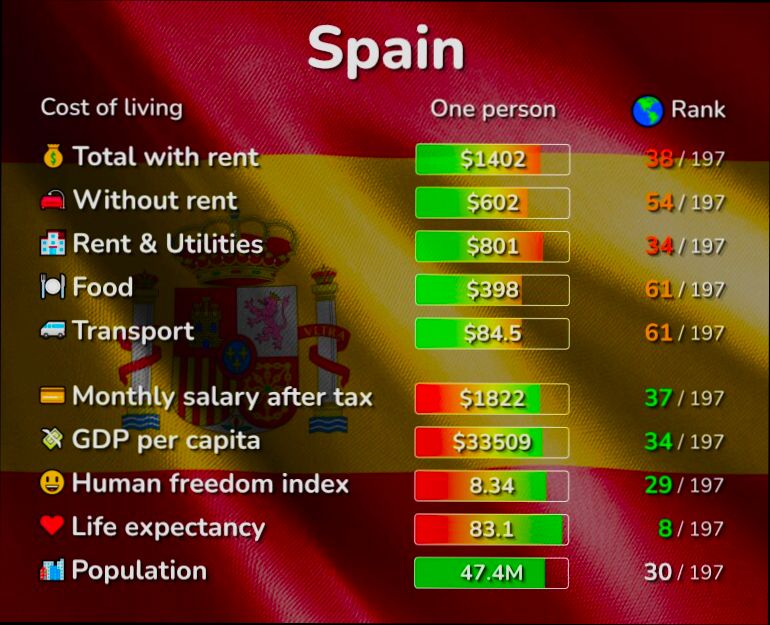
What is the Cost of Living in Spain? If you’ve ever dreamed of sipping sangria by the beach or exploring vibrant local markets, then you’re probably curious about the financial aspect of living the Spanish dream. On average, a single person can expect to spend around €800 to €1,200 per month, depending on the city and lifestyle choices. For instance, renting a cozy one-bedroom apartment in Madrid's city center might set you back about €1,200, while the same apartment in a smaller city like Valencia would cost you closer to €700.
Tags