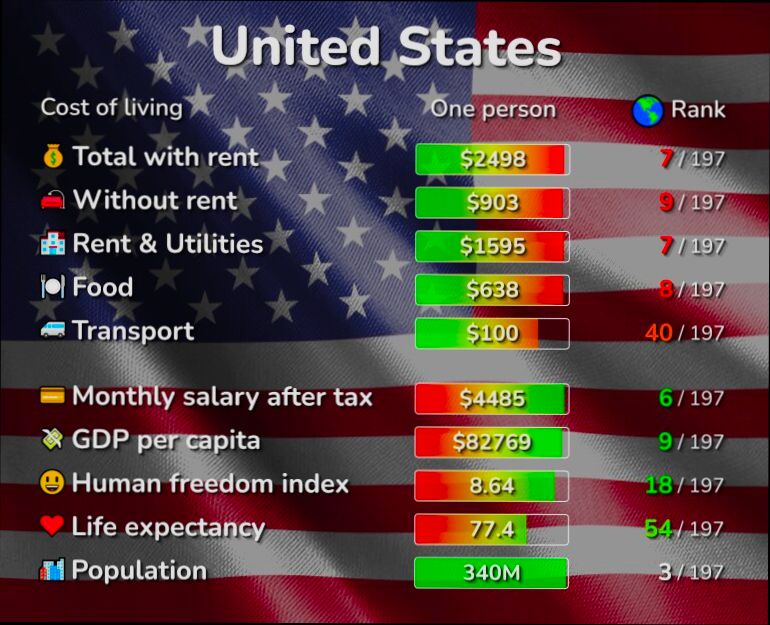
What is the Cost of Living in the United States? It can feel like a puzzle with a million pieces, and those pieces vary wildly depending on where you are. For instance, New York City is infamous for its sky-high rent, where a one-bedroom apartment can easily top $3,000 a month. Meanwhile, shift gears to a smaller town like Des Moines, Iowa, and you might find similar digs for around $1,200. Grocery prices also swing dramatically; a gallon of milk could set you back $3.50 in Chicago but only $2.75 in Atlanta. Gas prices fluctuate, too—often around $3.40 per gallon in California, compared to $2.80 in Texas.
But it’s not just about housing and groceries; healthcare costs can hit your wallet hard as well. The average family health insurance plan nudges towards $22,000 a year, depending on your employer and location. Add in utility bills, transportation, and even the little extras like eating out, and you start to realize how budgeting for life in the U.S. can get pretty tricky. Each state, and often each city, has its own quirks when it comes to these costs. What might feel affordable in one place can seem outrageous in another, making it essential to know the landscape before diving in.
Regional Variations in Living Costs
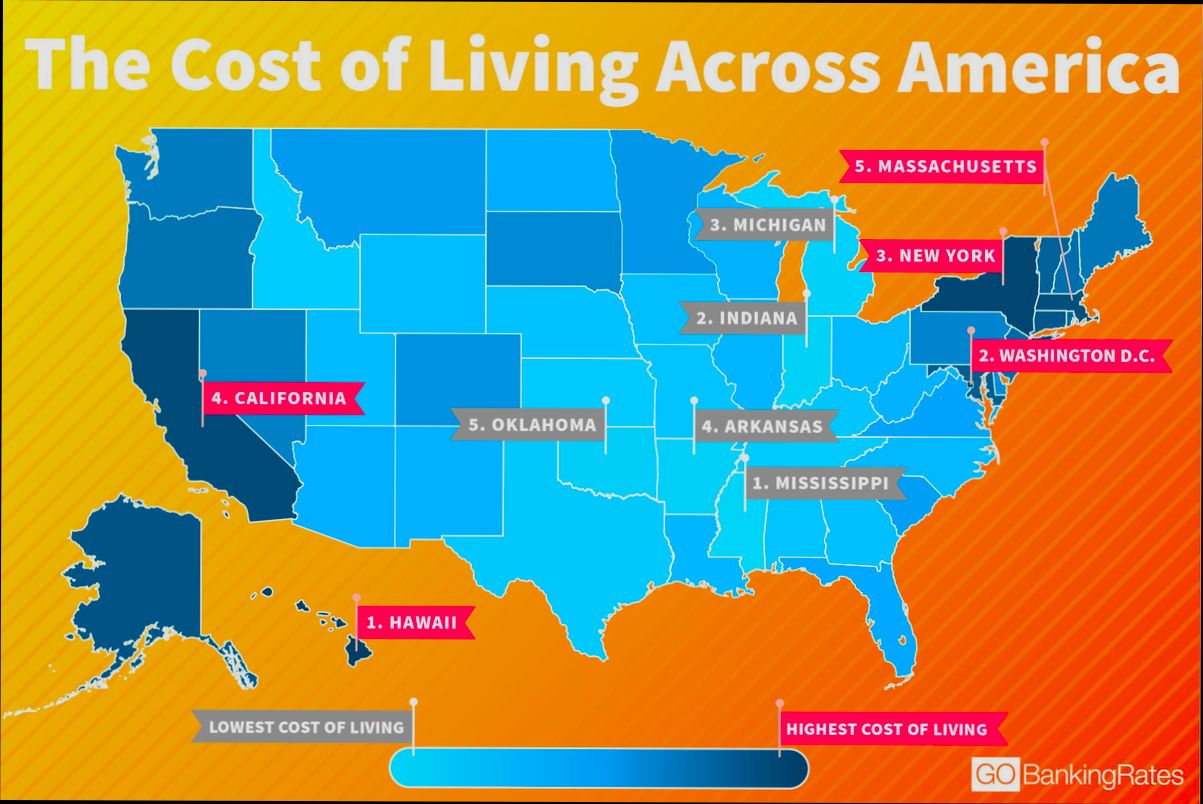
Understanding the regional variations in living costs across the United States is essential for anyone considering a move or evaluating their budget. These differences arise from various factors, including housing prices, transportation expenses, and local taxes. Let’s dive into some significant data points that highlight these costs across different regions.
Key Points on Regional Costs
- The Consumer Price Index (CPI) varies significantly by region, showing that you may pay much more or less for the same goods and services depending on where you live. For example, as of the latest data, the West has the highest CPI at 265.2, while the Midwest sits at around 257.1.
- Housing costs contribute heavily to the overall cost of living. In metropolitan areas like San Francisco, you might encounter rent prices averaging over $3,500 for a one-bedroom apartment, while a similar space in smaller cities like Oklahoma City averages around $1,200.
- Transportation is another critical variable. Residents in urban areas may rely on public transport, which can lower costs, whereas rural regions often require personal vehicles, increasing expenses significantly with gas prices averaging about $0.15 higher in remote areas compared to cities.
| Region | Average CPI | Rent for a 1-Bedroom | Transportation Costs (Monthly) |
|---|---|---|---|
| Northeast | 262.1 | $2,500 | $120 |
| Midwest | 257.1 | $1,500 | $100 |
| South | 258.0 | $1,800 | $110 |
| West | 265.2 | $3,000 | $130 |
Real-World Examples
1. In New York City, living expenses are notably high. The rent for a one-bedroom apartment can easily exceed $4,000, illustrating how densely packed urban environments can drive costs up.
2. Conversely, consider a smaller city like Indianapolis, where the average rent is around $1,300. This stark contrast shows how location dramatically affects affordability.
3. A resident in Seattle might pay $150 more monthly in public transit costs compared to someone in Atlanta due to differences in service availability and commuting patterns.
Practical Implications for Readers
If you’re moving from one region to another, take the following steps to evaluate your potential costs effectively:
- Research Local CPI: Utilize resources like the U.S. Bureau of Labor Statistics to find the CPI for your target area and compare it against your current living costs.
- Examine Housing Markets: Websites that list rentals can provide real-time data on housing options in your desired region. Always factor in whether utilities are included in those rates.
- Evaluate Transportation Needs: Consider how much you plan to spend on commuting. If you live in a metro area, gauge the viability of public transport to save on car expenses.
Living costs can dramatically fluctuate from region to region in the U.S. By staying informed and proactive, you can make smarter financial decisions that align with your lifestyle choices.
Understanding Key Expense Categories
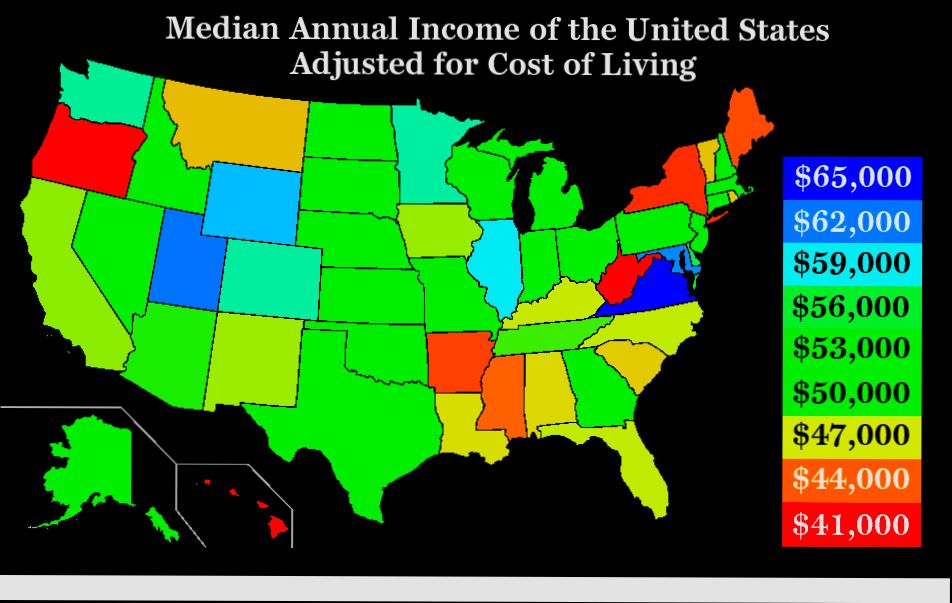
When we’re discussing the cost of living in the United States, it’s crucial to break down expenses into key categories. Understanding these categories not only helps in budgeting but also enables you to make informed financial decisions. Let’s delve into the primary expense categories that impact your overall cost of living.
Major Expense Categories
Here’s a snapshot of the key expense categories you should keep in mind:
- Housing Costs: This typically takes up the largest chunk of your monthly budget. Rent or mortgage payments, property taxes, and utilities are essential components to consider.
- Transportation: Whether you use public transport or own a vehicle, transportation costs can vary. Expenses include gas, insurance, and any public transit fees.
- Food and Groceries: Your monthly grocery bill can fluctuate widely depending on dietary habits and family size. Dining out also contributes significantly to your food expenses.
- Healthcare: Medical costs can be unpredictable and often come with out-of-pocket expenses, even if you have insurance.
- Education and Childcare: This category encompasses tuition, daycare, extracurricular activities, and other educational materials.
- Miscellaneous Expenses: This includes entertainment, clothing, and personal care products, which can also impact your budget.
Expense Breakdown Table
| Expense Category | Average Monthly Cost | Percentage of Total Budget |
|---|---|---|
| Housing | $1,500 | 30% |
| Transportation | $300 | 15% |
| Food & Groceries | $600 | 12% |
| Healthcare | $400 | 10% |
| Education/Childcare | $500 | 10% |
| Miscellaneous | $600 | 10% |
| Savings/Investments | $500 | 13% |
Real-World Examples
To illustrate these categories further, let’s look at a couple of examples:
1. Urban Living: Living in urban areas like New York City, you might find that housing costs can exceed $3,000 monthly for a modest one-bedroom apartment. With additional transportation costs averaging around $120 for monthly subway passes, these figures highlight the substantial financial obligation living in a big city entails.
2. Suburban Relocation: In more suburban areas, such as Austin, Texas, the average rent for a two-bedroom apartment might range around $1,800. Transportation can be significantly lower, averaging about $200 a month when considering ownership of a vehicle versus public transport use.
Practical Implications
Understanding these expense categories can be beneficial in several ways:
- Budgeting: Categorizing your expenses helps you set realistic budgets. Knowing which areas will take up most of your income can guide your financial planning.
- Cost Comparison: When moving or assessing job opportunities, understanding how each category will change can impact your decision-making process.
- Lifestyle Adjustments: By identifying where you can cut costs, you can make lifestyle changes that align with your financial goals.
Specific Facts and Actionable Advice
- Research indicates that housing can account for approximately 30% of your total budget, suggesting that it’s wise to monitor local rent or mortgage rates closely.
- Transportation costs can vary, so consider whether you can commute via public transport or if it’s necessary to maintain a car; this decision can lead to substantial savings.
- Regularly review and adjust your grocery spending to avoid overspending on dining out or purchasing non-essential items.
By grasping the nuances of these key expense categories, you empower yourself to manage your finances more effectively in the backdrop of living costs in the U.S.
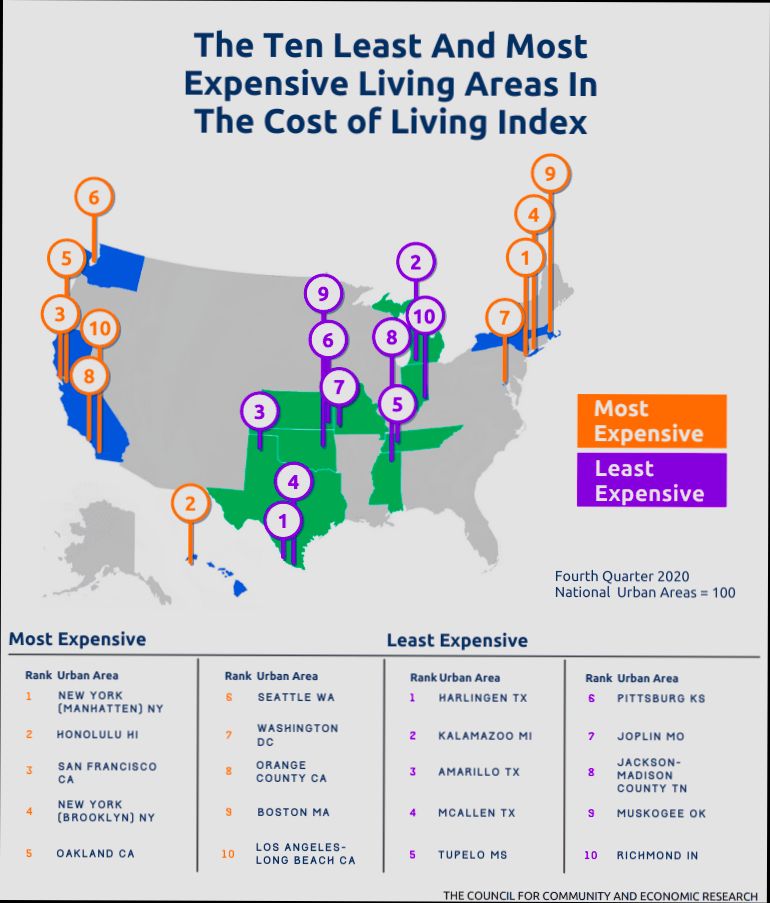
Current Statistics on Cost of Living
Understanding the current statistics on the cost of living can empower you to make informed decisions about where to live or how to budget effectively. By looking at the most recent data, we can gain insights into everyday expenses that impact our financial planning.
Key Cost of Living Statistics
Let’s dive into some significant statistics that highlight the current cost of living in the United States:
- Average Monthly Expenses: The typical American household spends around $4,500 per month, which reflects the cumulative expenses across various categories including housing, food, and transportation.
- Food Costs: On average, a family of four spends approximately $1,000 monthly on groceries. This can vary based on dietary choices and shopping habits.
- Health Care Expenditures: The average family incurs roughly $500 per month on health insurance and medical expenses. This figure can fluctuate significantly depending on insurance coverage and medical needs.
- Utility Costs: Monthly costs for utilities, including electricity, heating, water, and garbage, average about $300, which can further vary by region and home size.
Breakdown of Monthly Expenses
Here’s a practical breakdown of how important expenses stack up for the average U.S. household:
| Category | Average Monthly Cost |
|---|---|
| Housing | $1,500 |
| Food | $1,000 |
| Transportation | $600 |
| Healthcare | $500 |
| Utilities | $300 |
Real-World Examples
To illustrate these statistics, let’s look at a few real-life scenarios:
- A family living in a suburban area might find their food costs are lower than families in major cities due to the cost of fresh produce and groceries. This could mean spending about $800 instead of the average $1,000, allowing for more savings or discretionary spending.
- Another example involves a couple in a city center, where housing costs can soar to over $2,500 monthly for a one-bedroom apartment, highlighting the importance of location in calculating living costs.
- In contrast, a growing trend shows that families seeking employment and affordable living may relocate to smaller towns or cities, where their overall living expenses can decrease by about 20-30% compared to high-cost urban centers.
Practical Implications
Being aware of these statistics allows you to tailor your budget effectively. Here are some actionable insights:
- Regularly track your monthly expenses to identify areas for potential savings, especially in food or utility bills.
- Consider health care plans that could save you significantly over time, especially as medical expenses can impact your budget substantially.
- If you’re contemplating a move, examine local living costs, as relocating to a less expensive area can often enhance your overall quality of life.
Actionable Facts
- Aim to allocate no more than 30% of your income towards housing to maintain financial health.
- Track grocery prices and use coupons to potentially reduce food costs by 10-15% each month.
- Review utility providers to find competitive rates, which can help you save upwards of 20% on monthly bills.
By keeping these statistics and insights in mind, you can navigate the complexities of the cost of living with greater confidence and ease.
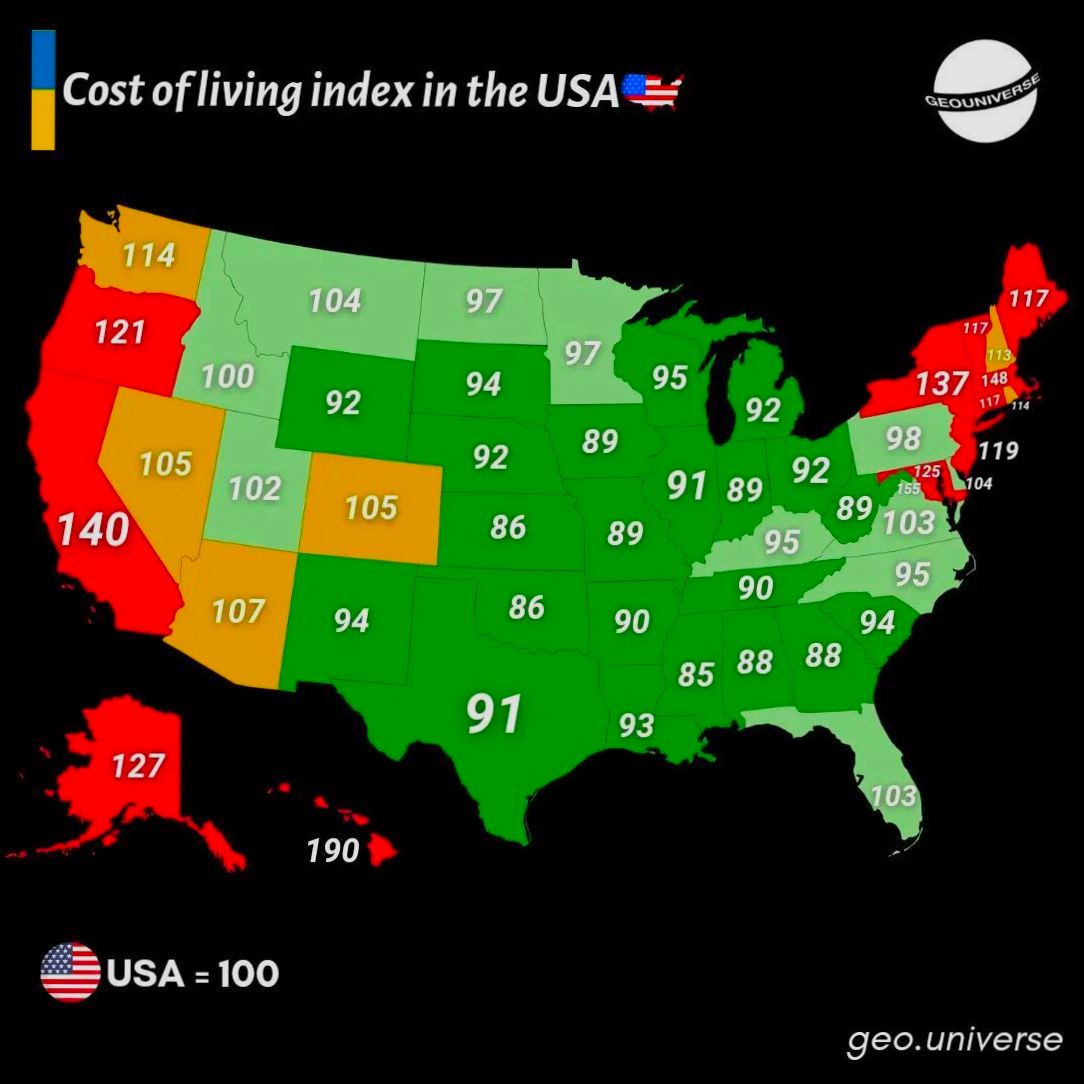
Impact of Inflation on Daily Expenses
Inflation plays a significant role in shaping our daily expenses, affecting everything from groceries to transportation costs. As prices increase, we often find ourselves adjusting our budgets to accommodate these changes, making it crucial to understand how inflation impacts your wallet.
Key Points on Inflation’s Impact
- Grocery Bills Surge: A study indicated that food prices have risen, with the cost of essential items increasing by an average of 8% over the past year. This means the average household could see their monthly grocery bill jump from $400 to about $432.
- Transportation Costs: As gas prices continue to climb, commuting expenses can also add up. For example, if gas prices increase by just 10%, a commuter might spend an additional $20 per month, making public transportation or carpooling more appealing options.
- Housing Costs: Increased inflation directly affects rent. When landlords face higher property taxes and maintenance costs, they often pass these expenses onto tenants. For instance, a rise in rental prices by 5% can result in a $100 increase in your monthly payments if you’re renting a $2,000 apartment.
| Expense Category | Current Average Cost | Estimated Cost After 8% Inflation |
|---|---|---|
| Grocery Bill | $400 | $432 |
| Gas Prices (per gallon) | $3.50 | $3.78 |
| Monthly Rent | $2,000 | $2,100 |
Real-World Examples
Consider the case of a young professional living in an urban area. With the inflation rate affecting dining out, they might notice a meal at their favorite restaurant increased from $15 to $18. This seemingly small difference means they could pay an extra $60 over a month if they eat out once a week.
Another example is a family budgeting for vacations. If airfare sees a 5% inflation rise, a $300 round-trip ticket could cost them an additional $15, prompting them to re-evaluate their travel plans or look for cheaper alternatives.
Practical Implications
Staying informed about how inflation affects daily expenses can empower you to make more strategic financial decisions. Here are some actionable insights:
- Monitor and adjust your budget regularly to account for rising prices, especially in food and transportation.
- Consider bulk buying for non-perishable goods to mitigate the effects of rising grocery costs.
- Use apps to compare gas prices before filling up to ensure you’re getting the best deal.
Specific Facts and Advice
- Pay attention to local inflation rates; they can vary significantly depending on your region. Staying updated will help you anticipate changes in your expenses.
- Engage in smarter shopping habits, like using coupons or waiting for sales, as underinflationary conditions might affect promotions and discounts.
- Regularly evaluate your primary expenses; a few adjustments here and there can help cushion the impact of inflation, ensuring you’re living within your means despite rising costs.
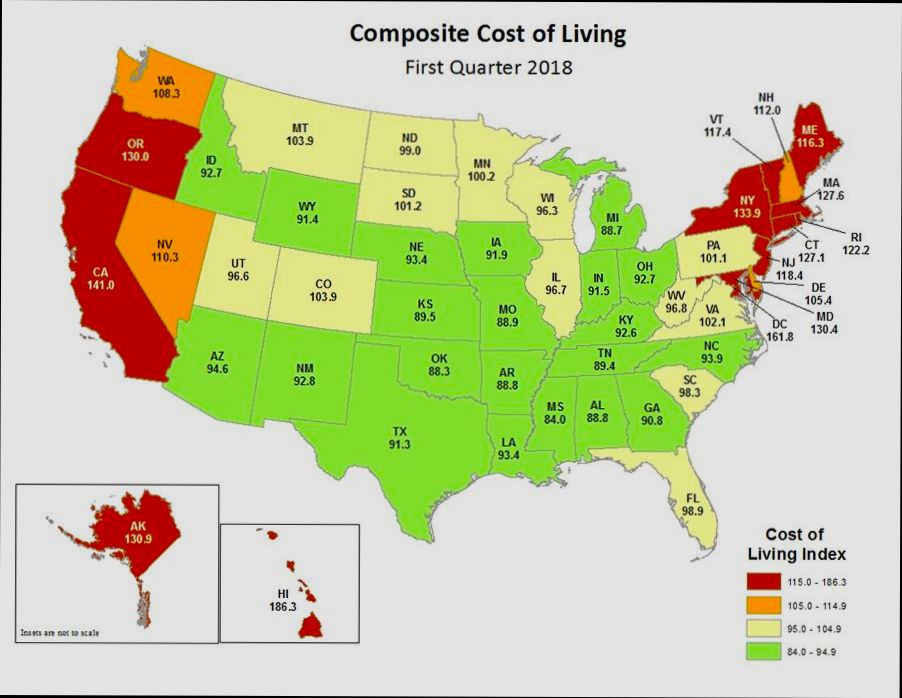
Practical Tips for Managing Expenses
Managing expenses can feel overwhelming, especially with the diverse costs of living across the United States. However, there are effective strategies you can employ to keep your budget in check while still enjoying a comfortable lifestyle.
Track Your Spending
One of the most powerful steps you can take is to track your spending meticulously. Use apps or spreadsheets to categorize your expenses and review them monthly. Studies show that households that track their spending can reduce their expenses by about 10-15% simply by being aware of where their money goes.
Create a Budget
Developing a budget tailored to your income and essential expenses is crucial. A practical budget usually follows the 50/30/20 rule: 50% for needs, 30% for wants, and 20% for savings. Adhering to this framework not only gives you clearer insights but can also help in identifying areas where you can cut back.
Negotiate Bills
Don’t underestimate the power of negotiation! Many service providers, including cable and internet companies, are willing to lower your bills if you ask. Research shows that consumers can save an average of 20-30% on monthly bills through simple negotiations or by bundling services.
Shop Smart
Being a savvy shopper can make a significant difference in your overall expenses. Plan your grocery trips around sales and use digital coupons. Studies suggest that families can save up to 25% on groceries by using loyalty cards and creating meal plans based on what’s on sale.
| Expense Category | Average Monthly Cost | Potential Savings with Smart Shopping |
|---|---|---|
| Groceries | $400 | $100 (25% Savings) |
| Utility Bills | $200 | $60 (30% Savings) |
| Transportation | $300 | $90 (30% Savings) |
Utilize Public Resources
Don’t overlook community resources that can help you manage expenses. Local food banks, community centers, and libraries offer free or low-cost services that can ease your financial burden. For instance, utilizing a local library can save you about $100/year on book purchases.
Evaluate Subscription Services
Regularly assess the subscription services you use. The average American spends about $237 monthly on subscriptions, with many individuals not fully utilizing these services. Canceling just one or two that you rarely use can lead to significant savings over time.
Real-World Example: The Smith Family
The Smith family took a closer look at their utility expenses and discovered they were paying an extra $60 monthly due to outdated cable services. After negotiating a better rate and bundling their services, they not only saved that $60 but also gained additional channels, improving their viewing experience without sacrificing their budget.
By implementing these strategies, you can take control of your finances and adapt to the varying costs of living in the U.S. Each small change accumulates over time, allowing you to allocate your resources more efficiently.
Actionable Tips
- Set aside 30 minutes each week to track and evaluate your spending.
- Use budgeting apps like Mint or YNAB to simplify the process.
- Contact at least two service providers this month to negotiate your bills.
Making these practical adjustments can lead to significant savings and help you manage your expenses more effectively.
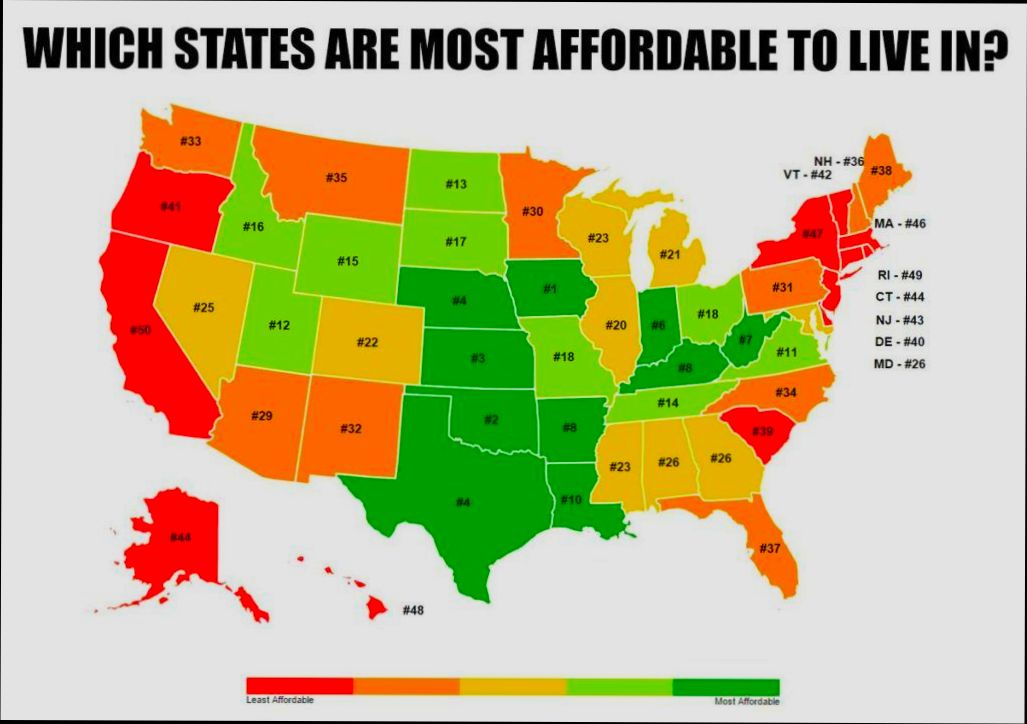
Advantages of Living in Affordable Areas
Living in affordable areas offers numerous perks that can significantly enhance your quality of life while also easing the financial burden. Many Americans are feeling the pressure of rising housing costs, as indicated by a recent Pew Research Center survey where 69% of participants expressed significant concern about housing affordability. In contrast, choosing to reside in more affordable regions not only alleviates financial stress but can also improve overall well-being.
Key Benefits of Affordable Living Areas
1. Lower Housing Expenses: By moving to an affordable area, you can reduce your housing costs, which often comprise the largest portion of your budget. In fact, in 2023, 31.3% of American households were cost burdened, meaning they spent over 30% of their income on housing. Living in less expensive locations allows you to avoid these stresses.
2. Increased Disposable Income: When you spend less on housing, you can allocate more of your income to other crucial areas like savings, healthcare, and education. This could mean more financial freedom and the ability to enjoy life in ways that might otherwise be out of reach.
3. Community Benefits: Affordable areas often boast close-knit communities, where you can develop meaningful relationships with neighbors. This sense of community can enhance your social life and provide a support network that contributes to increased happiness and stability.
4. Better Work-Life Balance: Reduced living costs correlate to lower stress levels, offering you the time and freedom to focus on pursuits beyond work. This improved work-life balance can translate to better mental health, giving you more time for hobbies and family.
Comparative Housing Costs Table
| Area Type | Average Rent for a 1-Bedroom | Percentage of Households Cost Burdened |
|---|---|---|
| Affordable Areas | $1,200 | 25% |
| Major Metropolitan Areas | $2,500 | 50% |
Real-World Examples
Take the case of two friends, Lisa and Mark. Lisa lives in an affordable area where she pays $1,000 for rent, while Mark resides in a major metropolitan city paying $2,500. Both earn $60,000 annually. While Lisa only spends 20% of her income on housing, Mark spends a staggering 50%. As a result, Lisa has more disposable income to travel, save for retirement, and enjoy leisure activities, while Mark often struggles to make ends meet, highlighting the stark contrast in their experiences and financial freedoms.
Practical Implications
For those considering a move, opting for affordable living areas can have profound benefits. If you are experiencing financial strain from housing costs, research various regions where living costs are lower. Local economies can thrive in more affordable areas, with many offering jobs in growing industries without the urban price tag.
- Explore Suburban or Rural Options: Many suburbs or rural areas provide a lower cost of living without sacrificing essential amenities.
- Consider Remote Work: With the rise of remote jobs, you may have the flexibility to choose where to live while maintaining your income.
Living in affordable areas can lead to a fulfilling and less stressful lifestyle, offering not only financial relief but also a community-centered way of life.
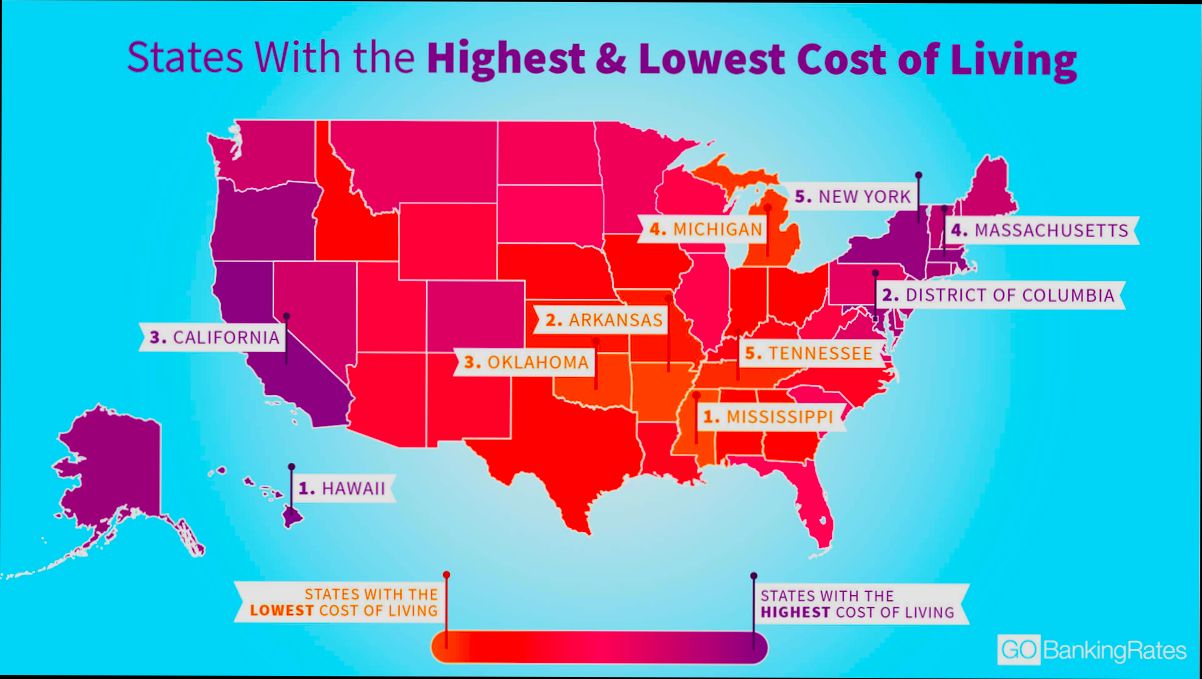
Comparative Analysis of Urban and Rural Costs
When it comes to evaluating the cost of living, the stark differences between urban and rural environments play a crucial role. In this section, I’ll take you through some eye-opening statistics that underscore how living expenses differ based on where you choose to call home.
Key Insights on Urban vs. Rural Costs
1. Housing: The median home cost in urban areas like New York City is significantly higher—about 72% more—compared to rural counterparts like Livin. Such a discrepancy can affect monthly budgets drastically.
2. Income Levels: The earnings potential is generally more robust in urban areas. While the median household income in rural areas is approximately 4% lower than in urban settings, this can be misleading because urban areas often experience higher costs, leading to a greater percentage of families living under the poverty line by roughly 3%.
3. Utilities and Services: Residents in rural areas often face lower utility costs, yet they may have less access to competitive service providers. Conversely, urban dwellers might pay more for their utilities, but they also benefit from a wider array of choices and service options.
4. Transportation: Urban areas typically offer better public transportation options that can mitigate commuting costs. However, rural residents often rely on personal vehicles, leading to potentially higher transportation costs.
| Cost Category | Urban Areas (New York City) | Rural Areas (Livin) |
|---|---|---|
| Median Home Cost | $1,000,000 | $580,000 |
| Average Monthly Utilities | $250 | $150 |
| Transportation (Monthly) | $120 | $200 |
| Median Household Income | $80,000 | $76,800 |
Real-World Examples
Consider a family living in New York City. They might enjoy access to vibrant cultural events, restaurants, and career opportunities, yet they’re also paying drastically more for housing and utilities than a family living in the countryside. In contrast, the rural family may spend less on home costs but may face higher transportation expenses, especially if they need to travel long distances for work or services.
Also, the landscape of job opportunities in urban areas is much broader. For instance, tech companies often set up in cities, offering lucrative positions unavailable in rural settings. This disparity in employment opportunities can be pivotal when deciding where to live.
Practical Implications for Residents
When choosing between urban and rural living, consider these actionable insights:
- Budget Wisely: Assess your monthly expenses, especially housing, utilities, and transportation. Create a budget that reflects the local cost of living in your desired area.
- Income Mapping: Research potential job salaries in your field within different environments. The higher earning potential in urban areas might balance out the increased living costs.
- Visit Local Services: If you’re considering rural living, visit local utility providers and services to compare rates and availability. You might find a better deal than you anticipated.
Actionable Facts
Urban living often comes with a premium, especially in housing costs. However, the access to diverse job opportunities and amenities can justify this expense for many. Conversely, opting for a rural lifestyle can provide financial benefits but may come with trade-offs in access to jobs and services. It’s essential to weigh these factors according to your personal and financial goals.