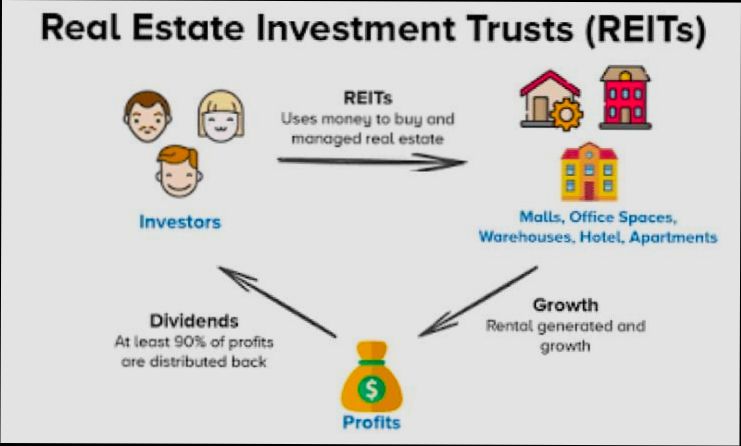
How to Invest in Real Estate Through REITs can feel a bit daunting at first, but let’s simplify it. Real Estate Investment Trusts (REITs) offer everyday investors a chance to dip their toes into the real estate market without having to buy a property outright. For example, as of 2023, the average annual return of publicly traded REITs has been around 9-10%, easily rivaling more traditional investments like stocks and bonds. Picture this: You can invest in a company that holds a portfolio of various real estate assets—like commercial properties, apartments, or even timberlands—without needing to worry about managing or maintaining those assets yourself.
Think about it: REITs are traded on major exchanges, just like stocks, which means they offer liquidity that direct real estate investments typically lack. Last year, one of the largest REITs, American Tower Corporation, reported a whopping $9 billion in revenue, highlighting the potential profitability of this investment route. Plus, REITs are legally required to distribute at least 90% of their taxable income to shareholders in the form of dividends, making them an attractive option for income-seeking investors. By selecting the right REIT, you could earn regular cash flow while benefiting from the long-term appreciation of real estate.
Understanding the Basics of REITs
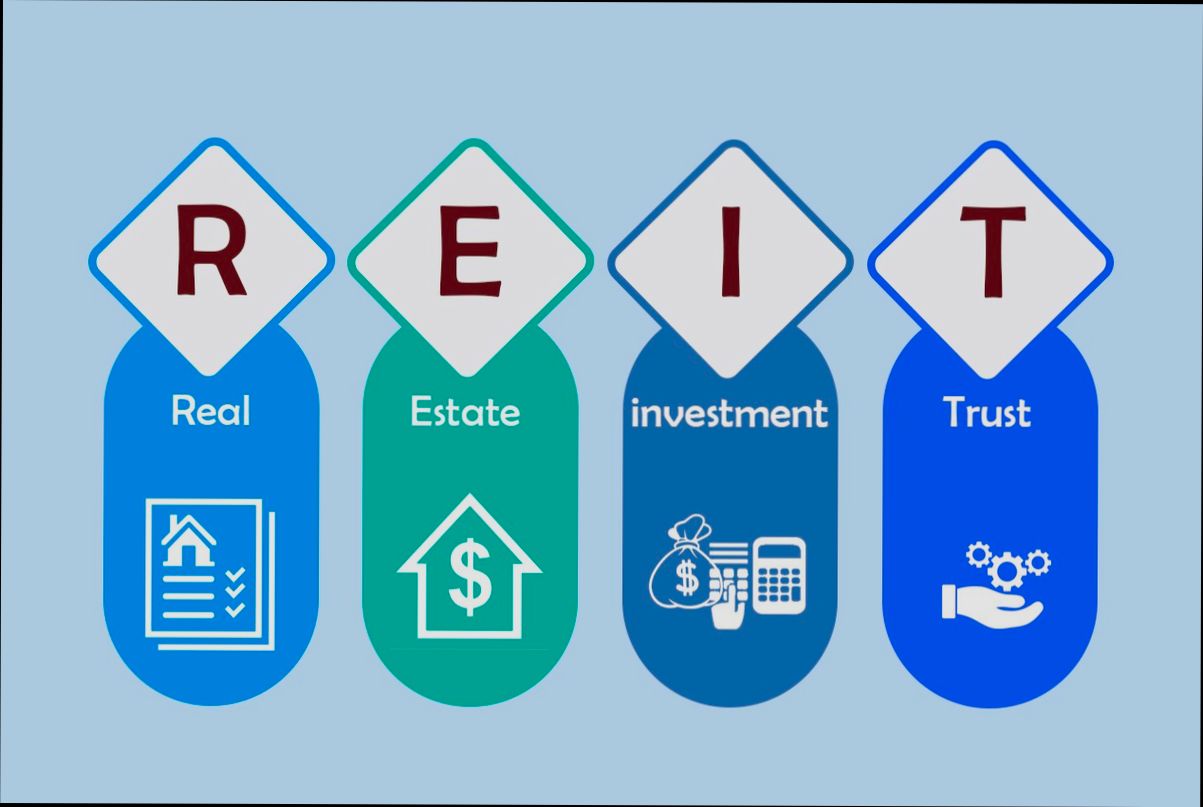
Real Estate Investment Trusts, or REITs, provide an accessible route for investors to profit from real estate without the need to directly own properties. These companies own, operate, or finance income-producing real estate, and they offer a unique investment vehicle in the financial landscape. Let’s explore what makes REITs essential for understanding real estate investment.
Key Characteristics of REITs
To appreciate REITs fully, consider these fundamental aspects:
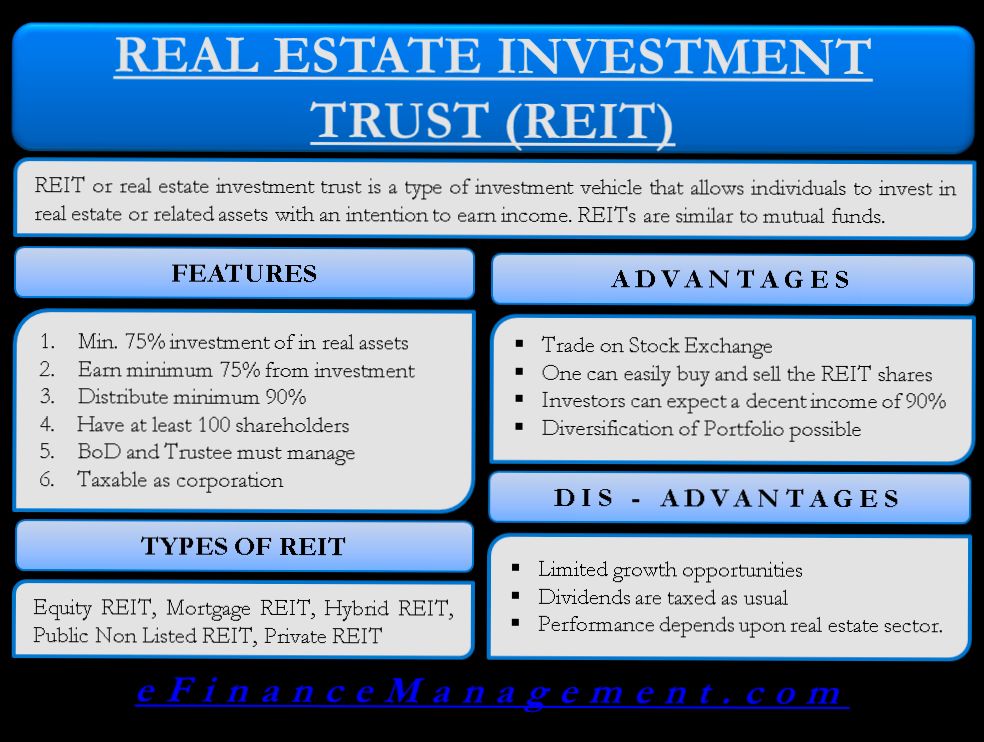
- Dividend Requirement: REITs must distribute at least 90% of their taxable income as dividends to shareholders, making them a popular choice for income-seeking investors.
- Income Sources: They must derive at least 95% of their gross income from real estate-related activities, which helps maintain their status and tax advantages.
- Ownership Restrictions: No more than 50% of RIEIT shares can be held by five or fewer individuals to ensure a diverse ownership structure.
Key Requirements for REITs
Understanding the requirements that REITs must meet will better inform your investment decisions. Here are some essential criteria:
| Requirement | Specification |
|---|---|
| Minimum Dividend Payout | 90% of taxable income |
| Income Ratio | At least 95% from real estate sources |
| Shareholder Structure | No more than 50% held by five or fewer individuals |
| Asset Allocation | No more than 25% in non-qualifying securities |
Real-World Example of REIT Operations
Consider a REIT that purchases a building valued at $1 million. According to accounting rules, this REIT must account for depreciation over time. If the property depreciates $500,000 over 10 years, the remaining book value that informs financial decisions is $500,000. This figure is critical as it influences cash flow calculations and reflects the property’s market performance.
Practical Implications of Understanding REITs
Grasping the basics of REITs helps investors analyze potential income and assess the overall value of their investments. As you consider investing in REITs:
- Focus on Income: Keep the dividend payout requirement in mind. High dividends may indicate a REIT’s profitability and operational efficiency.
- Analyze Income Sources: Investigate how much income is derived from real estate versus other income sources to gauge risk levels.
- Track Shareholder Composition: Understanding the ownership structure helps assess the REIT’s governance and potential influence from major stakeholders.
Actionable Insights on REITs
As you delve deeper into the world of REITs, remember that evaluating these investment vehicles requires a keen eye. Look for REITs that consistently meet their dividend obligations and balance their income between different properties. By aligning your investment strategy with these insights, you can better position yourself to profit from the real estate sector through REITs.

Evaluating REIT Performance Metrics
When investing in Real Estate Investment Trusts (REITs), evaluating performance metrics is crucial for making informed decisions. Understanding how to assess these metrics can help you gauge the health and potential profitability of a REIT.
Key Performance Metrics to Consider
There are several critical performance metrics that investors should evaluate when analyzing REITs:
- Funds from Operations (FFO): This metric provides insight into the cash generated by the REIT’s operations and excludes gains or losses on property sales. A strong FFO indicates robust operational performance, and a typical benchmark for a healthy REIT is an FFO growth of 5-10% annually.
- Adjusted Funds from Operations (AFFO): AFFO further refines FFO by deducting capital expenditures necessary to maintain properties. This metric often provides a clearer picture of the cash available for dividends, with many investors seeking a ratio of AFFO payout that ideally stays below 80%.
- Net Asset Value (NAV): NAV represents the estimated value of a REIT’s properties minus its liabilities. Comparing a REIT’s stock price to its NAV can reveal if it’s undervalued or overpriced; a common rule of thumb is that a REIT is considered attractive if trading below its NAV by 10-15%.
- Debt-to-Equity Ratio: This ratio evaluates a REIT’s financial leverage. A lower ratio, typically below 1.0, suggests less risk; however, some sectors operate effectively with ratios between 1.0 and 1.5, depending on their income stability and business model.
Comparative Metrics Table
| Metric | Example Value for Company A | Example Value for Company B |
|---|---|---|
| FFO Growth Rate | 8% | 5% |
| AFFO Payout Ratio | 75% | 85% |
| NAV Discount | 12% | 4% |
| Debt-to-Equity Ratio | 0.9 | 1.4 |
Real-World Examples
Consider REIT Company A, which has shown remarkable performance with an FFO growth rate of 8% and an AFFO payout ratio of 75%. This indicates not only a healthy operational performance but also a prudent approach to dividend distribution. In contrast, Company B, while stable, has a higher AFFO payout ratio of 85%, which might raise concerns about its capacity to sustain future dividend increases.
Practical Implications for Readers
When evaluating REITs, I encourage you to dig deep into FFO and AFFO metrics, as these provide insights into the REIT’s profitability and cash flow sustainability. A balanced approach in examining the debt-to-equity ratio will reveal the financial risk associated with the investment, helping you align with your risk tolerance.
Consider tools and resources that summarize these metrics, such as financial news websites or REIT-specific analysis platforms, to enhance your understanding. Regularly tracking these performance metrics can alert you to changes in operational efficiency or market positioning, prompting timely investment decisions.
Actionable Advice
As you evaluate REIT performance, strive to:
- Compare FFO and AFFO growth rates within the same property sector to understand relative strength.
- Look for REITs with an AFFO payout ratio under 80% while assessing their ability to reinvest cash for growth.
- Monitor NAV regularly against market prices to identify potential buying opportunities if a REIT trades at a notable discount.
Key Benefits of Investing in REITs
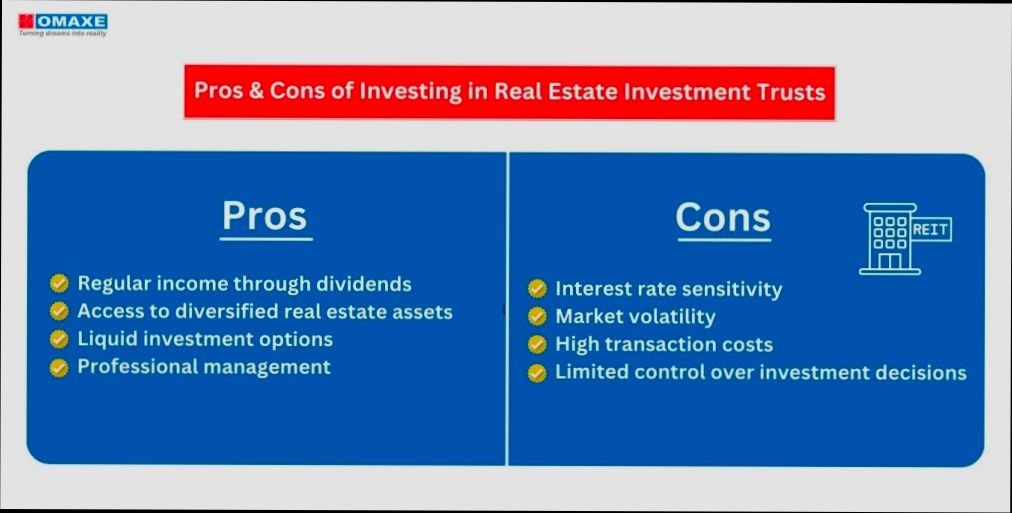
Investing in Real Estate Investment Trusts (REITs) presents a wealth of advantages that can enhance your financial portfolio. By offering exposure to real estate markets, REITs allow you to enjoy various benefits ranging from passive income to portfolio diversification.
High Dividend Yields
One of the most attractive benefits of investing in REITs is their potential for high dividend yields. For instance, some REITs, like the KBW Premium Yield Equity REIT (KBWY), boast impressive yields of 9.7%. This is significantly higher compared to traditional stocks and bonds, making REITs a preferred choice for income-seeking investors.
Liquidity and Affordability
Investing in REITs is much more affordable and liquid than directly purchasing properties. You can begin investing with as little as $100, depending on the specific REIT. Moreover, since shares of REITs are traded on major stock exchanges, you can easily buy and sell them, providing you with quick access to your funds without the lengthy processes associated with physical real estate transactions.
| Feature | REITs | Traditional Real Estate |
|---|---|---|
| Initial Investment | Starts at $100 | Typically in the thousands |
| Liquidity | High (traded on exchanges) | Low (difficult to sell) |
| Dividend Payout | Often monthly | Irregular |
| Management | Professionally managed | Owner-managed |
Diversification Benefits
REITs facilitate portfolio diversification by allowing you to invest in a broad array of properties without the significant capital outlay normally required for real estate. As noted, you can invest indirectly in various sectors like shopping malls, office buildings, or even specialized facilities like data centers. This diversification helps spread risk and can lead to more stable returns.
Inflation Protection
Real estate investments, including REITs, often serve as a natural hedge against inflation. As inflation rises, so tend to property values and rental income. This means that REIT dividends can increase over time as the underlying properties appreciate, thereby helping you preserve your purchasing power.
Regular Income Stream
Investing in REITs also provides you with a steady income stream through regular dividend payouts. Many REITs distribute dividends monthly, which can be especially beneficial for retirees or those seeking consistent passive income. For example, IRM has a current dividend yield of 4.3%, offering a reliable payout to its investors.
Real-World Case Studies
Consider the industrial REIT sector, which has recently seen robust growth due to the rise of e-commerce. Companies like Prologis have successfully capitalized on this trend, boasting strong financials and consistent dividend growth. The growing demand for warehouse spaces positions such REITs for long-term success and stability in dividend payouts.
Additionally, Healthpeak Properties focuses on life science and medical office real estate, showing resilience and growth potential. The shift toward healthcare investments has provided them considerable market strength, offering investors not only dividends but also growth.
Actionable Insights
- Look for REITs with consistent dividend histories and strong fundamentals. Evaluate their dividend yield compared to industry norms to find the best options.
- Consider diversifying across different types of REITs to spread your risk—whether through equity, mortgage, or hybrid REITs.
- Regularly monitor market conditions and trends to capitalize on inflation protections offered by real estate investments.
Investing in REITs can be a compelling way to gain exposure to real estate while reaping the rewards of income and growth potential.

Real-World Examples of Successful REIT Investments
When it comes to investing in real estate through REITs, examining successful real-world examples can provide invaluable insights. These examples not only highlight potential strategies but also showcase how investors can benefit from diverse sectors within the REIT market.
Key Performance Instances
Several REITs stand out due to their exceptional performance and innovative strategies:
- Public Storage (PSA): This self-storage REIT has consistently delivered high returns, boasting a 17% annualized total return over the past decade. It capitalized on the growing demand for storage solutions, particularly in urban areas.
- Prologis (PLD): Focused on logistics and industrial spaces, Prologis has achieved a remarkable 20% average annual return since 2011. Its strategic positioning near major distribution centers and its focus on e-commerce has driven growth substantially.
- Equinix (EQIX): This data center REIT has shown its resilience through technology adoption, with a 15% CAGR (compound annual growth rate) over the last five years. As cloud computing and digital infrastructures persist in demand, Equinix has positioned itself as a leader in this niche.
Comparative Performance Table
| REIT Name | Sector | Annualized Return (Last 10 Years) | Market Focus |
|---|---|---|---|
| Public Storage | Self-storage | 17% | Urban areas |
| Prologis | Logistics/Industrial | 20% | E-commerce distribution |
| Equinix | Data Centers | 15% | Technology sector |
Case Studies of Successful Investments
1. Realty Income Corporation (O): Known as “The Monthly Dividend Company,” Realty Income focuses on freestanding retail and commercial properties. It has increased dividends for over 25 years straight, providing a strong annual return of around 4.5%. Their focus on long-term leases with reliable tenants enhances stability and revenue predictability.
2. AvalonBay Communities (AVB): A multifamily residential REIT, AvalonBay has exemplified success through its well-timed acquisitions and developments. Over the past decade, the REIT has experienced a total return of approximately 15% annually, benefiting from increasing demand for rental housing in key metropolitan markets.
3. Simon Property Group (SPG): As the largest retail REIT, Simon has adapted to changing consumer behaviors by investing in mixed-use properties. Their strategic partnerships and redevelopment initiatives have allowed SPG to maintain a robust total return of about 11% over the last decade.
Practical Implications for Investors
Understanding these successful examples can provide key takeaways for your investment strategy:
- Diversification is Crucial: Investing across various sectors such as self-storage, logistics, and data centers allows you to mitigate risks while capitalizing on sector-specific growth opportunities.
- Focus on Long-Term Trends: Identifying market trends, like the demand for e-commerce logistics or urban housing, can guide investment selections toward high-growth REITs.
- Consider Dividend Consistency: Look for REITs with a strong track record of consistent or growing dividends; this reliability can enhance your income stream and signal financial health.
By scrutinizing these successful REIT investments, you can better position yourself in the market and make informed decisions that align with your financial goals.

Navigating Market Trends in Real Estate
Understanding market trends is essential for anyone looking to invest in real estate through REITs. By keeping a pulse on these trends, you can make informed decisions that align with economic conditions and investor sentiment.
Current Market Trends to Watch
As we navigate the real estate landscape, several key trends can significantly impact your investment strategy:
- Rising Interest Rates: As of late 2023, interest rates have surged, influencing borrowing costs and home affordability. Higher rates often lead to reduced demand for residential purchases, which may affect residential REITs focused on single-family homes.
- Urban vs. Suburban Shift: The pandemic has prompted a notable migration to suburban areas, boosting demand for properties outside city centers. As trends evolve, suburban-focused REITs may offer unique growth opportunities, especially as more people seek spacious living arrangements.
- Technology Integration: The adoption of technology in real estate—particularly in property management and tenant engagement—is reshaping how properties are valued and managed. REITs embracing tech solutions may outperform their peers by enhancing operational efficiency and tenant satisfaction.
| Market Trend | Impact on REITs | Notable Statistics |
|---|---|---|
| Increasing interest rates | Higher borrowing costs could dampen residential demand | 3.25% average increase of mortgage rates |
Migration to suburbs | Bolstered demand for suburban properties | 40% increase in suburban leasing | | Technology adoption | Enhanced efficiency in property management | 25% increase in tenant satisfaction |
Real-World Examples of Market Trends in Action
Let’s look at how these trends have played out recently:
- Federal Realty Investment Trust (FRT) focuses on retail and mixed-use properties. With an increased interest in suburban living, FRT has seen its portfolio’s performance surge as shoppers flock to suburban retail hubs. This adaptability showcases how monitoring demographic trends can lead to strategic advantages.
- Equinix, a data center REIT, has benefited from the explosion in e-commerce and digital services. The rise in data demands for remote work and online shopping underscores the importance of technology adoption, driving significant returns as businesses accelerate their digital transformations.
Practical Implications for Readers
To effectively navigate these market trends, consider the following actionable strategies:
- Conduct Regular Market Analysis: Familiarize yourself with economic forecasts and regional market reports that can impact REIT performance.
- Diversify Your Investments: Engage with a variety of REIT sectors—residential, commercial, and technology-based—to hedge against market fluctuations.
- Stay Informed on Policy Changes: Be aware of governmental policies, such as zoning laws and tax regulations, as they significantly impact real estate investments.
Specific Facts to Consider
- Research indicates that mixed-use properties can yield a 20% better return on investment than traditional commercial properties during economic shifts.
- The suburban rental market has experienced a surge of 30% in demand year-over-year, highlighting a shift in consumer priorities.
By utilizing these insights, you can enhance your strategy for investing in real estate through REITs, positioning yourself to leverage emerging opportunities in a dynamic market landscape.
Assessing Risks Associated with REITs
When diving into Real Estate Investment Trusts (REITs), it’s crucial to understand the inherent risks that could affect your investment. As we explore the various aspects of risk associated with REITs, we’ll particularly focus on mortgage REITs (mREITs), which have garnered attention for their unique vulnerabilities in today’s financial landscape.
Key Risks of REITs
Investing in REITs exposes you to several types of risks, which include:
- Interest Rate Sensitivity: This is especially pertinent for mREITs, as they invest heavily in mortgage-backed securities (MBS). A rise in interest rates can reduce the value of MBS, which could lead to significant losses for these REITs.
- Credit Risk: mREITs also face credit risks related to the underlying mortgages. If borrowers default on their mortgage payments, this can erode the income that mREITs depend on.
- Leverage Risk: mREITs often employ high levels of leverage to amplify returns. However, this strategy can backfire. For instance, if housing prices decline, the impact of leverage can magnify losses significantly.
| Risk Type | Description | Potential Impact |
|---|---|---|
| Interest Rate Sensitivity | Impact of interest rate changes on MBS value | Decreased earnings and loss of capital |
| Credit Risk | Risk from defaults on mortgages in the portfolio | Loss of income and potential capital loss |
| Leverage Risk | High levels of borrowing to enhance investment returns | Magnified losses in adverse market conditions |
Real-World Examples
Several instances illustrate the potential risks mREITs encounter. After the financial crisis, many mREITs grew substantially due to low interest rates. However, the Federal Reserve’s tightening monetary policy raised concerns, making it clear that their reliance on leverage could backfire during market fluctuations. The Richmond Fed highlighted this growing leverage trend, emphasizing regulators’ unease over mREITs’ expanding role in the financial system.
For instance, the collapse of several mREITs during previous interest rate hikes serves as a cautionary tale. These companies, once boasting high returns, faced dramatic declines in share prices when rates unexpectedly rose, demonstrating the risks of their leverage strategies combined with interest rate exposure.
Practical Implications for Readers
Understanding these risks means you can make more informed investment decisions. Here are some practical insights:
- Diversification: Consider diversifying your REIT portfolio to avoid heavy reliance on mREITs. Look into equity REITs or sector-specific REITs as alternatives to mitigate interest rate exposure.
- Research Performance Trends: Staying informed about market conditions and the economic factors affecting REITs can help you anticipate potential risks.
- Evaluate Management Strategies: Look for REITs with strong management teams that have a track record of navigating market volatility effectively.
Actionable Advice
Invest wisely by focusing on the leverage levels of mREITs in your portfolio. Given that many mREITs operate with high debt ratios, pay close attention to their leverage metrics and how well they manage interest rate risk. Additionally, always question the sustainability of the dividends; evaluate if they are coming from operational income or through borrowing, which can signify underlying instability.
Investment Strategies for Long-Term REIT Success
When investing in Real Estate Investment Trusts (REITs) for the long haul, adopting sound strategies can significantly enhance your chances of achieving substantial returns. Here, I’ll break down essential practices that can lead to long-term success with your REIT portfolio.
Key Strategies for Long-Term Success
1. Diversification Across Sectors
To mitigate risk and capitalize on various growth areas, consider spreading your investments across different REIT sectors. For instance, you might allocate funds to residential, commercial, and industrial REITs. This way, underperformance in one area can be balanced by gains in another, giving your portfolio resilience against market fluctuations.
2. Focus on High-Quality REITs
Look for REITs that exhibit sound fundamentals, such as strong balance sheets and reliable cash flow. High-quality REITs typically have low debt-to-equity ratios, often below 0.5, which means they can weather economic downturns better than their peers.
3. Reinvesting Dividends
If you want to achieve compounded growth, consider reinvesting your dividends into additional REIT shares. This can significantly increase your total return over time by taking advantage of the power of compounding. For example, a REIT yielding 5% reinvested annually can yield an additional 20% return over four years.
Comparative Table of REIT Performance Strategies
| Strategy | Benefit | Example Percentage Impact |
|---|---|---|
| Diversification | Reduces risk | Up to 30% more steady returns |
| High-Quality REIT Focus | Stability in volatile markets | Reduction in volatility by 15% |
| Dividend Reinvestment | Compounding returns | Increase total return by ~20% over 5 years |
Real-World Example
Consider the case of Aimco (Apartment Investment and Management Company), which has successfully adopted a diversified approach. By investing in a mix of residential and mixed-use properties, Aimco has managed to achieve a balanced portfolio that has historically produced returns exceeding those of less diversified peers.
Additionally, W.P. Carey Inc. focuses heavily on high-quality properties with long-term leases. This approach has resulted in a stable cash flow and an impressive average dividend yield of around 5.5%. Reinvesting their dividends has led to significant growth in shareholder value over the years.
Practical Implications
As you develop your investment strategy, keep these practical implications in mind:
- Regularly Review Your Portfolio: Monitoring your REIT holdings allows you to make informed decisions about reallocating assets to maintain diversification and quality.
- Stay Informed: Keep up with market trends, economic indicators, and changes in interest rates, as these factors can influence REIT performance.
- Assessment of Management: Evaluate the management team’s track record within each REIT. Experienced management can make a significant difference in operational efficiency and property management.
Consider using these strategies as a guideline for building a robust REIT investment portfolio. By focusing on diversification, selecting high-quality REITs, and reinvesting dividends, you can position yourself for long-term success in the REIT market.