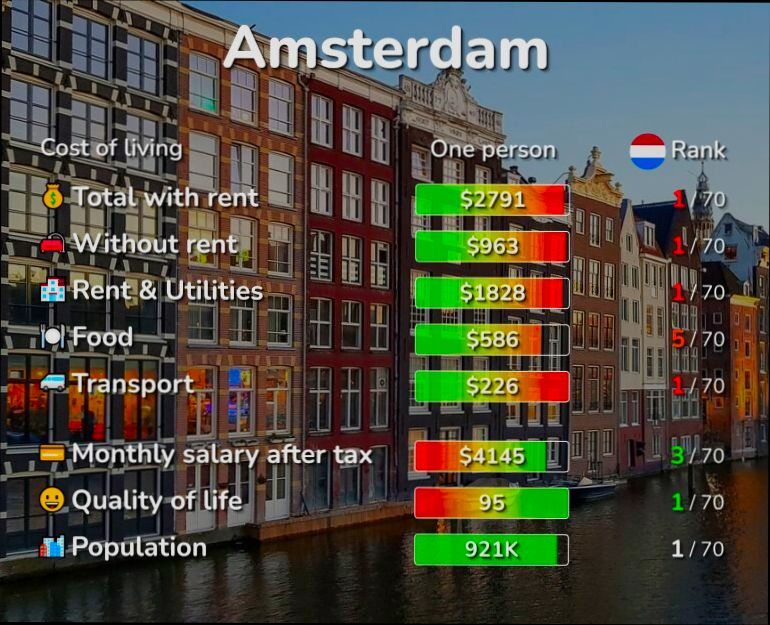
What is the Cost of Living in the Netherlands? Well, if you’re thinking about moving to or simply visiting this stunning country, you’ll want to buckle up for some real talk on your wallet. Picture this: rent in Amsterdam can easily set you back €1,500 for a modest one-bedroom apartment in the city center. Yes, you read that right! Even smaller cities like Utrecht and The Hague aren’t far behind, with decent rentals averaging around €1,200. Plus, you’ll need to factor in those tasty Dutch cheeses and stroopwafels, which can run you about €60 to €100 a month in groceries if you’re cooking at home.
And let’s not forget about transportation. A monthly public transport pass in most major cities will cost you about €100, making it essential if you plan to explore beyond your local neighborhood. Dining out? A meal at a mid-range restaurant is typically around €15 to €25, depending on where you choose to indulge. Don’t get me started on the infamous Dutch tax rates, which can reach up to 51.75% for higher earners! With all this in mind, it’s clear that the cost of living in the Netherlands can vary quite a bit, making budgeting a key piece of the puzzle for anyone looking to dig deep into Dutch life.
Housing Expenses in Urban Areas
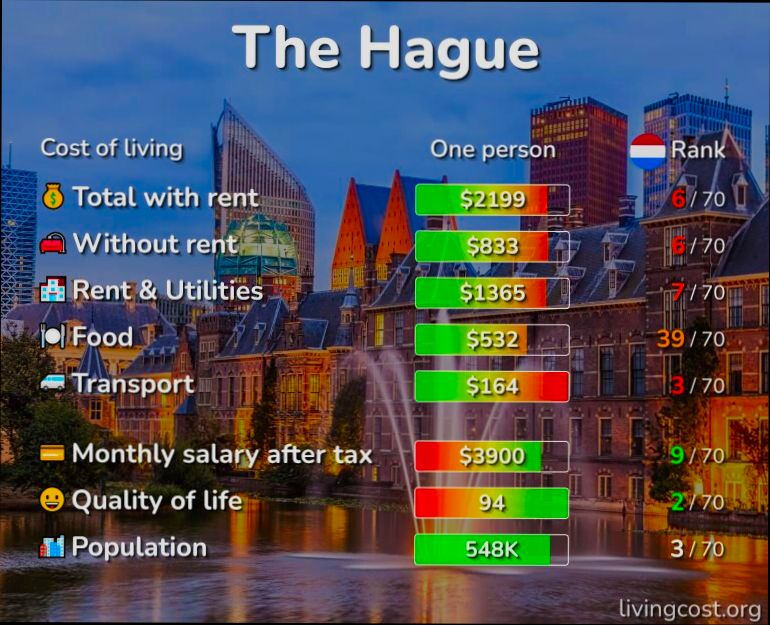
When considering the cost of living in the Netherlands, housing expenses in urban areas are a significant factor. In cities like Amsterdam, Rotterdam, and The Hague, rental prices and property costs can vary greatly, influencing your overall budget. Let’s delve into specifics that define the housing landscape in these urban centers.
Key Data Points on Housing Expenses
- In Amsterdam, the average monthly rent for a one-bedroom apartment in the city center is around €1,800, while the same apartment outside of the center can cost approximately €1,400.
- The Dutch housing market continues to experience pressure, with rental prices increasing by about 6% annually in major cities.
- Approximately 40% of people living in urban areas allocate over 30% of their monthly income to housing costs, indicating a significant financial burden.
- There’s a notable trend for young professionals seeking shared living arrangements, as nearly 30% of respondents in urban areas reported living with roommates to mitigate high rental expenses.
Comparative Housing Cost Table
| City | Average Rent (City Center) | Average Rent (Outside Center) | Yearly Increase in Prices |
|---|---|---|---|
| Amsterdam | €1,800 | €1,400 | 6% |
| Rotterdam | €1,200 | €900 | 5% |
| The Hague | €1,500 | €1,100 | 4% |
| Utrecht | €1,400 | €1,000 | 5% |
Real-World Examples
Let’s take a closer look at the realities that many face. In Amsterdam, a friend of mine, Sara, recently moved into a one-bedroom apartment after paying a €3,000 deposit upfront. She found it challenging, as she had to compete with other potential tenants, often being outbid on desirable places. Urban competition not only drives prices up but also affects the quality of housing options available.
In Rotterdam, another acquaintance, Mark, achieved some financial relief by opting for a two-bedroom flat with a roommate, splitting the rent of €1,200. This arrangement significantly eased his monthly housing expenses, illustrating a practical solution many are adopting in urban areas.
Practical Implications for Readers
If you’re considering moving to or within the urban areas of the Netherlands, it’s crucial to:
- Budget Wisely: Aim to keep your housing costs within 30% of your income to avoid financial strain.
- Explore Shared Living: Consider sharing a flat to reduce expenses, as this is a growing trend among renters.
- Research Neighborhoods: Investigate various neighborhoods, as rent can significantly differ based on location, with some areas offering more budget-friendly options.
Actionable Housing Facts
- Start your apartment search early, as competition can be intense in cities like Amsterdam.
- Utilize online platforms like Funda and Pararius, which specialize in rental listings, to scout housing opportunities efficiently.
- Remember, it is advisable to see and inspect a property before committing, as photos can sometimes be misleading.
By understanding these aspects of housing expenses in urban areas, you can strategically navigate the Dutch housing market and make informed decisions that align with your budget and lifestyle.
Understanding Average Grocery Prices
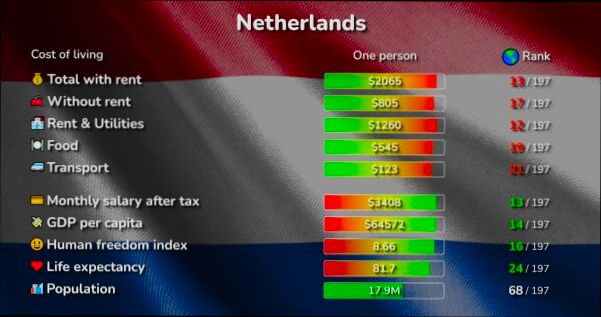
When it comes to understanding the cost of living in the Netherlands, grocery prices can significantly impact your budget. Groceries form an essential part of your monthly expenses, and being aware of the average costs can help you plan your finances more effectively. Let’s dive into the typical grocery prices you can expect when living in the Netherlands.
Key Average Grocery Prices
Here are some average prices for common grocery items in the Netherlands:
- Bread (500g loaf): €1.00
- Milk (1 liter): €1.10
- Eggs (12): €2.50
- Chicken Fillets (1 kg): €7.00
- Apples (1 kg): €2.00
These prices can vary depending on factors such as location and whether you shop at a premium grocery store or the local market.
Comparative Grocery Price Table
| Item | Average Price (€) |
|---|---|
| Bread (500g loaf) | 1.00 |
| Milk (1 liter) | 1.10 |
| Eggs (12) | 2.50 |
| Chicken Fillets (1 kg) | 7.00 |
| Apples (1 kg) | 2.00 |
Real-World Examples
In my experience, shopping for groceries at local markets can often yield fresher produce at slightly lower prices than larger chain supermarkets. For instance, if you purchase apples from a local vendor, you might find them priced at around €1.80 per kg, compared to the average supermarket rate of €2.00.
Another example comes from community grocery initiatives, where you might find organic options at competitive prices. For example, some co-operative grocery stores offer milk at €1.00 per liter when buying in bulk, proving that membership can be beneficial for regular shoppers.
Practical Implications
When budgeting for your groceries, consider where and how often you shop. Shopping in different regions can lead to significant price differences, especially between urban and rural areas. Moreover, planning your meals around seasonal produce can also help you save money while benefiting from fresher ingredients.
Additionally, look out for sales and promotions. Many supermarkets in the Netherlands have weekly discounts that can lower the cost of staples. For example, during certain days, you might find chicken fillets discounted to €5.50 per kg, which is a great opportunity to stock up.
These insights will serve you well when navigating grocery purchases, ensuring that you make informed decisions and keep your budget in check while living in the Netherlands.
Cost of Transportation Explained
Understanding the cost of transportation is critical when evaluating the overall cost of living in the Netherlands. Transportation costs can be significant, affecting your monthly budget and influencing your lifestyle choices. Let’s delve into the various expenses associated with transportation in the Netherlands and how these can vary among different households.
Key Transportation Costs
1. Household Transportation Expenses: Transportation costs can consume a large portion of your budget, especially for lower-income households. In 2022, families with lower incomes spent about 30% of their after-tax income on transportation.
2. Vehicle Ownership: While many might think owning a vehicle gives you more freedom, only 3% of households with a before-tax income of around $25,000 owned a vehicle in 2022. Moreover, those that did incur high costs, with 38% of their after-tax income going toward transportation.
3. Declining Transportation Burden: Between 2019 and 2022, there was a notable 9 percentage point decline in the overall transportation cost burden, showcasing a potential easing of financial pressure on households in this aspect.
Comparative Transportation Cost Table
| Category | Cost in 2022 (as % of Income) | Comments |
|---|---|---|
| Lower-Income Households | 30% | Significant share of income for basic transport |
| Vehicle Owners | 38% | High ownership costs affect disposable income |
| General Transportation | Decreased by 9% (2019 to 2022) | Indicates improved affordability for many households |
Real-World Examples
Consider a typical family living in Amsterdam. If they were to own a car, they could expect to spend nearly 38% of their income on fuel, insurance, maintenance, and parking fees. For those relying on public transport, the costs vary but typically provide a more budget-friendly alternative, especially given the extensive and well-connected transport network in Dutch cities.
For instance, a lower-income family may find that their transportation options, such as bicycles and public transit, help to reduce their transportation costs significantly compared to owning a car. But even public transport fares can add up, making it crucial to plan trips wisely.
Practical Implications
As you consider your transportation needs in the Netherlands, think about:
- Public Transport: Utilizing public transport can often save money. Investigate monthly passes or discounts that may be available.
- Bike Ownership: With cycling being a primary mode of transport, investing in a decent bicycle could be beneficial and cost-effective in the long run.
- Car Ownership Costs: If you are contemplating vehicle ownership, be aware of associated expenses beyond just the purchase price, including maintenance, insurance, and parking.
Actionable Insights
- Evaluate your daily transportation needs carefully. Are you better off with a bike or using public transit rather than owning a car?
- Always look for and leverage available transportation subsidies or discounts; many cities offer reduced fares for students, seniors, or low-income families.
- Keep abreast of any changes in transportation policies that could affect costs. Such updates can provide insights to help you budget more effectively over time.
Comparative Analysis of Living Costs
When we delve into the cost of living in the Netherlands, understanding the comparative analysis of living costs becomes essential. This analysis helps you comprehend how various expenses stack up against each other, enabling you to plan your budget effectively.
Housing vs. Grocery vs. Transportation Costs
- Housing typically stands as the most significant expense, while grocery and transportation costs make up a considerable portion of the budget as well.
- According to recent data, living in the Netherlands could see your total living expenses vary drastically based on lifestyle choices and location.
Comparative Cost Breakdown
| Category | Average Monthly Cost | Percentage of Total Living Expenses |
|---|---|---|
| Housing | €1,500 | 40% |
| Groceries | €350 | 15% |
| Transportation | €100 | 4% |
| Health Insurance | €120 | 5% |
| Leisure Activities | €90 | 3% |
Real-World Examples
- In Rotterdam, you might encounter a vibrant lifestyle, but the housing cost averages around €1,500, which is significantly lower than in Amsterdam. Here, almost 40% of the average income is consumed by housing.
- If you’re considering daily expenses, the cooperative grocery stores in Utrecht help in keeping grocery costs about €350, allowing you to save more for leisure activities.
Practical Implications
You might find it valuable to compare your costs against the averages. Are you spending significantly more on transportation? Maybe consider alternative modes of transport like cycling, which is quite common in the Netherlands and can save money in the long run.
Additionally, leveraging local markets for groceries rather than larger retail chains can also be beneficial. It not only helps in minimizing costs but supports local farmers.
Specific Cost Insights
- The variance in expenses can significantly influence your budget. For instance, the health insurance can average around €120 monthly, accommodating a substantial yet necessary part of your living costs.
- Finally, planning for leisure costs is equally important. Setting aside €90 monthly can provide you with opportunities to explore cultural activities and experiences, enriching your stay without breaking the bank.
By grounding your expectations in these comparative analyses of living costs, you can better navigate the financial landscape of living in the Netherlands.

Benefits of Living in the Netherlands
Living in the Netherlands comes with a plethora of advantages that can significantly enhance your everyday life. From a robust healthcare system to vibrant cultural experiences, this country offers a high quality of life. Let’s delve into some of the specific benefits of calling the Netherlands home.
High Standard of Healthcare
One of the standout benefits is the healthcare system. The Netherlands ranks highly in providing excellent healthcare services, with 85% of the population expressing satisfaction with the accessibility and quality of care. Health insurance is mandatory, and even though it accounts for about 8-10% of annual income, it guarantees access to a broad range of medical services without long waiting times.
Strong Educational System
Education is another stronghold, with the Dutch system consistently rating among the best in the world. In fact, the country holds an impressive 15th place in the OECD’s Education Index. With numerous international schools and universities offering programs in English, expats find it conducive for their children’s learning. Moreover, higher education is often more affordable than in many other European countries, making it an attractive option for families.
Safety and Security
Safety is a critical aspect to consider when moving to a new country. The Netherlands boasts a low crime rate with a safety index score of 72 out of 100. According to recent research, 71% of residents feel safe walking alone at night, offering peace of mind to individuals and families alike.
Sustainable Living and Green Spaces
The Netherlands is committed to sustainability, making it one of the world’s leaders in eco-friendly living. About 22% of the country’s energy comes from renewable sources. Cities like Amsterdam promote cycling over car travel, supported by well-designed bike lanes. You can enjoy beautiful parks and nature reserves, which occupy nearly 30% of urban areas, providing residents with ample opportunities for relaxation and recreation.
Rich Cultural Heritage
Lastly, the cultural landscape here is incredibly enriching. Whether it’s world-class museums, vibrant festivals, or historic architecture, living in the Netherlands means being immersed in a diverse cultural environment. You can often attend major events like the King’s Day celebration, where approximately 2 million people participate in festivities that showcase national pride and unity.
| Benefit | Detail | Statistic |
|---|---|---|
| Healthcare | High satisfaction rate | 85% satisfaction |
| Education | Ranked 15th in OECD Education Index | 15th place |
| Safety | Low crime rate | 72 out of 100 safety score |
| Sustainable Living | Percentage of energy from renewables | 22% renewable energy |
| Cultural Heritage | Participation in national events | 2 million celebrate King’s Day |
Experience firsthand the high quality of healthcare and education, along with safety and sustainability that enhances living conditions in the Netherlands. If you value a rich cultural environment along with a commitment to public health and well-being, this country provides fantastic benefits that contribute to an enriching life experience.
Impact of Taxes on Disposable Income
When living in the Netherlands, understanding how taxes influence your disposable income is crucial for managing your financial health. With a progressive tax system, knowing how your earnings are taxed can help you better allocate your resources.
Key Points on Taxes and Disposable Income
1. Income Tax Rates: The Netherlands operates under a progressive tax system where rates range between 9.45% and 49.5%. This heavy taxation can significantly reduce your take-home pay.
2. Tax Deductions: Various tax benefits can impact your disposable income. For instance, taxpayers may claim deductions for specific expenses, such as mortgage interest or educational costs, which can alleviate the tax burden.
3. Social Security Contributions: In addition to income tax, residents also contribute to social security, which can take up around 27% of your gross income. This contribution is designed to support health insurance, unemployment benefits, and old-age pensions.
4. VAT on Goods and Services: The standard Value Added Tax (VAT) in the Netherlands is around 21%. This tax applies to most goods and services, affecting your overall spending power and therefore your disposable income.
Comparative Tax Implications Table
| Tax Type | Percentage (%) | Effect on Disposable Income |
|---|---|---|
| Income Tax | 9.45% - 49.5% | High impact on net salary |
| Social Security Contributions | 27% | Reduces gross income |
| VAT on Goods and Services | 21% | Directly affects spending power |
Real-World Examples
Consider a professional earning €50,000 annually. After accounting for an average effective tax rate of approximately 36% (including social security), their disposable income is around €32,000. This means nearly €18,000 goes to taxes and contributions.
In another scenario, an individual with taxable income of €75,000 might find themselves paying about €36,000 in taxes. This leaves them with a disposable income of roughly €39,000, showcasing how taxation can dramatically transform financial landscapes for different income brackets.
Practical Implications
Understanding the nuances of taxation can help you plan better. If you’re anticipating a significant purchase or investment, consider how taxes will affect your net income. Utilize tax credits and deductions to maximize your disposable income. Many find it beneficial to consult with a financial advisor to strategize for tax season effectively.
- Consider contributing to pension schemes which may offer tax benefits.
- Track potential deductible expenses throughout the year to maximize tax return.
- Investigate local tax laws tailored to your situation, especially if you are self-employed.
Stay informed about changes in tax laws, as they can directly affect your disposable income and overall budget.

Real-Life Examples of Monthly Budgets
Creating a monthly budget tailored to the Dutch cost of living can empower you to handle your finances with confidence. By examining real-life examples of monthly budgets, we can gain a practical understanding of how individuals manage their finances in the Netherlands.
Key Points from Real-Life Monthly Budgets
- A single professional in Amsterdam typically allocates around €2,500 to €3,000 a month. This budget covers essentials such as rent, groceries, transportation, and leisure activities.
- A family of four living in Utrecht usually budgets approximately €4,200 to €4,800 monthly, with major expenses being housing, children’s education, and healthcare.
- Many individuals set aside 10-15% of their monthly income for savings, which is crucial for financial health and future investments.
| Category | Single Person Amsterdam | Family of Four Utrecht |
|---|---|---|
| Housing | €1,800 | €2,500 |
| Groceries | €300 | €800 |
| Transportation | €120 | €200 |
| Leisure | €150 | €400 |
| Savings | €300 | €600 |
| Total Monthly Budget | €2,500 | €4,800 |
Real-World Examples
Consider Ava, a 28-year-old marketing specialist living in Amsterdam. Her monthly budget breaks down as follows:
- Rent: €1,800
- Groceries: €280
- Transportation: €100
- Leisure and dining out: €150
- Savings: €230
This totals €2,560, allowing her to live comfortably while saving. She regularly reviews her budget to adjust for unexpected expenses or shifts in her income.
On the other hand, the Janssen family in Utrecht has a more extensive budget due to different lifestyle requirements:
- Rent: €2,500
- Children’s Education: €600
- Groceries: €800
- Transportation: €150
- Healthcare: €500
- Savings: €300
Their total monthly budget comes to €5,050, reflecting the higher costs associated with raising children and living in a comfortable neighborhood.
Practical Implications for Readers
When devising your own monthly budget, consider the following actionable insights:
- Analyze your unique situation: Your budget should reflect your lifestyle choices, whether you’re a student, a working professional, or raising a family.
- Allocate funds wisely: Prioritize essential expenses but don’t forget about savings. Aim to set aside 10-15% of your budget for unexpected costs.
- Review and adjust: Make it a habit to revisit your budget regularly to identify areas where you might save more.
Keep in mind that individual circumstances will vary, so your budget might look quite different than those outlined here. However, they provide a valuable foundation to work from as you assess your own financial landscape in the Netherlands.