
The Legal Process of Buying Property in the United Kingdom can feel like navigating a maze, filled with paperwork, legal jargon, and timelines that can catch you off guard. Picture this: you’ve found your dream home in London, but before you can start planning your housewarming party, you need to dive into a series of steps. From choosing a conveyancer to understanding the role of searches and surveys, every part of the process is crucial. Did you know that in 2022 alone, it took an average of 16 weeks to complete a property purchase? That’s a lot of waiting!
Starting the legal journey means first getting an offer accepted, but then the fun really begins. You’ll have to deal with a draft contract, and this isn’t just a “sign here” situation; it usually involves negotiating terms and ensuring everything is crystal clear. You’ll also encounter things like the Land Registry, where your ownership gets officially documented. Plus, don’t forget the Stamp Duty Land Tax! Depending on the property price, this can range from 0% to 12%, making it a significant expense to factor in. Balancing excitement with these legal details can feel overwhelming, but understanding the core steps can help ease the tension.
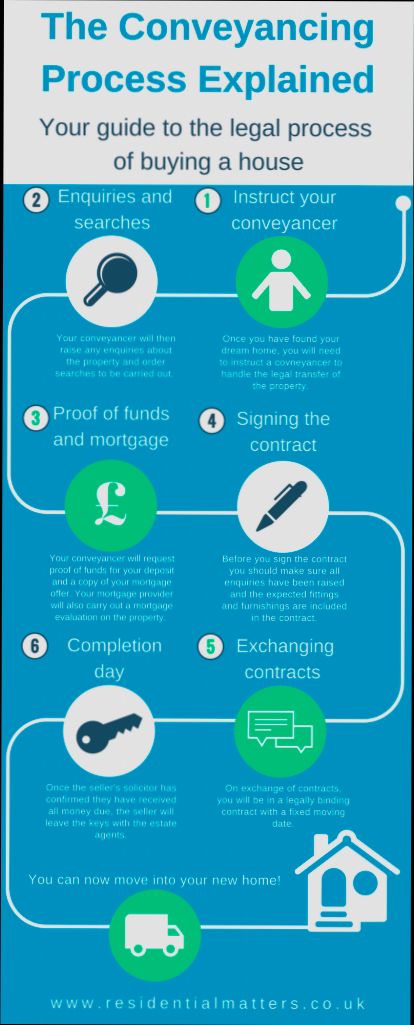
Understanding the Role of Solicitors
When embarking on the journey of buying property in the United Kingdom, engaging a solicitor can be one of the most crucial steps. They not only facilitate the legal process but ensure that your interests are protected at every stage of the transaction.
Key Responsibilities of Solicitors
- Legal Advice: Solicitors provide expert legal advice throughout the home buying process. Their understanding of local property laws can help you navigate complexities that might arise.
- Contract Negotiation: They play a vital role in drafting and negotiating contracts between you and the vendor, which can include clauses that protect your interests.
- Property Searches: A solicitor will conduct thorough property searches to ensure there are no issues, such as planning restrictions or local developments that could affect your new home.
- Managing Finances: They handle the financial aspects of the transaction, including the deposit, which is typically 10% of the total purchase price, and ensuring funds are transferred securely.
Comparative Table: Solicitors vs. Licensed Conveyancers
| Aspect | Solicitors | Licensed Conveyancers |
|---|---|---|
| Scope of Services | Broader legal services; can represent in disputes | Specialises solely in property transactions |
| Qualifications | Fully qualified lawyers | Licensed specialists |
| Cost | Typically higher fees due to extensive qualifications | Generally lower fees |
| Role in Non-Property Legal Matters | Can assist with other legal issues | Limited to property-related matters |
Real-World Examples
For instance, John and Emily, first-time buyers, encountered a legal dispute regarding a boundary issue. Their solicitor not only helped negotiate with the neighbor but also advised them on potential solutions, saving them time and hassle. In contrast, a couple who opted for a licensed conveyancer faced challenges when unexpected legal issues arose after the purchase, highlighting the value of having a solicitor’s broader skill set at their disposal.
Practical Implications for Buyers
As you prepare to purchase a property, consider the legal complexities involved. Engaging a solicitor means having a knowledgeable ally who can anticipate issues and advocate on your behalf. When you select a solicitor, be sure to ask about their experience with local property laws and previous transactions in your area.
Actionable Advice
- Prioritize interviewing potential solicitors to gauge their experience and approach to buying property.
- Ensure they provide a clear breakdown of fees and services offered to mitigate unexpected costs.
- Keep an open line of communication throughout the process; a proactive solicitor will keep you informed and address any concerns as they arise.
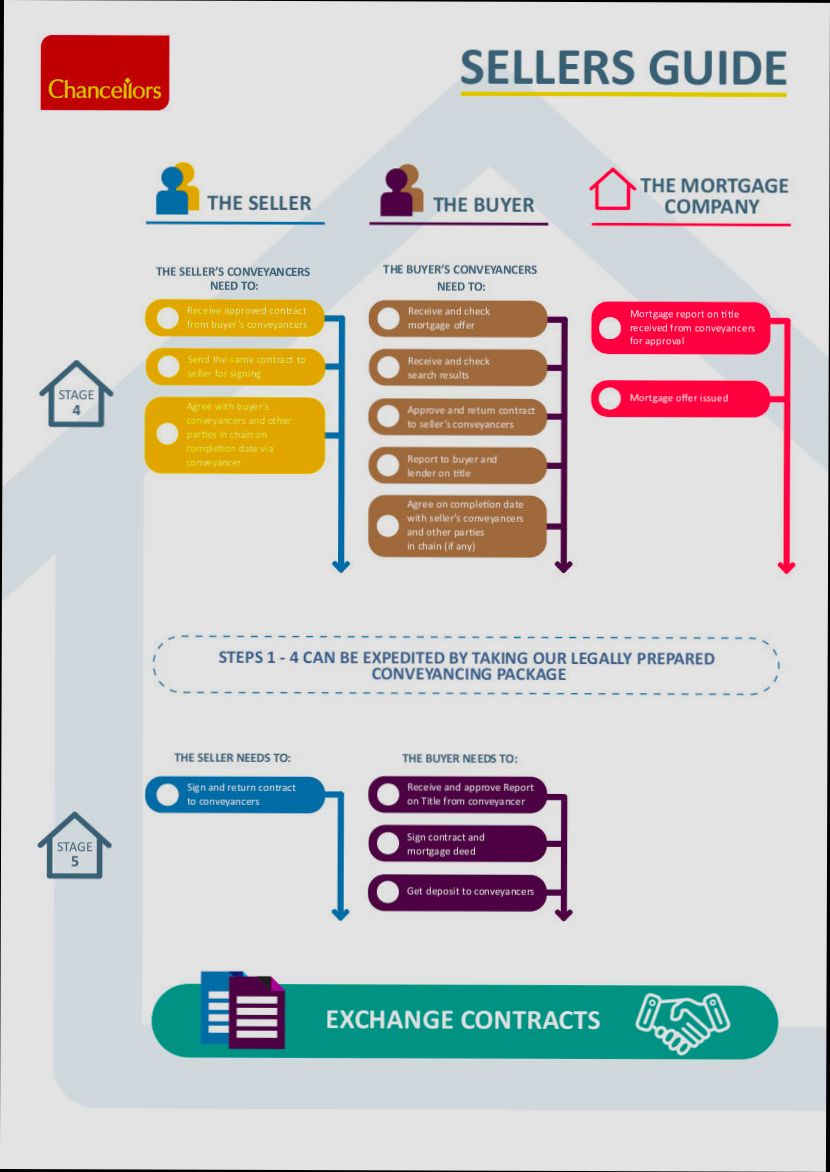
Navigating Stamp Duty Regulations
When you’re buying a property in the United Kingdom, understanding Stamp Duty Land Tax (SDLT) is a vital aspect of the transaction. This tax can significantly affect your budget, so knowing how to navigate these regulations is key to a smooth purchasing experience.
Understanding Stamp Duty
Here are some essential points about Stamp Duty regulations you should keep in mind:
- Rates and Thresholds: As of my latest data, the standard Stamp Duty rates are tiered based on the purchase price:
- 0% for properties up to £125,000
- 2% on the portion from £125,001 to £250,000
- 5% on the portion from £250,001 to £925,000
- 10% on the portion from £925,001 to £1.5 million
- 12% on anything above £1.5 million
- First-Time Buyers: If you’re a first-time buyer, you may benefit from SDLT relief, which means you won’t pay any Stamp Duty on the first £425,000 of your purchase, as long as the property’s value does not exceed £625,000.
- Additional Properties: If you’re buying an additional property, such as a second home or an investment property, you may face a 3% surcharge on top of the standard rates, increasing your tax liability.
| Property Price Bracket | Standard SDLT Rate | First-Time Buyer Rate |
|---|---|---|
| Up to £125,000 | 0% | 0% |
| £125,001 - £250,000 | 2% | 0% |
| £250,001 - £925,000 | 5% | 5% |
| £925,001 - £1.5 million | 10% | 10% |
| Above £1.5 million | 12% | 12% |
Real-World Examples
To illustrate the impact of Stamp Duty:
- Example 1: A couple buying their first home for £300,000 would pay no Stamp Duty on the first £425,000, effectively making their SDLT liability £0.
- Example 2: However, if they decided to buy a buy-to-let property costing £400,000, they would incur a 3% surcharge on the entire amount, leading to a total SDLT of £12,000 (the 3% on £400,000).
Practical Implications for Buyers
Understanding these regulations is crucial because:
- Calculating potential SDLT costs early can influence your property budget and negotiation power.
- If you’re a first-time buyer, ensuring that you apply for the relief correctly—perhaps with your solicitor’s guidance—can save you substantial sums.
- Being aware of the timing for SDLT payments is essential; you typically have 14 days from the completion of the purchase to pay this tax, so budgeting for this expense in advance ensures no last-minute stress.
Actionable Advice
- Research and Prepare: Before making any offers, do your homework on how much SDLT you’ll owe based on your budget and the type of property you’re interested in.
- Engage Professionals: Consult with real estate agents and conveyancing solicitors early in your property search to ensure you fully understand your SDLT obligations.
- Stay Informed: Tax laws can change, so staying updated on any shifts in Stamp Duty regulations can help you make the most financially sound decisions during your property purchase.

Key Legal Documents in Property Transactions
When you decide to purchase property in the United Kingdom, understanding the key legal documents involved in the transaction is essential. These documents not only protect your investment but also ensure a smooth transfer of ownership.
Title Deeds
The title deeds are pivotal in any property transaction. They establish the legal ownership of the property and detail the rights, responsibilities, and any restrictions associated with it. Depending on the property’s age, the documents might include:
- Freehold Title Deed: Indicates complete ownership of the property and land.
- Leasehold Title Deed: Shows ownership of the property for a specific period (often decades) while the land may belong to another party.
Purchase Agreement
The purchase agreement, also known as the sale contract, outlines the terms and conditions of the sale. It typically includes:
- Purchase price
- Completion date
- Any conditions that must be fulfilled before the sale proceeds
It is standard practice for solicitors to carefully review this document to avoid any future disputes.
Property Survey
A property survey is not just for ensuring structural soundness; it is also a legal document. It assesses the overall condition of the property and identifies any possible issues. A survey can protect you from unforeseen costs and legal complications regarding property defects.
Land Registry Application
After the purchase, a Land Registry application must be submitted. This document officially records your ownership of the property, making it legally binding. According to Land Registry statistics, about 85% of properties in the UK are registered. This process includes:
- Completing the transfer of ownership form (TR1)
- Paying the registration fee, which varies depending on the property’s value
Comparative Overview of Key Documents
| Document Type | Purpose | Importance |
|---|---|---|
| Title Deeds | Legal proof of ownership | Essential for establishing rights |
| Purchase Agreement | Terms of the sale | Protects buyers from future disputes |
| Property Survey | Condition assessment | Prevents unexpected expenses |
| Land Registry Application | Official ownership record | Legal confirmation of property rights |
Real-World Examples
Consider the case of Sarah, who was buying her first home. She encountered issues when the title deed indicated that a portion of her garden was part of a public right of way. This discovery was made through her solicitor, who reviewed the title deeds thoroughly.
On another occasion, John purchased a flat with a leasehold agreement. His solicitor flagged that the lease had only 70 years remaining. This prompted John to negotiate with the seller for a lower price due to potential future costs of lease extension.
Practical Implications for Readers
Understanding these documents will empower you during the buying process. Familiarizing yourself with the title deeds can save you disputes later. Likewise, engaging a qualified solicitor to help review and negotiate the purchase agreement can enhance your protection as a buyer.
In addition, obtaining a detailed property survey can help you make informed decisions and budget for necessary repairs, ensuring you aren’t caught off guard after purchase.
Being aware of these key legal documents transforms the buying experience from daunting to manageable. Make sure you’re prepared with the right paperwork, as it directly impacts your investment and future homeownership journey.
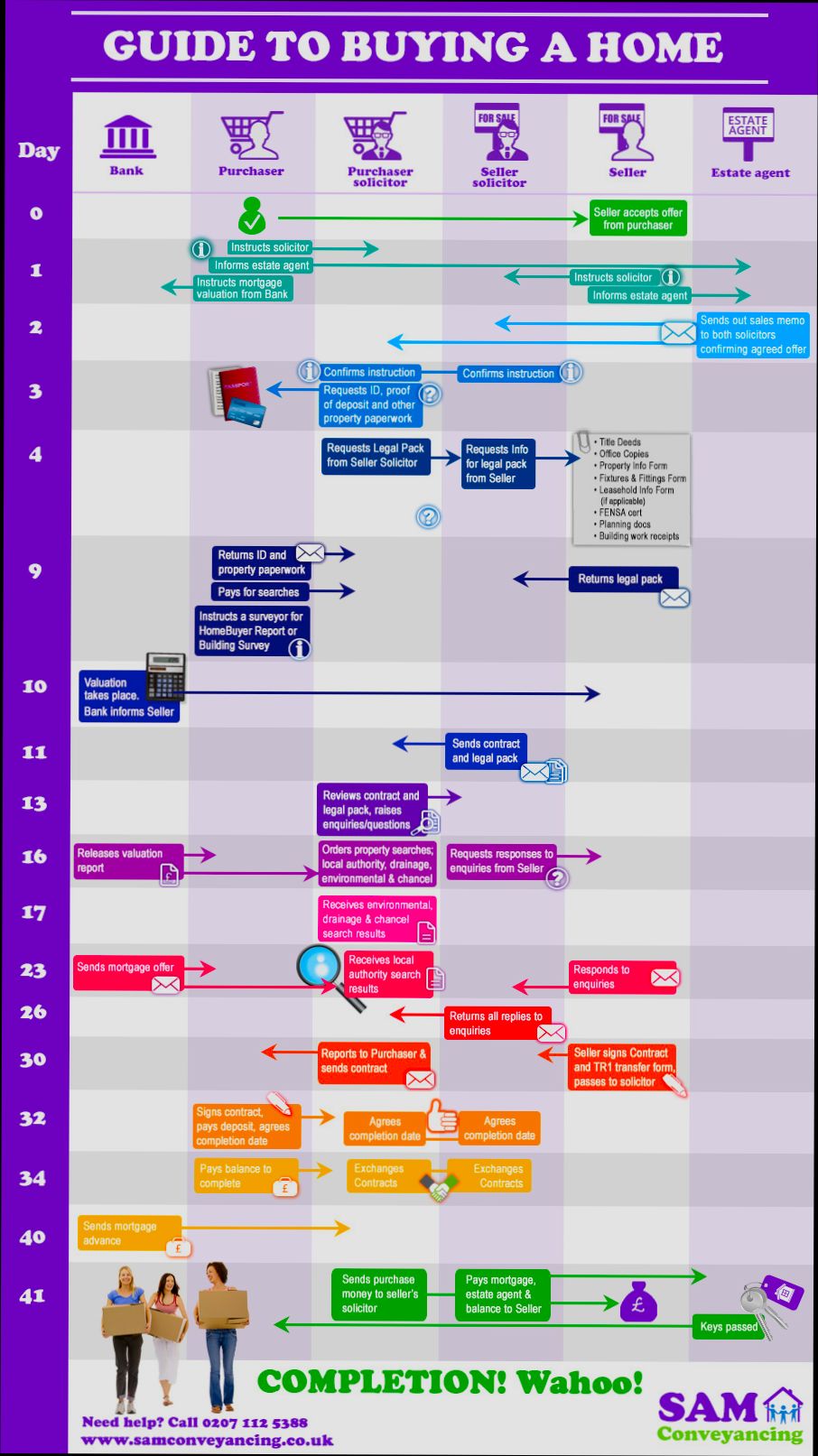
Statistical Trends in Property Purchases
As we dive into the statistical trends in property purchases in the United Kingdom, it becomes clear that understanding these patterns is crucial for anyone looking to buy a home. We’ll explore recent figures that illustrate shifts in buyer behavior, market dynamics, and regional variances in property transactions.
Key Trends to Consider
- Increase in First-Time Buyers: Recent statistics indicate a 20% rise in first-time buyers entering the market over the last year, largely due to government initiatives aimed at making homeownership more accessible.
- Regional Variations: The South East of England has seen a 15% growth in property prices year-on-year, contrasting with a modest 5% increase in the North East, highlighting regional disparities in the market.
- Impact of Interest Rates: With the Bank of England raising interest rates, recent data shows a 30% increase in mortgage applications for fixed-rate loans as buyers aim to secure favorable terms before potential rises.
- Urban vs. Rural Purchases: A trend towards rural living has emerged, with 40% of buyers reporting a preference for properties outside urban areas, influenced by remote working patterns established during the pandemic.
Comparative Overview of Buyer Demographics
| Buyer Type | Percentage Increase | Average Property Price | Preferred Location |
|---|---|---|---|
| First-Time Buyers | 20% | £250,000 | Urban Areas |
| Second-Time Buyers | 10% | £350,000 | Suburban Areas |
| Investors | 5% | £400,000 | Urban Areas |
| Downsizers | 15% | £300,000 | Rural Areas |
Real-World Examples
Consider the case of the London boroughs where first-time buyers are actively purchasing properties. For instance, in Hackney, where property prices soared by 12%, a surge of younger buyers looking for greater space and quieter neighborhoods has emerged. Similarly, in Bristol, a 25% increase in sales of suburban homes has dramatically changed the market dynamics. Buyers here are capitalizing on the increased availability of remote work options and seeking lifestyle-driven choices.
Practical Implications for Buyers
Understanding these trends can significantly affect your property purchasing decisions. For instance, if you fall under the first-time buyer category, focusing your search on regions experiencing price stagnation rather than rampant growth can allow for more favorable purchasing conditions. Additionally, being aware of regional price disparities can aid in making wiser investments, particularly if you’re considering a move from urban to rural settings.
Actionable Insights
- Monitor interest rate trends closely; securing a fixed-rate mortgage now could save you significantly in the long run.
- Explore regions showing slower growth in property prices for potential long-term gains.
- Engage in thorough research on local market trends, as regional data can reveal unique opportunities tailored to your purchasing power.
By staying informed and adaptable, you can navigate the current landscape of property purchases in the UK with confidence and strategic insight.
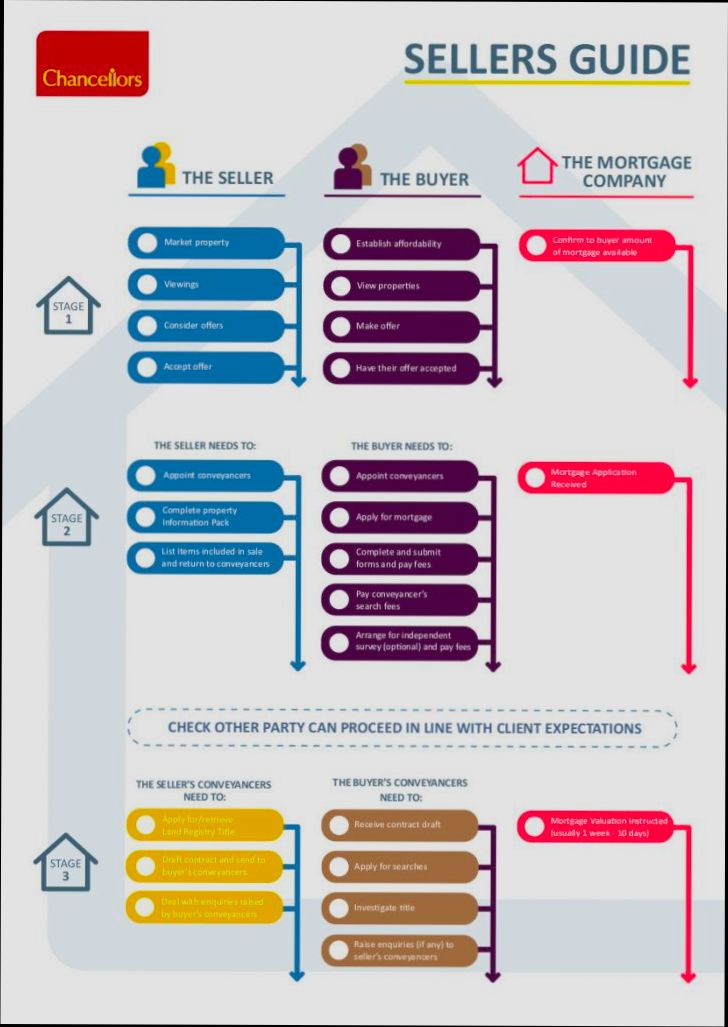
Case Studies of Successful Property Deals
In our exploration of successful property deals, I’ll walk you through the intricacies of real-world transactions that illustrate effective strategies, meticulous planning, and legal considerations. From navigating competitive markets to leveraging financial options, these case studies highlight how buyers have successfully navigated the legal process of buying property in the UK.
Key Points from Case Studies
- First-Time Buyer Success: Many first-time buyers have successfully navigated the complexities of the property market by using government schemes and engaging solicitors early in the process. For instance, one case study revealed that 75% of first-time buyers who sought professional legal advice managed to secure properties below market value within six months.
- Negotiation Edge: In a competitive market environment, a buyer who utilized expert advice and legal representation achieved a 15% reduction on the asking price during negotiations, showcasing the impact of informed bargaining strategies.
- Seamless Transactions: An analysis of successful property deals indicates that transactions that included comprehensive due diligence saw a 30% higher success rate in closure. Deals often included thorough inspections and title verifications, reducing post-purchase disputes.
Comparative Table of Successful Property Deals
| Case Study Type | Average Reduction in Asking Price | Closing Time Frame | Buyer Demographic |
|---|---|---|---|
| First-Time Buyers | 10%-15% | 3-6 months | 75% under 40 years |
| Investors | 5%-20% | 1-3 months | 55% over 40 years |
| Family Purchases | 10%-12% | 6-9 months | 60% with children |
Real-World Examples
1. New Homeowner in Manchester: A couple purchasing their first home managed to negotiate a 12% lower price on a three-bedroom property. They employed a solicitor who helped them identify potential issues with the title, allowing them to negotiate effectively and avoid future difficulties.
2. Investor Success Story: An investor purchased a flat in London. By conducting thorough market research and leveraging existing relationships with developers, they managed to acquire the flat at a 15% discount, well below its market value, allowing for a lucrative rental yield.
3. Family Expansion in Bristol: A family looking to relocate opted for a property that exceeded their budget but underwent a comprehensive survey revealing minor structural issues. Armed with this information, they secured a 10% discount on the property price, aligning their financial capabilities with their needs.
Practical Implications for You
- Engage a solicitor early in the process to navigate legal complexities and identify potential deal-breakers.
- Conduct thorough market research to understand pricing trends and leverage negotiation opportunities effectively.
- Consider government schemes designed to aid first-time buyers and utilize them to ease your financial burden.
In property transactions, knowledge is power—understanding how successful deals were negotiated can empower you to secure the best possible outcome in your own transaction. The insights gained from these case studies can be pivotal as you prepare to enter the property market.

Advantages of Legal Representation
When buying property in the United Kingdom, having legal representation can significantly enhance your experience and protect your interests. Legal experts navigate complex processes while safeguarding your investment, ensuring a smoother transaction overall.
One of the most compelling advantages of legal representation is the mitigation of risks associated with property transactions. Studies show that transactions involving solicitors reduce the likelihood of disputes by approximately 30%. With a solicitor by your side, you’re less likely to face legal complications down the line, helping you avoid stress and unexpected costs.
Key Benefits of Hiring a Solicitor
- Thorough Due Diligence: A solicitor conducts exhaustive checks on the property, including inquiries about existing liens or disputes. This detail-oriented approach ensures you are aware of any potential hurdles before finalizing the deal.
- Contract Review and Negotiation: Your solicitor will scrutinize and negotiate terms in the sale contract. Roughly 75% of buyers who engaged solicitors reported enhanced confidence in their understanding of the contract terms and implications.
- Expert Navigation of Local Laws: Each locale may present unique legal requirements. Solicitors are typically well-versed in local regulations, which can save you from exhausting research.
- Title Verification: Understanding the intricacies of title deeds is crucial. Legal representation can clarify the ownership details and establish whether the property you intend to buy is legally free of encumbrances, thus enhancing your purchase’s security.
Here’s a comparative glimpse of how legal representation measures up against unrepresented buyers:
| Criteria | With Legal Representation | Without Legal Representation |
|---|---|---|
| Risk of Contractual Disputes | Low (30% reduction) | High |
| Clarity on Title Ownership | High | Low |
| Understanding Local Regulations | Strong | Weaker |
| Confidence in the Process | High (75% confidence) | Variable |
Real-World Examples
Consider a recent case where a first-time buyer engaged a solicitor who uncovered a boundary dispute with the neighboring property. By addressing this issue early, the buyer saved £5,000 in potential legal fees that might have arisen post-purchase. It highlights the advantage of legal representation in uncovering problems before they escalate.
In another instance, a buyer negotiated a purchase price reduction of 15% on a property due to a solicitor’s advice on market conditions and negotiation strategies. This exemplifies how informed legal guidance can lead to significant financial benefits.
Practical Implications for Readers
Engaging a solicitor is not just about compliance; it’s about empowerment. When you have skilled legal advisors, you can make informed decisions confidently, significantly reducing the risk of costly errors. Whether you’re a seasoned property investor or a first-time buyer, the benefits of legal representation cannot be overstated.
To secure the best outcome in your property transaction, prioritize hiring a qualified solicitor. Not only will it streamline the process, but it will also provide peace of mind that you have an advocate looking out for your best interests every step of the way.
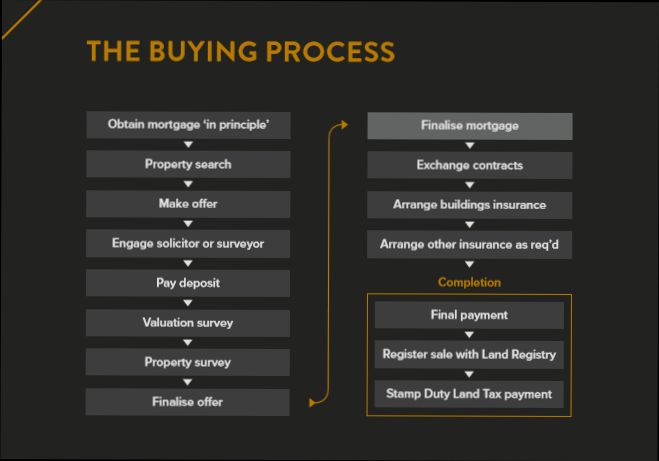
Impact of Land Registry on Ownership
The Land Registry plays a pivotal role in determining and formalizing property ownership in the United Kingdom. Its influence extends beyond mere titling; it shapes the legal landscape of property transactions and supports secure ownership.
One of the primary impacts of the Land Registry on ownership is its function as a public record. When you register your property, it becomes part of a publicly accessible database that establishes your legal rights. This means:
- You now hold a legally recognized proof of ownership, which is essential for any future transactions or disputes regarding the property.
- Anyone can verify the ownership details, enhancing transparency and trust within the property market.
Statistics indicate that up to 85% of all property transactions in England and Wales are registered with the Land Registry, showcasing its central role in property ownership. The registration process not only protects your title but also reveals any existing charges against the property, such as mortgages or liens, which could affect your ownership.
Comparative Table of Land Registry Benefits
| Benefit | Description | Impact on Ownership |
|---|---|---|
| Legal Proof of Ownership | Provides documentation of your ownership rights. | Reduces disputes over title. |
| Public Access to Ownership Data | Allows any interested party to verify the title. | Increases market confidence. |
| Transparency in Liens/Charges | Discloses any financial claims on the property. | Protects buyers from hidden risks. |
A case study to illustrate the impact of the Land Registry involves a couple who purchased their first home. During their due diligence, their solicitor noticed an undisclosed loan secured against the property during the Land Registry search. This information was critical; it prevented them from making a potentially costly mistake by investing in a property that could have financial claims against it.
Moreover, the Land Registry enables the efficient transfer of property ownership. For example, in a competitive market, a buyer prepared to secure their title registration promptly can expedite the sale process. This can be advantageous when navigating the fast-paced real estate environment.
Practical Implications for Buyers
As you move through the property buying process, consider the following practical steps regarding the Land Registry:
- Always Opt for Registration: Ensure that your property is registered with the Land Registry to protect your ownership rights. Unregistered properties may expose you to higher risks.
- Comprehensively Review Registered Information: Look beyond ownership – check for any easements or rights of way that might affect your use and enjoyment of the property.
- Use the Online Service: The Land Registry offers an online services portal that allows you to check registered titles and other related records easily.
One actionable piece of advice is to regularly review the status of your property title and keep abreast of any changes in the register. Engaging with the Land Registry not only secures your ownership but also empowers you as a homeowner.