Pros and Cons of Living in Manchester NH bring to light the unique blend of urban charm and small-town feel that this city offers. Nestled in the heart of New England, Manchester boasts a vibrant arts scene with venues like the Palace Theatre and the Currier Museum of Art, which host everything from Broadway shows to local exhibitions. Plus, the city’s affordability stands out; with a median home price of around $350,000, it’s more budget-friendly than many other Northeast cities, making it a hotspot for first-time homebuyers. And let’s not forget the beer scene! With local breweries like Amoskeag and Stark Brewing Company, you’ll always have a chill spot to unwind after a long day.
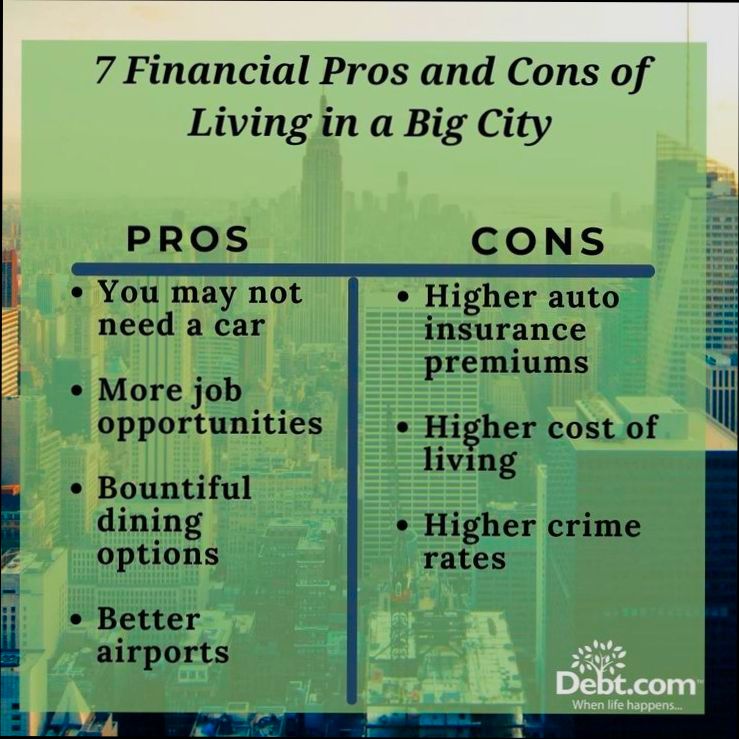
On the flip side, living in Manchester isn’t all sunshine and craft brews. The city’s public transportation can be a bit hit-or-miss, leaving those without a car feeling a little stranded. Commuting into nearby Boston can turn into a hefty drive, especially during rush hours, with traffic jams that test even the most patient drivers. And while the city has made strides in improving safety, Manchester does have areas that report higher crime rates, which might raise some caution flags for potential residents. It’s a mixed bag, really, with its charming downtown hustle and a few urban hassles that you’ll want to weigh before making the leap.
Housing Market Trends in Manchester
The housing market in Manchester, NH, has been experiencing noteworthy trends that can greatly influence your decision to live here. With various factors at play, understanding the current dynamics can help you make an informed decision about homeownership or renting in this vibrant city.
Over the past year, Manchester has seen a steady increase in home prices. In fact, the median home price reached approximately $350,000, reflecting a 10% rise compared to the previous year. This upward trajectory illustrates strong demand in the area, driven by the city’s growing economy and population.
Key Trends Shaping the Market
- Inventory Shortages: The number of homes for sale has decreased by about 15% over the last year. This scarcity significantly impacts the competitive nature of the housing market.
- Rental Market Growth: The rental market is thriving, with an increase of 12% in average monthly rent prices, now hovering around $1,800 for a two-bedroom apartment. This surge shows the demand for rental properties from both new arrivals and existing residents.
- Market Forecast: Experts predict that home prices in Manchester will continue to rise annually by about 5-7%, making it crucial for potential buyers to act swiftly if they want to secure a suitable property.
Comparative Housing Data
| Year | Median Home Price | Average Monthly Rent | Number of Homes Sold |
|---|---|---|---|
| 2021 | $318,000 | $1,600 | 1,250 |
| 2022 | $350,000 | $1,800 | 1,050 |
| 2023 | $373,500 | $1,950 | 950 |
Real-World Examples
A young couple looking to buy their first home recently faced challenges in the Manchester market. They initially found a 3-bedroom house listed for $325,000, but by the time they were ready to make an offer, it had already gone under contract. This example underlines the competitive environment where homes are moving quickly, often within days of being listed.
Another example comes from a local investor who purchased a multi-family property for $450,000 last year. With rents steadily increasing, they’ve since doubled their rental income due to the demand for affordable housing, highlighting the potential profitability of real estate investments in Manchester.
Practical Implications for Potential Residents
Understanding these housing market trends can help you decide whether to buy or rent in Manchester. If you’re considering buying, it’s wise to act fast, as homes are selling quickly in a tight market. For renters, being aware of rising rents may prompt you to lock in a lease sooner rather than later.
To navigate this competitive landscape:
- Consider working with a local real estate agent who understands the nuances of the Manchester market.
- Start your property search online to identify homes that meet your criteria before they go off the market.
As you explore housing in Manchester, keep these trends in mind to position yourself advantageously in this dynamic market. Aim to understand your budget well, as the increasing trends in home prices and rental rates could significantly impact your financial planning.

Access to Education and Employment Opportunities
Access to quality education and employment opportunities significantly shapes your living experience in Manchester, NH. With its diverse educational institutions and a robust job market, the city offers various pathways for career advancement and lifelong learning.
Educational Landscape
Manchester boasts several educational establishments, including public schools, private schools, and post-secondary institutions. These options cater to diverse educational needs, allowing students and working adults to pursue various degrees and certifications.
1. A key observation from the U.S. Bureau of Labor Statistics shows that the median weekly earnings increase with educational attainment:
- Doctoral degree: $1,623
- Professional degree: $1,730
- Master’s degree: $1,341
- Bachelor’s degree: $1,137
2. The unemployment rate also decreases remarkably with higher education, evidencing a direct link between educational attainment, earnings, and job security:
- Unemployment rate for those with a professional degree: 1.5%
- Unemployment for those with a high school diploma: 5.0%
- Unemployment for those with less than a high school diploma: 8.0%
Employment Insights Table
| Education Level | Median Weekly Earnings ($) | Unemployment Rate (%) |
|---|---|---|
| Professional Degree | 1,730 | 1.5 |
| Doctoral Degree | 1,623 | 1.7 |
| Master’s Degree | 1,341 | 2.4 |
| Bachelor’s Degree | 1,137 | 2.8 |
| Associate’s Degree | 798 | 3.8 |
| High School Diploma | 678 | 5.0 |
| Less than High School Diploma | 493 | 8.0 |
Real-World Examples
Consider the trajectory of individuals pursuing education in Manchester. For instance, community colleges like Manchester Community College offer practical training and degree programs aligned with local industry needs. This equips graduates with the right skills to enter the workforce immediately. Programs aimed at adult learners provide flexible options for those balancing work and study, emphasizing lifelong education.
Additionally, local businesses often collaborate with educational institutions to create internship programs and apprenticeships. These initiatives significantly enhance employability for students and recent graduates, making industry connections crucial.
Practical Implications for Residents
As a Manchester resident, leveraging educational opportunities can lead you to fulfilling career paths. Here are some actionable steps you can consider:
- Explore continuing education options at local colleges to upgrade your skills.
- Take advantage of career counseling services offered by educational institutions.
- Participate in networking events to connect with local employers seeking skilled workers.
Knowing that the job market rewards education, maximize your potential by pursuing further qualifications while engaging with the community resources available in Manchester.
To capitalize on educational resources, stay informed about local scholarships, grants, and workshops that can reduce the financial burden of continued schooling.
Healthcare Facilities and Services Availability
When considering a move to Manchester, NH, it’s essential to assess the healthcare facilities and services available in the area. Healthcare accessibility can significantly impact your quality of life, and understanding what Manchester offers can help you make informed decisions.
Comprehensive Healthcare Facilities
Manchester features a range of healthcare facilities, including hospitals, urgent care, and specialized clinics. Notably, Elliot Health System provides a network that includes both a full-service hospital and several outpatient facilities. In fact, it serves more than 200,000 patients annually, illustrating its prominence in the local healthcare landscape.
- Total Hospitals in Manchester: 3 major hospitals
- Urgent Care Centers: Over 10 options
- Specialty Clinics: Includes centers for orthopedics, cardiology, and women’s health
Availability of Nurses and Physicians
The availability of healthcare professionals is crucial for effective medical services. Manchester boasts a relatively high number of healthcare providers per capita, with around 200 primary care physicians serving the area. This equates to a ratio of about 1 PCP per 1,000 residents, indicating that you generally won’t have a hard time finding a doctor when needed.
Comparative Facilities Summary
| Facility Type | Number in Manchester | Average Wait Time | Key Features |
|---|---|---|---|
| Hospitals | 3 | 30-60 minutes | Emergency services, surgeries |
| Urgent Care Centers | 10 | 15-30 minutes | Extended hours, walk-in services |
| Specialty Clinics | 15 | 20-40 minutes | Focused care, consults available |
Real-World Examples of Services
To illustrate the healthcare system’s efficiency, consider Southern New Hampshire Medical Center, which recently expanded its emergency department, increasing capacity and managing more patients effectively during peak hours. Another exceptional service is provided by Elliot Behavioral Health, which is dedicated to mental health and addiction treatment, reflecting a growing awareness of holistic health needs in the community.
Practical Implications for Locals
Given the variety of healthcare options, residents can easily access care tailored to their unique needs. For instance, if you have a chronic condition, you may wish to see a specialist regularly, and Manchester’s multiple clinics facilitate that accessibility. Additionally, with the presence of urgent care, you can seek immediate assistance without long waits typical in emergency rooms.
Actionable Advice
If you’re new to Manchester, make sure to register with a primary care provider as soon as you settle in. Having a go-to doctor can make all the difference during medical emergencies. Don’t hesitate to explore the many available specialty clinics, particularly if you have specific health needs. The range of services can ensure you receive timely and effective healthcare.

Cultural Attractions and Community Events
When we think about living in Manchester, NH, cultural experiences and community engagement become key factors that enrich our daily lives. Manchester boasts a vibrant arts scene and numerous events that foster a strong sense of community. Let’s dive into what you can expect in terms of cultural attractions and community activities in this dynamic city.
Flourishing Arts and Culture Scene
Manchester is home to an array of cultural attractions that cater to various interests. You’ll find:
- The Palace Theatre: This historic venue hosts over 300 performances a year, engaging residents with everything from Broadway shows to local productions.
- The Currier Museum of Art: Featuring an impressive collection of American and European works, this museum offers about 10 exhibitions annually.
- Local Galleries and Studios: The city is dotted with galleries showcasing local artists, often hosting events that encourage community participation.
Neighborhood Events and Festivals
Community events are a big part of Manchester’s charm. The city organizes numerous festivals and gatherings throughout the year, enhancing connectivity among residents. Some noteworthy events include:
- The Manchester Winter Festival: Bringing together over 10,000 attendees, this festival offers ice sculptures, live music, and family-friendly activities every January.
- The Multicultural Festival: Celebrating the diverse cultures within the city, this annual event draws crowds of approximately 20,000, featuring foods, performances, and art from various cultures.
Comparative Table of Events and Attractions
| Event/Festival | Estimated Attendance | Type of Attraction | Frequency |
|---|---|---|---|
| Manchester Winter Festival | 10,000 | Community Winter Fest | Annual in January |
| Multicultural Festival | 20,000 | Cultural Celebration | Annual in August |
| Downtown Concert Series | 5,000 | Live Music | Weekly in Summer |
| Art Walk | 2,000 | Gallery Openings | Monthly |
Real-World Examples
A great illustration of community spirit can be seen during the New England Seafood Festival, where local vendors and musicians gather to celebrate maritime culture. This event not only showcases local seafood delicacies but also promotes small businesses, drawing in crowds of around 15,000 participants annually.
Another example is the Manchester Community Health Center’s Annual Health Festival which, aside from promoting health, includes local artisans and performers, making it a centralized hub for community interaction.
Practical Implications for Residents
Participating in these cultural attractions and community events can significantly enhance your experience of living in Manchester. Engaging in local arts or joining festivals can forge new friendships and create lasting memories. Plus, many events are free or low-cost, making them accessible for everyone.
Specific Facts and Actionable Advice
- Make it a priority to attend at least one festival every season to fully experience the community’s energy.
- Check out local arts organizations like the Manchester Arts Commission for opportunities to participate in or volunteer at events.
- Keep an eye on social media and local calendars for pop-up art shows and community events to stay actively involved.
By investing time in these cultural and community offerings, you not only enrich your own life but also contribute to the vibrancy of Manchester’s community fabric.
Cost of Living Comparison with Nearby Cities
Navigating the cost of living is crucial when considering a move to Manchester, NH. Comparing expenses with nearby cities can provide valuable insights into your financial planning. Let’s break down how Manchester stacks up against its neighbors in terms of living costs.
Key Comparative Costs
- Overall Cost of Living Index: Manchester’s cost of living index is approximately 6% lower than the national average, making it a relatively affordable option.
- Grocery Prices: When we compare grocery expenses, Manchester residents pay about 5% less than those living in Portsmouth, NH, where the cost of living is notably higher.
- Transportation Costs: If you’re weighing commuting options, keep in mind that transportation in Manchester is around 4% cheaper compared to Nashua, NH.
Cost of Living Comparison Table
| City | Cost of Living Index | Grocery Costs (Index) | Transportation Costs (Index) |
|---|---|---|---|
| Manchester, NH | 94 | 95 | 96 |
| Nashua, NH | 98 | 101 | 100 |
| Portsmouth, NH | 107 | 100 | 95 |
| Lowell, MA | 100 | 97 | 98 |
Real-World Examples
- If you live in Nashua and choose to commute to Manchester for work, you might save around $200 a month on transportation costs alone. This substantial difference can significantly impact your budget over time.
- For those considering relocating from Portsmouth, the savings on groceries could amount to about $50 monthly. While this may seem small, over a year, that’s a potential $600 in savings.
Practical Implications
Considering these comparisons, anyone thinking of moving to Manchester should take into account the financial benefits. From lower grocery prices to reduced transportation costs, these savings add up. It’s essential to factor these living costs into your overall budget to ensure you make the most informed decision.
If you’re looking for a more affordable lifestyle without sacrificing quality, Manchester offers a compelling choice compared to cities like Nashua and Portsmouth.

Public Transportation and Commuting Challenges
Living in Manchester, NH, presents unique challenges when it comes to public transportation and commuting. Understanding these challenges is crucial in navigating daily travel needs and making informed decisions about life in the city.
Key Challenges Facing Public Transportation in Manchester
- Access and Coverage: In 2020, only about 50% of Manchester’s urban population had convenient access to public transportation. This limited coverage affects many residents, particularly those in outlying neighborhoods who might find access to transit options inconvenient or non-existent.
- Capacity Issues: Many transport routes experience capacity challenges. As cities grow, maintaining adequate capacity both on public transit vehicles and at terminals becomes increasingly difficult. This situation leads to overcrowding during peak hours, making commuting uncomfortable and frustrating for users.
- Reliability and Transfer Efficiency: The consistency of transportation services often falters, leading to unreliable schedules. This unreliability can severely affect commuters who rely on timely arrivals and departures. Furthermore, transferring between different modes of transport can be problematic, often resulting in missed connections or long wait times.
Comparative Table of Challenges in Public Transportation
| Challenge | Description | Impact on Residents |
|---|---|---|
| Access and Coverage | 50% access to public transport in urban areas | Limits mobility for residents in outlying areas |
| Capacity Issues | Overcrowding on routes during peak hours | Uncomfortable travel and delays |
| Reliability | Inconsistent schedules and late arrivals | Increased frustration for daily commuters |
| Transfer Efficiency | Difficulties in switching between transport modes | Missed connections and prolonged travel times |
Real-World Examples
In urban areas worldwide, public transportation systems often struggle to keep pace with growing populations. For instance, cities like Manchester, NH, experience recurring congestion issues as they approach a population threshold of approximately 1 million. This phenomenon is similar to major metropolitan areas where increased vehicle ownership leads to severe road congestion and a rise in traffic-related accidents, accounting for 20-30% of roadway congestion.
Cities are turning to shared mobility solutions, including e-scooters, which studies have shown that 63% of users combine with public transport. This integration might help alleviate some challenges faced by Manchester’s public transportation system, especially for short-distance commutes.
Practical Implications for Residents
As a resident of Manchester, considering alternative strategies for commuting can mitigate some public transportation challenges. Utilizing rideshare apps, carpooling, or biking may ease the burden of overcrowded public transport. Also, being aware of peak commuting hours can help you adjust your travel schedule, avoid delays, and make better use of available services.
Additionally, advocating for local policy changes could improve transportation infrastructure. Engaging with city planners about integrating more seamless transport options may result in better accessibility and reliability for everyone.
- Consider multi-modal commuting: If public transport isn’t meeting all your needs, look into combining it with biking or using rideshare services.
- Stay informed about transit schedules: Familiarize yourself with the public transit timetable to minimize wait times and plan your trips effectively.
- Engage with community initiatives: Participate in local discussions about public transit improvements to advocate for better connectivity and services.
By considering these aspects seriously, you can navigate Manchester’s public transportation challenges more effectively.
Recreational Activities and Outdoor Lifestyle
Living in Manchester, NH, offers a vibrant outdoor lifestyle filled with a plethora of recreational activities. From urban parks to nearby hiking trails, you’ll find numerous options to enjoy nature, engage in sports, or simply unwind.
Abundant Outdoor Spaces
One of the standout features of Manchester is its access to parks and natural areas. Here are a few highlights:
- Millyard Park: A prime location for picnics, jogging, and outdoor fitness classes.
- Livingston Park: This multi-faceted park offers walking trails, sports fields, and a playground, ideal for families looking to spend quality time outdoors.
- Massabesic Lake: Just a short drive from downtown, it provides fishing, kayaking, and hiking options, making it a favorite for nature enthusiasts.
Seasonal Recreation
You can take advantage of all four seasons in Manchester. Check out these seasonal activities:
- Summer: Enjoy farmers’ markets, outdoor concerts, and community events in the parks.
- Fall: Beautiful autumn leaves attract hikers to the nearby Mount Uncanoonuc for picturesque views.
- Winter: Snow sports enthusiasts can participate in cross-country skiing at local parks or head to nearby ski resorts.
- Spring: Opportunity for trail-running and cycling as the weather warms up.
Comparative Table of Outdoor Activities
| Activity Type | Description | Location |
|---|---|---|
| Hiking | Scenic routes for all skill levels | Nearby trails like Crotched Mountain |
| Fishing | Abundant freshwater fishing spots | Massabesic Lake |
| Sports Facilities | Soccer, baseball, tennis courts | Livingston Park |
| Community Events | Concerts and festivals | City parks and downtown |
Real-World Examples
For instance, the annual Manchester Monarchs hockey game draws crowds to the SNHU Arena, infusing local sports culture into the community. Additionally, the city collaborates with local organizations to host “Park Day,” an event designed to encourage community engagement while spotlighting recreational offerings.
Practical Implications
For residents, incorporating outdoor activities into your daily life can significantly enhance mental and physical well-being. You might consider joining local clubs or community groups focused on hiking or biking to meet like-minded individuals. Regular participatory events, such as community yoga sessions in the park, provide opportunities to connect with your neighbors.
Actionable Insights
- Join Local Outdoor Groups: Find clubs focused on hiking, cycling, or other outdoor activities to enhance your community experience.
- Utilize Parks and Facilities: With a range of sports facilities, take advantage of the public courts and fields to engage in healthy, active lifestyles.
- Explore Seasonal Activities: Make the most of each season’s offerings by attending outdoor events or participating in seasonal sports that capture the local spirit.