Pros and Cons of Living in Antwerp (Antwerpen) present a fascinating mix that can truly shape your experience in this vibrant city. On one hand, you’ve got a thriving arts scene; think museums like the Royal Museum of Fine Arts, featuring works by Rubens and Van Dyck. The city is also a hub for fashion, being home to the iconic Royal Academy of Fine Arts, where many renowned designers have graduated. Add to that the bustling port—one of the largest in Europe—which not only boosts the local economy but also gives you easy access to international travel and trade.
But it’s not all picture-perfect. Antwerp can be a tad pricey, especially when it comes to housing in sought-after areas like the trendy Zuid district, with rent averaging about €1,200 for a modest two-bedroom apartment. Plus, the weather isn’t always friendly; rainy days can feel endless in winter, which might leave you craving some sunshine. Navigating the city can also be a mixed bag—while public transport is decent, cycling can be a bit hairy given the busy streets and the sometimes unpredictable drivers. So, whether you find joy in Antwerp’s cultural richness or feel weighed down by its challenges, it’s definitely a city with character.
Cultural Diversity and Lifestyle Advantages
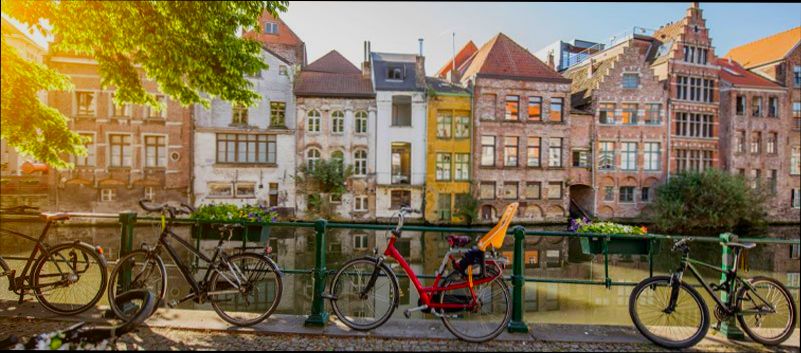
Living in Antwerp means embracing a vibrant cultural mosaic that significantly enriches your lifestyle. The city’s diverse backgrounds offer a unique blend of traditions, cuisines, and artistic expressions, all of which create a dynamic urban experience. Here’s how cultural diversity plays a crucial role in enhancing life in this Belgian city.
Key Advantages of Cultural Diversity
- Enriches Social Life: In Antwerp, you will find an array of cultural expressions that enhance your social life. With a mix of backgrounds, festivals, and artistic avenues, you can experience art, music, and cuisine like nowhere else.
- Culinary Exploration: Antwerp’s food scene is a testament to its cultural richness. The city hosts markets and restaurants that feature international cuisines, from Moroccan to Asian, allowing you to expand your culinary horizons.
- Improved Understanding and Inclusion: A culturally diverse environment fosters mutual respect and coexistence. Experiences with different ethnic backgrounds encourage learning about various cultural traditions and values, making community members more empathetic and inclusive.
Cultural Diversity Statistics in Antwerp
| Aspect | Description | Benefit |
|---|---|---|
| Diverse Languages | Multiple languages spoken, including Dutch, French, and English. | Facilitates communication and connections. |
| Culinary Diversity | Over 70 different national cuisines available. | Enhances dining experiences and exposure. |
| Festivals Count | More than 15 significant cultural festivals celebrated annually. | Promotes community engagement and unity. |
Real-World Examples
1. Culinary Fusion: The renowned Antwerp restaurant scene illustrates the city’s diverse culinary offerings. For instance, places like “De Groote Witte Arend” and “Bistro Du Nord” serve dishes from various global cuisines, contributing to a vibrant culinary culture.
2. Festivals Celebrated: The city hosts festivals such as “Antwerp Pride” and “Zomer van Antwerpen,” showcasing cultural vibrancy and allowing residents to partake in celebrations that honor different cultures, enhancing community spirit and cohesion.
3. Cultural Events: Antwerp is home to art exhibitions showcasing works from international artists. Local galleries frequently feature works from multicultural backgrounds, providing an enriching experience that promotes artistic dialogue.
Practical Implications for Residents
- Explore Different Cultures: You can engage with different communities through workshops, language classes, and cultural events. Embracing these opportunities enhances your understanding and appreciation of diversity.
- Join Local Festivals: Participating in local festivities provides a chance to experience a variety of customs and traditions first-hand, fostering a sense of belonging and community.
- Culinary Adventures: Make it a habit to try new cuisines from local restaurants each month. This not only supports local businesses but also introduces you to fascinating cultural narratives behind each dish.
Actionable Insights
- Seek Multilingual Environments: Join community groups or classes that celebrate linguistic diversity. This will enhance your communication skills and cultural understanding.
- Attend Cultural Workshops: Look for cooking classes or art workshops that focus on different cultural influences. This hands-on experience can greatly deepen your appreciation for the diversity in Antwerp.
- Embrace Cultural Exchange: Host or attend events that encourage sharing cultural practices, like potluck dinners or arts and crafts fairs. These interactions can foster deeper community ties.
Living in Antwerp provides you with numerous opportunities to enjoy and celebrate cultural diversity, dramatically enhancing your lifestyle.
Cost of Living and Housing Insights
Living in Antwerp presents a unique blend of affordability and lifestyle benefits, particularly when it comes to housing costs. Understanding the nuances of the cost of living can help you make an informed decision about relocating or investing in this vibrant city.
Antwerp’s cost of living index is approximately 77.98, which is quite reasonable compared to other major European cities, where the average hovers between 80 and 100. Specifically, housing represents a significant portion of monthly expenses, but there are ways to navigate these costs effectively.
Key Points on Housing Costs
- Renting vs. Buying: The average monthly rent for a one-bedroom apartment in the city center is around €900, while outside the center, you can expect to pay about €700. This discrepancy highlights the value of considering your location within Antwerp.
- Real Estate Prices: Data show that purchasing property in Antwerp averages around €3,200 per square meter. This price can be substantially lower than in cities like Brussels or Ghent, making it an attractive proposition for buyers.
- Utility Costs: On average, monthly utility costs (including electricity, heating, cooling, water, and garbage) for a standard apartment are around €200, which remains competitive within the broader European context.
- Annual Property Taxes: Homeowners pay roughly 1-2% of the property’s assessed value annually in property taxes. These fees can influence your decision between renting and owning.
| Housing Aspect | City Center (Monthly) | Outside City Center (Monthly) |
|---|---|---|
| Average Rent (1-Bedroom) | €900 | €700 |
| Average Property Price | €3,800/sq m | €2,800/sq m |
| Average Utilities | €200 | €200 |
| Annual Property Tax | 1-2% of property value | 1-2% of property value |
Real-World Examples
Consider Jane, a newcomer who opted to rent in the city center. She pays €925 for her one-bedroom apartment but enjoys the convenience of close proximity to work and cultural hotspots. In contrast, Mark chose to live just outside the center, paying €680, allowing him to save significantly on rent, which he invests in local experiences instead.
Another example is a young couple considering purchasing a small apartment. They find properties priced around €160,000 for 50 square meters. With current interest rates, their monthly mortgage payment would be comparable to renting in the city center but with the added benefit of building equity.
Practical Implications for You
If you’re contemplating a move to Antwerp, weigh your options carefully. Renting in the city center can ensure access to amenities, while living outside it offers better value for money. Consider your budget for both housing and utilities when planning.
Additionally, research neighborhood dynamics. Areas like ‘Het Eilandje’ provide higher rental prices due to trendy cafés and proximity to the waterfront, whereas neighborhoods like Borgerhout combine a lower cost with rich cultural diversity.
Lastly, keep an eye on the property market trends in Antwerp. Demand fluctuates, and you might find opportunities to invest in neighborhoods on the rise, enhancing your long-term financial and lifestyle goals.
Transportation Infrastructure and Accessibility
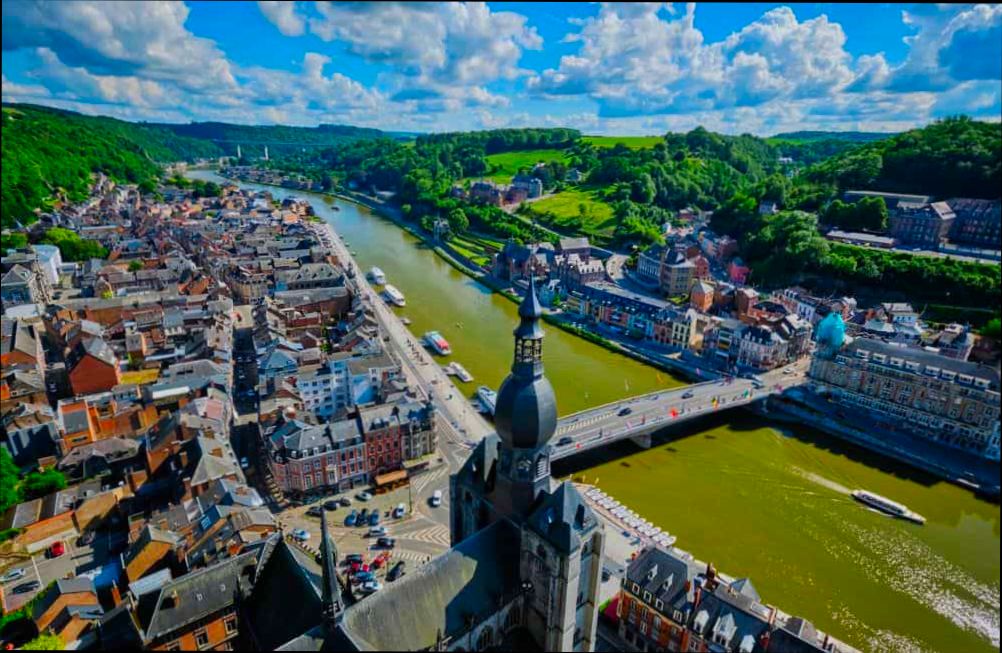
Living in Antwerp offers a dynamic transportation infrastructure that greatly enhances accessibility for residents and visitors alike. With a well-integrated system, you can navigate the city and beyond efficiently, making it easier to engage with everything Antwerp has to offer.
Key Components of Antwerp’s Transportation Network
1. Public Transport Options: Antwerp boasts a robust public transit system including trams, buses, and metro services, managed by the De Lijn company. You can access over 60 tram lines throughout the city, providing seamless connectivity.
2. Biking Infrastructure: Antwerp is increasingly becoming bicycle-friendly with dedicated bike lanes covering approximately 220 kilometers. This facilitates safe travel for cyclists and promotes eco-friendly commuting.
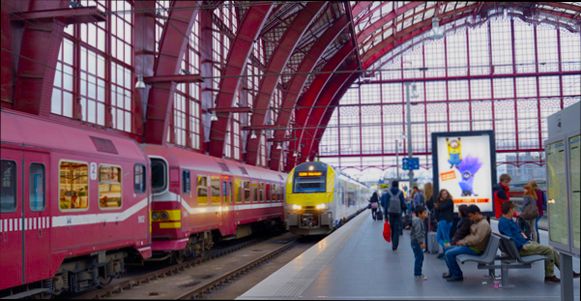
3. Train Connectivity: Antwerp Central Station is one of the most picturesque stations in Europe, serving as a major hub for both national and international trains. From here, you can reach Brussels in about 50 minutes and connect to international rail services to cities like Amsterdam and Paris.
4. Car Accessibility: The city is well connected by major highways, including the E19 and E313, allowing for easy access to surrounding regions and neighboring countries.
5. Ride-Sharing and Taxi Services: Travelers can conveniently utilize ride-sharing services like Uber, which are widely available in the city, alongside traditional taxi services.
Comparative Table of Transportation Options
| Transportation Mode | Availability | Average Cost per Trip | Key Features |
|---|---|---|---|
| Trams | Frequent | €2.40 | Extensive city coverage, easy access |
| Buses | Frequent | €2.40 | Connects suburbs to the city center |
| Metro | Moderate | €2.40 | Quick travel within key urban areas |
| Bicycle Rentals | Widely | €3.00/hour | Ideal for short trips, promotes a green city |
| Taxis | Available | €3.50 base fare + €2/km | Convenient for direct travel |
| Ride-Sharing (Uber) | Common | Varies | Flexible options with pre-booking capabilities |
Real-World Examples
- Biking to Work: Many locals rely on bicycles to commute to work due to the extensive bike lane network. For instance, someone residing in the Zuid district can easily bike to the city center in under 15 minutes.
- Daily Commutes via Tram: A resident in the Antwerp North area may choose to take the tram daily to visit the university. With the tram running every 10 minutes, their commute reduces stress and saves time.
- Weekend Getaways: Leveraging the train services, a family can spontaneously decide to take a weekend trip to Bruges, reaching their destination in just over an hour, thanks to the efficient rail service from Antwerp Central Station.
Practical Implications
If you’re considering living in Antwerp, it’s important to evaluate how the city’s transportation infrastructure aligns with your daily needs. If you prioritize commuting flexibility or environmental sustainability, renting a bike or using public transport may be ideal.
Take advantage of the integrated transport options; for example, utilizing a combination of trams and trains can help you save time and money while exploring broader Belgium.
Actionable Insights
- Invest in a Public Transport Card: If you plan to use public transport frequently, consider buying a monthly pass for greater savings.
- Explore by Bike: If you enjoy biking, investing in a high-quality bike could enhance your local commuting experience, fulfilling both fitness and transport needs.
- Use Navigation Apps: Download local transit apps that provide real-time updates to optimize your commuting routes and schedules, making travel more efficient.
Antwerp’s transportation infrastructure not only connects you with the city but also enriches your experience of urban living, showcasing its commitment to accessibility and convenience.
Employment Opportunities and Job Market Trends
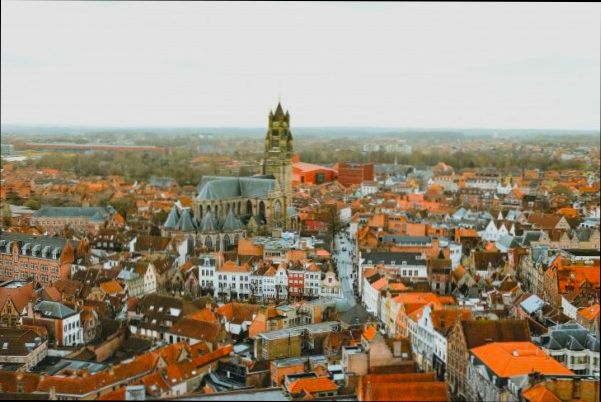
As you consider living in Antwerp, understanding the local job market and employment opportunities is essential. The city’s job landscape is evolving, with significant growth projected in various sectors, presenting intriguing possibilities for job seekers.
Job Growth Projections
From 2023 to 2033, total employment in the U.S. is expected to grow by approximately 4.0%, translating into 6.7 million new jobs. While Antwerp’s growth trends may not perfectly mirror national statistics, they are indicative of broader movements within cities like it:
- Healthcare and Social Assistance: This sector is projected to add around 2.3 million jobs, making it the largest source of new opportunities.
- Professional, Scientific, and Technical Services: Projected to be the fastest-growing sector, driven by demand for IT and computer-related services.
- Transportation and Warehousing: This industry won’t just grow in Belgium but also reflects global trends fueled by e-commerce expansion.
Job Market Overview
Here’s a quick overview of anticipated employment changes across major industry sectors:
| Industry Sector | Employment (2023) | Employment (2033) | Numeric Change (2023–33) | Percent Change (2023–33) |
|---|---|---|---|---|
| Healthcare and Social Assistance | 20 million | 22.3 million | 2.3 million | 11.5% |
| Professional, Scientific, and Technical Services | 10 million | 11.5 million | 1.5 million | 15% |
| Transportation and Warehousing | 5 million | 6 million | 1 million | 20% |
Current Trends in Job Demand
Several trends play a crucial role in shaping job demand in Antwerp:
1. Aging Population: As the population ages, the demand for healthcare services will likely see significant growth, particularly in nursing, home health, and personal care aide roles.
2. E-commerce Expansion: The rise in online shopping continues to boost logistics and shipping jobs, particularly in transportation and warehousing.
3. Renewable Energy: With a focus on clean energy transitions, jobs in solar and wind power generation are on the rise. For example, solar photovoltaic installers are projected to experience rapid growth.
Real-World Examples
In Antwerp, local initiatives and businesses are embracing these trends:
- A healthcare startup recently launched a community health project that anticipates needing over 100 new nurses and aides in the next five years to meet the growing demand.
- Logistics companies are hiring en masse to support distribution networks linked to online retail, showcasing an uptick in employment opportunities tied directly to e-commerce.
Practical Implications
For those looking to move to or work in Antwerp, consider the following actionable insights:
- Explore opportunities in healthcare or technical services if you’re entering the job market or looking to switch careers; both sectors are growing robustly.
- Keep an eye on job fairs targeting the transportation and warehousing sectors, as many companies are looking to fill positions quickly to adapt to e-commerce demands.
- Leverage local training programs or workshops in renewable energy sectors, as these skills are increasingly sought after and can boost your employability.
By staying informed and adaptable, you can navigate the flourishing job market in Antwerp, aligning your career ambitions with emerging opportunities.
Safety and Crime Statistics in Antwerp
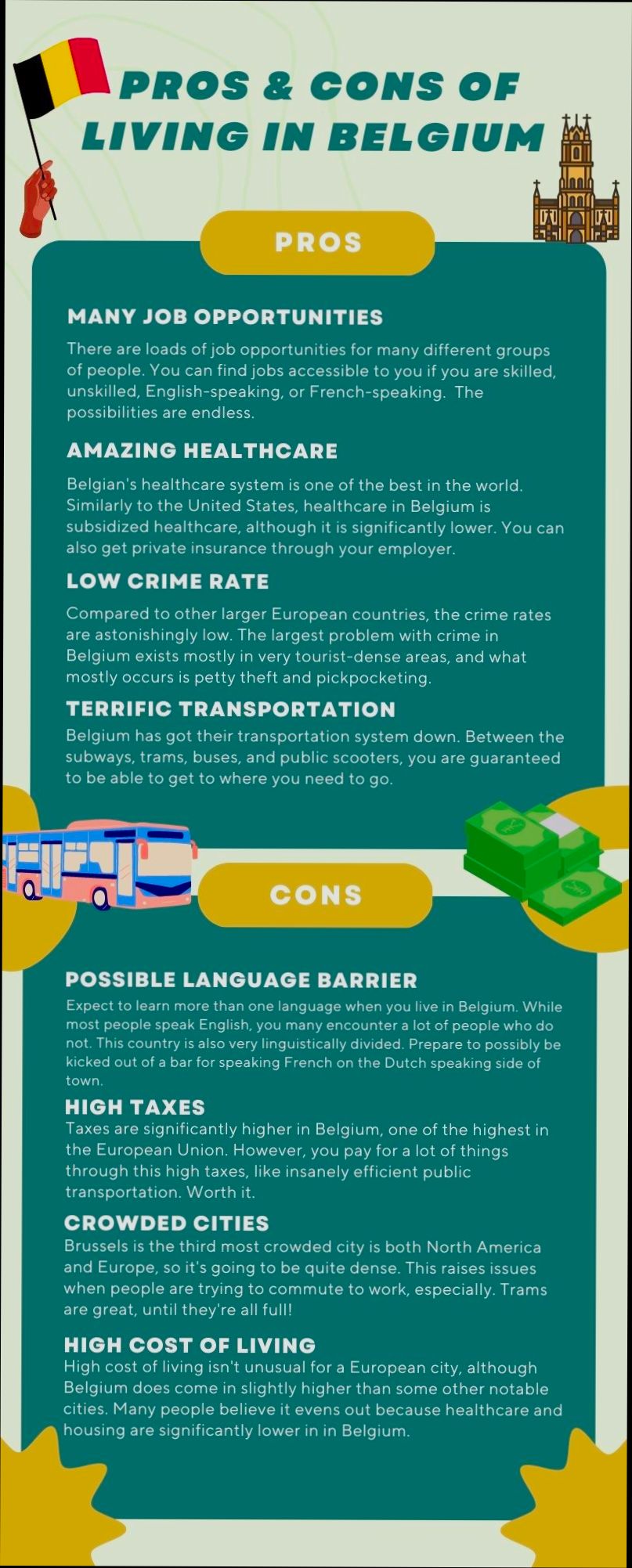
When considering a move to Antwerp, understanding the safety environment is crucial. This section delves into the key crime statistics and safety perceptions within the city, providing an insightful overview of what to expect.
Key Crime Statistics
Antwerp’s crime situation is quite complex, reflecting a mix of moderate and low crime rates in various categories:
- The overall Crime Index for Antwerp stands at 39.98, indicating lower than average crime levels.
- The Safety Index is relatively higher at 60.02, suggesting that residents generally feel secure.
- Property crimes, such as vandalism and theft, are reported to be a moderate concern with a score of 48.37.
- Violent crimes, including assault, show a lower risk at 32.94, categorized as low.
Comparative Crime Statistics Table
| Crime Type | Index Score | Level of Concern |
|---|---|---|
| Overall Crime Index | 39.98 | Low |
| Safety Index | 60.02 | High |
| Moderate Property Crimes | 48.37 | Moderate |
| Low Violent Crimes | 32.94 | Low |
| Drug-related issues | 56.62 | Moderate |
Real-World Insights
Real experiences from residents highlight various aspects of safety in Antwerp. For example, many find the city relatively safe during the day, with 79.27% feeling safe walking alone in daylight. This assurance, however, dips to 51.53% at night, where safety concerns rise to a moderate level.
Additionally, a reported 61.69% of residents believe that crime has increased over the past five years, signaling a shift in the safety landscape worth noting.
Practical Implications for Residents
As a potential resident of Antwerp, being aware of specific safety measures is vital:
- Stay Informed: Knowing which areas are safer can help you make informed decisions about housing and outings.
- Avoid Overcrowded Areas: Petty theft, particularly pickpocketing, may occur in tourist-heavy locations, making it wise to be cautious in crowded spots.
- Community Engagement: Local neighborhood groups often share safety tips and resources, fostering a sense of community vigilance.
Specific Advice on Personal Safety
For peace of mind, consider the following:
- When out after dark, choose well-lit areas and avoid walking alone if possible.
- Be mindful of your belongings, especially in busy public spaces to prevent theft or loss.
- Familiarize yourself with local emergency contacts and procedures, adding an extra layer of security in case of unforeseen incidents.
Historical Charm Versus Modern Amenities
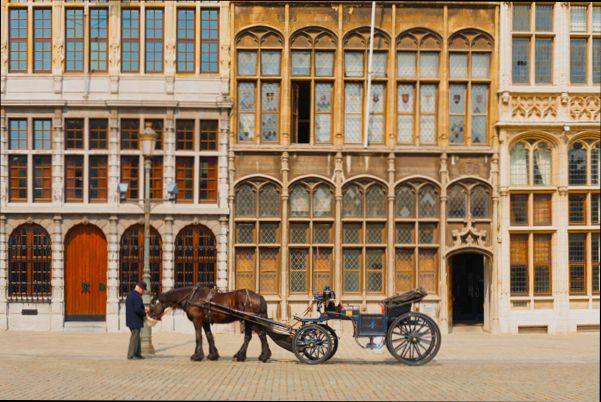
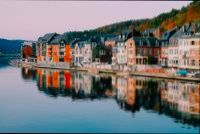
Living in Antwerp means navigating a landscape where historical elegance meets contemporary convenience. The city’s unique architecture—the majestic Guild Houses, for instance—tells tales from centuries past while offering modern living solutions that cater to today’s needs.
One of the appealing aspects of residing in Antwerp is the balance between historical charm and modern amenities. You can walk through cobblestone streets lined with buildings that have stood the test of time, all while enjoying high-speed internet, state-of-the-art public transport, and gourmet grocery stores. Let’s explore some key points that highlight this interplay.
Key Points
- Architectural Beauty: Historical buildings like the Cathedral of Our Lady and the Antwerp Central Station not only provide aesthetic pleasure but also house modern establishments such as cafes and boutiques.
- Preservation Efforts: Approximately 70% of the city’s historical areas are preserved, providing residents with a sense of connection to the past while ensuring the availability of modern conveniences nearby.
- Smart City Initiatives: Antwerp has integrated smart technologies, resulting in greater efficiency in energy use and transportation, enhancing residents’ quality of life without compromising its historical fabric.
| Historical Features | Modern Amenities |
|---|---|
| Cathedral of Our Lady | High-speed Wi-Fi |
| Royal Museum of Fine Arts | Smart public transport |
| Antwerp’s Old Town | Eco-friendly grocery stores |
Real-World Examples
Take the Meir, one of Antwerp’s main shopping streets, for instance. While rich in history with its stunning architecture, it also hosts modern shops and dining options that cater to all tastes. Similarly, the revitalized docks area merges old shipping warehouses with trendy loft apartments, restaurants, and art galleries. This blend creates vibrant neighborhoods where history and modern lifestyle coexist effortlessly.
Practical Implications
For those considering moving to Antwerp, keep this blend in mind. The historical neighborhoods often provide a more tranquil atmosphere, while modern amenities ensure you won’t miss out on comfort and convenience. Look for properties in areas like Het Eilandje, where you can enjoy waterfront views along with all the contemporary facilities you need.
- Explore local cafes that serve artisanal coffee in settings decorated with historic features.
- Seek out living spaces that offer both character and modern comforts, such as good energy efficiency ratings and digital services.
- Join community events that celebrate both local heritage and modern innovations, giving you a comprehensive experience of life in Antwerp.
As you weigh the pros and cons of living in this vibrant city, remember that embracing both historical charm and modern amenities can lead to a fulfilling lifestyle, enriched by the stories of the past and the conveniences of today.
Local Cuisine and Dining Experience
Living in Antwerp offers a delightful culinary adventure that showcases the rich flavors and traditions of Belgium. From local specialties to international influences, the dining experience here is as diverse as the city itself. Let’s explore what makes the local cuisine and dining scene in Antwerp so captivating.
Key Highlights of Antwerp’s Culinary Scene
Antwerp boasts an impressive variety of dining options, catering to both traditional tastes and modern palates. Here are some key points that highlight the local cuisine:
- Famous Belgian Dishes: Enjoy traditional dishes like stoofvlees (beef stew) served with fries and delectable Flemish casseroles. Did you know that about 60% of locals prefer homemade meals, which reflects the importance of these classics in daily life?
- Local Breweries: Antwerp is home to numerous breweries, with approximately 50% of residents admitting to enjoying local beers. The local beer culture is not just about drinking; it’s about pairing quality brews with food for a complete experience.
- Fresh Ingredients: Many restaurants in Antwerp prioritize farm-to-table practices. Seasonal markets are prevalent, with local farmers’ produce featured in about 70% of dining establishments. This ensures freshness and supports local agriculture.
- Sweet Treats: Don’t miss out on Antwerp’s famous desserts, like the distinctive Antwerp hand, a marzipan treat shaped like a hand. Approximately 30% of the city’s bakeries specialize in traditional Belgian pastries and sweets, showcasing the country’s rich patisserie culture.
Dining Comparison Table
| Type of Cuisine | Local Popularity (%) | Notable Restaurants |
|---|---|---|
| Belgian | 70% | De Groote Witte Arend, The Jane |
| International | 50% | Ramen Bar, Omakase |
| Fast Casual | 40% | Frituur n°1, Caffe Giulia |
| Vegan/Vegetarian | 30% | Greenway, The Botanical |
Real-World Examples
In Antwerp, you can indulge in high-end dining experiences like The Jane, which has received accolades for its innovative dishes and stunning décor. Meanwhile, local favorites such as De Groote Witte Arend offer comforting Belgian classics, helping you savor the simplicity of home-cooked meals.
Vegan and vegetarian options have gained traction, with establishments like Greenway specializing in plant-based dishes, appealing to the health-conscious demographic; reports suggest about 30% of diners actively seek vegetarian options.
Practical Implications for Residents
If you’re living in Antwerp, embrace the local dining culture by:
- Exploring Street Markets: Visit places like the Mercado or local farmers’ markets for fresh ingredients for your meals.
- Taking Cooking Classes: Participate in a cooking class that emphasizes traditional Belgian cuisine as a way to connect with locals and enhance your culinary skills.
- Dining with Friends: Make it a habit to explore different restaurants weekly to experience the full spectrum of flavors Antwerp has to offer, from quaint cafés to elegant bistros.
Actionable Advice
As you navigate the culinary landscape of Antwerp, consider scheduling regular visits to new eateries or markets. This not only supports local businesses but also enriches your own culinary experiences. Don’t hesitate to engage with chefs and locals; they can provide insider tips on hidden gems in the city’s thriving food scene.