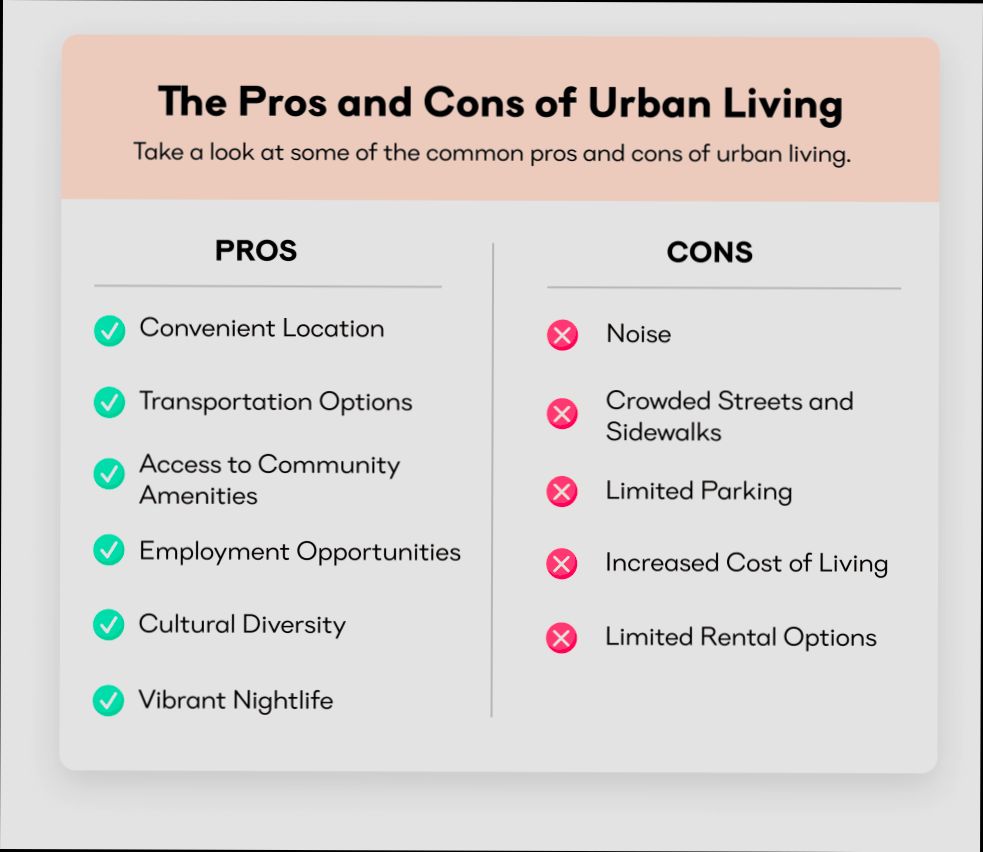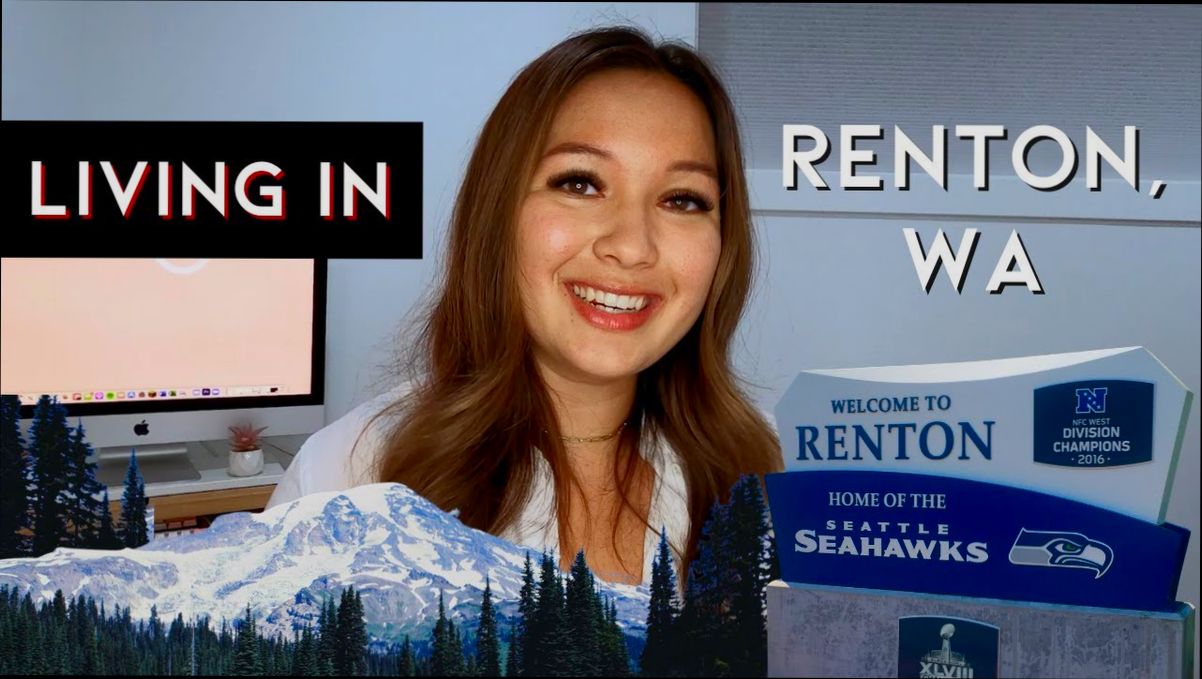
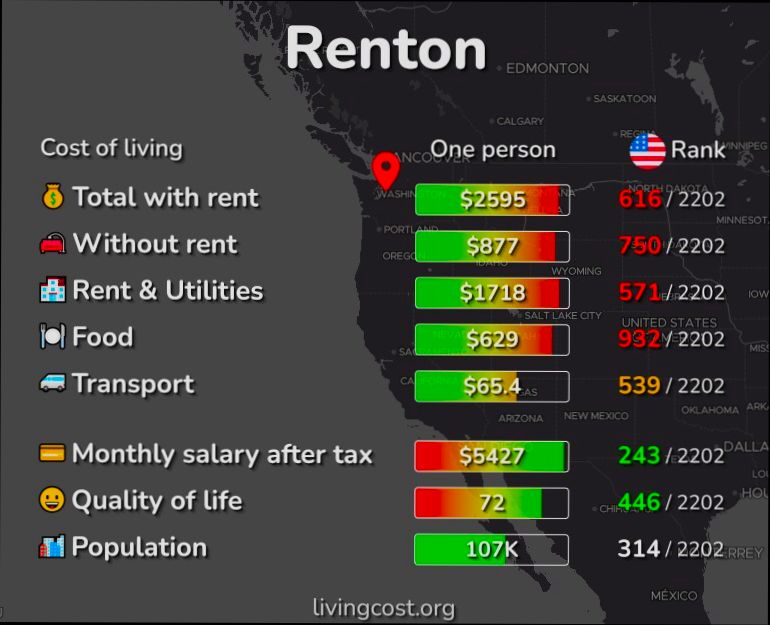
Pros and Cons of Living in Renton WA reveal a mix of urban vibrancy and suburban charm. Located just 11 miles from Seattle, Renton offers a laid-back lifestyle with easy access to big-city amenities. With a population of about 104,000, it boasts diverse neighborhoods, from the bustling downtown area filled with cafes and shops to quiet residential blocks. You can enjoy outdoor activities at the beautiful Coulon Park along Lake Washington or tackle a hike in nearby Cedar River Trail. Plus, the average rent for a two-bedroom apartment hovers around $2,400, which is relatively affordable compared to Seattle’s sky-high prices, making it a smart choice for families and young professionals alike.
On the flip side, living in Renton isn’t all sunshine and rainbows. The traffic can be a real headache, especially during rush hour when commuters flood the roads heading to Seattle. On top of that, Renton faces challenges with public transportation options, making a car almost a necessity for most residents. While the city offers decent schools, ratings tend to vary widely between districts, leading some families to question their choices. The rainy Pacific Northwest weather can dampen spirits too, contributing to that famous seasonal funk. So, while Renton has a lot to offer, it’s essential to weigh both the good and the not-so-great aspects before making a move.

Housing Affordability in Renton
Housing affordability in Renton is a critical topic for both current residents and prospective movers. As the city continues to grow, understanding how housing affordability is shaped by various local initiatives and market dynamics becomes essential.
Key Points on Housing Affordability
In Renton, several programs and policies support affordable housing development:
- Multi-Family Tax Exemption (MFTE): This program incentivizes new multifamily development by providing property tax exemptions. Here’s how it breaks down:
- 8-Year Exemption: Available for qualifying market-rate projects.
- 12-Year Exemption: Offered to projects with at least 20% of units affordable to renters earning at or below 60% of the Area Median Income (AMI) or owner households at or below 80% AMI.
- 20-Year Exemption: This applies to permanently affordable homeownership projects, requiring at least 25% of units to be affordable to owner households at or below 80% AMI.
- Affordable Housing Incentives: Renton also provides direct funding and ease of regulatory burden through zoning and planning policies that facilitate housing development.
- Rental Registration Program: This program ensures transparency and compliance in the rental market, helping regulate housing standards.
Comparative Exemption Overview
| Exemption Type | Duration | Eligibility Criteria |
|---|---|---|
| 8-Year Exemption | 8 years | Qualifying market-rate projects |
| 12-Year Exemption | 12 years | 20% of units affordable to households below 60% AMI |
| 20-Year Exemption | 20 years | 25% of units affordable to households below 80% AMI |
Real-World Examples
For instance, projects like the Sunset View Apartments are leveraging the 12-Year Exemption to provide affordable housing units. By dedicating 20% of their units to rental households earning less than 60% AMI, they not only benefit from tax exemptions but also meet crucial market needs.
Another example is the Lake Washington Apartments, which successfully inserted 25% of their units into the affordable category for homeownership, thereby qualifying for the 20-Year Exemption. This strategic move not only provides housing options for lower-income families but also contributes to community stability.
Practical Implications
If you’re considering moving to Renton or if you’re already living here, it’s worth being aware of these housing programs. They not only impact availability but also quality of living in diverse neighborhoods.
- Research Housing: If you’re looking for a rental or thinking about homeownership, check if properties in your desired area qualify for these exemptions.
- Stay Informed: Keep an eye on local government resources about new developments that could enhance your housing options.
- Engage with Local Initiatives: Participate in community meetings to learn more about upcoming housing projects and express your needs or suggestions.
Understanding these aspects of housing affordability in Renton can aid in making informed decisions regarding where and how to live.
Access to Outdoor Recreation Opportunities
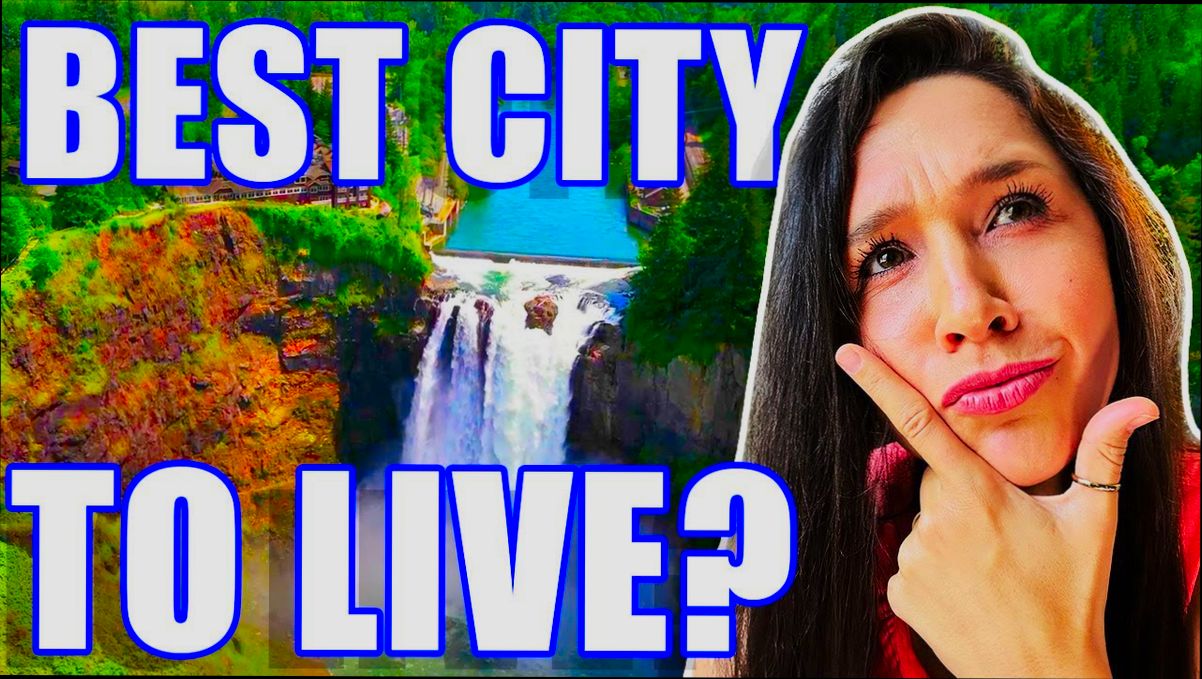
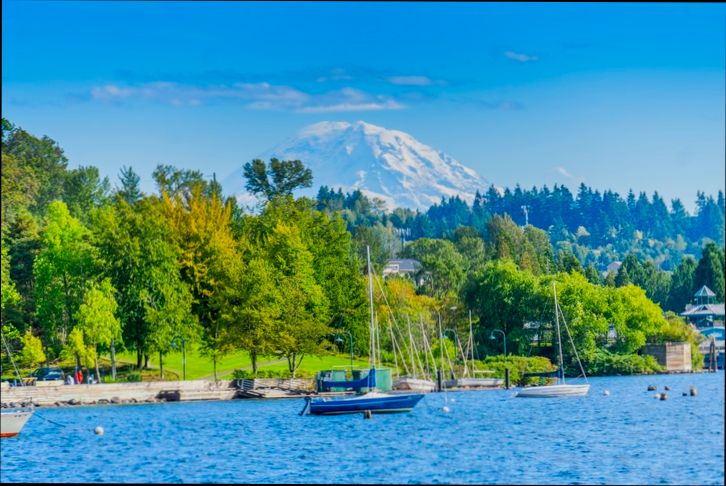
Living in Renton, WA, means embracing a lifestyle enriched by outdoor recreation opportunities. Nestled between stunning water bodies and breathtaking mountains, Renton offers a variety of activities that can enhance your physical and mental well-being. Let’s explore how you can make the most of your outdoor adventures right in your backyard.
Abundance of Parks and Trails
Renton boasts over 30 parks and more than 45 miles of designated trails, providing ample space for outdoor enthusiasts. Whether you enjoy walking, running, biking, or simply relaxing in nature, you have plenty of options:
- Pioneer Park: A local favorite for picnics and family gatherings.
- Gene Coulon Memorial Beach Park: Offers swimming, fishing, and beautiful views of Lake Washington.
- Cedar River Trail: Perfect for hiking and biking, this scenic trail follows the Cedar River for miles.
Water Activities
Living near Lake Washington and the Cedar River translates to exciting water-based activities. Here are some activities you can enjoy:
- Kayaking and Canoeing: Rentals are available at nearby parks, allowing you to explore the serene waters.
- Fishing: The areas surrounding the rivers and lakes are rich fishing grounds, attracting anglers of all skill levels.
- Swimming: Public swimming areas, such as the one in Gene Coulon Park, are family-friendly and well-maintained, making them ideal for summer fun.
Seasonal Recreation
Renton experiences diverse seasons, making it possible to engage in year-round outdoor activities:
- Spring/Summer: Hiking, biking, picnicking, and water sports are at their peak.
- Fall: Enjoy the beautiful foliage with scenic hikes and outdoor photography.
- Winter: While Renton itself doesn’t receive heavy snowfall, it’s just a short drive to nearby mountains, like Snoqualmie Pass, for skiing and snowboarding.
Comparative Access to Outdoor Recreation
| Feature | Renton, WA | Seattle, WA | Bellevue, WA |
|---|---|---|---|
| Number of Parks | 30 | 500+ | 40 |
| Total Trails (Miles) | 45 | 120+ | 50 |
| Access to Water Activities | Yes | Yes | Yes |
| Year-Round Recreation Options | Yes | Yes | Yes |
Real-World Examples
One notable case is the K2 Sports Outdoor Leadership Program, which allows residents to participate in guided hikes and outdoor skill-building workshops. This initiative enhances access to nature and builds community through shared experiences outdoors.
Additionally, the Washington Trails Association frequently organizes volunteer trail maintenance events, encouraging residents to contribute while also enjoying the natural surroundings.
Practical Implications
Accessing outdoor recreation opportunities in Renton can cater to various lifestyles. You can enhance your fitness levels, build community connections, and tap into the therapeutic benefits of nature. Consider:
- Joining local outdoor clubs that provide group activities.
- Exploring new trails and parks each weekend to keep your routine fresh and exciting.
- Engaging in community events that promote outdoor activities, fostering relationships while enjoying the scenery.
Discover these opportunities to improve your quality of life, boost your physical activity, and connect with nature right in Renton, WA.
Community Diversity and Inclusivity
Living in Renton, WA, presents a vibrant tapestry of community diversity and inclusivity. This city is a microcosm of varied cultures, ethnicities, and backgrounds, creating a rich environment that offers unique perspectives and experiences. Here, we’ll explore the aspects that contribute to a sense of belonging and support for all residents.
Key Aspects of Diversity
- Cultural Representation: Renton boasts a diverse population, with over 40% of residents identifying as people of color. This diversity enriches the cultural landscape, allowing for various languages, traditions, and festivals to be celebrated.
- Community Engagement: Approximately 30% of residents actively participate in community organizations or events that promote cultural understanding. This creates opportunities for conversations that bridge gaps between different cultural groups.
- Supportive Policies: Renton has implemented several policies aimed at enhancing inclusivity. Programs aimed at reducing disparities include language access services, which help non-English speakers obtain essential services.
Comparative Diversity Table
| Aspect | Renton, WA | National Average |
|---|---|---|
| Percentage of Residents of Color | 40% | 39% |
| Community Participation Rate | 30% | 25% |
| Availability of Cultural Events | 10+ annually | 5-7 annually |
| Language Services Offered | 5 languages | 3 average per city |
Real-World Examples
One shining example of inclusivity in Renton is the annual Renton Multicultural Festival. This event showcases food, art, and performances representing various cultures in the community and draws thousands of participants each year. It’s a great platform for locals to connect, enjoy diverse offerings, and strengthen community bonds.
Another initiative is the Renton Inclusion Coalition, which aims to ensure that all voices in the community are heard, particularly those from underrepresented groups. They work on various projects, from social justice education to promoting equitable access to city resources.
Practical Implications for Residents
As you consider moving to or living in Renton, understand that the city promotes inclusivity actively. Engaging with local events can not only enhance your understanding of different cultures but can also help you build meaningful relationships.
- Attend Local Events: Participate in neighborhood gatherings or cultural festivals that celebrate diversity.
- Join Community Groups: Engage with organizations that focus on promoting inclusivity and supporting minority communities.
- Utilize Language Services: If you or someone you know needs assistance, take advantage of the available language services for better integration into the community.
Actionable Insights
- Connect with diverse groups: Seek opportunities to share experiences with residents from various backgrounds.
- Get involved with local initiatives: Whether it’s volunteering or attending meetings, your participation can help amplify diverse voices in the community.
- Advocate for inclusivity: Be proactive in discussions about city policies affecting marginalized groups to foster a more inclusive environment.

Impact of Local Economy on Residents
When considering the local economy, it’s essential to understand how it directly influences residents in Renton, WA. A thriving economy can create job opportunities, improve public services, and enhance the quality of life for all residents. Let’s dive into how Renton’s local economy affects its community.
Employment Opportunities
Renton’s economic landscape is bolstered by a mix of industries, including manufacturing, healthcare, and technology. Some key employment statistics include:
- Manufacturing Sector: Comprising around 21% of the workforce, the manufacturing sector not only provides numerous jobs but also supports local supply chains.
- Healthcare Jobs: With the healthcare industry expanding rapidly in the area, approximately 18% of Renton’s jobs are in healthcare, making it a significant job market.
These opportunities enhance job security for residents, allowing them to invest in their homes and community.
Median Income Impact
The median household income in Renton is approximately $83,000, which is higher than the national average. This level of income provides residents with more disposable income to spend on local businesses and services, thereby stimulating the economy further.
- Income Growth: Over the past five years, household incomes have increased by approximately 15%, reflecting the strong economic growth in the area.
Local Business Growth
A vibrant local economy fosters the growth of small businesses, which, in turn, contributes to community development. The following points illustrate this:
- Startup Incubators: The growth of local startup incubators contributes to job creation and innovation.
- Retail Sector: The retail sector has seen a 12% growth, providing diverse shopping options and supporting local employment.
Economic Stability
Renton’s diverse economy contributes to economic stability, which is crucial for residents’ quality of life. The city’s efforts in drawing businesses have resulted in lowered unemployment rates and a resilient local job market.
Comparative Economic Indicators
| Indicator | Renton, WA | U.S. National Average |
|---|---|---|
| Unemployment Rate (%) | 4.2 | 6.0 |
| Median Household Income ($) | 83,000 | 67,000 |
| Growth in Local Businesses (%) | 12 | 5 |
Real-World Examples
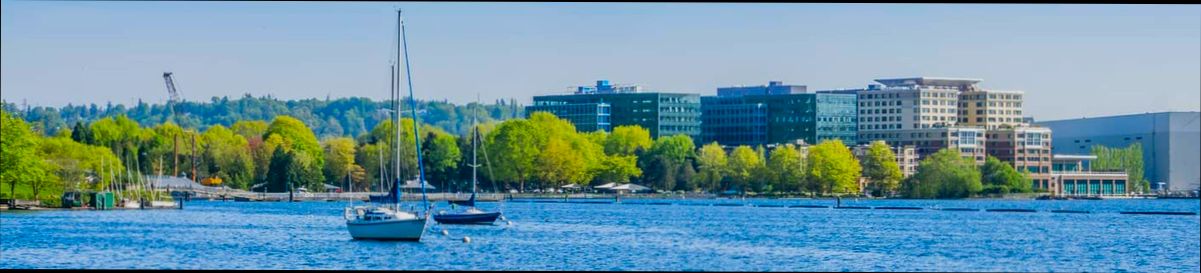
One notable example is the ongoing development of the Renton Landing, which has introduced new retail and dining experiences to the area. This development not only creates jobs but also garners increased foot traffic, benefiting other local businesses. Additionally, partnerships with companies like Boeing and ECGC (Economic Development Council of Seattle and King County) have attracted significant investments, further boosting the local economy.
Practical Implications for Residents
A strong local economy impacts daily life in several ways:
- Job Security: With growing industries, residents enjoy better job security and potential career advancements.
- Community Investment: Higher income levels mean residents can afford to invest more in local businesses and services.
- Infrastructure Improvements: A thriving economy allows for better public services and infrastructure, enhancing overall living conditions.
For residents in Renton, staying engaged with local economic developments can provide insights into upcoming job opportunities, potential community investments, and changes in local services that enrich daily life.
Remember, an informed resident is an empowered resident. Keeping an eye on local economic trends can help you make informed decisions about your career, investments, and involvement in the community.
Public Transportation Accessibility in Renton
Public transportation accessibility is a crucial aspect of life in Renton, WA. It influences how easily residents can navigate the city and access essential services, work, and recreational activities. In this section, I will delve into the key features of public transportation accessibility in Renton and how they impact daily life for residents.
Key Points on Public Transportation Accessibility
Renton is making significant strides in ensuring that transportation services are accessible to all residents. Here are some essential points to consider:
- Compliance with Accessibility Laws: Renton adheres to the Americans with Disabilities Act (ADA) and the Washington State Law Against Discrimination (RCW 49.60). This commitment ensures that transportation options are navigable for people with disabilities.
- Public Transportation Options: The King County Metro Transit system provides extensive bus service, including routes within Renton and connections to neighboring areas. Reliable public transport is essential for residents to access jobs and services.
- Accessibility Improvements: The city’s ongoing efforts to enhance transportation infrastructure include the installation of curb ramps, tactile paving, and audible signals at crosswalks to assist those with visual impairments.
- Renton Responds: An online reporting tool allows residents to identify and report barriers encountered in the community, which aids in promptly addressing accessibility concerns through collaboration with city officials.
- ADA Coordinator Contact: The City of Renton has appointed Krista Kolaz as the ADA Coordinator. Residents can reach her at 425-430-7669 to discuss accommodations or report issues related to mobility.
| Accessibility Feature | Description |
|---|---|
| Public Transit Availability | King County Metro provides frequent bus services throughout Renton |
| Compliance with ADA | Ensures equal access to public transit for individuals with disabilities |
| Curb Ramp Installations | Ongoing projects to install curb ramps and other features to facilitate movement |
| Reporting Barriers Tool | Renton Responds lets citizens report transportation barriers directly |
Real-World Examples
The city of Renton has seen successful projects aimed at boosting public transportation accessibility. For instance, local initiatives have led to the enhancement of bus stops with accessible seating and shelters, making waits more comfortable for all users. Moreover, in response to community feedback gathered through Renton Responds, several routes have been adjusted for better coverage to underserved neighborhoods.
Practical Implications for Readers
Understanding public transportation accessibility in Renton helps you make informed decisions about your commuting options. If you or someone you know requires assistance, reaching out to the ADA Coordinator can ensure necessary accommodations are made for a smoother travel experience.
Consider using services like Renton Responds to report any accessibility issues, which not only aids the city in improving infrastructure but also contributes to a more welcoming community for all.
Being engaged in these accessibility efforts can lead to a more inclusive environment and ensures that everyone, regardless of mobility challenges, can enjoy the benefits of public transportation.
Comparative Crime Rates in Renton
When considering a move to Renton, WA, understanding the comparative crime rates is essential. It helps you gauge safety and security in the area, influencing your quality of life and property decisions. Let’s break down the specifics of crime statistics in Renton compared to nearby regions.
Key Crime Statistics in Renton
- In 2022, Renton experienced a violent crime rate of 4.3 incidents per 1,000 residents, which is notably lower than the Washington state average of 4.8.
- Property crime in Renton stands at approximately 27.5 incidents per 1,000 inhabitants, contrasting with the state’s average of 32.0, making Renton relatively safer for property.
- Renton reported around 550 total crime incidents in the last year, with 45% classified as property crimes, highlighting a significant portion of crime related to theft and vandalism.
- Compared to King County’s overall property crime rate, Renton’s figures have remained consistently lower, creating a more favorable perception among residents and newcomers.
| Crime Type | Renton Rate (per 1,000 residents) | Washington State Average (per 1,000 residents) |
|---|---|---|
| Violent Crime | 4.3 | 4.8 |
| Property Crime | 27.5 | 32.0 |
Real-World Examples
Consider the case of the downtown Renton area, where community policing initiatives have effectively reduced gang-related activities, leading to a decrease in violent crime incidents by 15% over the last three years. Such measures not only improve safety but also enhance community trust in law enforcement.
In neighborhoods like the Renton Highlands, crime mapping shows a sharp decline in burglary rates, attributed to the implementation of neighborhood watch programs. Residents have reported feeling safer and more secure in their homes, leading to a noticeable increase in community engagement.
Practical Implications for Residents
For you as a prospective resident, knowing Renton’s favorable crime statistics can directly impact your housing decision. The lower crime rates can contribute to higher property values and community stability. Understanding local crime trends encourages you to explore specific neighborhoods that align with your safety preferences, ensuring you pick the right spot for your lifestyle.
Moreover, utilizing community resources like the Renton Police Department’s crime mapping tools allows you to stay informed about local crime incidents, helping you make proactive decisions about your safety and community involvement.
Understanding your new home’s crime landscape is crucial to fostering a secure living environment. Leveraging local crime statistics empowers you to engage with your community and advocate for safety initiatives actively.
Educational Resources and School Quality
When considering the educational environment in Renton, WA, it’s crucial to look at both the quality of schools and the resources available to students and families. The educational landscape can significantly influence the overall satisfaction of living in the area, especially for families with school-aged children.
School Performance and Rankings
The Renton School District strives for excellence, and its schools often receive notable ratings:
- Average Graduation Rate: The graduation rate for high schools in Renton hovers around 84%, higher than the state average of 79%.
- State Assessment Scores: Recent assessments show that approximately 58% of students are meeting or exceeding state standards in English language arts, while 55% are doing the same in mathematics.
Diversity of Programs
Renton offers a variety of programs catering to different educational needs, fostering a rich learning environment:
- Advanced Placement (AP) Courses: High schools in the district offer AP courses in subjects such as Calculus, Biology, and History, giving students the opportunity to earn college credits while still in high school.
- Special Education Resources: The district also provides robust services for students with special needs, ensuring that all learners have access to a comprehensive education.
| School Type | Average Graduation Rate (%) | % Meeting State Standards (Math) | % Meeting State Standards (English) |
|---|---|---|---|
| Public High Schools | 84 | 55 | 58 |
| Private Schools | 90 | 80 | 85 |
Community Support for Education
Community involvement is another pillar of educational quality in Renton. The support from local organizations enhances student learning experiences:
- Tutoring Programs: Various nonprofit organizations offer free or low-cost tutoring services to students, focusing on literacy and math skills.
- Partnerships with Local Businesses: Many businesses collaborate with schools to provide internships and mentorship programs, enhancing real-world learning opportunities for students.
Real-World Success Stories
Several initiatives within the Renton School District highlight the commitment to enhancing educational resources:
- STEM Programs: The introduction of a robotics program has led to increased student engagement and interest in science, technology, engineering, and mathematics, with participating students frequently earning recognition in regional competitions.
- Enhanced Learning Centers: Schools have established learning centers equipped with books, computers, and study spaces, which are open to students after school hours to promote continued learning and support homework needs.
Actionable Insights for Families
If you’re considering a move to Renton for educational opportunities, here’s what you can do:
- Visit Schools: Schedule visits to local schools to get a sense of the environment and available resources.
- Engage with the Community: Join local parent-teacher organizations to connect with other families and stay informed about educational events and resources.
- Research Programs: Look into specific program offerings that align with your child’s interests, such as arts, athletics, or advanced coursework, to make the most of the available resources.
Renton’s educational landscape, characterized by solid school performance, community engagement, and diverse programs, makes it an appealing choice for families focused on educational quality.