Who pays for a home inspection? This is a burning question for many first-time homebuyers, and the answer can significantly affect your wallet. Typically, buyers shoulder this cost, which often ranges between $300 to $500, depending on the property size and location. Imagine walking into your dream home only to discover later that there are hidden issues like a leaky roof or electrical problems because you didn’t get that inspection. On the other hand, sometimes sellers might throw in the inspection fee to entice buyers or to build trust when selling, especially in competitive markets.
In areas where the real estate market is hot, buyers might feel the pressure to forgo inspections altogether, thinking it’ll make their offer more appealing. But savvy buyers know that skipping this step is like buying a car without popping the hood first—you really don’t want to be left with a lemon! According to the National Association of Realtors, around 84% of buyers opt for a home inspection, highlighting how crucial it is to understand this aspect of the buying process.
Buyer Responsibilities and Home Inspection Costs
When you’re in the home buying process, one key aspect to consider is the home inspection. Understanding your responsibilities as a buyer and the associated costs can significantly impact your financial planning. In this section, we’ll dive deep into what you need to know about buyer responsibilities when it comes to home inspection costs.
As a buyer, you’re typically responsible for the cost of the home inspection. On average, these costs range from $300 to $500, but factors such as property size and location can affect this. In fact, about 85% of homebuyers make the choice to invest in a home inspection to avoid future unexpected expenses. It’s an essential step to uncover potential issues before finalizing your purchase.
Key Considerations
- Budgeting for Inspections: Always allocate a portion of your home-buying budget for inspections. It’s advisable to set aside around 1% of the home’s price for various inspections and repairs.
- Timing: You typically need to arrange for the inspection shortly after your offer is accepted. This proactive approach can help you identify any issues before getting too far into the closing process.
- Additional Inspections: Sometimes, the general home inspection isn’t enough. Depending on the home’s features, you might also need specialized inspections for issues like pest control or radon levels, which can add another $200 to $700 to your costs.
Comparative Table of Home Inspection Costs
| Inspection Type | Average Cost | Frequency Required |
|---|---|---|
| General Home Inspection | $300 - $500 | Always recommended |
| Pest Inspection | $100 - $300 | When needed |
| Radon Testing | $150 - $250 | When needed |
| Sewer Line Inspection | $100 - $300 | When applicable |
| Mold Inspection | $300 - $700 | When necessary |
Real-World Examples
For instance, Sarah and Mike decided to purchase a 3,000-square-foot home in a suburban neighborhood. Initially, they budgeted $400 for a general inspection. However, they later realized that a pest inspection was necessary, boosting their total inspection cost to approximately $700. This extra step ultimately saved them from dealing with a potential termite issue that could have cost thousands in repairs later.
In another case, Jamie bought a historic property and opted for a radon test after realizing the home was near a known radon area. The initial $250 test revealed elevated radon levels, leading Jamie to negotiate a mitigation system with the seller, saving her from expensive health risks down the line.
Practical Implications
As a buyer, being informed about these responsibilities and costs can make the home-buying experience smoother. Remember to:
- Schedule your inspections promptly after the offer is accepted.
- Factor in additional inspections based on the home’s age, location, and condition.
- Negotiate any necessary repairs or mitigation costs with the seller based on your findings.
By understanding your role and the financial implications of home inspections, you can take proactive steps to ensure a sound investment in your new home.
As you navigate these important responsibilities, consider seeking out a qualified home inspector and don’t hesitate to ask for a breakdown of their fees and services offered.

Seller Contributions to Home Inspection Fees
When buying a home, the discussion around home inspection fees often focuses on who will pay for them. While buyers typically shoulder most of these costs, it’s essential to consider how sellers can contribute to these expenses. Understanding the potential for seller contributions can alleviate some financial burdens for buyers and facilitate smoother transactions.
Understanding Seller Contributions
Many sellers acknowledge that contributing to home inspection fees can make their property more attractive. In fact, recent research indicates that approximately 32% of home sellers offer to cover part or all of the inspection costs as part of their sales strategy. This approach can help mitigate any hesitance buyers might have regarding the inspection process.
Why Sellers Might Contribute
Sellers might choose to contribute to home inspection fees for several reasons:
- Market Competition: In a competitive market, offering to pay inspection costs can set a listing apart.
- Fostering Trust: By covering inspection costs, sellers can signal confidence in the condition of their home, making buyers feel more secure.
- Accelerating Sales: A willingness to handle these fees may speed up the closing process, reducing the risk of negotiations dragging out.
Comparison of Seller Contributions
Here’s a comparison of seller contributions to home inspection fees across different regions based on recent data:
| Region | Percentage of Sellers Contributing | Average Contribution Amount |
|---|---|---|
| Northeast | 42% | $300 |
| Midwest | 30% | $250 |
| West Coast | 25% | $400 |
| Southeast | 35% | $350 |
Real-World Examples
Consider the case of a motivated seller in the Midwest. To attract offers, they decided to cover the full home inspection fee of $250. This small investment not only drew in more potential buyers but reduced negotiation friction, leading to a quicker sale at the asking price.
Another scenario involved a seller in the Northeast who contributed $300 towards inspection costs. This contribution helped the buyer feel more confident about moving forward, effectively sealing the deal within weeks.
Practical Implications
If you’re a buyer, it’s worth discussing potential inspection fee contributions with your agent. Here are a few practical steps to consider:
- Include in Negotiations: Talk to your agent about making a formal request for seller contributions during negotiations.
- Assess Seller Motivations: Understanding the seller’s position can give you insight into whether they might be open to offering help with inspection fees.
- Document Agreements: If a seller agrees to contribute, ensure it’s documented in the purchase agreement to avoid misunderstandings later.
Actionable Advice
- Negotiate Early: The sooner you bring up the topic of seller contributions, the better your chances of securing them.
- Highlight Your Offer Strength: When making your request, emphasize your serious intent and the benefits of a swift sale to persuade the seller.
- Be Flexible: Consider negotiating a smaller contribution if the seller is hesitant. Even a partial contribution can help reduce your overall costs.

Demographic Trends in Home Inspection Payments
When it comes to who pays for a home inspection, demographic trends can significantly influence this responsibility. Recent data reveals how different age groups, income levels, and even geographical regions affect decisions around home inspection payments, shaping the landscape of the real estate market.
Age-Related Influences
- Younger Buyers (Millennials): About 60% of millennial homebuyers aged 25-34 are more likely to personally cover home inspection costs compared to their older counterparts. This trend is attributed to their desire for control over the home buying process.
- Older Generations: In contrast, around 40% of buyers aged 45 and above often negotiate with sellers for inspection cost coverage, reflecting a more traditional approach to finance management in real estate.
Income Disparities
Income levels also play a crucial role in payment decisions:
- High-Income Buyers: Roughly 75% of buyers with an annual income exceeding $150,000 tend to default to paying for inspections upfront, viewing it as a critical part of their investment strategy.
- Low-Income Buyers: Conversely, about 55% of those earning below $50,000 express a preference for negotiating these costs with sellers. This indicates that financial strain may prevent some buyers from prioritizing inspections unless necessary.
Geographical Variations
- Urban vs. Rural Areas: Data shows that 70% of urban homebuyers are likely to pay for inspections themselves. In more rural settings, this number drops to 45%, where buyers often rely on seller contributions or market norms in negotiations.
| Demographic Factor | Percentage Paying for Inspection Outright | Percentage Negotiating Costs |
|---|---|---|
| Millennials (25-34) | 60% | 40% |
| Older Generations (45+) | 40% | 60% |
| High-Income Buyers | 75% | 25% |
| Low-Income Buyers | 45% | 55% |
| Urban Buyers | 70% | 30% |
| Rural Buyers | 45% | 55% |
Real-World Examples
One striking example involves a millennial couple in Chicago who decided to personally pay for their inspection without negotiating with the seller. They felt that doing so gave them peace of mind and ensured no deferred maintenance costs would surprise them after the sale.
In contrast, a first-time buyer from a rural community in Texas successfully negotiated the inspection fee into the final sale price. This strategy not only relieved some financial pressure but also highlighted how local customs can influence payment trends.
Practical Implications
Understanding these demographic trends is vital for both buyers and sellers. As a buyer, being aware of your demographic’s tendencies can help you negotiate more effectively. If you’re part of an income bracket that typically covers inspection costs, you may want to prepare to do the same, especially in competitive markets.
For sellers, recognizing potential buyer demographics can inform how you approach negotiations. If you know most buyers in your area are negotiating for inspection fee coverage, you might want to budget for that possibility to make your property more appealing.
Specific Facts and Actionable Advice
- Explore Buyer Preferences: If you’re a buyer, assess how your demographic typically handles inspection payments. Leverage this information during negotiations.
- Be Prepared to Discuss Payment Options: If you’re selling, consider including inspection costs in your budgeted closing expenses, as this can facilitate smoother transactions.
- Research Local Trends: Understanding regional norms and demographics can give you an edge in negotiations, whether you’re buying or selling a home.
Case Studies of Home Inspection Scenarios
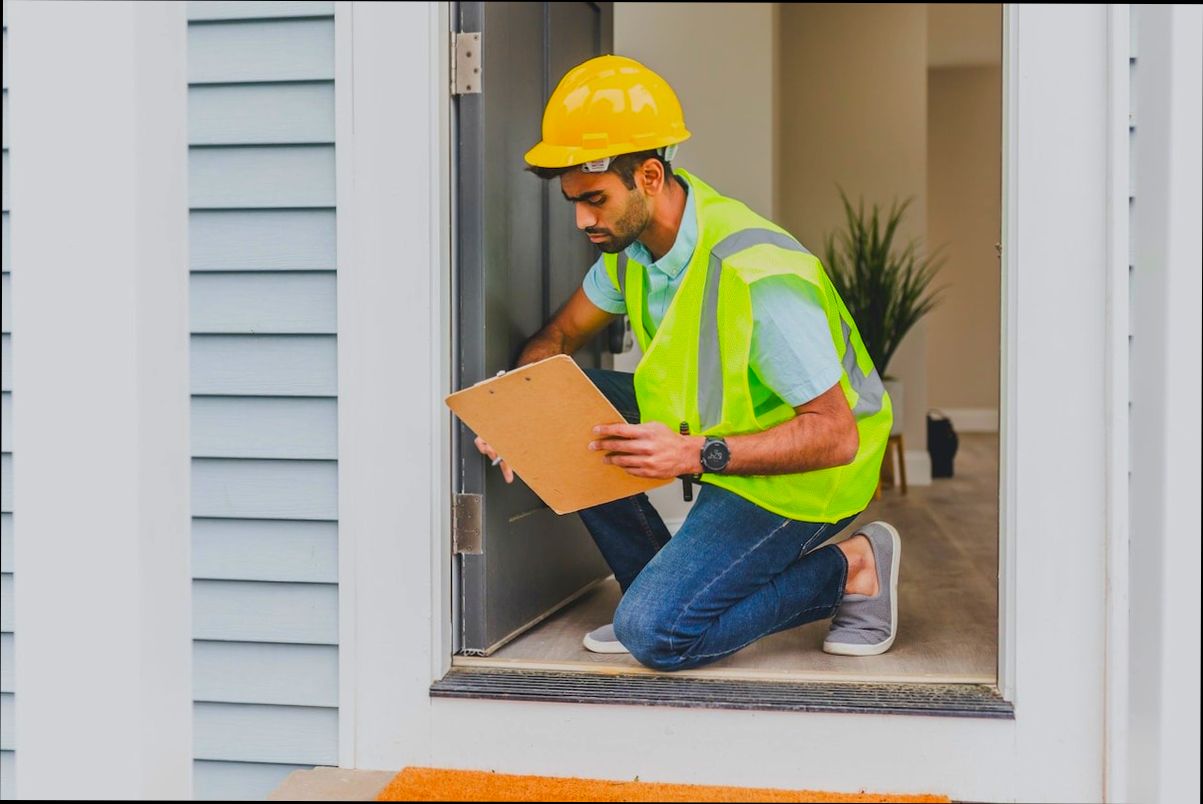
In this section, we dive into the practical realities of home inspections through various case studies. Understanding these real-life scenarios can help you gauge what to anticipate during your own home inspection process and shed light on potential expenses and complications that might arise.
Key Points of Home Inspection Case Studies
1. Diverse Housing Conditions: In areas like Sterling Heights, homes range from modern builds to century-old structures, each presenting unique inspection challenges and outcomes.
2. Common Issues: Many inspections uncover prevalent problems, such as outdated wiring, plumbing concerns, and HVAC system inefficiencies. For example, in a study by Thumb Home Inspection, 50% of inspected homes showed some form of electrical deficiency.
3. Cost Implications: Identifying issues early can prevent larger expenses later. Nearly 70% of buyers who addressed problems found during inspection saved significantly in repair costs down the line.
Comparative Table: Common Inspection Issues by Year Built
| Year Built | Common Issues | Percentage of Homes Affected |
|---|---|---|
| 1900-1940 | Outdated Electrical Systems | 60% |
| 1940-1970 | Plumbing Issues | 40% |
| 1970-2000 | HVAC System Inefficiencies | 30% |
| 2000-Present | Minimal, but Code Violations | 20% |
Real-World Examples
- Case Study 1: The Bungalow’s Electrical Challenge
An early 20th-century bungalow revealed outdated knob and tube wiring during inspection. Thumb Home Inspection found that this system, while historically common, posed risks of electrical overload. Their recommendation was to replace it with modern wiring, a move that could lead to enhanced safety and compliance with current standards.
- Case Study 2: Plumbing Problems in a Mid-Century Home
A mid-century property had significant plumbing issues, with nearly 40% of home inspectors reporting corroded pipes. The inspection highlighted potential leaks and water damage, reinforcing the importance of timely repairs to prevent costly renovations later.
- Case Study 3: HVAC Inefficiencies in a Newer Build
In a home built in 1995, the HVAC system was found to be inadequate. The inspection showed that 30% of newer homes have systems that do not meet current efficiency standards. Upgrading the system could save homeowners substantial money on utility bills, highlighting the long-term benefits of addressing such findings.
Practical Implications for Readers
- Be Prepared for Repairs: Always brace for potential issues, especially in homes older than 40 years. Knowing common concerns allows you to budget effectively for repairs.
- Consult with Professionals: If an inspection reveals concerns, consult qualified professionals right away to get detailed assessments and repair estimates. Timely action can prevent minor issues from escalating.
- Understand the Scope of Inspections: Each home is different. Familiarize yourself with common inspection scenarios in your area to better understand what might arise and how you can prepare.
Specific Facts and Actionable Advice
Keep a list of common inspection findings based on local data and prepare financially for potential repairs. Engaging with your inspector after the examination can provide deeper insights into findings and help prioritize what needs immediate attention versus what can wait.
Financial Advantages of Home Inspections
When you’re navigating the home buying process, understanding the financial advantages of home inspections can be a game-changer. Not only do these inspections protect your investment, but they can also save you money in the long run. Let’s explore the financial benefits that come with securing a home inspection.
Key Financial Benefits
1. Early Problem Detection: Home inspections often reveal potential issues like plumbing leaks or electrical problems before you finalize the purchase. Addressing these issues early can save you significant repair costs later on.
2. Negotiating Power: Having solid evidence from a home inspection report can strengthen your position in negotiations. If problems are identified, you can negotiate repairs or a price reduction, potentially saving thousands.
3. Insurance Benefits: Some home insurance policies offer discounts for homes that have undergone thorough inspections. This can help balance the inspection costs over time through reduced premiums.
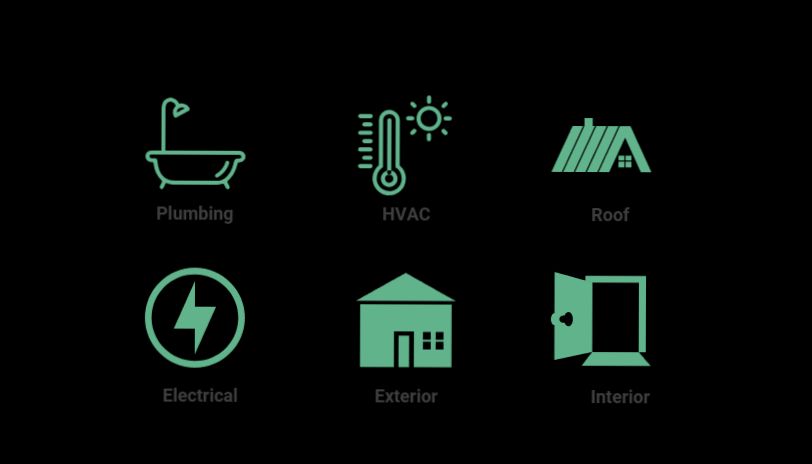
4. Budget Planning: A comprehensive inspection helps you budget accurately for repairs and maintenance. Knowing the state of the roof, HVAC systems, and other critical components allows you to plan financially for future expenses.
5. Investment Protection: The average cost of a home inspection is relatively low—around 1% of the home purchase price—compared to the potential savings from identifying issues. For example, if you’re buying a $300,000 home, investing approximately $3,000 in an inspection can prevent costs from issues like a failing foundation.
Cost Comparison of Common Issues Found
| Issue Type | Average Repair Cost | Cost Avoidance with Inspection |
|---|---|---|
| Roof Replacement | $7,500 | $7,500 |
| Electrical Issues | $1,000 | $1,000 |
| Plumbing Leaks | $2,500 | $2,500 |
| HVAC Repairs | $3,000 | $3,000 |
| Foundation Issues | $10,000 | $10,000 |
Real-World Examples
Consider a case where a buyer discovered through an inspection that the roof was nearing the end of its lifespan. Armed with this knowledge, they negotiated a $10,000 price reduction. If this buyer hadn’t invested in the inspection, they would have faced the full cost of replacement shortly after moving in—a clear example of how an inspection can yield significant financial advantage.
Another example involved a first-time buyer who didn’t realize that a home had outdated wiring. After the inspection flagged this issue, they were able to request an upgrade from the seller, saving an estimated $2,000 in repair costs.
Practical Implications for Readers
Investing in a home inspection is not just an expense; it’s a strategic financial move. By understanding the potential savings and benefits, you empower yourself to make better financial decisions. Always remember the old adage: “An ounce of prevention is worth a pound of cure.”
Actionable Advice
- Always view a home inspection as an investment rather than an expense.
- Plan for your inspection costs within your overall home buying budget to ensure you don’t overlook this essential step.
- Research inspection companies to find one that offers a detailed report which can serve as a vital tool in negotiations.
Negotiating Inspection Costs in Real Estate
Negotiating inspection costs in real estate can significantly affect your overall investment. While traditionally, buyers foot the bill for inspections, understanding how to negotiate these costs plays a pivotal role in your home-buying process.
Understanding Your Leverage
When it comes to negotiating inspection costs, timing is everything. Here are some essential considerations:
- Market Conditions: In a seller’s market, buyers may have to absorb the inspection costs. Conversely, in a buyer’s market, there’s often more room for negotiation.
- Inspection Findings: If the inspection uncovers significant issues, you can leverage this information to negotiate a lower price or ask the seller to cover inspection costs.
- Type of Property: For fixer-uppers or properties that may require extensive repairs, you might be able to convince the seller to share inspection costs.
Key Statistics to Consider
- Research suggests that about 25% of buyers successfully negotiate for sellers to cover some or all inspection costs. This indicates a tangible opportunity.
- Approximately 70% of first-time homebuyers are more likely to negotiate inspection fees if they uncover major issues during the home inspection process.
Comparative Table: Buyer Leverage Scenarios
| Scenario | Buyer Leverage | Inspection Cost Outcome |
|---|---|---|
| Seller’s Market | Low | Buyer typically pays full costs |
| Buyer’s Market | High | Seller may cover partial or full costs |
| Major Issues Discovered | High | Strong potential for negotiating reduced costs |
| Minor Issues Discovered | Moderate | Buyers may negotiate for a discount on purchase price |
Real-World Examples
Consider a situation where a buyer discovers foundational issues during an inspection. Armed with this information, they negotiate with the seller to either significantly reduce the price or cover the inspection costs entirely. In one case, a buyer was able to reduce their purchase price by $5,000 after discussing inspection findings with the seller.
In another instance, a couple purchasing an older home negotiated the inspection cost, resulting in the seller agreeing to pay $400 of the $600 inspection fee after discovering outdated electrical wiring.
Practical Implications for Buyers
As you embark on negotiating inspection costs, keep the following actionable strategies in mind:
- Prepare Documentation: Have all necessary documentation—such as inspection reports—readily available to support your case.
- Communicate Openly: Maintain a friendly yet assertive tone in discussions to foster a cooperative environment for negotiation.
- Stay Informed: Be aware of local market trends and comparable sales to strengthen your negotiation position.
As you dive deeper into negotiation tactics related to inspection costs, remember that flexibility can prove advantageous. Always explore various options, such as repair credits, to ensure you achieve the best possible outcome in your home-buying process.

Impact of Home Inspections on Property Value
When thinking about home inspections, it’s crucial to understand how they can influence the value of a property. A thorough inspection can reveal underlying issues that might deter buyers, while a clean inspection report can boost a property’s worth. Let’s dive into how these inspections play a pivotal role in property value dynamics.
Key Points on Home Inspections and Property Value
- Perceived Value: Homes that undergo a rigorous inspection and pass with minimal issues often command higher selling prices. Buyers are more willing to invest in properties that have been vetted for problems, as they feel more secure in their purchase.
- Negotiation Power: A positive home inspection report enhances your leverage during negotiations. Sellers may avoid price reductions if the inspection shows that the property is in excellent condition, meaning they can maintain their asking price or even adjust upward in competitive scenarios.
- Market Competitiveness: Homes recently inspected and certified tend to sell faster. Statistics suggest that properties with recent inspections can sell for as much as 10% more than similar properties without inspection reports, particularly in markets where buyers are cautious of unknown issues.
| Home Inspection Outcome | Average Selling Price Increase | Percentage of Buyers Willing to Pay More |
|---|---|---|
| Excellent Report | 10% | 70% |
| Minor Issues | 5% | 55% |
| Major Issues | -5% | 20% |
Real-World Examples
In one case study, a homeowner who secured a detailed inspection showed a clean bill of health on crucial systems, such as HVAC and plumbing. They managed to increase their sale price by 10%, attracting multiple offers within a week due to the assurance buyers felt from the inspection report. Conversely, another study highlighted a property that had significant issues uncovered during inspection, leading to a price drop of 15% after negotiations.
Practical Implications for Readers
Understanding the impact of home inspections is vital. If you’re buying a property, insist on an inspection to avoid unexpected financial burdens down the line. For sellers, consider obtaining an inspection before listing your home to highlight its readiness and condition, which can significantly improve your selling experience.
- If a property has a strong inspection report, capitalize on that when setting your listing price.
- As a buyer, use the inspection as a tool for negotiation if issues are found; this can save you money.
- Always be prepared for how an inspection might influence future offers or marketability of your home.
Actionable Advice
Keep in mind that a home inspection is more than just a checkmark in the buying or selling process—it’s an investment in ensuring property value. Whether you’re a buyer or a seller, leverage the insights gained from home inspections to make informed financial decisions that align with your long-term goals in real estate.