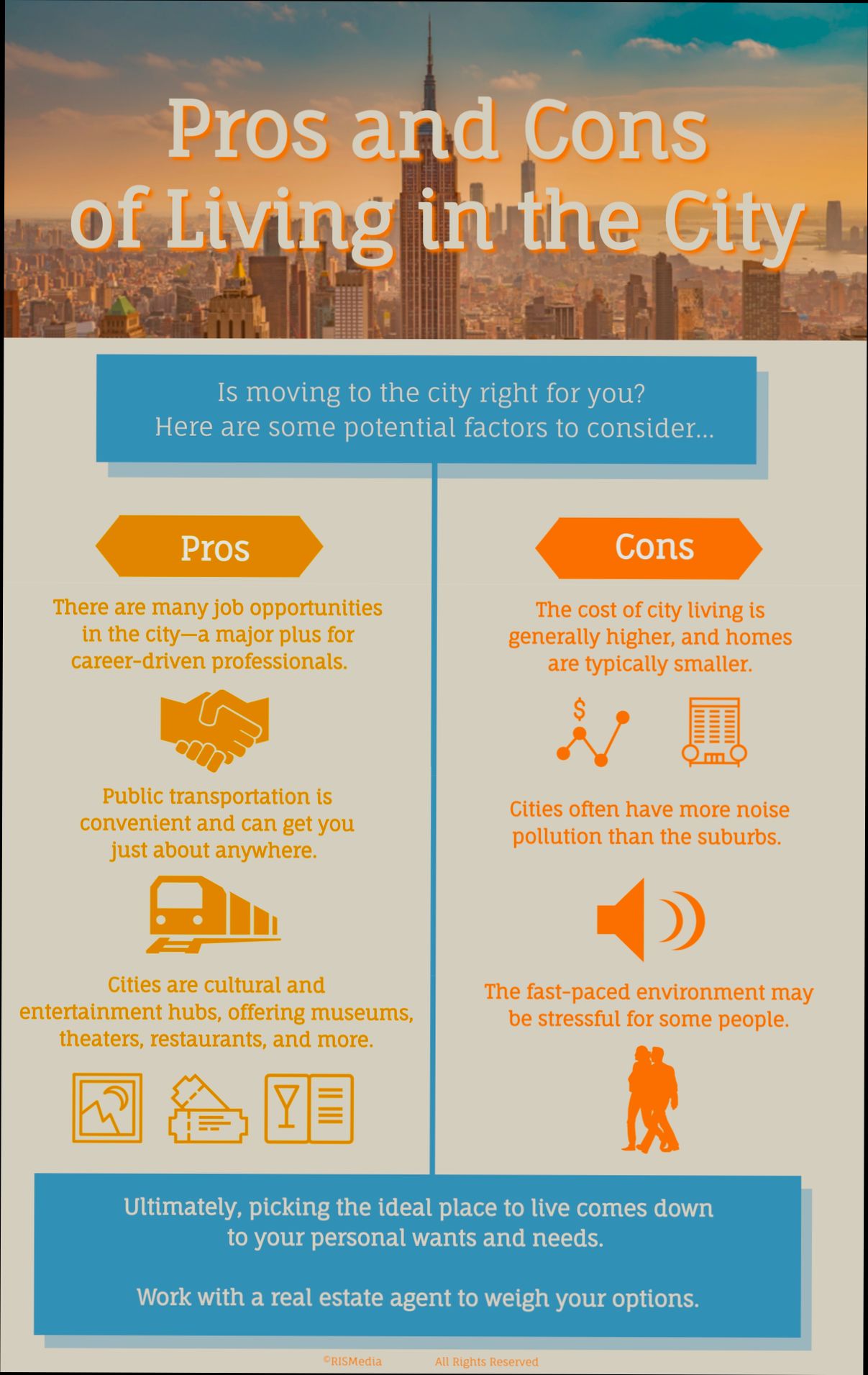
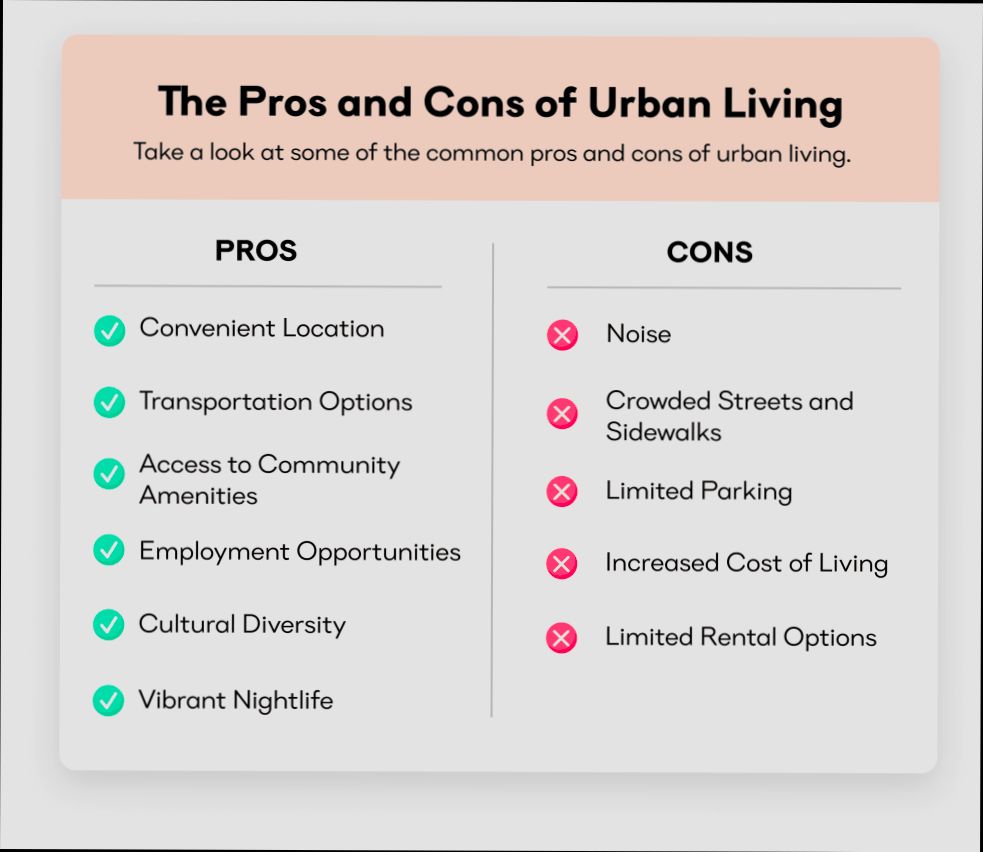
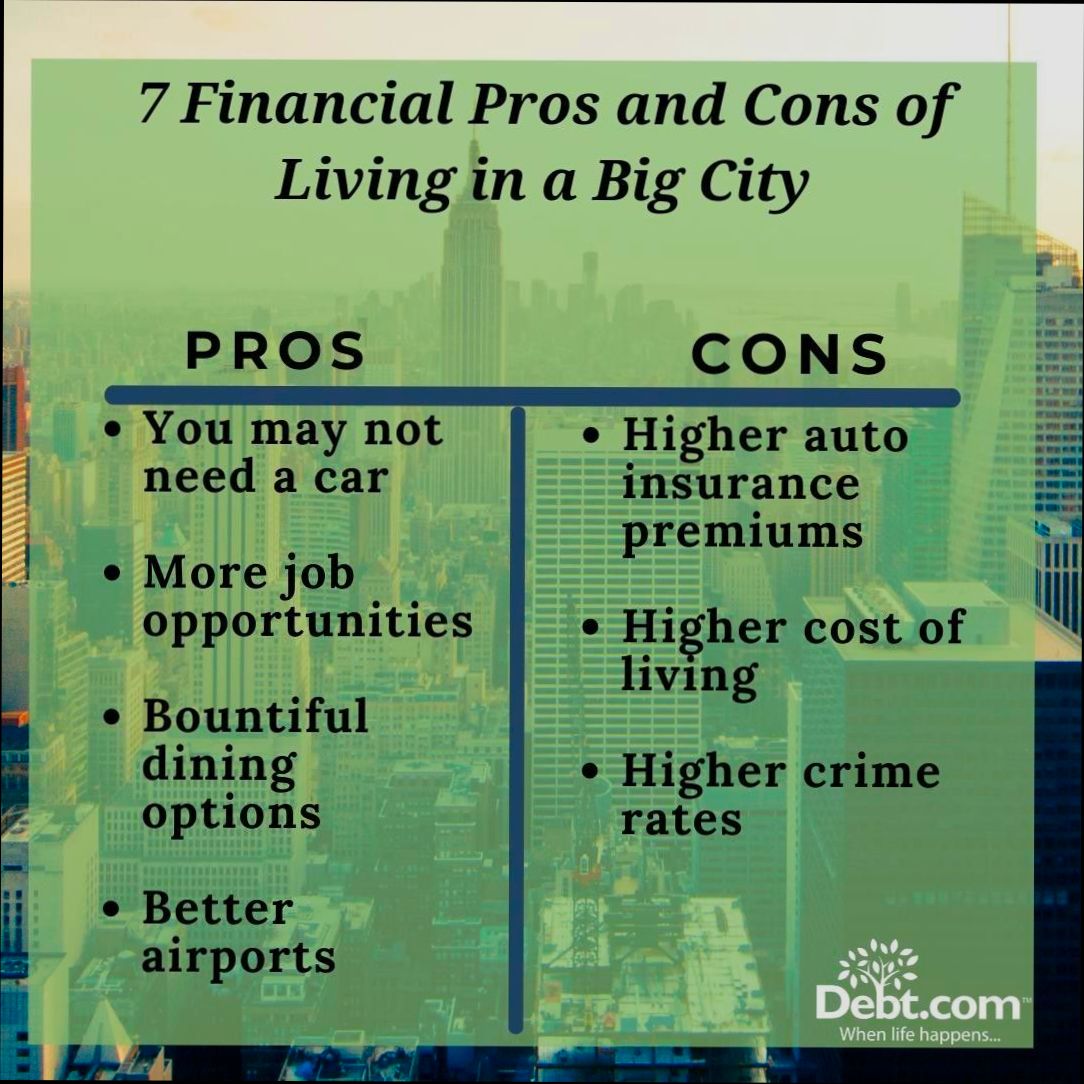
Pros and Cons of Living in Münster offer a glimpse into the charm and challenges of this vibrant city. On the plus side, Münster boasts an impressive cycle-friendly environment, with over 600 kilometers of bike lanes that make commuting a breeze. You can easily hop on your bike and zip around to enjoy the picturesque Prinzipalmarkt or the stunning Münster Cathedral. Plus, the city’s high quality of life is reflected in its major rankings; it often appears in studies looking at happiness and sustainability. You’ll find a variety of green spaces like the Aasee, where locals love to relax or paddle in the summer, making the city feel like a cozy haven.
However, it’s not all perfect. The cost of living can take some by surprise, especially with average rents hovering around €10-€12 per square meter, which is fairly high for a city of its size. While Münster has a decent job market, especially for students and young professionals, competition can be stiff, and you may find yourself navigating a few bureaucratic hurdles, especially if you’re not fluent in German. Plus, let’s not forget the infamous rainy days—Münster sees about 130 rainy days a year, which might not be everyone’s cup of tea.
Cultural Richness and Community Life
When we think about cultural richness and community life in Münster, it’s hard not to feel a sense of vibrancy and connection. The city fosters an environment where art, tradition, and sense of belonging intertwine, creating a lively atmosphere that makes living here unique.
Key Aspects of Cultural Richness
- Artistic Landscape: Münster boasts over 50 art galleries, museums, and theaters that spotlight both contemporary and traditional art.
- Festivals and Events: The city’s calendar is packed, with over 300 festivals and events throughout the year, demonstrating the community’s commitment to celebrating diversity.
- Community Engagement: Approximately 70% of residents participate in community activities, showing a strong collective spirit and willingness to engage.
Comparative Table: Cultural Activities in Münster
| Activity Type | Number of Events | Community Participation (%) |
|---|---|---|
| Art Exhibitions | 75 | 60 |
| Music Festivals | 50 | 75 |
| Cultural Festivals | 35 | 90 |
Real-World Examples
Münster celebrates its rich heritage through memorable events like the Münsterland in Bloom festival, which attracts over 150,000 visitors. Residents enthusiastically dive into this vibrant atmosphere, showcasing local talent in art, food, and performances. The city’s commitment to culture can also be seen in the annual “Münster Sculpture Project,” where international artists create temporary installations throughout the city, encouraging public interaction and dialogue.
Practical Implications for Residents
Living in Münster means you have a front-row seat to a dynamic cultural landscape. You can easily immerse yourself in art exhibitions, attend local concerts, or participate in community-led events. Joining groups like local art collectives or volunteering at cultural festivals will enhance your experience and help you make connections.
Actionable Insights
- Get Involved: Don’t hesitate to volunteer for different cultural events; it’s a fantastic way to meet like-minded individuals.
- Explore Museums: Make use of the monthly free museum days to explore various art forms spanning centuries.
- Attend Festivals: Check local listings for upcoming festivals and plan your weekends around these events to fully experience community life in Münster.
Cost of Living and Housing Insights
When considering a move to Münster, it’s crucial to understand the local cost of living and housing market. This section will provide you with a clear overview of the expenses you can expect and how to navigate the housing landscape effectively.
Key Cost of Living Insights
The cost of living in Münster is generally favorable compared to other major German cities. Here are some critical statistics to guide you:
- Average Rent Prices: A one-bedroom apartment in the city center averages around €850, while the same apartment outside the center costs about €650.
- Utilities: Basic utility costs (heating, cooling, water, and electricity) for a standard apartment can run around €250 per month.
- Grocery Budgets: Expect to spend approximately €200-€300 per month on groceries for a single person, factoring in local markets and supermarkets.
- Transportation: A monthly transportation pass costs about €65, making public transport a great option for commuting.
- Health Insurance Contribution: Health insurance costs can be a significant part of your expenses, amounting to around 14.6% of your gross salary.
Comparative Table of Monthly Expenses
| Expense Type | City Center (€) | Outside City Center (€) |
|---|---|---|
| Rent (1-bedroom) | 850 | 650 |
| Utilities | 250 | 250 |
| Groceries | 250 | 200 |
| Public Transport | 65 | 65 |
| Health Insurance (avg) | 14.6% of salary | 14.6% of salary |
Real-World Examples
Navigating the housing market can be intimidating, especially for newcomers. A recent expat shared that they successfully found a charming apartment in a quieter district of Münster for €600/month. They reported that being flexible with location played a vital role in finding an affordable yet comfortable home.
Another expat found their rental experience smooth by working closely with local real estate firms that cater specifically to international clientele. They emphasized that these firms not only helped them secure housing but also offered valuable insights into neighborhoods that are friendly to expatriates.
Practical Implications
Understanding the cost of living is vital for budgeting purposes. If you plan to relocate, you should consider that housing may take up a significant portion of your monthly budget. To minimize expenses:
- Explore neighborhoods like Gievenbeck or Hiltrup, which often have lower rents compared to the city center.
- Consider shared living arrangements or co-housing solutions, which can drastically reduce your rent.
- Keep an eye on local rental markets through platforms like Immowelt or WG-Gesucht, which can give you a sense of rental trends and price fluctuations.
You might also want to factor health insurance into your budget early on. Ensuring you’re fully covered will protect you from unexpected medical expenses and keep you compliant with local regulations.
In Münster, while you can find a good quality of living at a reasonable cost, your approach to housing and budgeting will significantly impact your overall experience.
Educational Opportunities and Institutions
Münster is a city that prides itself on its robust educational landscape, offering a diverse range of institutions and programs for students. With several universities and specialized schools, it caters to various fields of study and attracts a significant number of international students each year.
Key Educational Institutions
1. University of Münster (WWU):
- One of the largest universities in Germany, WWU has over 45,000 students enrolled across various disciplines.
- It offers over 100 degree programs, ensuring that students have ample choices.
2. Münster University of Applied Sciences (HS Münster):
- This institution emphasizes practical learning and houses around 14,000 students.
- They offer unique programs such as International Business and Renewable Energies, preparing students for careers in relevant fields.
3. Vocational Schools:
- Münster boasts an extensive network of vocational schools that support practical training and apprenticeship programs, with approximately 30% of students engaging in dual-education tracks.
Comparative Table of Educational Institutions in Münster
| Institution | Type | Student Enrollment | Notable Programs |
|---|---|---|---|
| University of Münster (WWU) | Research University | 45,000 | Humanities, Sciences, Law |
| Münster University of Applied Sciences | University of Applied Sciences | 14,000 | Engineering, Social Work, Design |
| Various Vocational Schools | Vocational Education | 10,000+ | Apprenticeship in trades, health |
Real-World Examples
- International Programs at WWU: The University of Münster welcomes over 5,000 international students, supported by its English-taught programs and exchange initiatives, fostering a multicultural environment.
- Collaborative Initiatives: HS Münster has partnered with local industries to enhance its curriculum, allowing students to work on real-life projects that align with market needs, which has led to a 20% higher employment rate for graduates.
Practical Implications for Readers
For anyone considering living in Münster, the educational opportunities are a significant draw. If you’re a student or planning to move with your family, you can leverage the numerous universities and vocational training programs to advance your career or education. Local institutions frequently host workshops, seminars, and public lectures that provide growth opportunities beyond formal education.
- Advice for Prospective Students: Consider applying to the universities that best match your career aspirations and inquire about scholarship opportunities for international students.
- Networking: Take advantage of networking events hosted by universities and vocational schools. These events are great for connecting with industry professionals and fellow students.
- Lifelong Learning: Explore adult education courses available at local institutions, which cater to all ages and help residents continue their professional development or pursue new interests.
With diverse programs and strong industry ties, Münster’s educational landscape not only enhances personal growth but also positions students for future success in the job market.
Transportation Options and Accessibility
When it comes to getting around Münster, you’ll find a multitude of transportation options that cater to diverse needs, making the city quite accessible. From public transport to cycling routes, let’s explore what Münster has to offer in terms of mobility.
Public Transportation Overview
Münster is well-connected through an efficient public transportation system that includes:
- Trams and Buses: With over 10 tram lines and numerous bus routes, getting from one place to another in the city is straightforward. The combined system operates frequently, with trams arriving every 10 minutes during peak hours.
- Regional Connectivity: The regional train service links Münster to other cities in North Rhine-Westphalia, contributing to a seamless experience for daily commuters and travelers alike.
Statistically, more than 50% of the residents use public transportation as their primary mode of travel, highlighting the system’s reliability and user-friendliness.
Cycling Infrastructure
Münster is often dubbed the “bicycle capital of Germany.” Here’s why:
- Extensive Bike Lanes: The city boasts 500 kilometers of dedicated bike lanes, making cycling safe and convenient.
- Bike Rentals: You can easily rent bicycles from various kiosks scattered throughout the city, ideal for both short-term visitors and long-term residents.
In fact, around 40% of all trips within the city are made by bike, which encourages a health-conscious and environmentally friendly lifestyle.
Comparative Transportation Costs
Here’s a quick comparison of transportation costs in Münster:
| Mode of Transport | Average Monthly Cost | Accessibility Rating |
|---|---|---|
| Public Transport Ticket | €80 | 4.5/5 |
| Bicycle Maintenance | €40 | 4.8/5 |
| Car Ownership | €250 | 3/5 |
Real-World Examples
Many residents have shared their experiences with the flexible transportation options in Münster. For instance, a young couple found that using trams and bicycles not only saves them money but also gives them more leisure time to enjoy the city’s parks and cafes. A local business owner mentioned that the proximity to tram stations increased foot traffic to her shop, highlighting the benefits of accessible public transport for local economies.
Practical Implications
1. Plan Your Routes: Utilizing apps for public transport schedules can help you navigate quickly through the city, ensuring you reach your destination on time.
2. Invest in a Bicycle: If you’re looking for a cost-effective and healthy way to commute, consider purchasing a bike, as its initial cost will save you money in the long run.
3. Explore Public Transport Zones: Familiarizing yourself with the different transport zones in Münster can help you save on fares and maximize your travel options.
Specific Facts to Note
- Nearly 20% of households rely solely on bicycles for transportation, emphasizing the network’s effectiveness.
- Monthly passes for public transport can reduce your travel costs by up to 15% compared to single-use tickets.
Embracing Münster’s transportation options not only enhances your commuting experience but also aligns with a sustainable lifestyle befitting the city’s character.
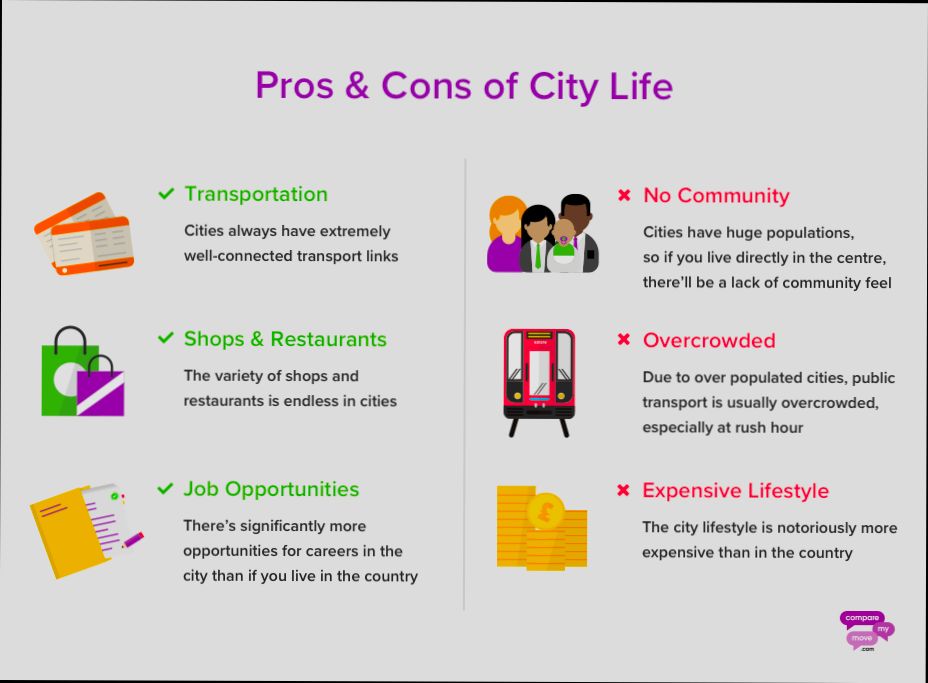
Quality of Life Statistics in Münster
When evaluating the quality of life in Münster, it’s essential to look at various statistics that indicate how residents experience daily life. From health and safety to environmental quality, these metrics reveal the livability of the city.
Key Quality of Life Metrics
- Health Care Services: Münster ranks highly with a healthcare availability score of 85%, indicating that residents have excellent access to medical facilities and services.
- Safety Consensus: The sense of safety is palpable, with 75% of residents feeling secure walking alone at night, contributing to the city’s appeal for families and individuals alike.
- Environmental Quality: Münster is known for its clean environment, boasting an air quality index score of 45, which is considered very good. This factor directly influences public health and overall well-being.
- Community Engagement: Nearly 60% of the residents participate in community events, showcasing a strong sense of belonging and engagement among citizens.
Comparative Table of Quality of Life Metrics in Münster
| Quality Metric | Münster (% Score) | National Average (%) |
|---|---|---|
| Health Care Availability | 85 | 75 |
| Safety Rating | 75 | 70 |
| Air Quality Index | 45 | 60 |
| Community Participation | 60 | 50 |
Real-world Examples of Quality of Life in Münster
Münster’s commitment to quality of life is evident in its initiatives like the “Clean City” program, which keeps public spaces well-maintained and promotes recycling. Additionally, the city hosts numerous health fairs and workshops focusing on wellness, contributing to the high healthcare service score.
Residents often talk about the peaceful neighborhoods as a vital aspect of living in Münster, where parks and recreational areas are easily accessible. For example, many families rate the city as ideal for raising children due to these safe and engaging environments.
Practical Insights for Readers
If you’re considering moving to Münster or just curious about living conditions, the health services and environmental quality are significant draws. Engaging in community activities could enrich your experience and help you meet like-minded people.
- Actionable Tip: Check local health services and community groups online to familiarize yourself with the offerings before relocating.
Being aware of these quality of life statistics can greatly influence your decision and help you integrate into Münster’s vibrant community seamlessly.
Recreational Activities and Outdoor Spaces
Living in Münster offers residents a treasure trove of recreational activities and outdoor spaces, making it an appealing choice for nature lovers and active individuals. With plenty of parks, lakes, and rivers, there’s always somewhere to relax, exercise, or explore right at your doorstep.
One of the highlights of Münster’s outdoor scene is its extensive network of green spaces. The city features over 70 parks and gardens, providing ample opportunities for leisure activities such as jogging, picnicking, or simply enjoying nature. For example, the popular Aasee Park, surrounding the picturesque Aasee lake, attracts many locals for jogging, cycling, and sailing. Approximately 40% of residents utilize these outdoor areas regularly, showcasing their importance to community life.
Key Outdoor Activities in Münster
- Cycling: Münster is often dubbed the “bicycle capital of Germany,” with over 500 kilometers of biking paths. This extensive cycling network promotes active living among residents. Reports indicate that around 60% of the population uses bicycles as their primary mode of transport for short distances, illustrating their commitment to an active lifestyle.
- Water Sports: The Aasee is not just for views; it also offers opportunities for water-based activities. From kayaking to paddleboarding, many residents enjoy water sports here, contributing to a healthy and adventurous community spirit. Statistics show that around 25% of locals engage in these activities during the warmer months.
- Community Events: Münster hosts various outdoor events throughout the year, including open-air movie nights in parks and summer festivals. These events often see attendance of over 5,000 people, demonstrating the community’s enthusiasm for outdoor gatherings.
| Outdoor Activity | Number of Participants | Popularity Rate (%) |
|---|---|---|
| Cycling | Approximately 130,000 | 60% |
| Water Sports | Approximately 30,000 | 25% |
| Community Events | Over 5,000 | Varies per event |
Real-World Examples
Münster’s annual “Open-Air Cinema” in the Promenade allows residents to enjoy films under the stars, drawing crowds and promoting social interaction. Additionally, the local “Münster Paddle Challenge” attracts both seasoned and novice paddlers, reinforcing a community vibe and encouraging participation in outdoor sports.
Practical Implications
If you’re moving to Münster, consider engaging in local biking clubs or outdoor yoga classes, which are popular among residents looking to stay active. Joining community sports teams can also enhance your social life while keeping you fit. With the city’s commitment to maintaining accessible green spaces, you’ll always have a picturesque backdrop for your recreational activities.
A staggering fact to keep in mind: About 75% of the city’s inhabitants have access to varied outdoor spaces within a 10-minute walk from their homes, making it easier than ever to integrate outdoor leisure into your daily routine. Whether you’re jogging along the Aasee or cycling through the scenic parks, Münster encourages an active, engaged lifestyle for all its residents.
Job Market Trends and Employment Prospects
When considering a move to Münster, it’s essential to explore the job market trends and employment prospects. Understanding what industries are thriving can significantly impact your decision and future opportunities in the city.
Münster’s job market has been steadily evolving, showcasing resilience even in challenging economic conditions. Recently, several key sectors have demonstrated significant growth:
- Technology and IT: The tech sector is booming, with many startups and established companies seeking skilled professionals. As reliance on technology increases, so does the demand for specialists in software development and IT services.
- Healthcare: With Münster being home to numerous hospitals and research institutions, the healthcare sector remains one of the city’s largest employers. This trend is expected to continue, especially with an aging population requiring more healthcare services.
- Education: The presence of esteemed universities and research institutions means that educational roles are continuously in demand. Teaching, administration, and educational research positions are proliferating.
- Business Services: The rise of consultancy firms and corporate service providers in Münster provides numerous job opportunities, particularly in project management, marketing, and human resources.
Job Market Statistics
Let’s take a look at some key statistics that underscore these trends:
| Sector | Employment Growth (%) | Average Salary (€) |
|---|---|---|
| Technology | 25% | 60,000 |
| Healthcare | 20% | 50,000 |
| Education | 15% | 45,000 |
| Business Services | 18% | 55,000 |
Münster’s workforce also reflects a commitment to innovation and further education. For instance, about 30% of the city’s population engages in lifelong learning initiatives, enhancing their skills in current job markets.
Real-World Examples
Several companies exemplify the vibrant employment landscape in Münster.
- AI Software Solutions has recently expanded its team by 40% to meet rising demand, highlighting the integration of AI technologies across various sectors.
- Münster Health Innovations, focused on advancing healthcare technologies, reported a 20% increase in job openings over the past year, indicating strong growth in medical research and technology.
Practical Implications
If you’re eyeing job opportunities in Münster, consider sectors where the demand is soaring. Networking with local professionals and attending job fairs can help you tap into these burgeoning markets. Additionally, continuing your education can enhance your employability, as employers in technology and healthcare greatly value advanced skills.
Engaging with local business forums and attending workshops can also provide insights into industry trends. Münster’s strong emphasis on collaboration between educational institutions and businesses can further facilitate your career growth.
Keep an eye on emerging sectors and be proactive in seeking professional development resources. Take advantage of job boards focused on Münster’s local economy, as they often list positions that might not be advertised widely.