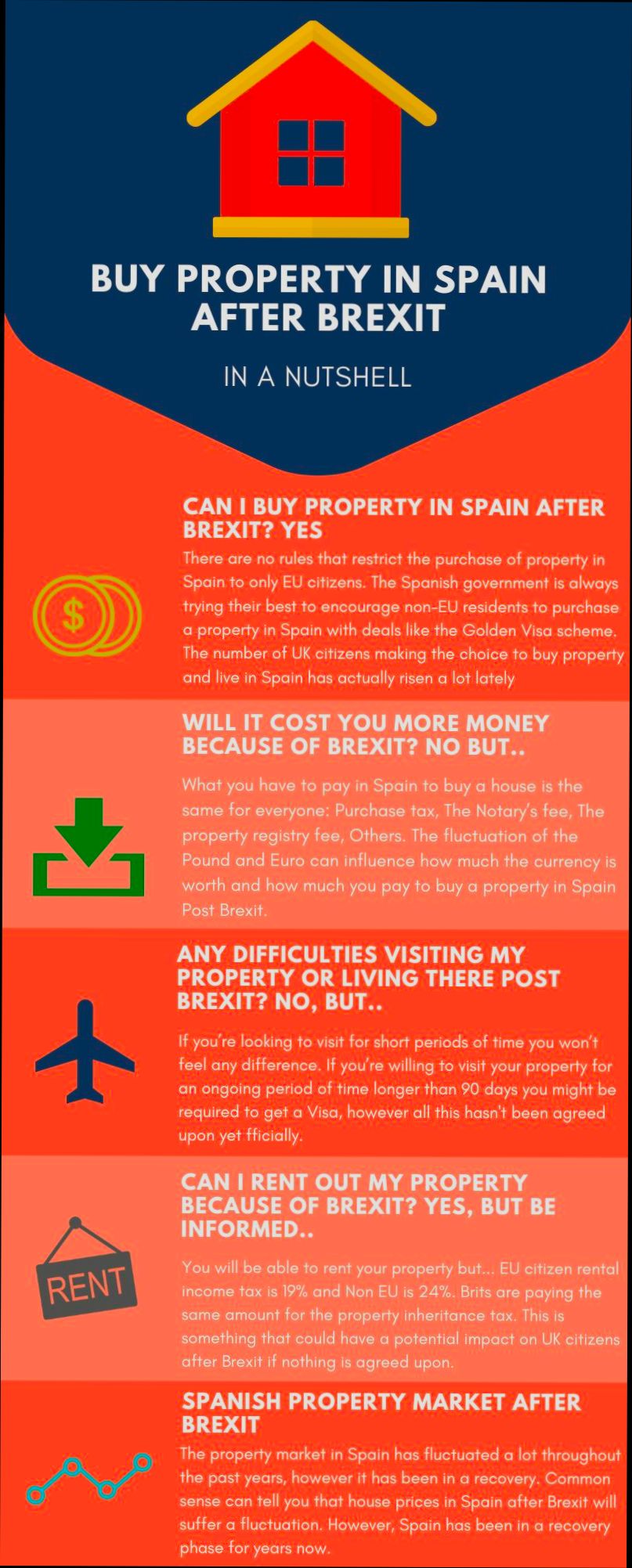
All You Need to Know About Buying Property in Spain After Brexit dives into a world of possibilities that many Brits are eager to explore. Imagine sipping your morning coffee on a sun-soaked terrace, the warm Mediterranean breeze gently nudging your worries away. Since Brexit, the landscape for acquiring property in Spain has shifted significantly, with around 1.3 million British nationals now considering investing in their dream homes. Recent data from Spain’s Ministry of Transport, Mobility and Urban Agenda shows that foreign property purchases in Spain rose by 7% in 2022, with British buyers still making up a significant chunk of that market.
But let’s keep it real: navigating the post-Brexit property scene requires a fresh approach. You’ll need to familiarize yourself with new residency rules and understanding the nuances of financing your Spanish abode. For instance, as a non-EU buyer, you may be looking at a mortgage of up to 70% of the property’s value, unlike EU residents who can secure up to 80%. Even better, Spain’s property prices have remained relatively stable, with average costs around €1,900 per square meter, especially in less touristy areas. You’ll want to be aware of regional regulations and tax implications, which can vary widely across Spain’s beautiful provinces.

Understanding Legal Changes for UK Buyers
Navigating the legal landscape for property purchases in Spain has shifted for UK buyers post-Brexit. With new regulations, it’s essential to understand how these changes affect your buying journey. Let’s dive into the specifics of the legal modifications that you need to be aware of.
Key Changes Influencing UK Buyers
- Visa Requirements: UK buyers now must apply for a visa if they intend to stay in Spain for more than 90 days. The non-lucrative visa is a popular choice for those looking to live without working.
- Tax Policies: As a UK resident, you will face different tax implications. For example, the tax rate for non-residents is currently 24% on Spanish rental income and 19% for EU nationals. Previously, EU citizens had a different rate, making this a significant change.
- Inheritance Laws: The UK’s inheritance tax laws differ from Spain’s. Non-residents face higher tax rates on Spanish-owned property, making estate planning crucial. Inheritance tax within Spain can reach up to 34%, depending on the value of the estate.
Comparative Table of Legal Changes
| Aspect | Pre-Brexit Situation | Post-Brexit Situation |
|---|---|---|
| Visa for stays > 90 days | EU freedom of movement | Visa application mandatory |
| Tax on rental income | 19% for EU residents | 24% for UK non-residents |
| Inheritance tax | Varies by region | Up to 34% for non-residents |
| Property buying process | Similar according to EU law | Document requirements intensified |
Real-world Examples
- Case Study - Mary H.: A UK buyer planning to relocate to Spain chose the non-lucrative visa due to her desire to not engage in employment. She highlighted that the application process took around 3 months, leading to an adjustment in her property search timeline.
- Case Study - James and Anna R.: This couple faced challenges when they learned about the increased inheritance tax after buying a property in Malaga. They decided to consult a financial advisor to manage tax liabilities in both the UK and Spain, which proved invaluable in their planning.
Practical Implications for Buyers
Understanding these legal changes allows you to:
- Plan your property purchase timeline around visa applications.
- Budget for the higher tax rates associated with property ownership and potential rental income.
- Consult with legal experts to navigate inheritance laws effectively.
Actionable Advice
- Research Visa Options: Before making any property purchase, ensure you have the necessary visa requirements sorted out. Familiarize yourself with the documentation needed.
- Engage a Local Tax Advisor: In light of the new tax implications, it’s wise to connect with a local tax professional who can guide you on obligations specific to UK buyers.
- Estate Planning: Consider setting up a will that complies with Spanish law to mitigate the impact of inheritance tax on your property, ensuring that your assets are passed on as you intend.

Key Statistics on Property Market Trends
In understanding the property market trends in Spain, especially in the wake of Brexit, it’s essential to leverage key statistics that reveal how the landscape has evolved. Let’s dig into some compelling numbers that can guide your decision-making process when buying property in Spain.
Key Property Market Statistics
- Property prices in Spain have increased by approximately 8.6% year-over-year, indicating a consistent growth trajectory. This statistic suggests that now might be a strategic time to invest.
- The average price per square meter in popular regions such as Costa del Sol and Balearic Islands currently stands at €2,400 and €3,500 respectively, reflecting their desirability and appeal among buyers.
- A survey revealed that 67% of UK buyers are prioritizing properties in coastal areas, proving the sustained interest in Spain’s beachside real estate.
- In 2022, property transactions by foreign buyers rose to 24% of the total market share, demonstrating growing international interest, with UK nationals making up a significant portion of this.
Comparative Market Pricing Table
| Region | Average Price per Sq. Meter (€) | Year-on-Year Price Increase (%) |
|---|---|---|
| Costa del Sol | 2,400 | 8.6 |
| Balearic Islands | 3,500 | 9.2 |
| Madrid | 3,000 | 7.5 |
| Barcelona | 3,300 | 6.8 |
Real-World Examples
- A case in point is a 2-bedroom apartment in Málaga, which was valued at €150,000 in early 2023. By the end of the year, similar properties in the area appreciated to about €162,900 – a notable increase that underscores the rising demand.
- In the Balearic Islands, a villa worth €1 million saw a 10% increase in price over the year due to limited inventory and high demand primarily from foreign investors, particularly from the UK.
Practical Implications
Understanding these statistics can guide your investing strategy. For instance, if you’re looking for growth potential, areas like Costa del Sol or Balearic Islands may provide strong returns on investment due to their high demand and price appreciation.
Specific Facts to Consider
- Keeping a close eye on emerging markets within Spain, which are witnessing price hikes similar to established areas, can unveil lesser-known investment opportunities that offer high value.
- Engage with local real estate agents to get real-time insights into market fluctuations, ensuring you stay informed about the most current trends in property pricing.

Navigating the Financing Process in Spain
Buying property in Spain post-Brexit has brought about new challenges, particularly regarding financing options. Understanding how to navigate this process will help you feel more confident as you embark on your property journey.
To finance your property purchase in Spain, you typically have options such as mortgages from Spanish banks or personal savings. However, your status as a UK buyer post-Brexit may influence the terms available to you. Here are some key points to consider:
- Mortgage Availability: Many Spanish banks offer mortgages to foreign buyers, including UK citizens. You can expect to finance up to 70% of the property’s value if you’re a non-resident.
- Interest Rates: Current mortgage rates in Spain range between 2% and 3%, which can vary based on the bank’s requirements and your creditworthiness.
- Deposit Requirements: Generally, you will need to pay a deposit of around 30% upfront. If you’re applying for a Spanish mortgage, make sure to account for this in your finances.
- Additional Costs: Don’t forget about other costs associated with property buying, such as notary fees, registration fees, and taxes, which can total around 10-15% of the purchase price.
| Financing Aspect | Details |
|---|---|
| Maximum Loan to Value | 70% of the property’s value |
| Typical Interest Rates | 2% to 3% for non-residents |
| Required Deposit | 30% upfront |
| Additional Purchase Costs | 10-15% of the purchase price |
Consider this real-world example: Sarah, a UK buyer, decided to purchase a villa in Costa del Sol. After exploring several options, she secured a mortgage from a Spanish bank, allowing her to borrow 70% of her home’s value at a 2.5% interest rate. Her initial calculation showed she needed to pay a 30% deposit, with additional costs adding up to 12% of the home’s price.
When navigating the financing process in Spain, keep the following practical tips in mind:
- Consult a Mortgage Broker: They can help you understand various options and guide you through the best offers available to non-residents.
- Get Your Documentation Ready: Typically, you’ll need proof of identity, income, and residency status, which may take time to compile. Prepare these documents early.
- Check Your Credit Report: Ensure your credit rating is in order, as banks will consider this when offering you a mortgage.
Finally, always stay informed about exchange rates and how fluctuations can impact your financing, especially since UK buyers may need to convert pounds to euros for their property purchase. This insight will equip you with actionable knowledge as you navigate the financing process in Spain.
Real-World Experiences of Expats
Moving to Spain can be an exhilarating adventure, but the reality of being an expat brings its own set of challenges and rewards. Fellow expats can provide insights into what life is like, from adjusting to new customs to navigating the property market. Let’s explore some real-world experiences that shed light on these transitions.
Adjusting to Cultural Differences
Living in Spain involves more than just understanding the property process; you’ll need to adapt to a different way of life. Many expats reported the following:
- Language Barrier: Nearly 39% of UK expats mentioned struggling with the Spanish language, which made initial interactions difficult.
- Social Norms: About 58% noted a significant difference in social customs, especially regarding mealtimes and community gatherings. Evening meals often start around 9 PM, generating a learning curve for many.
Integration into Community
Building a social network is critical for your well-being as an expat. Experiences vary widely, with many emphasizing:
- Local Engagement: A striking 63% of expats joined local clubs or community groups, which helped them forge friendships and embrace the culture.
- Festivals and Traditions: Participating in Spanish festivals, such as Las Fallas or Semana Santa, allowed expats to feel more connected to their new home.
| Aspect | Percentage of Expats Involved |
|---|---|
| Joining Local Clubs | 63% |
| Struggling with Language | 39% |
| Adapting to Social Norms | 58% |
Financial Adjustments
Aside from the emotional aspects of relocating, financial realities impact day-to-day life as an expat in Spain. Insights include:
- Cost of Living: Over 55% of expats reported that living costs in certain Spanish areas were lower than they had anticipated, particularly in rural regions compared to cities like Madrid or Barcelona.
- Healthcare: Many UK expats found peace of mind in Spain’s public healthcare system, with 71% stating they had no issues accessing healthcare services.
Real-life Testimonials
Hearing from fellow expats can be invaluable. Here are a couple of experiences:
- John and Anna from London moved to Valencia and were initially worried about language barriers. They enrolled in language courses and quickly improved, stating that it enhanced their marketability and improved their overall experience.
- Sarah, who relocated to Malaga, shared that embracing local traditions made her transition smoother. By participating in community fiestas, she made friends quickly, which helped her overcome homesickness.
Practical Insights for Future Expats
As you prepare for your move, consider these actionable insights based on expat experiences:
- Engage with Local Language: Enroll in Spanish classes before your move — this sets a solid foundation for greater integration.
- Tap into Expat Networks: Join expat groups on social media, where you can ask questions and receive support as you navigate your new environment.
- Budget for Cultural Experiences: Allocate part of your initial budget for social gatherings or classes that align with your interests; networking can often lead to job opportunities or friendships.
Sharing personal stories and learning from those already in Spain helps prepare you for your own expat journey, ensuring a smoother transition and fostering a deeper appreciation for your new life.

Advantages of Investing in Spanish Property
Investing in Spanish property offers numerous advantages, making it an appealing choice for many buyers. From favorable market conditions to the lifestyle benefits that come with owning property in Spain, there are compelling reasons to consider this investment.
Strong Rental Market
The rental market in Spain is robust, particularly in tourist-heavy regions. For example, properties in cities like Barcelona and Madrid have shown a rental yield of approximately 7%. This means if you invest €200,000 in a property, you could potentially earn around €14,000 annually from rentals alone. The influx of tourists and expatriates seeking long-term stays boosts demand for rental properties.
Market Resilience and Growth Potential
Spanish property has demonstrated resilience in adverse conditions. Recent data shows that, despite economic challenges, property prices in popular regions have grown by around 8.6% year-over-year. This consistent growth presents a profitable opportunity for investors looking to capitalize on the long-term appreciation of real estate.
Diverse Property Options
Spain offers a wide range of property types, from coastal villas to urban apartments and countryside fincas. This diversity allows investors to choose properties that align with their investment goals and lifestyle preferences. Here’s a snapshot of options available:
| Property Type | Average Price Range | Yield Potential |
|---|---|---|
| Coastal Villas | €300,000 - €1,000,000 | 5% - 8% |
| Urban Apartments | €150,000 - €500,000 | 6% - 7% |
| Rural Properties | €100,000 - €300,000 | 4% - 6% |
Tax Incentives for Property Investors
Spain offers several tax incentives for property owners. For example, non-resident investors can benefit from lower property taxes compared to local residents. Additionally, there are no inheritance taxes for non-residents on properties within the EU, making it easier to pass down assets to beneficiaries without hefty tax burdens.
Quality of Life and Lifestyle Benefits
Investing in Spanish property isn’t just about financial returns; it also enhances your quality of life. The Mediterranean climate, rich cultural heritage, and vibrant lifestyle make Spain an attractive destination for many. Expats have reported significant improvements in their well-being, contributing to Spain’s popularity as one of the top destinations for property investment.
Real-World Examples
Consider the case of Sarah, a UK buyer who purchased a holiday apartment in Valencia. She turned it into a short-term rental, earning around €18,000 in her first year alone. Her investment not only provided a profitable return but also a picturesque getaway for her family.
Another example is James, who bought a rural property in Andalusia. With a purchase price of €250,000, he transformed it into a rustic retreat, which he rents out at €1,500 per week during peak seasons, showcasing the potential of diverse property investments.
Practical Implications for Investors
If you’re contemplating a property investment in Spain, consider:
- Researching local market trends to identify emerging hotspots.
- Evaluating potential rental yields based on the region and property type.
- Consulting with local real estate experts for insights specific to your target area.
Actively engaging in market research and understanding your investment can lead to favorable returns and an enriching personal experience. Whether you seek rental income or a peaceful retirement, the advantages of investing in Spanish property can align with your financial and lifestyle goals.

Tax Implications for UK Property Owners
Navigating the tax implications of buying property in Spain can be complex, especially for UK owners post-Brexit. Understanding how taxes will affect your investment not only helps in budgeting but also ensures you comply with local regulations.
Key Tax Considerations for UK Property Owners
As a UK property owner in Spain, there are several tax implications you need to be aware of:
- Income Tax (IRNR): Non-resident property owners must pay income tax on rental income at a flat rate of 24%. This applies to gross rental income without deductions, so it’s important to factor this into your financial planning.
- Wealth Tax: If your property and other assets exceed €700,000, you’ll be liable for wealth tax in Spain. The rates generally range from 0.2% to 3.5% depending on the value of the assets.
- Property Tax (IBI): Local councils levy a property tax known as IBI, which can vary significantly based on the region and property valuation. Owners should expect to pay 0.4% to 1.1% of the cadastral value of the property.
- Capital Gains Tax (CGT): When selling your Spanish property, you might be subjected to capital gains tax on the profit made. For non-residents, the tax is set at 19% on the gain, which includes all properties sold after December 31, 2014.
| Tax Type | Description | Rate/Value |
|---|---|---|
| Income Tax (IRNR) | Tax on rental income for non-residents | 24% on gross rental income |
| Wealth Tax | Applicable if total assets exceed €700,000 | 0.2% to 3.5% on assets |
| Property Tax (IBI) | Local property tax based on cadastral value | 0.4% to 1.1% of cadastral value |
| Capital Gains Tax | Tax on profit from the sale of the property | 19% on the capital gain |
Real-World Examples
To illustrate these tax implications, consider the case of Sarah, a UK citizen who purchased a €300,000 property in Valencia. After renting it out, she earned €15,000 in a year. Under Spanish tax laws, Sarah would owe:
- €3,600 in income tax (24% of €15,000).
If Sarah decides to sell the property years later for €400,000, she must calculate her capital gains. If her purchase cost was €300,000, she would report a gain of €100,000, subject to a €19,000 capital gains tax (19% of €100,000).
Practical Implications for You
As a potential UK property owner in Spain, it’s crucial to keep these taxes in mind when budgeting for your investment:
- Ensure you understand how taxes will affect your rental profits.
- Plan for potential wealth tax obligations based on your total asset value.
- If selling your property, keep track of purchase and improvement costs to accurately calculate capital gains.
Specific Facts and Advice
- Consider consulting with a tax advisor familiar with both UK and Spanish tax laws to optimize your tax liabilities.
- Keep detailed records of all income and expenses related to your property to facilitate tax reporting.
- Stay updated on tax treaties between the UK and Spain, as these may influence your overall tax burden.
- Be mindful of timelines and regulations regarding payments to avoid penalties.

Choosing the Right Location in Spain
Finding the perfect location in Spain can be a game-changer in your property-buying journey. Each region boasts unique features, cultures, and amenities that can significantly impact your living experience, especially after Brexit. Let’s delve into the factors you should consider when selecting the right spot for your new home.
Factors to Consider
Here are some essential elements to weigh while deciding on a location in Spain:
- Climate: Spain’s diverse climate plays a crucial role in lifestyle. The Costa del Sol, for example, enjoys mild winters and sunny summers, making it ideal for year-round living. In contrast, the northern regions, like Galicia, experience more rainfall and cooler temperatures.
- Amenities and Services: Access to quality healthcare, schools, and shopping can vastly improve your daily life. Areas like Barcelona and Madrid have excellent resources, but they may also come with a higher cost of living.
- Real Estate Trends: Researching the property market in various regions is vital. For example, the Balearic Islands have seen a significant property price growth of approximately 10% over the past year, indicating a potentially lucrative investment opportunity.
- Community and Lifestyle: Think about the culture and community vibe of your chosen area. For instance, towns like Sitges offer a vibrant community with a mix of locals and expats while maintaining its traditional Spanish charm.
Comparative Table of Popular Regions
| Region | Climate | Average Property Price (per m²) | Proximity to Airport | Family-Friendly Rating |
|---|---|---|---|---|
| Costa del Sol | Sunny, mild | €2,600 | 30 minutes | High |
| Valencia | Mediterranean | €1,800 | 20 minutes | Medium |
| Barcelona | Humid, warm | €4,000 | 25 minutes | High |
| Madrid | Continental | €3,000 | 15 minutes | High |
| Galicia | Oceanic | €1,200 | 45 minutes | Medium |
Real-World Examples
Consider the case of a family who moved to Malaga after buying a property there. They enjoyed a family-friendly environment, with schools rated high in various education rankings. In comparison, another expat couple chose Barcelona, attracted by its cultural scene, but found the living costs challenged their budget due to higher property prices.
Practical Implications for Readers
When choosing a location, don’t just rely on online data; visit the areas you’re considering. Explore the neighborhoods at different times, engage with locals, and gauge the community’s atmosphere. Additionally, consider future developments in infrastructure, as regions like Valencia are focusing on urban improvements that could enhance your investment’s value over time.
Actionable Advice
- Research property prices in various regions and monitor market trends to spot potential investment locations early.
- Visit multiple areas to get a feel for the community culture and amenities available.
- Think about your lifestyle preferences and how they align with the characteristics of each location, such as climate, accessibility, and recreational activities available.