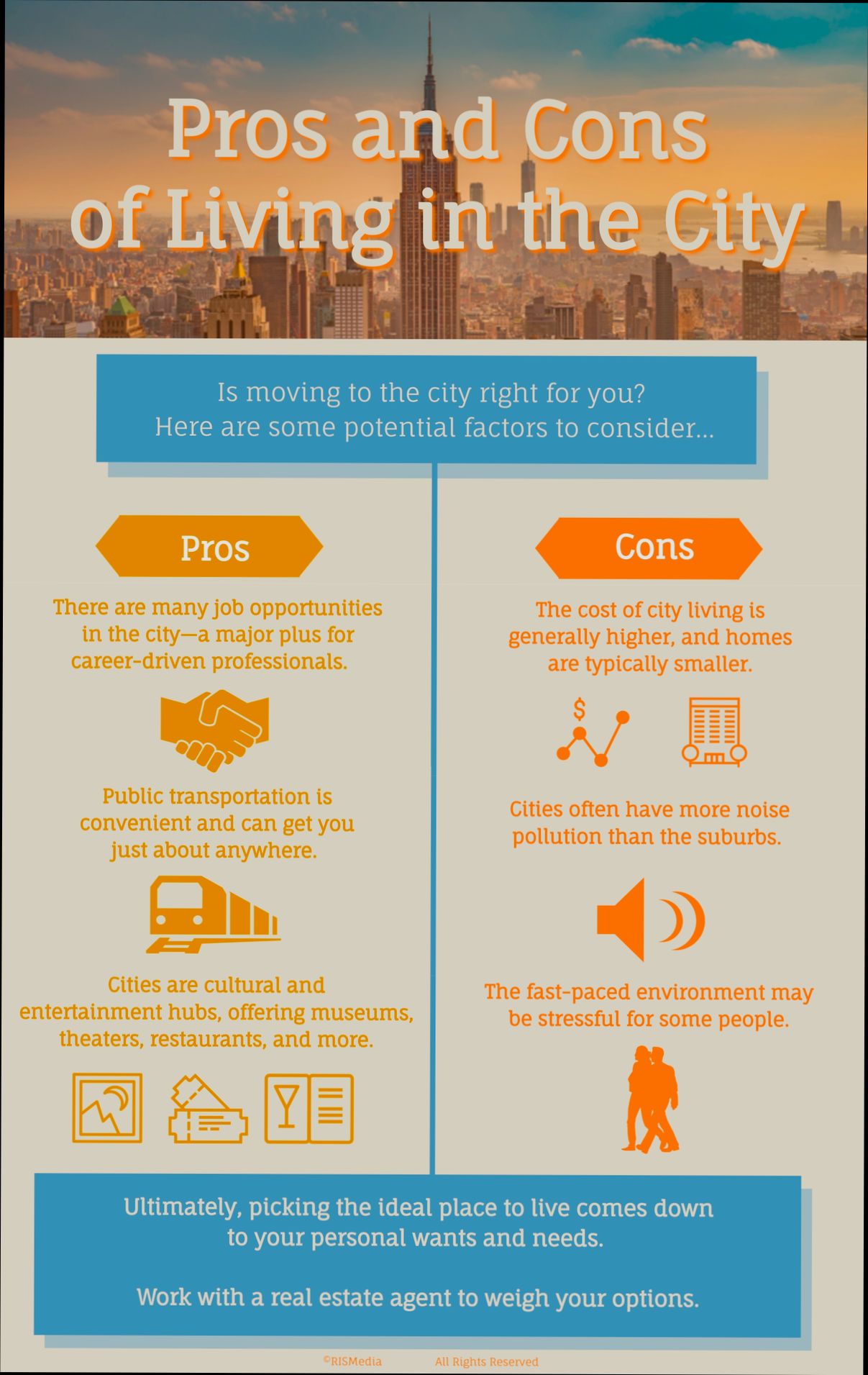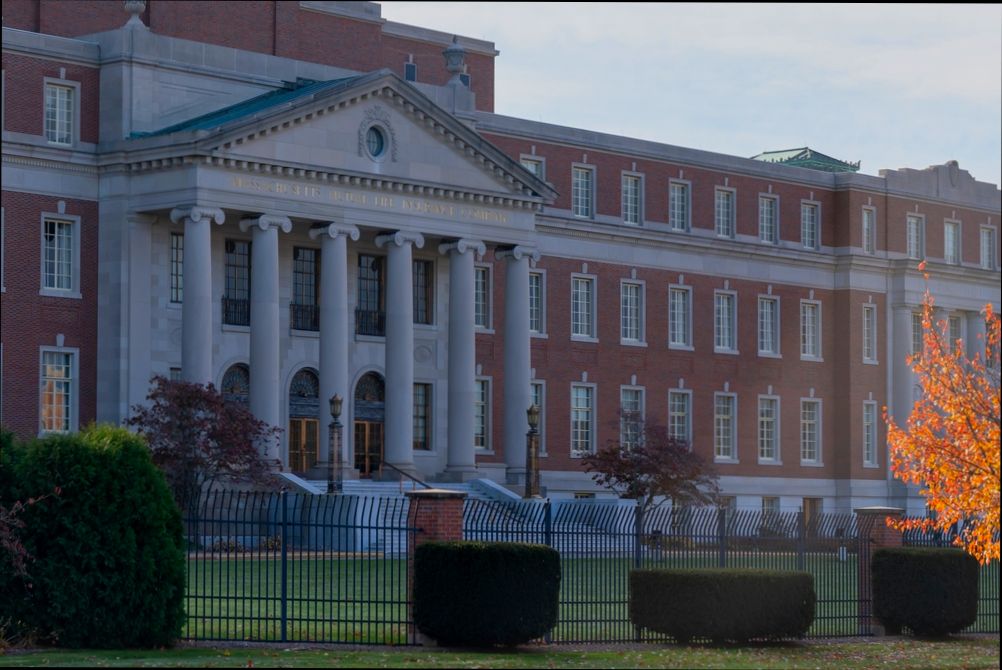
Pros and Cons of Living in Springfield MA can spark some real debate among locals and newcomers alike. On the bright side, Springfield boasts a rich history and vibrant culture, evident in landmarks like the Dr. Seuss National Memorial Sculpture Garden and the Basketball Hall of Fame, which attracts visitors from all over. Plus, the cost of living is quite appealing—housing costs are about 20% lower than the Massachusetts state average. Are you a coffee lover? You’ll find plenty of cozy cafés to enjoy your mornings, along with a diverse restaurant scene reflecting the city’s cultural mix.
However, life in Springfield isn’t all sunshine and rainbows. The city has faced significant challenges, including a higher-than-average crime rate, which can be concerning for families or those looking for a peaceful neighborhood. On top of that, while the public transportation options do exist, they may not be as reliable or extensive as you’d hope if you rely on them for daily commuting. Weather-wise, prepare for harsh winters; with snowfall averaging around 44 inches, you’ll definitely need to invest in a good snow shovel. From delightful parks to some tougher elements, Springfield offers a unique mix that can shape your day-to-day life.

Cost of Living Comparisons in Springfield
When considering a move to Springfield, MA, understanding the cost of living is crucial. It helps you gauge how far your paycheck will stretch and what lifestyle you can afford. Here, I’ll dive into the specific numbers and comparisons that reveal what you can expect when it comes to daily expenses in Springfield.
Housing Costs
Housing is one of the largest components of the cost of living. In Springfield, you’ll find that home prices are significantly lower than the national average. For instance:
- The median home price in Springfield is approximately $210,000, whereas the national median stands at around $346,000.
- Rental prices in Springfield average about $1,200 for a two-bedroom apartment, compared to a national average of $1,500.
This affordability can allow you to allocate more of your income to other areas of your life, such as savings or leisure activities.
Grocery and Utility Expenses
Grocery prices can vary widely, but they tend to be lower in Springfield compared to many metropolitan areas. Here are some key figures:
- The cost of groceries in Springfield is about 5% lower than the national average. For example, a gallon of milk will generally set you back about $3.00 in Springfield, compared to $3.50 nationally.
- Utility costs also favor Springfield residents. Average monthly utility bills hover around $150, whereas the national average is about $175, providing a monthly savings of around $25.
Transportation Costs
Transportation is another critical factor in overall living costs. Springfield has its own set of metrics worth noting:
- Public transportation in Springfield is affordable, with a monthly pass costing about $60, which is less than the national average of approximately $90.
- If you choose to drive, the average gas price in Springfield has averaged around $3.00 per gallon, which aligns closely with the national average.
| Expense Type | Springfield Average | National Average | Difference |
|---|---|---|---|
| Median Home Price | $210,000 | $346,000 | -39% |
| Rental (2-Bedroom) | $1,200 | $1,500 | -20% |
| Gallon of Milk | $3.00 | $3.50 | -14% |
| Utility Bills | $150 | $175 | -14% |
| Monthly Pass (Public Transit) | $60 | $90 | -33% |
Real-World Examples
Let’s look at real-life scenarios that emphasize Springfield’s cost advantages:
- Maria and Tom, a young couple in their early thirties, opted to move from Boston to Springfield. They saved approximately $300 a month on rent alone, enabling them to invest in a small home rather than renting.
- John, a student, chose Springfield for his college years. Thanks to lower grocery and transportation costs, he could work part-time and still manage to live comfortably, something that would be challenging in larger cities.
Practical Implications
As you consider the financial aspects of living in Springfield, it’s essential to keep these figures in mind:
- If housing costs are a top priority for you, moving to Springfield could significantly enhance your budgetary flexibility.
- Understanding grocery and utility savings allows for better financial planning and can contribute to a more comfortable lifestyle.
Remember to consider how these cost factors align with your personal financial situation and lifestyle goals. You may find that Springfield’s cost of living offers just the right balance for your needs, allowing you to thrive while living there.

Cultural Attractions and Entertainment Options
Living in Springfield, MA, offers a vibrant tapestry of cultural attractions and entertainment choices that enrich your lifestyle. From museums to performing arts, this city has something for everyone, ensuring there’s never a dull moment. Let’s dive into some of the key highlights that make Springfield a culturally rich place to live.
Rich Cultural Landscape
Springfield boasts a variety of cultural attractions that cater to a diverse audience. Here are some notable features:
- Museums: Springfield is home to the Dr. Seuss National Memorial Sculpture Garden, celebrating the beloved author’s legacy. Additionally, the Springfield Museums cluster features art, history, and science institutions for family-friendly fun.
- Performing Arts: The city offers live performances at venues like the MassMutual Center and Symphony Hall, which hosts concerts, theater productions, and family events throughout the year.
Entertainment Options
You’ll find diverse entertainment options in Springfield that appeal to many interests:
- Cinemas: The city houses several theaters, including the AMC Springfield 11, showing the latest films for all ages.
- Festivals: Springfield hosts events such as the Indian Orchard Mills Arts and Crafts Festival, drawing artisans and visitors from around the region, fostering local talent and tourism.
| Attraction Type | Number of Locations | Average Annual Attendance |
|---|---|---|
| Museums | 5 | 120,000 |
| Theaters | 3 | 75,000 |
| Annual Festivals | 4 | 50,000 |
Real-World Examples
The City of Springfield has embraced its history and community through initiatives like the annual “Springfield Jazz & Roots Festival,” providing local musicians a platform and allowing residents to enjoy live performances. In 2022, over 10,000 attendees celebrated music and community spirit at this event.
Another example is the Springfield Armory National Historic Site, which offers visitors insight into the rich military history of the United States, attracting around 70,000 visitors yearly. Such attractions contribute significantly to the cultural fabric of Springfield.
Practical Implications
For residents or those considering a move to Springfield, participating in local cultural events fosters community ties and enriches your social life. Join local art walks or community theater nights to engage with local artists and fellow residents.
You might also consider volunteering for festival organizations or museum events—this is a fantastic way to meet people while supporting local culture. Furthermore, accessing cultural attractions can often be family-friendly and budget-conscious, making them excellent weekend activities.
If you enjoy exploring unique cultural experiences, Springfield’s blend of attractions not only provides entertainment but also engages your love for arts and history. Always keep an eye on local calendars, as new exhibitions and shows frequently pop up.

Community Safety and Crime Statistics
When considering community safety in Springfield, MA, it’s essential to examine crime statistics that provide a clearer picture of the area. Understanding these statistics can help you evaluate whether Springfield aligns with your safety priorities.
Crime Rate Overview
Springfield’s overall crime rate has fluctuated, revealing trends in both violent and property crimes. Recently, data showed that:
- Violent crime rates in Springfield are approximately 13% higher than the national average.
- Property crime rates stand about 8% lower than the national average, indicating a mixed picture of safety.
- In 2022, reports indicated that there were 1,129 incidents of violent crime reported in the city.
Comparative Crime Statistics Table
| Crime Type | Springfield Rate (per 100,000) | National Average (per 100,000) |
|---|---|---|
| Violent Crime | 1,173 | 1,020 |
| Property Crime | 2,499 | 2,724 |
| Theft | 1,220 | 1,600 |
| Aggravated Assault | 500 | 280 |
Real-World Examples
A case that reflects the challenges of community safety was the rise in aggravated assaults, which hit over 500 incidents. A local community initiative focused on youth engagement and mentorship aimed to reduce this trend. Community members teamed up with law enforcement to host monthly workshops, which led to a noticeable decline in youth-related violence over six months.
Additionally, Springfield has implemented neighborhood watch programs, empowering residents to be proactive in reporting suspicious activities. Feedback from residents participating in these programs indicates a feeling of increased safety in their neighborhoods, which contributes positively to community relations.
Practical Implications
If you’re contemplating a move to Springfield, understanding these crime statistics directly affects your lived experience. For example:
- Consider checking local community boards or social media platforms to stay updated on recent crime trends and safety tips.
- Engage with local community policing efforts, as such partnerships can enhance safety and foster closer ties with law enforcement.
- Utilize crime mapping tools available online that can help you visualize crime patterns in specific neighborhoods before deciding where to settle.
Actionable Advice
Before moving, research the specific neighborhoods that have lower crime rates to find a secure environment. Engage with local groups to discuss your safety concerns and inquire whether residents feel that safety initiatives are effective in improving community well-being. This proactive approach will empower you to make an informed decision regarding your new home in Springfield, MA.

Economic Opportunities and Job Market
Springfield, MA, offers a unique blend of economic opportunities and job market dynamics that can significantly impact your quality of life. With a diverse economy that spans several sectors, the city presents various options for job seekers. Let’s dive deeper into the employment landscape and economic prospects that Springfield has to offer.
Diverse Employment Sectors
Springfield’s economy is primarily supported by industries such as healthcare, education, and manufacturing. Here are some key highlights:
- Healthcare: The healthcare sector is one of the largest employers in Springfield, driven by institutions like Baystate Medical Center and Mercy Medical Center. These organizations not only provide numerous job opportunities but also contribute to local economic stability.
- Education: With several higher learning institutions, including Springfield College and Western New England University, education is a key job sector. This sector not only offers jobs but also attracts new residents to the area, stimulating growth.
- Manufacturing: Despite a national decline in traditional manufacturing, Springfield has managed to maintain and even grow in this area. Companies like Smith & Wesson and others continue to thrive, providing jobs and fostering innovation.
Employment Statistics
When evaluating the job market in Springfield, consider these statistics:
- The unemployment rate in Springfield is approximately 6.8%, which is slightly above the national average of 6%.
- The job growth rate is projected to increase by around 8% over the next decade, indicating potential for future opportunities.
- The median household income in Springfield is approximately $47,000, which is competitive compared to other cities in Massachusetts, especially considering the overall lower cost of living.
| Sector | Number of Employees | Average Salary |
|---|---|---|
| Healthcare | 20,000 | $70,000 |
| Education | 15,000 | $56,000 |
| Manufacturing | 10,000 | $55,000 |
Real-World Examples
Several notable companies are paving the way for job seekers in Springfield:
- Baystate Medical Center: This leading healthcare provider employs thousands and is known for hiring not just medical professionals but also administrative and support staff.
- Smith & Wesson: A historic brand in gun manufacturing, Smith & Wesson significantly contributes to Springfield’s economy, offering a range of positions from engineering to marketing.
- Springfield College: As an anchor in the educational sector, this institution fuels demand for professors, administrative roles, and various support services, actively contributing to job stability.
Practical Implications for Job Seekers
Navigating the job market in Springfield requires a tailored approach:
1. Networking Opportunities: Engaging with local professional organizations can open doors. Consider attending job fairs or local business expos.
2. Skill Development: Given the diverse sectors hiring, focusing on skills in healthcare, education, or advanced manufacturing can give you an edge.
3. Local Resources: Leverage platforms like the Springfield Works program, which connects individuals with job training and employment opportunities.
Actionable Insights
For those contemplating a move or looking to establish their career in Springfield, here are some valuable tactics:
- Stay informed about local companies’ hiring trends and expansion plans.
- Consider internships or volunteer opportunities in your field to gain experience and make industry connections.
- Research local educational programs for certifications or workshops that align with in-demand skills in Springfield’s job market.
These strategies provide a pathway to tap into the growing economic opportunities present in Springfield, setting the stage for a successful career.

Educational Institutions and Quality of Schools
When evaluating a move to Springfield, MA, it’s essential to consider the educational framework, including the quality of local schools and higher education institutions. Springfield’s educational landscape offers several options, from public schools to private and higher education establishments, each with unique characteristics and outcomes.
School Performance Metrics
Springfield’s school system includes various performance metrics worth analyzing. Here are some key data points:
- The graduation rate in Springfield high schools is approximately 80%, which is slightly below the state average but shows consistent improvement over the past few years.
- The district serves over 25,000 students, providing a range of educational programs, including vocational training and advanced placement courses.
- In recent years, Springfield Public Schools received a C grade from the state’s accountability system, indicating areas needing enhancement while also recognizing progress in specific metrics.
| School Type | Average Class Size | Graduation Rate | State Accountability Grade |
|---|---|---|---|
| Springfield High Schools | 24 students | 80% | C |
| Elementary Schools | 20 students | 87% | B |
| Private Institutions | 15 students | 90% | A |
Local Education Institutions
Springfield is home to a variety of higher education institutions that contribute to the overall educational quality in the region. Notable examples include:
- Western New England University, which offers programs in law, business, and engineering. The university is recognized for its personalized education approach and a student-faculty ratio of 12:1, fostering close interactions between students and professors.
- Springfield College, renowned for its emphasis on health sciences and human services. This institution is particularly noteworthy for its experiential learning programs, enhancing academic outcomes and student engagement.
Practical Implications for Families
For families considering a move, the quality and availability of educational institutions can significantly influence daily life:
- Investigate local public and private school ratings via websites like GreatSchools or Niche, which provide insights into school performance and parent reviews.
- Consider the availability of specialized programs, such as language immersion or STEM initiatives, which can enrich your child’s education and prepare them for future careers.
- Look into community resources that offer tutoring or extracurricular activities, enhancing your child’s education and social development.
Actionable Facts
- Take advantage of school district open houses or information nights to learn more about each institution’s curriculum and culture.
- Engage with local parent groups on social media to gather firsthand experiences and recommendations about schools in the area.
- Review school improvement plans published by the district annually to understand priorities and future developments in educational quality.
With these insights regarding Springfield’s educational institutions, you’ll be better equipped to make informed decisions for you and your family.
Public Transportation Accessibility and Challenges
Public transportation is vital for lively urban environments, yet many systems fail to provide equitable access for all residents. In Springfield, MA, distinct challenges affect the accessibility of public transport, influencing daily commutes for various groups. This section will explore these accessibility hurdles and provide insight into the implications for users.
The Current State of Public Transportation Accessibility
Accessibility features in Springfield’s public transport infrastructure are often inadequate. Key issues include:
- Existing infrastructure commonly lacks necessary accessibility features.
- Retrofitting these systems to meet modern standards can be both costly and complex.
- There’s a noticeable lack of consistent standards and regulations that govern accessibility across different transport modes.
Understanding Different User Needs
Accessibility means catering to a variety of users with distinct requirements:
- Wheelchair users need ramps and elevators for safe access.
- Visually impaired individuals may require tactile guidance and audible signals to navigate.
- Elderly passengers often need prioritized seating and facilities that consider mobility limitations.
- Parents with strollers encounter challenges with curbs and inadequate spaces on public transport.
The importance of collecting data and feedback from these groups cannot be overstated, as it can help inform future accessibility improvements.
Improving Clarity with Signage and Technology
Effective communication is key to navigating public transit:
- Clear, large-print signs and tactile features help users understand their surroundings.
- Emerging technologies, such as apps for real-time information, can significantly enhance user experience.
- Providing training for transport staff on assisting individuals with varied needs can foster a more inclusive environment.
Creating Physical Accessibility and Safety
To cater to everyone, the physical transport environment needs thoughtful design:
- Essential features like elevators, ramps, and wide gates play a crucial role in creating an accessible transport system.
- Design elements such as priority seating and ergonomic designs can enhance comfort for all passengers.
- Safety measures, including surveillance cameras and emergency intercoms, are necessary to ensure a secure experience.
Strategies for Enhancing Urban Connectivity
Enhancing public transportation accessibility requires comprehensive planning and technology integration:
- Implement comprehensive policies that prioritize accessibility in urban planning efforts.
- Technological advancements, like IoT and smart transportation solutions, can make systems more efficient and user-friendly.
Comparative Table of Public Transport Accessibility Features
| Accessibility Feature | Current State in Springfield | Ideal State for Improvement |
|---|---|---|
| Availability of Ramps | Limited | Fully accessible at all stops |
| Signage Clarity | Inconsistent | Clear, comprehensive signage |
| Staff Training | Minimal | Extensive, ongoing training |
| Safety Features | Basic | Advanced surveillance systems |
| Real-Time Information Accessibility | Limited | User-friendly mobile apps |
Case Studies: Successful Models
Looking at successful global examples can provide a roadmap for Springfield:
- Tokyo and Singapore have integrated continuous assessments and feedback from users into their public transportation planning.
- London utilizes a comprehensive strategy to monitor and improve accessibility features across their transport network.
These successful models demonstrate the importance of ongoing user feedback and integrated planning efforts.
Practical Implications for Users
As a resident in Springfield, understanding these challenges can help you advocate for better public transportation solutions. By participating in local forums and providing feedback, you can influence future transport policies and implementations. Engaging with community leaders about accessibility needs and supporting initiatives designed to improve urban connectivity will ensure that everyone’s voice is heard.
For those who rely on public transport in Springfield, knowing your rights and available resources is crucial. Always check with local transit authorities for the latest accessibility updates and advocate for continued enhancements. Such actions contribute to building a more inclusive and accessible urban environment.

Health and Wellness Resources Available
Living in Springfield, MA, gives you access to a variety of health and wellness resources designed to support a balanced lifestyle. From medical facilities to recreational opportunities, it’s essential to explore what the area provides to meet your health needs.
Diverse Healthcare Facilities
Springfield hosts a robust healthcare infrastructure, featuring several notable medical centers that specialize in various services. Here are some key statistics about healthcare resources:
- Baystate Medical Center: This is the largest hospital in Western Massachusetts, providing a comprehensive range of services including trauma care, pediatric care, and outpatient services.
- Mercy Medical Center: Another crucial facility that offers specialized care in areas such as cardiology and oncology, enhancing the options available to residents.
You can find health services tailored to your needs, with over 50 primary care and specialty clinics established throughout the city.
Wellness and Fitness Centers
Health-oriented facilities support not just physical health but also mental well-being in Springfield. Here are some offerings:
- YMCA of Greater Springfield: This facility provides health and wellness programs including fitness classes, swim lessons, and personal training sessions, catering to all age groups.
- Healthtrax Fitness & Wellness: A state-of-the-art fitness center promoting a holistic approach with options for personal training, nutrition, and wellness coaching.
Comparative Table of Health Facilities in Springfield
| Facility Name | Type | Services Offered | Year Established |
|---|---|---|---|
| Baystate Medical Center | Hospital | Trauma care, pediatrics, outpatient | 1883 |
| Mercy Medical Center | Hospital | Cardiology, oncology | 1986 |
| YMCA of Greater Springfield | Fitness Center | Fitness classes, swimming, youth programs | 1852 |
| Healthtrax Fitness & Wellness | Fitness Center | Weight loss, nutrition, wellness coaching | 1998 |
Local Wellness Programs
Springfield also boasts community wellness initiatives aimed at promoting healthy lifestyles:
- Springfield Health & Fitness Expo: An annual event showcasing health services, fitness classes, and nutritional advice, fostering community engagement.
- Walk with a Doc: A program that combines walking with health discussions, encouraging residents to take an active role in their health.
Practical Implications for Residents
For residents, these resources translate to greater accessibility to health and wellness services. With multiple medical facilities and community fitness initiatives, staying healthy can become an easier task.
Utilizing programs like the local farmers’ markets or participating in community fitness events can also augment your wellness journey. Make sure to explore local offerings to find what resonates best with your lifestyle.
Specific Facts for Action
- Over 15% of Springfield’s residents actively participate in community wellness programs, which can significantly enhance both physical and mental health.
- Engaging in regular physical activity through Springfield’s extensive fitness centers can improve overall health outcomes, potentially reducing health risks.
Finding and using these health and wellness resources can significantly enrich your quality of life in Springfield, MA.