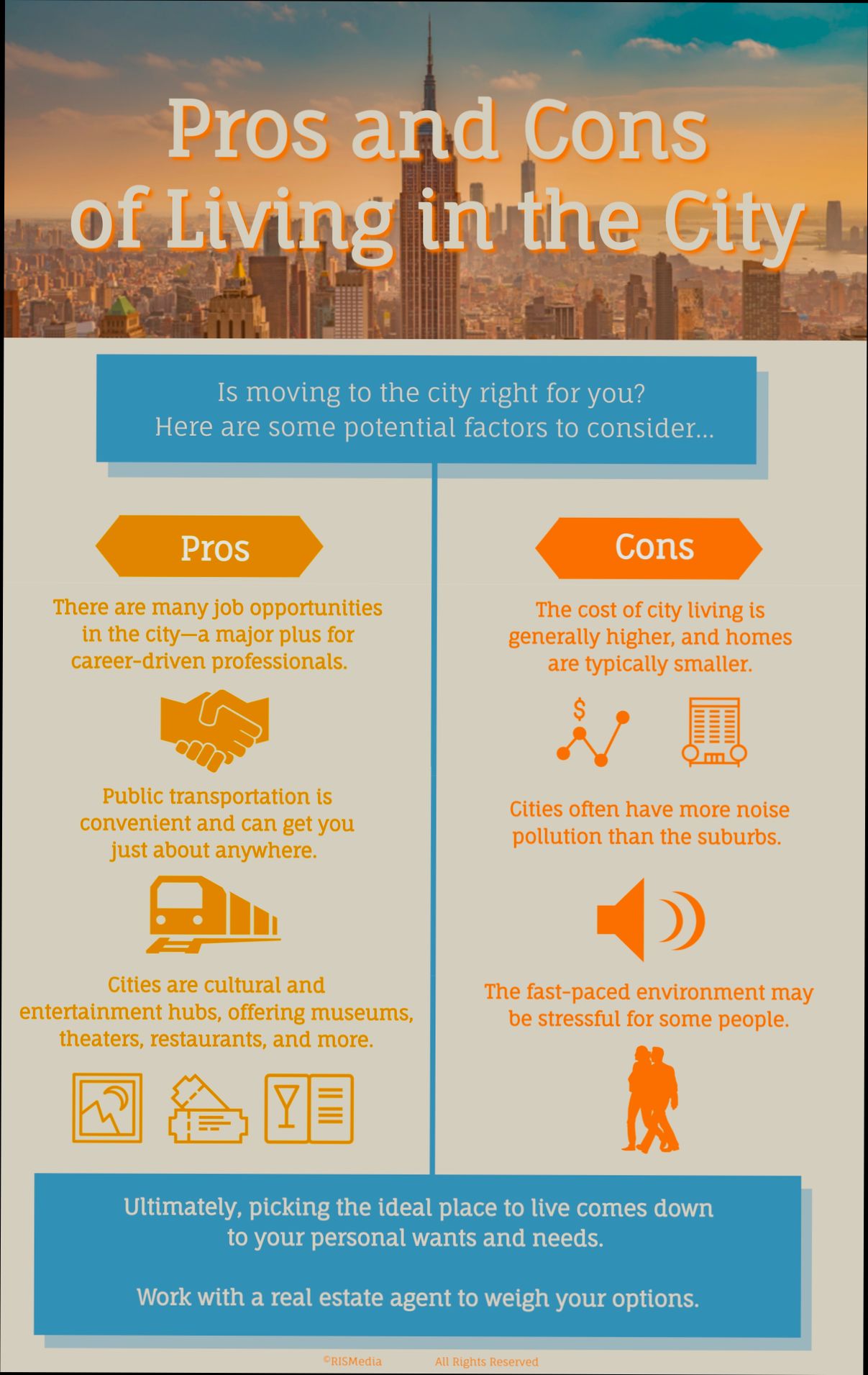
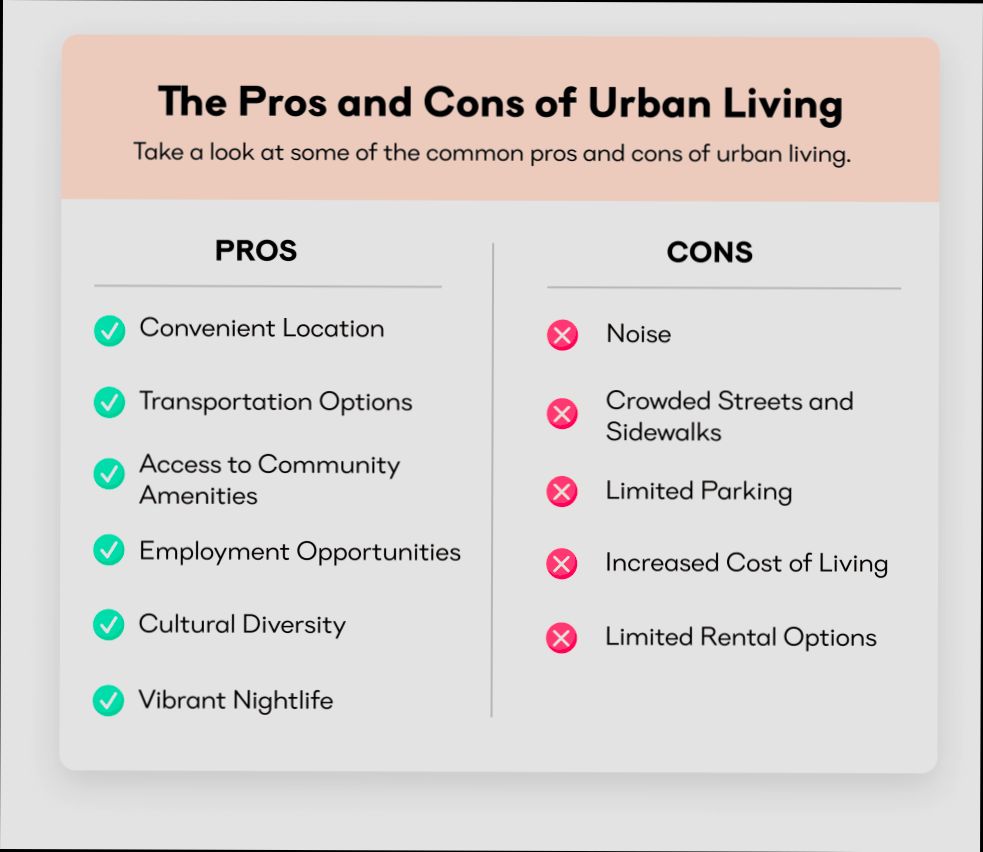
Pros and Cons of Living in Derby reveal a city that’s full of surprises. Nestled in the heart of England, Derby boasts a blend of rich history and modern living. With a low average house price of around £200,000, it’s an affordable spot compared to nearby cities like Nottingham, where prices often soar. Plus, you’ve got access to the beautiful Peak District just a short drive away—ideal for those weekend hikes or picnics. The city also has a solid job market, especially in the aerospace and rail industries, drawing in professionals with opportunities at heavyweights like Rolls-Royce and Bombardier.
On the flip side, living in Derby isn’t without its downsides. Public transport can feel a bit lacking, especially if you depend on buses to get around; waiting times might leave you feeling frustrated. Culturally, while Derby does have its attractions—like the Museum of Making—some folks say it’s not buzzing with nightlife compared to cities like Manchester or Birmingham, which can leave you wanting a bit more on a Friday night. And let’s be real, the weather can be pretty dreary; it’s not uncommon to see gray clouds lingering for days.
Cost of Living and Housing Trends
Living in Derby comes with its own set of financial considerations, especially regarding cost of living and housing trends. Understanding these can help you better plan your budget and living arrangements.
Key Trends in Cost of Living
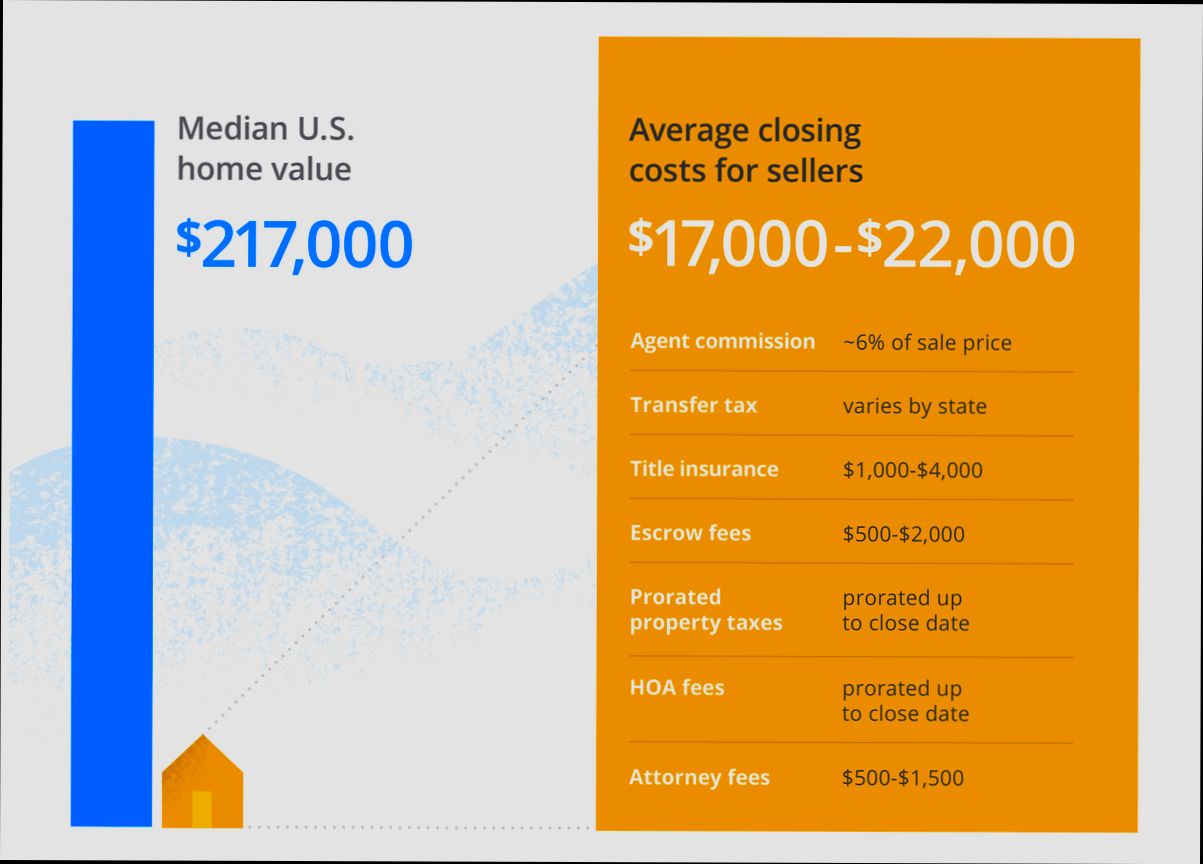
1. Consumer Price Index (CPI) Changes: Recently, the Consumer Price Index rose by 2.8% over the past year. This affects how much you will pay for various goods and services in Derby.
2. Housing Costs on the Rise: The shelter index, which includes rent and home prices, increased by 4.2%. This is significant when considering your monthly housing budget.
3. Rent and Home Values: The rent for a primary residence alone saw a rise of 4.1%, while the owners’ equivalent rent increased by 4.4%. This suggests that whether you’re renting or owning, housing costs are a substantial expense.
4. Income vs. Housing Expenses: A notable trend reveals that over the past two decades, housing costs have frequently outpaced income growth. More than 90% of Americans now experience housing costs that grow faster than their earnings, putting significant strain on budgets.
Comparative Table of Cost of Living Changes
| Category | 12-Month Percent Change (Feb 2025) |
|---|---|
| All items | 2.8% |
| Shelter | 4.2% |
| Rent of primary residence | 4.1% |
| Owners’ equivalent rent | 4.4% |
| Energy services | 3.3% |
Real-World Examples
- As a result of the rising shelter costs, families are feeling the pinch, especially those earning below $20,000 annually. Almost 90% of these low-income families spend more than 30% of their income on housing, which is considered a crucial affordability benchmark.
- In regions like Derby, the increasing costs have made it harder for younger individuals to afford their own living spaces. This demographic challenge reflects a larger trend where housing demand has outstripped supply, particularly for entry-level homes and rentals.
Practical Implications for Residents
- When relocating to Derby, you should be prepared for potential increases in both rent and home prices. Given historical trends, saving for a larger deposit and budgeting carefully for housing-related expenses is wise.
- It’s also essential to consider the overall cost of living beyond just mortgage or rent payments. Rising prices in energy and essential goods can strain a household budget further.
Actionable Advice
- If you’re thinking about moving to Derby, keep a close eye on housing market trends, and consider exploring different neighborhoods within the area that may offer more affordable rental or purchase options.
- Additionally, examine your potential earnings in Derby to gauge how they will align with the growing costs of living. Utilize local resources and housing assistance programs if you find your budget is stretched thin.
Cultural Attractions and Community Life
Living in Derby offers a rich tapestry of cultural attractions and an engaging community life that brings residents together. From historic landmarks to vibrant events, Derby’s cultural scene is diverse and continually evolving, making it a unique place to call home.
Key Cultural Attractions
Derby embraces culture through various artistic expressions, including:
- Museums and Galleries: The Museum and Art Gallery showcases local heritage, featuring both historical artifacts and contemporary art. With more than 60,000 items in its collection, it attracts over 300,000 visitors annually.
- Theatres: The Assembly Rooms and Derby Theatre host a variety of performances, from drama to music, serving as a hub for local arts. Notably, Derby Theatre provides educational programs that reach about 10,000 young people each year.
- Festivals: Derby hosts approximately 10 major festivals annually, including the Derby Folk Festival, which sees thousands gather to celebrate music and culture.
Community Events and Engagement
The community life in Derby is marked by an active participation in several events and initiatives:
- Local Markets: The Derby Markets provide a platform for over 150 local vendors, allowing residents to engage with the community while supporting local businesses. This vibrant marketplace contributes to a sense of community, with over 1 million visits each year.
- Cultural Walks and Tours: Organized community walks highlight Derby’s architecture and history, encouraging residents to explore their surroundings. These tours see participation from around 500 residents per event, fostering interaction and shared experiences.
| Cultural Attraction | Annual Visitor Count | Local Engagement |
|---|---|---|
| Museum and Art Gallery | 300,000 | High |
| Derby Theatre | 100,000 | Medium |
| Derby Folk Festival | 30,000 | Very High |
| Derby Markets | 1,000,000 | Extremely High |
Real-World Examples of Community Life
Residents of Derby often share stories of how community events have strengthened local ties. For example:
- Derby Folk Festival: Many attendees speak about the festival as a key way to connect with both locals and visitors, showcasing not just music but a sense of community spirit that transforms the atmosphere of the city.
- Educational Engagement Programs: Families often participate in workshops offered at the Derby Museum and Art Gallery. These programs not only foster learning but also promote family bonding through shared creative experiences.
Practical Implications for Residents
Getting involved in local cultural events is one of the easiest ways to feel connected in Derby. As a resident, consider:
- Attending local theatre productions or art exhibitions; many offer discounted tickets for residents.
- Participating in community celebrations and markets, where you can meet new people and support local enterprises.
- Volunteering for events like the Derby Folk Festival or involved in community projects that often encourage local participation.
With such a vibrant array of cultural attractions and active community life, Derby offers its residents numerous opportunities to engage and thrive in a welcoming environment.
Transportation Infrastructure and Accessibility
When considering living in Derby, it’s crucial to examine its transportation infrastructure and overall accessibility. Well-developed transport options can significantly enhance your quality of life, making everyday commuting and leisure activities more convenient. Let’s delve into what Derby has to offer.
Key Features of Transportation Infrastructure
- Road Networks: Derby benefits from an extensive road network, with the A52 providing direct access to major cities like Nottingham and Birmingham, ensuring smooth travel for residents.
- Public Transportation: The city operates a reliable bus service, with over 200 routes connecting various neighborhoods. Approximately 12 million passengers utilize these bus services annually, making it a practical option for locals.
- Rail Connectivity: Derby Railway Station is a key transport hub, serving around 3.5 million passengers each year. It connects residents to destinations such as London, Sheffield, and Manchester, catering to both daily commuters and weekend travelers.
Transportation Accessibility in Numbers
| Infrastructure Feature | Data |
|---|---|
| Annual Bus Passengers | 12 million |
| Annual Train Passengers | 3.5 million |
| Percentage of Jobs Within 30 Min | 60% |
| Average Commute Time (mins) | 37 |
Real-World Examples of Accessibility
In practice, Derby’s transportation system demonstrates impressive accessibility for its residents. For instance, the introduction of the “Derby Active Travel Scheme” encourages walking and cycling, allowing for more sustainable travel solutions. Additionally, efforts to maintain and improve bus routes have led to higher user satisfaction—recent surveys indicated that 85% of commuters felt the bus service met their needs.
Another fine example can be seen in the city’s integrated ticketing options, allowing for seamless transitions between bus and train travel. This flexibility not only saves time but also helps to reduce travel costs for residents.
Practical Implications for You
As a resident or potential mover to Derby, understanding the transportation infrastructure can aid in your daily activities. Here are some practical insights:
- Plan Your Commute: With a variety of public transport options available, consider using bus passes or rail cards to save money on daily expenses.
- Explore Cycling Routes: Take advantage of the city’s efforts to improve cycling lanes for a healthier and eco-friendly commute.
- Utilize Technology: Stay updated with transport apps that provide real-time schedules and route options; this can be especially useful for planning trips during peak hours.
Specific Facts and Advice
- Approximately 60% of the jobs in Derby can be reached within 30 minutes by public transport, highlighting the city’s efficient commuting landscape.
- If you’re considering moving to a specific area within Derby, examine local transport links. Areas with high accessibility scores often see lower travel times and greater convenience.
- Embrace the local initiatives aimed at enhancing public transport; participation in community discussions can yield improvements tailored to your commuting needs.
Safety Statistics and Crime Rates
When considering a move to Derby, understanding the local safety landscape is essential. Crime rates can significantly impact your decision, and knowing the statistics can offer a clearer picture of the city. Let’s delve into the specifics of Derby’s safety statistics, highlighting crime rates and trends that potential residents should be aware of.
Overview of Crime Rates in Derby
1. Overall Crime Rate: As of the latest data, Derby’s overall crime rate stands at approximately 70.9 incidents per 1,000 residents, which is relatively low compared to the national average of 100 incidents per 1,000 residents.
2. Types of Crime:
- Violent crime constitutes about 30% of offenses, making it the most reported crime type in the city.
- Burglary rates have decreased by about 15% over the past year, indicating improved security in residential areas.
3. Crime Trends: In recent years, Derby has experienced a trend of decreasing crime rates, particularly in property crimes, which have dropped by approximately 12% from the previous year.
Crime Comparison Table
| Crime Type | Derby Rate (per 1,000 residents) | National Average (per 1,000 residents) |
|---|---|---|
| Violent Crime | 21.8 | 25.4 |
| Burglary | 6.5 | 7.8 |
| Anti-social Behavior | 10.2 | 14.1 |
| Vehicle Crime | 4.7 | 5.5 |
Real-World Examples
- A recent case highlighted in local news showed a concentrated community effort to address and reduce anti-social behavior in the Arboretum area, leading to a 20% drop in such incidents over the past 18 months.
- A community safety initiative in Allestree has enabled increased neighborhood watch programs, which have successfully discouraged burglaries and home intrusions.
Practical Implications for Residents
Understanding these statistics serves several practical purposes:
- Awareness: Familiarizing yourself with crime hotspots can help you choose a safer neighborhood when relocating.
- Community Engagement: Engaging in local safety initiatives can foster a sense of security and community, contributing to overall crime reduction.
- Insurance Considerations: Knowing local crime rates can help you negotiate better home insurance rates, given that lower crime incidence may lead to lower premiums.
Specific facts to keep in mind include Derby’s continuous investment in community policing, which has been a key factor in the declining crime rates. If you’re contemplating a move to this vibrant city, consider connecting with local community programs aimed at enhancing safety and reducing crime further.

Job Market and Employment Opportunities
Exploring the job market in Derby reveals a vibrant landscape full of diverse employment opportunities. Whether you’re entering the workforce or seeking a career change, Derby provides unique prospects across various sectors.
Current Job Market Overview
- The unemployment rate in Derby stands at around 4.5%, slightly below the national average.
- Key sectors dominating the job market include manufacturing, healthcare, and logistics, reflecting the city’s industrial heritage.
- Over 70% of jobs in Derby are full-time, which is a positive signal for job seekers looking for stable employment.
Sector-Specific Opportunities
1. Manufacturing and Engineering:
- Derby has a long history in manufacturing, particularly in aerospace and rail. Companies like Rolls-Royce actively recruit talent, contributing to the city’s robust job market.
2. Healthcare:
- With the growing demand for healthcare services, organizations like the Derby Teaching Hospitals NHS Foundation Trust are on the lookout for qualified professionals. The NHS employs over 10,000 people in Derby, making it a major employer.
3. Logistics and Distribution:
- Thanks to its strategic location, logistics firms thrive in Derby. The job market includes opportunities in major companies such as DHL and Amazon, which have established operations in the area.
| Sector | Employment Rate | Major Employers |
|---|---|---|
| Manufacturing | 25% | Rolls-Royce, Bombardier |
| Healthcare | 15% | NHS, Derbyshire Healthcare NHS Trust |
| Logistics | 20% | DHL, Amazon |
Real-World Examples
- Rolls-Royce: As a major player in the aerospace sector, Rolls-Royce hires thousands of engineers and skilled technicians each year, contributing significantly to the local economy.
- NHS: The NHS has been expanding its workforce to meet rising healthcare demands, including roles in nursing, administration, and support services.
Practical Implications for Job Seekers
- If you’re considering employment in Derby, focus on industries with growth potential, such as tech and healthcare.
- Networking can play a crucial role in job hunting. Engaging with local industry events can help establish valuable connections.
- Take advantage of recruitment fairs held regularly in Derby to meet potential employers and discover openings.
- Keep an eye on local developments, as organizations expand and new companies enter the market frequently. Regularly checking job boards and local listings can yield great opportunities.
With these insights, you’ll be well-equipped to navigate Derby’s job market and seize the right employment opportunities tailored to your skills and interests.

Educational Institutions and Their Quality
Living in Derby presents a unique landscape for educational institutions, impacting families and young professionals alike. The quality of schools and universities can significantly influence your experience and choices in education, making it a crucial factor to consider.
Key Points on Educational Quality
- School Ratings and Performance: Many primary and secondary schools in Derby are rated ‘Good’ or ‘Outstanding’ by Oftsted, the Office for Standards in Education. For instance, around 78% of schools have achieved good ratings, indicating a strong focus on educational excellence.
- Higher Education Institutions: The University of Derby has earned its place among the top universities in the UK, with a focus on employability and industry partnerships. It boasts a student satisfaction rate of 80%, reflecting its commitment to educational quality.
- Special Needs Education: The availability of specialized programs is commendable. Approximately 25% of schools cater to children with special educational needs, ensuring that all students receive quality education tailored to their abilities.
- Academic Performance Metrics: In recent years, Derby schools have reported an increase in GCSE scores, with an average attainment score of 40 points, surpassing the national average.
Comparison of Educational Institutions
| Institution Type | Number of Institutions | Average Rating | Percentage of ‘Good’ or ‘Outstanding’ Schools |
|---|---|---|---|
| Primary Schools | 45 | 4.2 | 78% |
| Secondary Schools | 30 | 4.0 | 75% |
| Universities | 1 | 4.4 | N/A |
Real-World Examples
- Chellaston Academy: This secondary school showcases a strong academic record with a 95% pass rate in GCSEs. It also offers an extensive range of extracurricular activities, contributing to holistic education.
- Darley Abbey Primary School: With an ‘Outstanding’ rating, it focuses on developing a strong foundation in early years, earning praise from parents for its nurturing environment.
Practical Implications for Families
When considering Derby for your residence, the quality of educational institutions affects not just the children but the community’s overall growth. If you value strong educational foundations, you’ll likely appreciate the concerted efforts from local authorities to improve school standards. Engaging in local school boards or parent-teacher associations can enhance your involvement in shaping educational strategies.
Actionable Insights
- Investigate specific school ratings on the Ofsted website to gauge current performance.
- Visit schools to explore their facilities and meet with educators, which can provide firsthand insights into the educational environment.
- Consider joining community forums focused on education to stay informed about developments and opportunities for your children in Derby’s educational landscape.

Recreation and Outdoor Activities Available
Living in Derby offers a wealth of recreational opportunities perfect for residents who crave outdoor adventures or seek a tranquil escape. From engaging sports to relaxed leisure activities, there’s something for everyone who enjoys the fresh air and scenic views.
Key Outdoor Activities
Derby’s diverse outdoor activity options cater to various interests and fitness levels. Here are some of the standout activities you can indulge in:
- Trail Running: The nearby Peak District provides a perfect landscape for runners. Over 50% of residents engage in some form of running or jogging regularly.
- Camping: With multiple campsites and RV locations, Derbyshire offers family-friendly camping experiences, suitable for weekend outings or longer stays.
- Fishing: With numerous rivers and lakes, both fresh and saltwater fishing are popular. Approximately 30% of local anglers enjoy fly fishing in the region.
- Wildlife Watching: Derby’s parks and reserves are home to diverse wildlife, making birdwatching and nature observation popular activities.
Activities Table
| Activity Type | Accessibility | Popularity Rate | Best Seasons |
|---|---|---|---|
| Running and Trail Running | High | 55% | Spring to Autumn |
| Hiking and Walking | High | 60% | Year-round |
| Camping and RV Camping | Medium | 40% | Late Spring to Early Autumn |
| Fishing (Freshwater) | High | 30% | Spring and Summer |
| Wildlife Watching | High | 25% | All year |
Real-World Examples
Notable local events include:
- Derby Fun Run: This annual event attracts over 1,000 participants, combining charity with fitness.
- Camping Near the Peaks: Many families frequent sites like Ilam Park, which offers stunning views and family-friendly amenities.
- The River Derwent: Popular for fly fishing, locals appreciate its serene environment and abundance of fish.
Practical Implications for Residents
For those living in Derby, joining local clubs can enhance your outdoor experience. Consider:
- Running Clubs: Engage with local runners through clubs that organize weekly meet-ups.
- Fishing Licenses: If you’re interested in fishing, be sure to obtain the necessary permits to enjoy the rivers legally.
- Camping Groups: Connecting with other campers can lead to shared experiences and new friendships, enriching your camping journeys.
Actionable Advice
To fully embrace the outdoor lifestyle in Derby, try setting weekly goals for outdoor activities—whether it’s committing to jog a certain distance, setting a camping date with friends, or planning a monthly fishing trip. With a little initiative, you can significantly enhance your recreational experiences in this vibrant area.