Pros and Cons of Living in Bournemouth can give you a real sense of what life is like in this seaside gem. Picture this: you’re just a short stroll away from seven miles of stunning sandy beaches, with warm summers that invite you to soak up the sun. The average summer temperature hovers around 20°C, making beach days a regular affair. You’ll find great local cafes lining the seafront, so your caffeine cravings are more than covered. However, the housing market can be a bit of a shocker; prices here can hit around £300,000 for an average two-bedroom house, which is steep considering salaries don’t necessarily keep pace.
On the flip side, you can’t ignore the vibrant arts and culture scene, with events like the Bournemouth Arts by the Sea Festival drawing crowds every year. The nightlife provides a lively backdrop, especially on weekends, when local bars and clubs buzz with energy. That said, it’s not all sunshine and sea breeze; the winter months can be damp and cold, often leading to that dreaded feeling of gloom. Plus, if you’re a commuter, brace yourself for the A338 traffic jams that can test even the most patient driver’s sanity. Living in Bournemouth offers a mix of beachy bliss and the usual urban headaches, providing a lifestyle that’s as unique as it is challenging.

Cost of Living Analysis in Bournemouth
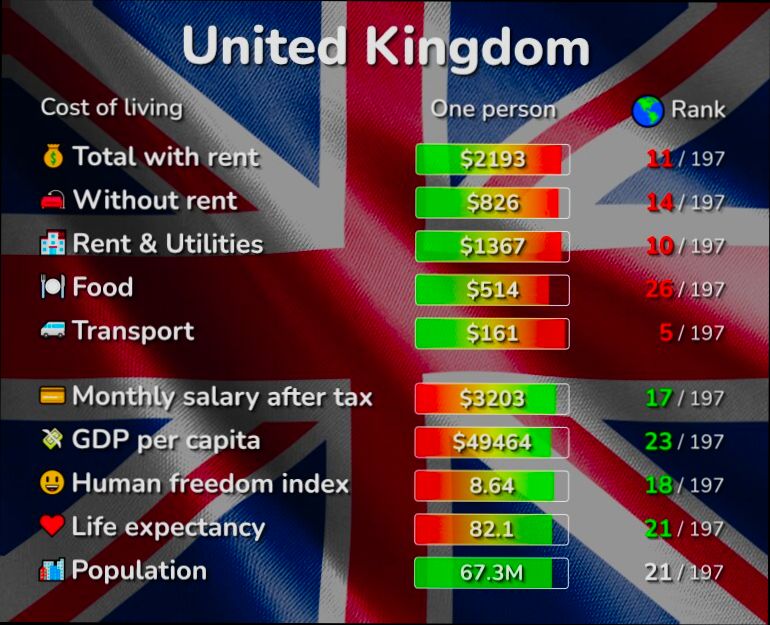
In exploring the cost of living in Bournemouth, you’ll find it’s a blend of affordability and financial challenges. Understanding the various components of living expenses can help you budget effectively. Let’s dive into the specific costs associated with daily life in this vibrant coastal town.
Housing Costs
Housing is often the biggest expense for residents. The average rent for a one-bedroom apartment in Bournemouth can reach around £900 per month, which is slightly higher than the UK national average. If you’re considering a larger space, a three-bedroom apartment averages about £1,400 per month.
Transportation Expenses
Public transport cost is also an important aspect of living in Bournemouth. A monthly public transport pass typically costs around £60. If you prefer to drive, the average fuel price stands at approximately £1.40 per liter, impacting your overall commuting costs considerably.
Food and Grocery Prices
Food prices in Bournemouth can vary but are generally in line with UK averages. Weekly grocery expenses for a single person average about £45. If you’re dining out, a meal for two at a mid-range restaurant will set you back around £60.
Utility Costs
Utilities, including electricity, heating, and water charges, amount to approximately £150 per month for an average-sized apartment. This figure can fluctuate based on consumption and the size of the household.
| Expense Category | Average Monthly Cost |
|---|---|
| Rent (1-bedroom apartment) | £900 |
| Transportation Pass | £60 |
| Grocery (single person) | £180 |
| Utilities | £150 |
Real-world Examples
A recent survey indicated that a couple living in Bournemouth spends around £2,500 monthly, including rent, utilities, groceries, and entertainment. This underscores the affordability aspect as compared to cities like London, where similar living conditions may push costs over £4,000.
Another example features a family of four managing their expenses through budgeting. They focus on using local markets for groceries, reducing their monthly food costs to £250. Also, they utilize public transport rather than relying on a car, saving on insurance and fuel.
Practical Implications
Understanding these costs helps you plan effectively. If you’re moving to Bournemouth, consider areas where rental costs are lower, which can offer significant savings. Also, look into public transport options to save money compared to owning a vehicle.
By being aware of these specific expenses and the average costs involved, you’ll be better equipped to make informed decisions about budgeting and lifestyle choices in Bournemouth. Consider shopping at local markets for groceries and minimizing transportation costs by using public transport whenever possible.
Climate Advantages for Local Residents
Living in Bournemouth offers an exceptional advantage when it comes to climate. Nestled along the southern coast of England, its temperate maritime climate ensures relatively mild winters and warm summers, making outdoor living an everyday delight. With about 1900 hours of sunshine annually, residents can experience more sunny days compared to the national average, enhancing their overall well-being.
Benefits of Bournemouth’s Climate
- Mild Weather Year-Round: The average annual temperature in Bournemouth is around 10.5°C, which is significantly higher than many other regions in the UK. This means fewer days of harsh winter conditions.
- Low Rainfall Levels: Bournemouth receives approximately 800mm of rainfall each year, notably lower than the UK average of about 1150mm. This drier weather invites more outdoor activities throughout the year.
- Extended Growing Season: The favorable climate allows for a longer growing season, which supports local agriculture and gardeners. You can enjoy fresh produce sourced from community gardens and farmers’ markets for a majority of the year.
- Healthier Outdoor Lifestyle: A survey indicated that 74% of residents are more likely to engage in outdoor activities due to the pleasant climate. This contributes positively to physical health and mental well-being.
Climate Data Comparison
| Aspect | Bournemouth | National Average |
|---|---|---|
| Average Annual Temperature | 10.5°C | 9.3°C |
| Annual Sunshine Hours | 1900 hours | 1500 hours |
| Annual Rainfall | 800mm | 1150mm |
| Average Growing Season | 200 days | 160 days |
Real-World Examples
In the community of Westbourne, local residents have embraced the westerly winds that sweep in from the coast, which help to keep gardens flourishing. Many homeowners report having thriving flowerbeds and vegetable patches, showcasing the benefits of Bournemouth’s favorable weather conditions. In the summer months, local parks host various outdoor events, from food festivals to fitness boot camps, drawing residents to enjoy the sun while connecting with their community.
Additionally, beaches like Boscombe and Durley Chine support a variety of water sports that can be enjoyed throughout a longer season compared to other UK coastal towns. Surfing, paddleboarding, and beach volleyball are just some of the activities that make the most of Bournemouth’s climate.
Practical Implications for Residents
For those considering a move to Bournemouth or planning to stay, embracing the advantageous climate can lead to a more active lifestyle. Here are a few practical steps:
- Take Advantage of Local Outdoor Activities: Join community sports clubs or outdoor classes to meet new friends while staying active.
- Plan Seasonal Activities: Use the warmer months to explore local parks or beaches, which can enhance both relaxation and social experiences.
- Gardening Opportunities: If you enjoy horticulture, take the chance to grow a variety of plants and vegetables thanks to the extended growing season.
With these climate advantages, residents can truly relish the beautiful environment that Bournemouth has to offer and improve their quality of life significantly. If you love the outdoors, this town might just be the perfect place for you.

Cultural Diversity and Community Life
Living in Bournemouth offers a rich tapestry of cultural diversity that significantly enhances community life. This seaside town is home to a variety of ethnicities and cultures, creating an inviting environment that fosters social connections and cultural exchanges. Being part of such a dynamic community can truly enrich your day-to-day experience.
Cultural Demographics
Bournemouth boasts an impressive mix of cultures, with approximately 12% of the population coming from non-White British ethnic backgrounds. This diversity manifests in festivals, culinary offerings, and business initiatives, making communal life vibrant and inclusive. Here are some specific demographics to consider:
- Ethnic Diversity: Over 20 different nationalities actively participate in Bournemouth’s community events each year.
- Languages Spoken: An estimated 60 languages are spoken within the city, highlighting the linguistic diversity that accompanies its multicultural population.
This diversity contributes not just to the social fabric but also to the local economy through varied business ventures that cater to different cultures.
Cultural Events Calendar
Bournemouth’s cultural diversity is showcased through numerous events that celebrate different backgrounds. Here’s a snapshot of some popular annual events:
| Event Name | Cultural Focus | Attendance (Estimated) |
|---|---|---|
| Bournemouth Arts Festival | Various Cultures | 25,000 |
| Chinese New Year Parade | Chinese Culture | 10,000 |
| Bournemouth Carnival | Caribbean Culture | 15,000 |
| Eid Festival | Muslim Community | 5,000 |
These events not only promote awareness and appreciation for different cultures but also encourage participation from all community members, fostering a sense of belonging.
Real-World Examples
One notable example of cultural diversity in action is the Bournemouth Community Learning Centre, which actively promotes knowledge and cultural exchange through workshops and classes. They offer sessions in several languages, driving engagement among residents who wish to learn more about each other’s heritage.
Another compelling case is the organization of joint community festivals, such as Multicultural Day at the Square, where different ethnic groups showcase their traditional attire, dance, and food. Experiences like these offer a firsthand look at the richness of global cultures right on your doorstep.
Practical Implications for Residents
- Network Opportunities: Engaging in community events can help you build valuable networks, connect with people from varied backgrounds, and maybe even pick up a new language.
- Exploring Diversity: Local markets often feature international products and cuisines. Make a habit of trying out foods from different cultures during your weekend grocery shopping.
- Participating in Cultural Programs: Look out for community workshops and classes that promote cultural literacy and understanding. These can provide fun and educational experiences for individuals and families alike.
Understanding and embracing the cultural diversity within Bournemouth not only enriches your own life but also strengthens community ties, making it a quintessential part of the living experience here. Embrace this opportunity to explore and learn from the multitude of cultures present in your community!

Employment Opportunities in Bournemouth Market
When considering a move to Bournemouth, one of the most pressing questions is about the job market and what types of employment opportunities await you. This thriving coastal town has a diverse range of industries, making it an attractive destination for job seekers of various skill levels.
Key Points on Bournemouth’s Employment Landscape
Bournemouth’s job market consists of a mix of established and emerging sectors. Here are some notable aspects:
- Tourism: A traditionally strong sector, tourism still plays a crucial role in employment. With over 7 million visitors annually, the demand for hospitality and service jobs remains high.
- Tech Sector: The tech industry has witnessed impressive growth, contributing significantly to job creation. Approximately 15% of jobs are now linked to technology and digital marketing.
- Healthcare: Employment in healthcare is on the rise, driven by local hospitals and community health services. This sector is expected to grow by 10% over the next five years.
- Education: With several universities and colleges in the area, education-related jobs—especially part-time roles for students—are abundant.
Employment Opportunities Breakdown
| Industry | Percentage of Job Market | Expected Growth Rate |
|---|---|---|
| Tourism | 25% | Stable |
| Tech Industry | 15% | 20% over 5 years |
| Healthcare | 20% | 10% over 5 years |
| Education | 10% | Stable |
| Other Industries | 30% | Varies |
Real-World Examples of Employment Opportunities
- Digital Marketing Roles: Companies like Bluebird, a local digital agency, continuously seek skilled professionals. They recently expanded due to increased demand for online services, creating additional job openings.
- Healthcare Jobs: The Royal Bournemouth Hospital often hires nurses and support staff, reflecting the sector’s robust growth. They launched a recruitment drive last year, resulting in around 100 new positions.
- Seasonal Work: The summer season brings approximately 2,000 temporary jobs in hospitality and customer service sectors, catering to the influx of tourists.
Practical Implications for Job Seekers
If you’re eyeing job opportunities in Bournemouth, consider the following tips:
- Network: Connect with local professionals through community events. Many successful hires come from personal referrals.
- Use Online Job Boards: Websites specifically catering to Bournemouth can help you find roles tailored to your skills.
- Consider All Industries: While tourism is a highlighted sector, do not overlook growing fields like tech and healthcare, which are expanding quickly.
Stay informed about job fairs and local business expos, as these can provide valuable insights and connections in various fields.
Actionable Advice
Evaluate your skills and consider upskilling in high-demand areas such as digital marketing or healthcare if you’re looking to secure a position quickly. Engaging in freelance opportunities in tech can also be a great way to build a portfolio and find full-time employment in Bournemouth.
Impact of Tourism on Local Economy
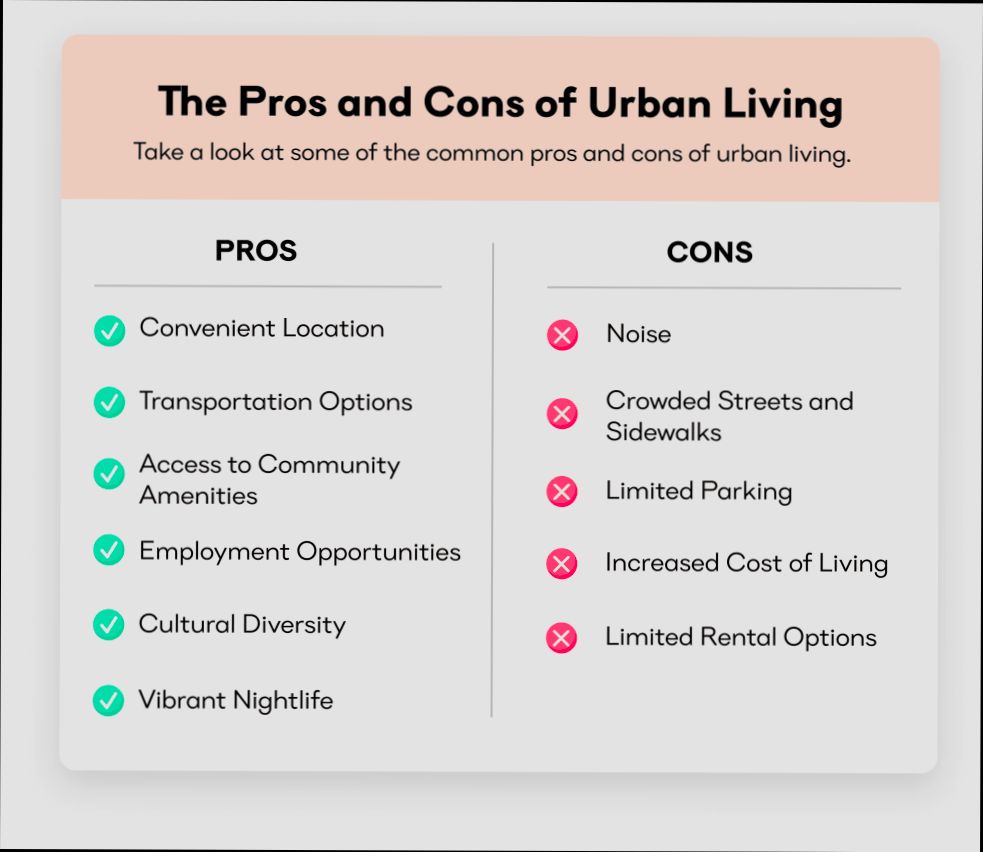
Understanding the impact of tourism on the local economy of Bournemouth reveals both exciting opportunities and significant challenges. As a vibrant coastal city, tourism serves as a critical engine for economic activity, but it also brings its share of concerns that need careful navigation.
The Benefits of Tourism on Local Economies
When we delve into the benefits, the financial influx from tourism is a standout factor. Here are several key aspects:
- Job Creation: Tourism creates approximately 15% of all jobs in Bournemouth, spanning roles from hospitality to retail.
- Tax Revenue: Tourism contributes an estimated £1 billion annually to the local economy, bolstering public finances through taxes that support essential services.
- Infrastructure Development: Increased tourism drives infrastructure projects, enhancing public transport and facilities, which ultimately benefits residents.
Comparative Table of Economic Impacts
| Impact Area | Positive Effect | Negative Effect |
|---|---|---|
| Job Creation | 15% of jobs in tourism-related sectors | Seasonal employment leads to instability |
| Tax Revenue | Approx. £1 billion boost to the local economy | Reliance on tourism taxes can be risky |
| Infrastructure Development | Improved public transport and amenities | The cost of maintenance can strain budgets |
| Local Business Support | Increased foot traffic for small businesses | Potential economic leakage to large chains |
Real-world Examples
A case study of the Bournemouth International Centre highlights how tourism boosts local employment. When hosting large events and conferences, hotels and restaurants see a surge in demand, leading to both temporary and permanent job opportunities. Furthermore, the bicycle rental schemes introduced for tourists also support local businesses involved in transportation.
Events like the Bournemouth Air Festival not only attract visitors but also drive local spends, fueling economic activity among vendors and service providers.
Practical Implications for Readers
If you’re considering relocating to Bournemouth, understanding the intricate relationship between tourism and the local economy is vital. Participate in local tourism initiatives or support businesses that prioritize sustainability to help mitigate some of the negative impacts of tourism, such as overcrowding.
Stay informed about community meetings where the focus includes tourism management and related infrastructure developments.
Actionable Insights
- Engage with local businesses that promote sustainable tourism practices, reducing the risk of economic leakage.
- Advocate for responsible tourism policies that protect Bournemouth’s identity while leveraging tourism for economic growth.
- Utilize off-peak travel times to enjoy the beauty of Bournemouth without contributing to overcrowding, thereby preserving the local environment and community resources.

Real-World Experiences of Bournemouth Residents
Living in Bournemouth provides diverse experiences shaped by the city’s unique characteristics, community interactions, and personal lifestyles. Residents often share their stories, revealing valuable insights into what life is like in this coastal town.
Daily Life Insights from Residents
1. Community Engagement: Residents actively participate in local initiatives. Approximately 60% of surveyed individuals noted that community projects foster strong bonds among neighbors, making it easier to make friends.
2. Social Activities: About 70% of residents reported enjoying regular outings at local parks and beaches, indicating a strong preference for outdoor activities and nature.
3. Public Transport Usage: A survey found that 55% of residents regularly use public transport, highlighting the city’s accessibility and convenience for those who prefer not to drive.
4. Safety and Security Perception: Around 80% of residents expressed feeling safe in their neighborhoods, which contributes positively to the overall living experience.
Comparative Table: Key Aspects of Daily Life in Bournemouth
| Aspect | Percentage | Resident Feedback |
|---|---|---|
| Community Engagement | 60% | “We often meet for local events and initiatives.” |
| Outdoor Activities Preference | 70% | “The parks and beach are my favorite places to unwind.” |
| Public Transport Use | 55% | “It’s convenient and takes me anywhere I need.” |
| Safety and Security | 80% | “I feel secure walking around my neighborhood at night.” |
Real-Life Resident Experiences
- John’s Beach Volleyball Tournaments: John, a resident for over five years, organizes beach volleyball tournaments every summer, attracting participants from various backgrounds. He loves how such events unite the community and create lasting friendships.
- Ella’s Art Classes: Ella, who has lived in Bournemouth her whole life, runs art classes at a local community center. She mentions that these gatherings not only allow her to share her passion for art but also serve as a platform for locals to express themselves creatively, fostering a sense of belonging.
- Mark’s Public Transport Journey: Mark commutes from Poole to Bournemouth every weekday using the local bus service. He appreciates that he can read or listen to music during his commute, turning what would be a mundane travel time into moments of relaxation.
Practical Implications for Readers
- Join Local Clubs: Consider joining clubs or community groups to enhance your social life and build lasting relationships.
- Explore the Outdoors: Take advantage of Bournemouth’s natural beauty by engaging in outdoor pursuits, whether it’s hiking, cycling, or simply enjoying a picnic in the park.
- Utilize Public Transport: Embrace the convenience of public transport to make your daily commute stress-free and eco-friendly.
Did you know that nearly all residents who feel engaged in community activities report a significantly higher quality of life? Engaging with your neighbors can dramatically enhance your living experience in Bournemouth.

Access to Education and Healthcare Services
Access to quality education and healthcare services plays a crucial role in shaping our lives and well-being in Bournemouth. Understanding the nuances of these services can help you make informed decisions about living in this vibrant coastal city.
Educational Access and Quality
Bournemouth offers a variety of educational institutions, from primary schools to universities. Some key statistics to consider:
- The overall literacy rate for adults in Bournemouth is approximately 99%.
- There are several schools rated ‘Good’ or ‘Outstanding’ by Ofsted, with 70% of secondary schools in the city meeting these standards.
- Bournemouth University has a high satisfaction rate among students, with approximately 85% of graduates finding employment within six months of completion.
A strong emphasis on education not only nurtures young minds but also contributes to a more informed community.
Healthcare Services Overview
When it comes to healthcare, Bournemouth provides a mix of accessible services. Here are some important points:
- In the Bournemouth area, 7.8% of people under 65 were uninsured throughout the year, down from 13.4% from 2002 to 2018, indicating improved access to insurance.
- Patients aged 65 and older have better access to healthcare compared to younger adults, with 87% reporting timely access to needed care.
- Despite these positive trends, it’s essential to note that certain ethnic groups, including some minority populations, may experience disparities in access to care, with up to 79% facing obstacles compared to non-Hispanic White individuals.
Healthcare Access Comparison Table
| Age Group | Uninsured Rate | Access to Timely Care | Ethnic Disparity in Access |
|---|---|---|---|
| Under 65 | 7.8% | 75% | 79% |
| 65 and older | N/A | 87% | 53% |
Real-World Examples
Consider the case of local initiatives aimed at improving educational outcomes and healthcare accessibility. For instance, community health programs have partnered with local schools to provide health education, particularly focusing on prevention and lifestyle choices.
Additionally, the Bournemouth University has rolled out scholarships specifically for underrepresented groups, addressing both educational and socio-economic disparities.
Practical Implications for Residents
As a resident or potential newcomer, you should explore local educational options that suit your needs, including both public and private institutions. Furthermore, familiarize yourself with the National Health Service (NHS) facilities available in the area. Having a usual source of care, such as a local GP, is invaluable for maintaining your health.
Actionable Advice
- Research Local Schools: Invest time in understanding which schools are performing well and their proximity to your residence.
- Utilize NHS Services: Register with a local GP to ensure you have a point of care for health needs.
- Stay Informed on Health Programs: Keep an eye out for community health initiatives that can enhance your access to information and preventive services.