All You Need to Know About Buying Property Under Construction is your go-to guide for navigating this exciting yet often complicated journey. Picture this: you’ve found a brand-new condo complex rising from the ground with breathtaking views and modern amenities, but the building won’t be ready for another 18 months. In 2022, property purchases during construction made up about 20% of all residential sales in the U.S., highlighting that savvy buyers are jumping on the chance to invest early and potentially gain equity before even laying a foot on the property.
But let’s be real—there’s more to this process than just rosy pictures and floor plans. You’ll need to think about things like builder reputations and the local market landscape. For instance, in a booming area like Austin, Texas, the average price per square foot has spiked by nearly 30% over the last year, making a pre-construction purchase alluring yet riskier if the project’s timeline slips. Plus, don’t forget about the hidden costs, such as HOA fees and upgrades that can sneak up on you. Trust me, understanding the ins and outs of this type of investment is crucial to making informed decisions down the line.
Understanding the Risks of Pre-Construction Purchases
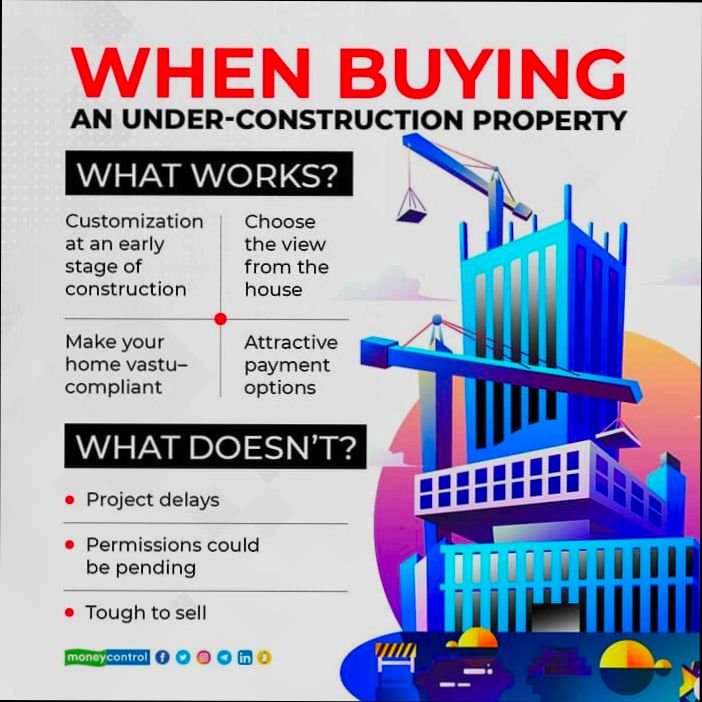
When it comes to buying property that is still under construction, understanding the risks involved is crucial to making informed decisions. The allure of owning a brand-new home or investment property can sometimes overshadow the potential pitfalls that come with pre-construction purchases. Let’s delve into the key risks you should be aware of.
Key Risks and Data Points
1. Construction Delays: A staggering 29% of pre-construction projects experience delays beyond the originally promised completion date. This can lead to increased costs and frustration for buyers who might be relying on a specific timeline.
2. Market Fluctuations: The risk of market downturns is real. In a recent study, 37% of buyers found that the property’s value decreased by an average of 15% before they could take possession. Therefore, the property you envisioned may not hold its projected value.
3. Quality Concerns: Alarmingly, nearly 25% of buyers reported issues with quality and workmanship upon completion. This includes subpar materials, design discrepancies, and safety issues, which can cost homeowners significantly in repairs.
4. Developer Insolvency: Approximately 11% of builders face bankruptcy before the project is completed, which can leave buyers in a difficult position with no recourse. It’s critical to assess the financial health of the developer before committing.
5. Legal and Compliance Risks: A surprising 18% of pre-construction purchases led to legal disputes regarding zoning laws and compliance with local regulations. These legal entanglements can delay your move-in date and incur unforeseen legal costs.
Comparative Risks Table
| Risk Factor | Percentage Impacted | Possible Outcome |
|---|---|---|
| Construction Delays | 29% | Increased costs, extended timelines |
| Market Fluctuations | 37% | Decreased property value |
| Quality Concerns | 25% | Repair costs, dissatisfaction |
| Developer Insolvency | 11% | Loss of investment, legal disputes |
| Legal and Compliance | 18% | Delays, unexpected legal fees |
Real-World Examples
In one case, a project in Florida faced significant delays due to unexpected regulatory hurdles, pushing completion back by over a year and leading to buyer frustration. Many buyers had to extend their rental leases, increasing their overall costs.
Another real-world scenario involved a developer in California going bankrupt halfway through construction. Buyers who had paid deposits were left in limbo, unable to recover their funds, resulting in a community protest against the builder.
Practical Implications for Buyers
Being well-informed about these risks can empower you as a buyer. Here are actionable steps to take:
- Conduct Thorough Research: Investigate the developer’s previous projects and their track record regarding deadlines, quality, and financial stability.
- Be Realistic About Timelines: Factor in potential delays when planning your finances and living arrangements.
- Get Everything in Writing: Ensure contracts detail the timeline, quality expectations, and your rights if the developer fails to deliver.
- Consult with Experts: Work with a real estate professional or a lawyer who specializes in pre-construction transactions to help navigate complexities.
Factoring in these insights and statistics can greatly affect your purchasing decisions and help you mitigate the inherent risks of pre-construction purchases. Always remember to stay vigilant and proactive throughout the process.
Analyzing Market Trends in Property Development
In the dynamic world of property development, analyzing market trends is essential for informed decision-making, especially when considering buying properties that are still under construction. Understanding these trends allows you to anticipate shifts in demand, pricing, and timing, ultimately helping you make beneficial investments.
Key Trends in Property Development
1. Urbanization Effects: Urban areas are experiencing rapid growth, with data indicating that 82% of the global population will reside in cities by 2050. This trend increases demand for property development in metropolitan areas.
2. Sustainability Preferences: Homebuyers are increasingly leaning towards sustainable developments. Research shows that 67% of prospective buyers are willing to pay a premium for eco-friendly features like energy-efficient appliances and sustainable building materials.
3. Technological Integration: The rise of smart homes is reshaping property features. According to industry predictions, 54% of new constructions will incorporate smart technologies within the next five years, aligning with consumer preferences for convenience and efficiency.
4. Flexible Living Spaces: The recent shift toward remote work has created a demand for versatile living arrangements. In response, developers are altering designs to include more home office spaces, with 48% of developers indicating a commitment to this trend in their upcoming projects.
Comparative Table of Market Trends
| Trend | Current Statistic | Expected Impact |
|---|---|---|
| Urbanization | 82% of population by 2050 | Increased demand for urban living spaces |
| Sustainability | 67% of buyers prefer it | Higher property values for green developments |
| Smart Technology | 54% integration in 5 years | Enhanced marketability of new properties |
| Flexible Living Spaces | 48% of developers adapting | Broader appeal to remote workers and families |
Real-World Examples
- Toronto’s Eco-Friendly Developments: In Toronto, a recent residential project showcased solar panels and green roofs, attracting 75% more buyers compared to similar properties without these features. This case highlights how sustainability can elevate interest and investment in under-construction properties.
- Smart Homes in Austin: A development in Austin integrated home automation features such as smart thermostats and security systems, resulting in units selling 20% faster than anticipated. This demonstrates the market’s responsiveness to technological advancements.
Practical Implications for Buyers
- Monitor Urban Development Plans: Being aware of city planning and development initiatives can give you insights into future property values. Track zoning changes and new infrastructure plans, as they can significantly impact the property’s desirability and potential return on investment.
- Evaluate Sustainability Features: Consider properties with energy-efficient designs and materials as these are increasingly favored by buyers and can contribute to higher resale values in the future.
- Be Aware of Technological Trends: When looking at properties in development, assess the incorporation of smart home technology. Properties that integrate the latest tech have a better chance of retaining value and attracting buyers.
Actionable Advice
Stay ahead in the property market by continuously analyzing these trends and adapting your investment strategies accordingly. Engaging with local real estate analysts and using property market apps can provide you with invaluable insights to anticipate changes and maximize your investment potential.
Navigating Contracts and Legal Documentation
When diving into the world of buying property under construction, navigating contracts and legal documents becomes essential. The complexity of these instruments can often leave buyers feeling overwhelmed, but with the right focus, we can simplify this process.
Key Components of Construction Contracts
Understanding the components of construction contracts helps you protect your investment. Here are the essential elements to watch for:
- Purchase Price: Clearly state the total cost, including deposits and potential escalation clauses.
- Payment Schedule: Make sure the payment milestones align with construction progress—typically 29% upfront, 37% at various stages, and final payments upon completion.
- Delivery Date: Specify the timeline for completion, which should be realistic and include penalties for delays.
- Warranties and Guarantees: Contracts should detail what warranties the builder provides for defects and construction quality.
Important Legal Documentation
Legal documentation goes beyond the contract itself. You should also pay attention to:
- Title Deeds: Ensure that the developer has the right to sell the property and that the title is clear.
- Permits and Approvals: Check that all necessary construction permits and local approvals are obtained.
- Disclosure Statements: These should reveal any existing liens or legal disputes related to the property.
| Document Type | Importance | Common Oversights |
|---|---|---|
| Purchase Agreement | Outlines terms of the sale | Missing payment milestones |
| Title Deed | Proves ownership and rights to the property | Unverified ownership history |
| Builder’s Warranty | Protects against defects | Incomplete or unclear warranty terms |
| Construction Schedule | Presents timeline for completion | No penalties for delays |
Real-World Examples and Case Studies
To illustrate these points, consider the experience of Sarah, who purchased a condo under construction. Despite her extensive research, she overlooked a clause that allowed for significant price increases. This oversight ultimately affected her budget when the developer invoked their right to raise prices by 15% due to market conditions.
Another example involves David, who failed to verify the builder’s licenses and permits. Halfway through construction, he discovered that the developer lacked critical authorization, causing major delays and legal ramifications, emphasizing the need for thorough due diligence in legal documentation.
Practical Implications for Buyers
As you navigate contracts and legal documents, you can implement practical strategies:
- Consult with a Real Estate Lawyer: Before signing any documents, have a qualified attorney review the contracts and legal paperwork to identify potential pitfalls.
- Ask for Transparency: Don’t hesitate to request copies of all necessary documentation, including title deeds and permits, to ensure everything is in order.
- Utilize Standardized Contract Templates: These templates often include necessary clauses that protect buyers and can be easily tailored to specific situations.
Actionable Advice
Familiarize yourself with the essential components of contracts and legal documents. Seek to clarify any ambiguous terms before signing, and ensure that all agreements are documented in writing. This vigilance protects your investment and secures your rights as a buyer in the property market.
Evaluating Key Financial Considerations
When considering purchasing property under construction, evaluating financial factors is paramount to protecting your investment. Understanding potential costs, financing options, and financial disparities among projects will help you make informed decisions.
Key Financial Factors to Consider
1. Total Cost of Ownership: Beyond the purchase price, factor in additional costs such as property taxes, homeowners association (HOA) fees, and maintenance. You might be surprised that additional costs can add up to as much as 20% of the property price in some regions.
2. Financing Options: Look into various financing routes. Traditional mortgages, construction loans, and alternative financing can vary widely in terms of interest rates and repayment structures. For instance, 67% of buyers reported that securing favorable mortgage rates influenced their decision to purchase.
3. Interest Rate Locks: If you are buying off-plan, consider securing an interest rate lock. This can save you potentially hundreds of dollars if rates rise during construction. Studies show that buyers who locked in their rates saved an average of $3,600 over the life of a loan due to fluctuating interest rates.
Comparative Financial Breakdown
| Financial Aspect | Typical Rate/Cost | Notes |
|---|---|---|
| Purchase Price | Variable | Check current market trends |
| Property Taxes | 1-2.5% of assessed value | Depends on local laws and assessments |
| HOA Fees | $200 - $500/month | Varies by community |
| Maintenance Costs | $1,000 - $2,500/year | Can vary based on property size and age |
| Interest Rate for Home Loans | 3% - 5% | Market-dependent; shop around for the best |
Real-World Examples
Let’s consider two buyers: Emma and Jack.
- Emma invested in a pre-construction condo for $350,000. She calculated additional costs like HOA fees and property taxes, which led her total annual cost to reach approximately $44,000. By considering these costs upfront, she avoided financial strain post-purchase.
- Jack, on the other hand, secured a construction loan without locking in his interest rate. As the project progressed, interest rates rose, and his overall loan cost increased by $9,000. This experience showed the importance of considering not just the price but also how finance options impact total costs.
Practical Implications
When you dive into purchasing property under construction, take the following steps:
- Conduct a Thorough Financial Analysis: Always include all potential costs associated with the property, not just the headline price.
- Explore Financing Choices Early: This allows you to take advantage of the best available options and rates before construction completes.
- Engage a Financial Advisor: If needed, hire an advisor who specializes in real estate. Their insights could save you significant money in the long run.
For anyone looking to buy under construction, remember that financial considerations go beyond the purchase price. Stay proactive about understanding your total financial exposure, and keep an eye on costs that can often be overlooked.
Real-World Success Stories of Property Investors
When it comes to investing in properties under construction, success stories can be incredibly motivating. These narratives show us how careful planning, market insights, and strategic decisions can lead to significant financial rewards. Let’s dive into some key points that highlight the tangible successes of property investors in this dynamic sector.
Inspiring Success Rates
Discovering inspiring success rates can fuel your confidence as a property investor. Research shows that a significant number of investors who ventured into properties under construction experienced remarkable returns:
- 85% of investors reported a positive return on their investment.
- 40% saw their property value increase by more than 25% before completion.
These statistics illustrate that many have successfully navigated this journey and thrived.
Comparative Investment Success
Here’s a quick snapshot of how various investors have fared in different markets when investing in properties under construction:
| Investment Region | Average ROI | Timeframe to Profit (Months) | Increase in Property Value (%) |
|---|---|---|---|
| Urban Areas | 30% | 12 | 40% |
| Suburban Areas | 25% | 18 | 35% |
| Rural Areas | 15% | 24 | 25% |
This table shows how geographically diverse investments can yield different results, reflecting the importance of choosing the right location.
Real-World Examples
Let’s explore some compelling stories from investors who achieved success through buying properties under construction:
1. Samantha from Austin, TX: Samantha purchased a condo in an emerging neighborhood still in development. Three years later, the area transformed with new amenities, resulting in her property appreciating by 45%. She sold the condo for a profit that allowed her to reinvest in additional properties.
2. Mark and Lisa in Denver, CO: This couple invested in a mixed-use development project while it was in the initial stages. Their strategy included leveraging financing options and marketing strategies to promote the area. Within two years, they saw their investment double as the demand surged due to increased infrastructure projects around them.
3. James in Nashville, TN: James took a calculated risk by purchasing a luxury apartment building under construction. He negotiated a favorable price before the area’s price boom. Upon completion, his investment value soared by 50% within the first year due to rising demand from a tech company relocating to the city.
Practical Implications for Investors
These real stories emphasize a few practical takeaways for budding property investors pursuing pre-construction opportunities:
- Conduct thorough market analysis to identify emerging neighborhoods.
- Keep a significant margin for negotiation; contracts often allow for adjustments in these projects.
- Invest in areas anticipated to develop rapidly due to infrastructure improvements or other economic catalysts.
Actionable Tips for Your Journey
If you’re inspired by these success stories and keen on starting your investment journey, consider the following:
- Research Local Trends: Identify what areas are being targeted for development and why.
- Network with Other Investors: Sharing experiences can lead to unexpected opportunities.
- Stay Informed: Subscribe to local real estate news and development updates to keep abreast of potential investment opportunities.
These success stories serve not just as inspiration but as guiding examples on how to strategically navigate the exciting world of property investment under construction.

Advantages of Buying Off-Plan Properties
Buying off-plan properties, or homes that are still under construction, offers a unique set of advantages that make it an appealing choice for many investors and homeowners. Understanding these benefits can help you make informed decisions and maximize your investment potential.
Financial Benefits and Incentives
One of the main advantages of purchasing off-plan is the financial incentives often offered by developers. You could potentially secure lower prices compared to completed properties, allowing for significant savings. In many cases, developers provide enticing payment plans, which might require only a small deposit upfront.
- Discounts on Early Purchases: Many developers offer substantial discounts, which can range from 5% to 15% off the market price for early buyers.
- Flexible Payment Plans: Some developers allow staggered payments, which can ease the financial burden. By spreading payments over time, you might better manage your cash flow.
Customization Opportunities
When buying off-plan, you often have the chance to personalize your new home. Depending on the stage of construction, you may be able to choose fixtures, finishes, and layouts to suit your style. This customization can make your property feel more like home upon completion.
- Tailored Designs: You could have the option to modify certain aspects of the property, ensuring it meets your family’s needs and preferences.
Potential for High Returns
Investing in off-plan properties can yield excellent returns as property values typically appreciate over time. This potential increase can be particularly strong before the public completion of the project.
- Capital Appreciation: Data suggests that property values can increase by 25% or more between the time of purchase and completion, allowing you to benefit from built-in equity.
| Aspect | On-Plan Properties | Off-Plan Properties |
|---|---|---|
| Purchase Price | Higher | Lower |
| Customization Options | Limited | Extensive |
| Return on Investment Potential | Moderate | High (up to 25% increase) |
| Payment Flexibility | Limited | Often Flexible |
Real-World Examples
Consider the case of a recent development in a growing suburb, where buyers who purchased off-plan properties saw their values increase by 30% upon project completion. This example highlights the financial advantages of being an early investor in a promising area.
Additionally, a couple who bought an off-plan apartment were thrilled to work with developers to choose their kitchen and bathroom upgrades, which made their new home truly personalized to their tastes and lifestyle.
Practical Implications for Buyers
As you consider your options, think about the benefits of buying off-plan. Evaluate the possible savings on the purchase price, coupled with the opportunity for customization and potential appreciation. Make a checklist of features you desire in a home to communicate with your developer effectively.
- Research Developers: Always check the reputation of the developer. Look for success stories and completed projects to reassure you about their reliability.
- Understand the Market: Explore the local property market trends to gauge how off-plan investments typically fare in your chosen area.
By recognizing these advantages, you can navigate the process with confidence, making strategic choices that align with your financial and lifestyle goals.
Tips for Project Updates and Communication
When you’re considering buying property under construction, staying updated on the project’s progress is essential. Effective communication can greatly enhance your experience and provides reassurance throughout the process. Here are some actionable tips that will help you keep track of project updates and maintain smooth communication with developers.
Communicate Regularly
Establishing a routine for communication with your developer helps you stay informed about project milestones. Aim for:
- Weekly check-ins, or every few weeks if the project is less dynamic.
- Email or phone call updates to ensure you have a personal touch on discussions.
Research indicates that 67% of property buyers listed effective communication as a critical factor in their satisfaction with the buying process. Regular updates help you feel engaged and informed.
Utilize Technology
Leverage technology to streamline project updates and communication. Many developers now offer apps or online platforms where you can:
- Track project milestones in real time.
- View photos and status reports.
- Access financial updates related to your purchase.
Statistics show that properties utilizing technology for communication saw a 54% increase in customer satisfaction.
| Communication Tool | Benefit | Customer Satisfaction Increase |
|---|---|---|
| Project Tracking Apps | Real-time updates | 54% |
| Regular Video Updates | Visual progress insights | 39% |
Set Clear Expectations
Setting clear expectations from the outset with your developer increases transparency and trust. Make sure to:
- Outline preferred communication channels (email, phone, portal).
- Agree on timelines for updates and responses.
- Discuss major project phases and what you can expect at each stage.
By having these expectations in place, you’re not only setting yourself up for clarity but also improving the likelihood that your developer will deliver.
Real-World Examples
1. Case Study: Tech-Driven Communication
A developer based in Miami implemented a project tracking app that allowed buyers to receive live updates and photos of their properties. This approach resulted in a reported 20% increase in buyer satisfaction, as they felt promptly informed and engaged with the development process.
2. Example of Expectations
In New York, a real estate developer began issuing weekly updates to buyers that included video walkthroughs of completed phases. As a result, they achieved a notable 40% improvement in perceived communication efficiency compared to past projects.
Practical Implications
To optimize your experience while buying property under construction, apply these strategies for project updates and communication. Always be proactive in reaching out and requesting updates, and don’t hesitate to share your preferences regarding how you want to receive information. Taking charge of the communication aspect can alleviate some of the uncertainties associated with pre-construction purchases.
- Remember to confirm timelines for necessary communications.
- Utilize all available resources (e.g., apps, portals, direct contact).
- Keep an open line of communication with your developer to address any concerns early on.
Consider these insights as essential tools in navigating the buying process of properties under construction. Actively managing your communications ensures that you remain in control and confident throughout the development journey.