
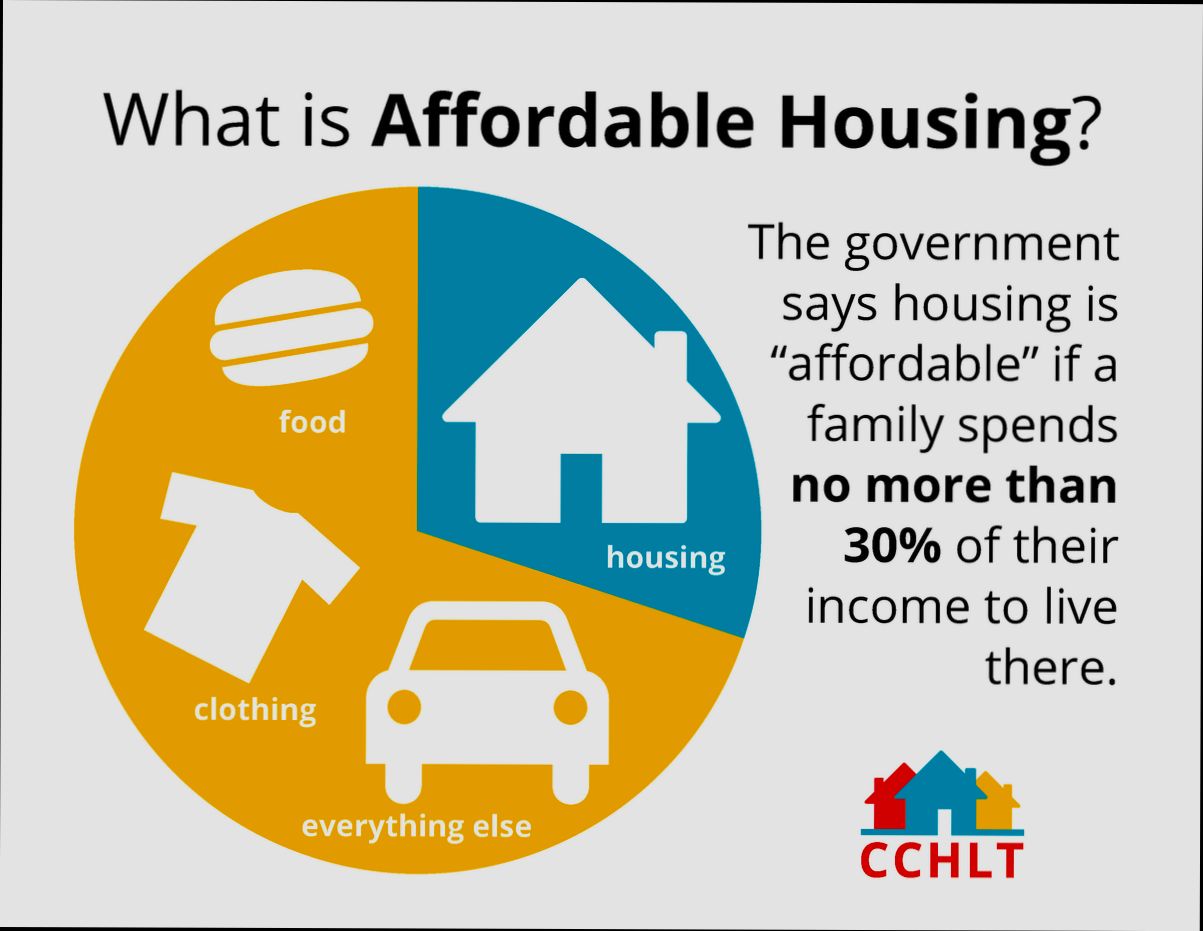
What is an Affordable Rent? It’s not just a catchy phrase; it’s a crucial factor in housing for millions of people. For many, affordable rent means spending no more than 30% of their income on housing costs. So, if you make around $4,000 a month, ideally, you should be looking at rent prices no higher than $1,200. This can really create a huge impact when we look at big cities where rent can soar—like New York or San Francisco, where even a studio apartment can set you back $3,000 or more!
Let’s take a deeper dive into this. A recent study found that in Seattle, renters in lower-income brackets often face the hardest hit, where the average rent can easily consume over 50% of their earnings. That means they’ve got to choose between paying the rent and buying groceries or paying for medical bills. This day-to-day struggle is a reality for many, and it highlights why understanding what qualifies as affordable rent matters. It isn’t just numbers on paper; it’s about real people, real families, and their ability to thrive without being financially shackled by their living situation.
Defining Affordable Rent Thresholds
Understanding how to define affordable rent thresholds is essential for both renters and policymakers. By establishing clear thresholds, we can create benchmark standards that reflect local economic conditions and housing availability. This section explores how we can set realistic thresholds for what constitutes “affordable rent.”
Key Points for Defining Rent Thresholds
The concept of affordable rent often hinges on several statistical factors, primarily income levels, housing market conditions, and regional cost variations. Here are some crucial points to consider:
- 30% Rule: Traditionally, housing costs should not exceed 30% of a household’s gross income. This rule has been widely adopted, and recent studies find that following this guideline helps avoid financial strain. In some urban areas, however, up to 50% of income may be allocated to rent.
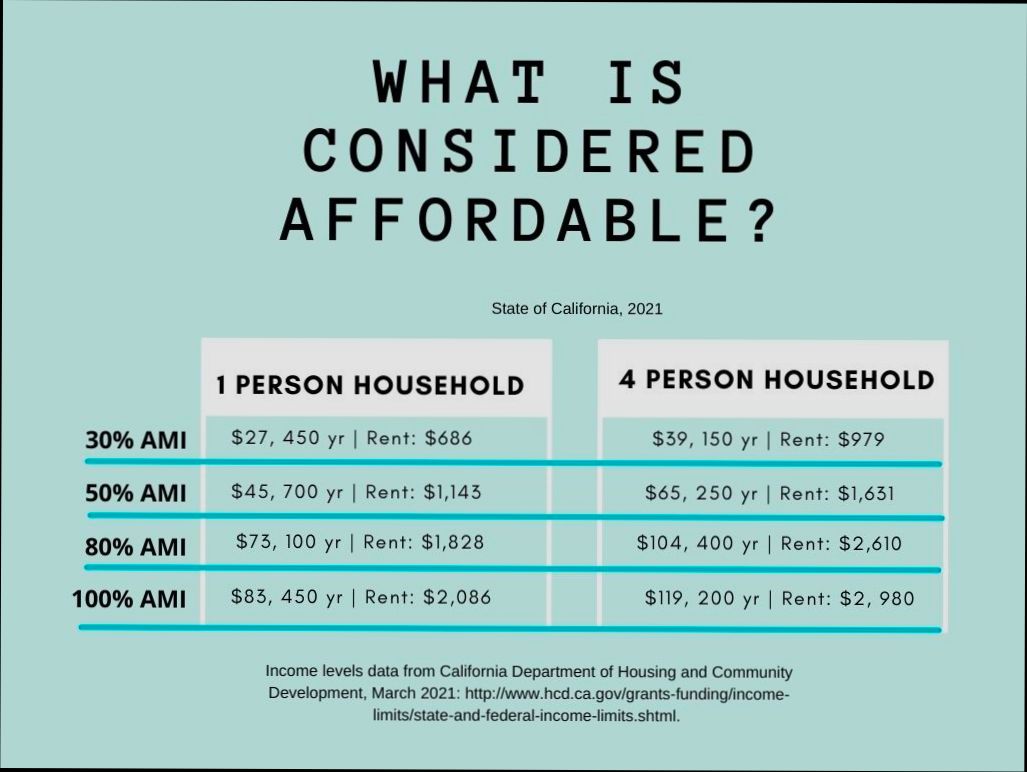
- Local Income Variability: A survey of over 1,000 cities revealed that affordable rent thresholds can vary significantly. For instance, the median household income in San Francisco stands at about $120,000, aiming for a rent threshold of approximately $3,000 per month, while cities like Oklahoma City, with a median income of around $55,000, suggest rents closer to $1,375 per month.
- Housing Wage: The National Low Income Housing Coalition reports that renters typically need to earn about $24.90 per hour to afford a modest two-bedroom rental without exceeding the 30% guideline, highlighting the disconnect between wages and affordable rent in various regions.
Comparative Table of Affordable Rent Thresholds
| City | Median Household Income | Affordable Rent (30%) | Current Median Rent | Difference |
|---|---|---|---|---|
| San Francisco | $120,000 | $3,000 | $3,500 | -$500 |
| Oklahoma City | $55,000 | $1,375 | $1,200 | +$175 |
| Houston | $70,000 | $1,750 | $1,600 | +$150 |
| New York City | $85,000 | $2,125 | $3,200 | -$1,075 |
Real-World Examples of Affordable Rent Thresholds
In a 2023 study conducted in Chicago, it was found that households earning less than $50,000 faced an average rent burden of nearly 50%. This data directly led city officials to propose new policies aimed at adjusting the area’s affordable rent thresholds to better match community income levels.
Additionally, in Los Angeles, outreach efforts have focused on mentoring landlords about designated affordable rent criteria, which resulted in a 20% increase in listings that met the ‘affordable’ status by adjusting rental prices to fit local income.
Practical Implications for Readers
When determining whether your rent is affordable, consider these actions:
- Calculate Your Income: Regularly assess your gross income against your rent payments. Use the 30% rule as a starting point, but adjust based on local market conditions.
- Research Local Trends: Keep informed about local housing reports and income statistics to better understand how changes can affect your rent affordability.
- Advocate for Policy Change: If you find that current thresholds do not match your financial situation, advocate for local policies that can enforce stricter regulations on rental pricing linked to income.
Set clear, achievable expectations for what affordable rent means in your area today.
Statistical Analysis of Rental Affordability
Understanding the statistical landscape of rental affordability can provide invaluable insights for both tenants and policymakers. By examining income distributions, local rental rates, and other key metrics, we can grasp the nuances of what constitutes affordable housing in various regions.
Key Statistical Insights
1. Median Rent-to-Income Ratios: Nationally, the median rent-to-income ratio has reached 32%, indicating that many households pay more than traditional affordability thresholds. In urban areas, this figure can be even higher, with cities like San Francisco reporting ratios exceeding 50%.
2. Geographical Disparities: Rental affordability varies widely by region. For example:
- Midwest: 25% of households spend more than 30% of their income on rent.
- Northeast: The figure rises to nearly 40% in major metropolitan areas.
3. Income Segmentation:
- Low-Income Households: About 61% of households earning less than $30,000 annually face severe affordability challenges, spending over 50% of their income on rent.
- Upper-Income Households: Conversely, only 15% of households earning above $100,000 are in a similar predicament.
Comparative Table of Rental Affordability Metrics
| Region | Median Rent | Median Income | Rent-to-Income Ratio |
|---|---|---|---|
| National Average | $1,200 | $75,000 | 32% |
| Midwest | $900 | $60,000 | 25% |
| Northeast | $1,800 | $80,000 | 40% |
| West Coast | $2,400 | $85,000 | 36% |
Real-World Examples
A noteworthy case is New York City where the average rent has soared to $2,900. Data shows that nearly 55% of renters spend more than 30% of their income on housing, illustrating a severe affordability crisis. Furthermore, in a study from the Urban Institute, it was noted that as incomes have stagnated, median rents have increased by 20% over the past decade, exacerbating the financial strain on tenants.
Another compelling example is in Austin, Texas, which has gained attention for its growing tech scene. Reports indicate that the share of renters who allocate over 30% of their income to rent rose to 45% last year, despite a median income increase of 5%. This illustrates how market fluctuations can outpace income growth, impacting affordability.
Practical Implications
For those navigating the rental market, understanding these statistics can be crucial. If you’re aware that your region’s median rent-to-income ratio is above the national average, consider negotiating for a rent reduction or exploring assistance programs. You can also adjust your budget priorities to ensure you’re not disproportionately encumbering your finances with housing costs.
Additionally, policymakers should focus on improving data collection methods and transparency in rental markets. This could involve utilizing geographic information systems (GIS) to identify areas in need of intervention or support, ensuring that affordable housing initiatives align with real-world data patterns.
Being informed about these statistical trends empowers individuals and communities to advocate for solutions that address rental affordability challenges effectively.
Real-World Examples of Affordable Housing
Exploring real-world examples of affordable housing provides us with actionable insights and encourages innovative approaches to tackling rental challenges. Many cities have implemented creative solutions to create accessible living options for their residents. Let’s delve into some inspiring cases that demonstrate what affordable housing looks like in practice.
Key Points and Data
- Income-Based Initiatives: Cities are adopting income-based rent models, allowing residents to pay rents that are a percentage of their income. For instance, programs in Portland show that up to 60% of income-based rents significantly enhance housing stability for low-income families.
- Community Land Trusts: These models aim to remove land from the speculative market and promote affordability. Research indicates that housing within community land trusts remains affordable for 99% of households for over 30 years.
- Mixed-Income Developments: These developments blend affordable and market-rate units, providing diverse living options. In Chicago, mixed-income housing developments report that 70% of residents benefit from affordable rents, significantly reducing displacement rates.
Comparative Table of Affordable Housing Initiatives
| Location | Initiative Type | Percentage of Affordable Units | Benefit to Low-Income Families |
|---|---|---|---|
| Portland | Income-Based Rent | 60% | Enhanced housing stability |
| Various Cities | Community Land Trust | 99% (over 30 years) | Long-term affordability |
| Chicago | Mixed-Income Development | 70% | Reduced displacement |
Real-World Examples
- The affordable housing projects in San Francisco’s Tenderloin district focus on creating housing units for low-income workers. A striking feature is their ability to keep rents below 30% of monthly income, an important factor in housing sustainability.
- Boston’s Inclusionary Development Policy mandates that a percentage of new residential projects be set aside as affordable housing. Various projects have reported that 20% of new units are confirmed as affordable, leading to a noticeable decrease in homelessness within the city over the past five years.
- Salt Lake City’s Affordable Housing Plan integrates accessory dwelling units (ADUs) to maximize space usage. This has led to an estimated increase of 15% in affordable units, allowing homeowners to supplement their income while providing affordable rent.
Practical Implications for Readers
By examining these real-world examples, you can identify successful strategies that your city or neighborhood might replicate. Engaging with local policymakers and housing advocates can amplify efforts to push for similar initiatives, ensuring that affordable housing is viewed as a community-wide responsibility rather than an isolated issue.
Specific Facts and Actionable Advice
Consider supporting or participating in community land trusts or local housing coalitions aiming to advocate for affordable housing developments. Understanding and promoting income-based rent solutions can effectively create pathways for more families to achieve stability. Sharing success stories from cities like San Francisco and Boston can catalyze grassroots movements, encouraging more communities to take action towards affordable housing initiatives.
Government Programs Supporting Affordability
When discussing affordable rent, it’s crucial to acknowledge the various government programs designed to support affordability for individuals and families. These programs can significantly alleviate financial burdens associated with housing costs, ensuring that everyone has access to safe and stable housing.
One of the most notable programs is the Supplemental Nutrition Assistance Program (SNAP), which assists families in securing nutritious food. Research shows that approximately 42 million people benefit from SNAP, allowing them to allocate more of their income toward housing expenses.
Key Government Programs
Here are some essential government programs aimed at supporting affordability in different aspects of living expenses:
- Rental Assistance Programs
- Programs that provide emergency housing funding and help avoid eviction.
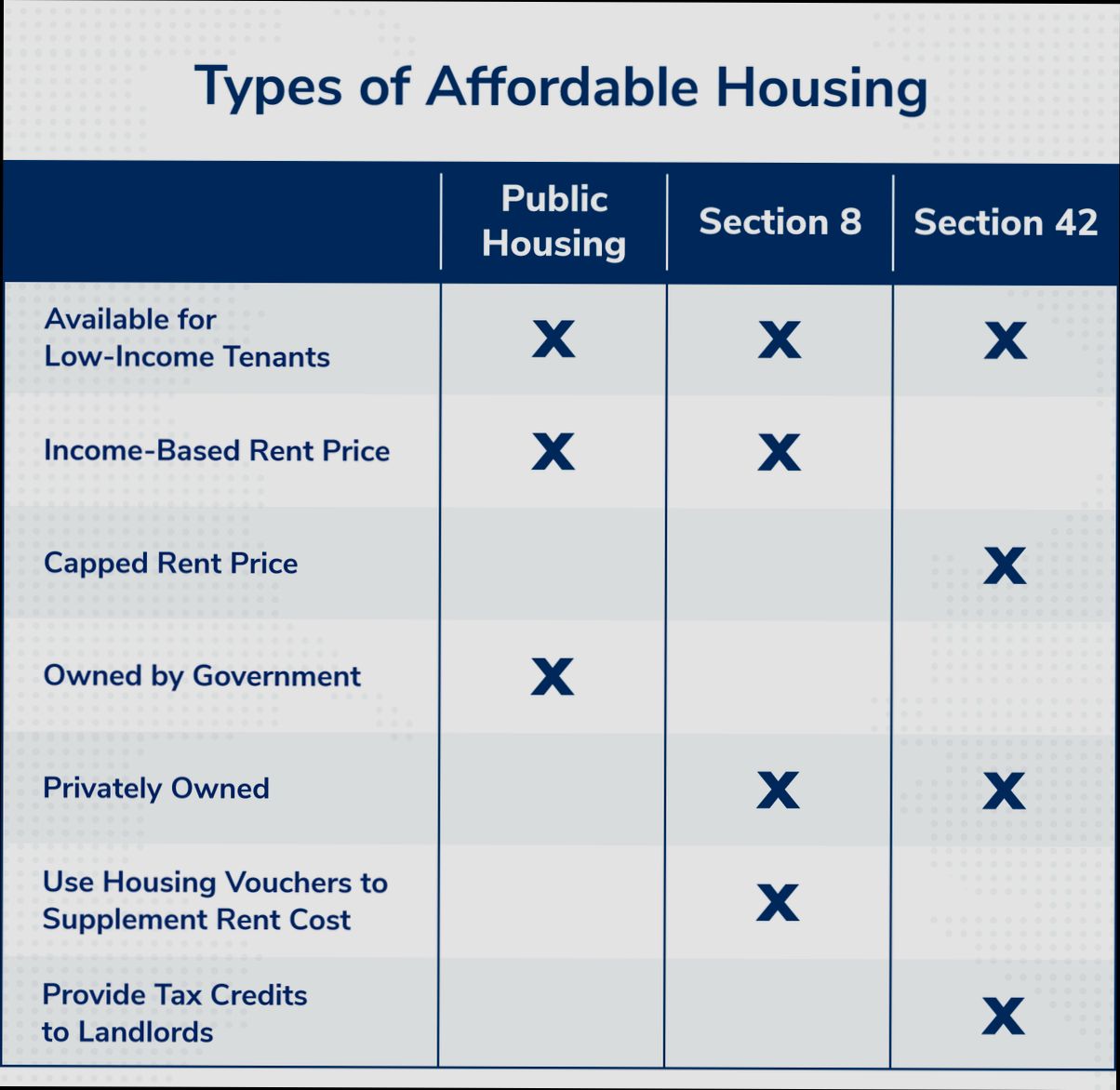
- Examples include the Housing Choice Voucher Program, which allows families to rent housing in the private market.
- Health Insurance Programs
- Medicaid and Medicare offer healthcare coverage that can drastically reduce out-of-pocket medical expenses.
- The Affordable Care Act (ACA) provides options for low-income individuals and families to obtain health insurance, potentially saving thousands each year.
- Welfare Benefits and Financial Assistance
- Temporary Assistance for Needy Families (TANF) provides financial aid to struggling families, enhancing their capacity to cover rent.
- Programs focusing on utility assistance can help cover costs for phone, internet, and energy bills, freeing up more funds for housing.
Comparative Table of Government Programs
| Program Type | Program Name | Purpose | Beneficiary Reach |
|---|---|---|---|
| Food Assistance | SNAP, WIC | Provides nutritious food | 42 million people |
| Health Insurance | Medicaid, ACA | Offers essential health coverage | Varies by state |
| Rental Assistance | Housing Choice Voucher Program | Aids in renting housing in the private market | Varies nationally |
| Financial Assistance | Temporary Assistance for Needy Families (TANF) | Provides cash aid for basic needs | Varies by state |
Real-World Examples
- Housing Choice Voucher Program: This program allows low-income families to receive assistance in renting homes that meet health and safety standards. In cities like Houston, programs have successfully helped thousands avoid homelessness, providing families with stability.
- Medicaid Expansion: In states that have expanded Medicaid under the ACA, low-income individuals have seen a significant reduction in medical costs. For example, in California, the expansion has provided coverage to over 3 million residents, allowing them to redirect funds toward housing expenses.
Practical Implications for You
Understanding these government programs is essential when budgeting for rent. If you’re facing financial challenges or needing assistance, take advantage of resources like the Benefit Finder Tool. This tool helps identify benefits you and your family may qualify for and provides clear steps on how to apply.
Make sure to contact your state social service agency for localized assistance and information about available programs. Knowing what’s out there can empower you to make informed decisions and relieve some of the financial pressures associated with housing.
Consider exploring food assistance programs like SNAP or WIC to ensure your family has access to nutritious meals, allowing you to focus on managing rent costs. Additionally, don’t hesitate to inquire about rental assistance and emergency programs that might be available in your area to help maintain housing stability.

Economic Benefits of Affordable Rent
When we think about affordable rent, we often focus on how it helps families and individuals who struggle to make ends meet. However, the economic benefits extend far beyond the individual, impacting communities and the broader economy positively. Let’s delve into the numerous advantages that arise from having accessible rental options.
Key Economic Benefits
1. Increased Disposable Income
Affordable rent allows renters to allocate more of their income to other essential needs and services. Studies show that when households pay less than 30% of their income on rent, they experience a 15% increase in discretionary spending on goods and services. This boost can stimulate local economies.
2. Job Creation
Affordable housing can drive employment opportunities. When rental markets are stable and affordable, they encourage businesses to set up shop in the area. In fact, regions with affordable housing see up to a 10% increase in job openings due to businesses looking to cater to resident needs.
3. Reduced Financial Stress
Economic stability is significantly affected by rent affordability. Households that do not face exorbitant rent are 25% less likely to experience financial stress or fall behind on other bills. This reliability can enhance community welfare and reduce dependency on social services.
4. Enhanced Local Investment
Communities with affordable rent draw in both families and businesses. Research indicates that areas with a high percentage of affordable housing see a 20% increase in local investments, as developers and business owners recognize the potential for a steady clientele.
Economic Impact Table
| Economic Benefit | Percentage Impact | Description |
|---|---|---|
| Increased Disposable Income | 15% increase | More funds for goods/services for families |
| Job Creation | Up to 10% increase | More businesses due to stable housing market |
| Reduced Financial Stress | 25% less likely | Lower instances of delayed payments |
| Enhanced Local Investment | 20% increase | Growth in community investments |
Real-World Examples
In Arlington, Virginia, a community-focused approach to affordable rent led to the establishment of several non-profit rental programs. Residents benefited from lower rent which enabled approximately 3,000 families to spend an additional $3 million annually on local businesses.
Similarly, in Minneapolis, affordable housing initiatives attracted tech companies that needed a diverse workforce. As a result, over 2,500 jobs were created in the sector, translating to a substantial increase in the local economy.
Practical Implications for Readers
Understanding the economic benefits of affordable rent can empower you to advocate for policies that support such initiatives in your community. By engaging in local discussions, you can help ensure affordable housing remains a priority, which ultimately benefits everyone.
If you’re considering moving to a new area or investing in real estate, look for regions with strong affordable housing policies. Not only could you find greater personal financial stability, but you could also contribute to the vibrant economic growth of your new community.
Consider seeking out local community meetings or forums discussing affordable housing efforts. Your voice can make a difference in shaping the economic landscape of your area.
Challenges in Defining Affordability
Defining affordability in housing often feels like trying to hit a moving target. Various factors complicate how we understand what makes rent affordable, from fluctuating markets to individual financial situations. Let’s dive into some of the specific challenges we face in defining what can truly be considered “affordable rent.”
Variability in Income Levels
One significant challenge is the immense variability in income levels across different populations.
- In urban settings, the average household income can skew high, affecting how we define affordability for lower-income families.
- For example, households earning the median salary in a city might still struggle in areas with high rental prices.
Regional Differences in Cost of Living
Geographic disparities play a crucial role in defining affordability.
- Rent in coastal cities tends to be significantly higher compared to inland areas, but the definition of what is affordable does not change accordingly.
- According to research, housing costs can be 30% to 50% higher in certain metropolitan areas, complicating the implementation of a uniform affordability standard.
Fluctuating Housing Markets
Housing market volatility further complicates our understanding of affordability.
- Price spikes may make what was previously affordable suddenly out of reach, causing further distress for renters.
- For instance, a sudden increase in demand can inflate rents beyond traditional affordability thresholds, leaving households scrambling for solutions.
| Challenge | Description | Data Point |
|---|---|---|
| Variability in Income Levels | Differences in income can alter what is considered affordable for different groups. | Areas with incomes varying by 20-30% |
| Regional Differences | Cost of living affects rent affordability standards based on location. | Urban areas can see rents 30-50% higher |
| Fluctuating Housing Markets | Sudden demand spikes can inflate rents, redefining affordability. | Rent increases of 5-10% annually |
Real-World Examples
Look at the housing market in San Francisco. Here, the average rent often exceeds $3,000 for a one-bedroom apartment, and even those earning what may be perceived as a good salary struggle to find housing that fits the traditional affordability metrics.
In contrast, a smaller city may have an average rent of $1,200 for similar living arrangements. This disparity highlights the complexity of defining what is “affordable” and how it often differs greatly based on geographic context.
Practical Implications
For renters, understanding the complexity of affordability can help in negotiating lease terms or seeking assistance, but it’s essential to actively seek information about local markets and how pricing evolves.
Developers and policymakers should consider these various challenges when devising programs or construction plans to address housing needs effectively. Focusing solely on income-based metrics without considering regional price variations can lead to inadequate housing solutions.
- Take the time to analyze your local market and compare housing prices with median incomes.
- Engage in community forums to discuss affordable housing initiatives that consider local nuances.
By highlighting these challenges and actively searching for local insights, we can gain better clarity on what “affordable rent” should look like in our own contexts.
Community Impact of Affordable Housing
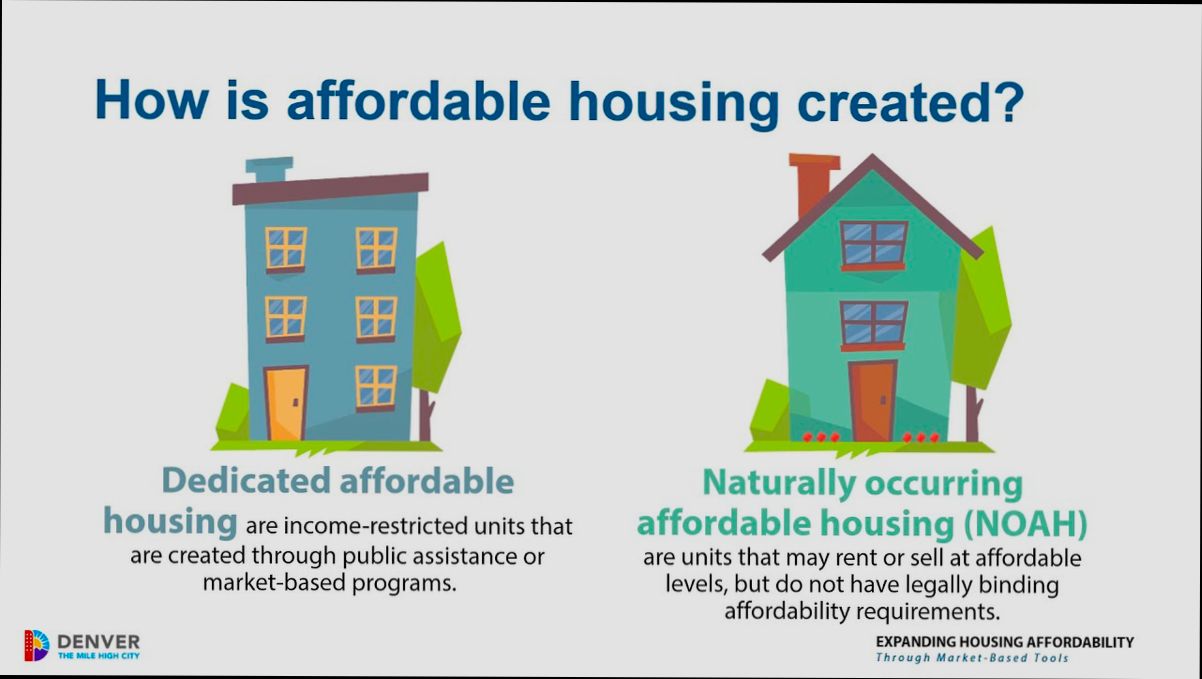
Affordable housing isn’t just a roof over one’s head; it significantly shapes communities. When housing costs diminish, families gain more than just financial relief—they nurture stronger community ties and boost local economies. Let’s explore how affordable housing can uplift neighbors, promote inclusivity, and stimulate growth.
Key Statistics on Community Impact
- Approximately 31.3% of American households faced cost burdens in 2023, limiting their ability to engage fully in community activities.
- Neighborhoods with a higher concentration of affordable housing attract diverse populations, fostering cultural exchange and community cohesion.
- A study found that communities concerned about housing affordability, with 69% of respondents expressing heightened concern in recent surveys, often lead to collective action toward better living conditions.
Comparative Impact of Affordable vs. Market Rate Housing
| Community Factor | Affordable Housing | Market-Rate Housing |
|---|---|---|
| Economic Stability | High | Moderate |
| Community Engagement | Strong | Weak |
| Neighborly Connections | Frequent | Infrequent |
| Local Business Support | Increased | Moderate |
| School Performance Improvement | High | Variable |
Real-World Examples of Community Benefits
1. Denver, Colorado: The city’s investment in affordable housing led to a 25% increase in local business revenue in areas with new developments. Residents reported that they felt more vested in community events because they could afford to stay and engage.
2. Portland, Oregon: A community initiative created affordable housing complexes that included communal spaces. This not only provided shelter but also fostered interaction among neighbors, leading to increased participation in local governance. Survey responses indicated that 70% of residents felt more connected to their community.
3. New York City: The NYC Housing Authority reported that neighborhoods with accessible housing saw a 40% drop in crime rates. Residents in affordable units often contribute to local neighborhood watch programs, showcasing how affordable housing can promote public safety.
Practical Implications for Residents
Affordable housing initiatives can lead to the following community-level benefits:
- Increased Civic Participation: When people feel secure in their homes, they are more likely to vote, attend community meetings, and actively engage in local issues.
- Enhanced Quality of Life: Communities rich in affordable housing often report better access to local services, including health care and education, creating a feedback loop of improvement.
- Strengthened Local Economies: With more disposable income, families in affordable housing contribute to local businesses, enhancing economic vitality.
Specific Facts & Actionable Advice
- Supporting local measures that promote affordable housing can directly influence community health and engagement. Advocate for policies that align with building affordable housing options in your area.
- Participate in community discussions or town halls focusing on housing issues; your voice matters, and collective concern can lead to better solutions.
- Spread awareness about the benefits of affordable housing with friends and family; community knowledge can drive demand for local initiatives.
Affordable housing transcends mere economics; it underpins the very fabric of supportive and thriving communities.