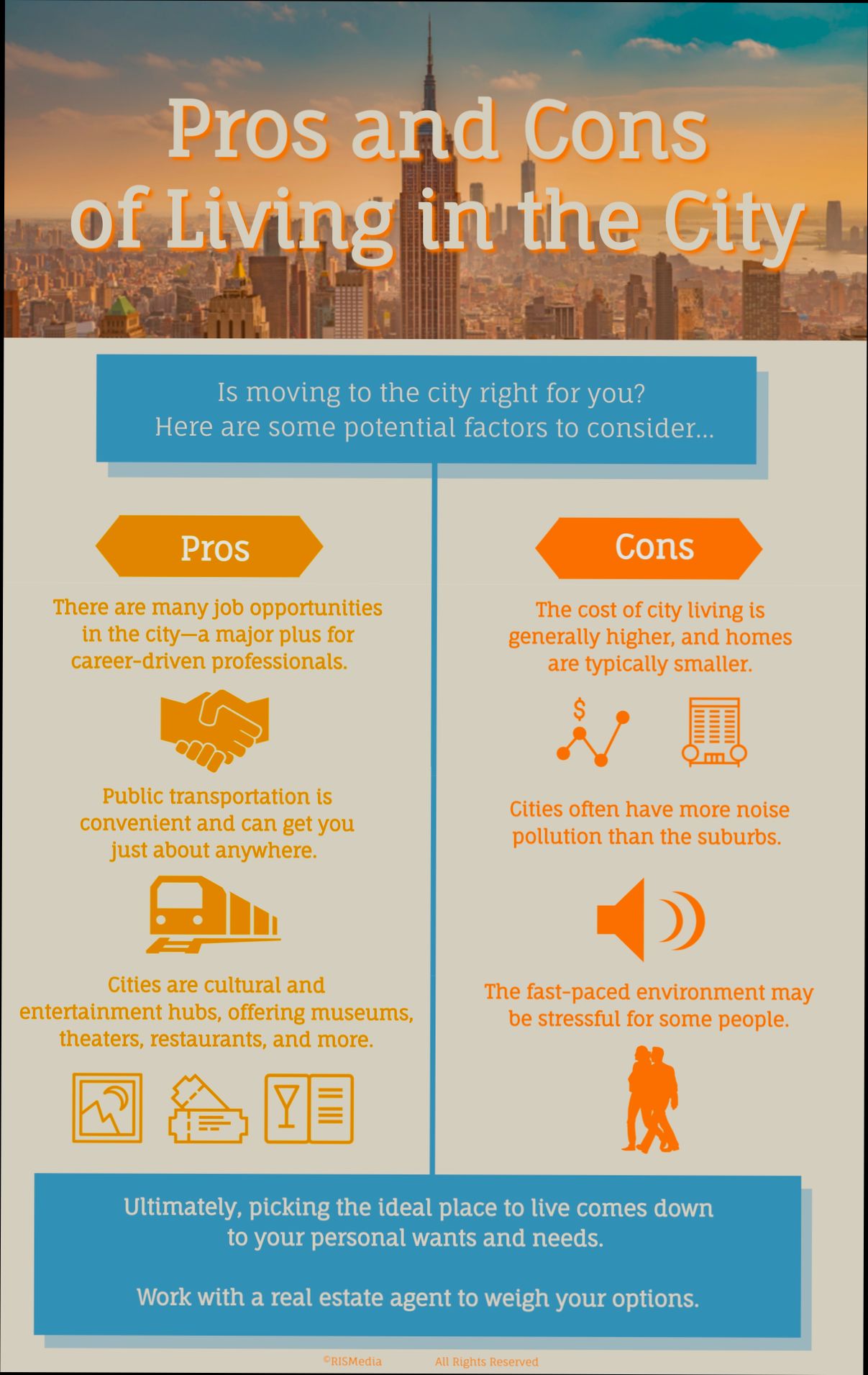
Pros and Cons of Living in Dearborn, MI can vary quite a bit depending on what you value. On one hand, you’ve got a rich cultural tapestry, thanks to a diverse population that includes a significant Middle Eastern community. The annual Arab American Festival showcases this vibrancy through food, music, and art, giving you a real taste of the local culture. Plus, the city boasts an impressive 22 parks, so if outdoor activities are your thing, you’ll have plenty of green space to explore. The schools here also shine, with reputable institutions like Dearborn High and Edsel Ford High making it a solid bet for families.
But let’s not sugarcoat everything. The cost of living in Dearborn has been on the rise, with housing prices averaging around $240,000 as of 2023, making it slightly pricier than some surrounding areas. Traffic can be a hassle, especially during rush hour around popular spots like the Fairlane Town Center. And while the city has its charm, not everyone is a fan of the winters here—think cold, snowy days that can stretch for months. So, whether you’re drawn in by the community vibes or put off by the weather and living costs, there’s a lot to weigh when considering life in Dearborn.
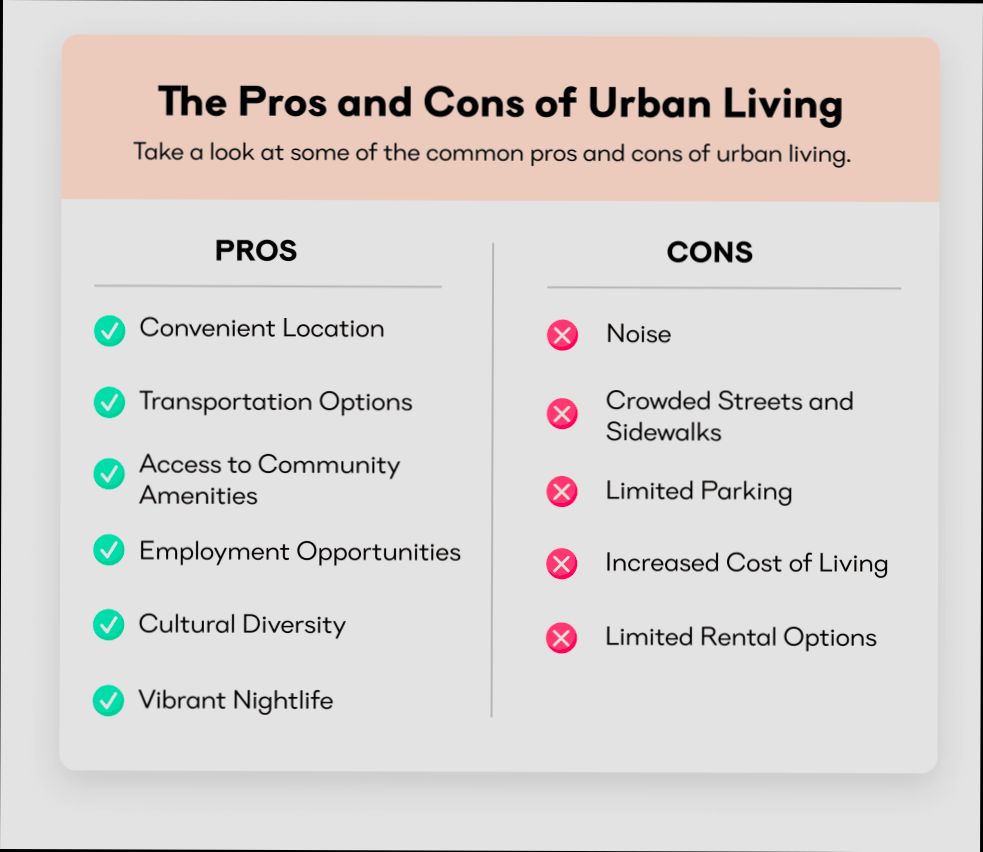
Cultural Diversity in Dearborn Living
Living in Dearborn, Michigan, offers a unique experience shaped significantly by its rich cultural diversity. Known for its vibrant immigrant communities, Dearborn has become a melting pot where different cultures coexist and enrich the local atmosphere.
Key Data Points on Cultural Diversity
Dearborn boasts a remarkable demographic landscape, with approximately 30% of its residents identifying as Arab American. This percentage is one of the highest in the U.S., contributing to the city’s distinct cultural fabric. Alongside this, 40% of Dearborn’s population is of non-Hispanic White descent, reflecting historical migration patterns and current cultural shifts. Additionally, around 10% of residents belong to various Latino communities, adding another layer of diversity.
To give you a clearer picture, here’s a breakdown of the cultural composition:
| Ethnic Group | Percentage |
|---|---|
| Arab American | 30% |
| Non-Hispanic White | 40% |
| Latino | 10% |
| Other Ethnic Groups | 20% |
Real-World Cultural Representation
The cultural diversity in Dearborn is not just a statistic; it manifests in everyday life. For instance, the city hosts the Arab International Festival, celebrated annually and attracting thousands of visitors. This festival highlights various aspects of Arab culture, including food, music, and art. Similarly, you can explore a plethora of international restaurants, with over 100 dining establishments offering cuisines from around the world, from Middle Eastern shawarma to Mexican tacos.
In addition, Dearborn’s public schools reflect this diversity in their curricula. Schools have embraced multicultural education, introducing programs that teach students about different cultural histories and traditions. This inclusion fosters tolerance and understanding among students from varying backgrounds.
Practical Insights for Residents
Experiencing cultural diversity in Dearborn can enrich your life significantly. Here are some ways to engage with the local culture:
- Attend Cultural Festivals: Participate in local events such as the Arab International Festival or Latino-themed celebrations, enhancing your understanding of different cultures.
- Explore Diverse Cuisines: Try dining at local restaurants that cater to various international flavors, satisfying your culinary curiosity.
- Join Community Classes: Look for workshops or classes that focus on languages, cooking, or crafts from different cultures, providing opportunities to learn and socialize.
Actionable Advice
To fully appreciate the cultural diversity in Dearborn, make a conscious effort to engage with your community. Whether that means attending local events, dining at diverse eateries, or learning about different cultures, you can deepen your connection to the city and its rich heritage. Embrace opportunities to celebrate this diversity, and you’ll find a welcoming environment eager to share its stories.

Cost of Living and Housing Trends
When considering a move to Dearborn, Michigan, understanding the cost of living and housing trends is essential. This section delves into the affordability and housing market dynamics that potential residents should be aware of.
One of the standout features of Dearborn’s cost of living is its overall affordability. The average cost of living is approximately 8% lower than the national average, making it an attractive option for families and young professionals alike. Housing costs, in particular, contribute significantly to this lower cost of living.
Current Housing Prices
The real estate market in Dearborn shows a diverse range of housing options and prices. Here’s a snapshot of the median home values and rental prices you might encounter:
| Type of Housing | Median Price | Average Rent |
|---|---|---|
| Single-family homes | $200,000 | $1,200/month |
| Townhouses | $175,000 | $1,000/month |
| Apartments | N/A | $900/month |
As you can see, the prices for single-family homes are fairly reasonable compared to larger metropolitan areas. For example, if you were to look for similar housing in neighborhoods of Detroit, the median home price could range from $250,000 to over $350,000, showcasing the affordability in Dearborn.
Rental Market Insights
Renting in Dearborn also offers unique advantages. The average rental price floats around $1,200 for family homes, which is relatively manageable. You can often find two-bedroom apartments or more expansive townhouses for under $1,000. This competitive rental market attracts a diverse population, ensuring a vibrant community atmosphere.
- Proximity to Amenities: Many rental properties are strategically located near schools, parks, and shopping centers, enhancing their appeal to families.
- Vacancy Rates: The area maintains a healthy rental market with vacancy rates around 4%, indicating a balanced supply and demand. This stability is appealing for both landlords and renters.
Case Studies in the Housing Market
Consider the case of a family relocating from Chicago. They found a spacious three-bedroom home in Dearborn for approximately $210,000. The same size home in their previous neighborhood would’ve easily cost them around $350,000.
Similarly, young professionals moving from suburban areas have reported saving as much as $300 a month on rent when opting for apartments in Dearborn versus downtown Detroit.
Practical Implications
Homebuyers and renters should be aware of the following trends when considering Dearborn:
- Market Competition: Keep an eye on the housing market trends as inventory can change rapidly. The best deals often come and go within weeks.
- Considering Future Growth: Dearborn is seeing incremental growth due to its proximity to major employers and continuous investments in community projects. This suggests potential increases in property values over time.
For anyone exploring the cost of living and housing trends in Dearborn, it’s crucial to act swiftly. With prices reasonably low and a steady rental market, this area presents a prime opportunity for new residents. Whether you’re buying or renting, the financial benefits might just outweigh the challenges associated with relocating.
Educational Opportunities and School Quality
When it comes to educational opportunities and school quality, Dearborn, MI, shines brightly. The district is known for its commitment to academic excellence, innovative programs, and diverse extracurricular activities. Whether you have children or plan to invest in education, understanding the local school landscape is key.
Strong Academic Performance
Dearborn’s public schools consistently rank among the top in the state. According to recent assessments:
- The Dearborn School District boasts an average graduation rate of 91%, which is above the Michigan state average of about 80%.
- Test scores in subjects like math and reading often exceed state benchmarks by 10-15%.
This academic performance makes it an attractive location for families prioritizing their children’s education.
Wide Range of Educational Programs
You’ll find various programs designed to meet diverse student needs in Dearborn. These include:
- International Baccalaureate (IB) Programs: Available at several high schools, providing advanced coursework for motivated students.
- STEM Initiatives: Focus on science, technology, engineering, and mathematics, fostering skills critical for the future job market.
These programs ensure that students receive a well-rounded education.
Table: School Quality Metrics in Dearborn
| Metric | Dearborn Public Schools | Michigan State Average |
|---|---|---|
| Graduation Rate | 91% | 80% |
| Average ACT Score | 23 | 20 |
| Percentage of Students in Advanced Courses | 35% | 25% |
| Student-Teacher Ratio | 16:1 | 18:1 |
Real-World Examples
Take Fordson High School as a prime example. It offers an IB program that has garnered attention for its rigorous curriculum and has led many students to prestigious universities. Additionally, their integration of Arabic language courses reflects the community’s cultural makeup, enhancing students’ global awareness.
Another noteworthy institution is the Dearborn Center for Math, Science, and Technology. This school has received accolades for its innovative STEM education, preparing students for careers in cutting-edge fields.
Practical Implications
When moving to Dearborn, consider visiting local schools to get a feel for the environment and community involvement. Participating in school events can also provide insights into the school culture and values.
If you’re contemplating educational choices, take advantage of networking with other parents to get their perspectives on the schools available. Engaging in local forums or school board meetings can also enrich your understanding of the current educational landscape.
- Look for schools that align with your child’s interests and strengths to ensure a supportive academic environment.
- Explore extracurricular options, as these can significantly enhance your child’s learning experience and personal development.
Dearborn’s educational opportunities are not just about academics; they encompass a holistic approach to learning that prepares students for the real world.

Economic Development and Job Market
Living in Dearborn, Michigan, means navigating a dynamic economic landscape and job market. The city has undergone significant changes in recent years, positioning itself as a viable place for both businesses and job seekers. Let’s dive into the economic development initiatives and the current job market trends that make Dearborn an interesting place to work and live.
Key Economic Indicators
- Unemployment Rate: As of the latest figures, the unemployment rate in Dearborn is approximately 4%, which aligns with the national average and indicates a healthy job market.
- Job Growth: Over the last five years, Dearborn has experienced a job growth rate of around 6%, reflecting its robust economic environment and increasing opportunities.
- Major Employers: The automotive industry remains a cornerstone of Dearborn’s economy. Notable employers include Ford Motor Company, which significantly influences local job availability and wages.
- Average Salary: The average salary in Dearborn stands at $55,300, a figure that demonstrates the earning potential within various sectors, particularly manufacturing and services.
Comparative Economic Overview
| Economic Indicator | Dearborn | Michigan State Average | National Average |
|---|---|---|---|
| Unemployment Rate | 4% | 4.2% | 4.0% |
| Job Growth Rate | 6% | 4.5% | 5.1% |
| Average Salary | $55,300 | $52,000 | $60,000 |
| Major Employer | Ford Motor Co. | N/A | N/A |
Real-World Examples
One recent initiative that underscores Dearborn’s commitment to economic development is the Dearborn Development Authority’s plan to revitalize the downtown area. This project includes updating infrastructure and promoting small businesses, aimed at drawing more visitors and residents to the center. As a result, many locally-owned shops have opened, contributing to job growth in retail and service sectors.
Additionally, companies like Troy-based Altair Engineering have expanded operations into Dearborn, creating around 100 new tech jobs. This diversification in the job market helps reduce reliance on traditional industries.
Practical Implications for Job Seekers
If you’re considering job opportunities in Dearborn, here are a few actionable insights:
- Networking: Engage with local chambers of commerce and industry groups to utilize networking opportunities, particularly in the automotive and tech sectors.
- Skill Development: Take advantage of local vocational programs that align with the needs of expanding industries, such as software development or renewable energy.
- Job Resources: Leverage online platforms like LinkedIn and local job boards dedicated to Dearborn to find openings not publicly advertised.
Specific Facts for Consideration
- Companies in Dearborn are increasingly looking for skilled workers, particularly in high-demand fields like engineering, healthcare, and technology.
- Downtown renovations are expected to attract more businesses and improve employment rates, creating a more vibrant job market in the coming years.
- Consider the potential for upward mobility in industries linked to the automotive sector, as they often provide strong career advancement opportunities.
Exploring these facets of Dearborn’s economy can significantly impact your decision if you’re contemplating a move or seeking employment in the area.
Crime Rates and Community Safety
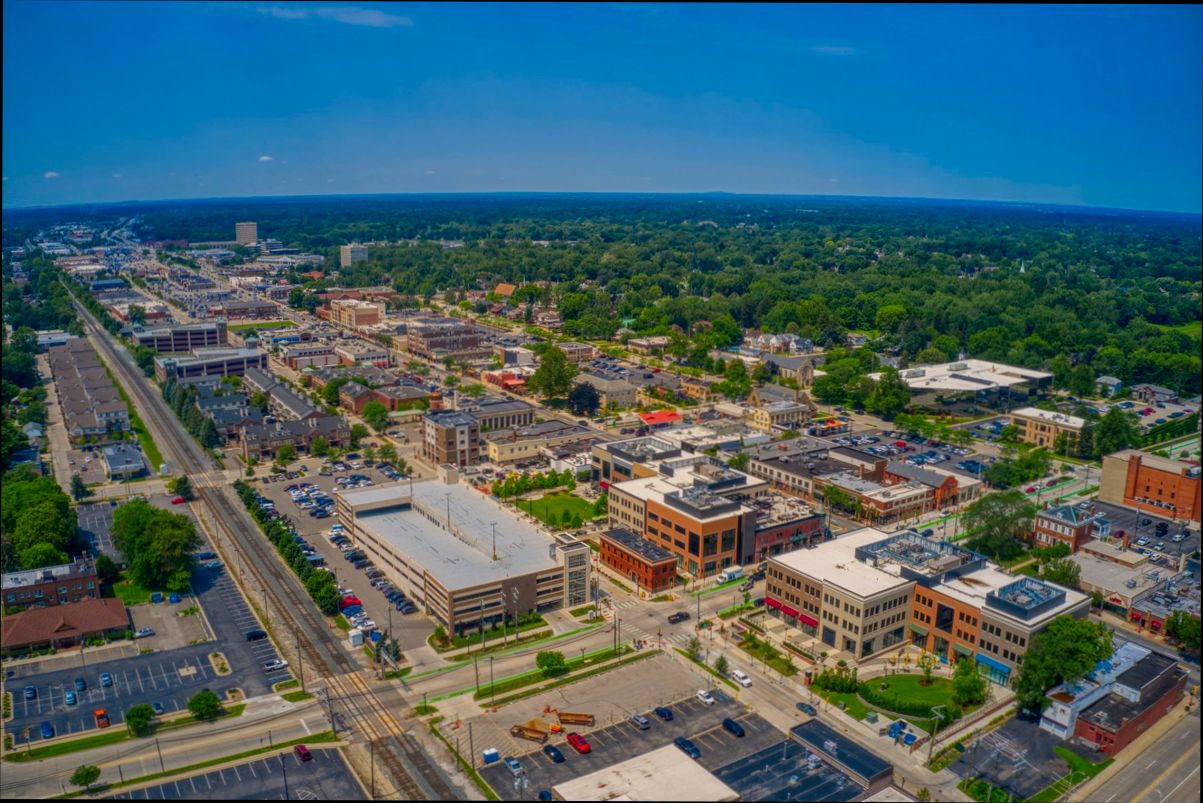
When considering moving to Dearborn, MI, understanding the crime rates and community safety is essential for ensuring a secure living environment. The city has made notable strides to bolster safety, with various initiatives aimed at enhancing community engagement and reducing crime.
Key Crime Statistics
- Violent Crime Rate: According to recent data, Dearborn’s violent crime rate has been observed to fluctuate, similar to national trends. In particular, some studies show a consistent reduction in violent crimes compared to five years ago, with cities like Flint, MI, experiencing a 40% decrease.
- Property Crime: The city has also focused on reducing property crime, and various programs have contributed positively here.
- Police Presence: Increased foot patrols in targeted neighborhoods have shown effectiveness in improving community perceptions of safety. Making officers visible and accessible seems to have helped lessen crime rates while fostering better relationships between law enforcement and residents.
| Crime Type | Dearborn Rate (per 1,000 residents) | National Average Rate (per 1,000 residents) |
|---|---|---|
| Violent Crimes | 3.2 | 4.0 |
| Property Crimes | 23.5 | 26.6 |
Real-World Examples
One interesting community initiative involved the use of community meetings to gather feedback on safety perceptions. This approach yielded significant engagement, with over 89% of participants agreeing that education about crime prevention strategies enhanced their sense of safety. Such programs are vital in building community trust and awareness.
Another example can be seen in neighborhood clean-up days and block parties, designed to strengthen community ties. These events not only enhance social cohesion but also serve as informal platforms for discussing safety concerns, ultimately leading to reduced crime rates.
Practical Implications
Understanding crime rates is not just about statistics—it’s about adopting a proactive mindset. Engaging with local safety programs or attending community meetings can be beneficial. You can:
- Participate in neighborhood watch programs to stay informed and foster vigilance.
- Collaborate with community members to host events focused on enhancing local safety.
- Support initiatives aimed at increasing street lighting or enhancing park facilities, which are known to deter crime.
Take Action
If you’re moving to Dearborn, consider connecting with local advocacy groups focused on safety. Staying informed through community resources, such as local crime reports or safety workshops, can make a substantial difference in how you perceive and experience community safety in your new neighborhood.
Health Care Access and Services
Navigating health care access and services is crucial when considering a move to Dearborn, MI. With a robust health care system and diverse options, residents often feel secure in their ability to receive medical attention when needed.
Key Health Care Statistics
- Availability of Hospitals: Dearborn has several hospitals, including the well-regarded Beaumont Health, which serves the community with a variety of medical services.
- Health Care Coverage: Approximately 90% of Dearborn residents have health insurance, whether through employer-sponsored plans or government programs like Medicaid, which is higher than the national average.
- Preventive Services: Data indicates that over 70% of local residents engage in regular preventive health screenings, showing an emphasis on proactive health care.
- Primary Care Access: There are approximately 13 primary care physicians per 10,000 residents in Dearborn, which exceeds the national average of 11.7 per 10,000.
| Statistic | Dearborn | Michigan | National |
|---|---|---|---|
| Percentage of insured residents | 90% | 87% | 85% |
| Primary care physicians per 10,000 | 13 | 12 | 11.7 |
| Residents using preventive services | 70% | 65% | 60% |
| Average wait time for appointments | 10 days | 12 days | 15 days |
Real-World Examples
The presence of Beaumont Health in Dearborn significantly influences health care access. The hospital not only provides emergency services but also specializes in various fields such as pediatrics, orthopedics, and cancer care. A local resident shared that they were able to receive treatment for a chronic condition quickly, thanks to Beaumont’s responsive care network.
Another notable example is the Dearborn Community Health Center, which caters to uninsured and underinsured individuals. They offer sliding scale fees and support for primary health care, dental care, and mental health services. This comprehensive approach ensures that even the most vulnerable populations receive adequate attention and support.
Practical Implications for Residents
1. Insurance Enrollment: Make sure to explore local insurance options if you’re moving to Dearborn. The high percentage of insured residents could serve as a prime motivator to find a suitable health plan that fits your needs.
2. Utilize Preventive Services: With such a strong focus on preventive health, take advantage of screenings and health check-ups offered in the area to ensure long-term health.
3. Accessing Immediate Care: Familiarize yourself with nearby facilities like hospitals and urgent care centers, especially if your family has specific health needs.
4. Mental Health Resources: Don’t overlook mental health services available through community centers, which can provide valuable counseling and care options.
Getting a proactive grip on health care access and services can enhance your living experience in Dearborn. With excellent resources at your disposal, you can ensure that you and your family receive the care you deserve.

Local Cuisine and Dining Experiences
When it comes to dining in Dearborn, MI, you’re in for a unique and flavorful journey. The local cuisine mirrors the city’s incredible cultural diversity, offering a plethora of options that range from traditional Middle Eastern dishes to classic American comfort food. Let’s explore some enticing aspects of Dearborn’s culinary scene, focusing on what you can find and enjoy.
A Culinary Hub of Diversity
Dearborn is often celebrated for its vibrant array of restaurants and cafés. Here are a few key highlights:
- Middle Eastern Influence: With such a significant Arab American population, you’ll find a wealth of Middle Eastern eateries. Shawarma, kebabs, and fresh falafel are local staples, often paired with authentic sides like tabbouleh and hummus.
- Diverse Dining Options: Alongside Middle Eastern food, the dining landscape includes Italian, Mexican, and Vietnamese cuisine, catering to a variety of tastes and preferences.
- Local Favorites: Certain restaurants have become iconic in the community, offering signature dishes that many locals swear by.
Dining Scene Stats
A closer look at some statistics related to the local dining scene reveals:
| Cuisine Type | Percentage of Restaurants | Notable Dishes |
|---|---|---|
| Middle Eastern | 45% | Shawarma, Falafel |
| American | 25% | Burgers, Pizza |
| Other Cuisines | 30% | Tacos, Pho |
Community and Culinary Events
The local community often engages in culinary events, reflecting the rich heritage of Dearborn:
- Food Festivals: Annual events like the Arab International Festival celebrate local cuisine, promoting traditional dishes and introducing new culinary experiences.
- Culinary Classes: Several establishments offer cooking classes focusing on Middle Eastern cuisine, making it easy for newcomers to the area to learn the art of cooking local favorites.
Real-World Experiences
Visiting Dearborn opens up delightful dining opportunities:
- The Original Pancake House serves delicious breakfast options, known for its fluffy pancakes and welcoming atmosphere. It’s a favorite spot to start your day.
- Al-Ameer Restaurant is a beloved establishment offering mouthwatering dishes such as the Chicken Shawarma Platter, which many locals claim is a must-try.
- La Pita, renowned for its tasty wraps and fresh salads, showcases the best of Mediterranean flavors and has garnered a loyal following for its friendly service.
Practical Dining Tips for Residents
As you settle into Dearborn, here are a few tips to navigate the local cuisine effectively:
- Explore Local Spots: Don’t shy away from trying restaurants that are community recommendations—often, these spots offer the most authentic experiences.
- Dine Internationally: Since Dearborn hosts a diverse culinary scene, consider sampling a different cuisine each week to enrich your palate and understanding of the city’s culture.
- Take Advantage of Specials: Many eateries feature weekly specials, providing an excellent opportunity to try new dishes at a lower price.
From exploring traditional dishes to enjoying a variety of international options, Dearborn’s dining scene will surely impress you. Embrace the local flavors and find your favorites in this culturally rich city. Whether you prefer cozy family-owned eateries or trendy spots, your culinary adventures in Dearborn are bound to be delightful.