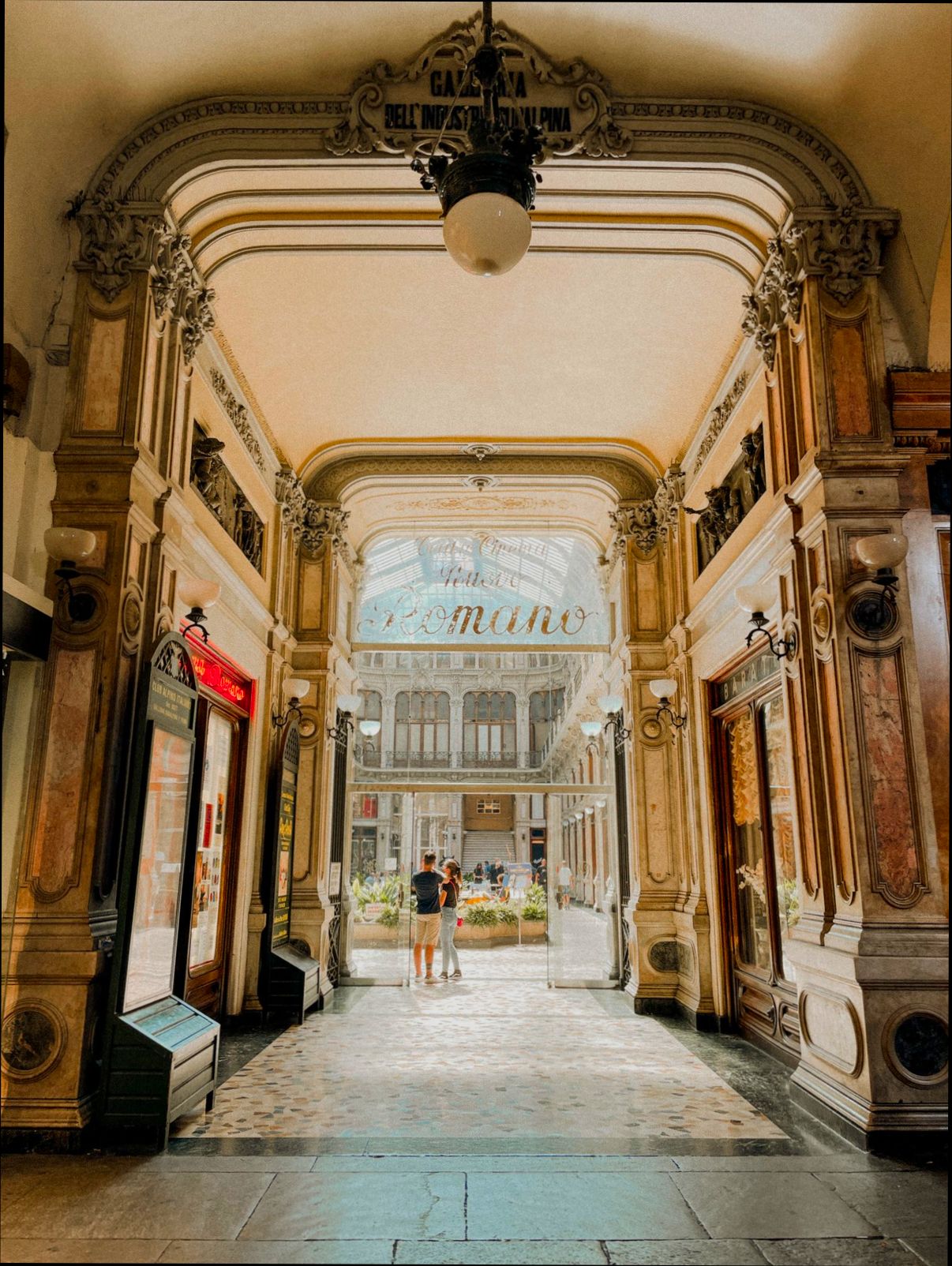
Pros and Cons of Living in Turin. If you’re considering making this northern Italian city your next home, you’ll find a blend of rich culture and modern comforts. With a population of around 870,000, Turin offers a vibrant urban life sprinkled with history, from its stunning baroque architecture to its famous coffee culture. You can grab an authentic bicerin at Café al Bicerin and soak up the cozy, old-world vibes. Plus, the cost of living is relatively manageable compared to cities like Milan, with average rent for a one-bedroom apartment hovering around €650 per month. That means you can enjoy the charm of the city without breaking the bank.
However, it’s not all pasta and aperitivo. Turin’s weather might hit you hard; those long, gray winters can be a bummer for many folks. Snow often blankets the city, but don’t expect Amalfi’s sunshine anytime soon. Additionally, public transport is decent, but you might find yourself waiting a bit longer than you’d like during off-peak hours. And let’s not talk about the occasional bureaucracy headaches—getting permits or documents can sometimes feel like navigating a maze. So, while Turin’s allure is undeniable, it’s essential to weigh the ups and downs before packing your bags.
Cultural Heritage and Lifestyle Benefits
Living in Turin offers a rich tapestry of cultural heritage and lifestyle benefits that truly enhance the quality of life. The city is renowned for its historical significance and art scene, which can translate into a highly rewarding living experience. Here’s a closer look at what makes Turin a cultural gem and how it benefits its residents.
Key Cultural Insights
- Turin boasts over 120 museums, including the famed Egyptian Museum, which houses the most extensive collection of Egyptian artifacts outside of Cairo.
- The city celebrates about 20 major festivals throughout the year, attracting both residents and tourists. Events like the International Book Fair and the Torino Jazz Festival showcase regional talent as well as international stars.
- An impressive 54% of Turin’s population engages in cultural activities regularly, highlighting how integral culture is to daily life here.
Comparative Table of Cultural Venues
| Venue Type | Number in Turin | Percentage of Total Museums in Italy |
|---|---|---|
| Art Galleries | 55 | 15% |
| Historical Museums | 45 | 10% |
| Contemporary Art Spaces | 20 | 5% |
| Theaters | 30 | 12% |
| Music Venues | 25 | 8% |
Real-World Examples
One striking example of Turin’s cultural impact is its vibrant food scene, often referred to as the birthplace of the Slow Food movement, which emphasizes local culinary traditions. The city’s renowned markets, like Mercato di Porta Palazzo, not only offer fresh produce but also showcase a lifestyle deeply connected to community and heritage.
Additionally, the annual Turin International Film Festival, which has been running since 1982, highlights the city’s commitment to the arts, fostering an environment that encourages creativity and innovation among residents.
Practical Implications for Residents
If you’re considering moving to Turin, immersing yourself in its cultural scene can greatly enrich your life. Here are some actionable insights:
- Join local art or music clubs to connect with like-minded individuals and deepen your understanding of the city’s cultural landscape.
- Take part in community-sponsored festivals to experience both history and modern cultural expressions.
- Explore the various theaters and galleries to appreciate the diversity in artistic expression, which will enhance your quality of life.
Key Facts
- Regular attendance at cultural events has been linked to improved well-being, with 90% of attendees reporting higher satisfaction levels.
- Engaging in local traditions can lead to a stronger sense of community, which is crucial in fostering long-lasting friendships and support networks.
- Participating in heritage activities, such as cooking classes for traditional Piedmontese cuisine, can provide a deeper appreciation for local history and lifestyle benefits.
Cost of Living: A Data Overview
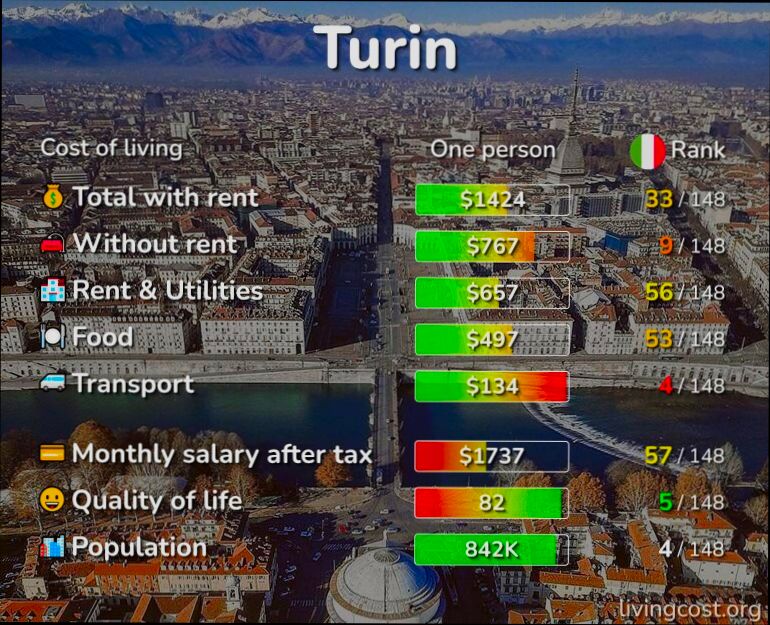
Understanding the cost of living in Turin is essential for anyone considering a move to this vibrant city. From housing to everyday expenses, getting a handle on your monthly budget can make all the difference. Let’s break down the key components of living costs here.
Housing Costs
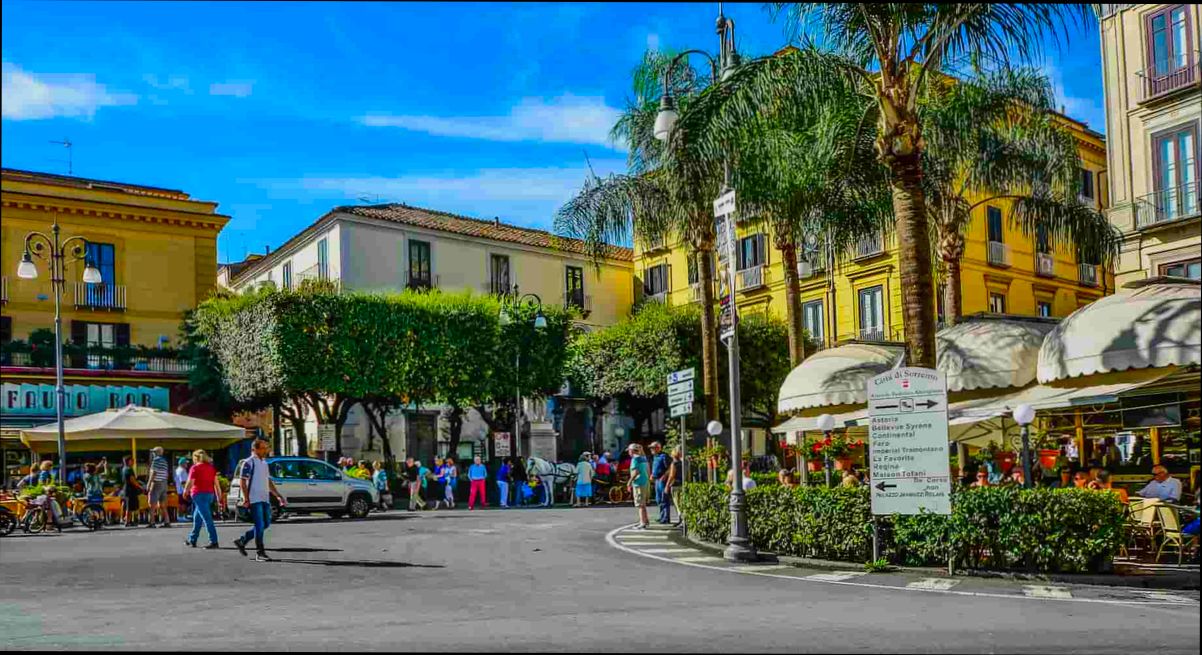
Housing is typically one of the largest expenses. In Turin, the average rent for a one-bedroom apartment in the city center is approximately €780 per month, while outside the center you might find one for around €600. To put it in perspective, rent prices have seen a rise of about 4% over the last year, influenced by demand and the city’s growing popularity.
Utilities and Internet
Monthly utility bills average around €150 for heating, cooling, water, and electricity. Additionally, high-speed internet services will cost you about €30 monthly. This can add significantly to your overall budget, so it’s crucial to include these figures when calculating your monthly expenses.
Food and Grocery Costs
When it comes to food, dining out in Turin will set you back around €15 for a meal at a mid-range restaurant. If you prefer cooking at home, grocery costs are also relatively reasonable. A loaf of bread costs about €2, while a liter of milk is approximately €1.20. It leans towards being a budget-friendly city if you eat in and plan your meals wisely.
| Expense Category | Average Cost (€) | Notes |
|---|---|---|
| Rent (City Center) | €780 | 1-bedroom apartment |
| Rent (Outside Center) | €600 | 1-bedroom apartment |
| Utilities | €150 | Includes heating and electricity |
| Internet | €30 | High-speed connection |
| Meal at Restaurant | €15 | Mid-range dining |
Transportation Costs
Navigating Turin is often done through the extensive public transportation system. A monthly public transport pass costs around €38, which is quite reasonable when compared to other large European cities. If you prefer to drive or own a car, be prepared for additional expenses like gas, which averages €1.60 per liter.
Real-World Examples
Consider a couple living in Turin: their monthly breakdown looks something like this:
- Rent: €780
- Utilities: €150
- Groceries: €300 (budget-friendly shopping)
- Dining Out: €200 (occasional meals)
- Transport: €38
This gives them a total of around €1,468 per month, allowing for lifestyle choices that still leave room for savings or splurges.
Practical Implications
To better manage your cost of living in Turin:
- Plan your housing choices strategically; consider areas just outside the city center for more affordable rents.
- Budget for utilities and internet costs, as these can vary seasonally.
- Cook at home when possible, as dining out frequently can add up quickly.
- Utilize public transport; it’s more economical than driving if you plan on making regular trips around the city.
Understanding these costs will empower you to create a realistic budget that aligns with your financial goals. Adapting your lifestyle to local prices will enhance your experience living in Turin.
Transportation Infrastructure and Accessibility
When considering a move to Turin, the city’s transportation infrastructure and accessibility are vital components that can significantly influence your daily life. With a robust system that integrates various modes of transport, living in Turin offers convenience for both residents and visitors.
Public Transit System
Turin’s public transport is operated mainly by GTT (Gruppo Torinese Trasporti), which manages buses, trams, and the metro system. Here are some key statistics:
- The metro system comprises 1 line with 21 stations, stretching over 13.2 kilometers.
- Approximately 65 million passengers use the public transport system each year.
- GTT operates 52 bus lines and 10 tram lines, providing extensive coverage across the city.
Accessibility for Cyclists and Pedestrians
Turin is making strides in becoming more bike-friendly. The city has:
- Over 60 kilometers of dedicated cycling lanes.
- Recently introduced bike-sharing schemes that have seen a growth of 25% in usage over the last year.
Walking is also a favorable option in many neighborhoods, particularly in the historic center where pedestrian zones reduce traffic and enhance walkability.
| Mode of Transportation | Coverage/Details | Annual Usage |
|---|---|---|
| Metro | 21 stations, 13.2 km | 30 million passengers |
| Buses | 52 lines | 20 million passengers |
| Trams | 10 lines | 15 million passengers |
| Cycling Lanes | 60 km | 500,000 bike rentals |
Real-World Examples
For daily commuters, buses and trams provide a reliable option. For instance, the Line 4 tram connects the residential areas with the city center efficiently, making it a favored choice amongst locals. The result is a reduction in private vehicle usage, contributing to less congestion and improved air quality.
Moreover, the city’s investment in bike lanes has encouraged many residents to adopt cycling as their main mode of transport. This development not only promotes a healthier lifestyle but also fosters a sense of community as cyclist-friendly areas become social hotspots.
Practical Implications
If you plan to rely on public transit, consider purchasing a monthly pass. With costs approximately 35% lower than major cities like Rome or Milan, you can save significantly while enjoying convenience.
For those interested in cycling, investing in a good-quality bike could prove beneficial, as it enhances access to various neighborhoods and scenic routes alongside the river Po.
Specific facts include that the average wait time for public transport is around 7 minutes during peak hours, ensuring you can travel efficiently throughout the city without long delays. Keep these insights in mind as you navigate the urban landscape of Turin!
Quality of Education in Turin
The quality of education in Turin is a dynamic blend of traditional academic excellence and innovative approaches tailored for modern needs. Whether you’re a parent considering schools for your children or a student looking for academic opportunities, Turin offers diverse options to meet varied educational needs.
Educational Institutions Overview
Turin is home to several prestigious universities and educational institutions that cater to different fields of study. Here are some key statistics:
- Student Enrollment: Turin’s universities collectively enroll over 70,000 students.
- International Presence: Approximately 15% of the student population comes from abroad, highlighting the city’s welcoming atmosphere for international education.
- Research Funding: Institutions in Turin are known for securing around 27% of Italy’s national research funds, indicating a strong focus on research and innovation.
Comparative Table of Educational Institutions in Turin
| Institution | Student Enrollment | International Students (%) | Research Funding Share (%) |
|---|---|---|---|
| University of Turin | 60,000 | 10 | 15 |
| Polytechnic University of Turin | 35,000 | 20 | 12 |
| University of Gastronomic Sciences | 1,500 | 30 | 5 |
Real-World Examples
One standout example is the Polytechnic University of Turin, which ranks among the top engineering schools in Italy and Europe. It offers a wide array of programs in engineering, design, and architecture, attracting not only local students but also a significant number of international scholars.
Another notable institution is the University of Turin, which has a reputation for its humanities and social sciences. Its diverse curriculum encourages interdisciplinary studies, preparing students for a wide range of careers.
Practical Implications
If you’re considering studying or moving to Turin, here are some actionable insights:
1. Explore Programs: Research academic programs that align with your career goals. The city’s universities offer a breadth of courses in technology, arts, and sciences.
2. Connect with Expat Networks: Join local educational or expat groups online to gather insights and experiences from those who have navigated the educational landscape in Turin.
3. Utilize Research Opportunities: If you’re inclined towards research, look into universities that have established relationships with private sectors and government entities to leverage potential funding and collaborative projects.
Specific Facts
- Keep in mind that Turin’s university campuses often host various workshops, seminars, and cultural events, providing additional learning opportunities.
- Scholarships and grants are available for international students, so be proactive in researching financial support.
Focusing on the educational aspects of Turin can offer immense benefits as you navigate your relocation or academic choices.
Prospects for Career Opportunities
Turin’s evolving job market presents various prospects for career opportunities, driven by a mix of traditional industries and burgeoning sectors. Whether you’re just starting your career or looking for a change, understanding the landscape can help you find the right fit.
Diverse Industry Landscape
Turin has a diverse economy with significant opportunities in different sectors:
- Automotive and Engineering: The city is home to Fiat Chrysler Automobiles, offering roles in engineering, manufacturing, and R&D.
- Fashion and Design: As a design hub, Turin boasts numerous job opportunities in fashion consultancy, textile innovation, and marketing.
- Technology and Startups: The tech scene is growing, with a reported increase of 20% in startups over the past two years, enhancing job prospects in digital sectors.
Employment Statistics
The job market is supported by various statistics that illustrate Turin’s economic vitality:
- The unemployment rate in Turin has decreased to around 8%, which is lower than the national average, indicating a healthier job market.
- Industries in Turin have grown, with over 30% of jobs in the technology sector emerging in the past five years.
- Approximately 53% of employers in Turin reported difficulties in finding qualified candidates, highlighting a demand for well-trained professionals.
Comparative Overview of Job Sectors
| Sector | Job Growth Rate | Average Salary (Yearly) | Notable Companies |
|---|---|---|---|
| Automotive | 5% | €35,000 | Fiat Chrysler Automobiles |
| Technology | 20% | €40,000 | Intesa Sanpaolo, Reply |
| Fashion | 15% | €30,000 | Lavazza, Benetton |
Real-World Case Studies
Several businesses have capitalized on Turin’s unique position:
- Impact Hub Torino has created a networking space for startups and freelancers, leading to over 200 new jobs in the last year alone.
- The Tech Garage, a collaborative workspace for tech innovators, has seen a 50% increase in membership, reflecting the industry’s growth potential.
Practical Implications
If you’re considering relocating for career opportunities, keep these tips in mind:
- Networking is crucial. Attend local meetups and industry events in Turin to connect with potential employers and peers.
- Boost your skills. With 53% of employers struggling to find qualified candidates, investing in professional development can set you apart.
- Explore internships. Many large companies offer internship programs that can lead to full-time positions, providing a foot in the door.
Actionable Advice
Consider leveraging the fast growth in Turin’s tech and automotive sectors. Focus on enhancing your resume to highlight any relevant experience or skills before applying. Also, investigate the local startup scene, as it can offer dynamic career paths and the possibility of working in innovative environments.
Local Cuisine: A Culinary Advantage
Living in Turin means immersing yourself in a vibrant culinary scene that celebrates tradition while embracing innovation. The city’s gastronomy is rooted in rich local ingredients, distinctive recipes, and a unique blend of influences that reflect its historical significance.
A Taste of Regional Culinary Diversity
Turin’s cuisine, known as Piemontese, offers a variety of flavors that cater to diverse palates. Here are some key highlights:
- Rich Sauces: Turin is famous for its robust sauces, like bagna cauda, a warm dip made from garlic, anchovies, and olive oil, perfect for accompanying fresh vegetables.
- Handmade Pasta: You can’t miss the classic agnolotti, which are stuffed pasta parcels that capture the essence of local ingredients—a must-try when in the city.
- Chocolate Heritage: Did you know Turin is often credited as the birthplace of gianduja, a legendary chocolate-hazelnut spread? The city is also home to the renowned Bicerin, a coffee drink layered with hot chocolate and milk.
Culinary Heritage at Your Fingertips
Turin’s commitment to culinary excellence is reflected in its culinary education and training programs. Some statistics highlight this advantage:
- Over 30 renowned culinary schools operate in Turin, focusing on training the next generation of chefs who specialize in Piemontese cuisine.
- Culinary tourism is on the rise, with a reported increase of 25% in visitors participating in food tours that highlight local artisans and traditional cooking methods.
| Culinary Element | Description | Popularity Rate |
|---|---|---|
| Bagna Cauda | A garlic and anchovy dip | 85% |
| Agnolotti | Stuffed pasta delicacy | 90% |
| Gianduja | Chocolate-hazelnut spread | 92% |
Real-World Culinary Experiences
In Turin, you can enjoy various culinary experiences that take advantage of the city’s rich food culture. For instance:
- Participatory cooking classes are increasingly popular among locals and visitors alike. These classes not only teach you how to make traditional dishes but also emphasize the importance of local produce and sustainability.
- Farmers’ markets, like the famed Mercato di Porta Palazzo, allow you to directly engage with local farmers and producers, where you can find fresh, seasonal ingredients essential for authentic Piemontese cooking.
Practical Implications for Food Enthusiasts
For those considering a culinary lifestyle in Turin, here are some actionable insights:
1. Explore local markets to understand the array of seasonal ingredients available. These markets provide the ideal backdrop to enhance your cooking skills using fresh produce.
2. Attend food festivals such as the Slow Food Festival, which celebrates local gastronomy and promotes the sustainable use of regional ingredients.
3. Consider enrolling in a cooking class that specializes in Piemontese dishes to deepen your appreciation and skillset.
With such a rich food culture, you’re primed for a gastronomic adventure in Turin. Discover the city’s culinary benefits and let your taste buds explore the unique flavors that come with living in this delightful city!
Climate Considerations: Weather Impacts
When you think about moving to Turin, climate might not be the first thing that comes to mind, but the weather plays a crucial role in daily life. Understanding how the climate shapes your experience in this northern Italian city will help you make an informed decision.
Turin lies in a transitional zone between an oceanic climate and a humid subtropical climate, which gives it distinct seasonal variations. Here are some key climate considerations that might impact your life:
- Average Annual Temperature: The city experiences an average annual temperature of around 12°C (54°F), with the coldest months being December and January, when temperatures can drop to about 1°C (34°F) at night.
- Summer Heat: Conversely, summers can get quite warm, with average high temperatures reaching 30°C (86°F) in July, making it perfect for outdoor events and activities.
- Precipitation: Turin receives an average of 800 mm (31.5 inches) of rainfall per year, with the wettest months typically being April and October, which may require you to keep an umbrella handy.
| Month | Average High (°C) | Average Low (°C) | Precipitation (mm) |
|---|---|---|---|
| January | 6 | 1 | 42 |
| April | 17 | 6 | 72 |
| July | 30 | 19 | 33 |
| October | 16 | 9 | 96 |
| December | 7 | 2 | 57 |
A real-world example of how the climate impacts residents can be seen in winter sports enthusiasts. The proximity to the Alps allows easy access to skiing and snowboarding during the cold months, making it a common weekend getaway for locals. The warm summer months also host numerous outdoor festivals and events, like the famous Turin International Film Festival, which take advantage of the pleasant weather.
However, the climate also brings challenges. The city can experience periodic heatwaves during summer, prompting local authorities to issue heat alerts and advising residents, particularly the elderly, to stay hydrated and minimize outdoor exposure during peak hours.
If you’re considering living in Turin, it’s wise to factor in how the weather may influence your daily activities. Investing in both summer and winter clothing can prepare you for the city’s diverse climates, and understanding the seasonal patterns can help you optimize your social and recreational engagements throughout the year.
Make sure to also check out the local weather forecast regularly to stay informed about any sudden changes in weather, especially during spring and fall when thunderstorms can occur unexpectedly. Knowing when to expect rain can save you from getting caught without an umbrella!