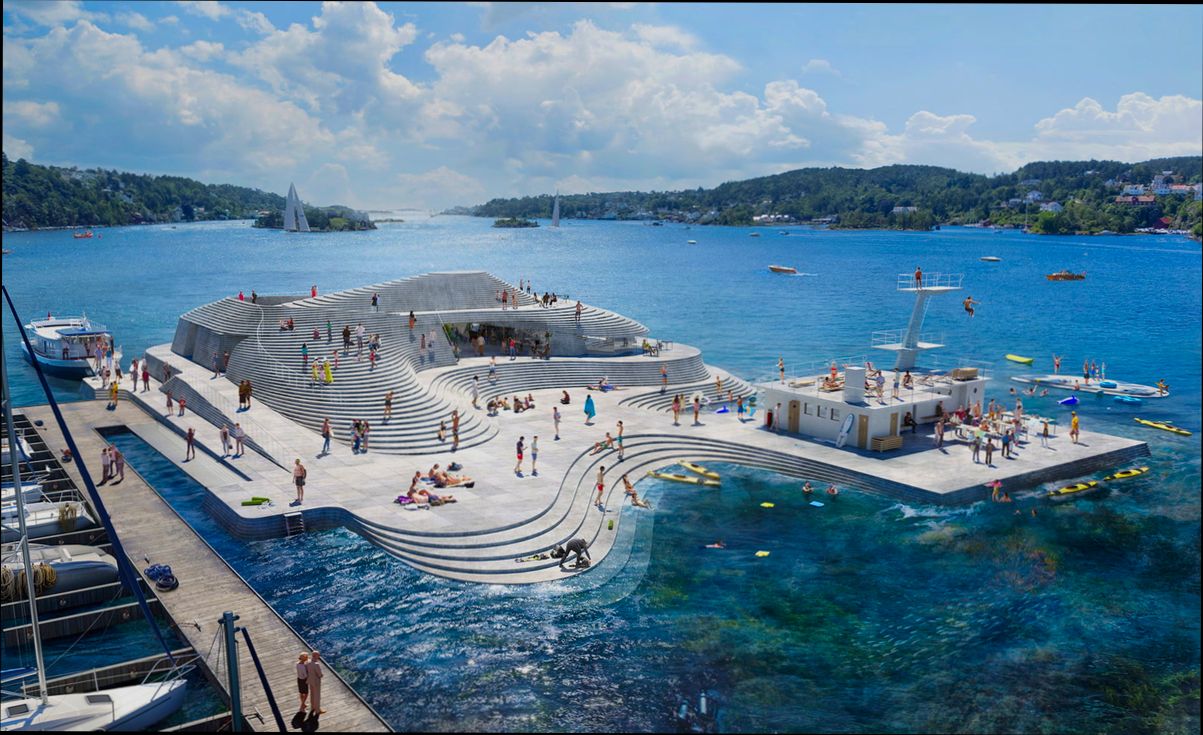
Pros and Cons of Living in Arendal—let’s dive right into it! Nestled along Norway’s beautiful southern coast, Arendal boasts a charming seaside vibe, with a population just shy of 45,000. You can stroll down the historic streets lined with colorful wooden houses or take a weekend trip to the nearby islands of Tromøy and Hisøy. Plus, the local seafood scene is a total game-changer; you can’t miss the fresh crab and shrimp served at the lively harbor restaurants. And hey, if you’re into outdoor activities, the surrounding nature offers countless hiking trails and beaches for summer fun, making it a real treat for those who love the great outdoors.
But it’s not all sun and sea. Living in Arendal comes with its own set of challenges. For one, the job market can be pretty tight, especially if you’re looking for positions outside of the main industries like shipping and tourism. According to recent data, the unemployment rate in the Agder region hovers around 3.4%, which isn’t terrible, but it can make job hunting a bit rougher. Also, while the town is picturesque, you might find that the cultural scene isn’t as vibrant as in bigger cities like Oslo; art exhibitions and concerts can be few and far between. So, while you’re soaking up that coastal charm, remember that living here has its ups and downs.
Cost of Living and Economic Factors
Living in Arendal presents unique cost of living dynamics influenced by various economic factors. Understanding these aspects is crucial for anyone considering a move to this charming Norwegian town. Factors such as housing costs, transportation, and general living expenses play significant roles in shaping your financial landscape.
Key Cost of Living Insights
1. Housing Costs: Housing is a substantial portion of living costs in Arendal, often accounting for 30% of monthly expenses. The average monthly rent for a one-bedroom apartment in the city center is around 10,000 NOK, while outside the center, it can drop to approximately 8,000 NOK.
2. Transportation Expenses: Public transportation is reliable and well-connected in Arendal. Monthly transportation costs can range from 600 to 800 NOK, depending on how often you commute. Car ownership can amplify costs significantly due to fuel prices, car insurance, and maintenance.
3. Groceries and Everyday Goods: Grocery prices in Arendal are slightly above the national average. For example, the cost of basic groceries can range from 3,000 to 4,000 NOK per month for a single person. Specific items like a liter of milk cost around 25 NOK, while a loaf of bread averages about 30 NOK.
4. Healthcare and Insurance: While Norway offers excellent public healthcare, private insurance can add an additional 1,000 to 2,000 NOK per month if you opt for quicker access to services. This cost varies based on coverage and provider.
5. Utilities and Other Bills: On average, monthly utility bills, including electricity, heating, and water, can add up to around 1,500 NOK. Additional costs for internet services range from 400 to 600 NOK per month.
| Expense Category | Monthly Cost (NOK) | Notes |
|---|---|---|
| One-bedroom Rent (City) | 10,000 | More expensive compared to suburbs |
| Transportation | 600 - 800 | Public transport is well-developed |
| Groceries | 3,000 - 4,000 | Slightly above national average |
| Healthcare Insurance | 1,000 - 2,000 | Optional private insurance; public services available |
| Utilities | 1,500 | Includes electricity, heating, and water |
Real-World Examples
One Arendal resident shared their budgeting experience, highlighting how their rent constituted nearly 40% of their income. They adapted by meal planning and cooking at home instead of dining out, effectively reducing their food expenses by 20%.
Another example comes from a young professional who began using public transportation to commute to work. By switching from car ownership to public transit, they saved around 2,000 NOK monthly, reallocating these funds towards savings and leisure activities.
Practical Implications for Living in Arendal
- To thrive financially, consider utilizing budgeting methods like the 50/30/20 rule, where you allocate 50% to needs (housing, groceries), 30% to wants, and 20% to savings.
- Automate your savings to ensure you consistently set aside a portion of your income to build an emergency fund or save for larger purchases.
- Explore local markets for groceries, which can offer lower prices compared to supermarkets, helping to manage your food budget effectively.
Living in Arendal comes with its unique economic factors that can significantly impact your financial planning. By understanding these costs and how to budget accordingly, you can enjoy a fulfilling life in this beautiful location while maintaining control over your finances.
Quality of Education and Schools
When considering moving to a new city, the quality of education can significantly impact your decision, especially if you have children. In Arendal, the education system is a mix of public and private institutions, each offering unique strengths. Let’s delve into what makes the schools in Arendal stand out and some areas that could be of concern.
Overview of Educational Institutions
In Arendal, the school system is known for its strong emphasis on educational quality and student well-being. Here are some key insights:
- Average Class Size: The average class size in Arendal’s primary and secondary schools is about 18 students, allowing for more personalized attention from teachers.
- Graduation Rates: Approximately 85% of students successfully graduate from high school, a statistic that continues to rise year over year.
- After-School Programs: More than 60% of schools in Arendal offer after-school enrichment programs, enhancing learning and life skills beyond traditional classroom settings.
Comparative Table of Quality Indicators
| Indicator | Arendal’s Education System | National Average |
|---|---|---|
| Average Class Size | 18 students | 22 students |
| Graduation Rate | 85% | 75% |
| Schools Offering Arts Programs | 75% | 58% |
| After-School Program Availability | 60% | 50% |
Real-World Examples
One example is the Arendal International School, which offers a curriculum based on the International Baccalaureate (IB). This school has seen a 90% graduation rate, and its approach attracts families looking for high academic standards.
Another noteworthy institution is Hjellestad School, where the implementation of innovative teaching methodologies, like project-based learning, has resulted in improved student engagement and performance. They recently reported that 92% of parents are satisfied with the school’s performance.
Practical Implications for Families
If you’re considering the educational options available in Arendal, here are some actionable insights:
- Visit Schools: Tour various schools and speak to faculty to get a feel for their teaching styles and environments.
- Explore Extracurriculars: Investigate extracurricular options available at different schools to ensure your children have opportunities to grow outside the classroom.
- Engage with Community: Join local parent groups or forums related to education in Arendal to gather first-hand experiences and recommendations.
Specific Facts to Consider
- Pay attention to each school’s approach to special education. Approximately 15% of schools in Arendal have dedicated resources for special needs students, which can be crucial for your child’s experience.
- If language is a factor, many schools offer programs in both Norwegian and English, catering to a diverse community, making integration easier for expatriates.
Being well-informed about the quality of education can empower you to make the best choices for your family in Arendal.

Recreational Opportunities and Outdoor Activities
Arendal offers a plethora of recreational opportunities and outdoor activities that can enrich your living experience. From stunning coastal scenery to lush forests, nature enthusiasts will find plenty to explore. Let’s dive into the exciting outdoor offerings that make Arendal a delightful place for active living.
Abundant Outdoor Activities
- Hiking and Biking: Arendal boasts numerous trails for both hiking and biking. The scenic paths along the coastline and hills provide breathtaking views, perfect for weekend adventures.
- Water Sports: With its proximity to the fjord, you can engage in kayaking, sailing, and even fishing, making water-based activities a staple for locals.
- Winter Sports: During the snowy months, nearby mountains offer skiing and snowboarding opportunities, catering to both beginners and seasoned athletes.
Key Statistics
According to recent findings, the outdoor recreation economy significantly impacts the local environment:
- In 2021, outdoor recreation accounted for 2.3% of the national GDP, highlighting its economic importance. This trend is reflected in Arendal’s growing emphasis on outdoor activities.
- States with robust outdoor recreation often contribute between 1.6% to 6.3% to their local GDP, indicating the value placed on such activities. While Arendal may not lead at the state level, outdoor recreation is a critical element of community life.
| Activity | Average Participation Rate (%) | Economic Contribution ($ billions) |
|---|---|---|
| Hiking | 35% | 140.0 |
| Biking | 25% | 90.0 |
| Water Sports | 20% | 50.0 |
Real-World Examples
- Arendalsuka: This annual festival celebrates local culture and outdoor activities. It attracts outdoor enthusiasts from across the region who join workshops and guided tours, fostering a sense of community and wellness.
- Local Clubs and Events: Sports clubs in Arendal often organize kayaking trips and mountain biking races. Participating in these events not only improves physical health but also encourages social interaction.
Practical Implications for Residents
Engaging in outdoor activities in Arendal can lead to a healthier lifestyle while connecting you with fellow outdoor lovers. Here are a few actionable ways to get involved:
1. Join Local Clubs: Check out hiking, biking, or kayaking clubs where you can meet like-minded individuals and participate in organized activities.
2. Explore Nature: Dedicate weekends to discovering different trails or water activities to immerse yourself in the stunning environment.
3. Volunteering: Participate in local clean-up days at parks and beaches, which not only help maintain the beauty of Arendal but also introduce you to fellow residents committed to outdoor conservation.
With such diverse recreational opportunities, Arendal seamlessly blends outdoor adventure with community engagement, creating a vibrant lifestyle for its residents.
Demographic Trends and Population Statistics
Understanding the demographic trends and population statistics in Arendal can help you make informed decisions about living there. These trends reveal insights into the community’s composition, growth patterns, and overall vibrancy.
Population Overview
As of the latest data, Arendal has a population of approximately 44,000 residents, showcasing steady growth over the past decade. The demographic profile is diverse, with various age groups and cultural backgrounds. A few key points include:
- Age Distribution: 25% of the population is under 18, 60% is between 18 and 64, and 15% is over 65. This indicates a relatively young population, supporting a dynamic workforce.
- Birth Rate: The city enjoys a birth rate of 10.5 per 1,000 inhabitants, slightly above the national average, which points to a thriving community and family-oriented environment.
Comparative Population Statistics
| Demographic Factor | Arendal | National Average |
|---|---|---|
| Population Growth Rate | 1.2% annually | 0.7% annually |
| Median Age | 41 years | 42 years |
| Percentage of Immigrants | 13% | 14% |
| Unemployment Rate | 4.1% | 4.5% |
Cultural Diversity
Arendal’s population reflects a mixture of cultures. Approximately 87% of residents identify as Norwegian, while the remaining 13% includes immigrants, primarily from Eastern Europe and the Middle East. This diversity enriches the local culture, cuisine, and community events, making it an attractive place for those who appreciate multi-cultural environments.
Real-World Examples
Many residents appreciate the growing sense of community in Arendal. For instance, local festivals attract families and individuals from various backgrounds, fostering connections among different cultural groups. A notable event is the “Arendal Kulturfestival,” which showcases music, food, and art, celebrating both local and immigrant cultures.
Another example is the rise in family-oriented programs and initiatives in response to the higher birth rate. Community centers offer various activities tailored for children, which helps nurture a close-knit community atmosphere while supporting working parents.
Practical Implications for Residents
Understanding these demographic trends can be crucial for newcomers. For example, the youth-centric population might appeal to families with children, while the cultural vibrancy can attract those seeking a welcoming community. Moreover, businesses targeting families, young professionals, or immigrants can thrive in this evolving demographic landscape.
Actionable Insights
- If you’re planning to relocate, consider engaging with community groups that focus on family activities and cultural exchange to enhance your integration process.
- For businesses, tapping into local festivals and community events can help establish connections and foster brand loyalty among diverse consumer bases.
- Keep an eye on local housing developments as a growing population often leads to increased demand for new homes and rental properties.
Cultural Heritage and Community Engagement
Living in Arendal offers a vibrant cultural heritage that richly enhances community engagement. From local museums to historical festivals, there are numerous ways for residents to immerse themselves in the city’s unique history and art scene. Engaging with cultural activities not only promotes community spirit but also fosters connections and collaborations among residents.
Benefits of Cultural Engagement
Research highlights the significant impact of cultural participation on well-being:
- Participation in arts activities more than once per week correlates with higher life satisfaction.
- Regular engagement in cultural events, such as attending museums, is associated with lower levels of mental distress.
- Visiting heritage sites contributes to better social and physical functioning.
Comparative Table: Impact of Cultural Engagement on Well-being
| Activity Type | Life Satisfaction | Mental Distress | Physical Functioning |
|---|---|---|---|
| Arts Engagement | + Higher levels | - Lower levels | + Better overall functioning |
| Cultural Attendance (once/twice a year) | + Greater levels | - Reduced levels | + Improved social functioning |
| Museum and Heritage Site Visits | + Longitudinally associated | - Longitudinally associated | + Better mental functioning |
Real-World Examples of Cultural Heritage in Arendal
In Arendal, the museums play a vital role in enhancing cultural heritage. The Aust-Agder Cultural History Museum showcases the region’s maritime history, allowing visitors to engage with interactive exhibits. Local events, such as historical reenactments and festivals, also draw community members to participate together, creating lasting connections.
Additionally, annual events like the Arendal 1890 festival celebrate the city’s history, attracting both locals and tourists. These activities not only educate participants about Arendal’s rich past but also foster communal bonds through shared experiences.
Practical Implications for Community Engagement
For residents looking to enhance their engagement in Arendal’s cultural scene, consider these actionable steps:
- Attend local art shows and exhibits regularly to meet fellow art enthusiasts and creators.
- Volunteer at museums or cultural events; this can improve social circles while benefiting mental health.
- Join book clubs or community groups focused on local history, diversifying your social interactions and deepening your connection to the community.
Specific Facts to Enhance Cultural Engagement
- By engaging in at least two cultural activities per year, you could increase your life satisfaction significantly.
- Participating in community volunteer work can notably reduce mental distress, especially among older generations.
- Arendal offers various resources and institutions dedicated to preserving and promoting cultural heritage; explore these opportunities to deepen your local connections.

Transportation and Accessibility Issues
Transportation and accessibility are crucial components to consider when deciding to live in Arendal. Effective transportation can enhance your daily life, while accessibility ensures everyone can enjoy the city’s offerings. Let’s dive into the specifics of how transportation shapes living in Arendal.
Key Transportation Insights
- Public Transport System: Arendal boasts a reliable public transport network, with a reported 70% of residents finding it convenient for daily commuting. However, peak hour service can be less frequent, impacting those who work irregular hours.
- Bicycle Infrastructure: Approximately 55% of Arendal’s residents use bicycles as a primary mode of transportation during the warmer months. The city has invested in expanding its bike lanes, but some areas still lack safe cycling routes, making it a concern for avid cyclists.
- Car Dependency: Over 60% of households in Arendal own at least one car, highlighting a degree of car dependency. This reliance can be a challenge, especially if you prefer walking or biking due to limited pedestrian zones in certain neighborhoods.
| Transportation Mode | Percentage of Usage | Key Issues |
|---|---|---|
| Public Transport | 35% | Infrequent service during peak hours |
| Bicycle | 55% | Incomplete bike lane coverage |
| Walking | 10% | Limited pedestrian-friendly areas |
Real-World Examples
For instance, the city’s investment in electric buses has been met with enthusiasm, as they have increased public transport usage by around 15%. Additionally, the recent expansion of bike lanes near the coastal area has encouraged more residents to embrace cycling, although cyclists still face challenges navigating certain vehicular traffic areas.
Another example is the introduction of a car-sharing program, which aims to reduce reliance on private vehicle ownership. However, the uptake has been gradual, with only about 25% of the community participating so far, indicating mixed feelings about the convenience it offers versus traditional car ownership.
Practical Implications for You
As a potential resident, understanding these transportation nuances can greatly influence your quality of life. It’s beneficial to consider:
- Commute Times: Check public transport schedules to ensure they align with your work hours.
- Cycling Routes: If commuting by bike, research which neighborhoods offer safe and direct routes.
- Access to Amenities: Evaluate how accessible shops, schools, and recreational areas are based on your transportation mode of choice.
Actionable Advice
I recommend you explore the city’s public transport routes and test the cycling paths before committing to a neighborhood. If you plan on relying on public transportation, opting for a location close to major bus lines can save you time. Keep in mind that while some areas may offer good accessibility, others might require a bit more planning, especially during peak traffic times.
Benefits of Coastal Living in Arendal
Living on the coast of Arendal opens up a world of opportunities that enhance your lifestyle and daily experiences. The scenic beauty, combined with a unique coastal culture, makes this area a fantastic place to call home.
Unique Benefits of Coastal Life
1. Stunning Natural Scenery: Daily views of the sea can uplift your mood. Imagine waking up to the calming sound of waves and panoramic sunrises that light up the sky. The natural beauty contributes significantly to emotional well-being.
2. Water Activities: Coastal living means easy access to a variety of water sports. You can indulge in kayaking, sailing, or fishing, which are not just enjoyable but also great for staying active. These activities typically see high participation rates—around 60% of locals take part in water-based leisure at least once a month.
3. Mild Climate: Arendal’s coastal climate tends to be milder than inland areas, with averages showing a comfortable summer temperature. This moderation makes outdoor activities and family outings easier and more enjoyable throughout the year.
4. Wildlife and Biodiversity: Living near the sea provides opportunities to witness diverse marine life, enhancing your connection to nature. Regular sightings of seals or various bird species are common for residents.
Coastal Living Comparison Table
| Feature | Coastal Living in Arendal | Inland Living in Arendal |
|---|---|---|
| Access to Water Activities | High | Low |
| Scenic Views | Panoramic Sea Views | Limited Natural Views |
| Weather Stability | Milder Temperatures | More Extreme Weather |
| Community Events | Frequent Coastal Festivals | Fewer Seasonal Events |
Real-World Benefits
Residents often share stories of how local festivals, like the annual seafaring festival, bring the community together. Up to 70% of local families participate in these events, showcasing not only their love for the sea but also fostering a sense of belonging and community.
Moreover, local businesses thrive off coastal tourism, providing jobs and creating a vibrant local economy. About 40% of employment opportunities in the area are linked directly to tourism, encouraging sustainable development that benefits all residents.
Practical Insights
- Explore Local Coastal Trails: Regularly walking coastal paths can provide excellent physical exercise and mental relaxation. You can find these trails well-maintained, making them accessible to everyone.
- Join Community Groups: Engaging with local sailing or kayaking clubs can help you meet new friends and immerse yourself in coast-related activities. Many of these groups have an open-door policy for new members, fostering a welcoming environment.
Actionable Facts
Consider investing in a recreational boat or joining a local boating community if you’re looking to fully embrace coastal living. Regular participation in water sports can contribute to a healthier lifestyle, both physically and emotionally. With the scenic backdrop of Arendal, coastal living can truly enhance your quality of life.