
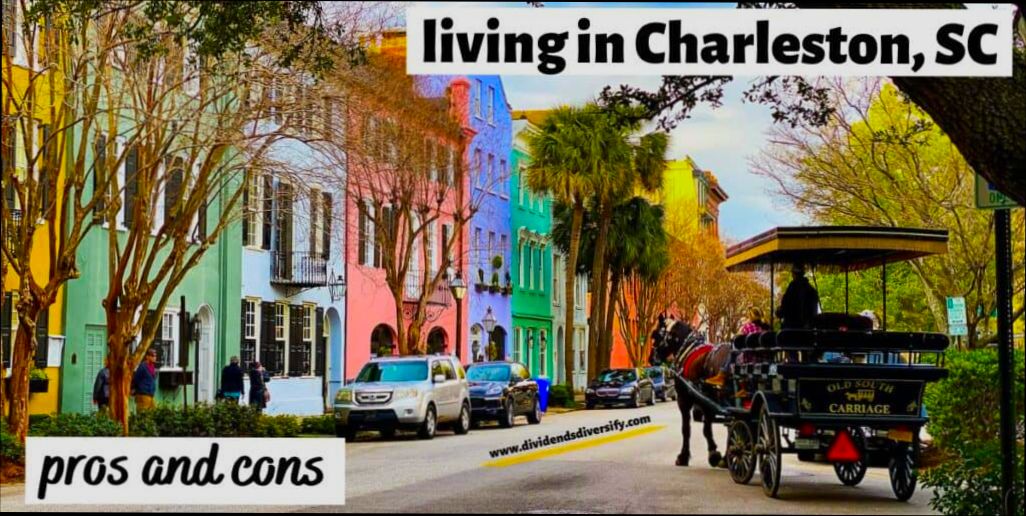
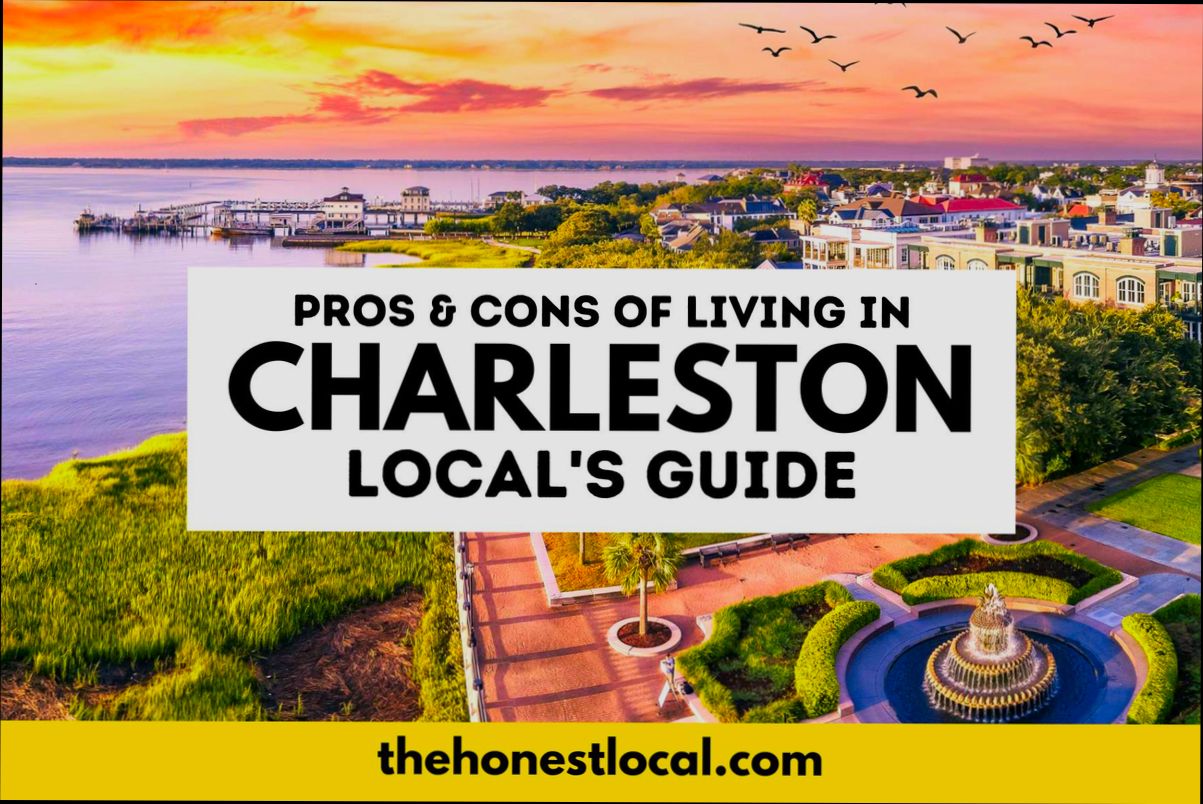
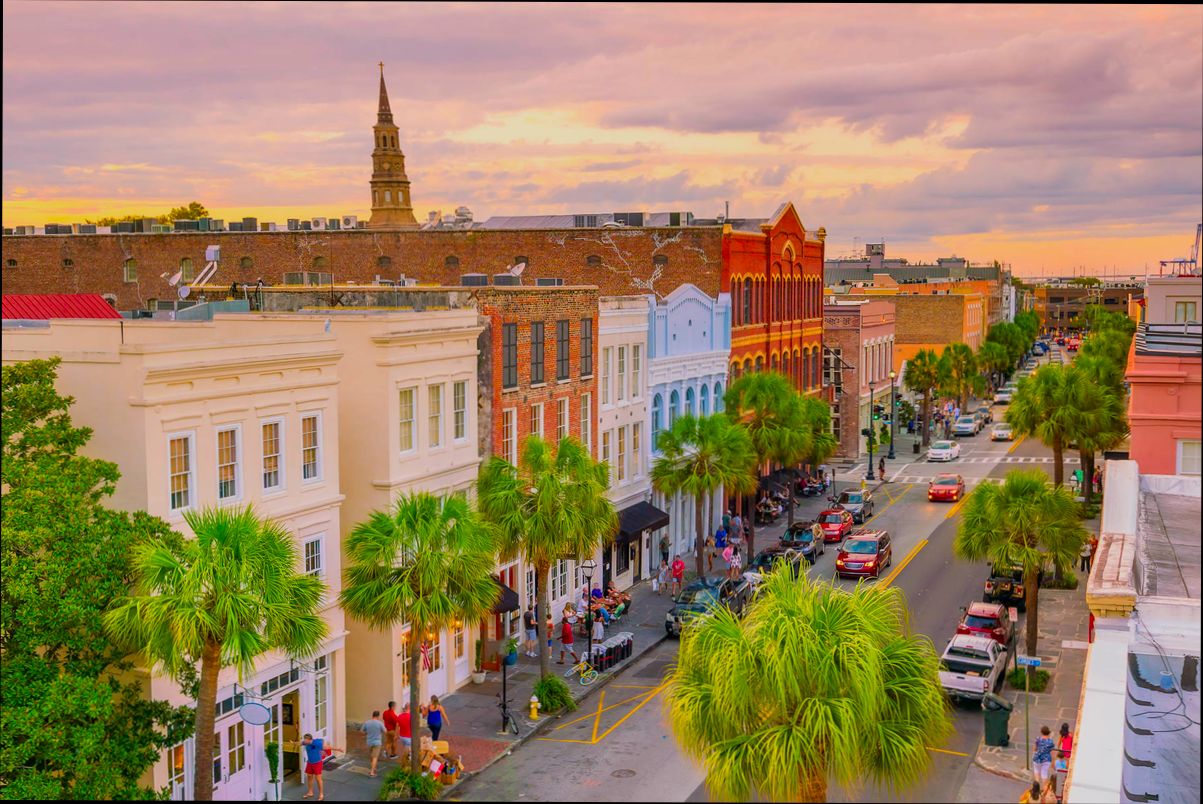
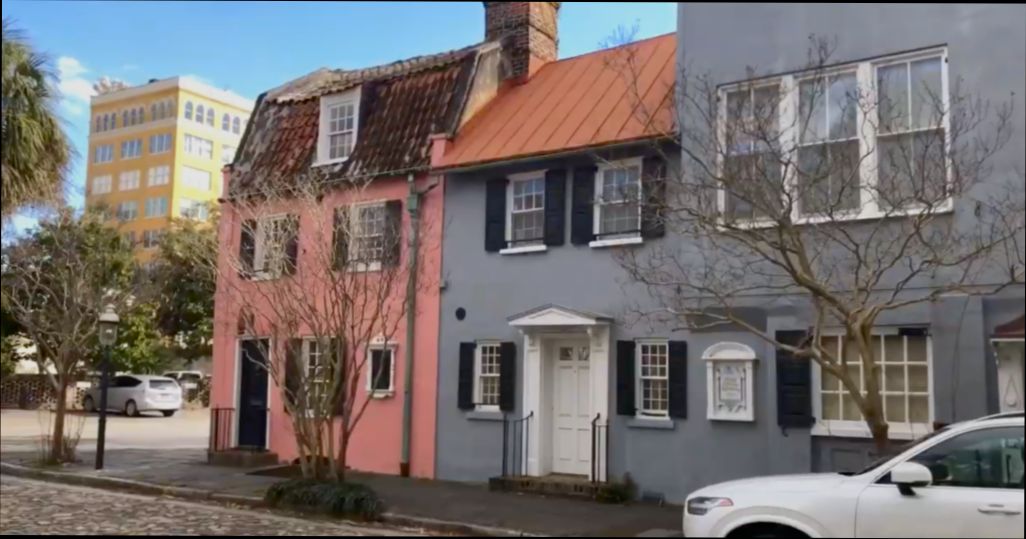
Pros and Cons of Living in Charleston, SC, can feel like navigating a culinary tour through a world-renowned restaurant. On one hand, you’ve got the charm of historic downtown streets lined with colorful antebellum houses and the waterfront views that make your morning coffee a whole lot sweeter. Living here means you can savor fresh seafood from local markets and experience a vibrant arts scene, with more than 30 festivals a year celebrating everything from Gullah culture to delicious barbecue. Plus, with a low unemployment rate of around 3.2% and a growing tech scene, job opportunities abound, making Charleston an attractive place for young professionals.
But don’t get too lost in the charm just yet; it comes with its own set of challenges. The cost of living has climbed steadily, hovering around 15% higher than the national average, which can sting your wallet, especially in some of the coveted downtown neighborhoods. Traffic jams are also a part of daily life, with some locals grumbling about commutes that can stretch on longer than your brunch wait time. And let’s not forget the heat and humidity that summer brings; stepping outside can feel like diving into a sauna. So, you can see why making the move to Charleston has its highs and lows!

Cost of Living Analysis in Charleston
Understanding the cost of living in Charleston is essential if you’re considering moving to or living in this charming Southern city. I’ll break down the key components that make up everyday expenses here, helping you visualize what your budget might look like.
Housing Costs
Housing typically makes up the largest chunk of our monthly expenses. In Charleston, the median home price stands around $400,000, which is slightly higher than the national average. If you’re looking to rent, expect to pay about $1,750 per month for a two-bedroom apartment in the downtown area.
Transportation Expenses
When it comes to getting around town, transportation costs can also add up. The average gas price in Charleston is approximately $3.15 per gallon, which might influence your commuting budget. If you opt for public transportation, a monthly pass costs around $50, making it a convenient option for many residents.
Grocery and Food Prices
Food costs may vary, but Charleston generally remains consistent with national averages. Here’s a breakdown of typical grocery prices:
- Milk (1 gallon): $3.50
- Eggs (dozen): $2.20
- Apples (per pound): $1.80
- Chicken breasts (per pound): $3.10
These prices can serve as a reference when you plan your monthly grocery budget.
Utility Bills
Utilities also contribute to your overall cost of living. On average, expect to spend about $150 monthly on basic utilities (electricity, heating, cooling, water, and garbage) for a standard apartment. Internet services may add another $60 to your monthly expenses.
Comparative Cost of Living Table
| Expense Category | Charleston | National Average |
|---|---|---|
| Median Home Price | $400,000 | $375,000 |
| Average Rent (2-BR) | $1,750/month | $1,600/month |
| Gas Price | $3.15/gallon | $3.05/gallon |
| Average Grocery Price | Close to National Avg | Varied by region |
| Utility Cost | $150/month | $180/month |
Real-World Examples
Consider Sarah, who recently moved to Charleston from a smaller town. She found a lovely two-bedroom apartment for $1,800. After including her commute costs and groceries, her total monthly expenses became around $2,500—still a manageable budget, especially compared to her previous expenses.
Another example is Mark, who has a family of four. His expenses include $350 monthly for groceries and $200 for utilities, bringing his family’s total monthly expenses to around $4,000, manageable thanks to his higher-paying job in Charleston.
Practical Implications
As you evaluate your budget for living in Charleston, remember the following:
- Assess your housing options carefully; renting might be more affordable than buying for those new to the area.
- Consider public transport for commuting, as it can save you on gas and parking costs.
- Be mindful of utility usage, especially in summer when cooling costs can soar.
Actionable Advice
If you’re planning a budget, estimate about 30% of your monthly income for housing to maintain financial balance. This percentage aligns with general financial advice and will allow you to enjoy Charleston’s vibrant lifestyle without financial strain.
Exploring Charleston’s Economic Opportunities
Charleston, South Carolina, presents a robust landscape for economic opportunities that can be enticing for both new residents and businesses alike. With a diverse job market and a growing population, the city offers various sectors where you can find your niche. Let’s dive into the key economic aspects of this vibrant Southern city.
Strong Job Market Dynamics
Charleston boasts a strong job market fueled by the following sectors:
- Hospitality and Tourism: As a major tourist destination, Charleston’s hospitality sector is thriving, with medium salaries hovering around $31,000 per year, making it a viable option for those entering the workforce.
- Aerospace Industry: The city has established itself as a hub for aerospace companies, with contributions from firms like Boeing which employs around 10,000 people and invests heavily in local expansion.
- Healthcare: With the Medical University of South Carolina (MUSC) as a pillar of the community, this sector continues to grow, providing robust career options in nursing, administration, and specialized healthcare roles.
- Technology: Increased investment in tech startups and IT companies offers a path for those looking for jobs in software development and digital marketing, with average salaries around $70,000.
Comparative Overview of Job Sectors
| Sector | Average Salary | Remarks |
|---|---|---|
| Hospitality | $31,000 | Strong influx of tourists drives growth. |
| Aerospace | $61,000 | Major employer with ongoing local expansions. |
| Healthcare | $57,000 | High demand for skilled labor in this field. |
| Technology | $70,000 | Emerging sector with substantial growth potential. |
Real-World Examples of Economic Growth
A couple of notable case studies showcase Charleston’s economic landscape:
- Boeing: The aerospace giant chose Charleston for its new facility, significantly boosting local employment and creating thousands of indirect jobs in related fields, from manufacturing to supply chain logistics.
- The Rise of Tech Startups: Initiatives such as the “Charleston Digital Corridor” promote tech innovation, leading to a 30% increase in tech job openings over the past five years, catering to a young, tech-savvy workforce.
Practical Implications for You
If you’re considering a move or starting a business in Charleston, understanding these economic dynamics is vital:
- Networking Opportunities: Engage with local chambers of commerce or professional groups to build connections in your field.
- Skill Development: Take advantage of local educational institutions offering training programs and partnerships with businesses for internships to bolster your job skills.
- Real Estate for Businesses: Look into local incentives for businesses, such as tax credits and grants, which can significantly lower your startup costs.
For those contemplating a life in Charleston, the economic landscape presents various pathways for growth and success, whether you are seeking employment or aiming to branch out into entrepreneurship.
Cultural Richness and Community Diversity
Charleston, SC is a fascinating blend of cultural richness and community diversity. This city features a tapestry of traditions, ethnicities, and artistic expressions that contribute significantly to its unique identity. From the vibrant Lowcountry traditions to contemporary art movements, Charleston stands out as a cultural haven.
Multifaceted Cultural Heritage
Charleston’s history is deeply intertwined with various cultures, including African, European, and Indigenous influences. The Gullah culture, which derives from enslaved Africans, plays a pivotal role in shaping the region’s cultural landscape, especially in areas like Folly Beach and Johns Island.
- Diverse Ethnic Communities: Approximately 36% of Charleston’s population identifies as non-white, most notably African American, Hispanic, and Asian groups. This diversity enriches local festivals, art shows, and cuisine, creating an inviting atmosphere for residents and visitors alike.
- Cultural Festivals: Events like the Spoleto Festival USA and the MOJA Arts Festival celebrate the city’s artistic diversity and heritage. These festivals draw visitors from all over, reaffirming Charleston as a cultural hotspot.
Table: Cultural Events Participation by Ethnic Group
| Ethnic Group | Percent Participation in Festivals | Key Annual Events |
|---|---|---|
| African American | 50% | Gullah Festival |
| Hispanic | 30% | Hispanic Heritage Month Events |
| Asian | 20% | Asian Cultural Festival |
| European Descent | 40% | Spoleto Festival |
Real-World Examples
One striking example is the Gullah Geechee Heritage Corridor, which stretches from North Carolina down to Florida. This corridor promotes awareness of Gullah culture, showcasing its art, music, and cuisine. Residents often engage in workshops and community events focused on traditional crafts like sweetgrass basket weaving, providing a tangible connection to the area’s legacy.
In addition, community initiatives like the City of Charleston’s Office of Multicultural Affairs work tirelessly to promote inclusivity and celebrate diversity. This office organizes events that highlight local artists and cultural workers from various backgrounds, ensuring everyone has a voice in the city’s cultural narrative.
Practical Implications
Living in Charleston means you can immerse yourself in a rich cultural experience every day. Consider attending local art exhibits, festivals, and community gatherings to deepen your connection to both historic and modern cultural expressions. Engaging with diverse communities not only broadens your personal horizon but also fosters a sense of belonging in this multifaceted city.
For anyone looking to embrace Charleston’s cultural richness, participating in community projects, volunteering at local events, or simply exploring different neighborhoods can provide authentic experiences that celebrate the city’s diversity. This active participation enhances social networks and deepens your appreciation for the city’s rich history and contemporary vibrancy.
Actionable Insights
- Explore Local Cuisine: Seek out Gullah-inspired restaurants to savor traditional dishes.
- Attend Cultural Events: Make it a point to attend at least one festival or art show each month.
- Engage with Community Groups: Volunteer with organizations that support diverse neighborhoods or cultural initiatives.
Enjoying Charleston’s cultural richness and community diversity offers a fulfilling lifestyle filled with unique experiences that reflect the city’s extensive history and vibrant present.
Weather Patterns and Their Impacts
Living in Charleston, SC, comes with its own unique weather patterns that significantly influence daily life. Understanding these patterns can help you prepare for the nuances of life in this vibrant coastal city. From rainfall to wind systems, here’s what you need to know about Charleston’s weather and how it can impact your living experience.
Types of Precipitation
Charleston experiences a diverse range of precipitation types throughout the year:
- Rain: The most common form of precipitation in Charleston, contributing to the region’s lush landscapes.
- Drizzle: Occurs frequently, resembling a light mist, which may not significantly affect outdoor plans.
- Hail and Sleet: These are less common but can occur during strong thunderstorms, reminding residents to stay alert during severe weather events.
Researchers note that the average yearly rainfall in Charleston is approximately 53 inches. This consistent rainfall supports local agriculture and contributes to the region’s green spaces, but it can also lead to occasional flooding, affecting traffic and outdoor activities.
Wind Systems and Their Effect
Understanding local wind patterns can help you adapt to Charleston’s climate:
| Wind System | Characteristics |
|---|---|
| Prevailing Westerlies | These winds significantly influence weather patterns, often bringing moisture from the Gulf of Mexico, leading to an uptick in rainy days in spring and summer. |
| Trade Winds | While they primarily influence tropical areas, their impact can be felt during summer, contributing to hot and humid conditions, which may affect outdoor activities. |
Charleston often experiences low-pressure systems that can intensify thunderstorms, especially during hurricane season. In fact, the North Atlantic Basin has observed an increase in the number of tropical cyclones, which couples with climate change, making it crucial to stay informed about tropical systems during the late summer and fall.
Real-World Examples of Weather Impacts
Residents have experienced the direct effects of weather patterns during events such as Hurricane Michael in 2018. The city saw heavy rain and strong winds, leading to power outages and localized flooding. Understanding these weather patterns not only prepares you for the inconvenience of storms but also highlights the importance of community preparedness initiatives.
Practical Implications for Charleston Residents
- Stay Informed: Sign up for local weather alerts to keep track of incoming storms or severe weather forecasts. NOAA provides excellent resources for updates.
- Flood Preparedness: Given the average precipitation levels, ensure that your property is equipped for potential flooding, especially during hurricane season.
- Outdoor Activities: Plan outdoor events considering the likelihood of drizzle or rain, which frequently occur from late spring through early fall.
Actionable Insights
- Create an emergency kit for extreme weather events, including essentials like water, canned goods, and flashlights.
- Subscribe to weather services that provide updates about rainfall and storms so you’re never caught off guard.
- Participate in local community preparedness programs to be better equipped for weather-related challenges.
Getting a grip on weather patterns in Charleston can significantly reduce stress related to unexpected weather events. The more informed you are, the better equipped you’ll be to enjoy all that this beautiful city has to offer, rain or shine!

Public Services and Infrastructure Quality
When considering a move to Charleston, SC, it’s crucial to understand the quality of public services and infrastructure in the area. The condition of facilities such as roads, schools, and public transportation can greatly affect your daily life, influencing everything from commute times to access to essential services.
Current Infrastructure Ratings
Despite Charleston’s charm, many public services face challenges. The American Society of Civil Engineers recently assigned various grades to infrastructure categories, revealing a landscape that requires attention and improvement. Here’s how Charleston fares in key sectors:
| Grade | Categories |
|---|---|
| B | Ports |
| B- | Rail |
| C+ | Broadband, Solid Waste |
| C | Bridges, Hazardous Waste |
| C- | Inland Waterways, Drinking Water, Public Parks |
| D+ | Aviation, Dams, Energy, Levees, Roads, Schools, Wastewater |
| D | Stormwater, Transit |
This table indicates that while certain areas like port and rail services are relatively solid, others—especially those affecting daily commuting and education—are critically rated as “D” or “D+”.
Infrastructure Concerns
1. Roads and Transit: The quality of roads in Charleston received a dismal grade of D+. With aging infrastructure, these roads are increasingly vulnerable to weather impacts, complicating everyday travel and causing frustrations for commuters.
2. Wastewater and Stormwater Management: Rated as D, these systems need considerable upgrades. The city’s stormwater infrastructure, in particular, has struggled to manage heavy rainfall, leading to flooding. Engaging with local advocacy groups can drive demand for improvements here.
3. Public Schools: The educational infrastructure rated D+, indicating many schools may not meet current educational demands or standards. It’s important to be aware of this if you have children or plan to in the future.
Real-World Examples
The recent increase in federal and state investments has begun to address some of these issues, yet it may take years to see substantial change. For example, improvements in broadband access are essential in today’s digital world, and while the grade stands at C+, there is potential for growth as funding becomes available and initiatives expand.
Practical Implications
- Plan Your Commute: Given the poor road ratings, consider flexible work arrangements if you plan on working in the city. Carpooling and public transportation are also options, though the transit system currently struggles with efficiency.
- Engage with Community Initiatives: By participating in local advocacy or city council meetings, you can voice concerns about infrastructure and potentially influence local spending priorities.
- Monitor Development News: Stay updated on new projects or plans to enhance public services, especially as federal investment initiatives roll out. This can give you insights into future improvements that may directly affect your quality of life.
As Charleston continues striving for better public services and infrastructure quality, understanding these dynamics will empower you to make informed decisions about your living situation in this historically rich city.
Health Care Access and Quality Insights
When considering a move to Charleston, SC, understanding the health care landscape can significantly affect your decision. Access to quality health care is crucial for maintaining a healthy lifestyle, and Charleston offers a mix of strengths and challenges in this domain.
Health Care Accessibility
Charleston enjoys a well-established health care system that includes several reputable hospitals and clinics, such as the Medical University of South Carolina (MUSC) and Roper St. Francis Healthcare. According to recent data:
- Hospital Density: Charleston has a hospital density of 18.3 per 100,000 residents, which is higher than the national average.
- Primary Care Physicians: You can find about 80 primary care physicians per 100,000 people in the Charleston area, allowing for reasonable access to primary health services.
While these figures sound promising, individuals in certain neighborhoods may still experience disparities regarding access to these facilities.
Quality of Care Ratings
While access is essential, the quality of care offered also warrants attention. The quality of health care in Charleston reflects both advanced medical training and some ongoing challenges:
- Patient Satisfaction Ratings: Recent surveys show that hospitals like MUSC have a patient satisfaction rating of around 92%, significantly enhancing confidence in available services.
- Preventive Care: Only about 70% of adults in Charleston receive recommended preventive care, underscoring the need for improvement in community health education and outreach.
Comparison of Health Care Facilities
Let’s take a closer look at a comparison of health care facilities in Charleston based on patient outcomes and services offered:
| Facility Name | Patient Satisfaction (%) | Number of Specialties | Emergency Care Availability |
|---|---|---|---|
| Medical University of South Carolina | 92% | 120 | Yes |
| Roper St. Francis Healthcare | 89% | 15 | Yes |
| Trident Medical Center | 85% | 10 | Yes |
Real-World Examples
A case study showcasing the work of MUSC illustrates their commitment to community health. MUSC has implemented several outreach programs aimed at individuals in underserved areas, improving access to preventative services and screenings. These efforts have resulted in a 15% increase in community engagement in health check-ups over the past year.
Another example can be seen in Roper St. Francis’s partnership with local schools to provide health education and free screenings, which serve approximately 1,500 students annually. This initiative not only improves access but also fosters awareness about health issues among younger populations.
Practical Implications
For you, as a potential resident, understanding these aspects is vital:
- Check Local Resources: Before moving, look into the availability of health care facilities in your preferred neighborhoods. Sites like Healthgrades can help you gauge local options.
- When Seeking Care: Don’t hesitate to inquire about the quality certifications of the hospitals and clinics you consider. Higher satisfaction ratings often correlate with better care.
Actionable Insights
- Stay Informed: Regularly check for patient education events and free health screenings offered by local facilities to engage in preventive care initiatives.
- Utilize Telehealth Options: Take advantage of telehealth services that many local hospitals provide, a convenient way to access care from home, especially useful during busy schedules or when mobility is a concern.
Recreational Activities and Outdoor Life
Living in Charleston, SC, offers a vibrant array of recreational activities and outdoor life that cater to a diverse range of interests. From world-class sports facilities to breathtaking natural parks, there is always something to do outside, making it an ideal location for those who appreciate an active lifestyle.
Diverse Options for Outdoor Activities
Charleston’s outdoor landscape is enriched by its coastal environment and numerous parks. Here are some recreational activities you can indulge in:
- Water Sports: Enjoy activities such as kayaking, paddleboarding, and sailing in the local waterways. The Charleston harbor and area beaches make these sports easily accessible.
- Hiking and Biking Trails: The city features over 30 miles of trails. Popular locations include the West Ashley Greenway and the Charleston County Greenway, offering picturesque views and serene environments.
- Beach Activities: With beaches like Folly Beach and Sullivan’s Island at your doorstep, you can spend weekends swimming, sunbathing, or participating in beach volleyball games.
- Golfing: Golf enthusiasts can choose from 20 public and private golf courses around Charleston, providing top-notch facilities for both beginners and experienced players.
Participation in Sports and Clubs
Charleston also prides itself on a community rich in sports and recreational clubs. Here’s a glimpse of what’s available:
- Team Sports: Local leagues offer opportunities for playing basketball, soccer, and other team sports, engaging the community in fun competitions.
- Swimming: Facilities with both indoor and outdoor pools allow you to stay fit while enjoying swimming year-round, with community programs available for all ages.
- Yoga and Fitness Classes: Various outdoor yoga sessions take place in parks, enhancing flexibility while allowing you to enjoy the fresh air.
- Dance Classes: Dance studios around the city offer lessons in styles ranging from ballet to ballroom, perfect for those keen on keeping active while learning new moves.
Recreational Data Overview
| Activity Type | Local Participation (% of Residents) | Notable Locations |
|---|---|---|
| Team Sports | 25% | Local parks and recreation centers |
| Beach Activities | 60% | Folly Beach, Sullivan’s Island |
| Hiking/Biking | 40% | West Ashley Greenway, County parks |
| Golfing | 15% | Charleston Municipal Golf Course |
| Yoga Classes | 30% | Waterfront Park |
Real-World Examples
Many local schools emphasize outdoor engagement through their recreational programs. For instance, several high schools have basketball and soccer teams, fostering teamwork and physical fitness in students. Additionally, community organizations frequently host events like beach clean-ups that not only promote a healthy lifestyle but also contribute to environmental protection.
Furthermore, Charleston hosts several annual events that highlight outdoor activities, such as the Spoleto Festival USA, which features not only performing arts but also culinary and cultural activities in beautiful outdoor settings.
Practical Implications for Residents
For anyone considering a move to Charleston, taking advantage of the numerous outdoor facilities and recreational opportunities can significantly enhance your quality of life. Joining local clubs or participating in community events can help you connect with others who share your interests while staying active and engaged.
Actionable Insights
Whether you’re into team sports, hiking, or beach activities, Charleston provides ample opportunities to explore and enjoy the great outdoors. Make it a point to participate in community events, join recreational leagues, or simply explore the walking trails and beaches to fully embrace a lifestyle centered around outdoor activity and health.