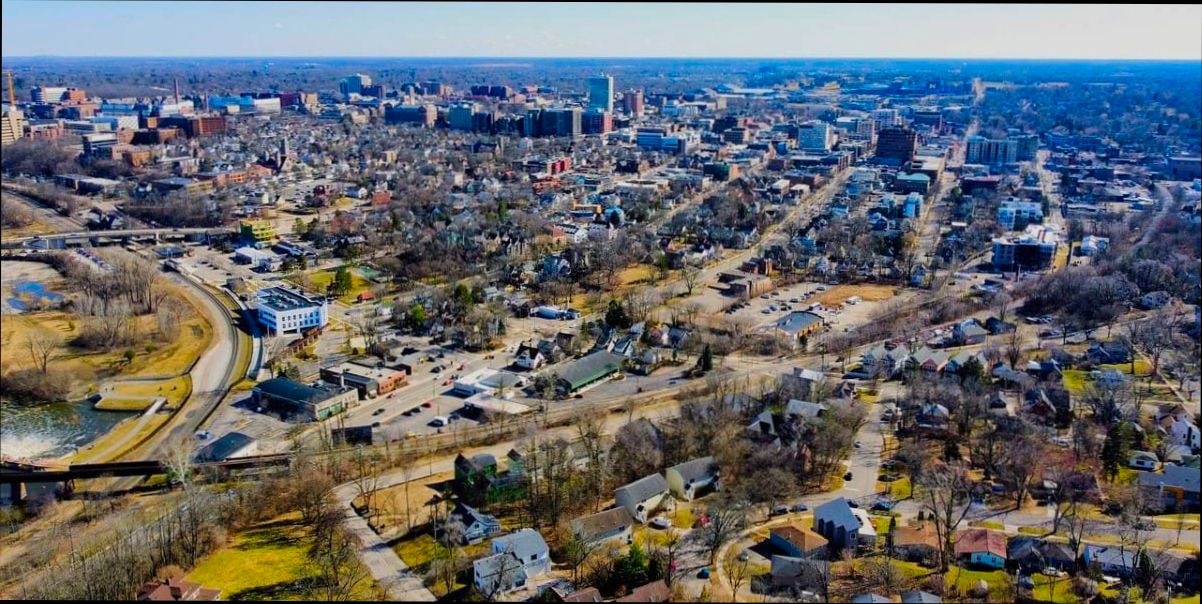
Pros and Cons of Living in Ann Arbor, MI, is a conversation starter for anyone considering a move to this vibrant college town. Known for its stellar university—The University of Michigan brings in thousands of students—and a diverse, fun-loving community, Ann Arbor offers a unique blend of Midwestern charm and cosmopolitan flair. You’ll find everything from world-class museums and galleries to outdoor activities along the Huron River. Plus, the local food scene is a highlight, boasting over 100 restaurants, ranging from gourmet dining to beloved food trucks. On the flip side, the cost of living can be a bit steep, especially when it comes to housing; the median home price hovers around $400,000, which can feel like a stretch compared to nearby smaller towns.
Living in Ann Arbor also means navigating the weather—think cold, snowy winters and hot, humid summers. If you’re someone who thrives in a bustling academic atmosphere, you’ll love the energy here, but if you prefer a quieter, more laid-back lifestyle, you might find it overwhelming, especially during the University’s busy semester. There’s a vibrant arts scene and countless events, like the Ann Arbor Art Fair, but parking can be a hassle, particularly during peak seasons. Whether you’re passionate about outdoor activities, arts, or education, there’s much to love—and a few challenges to consider—in this eclectic city.
Educational Opportunities in Ann Arbor
Living in Ann Arbor offers a wealth of educational opportunities that cater to a diverse range of interests and age groups. From primary education to advanced degrees, you’ll discover institutions that emphasize innovation, research, and community engagement.
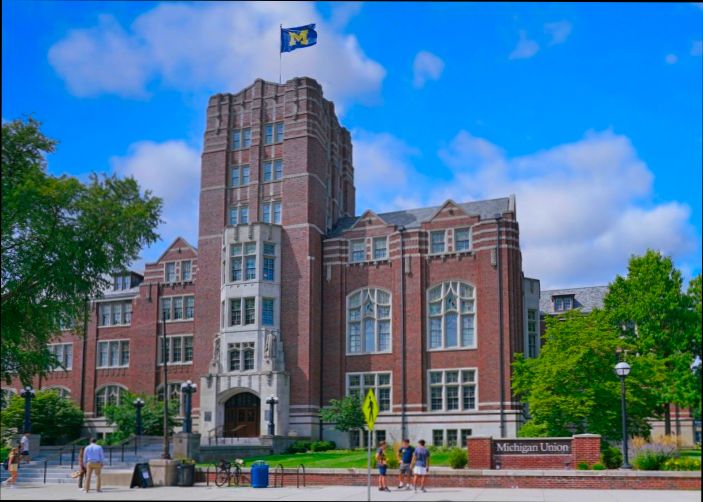
One of the standout features of Ann Arbor is the presence of the University of Michigan, which consistently ranks among the top public universities in the United States. With over 47,000 students enrolled and more than 275 degree programs available, this institution serves as a pivotal educational hub. Additionally, about 30% of the undergraduate student body engages in research projects, allowing you to connect with some of the brightest minds from various fields.
Key Educational Institutions
- University of Michigan
- Offers over 250 degree programs across 19 schools and colleges.
- Hosts one of the largest libraries in the United States, which includes 14 million volumes.
- The acceptance rate is roughly 23%, making it a selective institution.
- Washtenaw Community College
- More than 5,000 students are enrolled in vocational and degree programs, offering affordable education options.
- It provides pathways for students looking to transfer to four-year institutions or gain skilled trades certification.
Comparative Overview of Educational Options
| Institution | Type | Enrollment | Degree Programs Offered | Research Opportunities |
|---|---|---|---|---|
| University of Michigan | Public University | 47,000 | 250+ | Extensive |
| Washtenaw Community College | Community College | 5,000 | 100+ | Limited |
| Ann Arbor Public Schools | K-12 System | 17,500 | N/A | N/A |
Real-World Examples of Educational Engagement
The University of Michigan frequently partners with local businesses and nonprofits to drive community-centered research projects. For instance, the Michigan Institute for Teaching and Research in Education collaborates with schools to implement innovative teaching strategies based on the latest educational research.
Washtenaw Community College exemplifies strong community ties. The college offers free adult education classes, such as GED preparation and ESL courses, aimed at empowering local residents and enhancing workforce readiness.
Practical Implications for Residents
If you are considering enrolling in local educational programs or enrolling your children in schools, take advantage of the community resources available.
- Explore the University of Michigan’s continuing education programs, which provide opportunities for personal enrichment in areas such as art and technology.
- Check out Washtenaw Community College’s course catalog for valuable skills training that can enhance career prospects.
For families, the Ann Arbor Public Schools are well-rated, emphasizing a well-rounded education with advanced placement and extracurricular options.
In addition, keep an eye out for workshops and lectures offered by local institutions—these are often free and open to the public, enriching your educational experience in the community.
With such a robust educational landscape, Ann Arbor makes it easy to invest in your personal and professional growth.

Cost of Living and Affordability Trends
Living in Ann Arbor, MI, presents a unique mix of affordability and costs that can shape your overall experience in the city. Understanding the nuances of the cost of living and affordability trends is crucial, especially if you’re considering making Ann Arbor your home. Let’s break down the key factors that will influence your budgeting choices.
Housing Costs
One of the most significant contributors to the overall cost of living in Ann Arbor is housing. According to recent data, the median home price in the city sits around $350,000, which is approximately 15% higher than the national average. Here’s a quick comparison of housing costs:
| Type of Housing | Ann Arbor (Median Price) | National Average (Median Price) |
|---|---|---|
| Single-Family Home | $350,000 | $300,000 |
| Apartment (1BR) | $1,800/month | $1,500/month |
| Apartment (2BR) | $2,300/month | $2,000/month |
Utility Costs
In addition to housing, you should also consider utility expenses. Monthly utility costs in Ann Arbor average around $200, including electricity, heating, cooling, water, and garbage. This cost reflects a 10% increase compared to the national average utility cost, which can impact your monthly budget significantly.
Transportation
Transportation costs are also noteworthy. If you rely on public transit, a monthly bus pass in Ann Arbor costs about $70, slightly lower than the national average of $80. However, if you own a vehicle, consider the costs associated with gas, insurance, and maintenance, which can vary based on usage.
Groceries and Dining
When it comes to grocery shopping, Ann Arbor’s prices are roughly 5% higher than the national average. For example, a gallon of milk typically costs around $3.50, while a dozen eggs can run about $2.50. While dining out, you can expect to pay around $15 for a meal at a mid-range restaurant, aligning closely with national trends.
Real-World Insights
A young professional moving to Ann Arbor might find a one-bedroom apartment in a vibrant area will cost them about $1,800 a month. On a standard salary of $60,000, this individual could face a rent burden of approximately 36% of their income, slightly above the recommended threshold of 30%.
Families may find the higher housing costs offset by the quality of local schools and community amenities. For instance, a family purchasing a three-bedroom home may find better long-term value despite the initial expense, given the associated access to education and parks.
Financial Considerations
- Budget Wisely: Factor in all variable costs, not just rent or mortgage.
- Research Neighborhoods: Each neighborhood offers different price points and amenities, so spend time evaluating options that fit your budget.
- Consider Commute Times: Living further from downtown can lower your housing costs but may increase travel times, affecting your lifestyle.
Being aware of how these cost factors interplay can help you make informed decisions about living in Ann Arbor. Remember to routinely assess your financial strategy to ensure you’re meeting your needs while enjoying all that this vibrant city has to offer.

Cultural Vibrancy and Community Engagement
Living in Ann Arbor offers a unique blend of cultural vibrancy and community engagement that can deeply enrich your experience in the city. With a strong influence from the University of Michigan, you’ll find an eclectic mix of artistic expressions, community gatherings, and diverse cultural activities that cater to all interests.
Thriving Arts Scene
Ann Arbor boasts a robust arts and cultural scene, featuring:
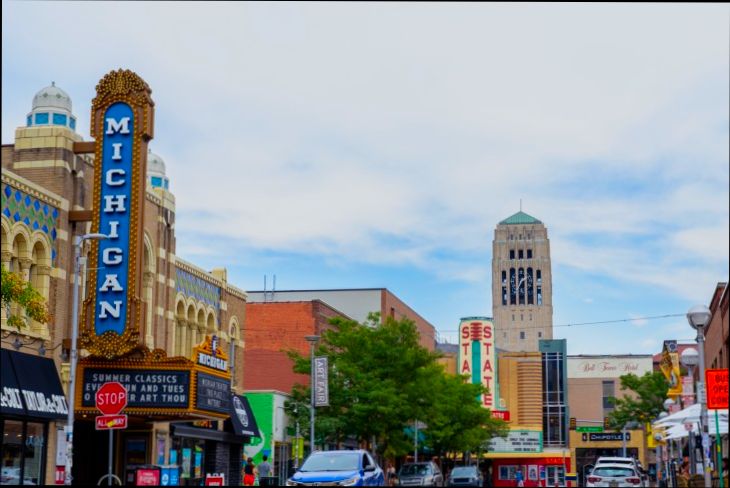
- Historic Theaters: Venues like the Michigan Theater host films, concerts, and live performances.
- Museums: The University of Michigan Museum of Art and the Kelsey Museum of Archaeology provide enriching experiences highlighting various art forms and historical artifacts.
- Annual Festivals: Events such as the Ann Arbor Art Fair showcase hundreds of artists and attract thousands of attendees each year, underlining community engagement through the arts.
The city’s commitment to the arts is evident, with over 20 public art installations scattered throughout downtown, elevating its streetscapes and engaging residents and visitors alike.
Community Events and Engagement
Community engagement in Ann Arbor thrives through various local initiatives:
- Farmers Markets: The Ann Arbor Farmers Market operates year-round, supporting local farmers and artisans while fostering connection among residents.
- Neighborhood Events: Regular community gatherings and festivals create opportunities for social interaction, allowing for the establishment of strong neighborhood ties.
Residents can join numerous volunteering opportunities with various local organizations, reinforcing a sense of belonging and responsibility within the community.
Cultural Diversity and Inclusivity
While it’s essential to acknowledge some concerns around diversity, efforts are underway to create a more inclusive environment. Community programs focus on:
- Cultural Celebrations: Events highlighting various cultures, such as the Asian Pacific American Heritage Month, enrich the city’s social fabric.
- Diverse Cuisine: The culinary scene in Ann Arbor reflects a broad range of cultures, offering everything from authentic ethnic restaurants to local food trucks that encourage communal experiences.
Comparative Table of Cultural Engagement Opportunities
| Event/Activity | Type | Community Participation Level | Frequency |
|---|---|---|---|
| Ann Arbor Art Fair | Arts Festival | High | Annually |
| Ann Arbor Farmers Market | Community Market | Very High | Weekly |
| University of Michigan Events | Educational/Arts | Moderate | Year-round |
| Local Cultural Festivals | Multi-ethnic | High | Several times/year |
Real-World Examples
One shining example of community engagement is the “One Ann Arbor” initiative, which aims to underline the importance of inclusivity in cultural events and foster a sense of unity among diverse populations. This initiative often collaborates with local artists, businesses, and non-profit organizations to plan community events that celebrate different cultures, allowing residents to learn and embrace each other’s backgrounds.
Another noteworthy instance is the annual “Main Street Ann Arbor” summer events, which include music festivals, street fairs, and outdoor movies that provide residents the chance to gather, enjoy live performances, and interact, strengthening community bonds.
Practical Implications
When settling in Ann Arbor, you can actively participate in its rich cultural tapestry by attending local art exhibitions, joining volunteer groups, or exploring diverse culinary offerings. Engaging with community events not only deepens your connection to the city but also enhances your understanding of the cultural dynamics at play.
If you’re keen on contributing to local arts, consider volunteering at museums or joining community theater groups, providing not just your time but your skills to enrich the city’s cultural experiences further.
Remember, the more you immerse yourself in these cultural activities, the more you’ll find that Ann Arbor is not just a place to live—it’s a vibrant community filled with opportunities to connect and engage.
Climate and Natural Environment Factors
When considering the charm of Ann Arbor, Michigan, it’s essential to understand the climate and natural environment that significantly impact daily living. With its distinct seasons and abundant greenery, Ann Arbor offers both beauty and challenges that can shape your lifestyle decisions.
Climate Overview
- Four Distinct Seasons: Ann Arbor experiences a humid continental climate, which means you’ll enjoy all four seasons.
- Average Temperature Ranges: Winters can be tough, with average January temperatures around 23°F (-5°C), while July sees averages of 75°F (24°C).
- Annual Rainfall: Ann Arbor receives approximately 33 inches of precipitation each year, making it fairly moderate compared to many regions in the U.S.
Seasonal Impacts
- Winter Challenges: Heavy snowfall often measures more than 40 inches annually, leading to icy conditions that can hinder mobility and increase maintenance on properties.
- Spring Allergies: With the abundant natural greens, spring time can bring a surge in pollen, making it a challenging season for allergy sufferers.
- Fall Colors: The autumn months are stunning with vibrant foliage, attracting many to explore local parks and natural areas.
| Factor | Description |
|---|---|
| Average Winter Temperature | 23°F (-5°C) |
| Average Summer Temperature | 75°F (24°C) |
| Annual Snowfall | Over 40 inches |
| Annual Rainfall | Approximately 33 inches |
| Allergy Season | Typically peaks in spring |
Real-World Examples
A local farmer’s market operates in the summer, showcasing the region’s agricultural bounty aided by rich soil and moderate climate. This seasonal market becomes a community hub, promoting fresh produce and supporting local agriculture.
Additionally, the city’s nickname, “Tree Town, USA,” is not just a moniker; it reflects Ann Arbor’s active commitment to preserving its natural environment. Over 150 parks and over 140 miles of trails across the city provide ample opportunities for outdoor activities, benefiting not just residents, but also promoting biodiversity.
Practical Implications
Understanding the climate is crucial for newcomers. For example, investing in good heating systems is essential for enduring the harsh winters. If you’re sensitive to allergens, designing outdoor spaces for shade can help manage springtime pollen.
Moreover, community events often revolve around seasonal changes, so participating in these can enhance your social life while immersing you in the natural beauty of Ann Arbor.
For those considering a move or relocation, being prepared for varied weather conditions can significantly influence comfort levels. Ensuring your home can handle snow and ice, as well as taking advantage of summer’s outdoor offerings, will enrich your living experience in this vibrant city.
Safety Statistics and Crime Rates
When considering a move to Ann Arbor, MI, safety statistics and crime rates play a crucial role in shaping your experience. Understanding these factors can help you make informed decisions about where to live and how to protect yourself and your property.
Key Crime Statistics
- The crime rate in Ann Arbor is approximately 33% lower than the national average, which can offer peace of mind to residents.
- Property crimes, particularly burglary and theft, account for around 85% of reported incidents in the city. This translates to a property crime rate of about 22.5 incidents per 1,000 residents.
- Violent crimes, including assault and robbery, are significantly lower, with a rate of approximately 1.5 incidents per 1,000 residents, reflecting a generally safe environment for families and individuals.
Comparative Crime Rates
| Crime Type | Ann Arbor (Per 1,000 residents) | National Average (Per 1,000 residents) |
|---|---|---|
| Violent Crimes | 1.5 | 3.8 |
| Property Crimes | 22.5 | 30.4 |
Real-World Examples
Take, for instance, the community efforts in Ann Arbor to reduce crime rates. Neighborhood watch programs have led to a noticeable reduction in property crimes, with some areas reporting a drop of nearly 20% in burglaries over the past year. Local police initiatives also encourage residents to engage in safety workshops, making a tangible impact on community safety awareness.
Another significant element is the role of the University of Michigan in contributing to safety statistics. Given its large student population, many safety measures specifically target areas frequented by students. This has created a relatively secure environment, with dedicated campus safety programs that contribute to a lower incidence of crime around the university area compared to similar burgs.
Practical Implications
For those considering relocating to Ann Arbor, it’s essential to look beyond the statistics. Engaging with local neighborhood resources, such as community forums and safety meetings, can provide firsthand insight into the current safety climate. Understanding peak crime times can also assist in taking proactive measures to enhance personal safety.
It’s advisable to explore specific neighborhoods, as safety levels can vary within the city. Areas adjacent to parks may see higher foot traffic and, consequently, increased incidents of petty theft, while certain residential blocks may boast lower crime rates.
Staying informed about trends in safety and crime can empower you to make smart choices, not just regarding where to live but also how to secure your home effectively. Utilize resources from the local police department, which often provide updated reports and strategies for maintaining safety in the community.
Transportation Options and Accessibility
When considering a move to Ann Arbor, it’s essential to dive into the transportation options and accessibility available in the city. From robust public transit to walkable neighborhoods, Ann Arbor offers various means to get around, catering to different lifestyles and preferences.
Public Transportation
Ann Arbor is served by the Ann Arbor Area Transportation Authority (AAATA), which provides a range of services including:
- Fixed Routes: The AAATA runs over 15 routes that crisscross the city, making it convenient to get to many popular destinations, including downtown, the University of Michigan, and shopping districts.
- The Link: This is a fare-free service designed for quick travel within the downtown area, making it easy for residents and visitors to navigate densely populated sections without worrying about parking.
Walking and Biking
You’ll find that Ann Arbor is exceptionally bike-friendly, with:
- Over 100 miles of bike lanes and trails that connect various neighborhoods and key areas throughout the city.
- In 2020, Ann Arbor was named a “Bicycle Friendly Community” by the League of American Bicyclists, reflecting the city’s commitment to improving cycling infrastructure.
Ridesharing Services
If you prefer to travel on demand, multiple ridesharing services operate in Ann Arbor:
- Uber and Lyft are widely available, providing seamless transport options when public transit doesn’t fit your schedule.
- Several local taxi services are also accessible if you prefer more traditional methods of transportation.
Transit Statistics
For a clearer perspective, here’s a comparative look at the transportation options in Ann Arbor:
| Transportation Mode | Availability | Average Waiting Time |
|---|---|---|
| Public Transit (AAATA) | 15 routes | 10-15 minutes |
| Biking | Over 100 miles | N/A |
| Rideshare Services | Widely available | Usually 5-10 minutes |
| Walkability Score | 80/100 (City score) | N/A |
Real-World Examples
A real-world demonstration of accessibility in Ann Arbor can be seen in how students at the University of Michigan utilize public transit to attend classes and social events around the city. Many students rely on the Campus Bus System, which offers a free and convenient way to navigate between campus buildings and local attractions.
Another example is the city’s commitment to expanding bike lanes, which has markedly increased cycling among residents. Recent city initiatives include hosting “Bike to Work” events and providing bike-sharing programs that allow people to rent bikes at various locations.
Practical Implications
For those moving to or living in Ann Arbor, being aware of these transportation options and their accessibility can significantly enhance your daily life.
- If you are a student or commuter, utilizing public transportation can save you money on gas and parking fees, making it a practical choice.
- For avid cyclists, embracing the bike lanes can encourage a healthier lifestyle while reducing carbon footprints.
- If convenience is your priority, using rideshare services can be an excellent alternative for late-night outings or when public transit schedules don’t align with your plans.
Consider planning your travel modes during various times of the week to better understand how to maximize your time in Ann Arbor while leveraging the city’s comprehensive transit options. Take the time to explore these transportation avenues as they can significantly enrich your overall living experience in Ann Arbor.
Employment Landscape and Job Market
Navigating the job market in Ann Arbor, MI, can be an exciting journey for both newcomers and long-time residents. With a robust economy and a mix of industries, the employment landscape offers a range of opportunities that cater to diverse skill sets and professional backgrounds.
Key Employment Sectors
The employment market in Ann Arbor is characterized by several key sectors:
- Education: Dominated by the University of Michigan, this sector provides numerous academic and administrative positions.
- Healthcare: The presence of world-class hospitals and medical research facilities contributes to a strong demand for professionals in nursing, research, and healthcare administration.
- Technology: A burgeoning tech industry encourages growth, particularly in software development, research, and data analysis.
- Manufacturing: Although not as dominant as in the past, there remains a steady demand for skilled trades and manufacturing roles.
Current Job Market Statistics
- Unemployment Rate: As of the latest data, Ann Arbor enjoys an unemployment rate of approximately 4%, which is below the national average of 3.8%. This indicates a relatively healthy job market.
- Job Growth: The job market in Ann Arbor is projected to grow by 2% over the next five years, reflecting an upward trend in opportunities across various sectors.
- Average Salary: The average annual salary for jobs in Ann Arbor is around $65,000, which can vary significantly based on the sector and level of expertise.
Comparative Job Market Overview
| Sector | Job Growth (%) | Average Salary ($) | Notable Employers |
|---|---|---|---|
| Education | 3.5 | $80,000 | University of Michigan |
| Healthcare | 4 | $72,000 | Michigan Medicine |
| Technology | 5 | $95,000 | Google, Toyota Tech Center |
| Manufacturing | 1.5 | $55,000 | Faurecia, JAC Products |
Real-World Examples of Employment Opportunities
1. Education Sector: The University of Michigan not only employs thousands in faculty and administrative roles but also partners with local schools for educational initiatives, generating additional teaching opportunities.
2. Healthcare Sector: Michigan Medicine has consistently recruited for nursing positions and specialized medical roles, particularly in response to advancing medical technologies.
3. Technology Sector: Companies like Google have established offices in Ann Arbor, offering roles in software development, data analytics, and user experience design, drawing talent from the local university.
Practical Implications for Job Seekers
If you’re considering moving to or currently living in Ann Arbor, here are some actionable insights:
- Networking Opportunities: Attend local career fairs and industry networking events to connect with employers and other professionals.
- Utilize University Resources: Take advantage of the University of Michigan’s career services, even if you’re not a student; they offer workshops, job boards, and alumni connections.
- Stay Informed: Regularly check job boards and local publications like the Ann Arbor Observer for emerging job opportunities and company expansions within the city.
Additional Facts to Consider
- Career Diversity: The variety of businesses, from startups to established corporations, allows for diverse career paths and professional growth.
- Industry Collaborations: Companies often collaborate with academic institutions, fostering innovation and increasing job opportunities in research and development.
Understanding the employment landscape in Ann Arbor can enhance your experience in this vibrant city, providing a solid foundation for career growth and development.