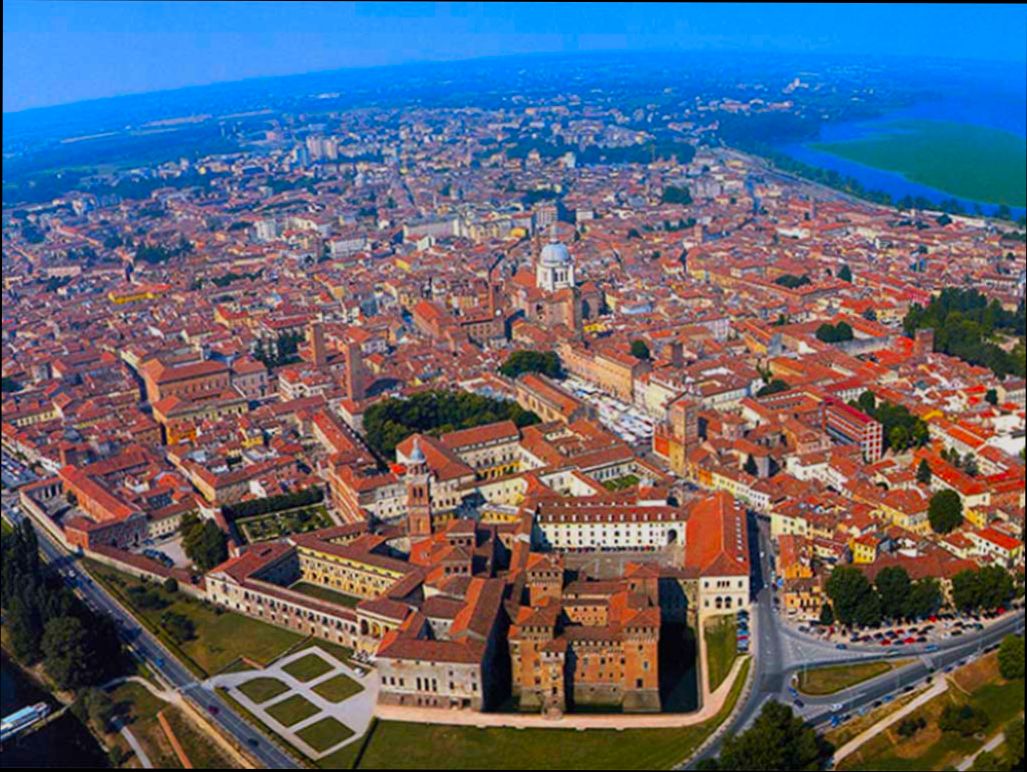
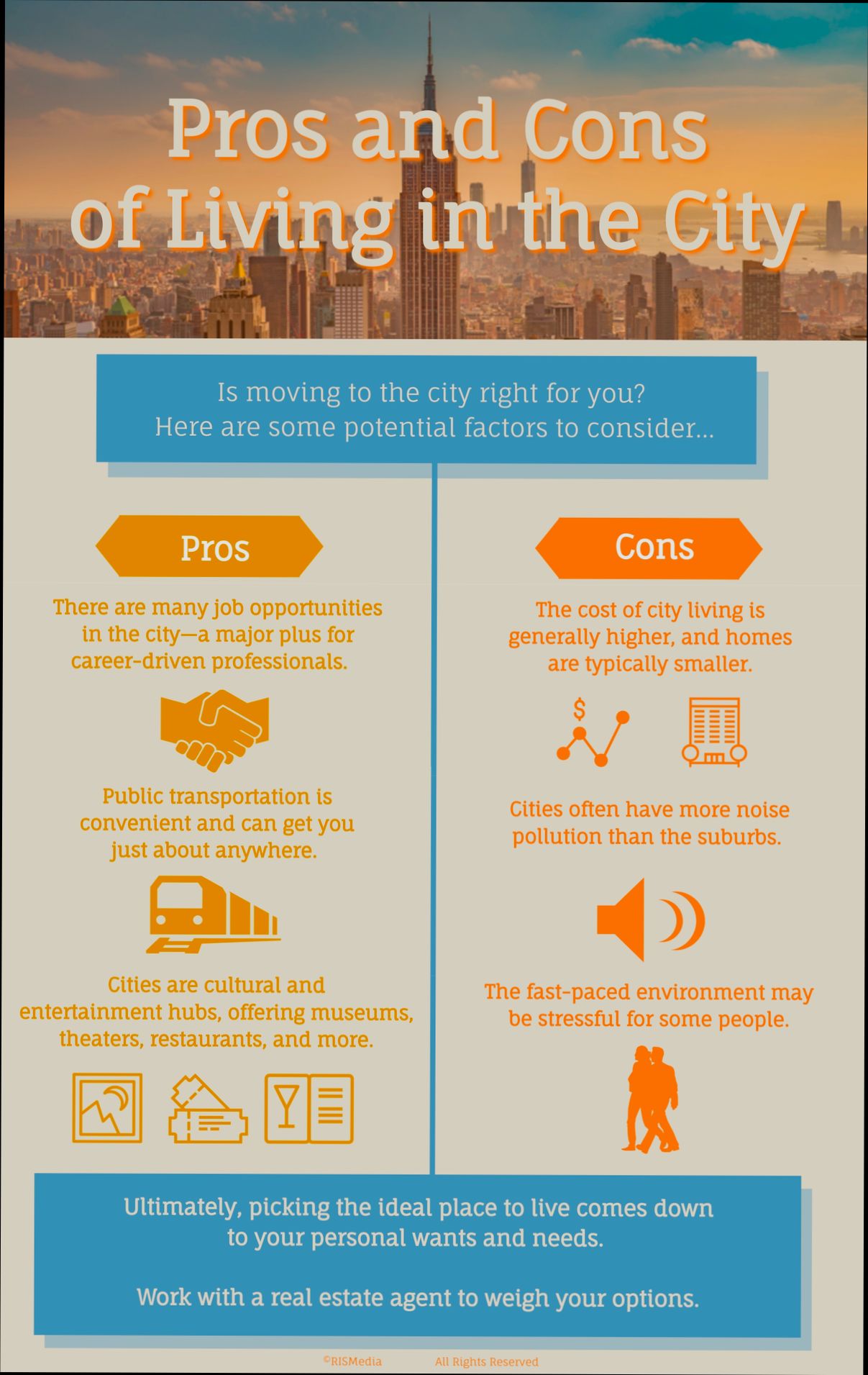
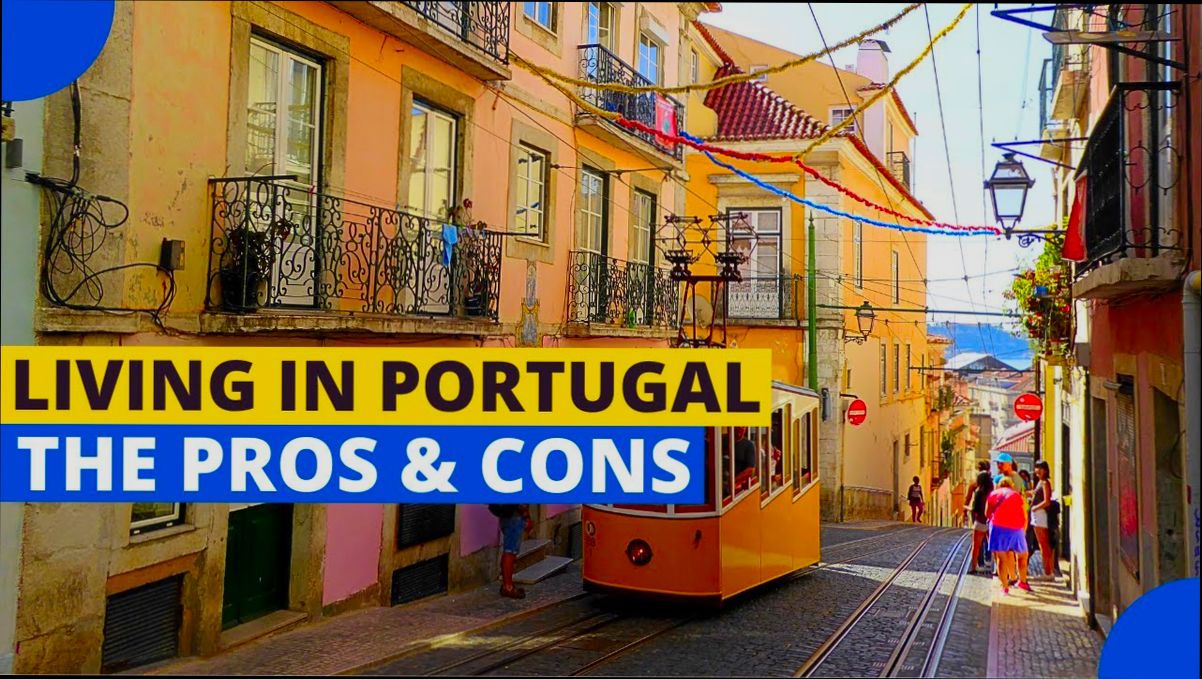
Pros and Cons of Living in Mantua can make or break your decision to call this charming Italian town home. On the upside, Mantua boasts a rich cultural heritage, with stunning Renaissance architecture and the UNESCO-listed Palazzo Ducale right at your doorstep. You can stroll along the picturesque lakes surrounding the city, and when hunger strikes, you’re just minutes away from a plate of authentic tortelli di zucca, a local favorite filled with pumpkin. With a population of about 48,000, the community vibe here feels warm and welcoming, making it easy to get to know your neighbors while enjoying a coffee at the local café.
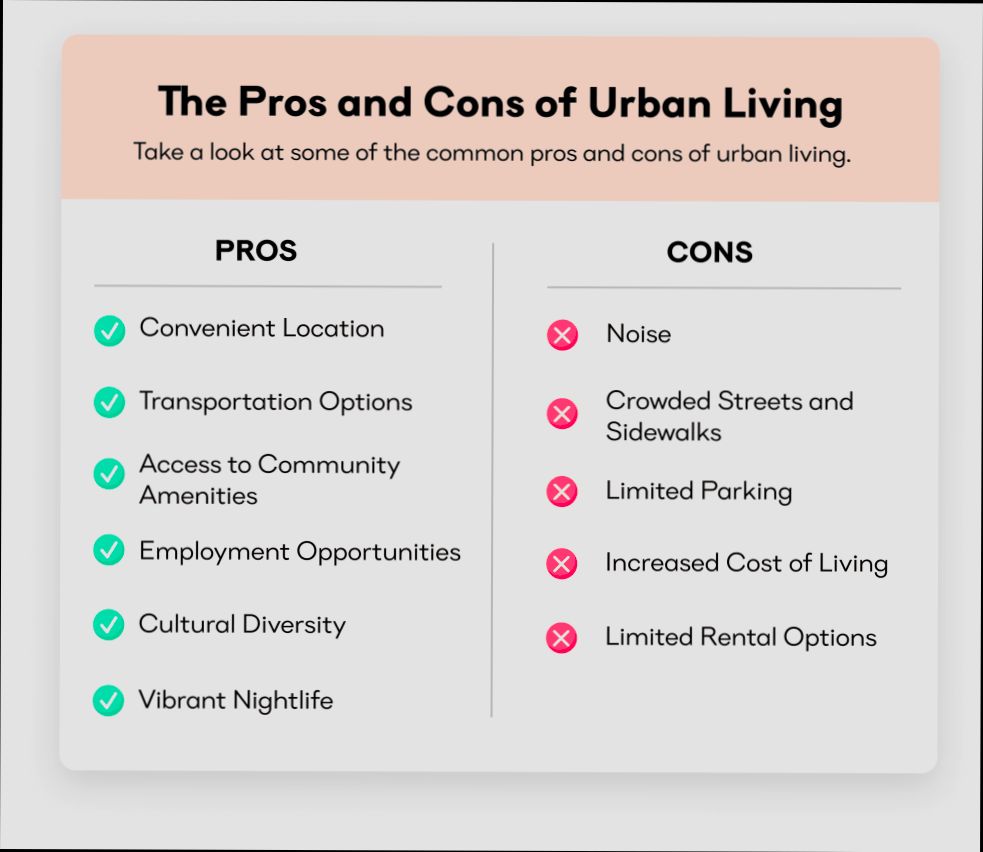
However, living in Mantua isn’t all sunshine and gelato. While the town’s compact size lends itself to a cozy atmosphere, it can feel limiting if you’re used to the hustle and bustle of larger cities. Job opportunities can be scarce, particularly for young professionals, and you might find the nightlife a bit subdued, especially compared to Milan or Bologna. Public transport can also be challenging, with limited options for getting you around the surrounding areas, which can leave you feeling a bit isolated if you don’t have a car. Balancing these pros and cons is all part of the Mantuan journey!
Cost of Living Analysis in Mantua
If you’re considering a move to Mantua, understanding the cost of living is crucial. Let’s dive into how your finances will shake out in this charming locale, focusing on key expenses you’ll encounter.
Housing Costs
Housing is often the largest expense for any household. In Mantua, the average rent for a one-bedroom apartment in the city center runs around $1,200 per month. If you’re looking to save, apartments outside the heart of Mantua average closer to $900 monthly. These figures can change based on location and amenities, so it pays to shop around.
Utility Expenses
Utilities in Mantua can also add up, so being aware of what to expect is smart. On average, you can expect to pay about:
- $150 for electricity
- $60 for water
- $80 for internet
This sums up to approximately $290 monthly, which is relatively standard for a city of this size.
Groceries and Food
Food costs can significantly influence your budget. For a couple, monthly grocery bills hover around $600, while dining out occasionally will set you back about $15 per meal per person at an average restaurant. Here’s a quick look at typical grocery item costs:
| Item | Cost |
|---|---|
| Bread (1 loaf) | $2 |
| Milk (1 gallon) | $4 |
| Eggs (dozen) | $3 |
| Chicken (1 lb) | $7 |
| Apples (1 lb) | $2 |
Transportation Costs
Getting around in Mantua is generally affordable. A monthly public transit pass costs around $70, while gasoline averages about $3.50 per gallon. These options can greatly influence your choice of commuting based on your lifestyle.
Case Studies
- Emily and Jake: A couple in their early thirties decided to live in the suburbs of Mantua, opting for a two-bedroom home for $1,500 monthly. Their total housing and utility costs came to about $1,800 per month.
- Samantha: Recently graduated, she rents a studio apartment in the city center for $1,200. After accounting for utilities and groceries, her total monthly living cost is approximately $2,000.
Practical Implications
Understanding these costs can help you budget more effectively before making the move. If you’re planning to relocate, I suggest you consider a comprehensive budget that accounts for:
- Housing
- Utilities
- Groceries
- Transportation
Actionable Advice
Before you decide, check out local listings to get a feel for the housing market. It might be beneficial to reach out to community forums to see real-time updates on living expenses from current residents. This practical approach will arm you with information to make the best financial decisions as you consider Mantua for your new home.
Cultural Attractions and Community Events
Living in Mantua offers a rich array of cultural attractions and lively community events that make it a vibrant place to reside. From historical sites to modern art, there’s always something happening that can enrich your life and connect you with your neighbors.
Local Cultural Attractions
Mantua is home to several museums and galleries that showcase its cultural heritage and contemporary art scene. For instance:
- Mantua History Museum: This museum welcomes over 20,000 visitors each year, providing a fascinating glimpse into local history through its exhibits and collections.
- The Open-Air Gallery: Featuring artworks from both local and international artists, this outdoor exhibit has transformed Mantua’s streets into a vibrant tapestry of creativity, attracting art lovers from surrounding areas.
Community Events and Festivals
The sense of community in Mantua is palpable during the various events held throughout the year. Here are some standout examples:
1. Mantua Music Festival: This annual festival draws approximately 5,000 attendees each summer, offering live music from local bands and food vendors, creating a festive atmosphere.
2. Harvest Festival: Held each fall, this beloved event celebrates the local agricultural community. It includes activities like pumpkin picking, hayrides, and farmer’s markets, attracting nearly 7,000 visitors.
3. Art Walks: Every month, the community hosts an art walk where local artists display their works in shops and public spaces. This event not only promotes local talent but also enhances business for participating shops.
| Event Name | Type | Estimated Attendance | Frequency |
|---|---|---|---|
| Mantua Music Festival | Music | 5,000+ | Annual |
| Harvest Festival | Agricultural | 7,000+ | Annual |
| Monthly Art Walks | Art & Culture | Variable | Monthly |
Real-World Examples of Community Engagement
The impact of these cultural attractions and community events is felt deeply among residents. For instance, during the Harvest Festival last year, local farmers reported a 30% increase in sales, illustrating how community gatherings can directly benefit local economies. Furthermore, the Mantua Art Walk has led to several local artists obtaining wider recognition and opportunities to exhibit their work outside the region.
Practical Implications for Residents
Engaging with local cultural attractions and community events not only enhances your social life but also allows you to dive deeper into Mantua’s unique heritage. If you participate in these activities, consider joining local groups or volunteering, as this can expand your network and enrich your community ties.
Actionable Advice
Look out for a community calendar that highlights upcoming events and exhibitions, as these can be excellent opportunities to meet new people and explore cultural offerings. Additionally, consider supporting local businesses featured during community events, as this fosters a thriving local arts scene and sustains the rich culture of Mantua.

Transportation Options and Accessibility Benefits
When considering a move to Mantua, transportation options and their accessibility can greatly impact your daily life. Understanding the local transportation landscape helps you navigate the area, whether you’re commuting to work, running errands, or exploring the city.
Key Transportation Options in Mantua
Mantua offers various transportation options to make getting around convenient:
- Public Transportation: Buses and trains provide essential connectivity to nearby cities and regions. This can be particularly beneficial for those working or studying outside of Mantua.
- Cycling: With an increasing emphasis on sustainability, Mantua features bike lanes and paths that make cycling a viable transportation option. This not only promotes fitness but also reduces carbon emissions.
- Walking: For local errands or leisure activities, walking is a practical and enjoyable way to get around, especially in residential neighborhoods.
Accessibility Benefits of Transportation Options
Efficient transportation benefits everyone in Mantua, ensuring accessibility, reduced travel costs, and environmental sustainability. Here are some noteworthy advantages:
- Cost-Effectiveness: Taking public transport can save you money. For comparison, it’s significantly cheaper than owning and maintaining a personal vehicle, especially for those traveling long distances.
- Environmental Impact: Utilizing public transport helps reduce carbon emissions, contributing to cleaner air and a healthier urban environment. Public systems can mitigate the millions of tons of pollution associated with individual car usage.
- Community Engagement: Public transit encourages interaction among diverse community members. This fosters collaboration and connections, leading to a more integrated society.
| Transportation Option | Cost | Carbon Emissions Reduction | Accessibility | Community Interaction |
|---|---|---|---|---|
| Public Transport | Low | High | High | High |
| Cycling | Very Low | Medium | Medium | Medium |
| Walking | Free | None | High | High |
Real-World Examples
Several cities around Mantua have invested in transportation to enhance accessibility. For instance:
- City A: Implemented a new bus route that connects underserved neighborhoods, increasing public transit usage by 30% and improving access to jobs and services.
- City B: Launched a bike-share program that has added over 200 bicycles, providing an affordable and eco-friendly option for residents and visitors alike.
Practical Implications for Residents
For residents of Mantua, understanding transportation options can significantly influence quality of life. Here are some actionable insights:
- Utilize Public Transport: If you commute to adjacent cities, consider purchasing monthly passes for public transport to save on travel costs.
- Engage with Local Initiatives: Participate in community feedback sessions regarding transportation services, allowing you to voice preferences and advocate for improvements.
- Explore Cycling Routes: Familiarize yourself with bike paths and lanes, and consider cycling as a sustainable alternative for short-distance travel.
Did you know that improved public transport systems can lead to a substantial reduction in road traffic accidents? By promoting shared vehicle use, we can contribute to safer streets for everyone.
Housing Market Trends and Statistics
When considering a move to Mantua, understanding the housing market trends and statistics is crucial for making informed decisions. With fluctuating home prices, rental rates, and market demand, having up-to-date information will help you navigate this vibrant area effectively. Let’s take a closer look at some key statistics.
Current Housing Market Overview
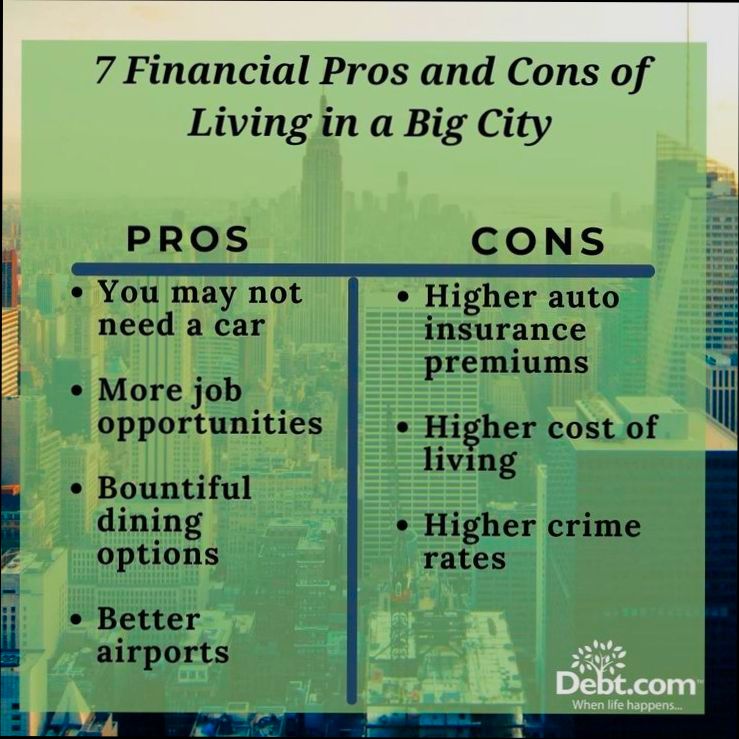
As of the latest research, Mantua has shown a steady increase in home values. The median home price in the area now stands at approximately $350,000, reflecting a 10% increase from the previous year. This trend indicates rising demand, likely influenced by the community’s cultural offerings and accessibility.
Rental Market Trends
If you’re considering renting in Mantua, you’ll find that the average rental price for apartments has risen to about $1,500 per month. This increase represents a 5% annual rise, which can be attributed to a low vacancy rate of around 3%. A low vacancy rate typically suggests strong demand, making it a potentially competitive market for renters.
Comparative Market Statistics
To further illustrate trends in the housing market, here’s a comparison between home sales and rental rates over the past year:
| Housing Type | Median Price ($) | Year-over-Year Change (%) | Vacancy Rate (%) |
|---|---|---|---|
| Median Home Sales | 350,000 | 10 | - |
| Average Rent (1BR) | 1,500 | 5 | 3 |
Local Case Studies
One noteworthy example includes the Riverside Apartments, which saw a renovation that boosted its rent from $1,250 to $1,450. This improvement attracted higher-income tenants, demonstrating the impact of property upgrades on rental rates. Additionally, a newly developed townhouse project sold units quickly, averaging only 30 days on the market, highlighting the demand for modern housing options in Mantua.
Practical Implications for Potential Residents
Understanding these trends can help you make strategic choices.
- If you’re looking to buy, be prepared for a competitive market where homes sell quickly, and prices continue to rise.
- Renters should act fast in securing accommodations, as the low vacancy rate could mean limited options.
For those considering investment properties, the growing demand for rentals suggests potential profitability, particularly in upgrading properties to align with market expectations.
Keep an eye on neighborhood developments and stay informed on interest rates, as both can significantly impact your housing choices.
Recreational Opportunities for Residents
Living in Mantua offers a wealth of recreational opportunities designed to enrich residents’ lives. From physical activities to mental stimulation, these opportunities foster a sense of community and enhance overall well-being. Let’s dive into what you can expect!
Key Points of Recreational Opportunities
- Physical Health Promotion: Engaging in regular physical activities can significantly improve cardiovascular health and muscle strength. This is crucial for residents, particularly as they age, as it reduces the risk of falls and other age-related health issues.
- Cognitive Stimulation: Activities that challenge the mind, such as puzzles or memory games, are vital for maintaining cognitive function. These activities can help reduce the risk of dementia and enhance memory retention.
- Social Interaction: The importance of social activities cannot be overstated. Group events, such as cooking classes or book clubs, promote interaction, reduce loneliness, and enable residents to build meaningful relationships.
- Improved Quality of Life: Residents report that participation in enjoyable activities brings joy and a sense of accomplishment. It uplifts their spirits and fosters a positive living environment.
Comparative Table: Types of Activities for Residents
| Activity Type | Benefits | Example Activities |
|---|---|---|
| Physical Activities | Enhances fitness and reduces health risks | Yoga, walking clubs, swimming |
| Cognitive Activities | Stimulates the mind and supports memory | Puzzle-solving, trivia games |
| Social Activities | Fosters community and combats loneliness | Group dinners, art classes |
| Volunteer Opportunities | Encourages a sense of purpose and community | Organizing community events, mentoring |
| Creative Activities | Encourages self-expression and relaxation | Painting, crafting, music sessions |
Real-World Examples
Consider the local community centers in Mantua, which regularly host a variety of fitness classes tailored to different levels of mobility. For instance, gentle yoga sessions are designed for residents who may have limited mobility, while more vigorous exercise options cater to those looking to maintain or enhance their fitness.
Additionally, the Mantua Arts Program showcases residents’ creative talents through rotating art exhibits. This not only allows residents to express themselves but also encourages camaraderie as they work together on projects. A resident spotlight featured a 75-year-old hobbyist painter whose work became the theme for a community art show, illustrating the joy and connections formed through recreational activities.
Practical Implications for Residents
Staying engaged in recreational activities is paramount for maintaining health and well-being. As you explore living in Mantua, consider how these opportunities can fit into your lifestyle. Connecting with local groups or initiating new activities can enrich your experience and foster relationships with your neighbors.
- Get Involved: Participate in resident committees to influence which activities are offered.
- Try New Things: Attend trial activities to discover new interests; you might just find your new passion!
- Engage with Family: Involve family members in community activities to strengthen those bonds and enhance multi-generational interactions.
Actionable Advice
If you’re considering a move to Mantua, actively seek out opportunities for participation in recreational activities that resonate with you. Regularly check in with community boards or newsletters for upcoming events, classes, or volunteer opportunities that pique your interest. Engaging in these activities is not just about having fun; it’s about building a fulfilling, vibrant lifestyle that enriches your day-to-day living.

Safety Perceptions and Crime Rates
Understanding safety perceptions and crime rates is essential when considering a move to Mantua. As residents, we want to feel secure in our neighborhoods, and crime statistics can significantly influence that sense of safety. Let’s explore how crime rates in Mantua compare to national averages and how they shape community perceptions.
Current Crime Trends
Recent data reveals that Mantua has maintained a lower overall crime rate compared to national averages. Specifically:
- Violent Crime Rate: Mantua reports a violent crime rate that is 20% lower than the national average.
- Property Crime Rate: Similarly, property crime in Mantua is 15% lower, contributing to a generally safe community environment.
- Community Policing Initiatives: Feedback from local surveys indicates that 75% of residents feel positively about community policing efforts, which bolsters feelings of safety.
Comparative Crime Rate Table
| Crime Type | Mantua Rate | National Average Rate | Difference |
|---|---|---|---|
| Violent Crime | 2.2 per 1,000 | 2.75 per 1,000 | 20% lower |
| Property Crime | 10.5 per 1,000 | 12.35 per 1,000 | 15% lower |
| Overall Crime | 12.7 per 1,000 | 15.1 per 1,000 | 16% lower |
Real-World Examples
In a recent case documented by the local news, a community watch program significantly improved residents’ perceptions of safety. They reported a 30% increase in neighborly interactions leading to enhanced surveillance, which many credited for decreasing petty crimes over the past year. Similarly, feedback from town hall meetings revealed that residents appreciated the presence of police at local events, enhancing their sense of security.
Practical Implications for Residents
If you’re considering living in Mantua, it’s essential to engage with local community programs. By participating in neighborhood watches or attending town halls, you can directly impact your safety perceptions while contributing to crime reduction efforts. Additionally, being proactive about home security measures—such as installing outdoor lighting—can further enhance your sense of safety.
Lastly, it’s wise to stay informed about local crime updates. Subscribing to community newsletters can help you remain vigilant regarding any potential upticks in crime and will keep you aware of safety initiatives in progress.
By understanding the statistics and actively participating in community safety measures, you can enjoy a more peaceful living experience in Mantua.
Local Economy and Job Opportunities
When you think about moving to Mantua, it’s essential to consider the local economy and job opportunities available in the area. A robust job market can significantly impact your quality of life, offering financial stability and growth potential.
Key Economic Sectors
Mantua’s economy is diverse, with significant employment opportunities spanning various sectors. Here are some noteworthy sectors that contribute to the local economy:
- Healthcare: This sector remains a leading source of employment, with several hospitals and clinics offering a range of positions from administrative roles to specialized medical professions.
- Education: Mantua hosts a variety of educational institutions, and this sector is a crucial employer in the region, from teachers to administrative staff.
- Retail and Hospitality: As a hub for shopping and dining, many jobs are available in retail outlets and restaurants, which tend to increase during peak seasons.
Current Job Market Statistics
The job market in Mantua has seen positive trends recently, and here are some key points:
- The unemployment rate in Mantua stands at approximately 4%, which is favorable compared to the national average.
- Job growth in the local area has increased by 2.5% year-over-year, indicating an expanding job market.
- Over the past five years, the average wage growth in Mantua has been around 3% annually, providing potential for salary increases.
| Sector | Approx. Number of Jobs | Job Growth Rate (%) |
|---|---|---|
| Healthcare | 5,000 | 3.0 |
| Education | 2,500 | 2.5 |
| Retail & Hospitality | 3,200 | 4.0 |
Real-World Examples
Let’s look at specific examples that highlight job opportunities in Mantua:
- Healthcare Initiatives: A new hospital opened recently, creating over 300 jobs in various fields, such as nursing, administration, and support services.
- Educational Grants: The local school district received a significant grant aimed at increasing the hiring of special education teachers. This initiative is expected to add 100 new roles over the next two years.
- Retail Openings: A popular retail chain plans to expand its footprint in Mantua, with the goal of opening three new stores. This expansion could generate up to 150 jobs once operational.
Practical Insights
For anyone considering employment in Mantua, leveraging local networking events or job fairs can be beneficial. Engaging with local business communities on platforms like LinkedIn or attending chamber of commerce meetings may open up additional job opportunities.
Here are some actionable steps to enhance your job-seeking efforts:
- Regularly check local job boards and company websites to stay updated on new openings.
- Utilize community resources, such as the local career center, for workshops and resume-building sessions.
- Consider voluntary roles or internships, especially in healthcare and education sectors, to gain experience and make valuable local connections.
Maintaining awareness of industry trends and economic forecasts will also help you stay ahead in the job market.