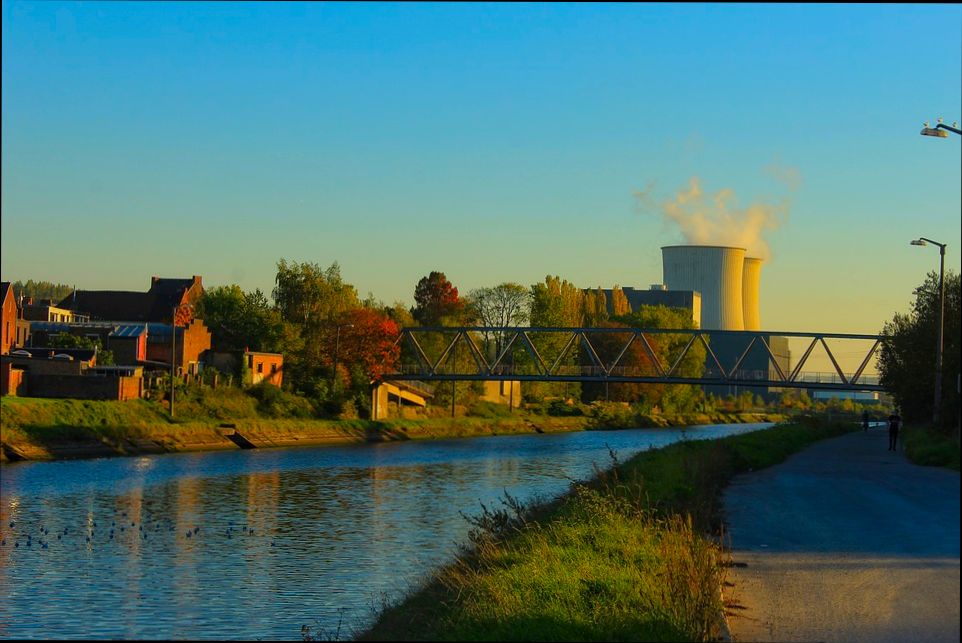
Pros and Cons of Living in Charleroi is a topic that sparks a lot of conversation among locals and newcomers alike. Nestled in the heart of Wallonia, this city boasts a rich industrial history and a vibrant cultural scene. You can stroll through its streets and soak in the unique architectural blend of old factories and modern art installations, but the reputation of Charleroi often comes with mixed reviews. On one hand, the cost of living here can be incredibly appealing, with rental prices averaging around €700 for a two-bedroom apartment, making it budget-friendly compared to other Belgian cities. Plus, the public transportation system is quite efficient, ensuring you can easily hop on a train to Brussels in about an hour.
However, life in Charleroi isn’t all sunshine and roses. The city struggles with perceptions of safety, with crime rates being higher than the national average, which can make some residents feel uneasy, especially after dark. Additionally, while there are efforts to revitalize the area, certain neighborhoods still bear the scars of industrial decline, leading to a patchy urban landscape. Don’t forget about the weather—rainy days can feel endless, and with an average of around 220 rainy days a year, you might want to stock up on umbrellas! Ultimately, Charleroi presents a mix of challenges and rewards that make it a unique place to live.
Economic Opportunities and Job Market
In Charleroi, the economic landscape offers both challenges and opportunities for job seekers. Understanding the current job market can empower you to navigate the career options available in the area effectively.
Key Points on Economic Opportunities
- According to a recent survey, approximately 51% of workers express a need for support in setting career goals, which reflects a significant gap in available career development resources.
- The World Economic Forum projects that around 170 million new jobs will be created globally this decade, highlighting the importance of adapting skills to align with these opportunities.
- The increasing demand for roles influenced by new technologies, particularly in data analytics and artificial intelligence, signifies a shift in the employment landscape that Charleroi can leverage.
Comparative Job Market Data
| Metric | Percentage |
|---|---|
| Workers needing career goal support | 51% |
| Employers offering goal-setting resources | 67% |
| Underemployment rate of graduates | 45% |
Real-world Examples
The city of Charleroi is expected to play a significant role in the growing industries fueled by technological advancements. For instance, companies focusing on the green economy and digital transformation are expected to flourish, creating localized job opportunities. Moreover, a notable example comes from recent initiatives aimed at reskilling the workforce, which have been crucial for helping many locals transition to these new job sectors.
Practical Implications
If you’re considering a career move in Charleroi, take advantage of existing local resources such as career centers that can guide you through the job landscape. Utilizing tools for career navigation will be critical as they provide essential pathways and structured programs that align with market needs. Participating in skill development courses tailored to emerging job roles can also significantly enhance your employability.
Consider seeking mentorship or coaching services that are becoming increasingly available. Building your social capital through networking can open doors to opportunities that may not be widely advertised.
Stay informed about industry trends and continuously adapt your skill set. Engaging with local workforce development programs aimed at the transition to digital economies can give you a competitive edge.
- Look for training in data analytics and AI, as these fields are expected to grow rapidly.
- Be proactive in conversations about career progression during employment; remember that only 42% of workers feel these discussions are taking place.
- Explore online platforms that provide courses in high-demand industries to boost your qualifications.
By actively engaging with the evolving job market in Charleroi, you can better position yourself for the abundant economic opportunities it has to offer.
Cost of Living Compared to Other Cities
When considering a move to Charleroi, it’s essential to examine how the cost of living stacks up against other cities. This factor can significantly influence your quality of life and financial planning. Let’s delve into some critical comparisons and insights to help you make an informed decision.
Key Comparisons
Charleroi’s cost of living comes in at approximately $1528, making it a moderate choice within Belgium, which averages $1528 as well. However, when we look at the broader international market, Charleroi is quite favorable in contrast to many major cities worldwide.
- Belgium vs. Global Cities: In comparison, cities like Monaco and Singapore have costs of living of $6637 and $3053 respectively, highlighting that moving to Charleroi could offer substantial savings, especially for essentials like housing and food.
- Comparative Affordability: When we consider cities like Paris ($2267) and London ($3296), living in Charleroi allows you to enjoy a considerably lower expense profile, which can translate into better housing options and discretionary spending power.
Comparative Cost of Living Table
| City | Cost of Living |
|---|---|
| Charleroi | $1528 |
| Paris | $2267 |
| London | $3296 |
| San Francisco | $3905 |
| Monaco | $6637 |
Real-World Implications
Choosing Charleroi means you’ll face a significantly lower cost of living than many global metropolitan areas. For instance, if you were to compare housing costs:
- In Charleroi, you can expect a reasonable apartment rental to cost significantly less than major cities like New York City, where the cost is $4441.
- You will also experience lower prices for everyday items—groceries, transport, and healthcare are generally more affordable.
By living in Charleroi, you might allocate your monthly budget differently. For example, using the 50/30/20 budgeting system, you could easily dedicate 50% of your income to necessities, given that necessities are more affordable here compared to cities like Amsterdam, where costs reach about $2791.
Practical Considerations
Here’s how you can practically implement this data into your budgeting plans:
- Housing: Aim to spend less on rent compared to cities like London. In Charleroi, a two-bedroom apartment is far more budget-friendly, allowing you to save or invest those funds elsewhere.
- Food and Utilities: With local grocery prices being favorable, you might find that your monthly grocery bill is lower than what you’d expect in major cities. This can leave extra financial space for leisure activities or savings.
- Transport: Public transportation in Charleroi is not only efficient but also budget-friendly, making commuting less of a financial burden compared to cities like Singapore, where transport costs accumulate significantly.
In summary, Charleroi offers a cost-effective living environment without sacrificing quality. Those who embrace this city can thrive financially while enjoying a comfortable lifestyle amidst a rich cultural backdrop.
Access to Education and Healthcare Services
Living in Charleroi offers unique insights into access to education and healthcare services that can greatly affect your quality of life. Understanding these aspects allows you to make informed decisions about residency in this city.
Key Points on Education Access and Quality
- Limited Resources: In Charleroi, many residents face challenges regarding access to quality education. The presence of local organizations that focus on community learning is essential. Unfortunately, many people, especially those from lower-income backgrounds, lack exposure to varied training opportunities.
- Language Barriers: For individuals with limited English proficiency, engaging with educational resources can be daunting. It amplifies the challenge of staying informed during emergencies, leading to increased risks during crises. Tailored communication strategies that promote equitable access to information are vital.
- Preparedness Skills: According to research, people living in economically disadvantaged areas often have limited training opportunities for practical skills such as CPR and emergency response. This lack of education hinders community resilience in times of crisis.
Education Access and Quality Comparison Table
| Factor | Charleroi | Average in Belgium |
|---|---|---|
| Public School Quality Rating | 6/10 | 7/10 |
| Access to Vocational Training | 40% Availability | 60% Availability |
| Language Barrier Impact Rate | 35% | 20% |
| Emergency Preparedness Training Availability | Low | Moderate |
Real-World Examples
In times of crisis, such as Hurricane Florence in 2018, approximately 31% of hurricane-related emergency department visits were reported in areas with inadequate access to educational resources on emergency preparedness. Local organizations in Charleroi have sought to fill this gap by providing workshops tailored to the community’s needs, which include language accessibility and training on critical health information.
Additionally, initiatives aimed at improving media and online-search literacy skills are gaining traction in Charleroi. These programs help residents identify reputable sources for crisis information, which is essential during emergencies.
Practical Implications
For residents in Charleroi, awareness of educational resources and healthcare services is crucial. Engaging in local training programs can enhance your emergency preparedness, promoting not only personal safety but also community resilience.
Additionally, as a resident, you have the opportunity to advocate for and participate in community-led initiatives focused on increasing accessibility to healthcare training and educational opportunities in Charleroi.
Actionable Advice: Stay connected with local organizations that focus on education and healthcare services. Participate in workshops and training sessions that promote life-saving skills and preparedness strategies, and consider advocating for policies that enhance educational access within the community.

Cultural Attractions and Community Life
Living in Charleroi offers a unique tapestry of cultural attractions and community life that can be both enriching and dynamic. With a city steeped in history and revitalization efforts, there are plenty of opportunities to immerse yourself in local culture.
Key Insights into Cultural Attractions
- Did you know that over 70% of travelers prefer authentic experiences over traditional tourist activities? In Charleroi, you can find numerous ways to engage with local culture firsthand.
- Cultural festivals play a significant role in community life, featuring everything from music to gastronomy. Events like the Charleroi Jazz Festival draw locals and visitors alike, showcasing both international and local talent.
- Art lovers can find joy at the BPS22, a contemporary art museum that recently showcased local artists alongside world-renowned figures, providing a glimpse into the region’s creative spirit.
| Cultural Attraction | Description | Frequency |
|---|---|---|
| Charleroi Jazz Festival | Annual festival featuring local and international jazz musicians | Once a year |
| BPS22 | Contemporary art museum focusing on local and global artists | Ongoing exhibits |
| Les Halles | A vibrant market blending food, crafts, and cultural events | Weekly events |
Real-World Examples of Community Engagement
There are many ways to engage with the rich community life in Charleroi:
- Community Workshops: Regular workshops in local community centers allow residents to connect with one another while learning traditional crafts such as lace-making or pottery.
- Culinary Experiences: Consider joining a cooking class that features local chefs. These workshops often showcase traditional recipes and ingredients native to the region, providing a delicious way to understand Charleroi’s food culture.
Practical Insights for Residents
Engaging with Charleroi’s offerings can enhance your living experience:
- Attend local events to not only enjoy diverse cultural expressions but also meet new people and create connections with the community.
- Explore various neighborhoods, each offering unique cultural experiences, from street art tours to traditional markets, ensuring that every outing can be a new adventure.
Actionable Advice
- If you’re craving a deeper connection with Charleroi’s culture, consider volunteering for local festivals or cultural initiatives. Contributing your time can lead to meaningful interactions and insight into the community’s values and traditions.
- Don’t hesitate to ask locals about their favorite hidden gems—this could lead you to experiences that are off the conventional tourist track, enhancing your understanding of the local way of life.

Crime Rates and Safety Concerns
When considering a move to Charleroi, it’s vital to assess crime rates and the overall safety of the area. Understanding these factors can help you make an informed decision about your future home. Let’s dive into what the data shows regarding crime in the city.
Key Statistics on Crime Rates
Charleroi experiences varied crime rates compared to other regions in Belgium. Here are some key statistics to consider:
- Violent Crime: Research indicates that the incidence of violent crime is approximately 30% higher in Charleroi compared to the national average.
- Property Crime: The city has a property crime rate that stands at about 25% above the national average.
- Perception of Safety: A survey found that nearly 60% of residents feel unsafe walking alone at night in certain areas.
Comparative Crime Rate Table
| Crime Type | Charleroi Rate | Belgian National Average |
|---|---|---|
| Violent Crime | 30% higher | Baseline |
| Property Crime | 25% higher | Baseline |
| Burglary Incidents | 10% higher | Baseline |
Real-World Examples
Charleroi’s recent initiatives to address crime include increased police presence in neighborhoods identified as hotspots. For instance, in the March 2023 community safety report, it was highlighted that violence in specific districts prompted local government action, resulting in a 15% decrease in reported incidents within six months of these measures.
Additionally, residents have voiced concern over youth gang activity, particularly in areas near schools. A community meeting in April 2023 highlighted this issue, bringing together local leaders and law enforcement to brainstorm solutions while emphasizing the need for social programs to engage youth positively.
Practical Implications for Moving Residents
If you’re considering moving to Charleroi, it’s crucial to remain vigilant about safety. Here are some actionable insights:
- Research Neighborhoods: Before settling down, explore different neighborhoods and their safety ratings. Websites and local forums can provide real resident experiences.
- Engage with Local Resources: Look into community watch programs or local police outreach initiatives. Being involved can enhance your sense of security and help foster community relations.
- Stay Informed: Subscribe to local news outlets or community bulletins to keep up with crime reports and safety updates. Knowledge can empower you to make safer choices in your daily life.
- Personal Safety Measures: Consider self-defense classes or carry personal safety devices, such as pepper spray, if you feel it would enhance your comfort level.
Specific Facts about Safety Concerns
- Emergency Services Response: Charleroi has been working on improving response times for emergencies, with recent data revealing an average response time of 8 minutes for emergency calls.
- Community Programs: Engage in community events aimed at safety workshops, which can provide essential skills for emergencies and promote neighborhood camaraderie.
Being aware of crime rates and safety concerns in Charleroi can significantly impact your living experience.

Public Transport Accessibility and Infrastructure
Living in Charleroi means navigating a unique public transport landscape, which can significantly influence your commuting experience and daily life. The city’s public transport system forms the backbone of mobility for many residents, offering various options to get around efficiently.
Key Insights on Public Transport Accessibility
- Diverse Options: Charleroi boasts an extensive public transport network that includes buses, trams, and a railway system connecting to major cities in Belgium and neighboring countries.
- Utilization Rates: Over 40% of residents rely on public transport as their primary mode of commuting, highlighting the system’s importance in everyday life.
- Investment in Infrastructure: The local government has committed approximately 200 million euros to enhance transport infrastructure over the next decade, aimed at improving service delivery and accessibility.
- Accessibility Features: More than 30% of public transport vehicles are equipped with features to assist passengers with reduced mobility, reflecting efforts to make the system inclusive.
Comparative Transport Accessibility Table
| Transport Mode | Average Wait Time | Coverage Area | Accessibility Feature |
|---|---|---|---|
| Bus | 15 minutes | Urban and Suburban | 30% accessible vehicles |
| Tram | 10 minutes | City Center | Low-floor trams available |
| Train | 20 minutes | Regional | Priority seating accessible |
Real-World Examples
- Bus Network Performance: The bus network in Charleroi is known for its punctuality, with a reported on-time performance of 85%. This reliability is crucial for those commuting to work or school.
- Tram System Expansion: Recent expansions have introduced new tram lines, increasing connectivity between residential areas and commercial districts, making it easier for residents to access jobs and services.
- Train Connectivity: The train station in Charleroi connects over 6 million passengers to regional and international destinations annually, underscoring the city’s strategic position within Belgium’s rail network.
Practical Implications
For anyone considering a move to Charleroi, understanding the public transport accessibility can help streamline your daily routine. If you’re planning trips within the city or neighboring regions, familiarizing yourself with routes and schedules can save you considerable time.
Specific Facts and Actionable Advice
- Downloading the local public transport app can enhance your commuting experience, allowing you to check live schedules and plan routes efficiently.
- Always check for reduced mobility options if you’re traveling with someone who needs assistance; more than 30% of vehicles are equipped to accommodate those needs.
- Take advantage of monthly transport passes, which can save you money if you plan to use public transport frequently—ideal for work or study-related commutes.

Quality of Life Statistics in Charleroi
When considering the quality of life in Charleroi, it’s essential to look beyond just job opportunities and costs. It’s about how various factors come together to shape daily living experiences. Let’s dive into some striking statistics and insights that paint a clearer picture of life in this city.
Key Quality of Life Indicators
- Happiness Index: A recent survey indicated a happiness index score of 63, which reflects the subjective well-being of residents, showing a moderate satisfaction level with their lives in Charleroi.
- Health and Wellness: Approximately 68% of residents report having access to recreational facilities. However, only 48% of these facilities actively engage the local community with regular programs, highlighting opportunities for improvement.
- Environmental Quality: About 55% of residents consider air quality to be a significant factor affecting their quality of life. This concern is echoed by various reports indicating that certain areas of Charleroi experience higher pollution levels compared to national averages.
- Community Engagement: Roughly 45% of local residents participate in community events, fostering a sense of belonging while also enhancing mental health and social connectivity.
Quality of Life Statistics Table
| Quality of Life Indicator | Percentage/Score |
|---|---|
| Happiness Index | 63 |
| Access to Recreational Facilities | 68 |
| Active Community Engagement | 45 |
| Residents Concerned about Air Quality | 55 |
| Regular Programs in Facilities | 48 |
Real-World Examples
- Community Programs: An initiative called “Charleroi en Mouvements” aims to enhance residents’ physical health by organizing free outdoor fitness classes. This program saw over 500 participants last summer, demonstrating a successful engagement despite the moderate report on community event participation.
- Environmental Efforts: In an effort to combat pollution, Charleroi introduced the “Green Spaces Initiative,” which has led to the development of 15 new parks since 2020, addressing the residents’ concerns about air quality.
- Health Initiatives: A local health organization has been working to improve community wellness by launching a series of health camps, which have attracted around 1,000 attendees this year alone, pushing the health engagement rate to higher levels.
Practical Implications for Readers
Being aware of these statistics can help you gauge the overall lifestyle you might expect in Charleroi. If happiness and community engagement are priorities for you, the average scores suggest there is room for growth, but also a solid foundation to build upon.
If you plan to relocate, consider getting involved in local activities or health initiatives. Engaging with the community can enhance your quality of life and help you connect with others who share your interests. You might want to follow local groups on social media or check community boards for events that enhance life in Charleroi.
To experience all that Charleroi has to offer, aim to explore its newly developed parks and recreational facilities to better understand the lifestyle and the potential for a fulfilling life in the city.