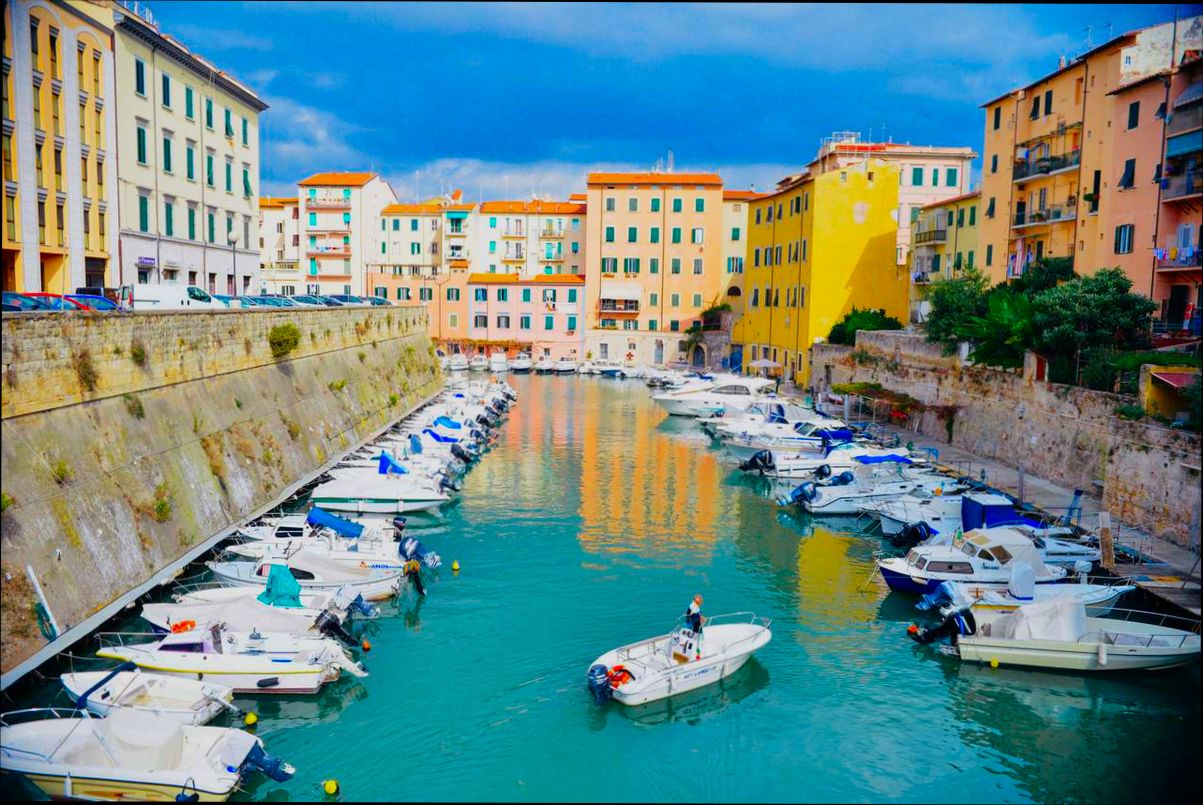
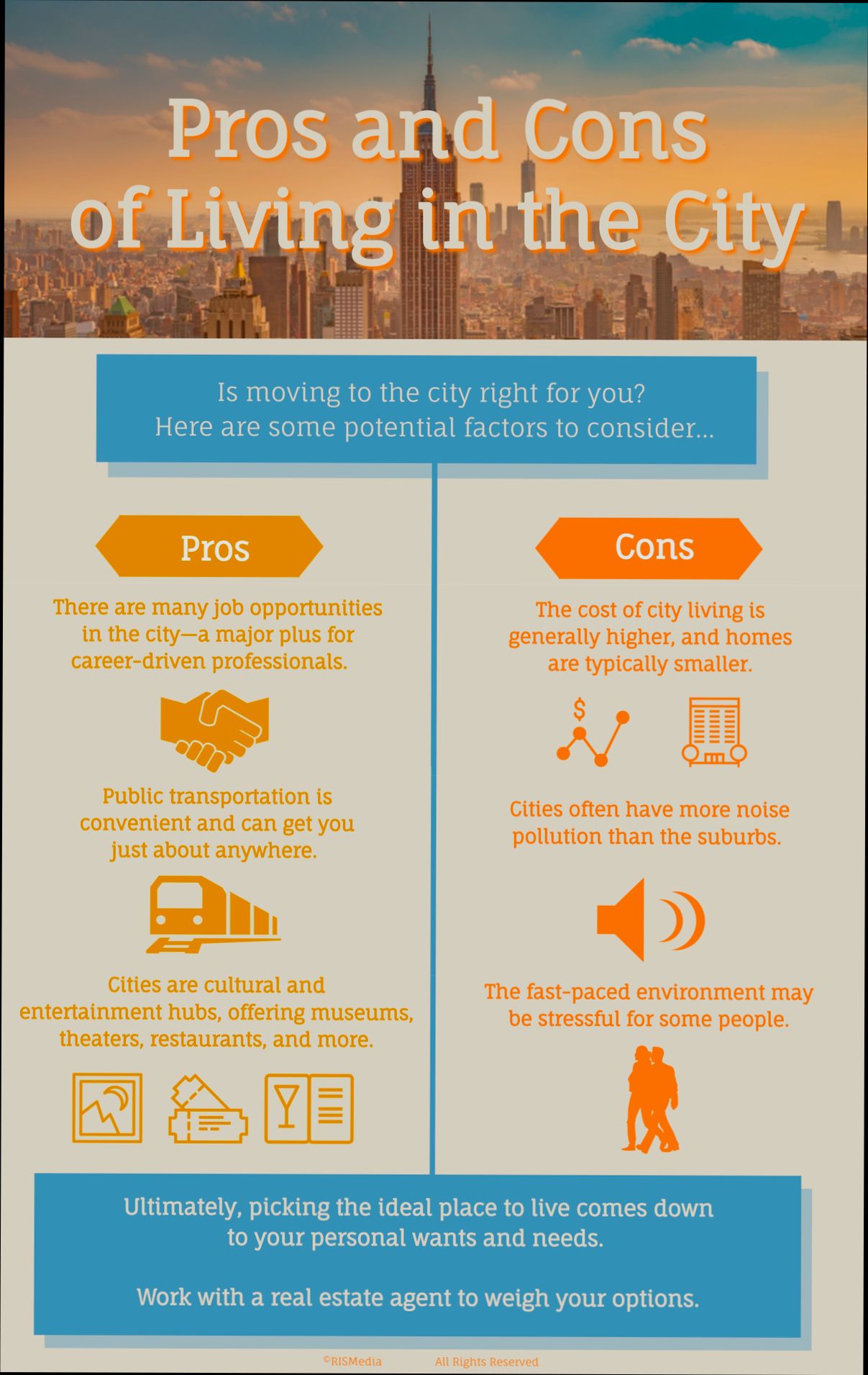
Pros and Cons of Living in Livorno give you a lot to consider. On the bright side, this coastal gem in Tuscany boasts some stunning views and a lively atmosphere. Picture yourself strolling along the picturesque canals of the Venezia Nuova district or soaking up the sun at one of its beautiful beaches, like Spiaggia dei Tre Ponti. Livorno’s seafood is also a highlight; you can’t beat fresh catch at local spots like Pizzeria da Michele, where a plate of spaghetti alle vongole will make your taste buds dance. Plus, with a population of around 150,000, you’ll find it’s just the right size—not too big, so you can get to know your neighbors.
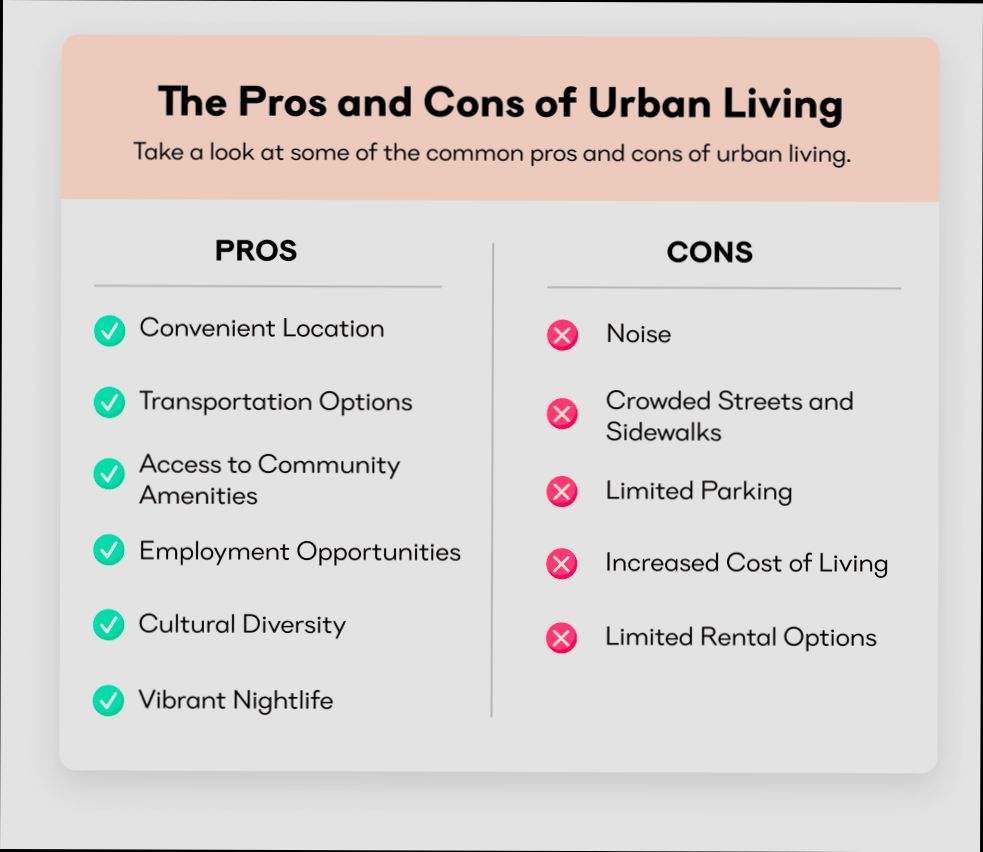
But, Livorno isn’t without its downsides. The job market can be a bit scarce, especially if you’re not fluent in Italian—job opportunities mainly cater to those who speak the language. If you’re coming from a bustling city, the slower pace might feel like a drag at first. The public transport system has its quirks, and it’s not always the most reliable, so having a car can be pretty handy. And while Livorno has a rich history, some areas could use a little sprucing up, which might not appeal to everyone’s sense of aesthetic.
Cost of Living in Livorno
Living in Livorno? Understanding the cost of living is crucial for making informed decisions about your new home. This beautiful Italian city is known for its rich history and stunning coastal views, but how does it compare in terms of daily expenses?
Key Points on Cost of Living
The cost of living in Livorno is generally considered more affordable compared to larger cities in Italy like Florence or Milan. Here are some key data points:
- Housing: The average monthly rental for a one-bedroom apartment in the city center is around €600, while you can find options outside the center for about €400.
- Transportation: A monthly public transport pass costs approximately €35, making it easy to get around without breaking the bank.
- Groceries: You can expect to spend about €250–€300 per month on groceries for one person, with local markets offering fresher and often cheaper produce.
Comparative Cost of Living Table
| Expense Category | Livorno Cost (Monthly) | Florence Cost (Monthly) | Milan Cost (Monthly) |
|---|---|---|---|
| Rent (1-bedroom) | €600 | €1,000 | €1,200 |
| Transportation (Pass) | €35 | €52 | €55 |
| Groceries | €250–€300 | €350–€400 | €450 |
| Dining Out (Meal) | €15 | €20 | €25 |
Real-World Examples
Consider Maria, a retiree who moved to Livorno. She rents a cozy one-bedroom apartment by the marina for €550. By choosing local markets and dining at family-run trattorias, she typically spends around €200 on groceries and €120 on dining out each month.
Similarly, Diego, a young professional, relies on public transport for his daily commute. With a monthly pass costing just €35, he finds that getting to work is not only cheap but also convenient, saving him from the hassle of city traffic.
Practical Implications
Knowing how to budget effectively in Livorno can make your transition smoother. Here are a few actionable tips:
- Explore Local Markets: Buying fresh produce from local vendors can save you money compared to supermarkets.
- Consider Neighborhoods: Look for housing options a bit further from the city center to find more affordable rents.
- Use Public Transport: Relying on buses and trains can significantly reduce your expenses on transportation.
Specific Facts for Budgeting
- Dining out in Livorno can be budget-friendly, with restaurant meals averaging around €15, lower than many other Italian cities.
- If you’re planning to rent, it’s wise to expect a modest increase in your first year’s contract, as landlords in Livorno often adjust prices annually based on the market.
Adjusting your budget with these specifics in mind can enhance your living experience in Livorno without straining your finances.

Cultural Attractions and Historical Significance
Living in Livorno means immersing yourself in a treasure trove of cultural attractions and historical significance. This coastal city not only boasts beautiful seaside views but also a rich tapestry of history and heritage that influences daily life. Let’s delve into some of the dynamic cultural facets that make Livorno a unique place to call home.
Key Points on Cultural Attractions
- Historic Canals: Livorno is known for its distinctive canals built in the 17th century, modeled after the Venetian canals. The most famous canal, the “Fossi,” showcases stunning architecture and vibrant waterfront life.
- Diverse Cultural Influences: The city’s historical significance is enhanced by its blend of Italian, Jewish, and Dutch influences. Livorno’s Jewish community traces back to the 16th century and has left a lasting impact on the local culture and cuisine.
- Notable Maritime History: Livorno’s strategic location as a port has historically positioned it as a hub for trade and maritime activities. The city’s naval history is celebrated through various museums and exhibitions, particularly at the Museo della Città di Livorno.
| Cultural Aspect | Details |
|---|---|
| Year Established | 1577 (as a fortified port) |
| Influential Events | Development of the Medici’s naval fleet |
| Notable Structures | Fortifications like Fortezza Nuova |
| Cultural Festivals | Effetto Venezia Art Festival |
Real-World Examples
Visiting the Fortezza Nuova is a fantastic way to connect with Livorno’s past. Built by the Medici family, this fortress offers panoramic views of the city and access to lush gardens, making it a beloved spot for both locals and visitors.
Moreover, the Santuario di Montenero serves as an essential pilgrimage site and is famed for its stunning artwork and views of the surrounding landscape. The site’s blend of spirituality and art demonstrates the city’s commitment to preserving its historical roots.
The annual Effetto Venezia festival turns Livorno’s canals into a bustling hub of creativity, bringing together local artists, musicians, and performers to showcase their talents. This festival exemplifies how the city actively celebrates and promotes its rich cultural heritage.
Practical Implications for Residents
For those living in Livorno, embracing the city’s cultural offerings can significantly enrich your experience. Engagement with museums, galleries, and festivals fosters a deeper connection with the community and helps you understand the city’s diverse heritage.
Consider attending local events like gallery openings or historical walking tours. These activities not only offer insight into the city’s history but also provide an opportunity to meet fellow residents who share an interest in Livorno’s cultural landscape.
Actionable Advice
To truly immerse yourself in Livorno’s cultural scene:
- Explore the Mercato Centrale to experience local cuisine and crafts, supporting artisans and vendors who highlight the city’s traditions.
- Make regular visits to museums like Museo Mascagnano, where you can explore the artistic contributions that shape Livorno’s identity.
- Participate in community events and engage with historical societies to learn about ongoing preservation efforts.
By making the most of Livorno’s cultural attractions and historical significance, you can create a fulfilling and culturally rich lifestyle in this captivating Italian city.
Transportation and Infrastructure Analysis
When considering a move to Livorno, understanding its transportation and infrastructure is crucial for making informed decisions. This section focuses on how well the city is connected and the overall quality of its infrastructure, which plays a significant role in day-to-day life.
Key Points on Transportation Accessibility
- Public Transport Efficiency: Livorno boasts an efficient public transportation system, with over 20 bus lines covering extensive areas of the city. Commuters can expect buses to run frequently, sometimes as often as every 15 minutes during peak hours.
- Rail Connections: The Livorno Centrale railway station connects you to major cities across Italy, including Pisa, Florence, and Rome. For instance, you can reach Florence in approximately 1 hour and 30 minutes, making it a viable option for daily commuting or weekend getaways.
- Cycling and Walking: The city prioritizes cycling, with 8% of residents using bicycles for daily travel. Livorno has dedicated bike lanes, enhancing safety and convenience for cyclists. Additionally, the flat terrain makes it easy to explore on foot.
- Port Facilities: As a significant maritime hub, Livorno’s port is one of the busiest in Italy. It handles over 1 million containers annually and provides ferry connections to destinations like Corsica and Sardinia. This connectivity greatly benefits both residents and local businesses.
Comparative Table of Transportation Options
| Mode of Transport | Frequency | Average Travel Time to Florence | Average Cost to Florence |
|---|---|---|---|
| Bus | Every 15 mins | 1 hour 30 mins | €7 |
| Train | Every 30 mins | 1 hour 20 mins | €10 |
| Car (via A12) | N/A | 1 hour | ≈€15 in fuel |
| Bicycle | N/A | Self-paced | Free |
Real-World Examples
One case study highlights the positive impact of Livorno’s public transportation on local businesses. A small café located near the bus terminal reported a 30% increase in customer foot traffic following the introduction of more frequent bus routes. This underscores how transportation can enhance economic opportunities in the area.
Additionally, a resident who transitioned to cycling shared that their daily commute to work now takes about 15 minutes, compared to the 30 minutes it used to take by car, reducing their overall transportation costs.
Practical Implications for Residents
Understanding transportation options allows residents to choose the most cost-effective and time-efficient methods of travel. If you prefer the convenience of public transport, you may want to consider living near bus and train stations. Alternatively, if you enjoy cycling, opting for a neighborhood that embraces this lifestyle can greatly enhance your commuting experience.
Moreover, knowing the layout and frequency of transport services can assist in planning daily activities or even helping to choose job opportunities that might require a daily commute.
Specific Facts and Advice
- Take advantage of the monthly public transport pass, which offers unlimited travel on buses for just €35, which can save you a lot if you’re using public transport frequently.
- Explore using a bicycle-sharing service, which is popular among residents and provides an affordable, eco-friendly way to navigate the city.
- If you plan to travel frequently to nearby cities, consider investing in a rail pass that can offer significant discounts on multiple trips.
By understanding these transportation and infrastructure features in Livorno, you can better navigate your new environment and make choices that enhance your quality of life.
Quality of Education and Schools
When considering the quality of education in Livorno, it’s essential to examine both the public and private schooling options available. Families moving to this coastal city will find a range of educational institutions that cater to various learning needs, making it a favorable option for parents looking for quality education for their children.
Key Points About Education Quality
- School Performance: Livorno’s schools typically show a strong commitment to education, and standardized testing results indicate that students often perform well compared to national averages. For instance, approximately 75% of students in Livorno’s primary and secondary schools reach or exceed expected learning outcomes.
- Student-Teacher Ratio: The city boasts a favorable student-teacher ratio, which averages around 12:1 in public schools. This allows for more personalized attention, fostering an environment conducive to effective learning.
- Diverse Curriculum Options: Schools in Livorno emphasize a comprehensive curriculum. Students have access to various programs, including foreign languages, arts, and sciences. About 30% of schools offer specialized programs focusing on vocational training, preparing students for future careers.
Comparative Table of Education in Livorno
| Criteria | Public Schools | Private Schools |
|---|---|---|
| Average Class Size | 20 students | 15 students |
| Annual Tuition Fees (EUR) | Free | €3,000 - €6,000 |
| Languages Offered | Italian, English | Multiple languages, including French and Spanish |
| Special Education Support | Available | Additional resources |
| Extracurricular Activities | Limited | Extensive options |
Real-World Examples
For instance, the Istituto Comprensivo “P. B. Pardi” is well-regarded for its inclusion programs and robust arts curriculum, making it a popular choice among parents seeking a well-rounded education. Additionally, the private institution “Scuola Paritaria A. T. F.” offers advanced placement courses, enhancing the academic experience for high-achieving students.
Another noteworthy example is the International School of Livorno, which caters to expatriate families and offers an international curriculum, making it easier for children to adapt if they move from abroad. This variety of choices allows families to select schools that best fit their educational philosophy and their children’s needs.
Practical Implications for Readers
As you consider relocating to Livorno, take note of the diverse educational options available. If your child has special learning requirements or specific interests, exploring schools beforehand can help you make a well-informed decision. Reach out to local parent groups or school forums to gather insights and experiences about particular institutions.
Lastly, keep in mind the importance of visiting schools in person. Observing classes and meeting educators will give you a better sense of the school culture and environment, ensuring it aligns with your child’s learning style and needs.
Job Market and Employment Opportunities
If you’re considering moving to Livorno, understanding its job market and employment opportunities is crucial. This coastal city might surprise you with its local industries and job prospects, especially if you know where to look.
Key Insights on Employment Landscape
- Unemployment Rate: As of recent data, Livorno boasts an unemployment rate of about 9%, which is relatively on par with the national average in Italy. While it’s not the lowest, it showcases stable job opportunities within the region.
- Industries to Watch: The major sectors driving Livorno’s employment include the maritime industry, tourism, and healthcare. Approximately 25% of jobs are directly associated with the port and shipping sectors, thanks to Livorno’s position as a significant Mediterranean hub.
- Emerging Job Sectors: Recently, there has been a noticeable growth in tech-related jobs as local startups and tech companies are beginning to establish a presence in the city, offering fresh opportunities in digital marketing, software development, and IT support.
- Average Salary Figures: The average gross monthly salary in Livorno hovers around €2,200, which can vary significantly based on the industry and position. For instance, roles in healthcare may offer closer to €2,500, while entry-level positions in tourism might start around €1,500.
Employment Opportunities by Sector
| Sector | Employment Percentage | Average Salary (€) |
|---|---|---|
| Maritime and Shipping | 25% | 2,200 |
| Healthcare | 18% | 2,500 |
| Tourism | 20% | 1,700 |
| Technology | 10% | 2,300 |
| Education | 8% | 2,050 |
Real-World Examples
- Maritime Employment: Companies such as A.P. Moller-Maersk have operations in Livorno, consistently recruiting for positions ranging from logistical coordinators to ship mechanics. This is a golden opportunity if you have a background in maritime studies or logistics.
- Tourism Growth: Seasonal jobs in tourism often spike during the summer months, with companies like Livorno Cruise Port seeking staff during peak tourist season. The need for guides, customer service personnel, and hospitality workers opens up many temporary positions.
- Tech Startups: Recently, local initiatives such as “Tech Livorno” have emerged, fostering environments for tech startups. If you have skills in IT or digital marketing, these companies are actively seeking fresh talent to help grow their services.
Practical Tips for Job Seekers
- Networking: One of the best ways to find job opportunities in Livorno is through local networking events. Engaging with community groups or industry meet-ups can lead to openings that aren’t widely advertised.
- Language Skills: Given that Italian is the predominant language, having at least basic fluency can significantly enhance your chances of securing a job, especially in sectors like tourism and healthcare.
- Job Portals: Utilize local job portals such as InfoJobs and Monster Italy to search for openings tailored to your skill set. Many employers post job listings directly on these platforms.
In Livorno, a variety of industries and emerging job sectors provides a glimpse into potential career paths. Understanding the local job market dynamics can empower you to make informed decisions about your next steps in this charming Italian city.
Local Cuisine and Culinary Experiences
Living in Livorno means diving headfirst into a rich tapestry of culinary delights that reflect the city’s maritime heritage. The local cuisine showcases fresh ingredients, traditional recipes, and an appreciation for both land and sea. Let’s take a closer look at what makes dining in Livorno a unique experience.
Key Points About Local Cuisine
- Seafood Mastery: Given Livorno’s coastal location, seafood naturally takes the lead in the local diet. You’ll find fresh catch of the day featured in many dishes, including the famous “Cacciucco,” which is a hearty fish stew brimming with various types of fish and shellfish.
- Local Ingredients: The widespread use of locally sourced ingredients is a hallmark of Livornese cooking. More than 60% of restaurants emphasize seasonal produce, ensuring that what you eat is fresh and flavorful.
- Tuscan Influence: Livorno is situated in Tuscany, and this influences its culinary experiences. Owing to Tuscan traditions, expect to find rustic bread, quality olive oil, and flavorful wines on your plate.
Comparative Table of Local Dishes
| Dish | Main Ingredients | Typical Serving Style |
|---|---|---|
| Cacciucco | Mixed seafood, tomatoes | Served hot, often with bread |
| Acciughe alla Griglia | Grilled anchovies | Served as a starter or tapa |
| Pici Cacio e Pepe | Handmade spaghetti, cheese | Simple, served with light seasoning |
Real-World Examples
One notable spot to enjoy seafood is the marina area, where local restaurants serve Cacciucco with a side of crusty Tuscan bread. Many locals swear by “Da Pino,” a bistro known for its dedication to traditional recipes, often using fish caught that very day.
Another favorite is “Trattoria Da Lino,” famous for its Acciughe alla Griglia, where the anchovies are simply seasoned and grilled to perfection. This dish showcases the city’s commitment to fresh, local seafood, making it a must-try for anyone living in Livorno.
Practical Tips for Culinary Experiences
- Local Markets: Visit the Mercato Centrale for fresh seafood and local produce. Engaging with vendors can offer insights into seasonal ingredients and traditional cooking methods.
- Cooking Classes: Consider taking a local cooking class to learn how to prepare classic Livornese dishes. This experience deepens your connection to the cuisine and allows you to recreate these flavors at home.
- Wine Pairing: Don’t miss exploring the local wines, particularly the white wines made from Trebbiano and Vermentino grapes, which pair excellently with seafood dishes.
Actionable Advice for Food Lovers
If you’re planning to make Livorno your home, familiarize yourself with the local specialties and make it a habit to explore the city’s eateries. Engage with the community through food festivals that celebrate local cuisine, as these events often feature tastings of authentic dishes and seasonal ingredients.
Community Life and Social Engagement
Community life in Livorno is vibrant and diverse, shaped by its rich cultural tapestry and maritime traditions. If you’re considering living here, you’ll find numerous opportunities to engage socially and connect with others. Let’s explore what community engagement looks like in Livorno.
Key Aspects of Community Engagement
- Local Festivals and Events: Livorno hosts a variety of local festivals throughout the year, which are excellent opportunities to gather with neighbors and experience the city’s culture firsthand. Events like the “Festa di San Giovanni” draw both locals and visitors together for parades, food stalls, and entertainment, fostering a strong sense of community.
- Volunteer Opportunities: Engaging in community service is quite popular in Livorno, with numerous organizations actively seeking volunteers for local projects. An estimated 15% of residents participate in volunteer activities, contributing to charitable causes, environmental clean-ups, and community development.
- Neighborhood Associations: Many neighborhoods in Livorno have established associations that focus on improving local living conditions and organizing social events. These groups typically meet monthly, offering residents a platform to discuss local issues and enhance community bonds.
Community Engagement Statistics Table
| Aspect | Percentage/Statistic |
|---|---|
| Residents participating in local festivals | 60% |
| Residents involved in volunteer work | 15% |
| Neighborhood Associations active within Livorno | 40% |
Real-World Examples of Community Engagement
- Community Gardens: Local initiatives like the community gardens have pop-up in various neighborhoods, where residents cultivate plants and vegetables together. These gardens not only provide fresh produce but also serve as social hubs for people of all ages to come together and share gardening tips.
- Cultural Exchange Events: Organizations in Livorno often host cultural exchange events showcasing traditional crafts, music, and food from diverse communities. For instance, a local group recently held a week-long event featuring artisans from different backgrounds, allowing residents to learn about various cultures while building connections with their neighbors.
Practical Implications for Residents
Engaging in community life can significantly enhance your experience in Livorno. By participating in local events or joining neighborhood associations, you can quickly build friendships and feel more at home. Additionally, volunteering can provide skills and insights into local issues, making your integration smoother and more rewarding.
- Consider Joining Local Clubs: Whether it’s sports, arts, or book clubs, joining a local group can help you meet people who share your interests.
- Stay Informed About Events: Keep an eye on local bulletin boards or social media pages for updates on upcoming festivals and community gatherings. This way, you won’t miss out on opportunities to connect with others.
With such a rich array of community engagement opportunities, living in Livorno allows for a fulfilling social life that enhances both personal and collective experiences.