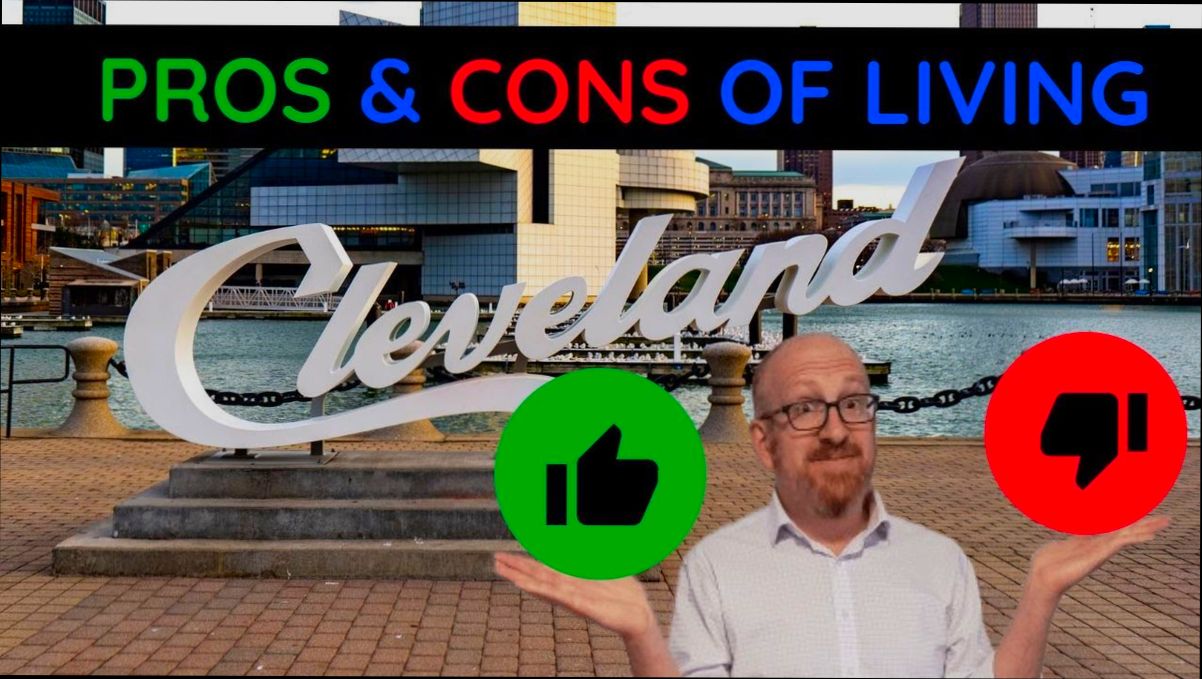
Pros and Cons of Living in Cleveland OH can really flip your perspective if you take a closer look. For starters, the cost of living here is a big win; you can snag a decent two-bedroom apartment for around $1,200—way below the national average. Plus, the city’s vibrant arts scene, with venues like the Rock and Roll Hall of Fame and Playhouse Square, offers endless entertainment options. And let’s not forget the passionate local sports culture—whether you’re cheering for the Browns or the Guardians, the camaraderie is infectious, even if the teams don’t always bring home the wins.
On the flip side, Cleveland has its share of challenges too. The winters can be brutal, with average snowfall around 50 inches—better pack that heavy-duty parka! Job growth has had its ups and downs, particularly in traditional sectors like manufacturing, which has seen a decline. And while neighborhoods like Ohio City and Tremont are thriving, parts of the city still struggle with crime rates that can be concerning. So, while Cleveland has its charms and solid opportunities, it’s crucial to weigh these aspects when thinking about making it your home.
Cost of Living in Cleveland
When considering a move to Cleveland, it’s essential to dive into the specifics of the cost of living. This aspect can significantly influence your financial planning and overall quality of life. Let’s explore how expenses in Cleveland stack up against the national average and what you might expect when living in this vibrant city.
Housing Costs
Housing is often the largest component of the cost of living. In Cleveland, the median home price is approximately $150,000, which is about 40% lower than the national median of around $250,000. If you’re renting, the average monthly rent for a one-bedroom apartment in the city is around $1,100, making it relatively affordable compared to places like New York or San Francisco.
Transportation Expenses
Transportation costs are also noteworthy. Cleveland’s public transit system, including buses and the light rail, offers affordable options for getting around. A monthly public transit pass costs about $85, while gasoline prices average around $3.20 per gallon, which can vary based on market conditions.
Groceries and Dining
Grocery prices in Cleveland are competitive. The overall cost of groceries is roughly 7% lower than the national average. For instance, common grocery staples like milk average around $3.30 per gallon, and a loaf of bread typically costs about $2.50. If you enjoy dining out, expect to spend approximately $15 for a meal at a mid-range restaurant.
| Expense Category | Cleveland Average Cost | National Average Cost |
|---|---|---|
| Median Home Price | $150,000 | $250,000 |
| Monthly Rent (1BR) | $1,100 | $1,600 |
| Public Transit Pass | $85 | $100 |
| Gallon of Gasoline | $3.20 | $3.50 |
| Meal at Mid-Range Restaurant | $15 | $20 |
Real-World Examples
Jessica, a young professional, decided to move to Cleveland from Chicago. She found a charming one-bedroom apartment in the Ohio City neighborhood for $1,000 per month. This was a significant saving compared to her previous rent of $1,800 in Chicago.
Another case is Mark and Lisa, a couple who relocated from California. They bought a home in Cleveland for $175,000, allowing them to invest the savings from housing into their new business venture in the region, capitalizing on Cleveland’s economic growth.
Practical Implications
As you plan your relocation or lifestyle change, consider these actionable insights:
- Budget Wisely: With housing prices significantly lower than the national average, you might have more flexibility in your budget for entertainment and savings.
- Explore Alternative Transportation: Opting for public transportation can save you money compared to maintaining a personal vehicle, especially in an urban environment.
- Plan Your Grocery Shopping: Since grocery prices are lower, you can afford to shop locally for fresh produce and support local farmers, enhancing your overall living experience.
Cleveland offers a unique blend of affordability that can benefit newcomers looking to establish a comfortable lifestyle without breaking the bank.
Cleveland’s Job Market Analysis
Cleveland’s job market presents a unique landscape that balances a mix of opportunities and challenges. Understanding this market will help you navigate your career options effectively. Let’s delve into the current trends and projected growth areas that define Cleveland’s employment scene.
Current Employment Trends
- Diverse Industries: Cleveland’s job market includes significant employment in healthcare, manufacturing, and technology sectors. The Cleveland-Elyria MSA is expected to see variations in its workforce, with healthcare jobs projected to grow by over 14% by 2030.
- Unemployment Rates: As of recent data, Cleveland’s unemployment rate hovers around 4.5%, which is modest compared to national averages. This stability is encouraging for job seekers looking to settle in the region.
Job Growth Projections
Cleveland is looking forward to substantial job creation over the next decade. The following table breaks down job growth by industry for Cleveland-Elyria:
| Industry | Job Growth Projection (2020-2030) | Median Salary |
|---|---|---|
| Healthcare | 14% | $60,000 |
| Manufacturing | 6% | $55,500 |
| Information Technology | 10% | $75,000 |
| Educational Services | 8% | $50,000 |
| Financial Activities | 5% | $70,000 |
Job Market Insights
- Healthcare Sector: This industry is the backbone of Cleveland’s economy, fueled by institutions like the Cleveland Clinic and University Hospitals. The demand for healthcare professionals continues to rise, offering numerous roles from nursing to administrative positions.
- Manufacturing Trends: Despite a slight decline compared to the past, Cleveland’s manufacturing sector is adapting through automation and technology. Companies investing in tech are creating jobs in engineering and skilled trades.
- Tech Boom: The shift toward information technology roles is noteworthy. With an expected growth rate of 10%, tech jobs offer some of the highest salaries in the area, attracting software developers and data analysts.
Real-World Examples
Cleveland’s job market has produced vivid case studies of successful workforce adaptation:
- Cleveland Clinic has expanded its employment significantly, adding over 3,000 positions in recent years due to increased healthcare demands.
- Local Startups are sparking interest in the tech field; for instance, companies focused on healthcare technology are consistently hiring software developers and project managers.
Practical Implications for Job Seekers
If you’re considering relocating to or starting a career in Cleveland, keep these points in mind:
- Training Programs: Engage in local training programs or workshops in high-demand fields to boost your employability. Many organizations partner with educational institutions for skill development.
- Networking Opportunities: Join local meetups or industry associations that can help connect you with potential employers and peers.
- Utilize State Resources: Explore resources from the Ohio Department of Job and Family Services to understand available job opportunities and training programs tailored to in-demand sectors.
- Job Alerts: Set up alerts on job platforms specific to Cleveland industries to stay updated on new openings.
Cleveland’s job market offers robust opportunities but also requires proactive engagement from job seekers to leverage the advantages available.
Cultural Attractions and Community Life
Cleveland is not just a city—it’s a vibrant tapestry of cultural experiences and community engagement. As you explore the city, you’ll discover a wealth of attractions that celebrate its rich history and diverse population. Let’s dive into what makes Cleveland’s cultural scene so unique!
Community Vibe
Living in Cleveland means being part of a community that values diversity and connection. The city’s population of over 380,000 residents contributes to an inclusive environment where different cultures blend together. You may find it comforting that more than 150 public parks offer numerous spaces for gathering and recreation, fostering a strong sense of community.
Cultural Landmarks
Cleveland is home to some incredible cultural institutions and landmarks that highlight its artistic spirit:
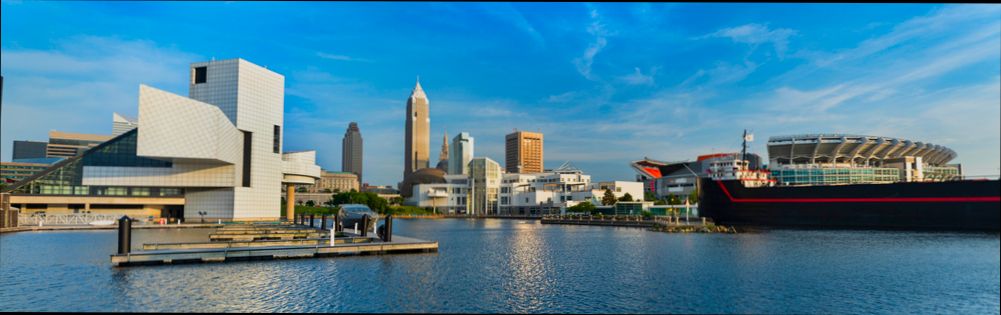
- Rock & Roll Hall of Fame: Celebrating the music legends that shaped rock history, this iconic venue draws fans from all over the globe.
- Cleveland Museum of Art: Renowned for its diverse collection, it offers free admission to many exhibitions, making art accessible to everyone.
- Great Lakes Science Center: Perfect for families and those curious about science, this center serves as an educational hub within the community.
Comparative Table of Cultural Attractions
| Attraction | Type | Admission Cost | Notable Feature |
|---|---|---|---|
| Rock & Roll Hall of Fame | Music History | $30 | Exhibits on music legends |
| Cleveland Museum of Art | Visual Arts | Free | Extensive international collection |
| Great Lakes Science Center | Science & Education | $16 | Interactive science exhibits |
| Playhouse Square | Performing Arts | Varies | Home to Broadway shows |
Community Events and Engagement
Cleveland thrives on community events that bring people together, such as:
- Cleveland International Film Festival: Showcasing independent films, it attracts filmmakers and cinephiles alike, creating a dynamic platform for artistic expression.
- Cleveland Neighborhoods Holiday Festival: Celebrating local cultures, this festival blends food, music, and activities, strengthening community bonds during the holiday season.
Dining and Social Life
Cleveland’s dining scene is as diverse as its population. Each dish tells a story:
- Sokolowski’s University Inn: A landmark for Polish-American cuisine, it reflects the city’s rich immigrant heritage.
- Mabel’s BBQ: Offering a modern take on traditional barbecue, it represents the city’s evolving culinary landscape.
While nightlife may not be as bustling compared to larger cities, the community-oriented bars and restaurants often host live music and events, allowing residents to mingle and connect.
Practical Implications for Residents
For you as a resident, getting involved in local cultural activities can enhance your living experience significantly. Take advantage of free events at the Cleveland Museum of Art, or participate in neighborhood festivals to meet like-minded individuals.
As you consider the cultural scene in Cleveland, know that there’s always something happening, whether it’s a community festival or an art exhibition. Engaging with the diverse offerings can help you build connections and deepen your appreciation for this fascinating city.

Weather Patterns and Seasonal Influence
Cleveland’s weather patterns and seasonal changes play a significant role in the overall living experience, influencing not only the outdoor activities but also how you might plan your daily life around the climate. With its distinct seasons, residents encounter a wide array of weather conditions. Understanding these patterns can significantly enhance your experience in the city.
Seasonal Breakdown
1. Winter: Cleveland winters can be quite harsh, with average low temperatures hovering around 20°F (-6°C) from December to February. The city also receives approximately 60 inches of snowfall annually, making winter sports popular but also requiring extra preparation for snow removal and winter driving.
2. Spring: Springtime in Cleveland is often a refreshing change. Average temperatures start to rise from the mid-40s (around 7°C) in March to the low 70s (around 21°C) by May. However, be prepared for considerable rainfall during this season, with Cleveland receiving about 3.5 inches of precipitation per month.
3. Summer: Summer offers warm, humid weather. Average July temperatures can reach 80°F (27°C) while humidity levels can make it feel even warmer. Surprisingly, the city might have around 10 days of temperatures exceeding 90°F (32°C) during this season, which can lead to heat advisories.
4. Fall: Fall in Cleveland is vibrant and one of the more enjoyable seasons, with temperatures gradually dropping from the mid-60s (around 18°C) in September to the low 40s (around 5°C) by November. The change in foliage adds a picturesque quality to the season, attracting many outdoor enthusiasts.
Average Monthly Weather Data
| Month | Avg Temp (°F) | Avg Precipitation (inches) | Avg Snowfall (inches) |
|---|---|---|---|
| January | 25 | 2.5 | 24 |
| April | 48 | 3.1 | 1 |
| July | 80 | 3.4 | 0 |
| October | 55 | 3.0 | 0 |
| December | 32 | 3.2 | 14 |
Real-World Examples
Residents typically adapt their lifestyles according to seasonal changes. For instance, many people in Cleveland participate in outdoor activities like ice skating and snowboarding during winter. Conversely, the arrival of spring prompts residents to engage in gardening and park activities, as the weather becomes more favorable.
Additionally, local businesses often prepare for seasonal shifts as well. For example, restaurants may adjust their menus to highlight seasonal ingredients, and outdoor festivals are plentiful in the summer, taking advantage of the sunny weather.
Practical Implications for Residents
Being aware of Cleveland’s weather patterns can shape your daily life significantly.
- Winter Preparation: Invest in an all-season vehicle or winter tires for safer driving during snowy months.
- Spring Gardening: Research which flowers bloom best during the rainy season, and take part in community gardening events.
- Summer Activities: Plan for higher-energy outdoor experiences early in the morning or later in the evening when temperatures are milder.
- Fall Foliage: Take days off to enjoy hiking or visiting local parks to appreciate the changing leaves before winter sets in.
Actionable Advice
Keep an eye on long-term weather forecasts and seasonal trends to plan your moves and activities accordingly. Familiarizing yourself with local resources, such as weather apps and community boards, will help you adapt to Cleveland’s unique climate and enjoy everything the city has to offer throughout the year.
Advantages of Cleveland’s Healthcare Facilities
Cleveland’s healthcare facilities stand out not only for their advanced medical care but also for their commitment to innovation and community health. With organizations like the Cleveland Clinic leading the way, residents benefit from top-tier healthcare that integrates cutting-edge technology and patient-centered approaches.
Key Advantages
1. Reputation and Specialization: Cleveland has consistently been ranked among the top cities for healthcare in the U.S. The Cleveland Clinic is renowned for its specialties in cardiology, gastroenterology, and rheumatology. These rankings stem from comprehensive data that evaluates clinical outcomes, patient safety, and overall patient experience.
2. Investment in Technology: The integration of artificial intelligence (AI) into healthcare services is revolutionizing patient diagnostics and treatment planning. Cleveland Clinic’s investments in AI aim to enhance efficiency in patient care, making it a national leader in healthcare technology. By 2030, AI in healthcare is projected to grow into a $188 billion industry, and Cleveland is at the forefront of this transformation.
3. Access to Research and Trials: Several healthcare centers in Cleveland serve as research hubs, offering residents access to the latest clinical trials and experimental treatments. Engaging with these trials can provide early access to groundbreaking therapies that may not yet be available elsewhere.
4. Comprehensive Community Care: Cleveland’s healthcare system emphasizes community well-being through outreach programs and preventive care initiatives. This focus helps address health disparities and creates a supportive environment for residents.
| Facility | Specialization | National Ranking |
|---|---|---|
| Cleveland Clinic | Cardiology | #1 |
| University Hospitals | Urology | #5 |
| MetroHealth | Trauma & Burn Care | #7 |
Real-World Examples
Cleveland Clinic has implemented numerous innovative programs, such as remote patient monitoring and telehealth services, which have shown significant improvements in patient satisfaction and health outcomes. For instance, during the COVID-19 pandemic, telehealth services allowed patients to receive care without risking their health, leading to a sharp increase in service delivery effectiveness.
Additionally, the integration of AI has improved diagnostic accuracy for complicated cases; algorithms trained on extensive data sets have yielded 92% accuracy in predicting outcomes for various cancers. This capability illustrates the clinical advancements available to Cleveland residents.
Practical Implications for Residents
For you as a potential resident, the emphasis on advanced medical care means peace of mind when it comes to health. If you value access to top-ranked specialists and cutting-edge treatments, Cleveland’s healthcare facilities provide a compelling reason to consider living here.
Moreover, Cleveland’s commitment to transparency in healthcare outcomes fosters trust. The Cleveland Clinic, for example, annually publishes data on patient outcomes, allowing you to make informed decisions about your healthcare options.
Actionable Advice
If you’re considering healthcare options in Cleveland, make a point to explore the various specialties available at different institutions. Utilize resources like Cleveland Clinic’s published outcomes to compare facilities based on your specific health needs. Engaging with local healthcare resources will ensure that you maximize the benefits of the city’s healthcare advantages.

Real-World Living Experiences in Cleveland
When we talk about living in Cleveland, we’re not just discussing buildings and streets; we’re diving into the everyday realities that shape life in this vibrant city. From community involvement to local amenities, let’s explore what life is truly like for residents of Cleveland.
Community Connections and Participation
Living in Cleveland offers you numerous opportunities to engage with your community. Many neighborhoods pride themselves on having active residents who participate in local events. Here are some key points:
- Neighborhood Initiatives: Over 70% of residents report being involved in neighborhood improvement projects or local events.
- Event Diversity: Throughout the year, Cleveland hosts around 300 community events, offering everything from music festivals to craft fairs.
Schooling and Education Experiences
Cleveland’s educational landscape significantly impacts young families. The city boasts a variety of public and private schooling options that cater to diverse educational needs:
- Public Schools: Cleveland Metropolitan School District serves approximately 36,000 students, with 45% participating in college preparatory programs.
- Higher Education: With institutions like Case Western Reserve University, residents often have access to high-quality education and affiliations with cutting-edge research.
Transportation and Mobility
While Cleveland’s public transportation system covers the city, personal experiences vary widely:
- Public Transit Usage: About 15% of residents rely on public transportation, with the HealthLine bus service being one of the most popular routes.
- Walkable Areas: Neighborhoods like Ohio City and Tremont are becoming increasingly popular for their walkability, allowing you to complete daily errands without a car.
Safety and Crime Rates
Understanding safety is crucial for everyday living experiences:
- Crime Rates: Cleveland shows varied crime rates across neighborhoods, with some areas reporting a decrease in crime by up to 20% in the last few years, fostering a safer environment for families and children.
- Community Safety Programs: Programs aimed at increasing neighborhood watch participation result in a 30% increase in reported safety perceptions among residents.
Table: Key Aspects of Living Experiences in Cleveland
| Aspect | Data/Statistics |
|---|---|
| Community Event Participation | 70% of residents are involved in local initiatives |
| Public School Participation | 45% of students in college prep programs |
| Public Transit Usage | 15% of residents rely on public transport |
| Safety Improvement | 20% decrease in crime in safer neighborhoods |
Real-World Examples
Take the case of Ohio City residents engaging in local farmers’ markets, which have doubled attendance in just three years, enhancing community bonds and promoting local produce. Additionally, families in Shaker Heights frequently participate in city-sponsored activities like movies in the park, drawing hundreds of locals.
Practical Implications
For anyone considering a move to Cleveland, the real-world experiences emphasize the importance of engaging with local communities. By participating in neighborhood events, you build connections and foster relationships that enhance your living situation.
- Get Involved: Attend local events and meetings to learn more about your neighborhood.
- Research Schools: If you have children, visit schools and meet with teachers to understand educational offerings.
- Explore Transportation: Check public transit options that may help you navigate the city efficiently.
Cleveland offers a rich tapestry of experiences that contribute to an engaging and involved lifestyle. Knowing these aspects can help you make an informed decision if you’re thinking about calling this city home.