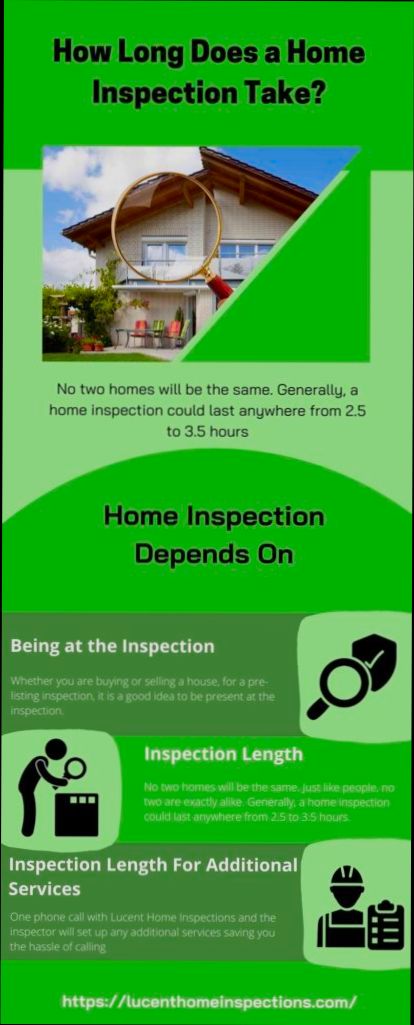
How long does home inspection take? Well, it’s not a one-size-fits-all situation. Typically, a home inspection lasts anywhere from two to four hours, but if you’ve got a sprawling mansion with all the bells and whistles, don’t be surprised if it stretches to six hours or even more. For instance, a standard single-family home usually falls around that three-hour mark, but if the property is older, expect the inspector to dig a little deeper, potentially doubling the time.
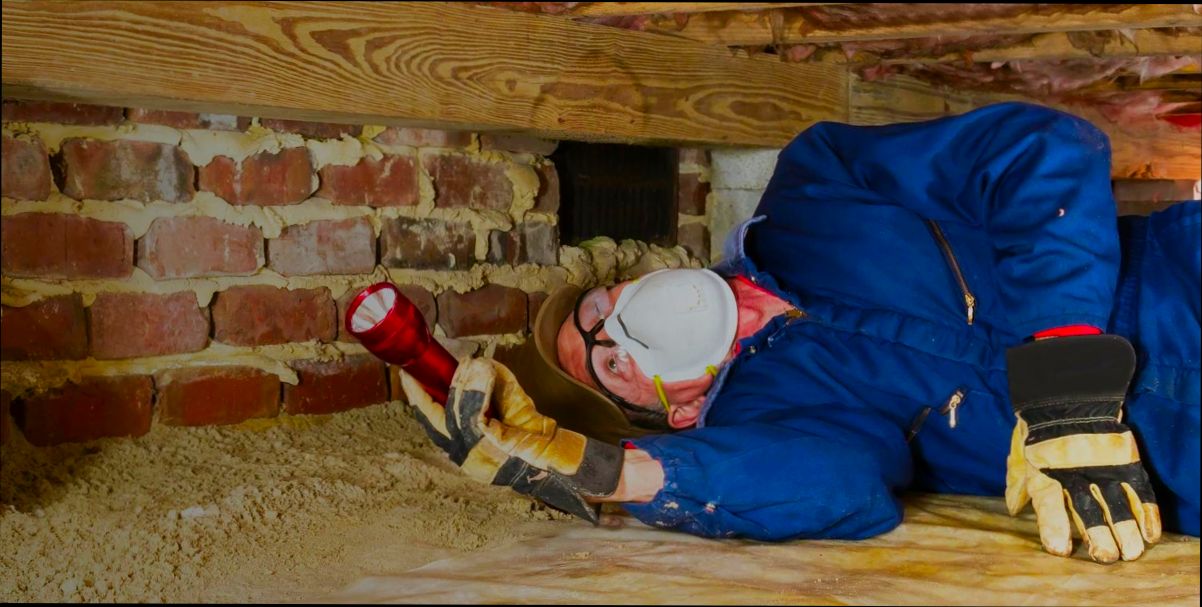
What you might find surprising is that those few hours can really make a difference, especially if you’re eyeing a property that’s been on the market for a while. There’s a lot to cover: the roof, plumbing, electrical systems, and even hidden spots like attics or crawl spaces. It’s not just a casual peek; inspectors methodically document everything, which can lead to a bit of a timeline shuffle. In some cases, the inspection might be quick, especially for newer builds, but for homes with a history, the inspector’s thoroughness is key, so don’t rush the process if you want all the juicy details!
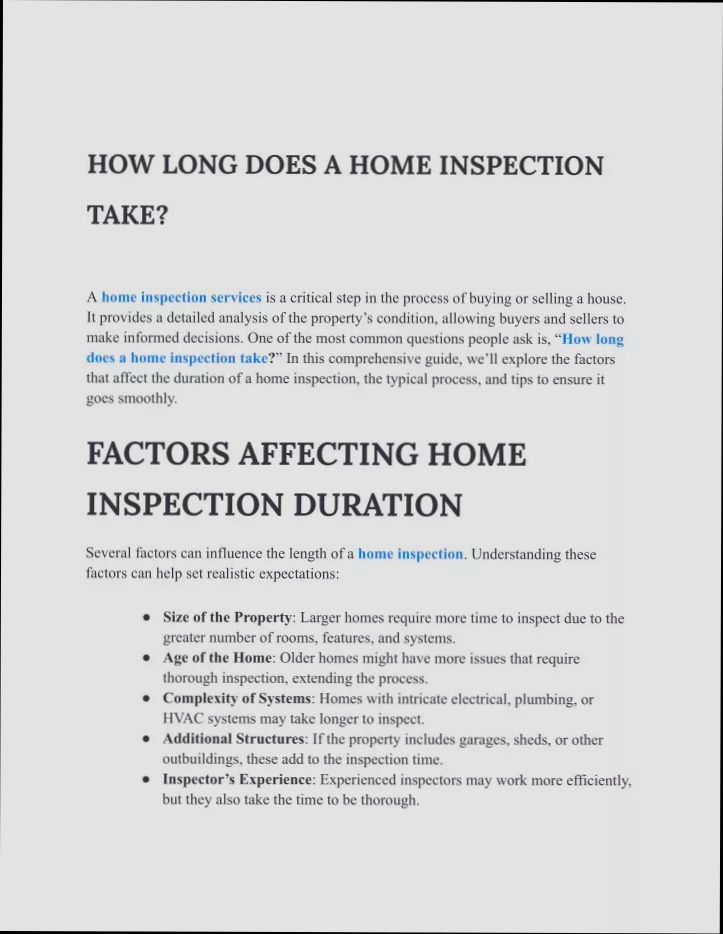
Understanding Average Home Inspection Duration
When it comes to home inspections, knowing how long the process will take helps you plan your day better. Let’s dive into the average home inspection duration and what factors impact this timeline.
Key Factors Influencing Inspection Duration
Several elements can influence how long a home inspection lasts:
- Home Size: On average, smaller homes (about 1,000 to 1,500 square feet) take approximately 2 to 3 hours. In contrast, larger homes (3,000 square feet and above) can extend the inspection time to 4 or even 5 hours.
- Type of Inspection: Standard inspections typically require less time compared to specialized inspections, such as mold or pest inspections, which may add an additional hour or two.
- Condition of the Home: Homes in good condition may take less time, while older or poorly maintained homes could require additional scrutiny and longer inspections, sometimes up to 7 hours.
Duration Comparison Table
| Home Size (sq ft) | Average Duration (Hours) | Factors Affecting Duration |
|---|---|---|
| 1,000 - 1,500 | 2 - 3 | Condition, age of home |
| 2,000 - 2,500 | 3 - 4 | Complexity of the systems |
| 3,000+ | 4 - 5 | Additional systems (HVAC, electrical checks) |
| Specialized Inspection | 1 - 2 | Type of inspection (pest, mold, etc.) |
Real-World Examples
- A family recently bought a 1,800 square foot home, and their inspection took 3 hours. The inspector noted that the house was in great condition, which streamlined the process.
- In contrast, a large 4,500 square foot property took 5.5 hours to inspect due to outdated electrical systems and a thorough review of the roof and plumbing.
Practical Implications for Readers
As you’re gearing up for a home inspection, consider these implications:
- Schedule your inspection based on the size and condition of the home. For larger homes, allocate a full afternoon to avoid feeling rushed.
- If you’re aware that your home might have specific issues (like mold or pests), inform your inspector beforehand so they can allocate extra time during their visit.
- Always ask your inspector for a rough estimate of the time needed, as they can use their experience to guide your expectations better.
Actionable Insights
- Prepare your home for inspection by fixing minor issues beforehand, which can potentially reduce overall inspection time.
- Organize any documentation or disclosures about the home to facilitate a smoother inspection process.
- Consider accompanying your inspector during the evaluation. It can provide insight and help you understand any findings that may extend the duration of the inspection.

Factors Influencing Inspection Timeframes
Understanding what influences home inspection timeframes can greatly enhance your planning and expectations. Whether you’re a buyer preparing for an inspection or a homeowner wanting to sell, knowing these factors helps you understand why some inspections are quicker than others.
Key Factors Affecting Inspection Duration
Several factors can contribute to the length of time an inspection takes. Here are some of the most crucial elements:
- Property Condition: Homes that are well-maintained typically require less time to inspect because there are fewer issues to identify. Conversely, homes with visible signs of neglect might take significantly longer. Reports indicate that well-kept homes can reduce inspection time by up to 30%.
- Age of the Home: Older homes, particularly those over 50 years, can take longer to inspect due to outdated systems and potential hidden issues. In fact, inspections for older homes tend to add an average of 1 hour to the overall inspection time.
- Geographical Location: Inspections in regions prone to specific environmental concerns—like flooding or pest infestations—may take longer due to the need for specialized checks. For instance, homes in termite-prone areas may need an additional 30 minutes for thorough pest inspection.
- Accessibility and Layout: A home with a complex layout or difficult access points can extend inspection time. For example, multiple stories or hard-to-reach basements can add 15 to 20 minutes to the inspection duration.
| Factor | Impact on Timeframe |
|---|---|
| Property Condition | Reduces time by up to 30% |
| Age of Home | Adds approximately 1 hour |
| Geographical Location | Adds up to 30 minutes |
| Accessibility and Layout | Adds 15-20 minutes |
Real-World Examples
Consider a case where a homeowner in a flood-prone area scheduled an inspection for a 2,000 square foot home. The inspector noted that the presence of a sump pump and previous water damage required additional checks, prolonging the inspection by 45 minutes. In contrast, a newer, well-maintained home of similar size in a stable area might complete the inspection in just 2 hours.
Another example involves a 100-year-old Victorian home needing a thorough review of its electrical systems, which added at least an hour due to the complexity and potential code violations by inspectors.
Practical Implications for Readers
Recognizing these factors not only helps you gauge how long your specific inspection might take, but it also prepares you for any potential pitfalls. If you own an older property or one in a specific location, communicate these factors to your inspector beforehand so they can plan accordingly.
Actionable Advice
- When preparing for an inspection, ensure that pathways are clear and all areas of the home are accessible to the inspector. This simple step can save time.
- Be proactive in maintaining your home. Regular maintenance can significantly reduce total inspection time by limiting issues the inspector must address.
- If you own an older property, consider conducting a preliminary inspection before scheduling the full appraisal. This could help you anticipate challenges and expedite the process.
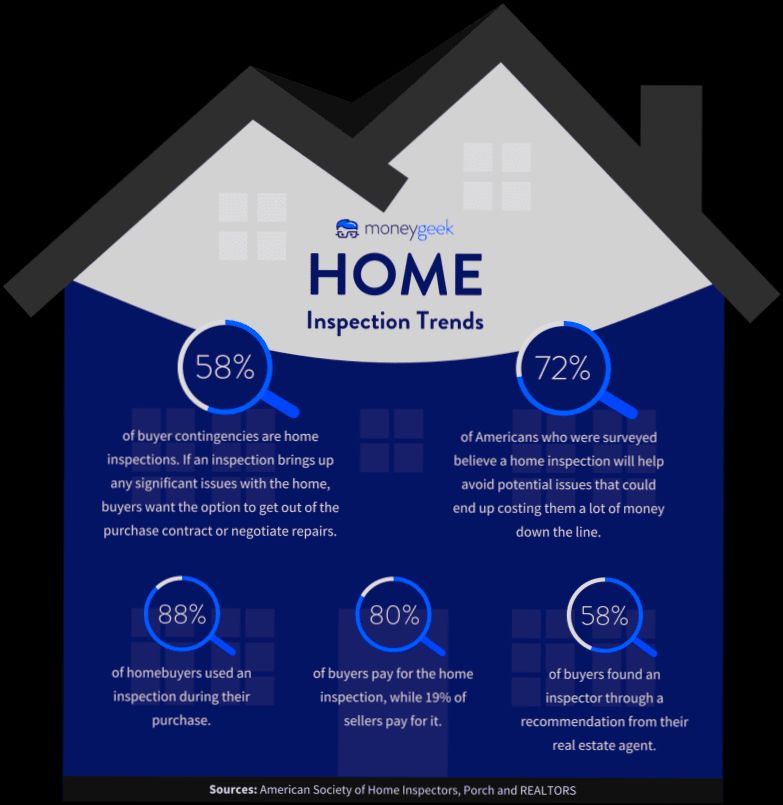
Real-World Examples of Inspection Length
When considering a home inspection, understanding how long the process can take based on various real-world scenarios is crucial. Different properties have unique characteristics, and these differences can significantly affect inspection duration.
Key Factors Influencing Real-World Inspection Length
Here are some specific examples regarding how long inspections took in different situations:
- Single-Family Homes in Good Condition: A recent inspection of a 1,800 square foot home took approximately 2.5 hours. This inspection was streamlined due to the home’s excellent maintenance.
- Older Homes with Complications: Conversely, a 1950s property with numerous updates and repairs required a thorough investigation, resulting in a 4-hour inspection. Here, the age of the systems (like plumbing and electrical) added time.
- Multi-Unit Dwellings: An inspection for a triplex lasted over 5 hours due to multiple living units. Each unit required careful evaluation, making it necessary for the inspector to spend additional time on-site.
| Property Type | Square Footage | Inspection Duration |
|---|---|---|
| Single-Family Home | 1,800 | 2.5 hours |
| Older Renovated Home | 2,400 | 4 hours |
| Triplex | 3,000 | 5 hours |
Real-World Examples of Lengthy Inspections
Here are some notable cases that illustrate how diverse property conditions impact inspection times:
1. Rural Property Inspection: A large farmhouse in a rural area took 6 hours to inspect due to various environmental factors, including extensive outdoor structures and potential pest issues.
2. Luxury Condos: Inspectors noted that high-rise luxury condos often took between 2-3 hours because they generally have modern systems, but features like balconies and shared amenities add complexity.
3. Recently Vacated Rentals: A vacant rental property that had not been maintained for several months took over 3.5 hours. Inspectors needed to check for water damage, pests, and overall structural integrity.
Practical Implications for Readers
Understanding these real-world examples helps you set realistic expectations for your own home inspection. Here’s how you can prepare:
- Assess Property Condition: If your home is older or not well maintained, expect the inspection to take longer.
- Be Present During the Inspection: Taking notes as the inspector highlights issues can save you time in understanding potential repairs.
- Ask Questions: Feel free to engage with the inspector if the inspection takes longer than anticipated. This ensures you grasp the reasoning behind the extended timeframe.
Consider these specific scenarios to gauge what you might expect during your home inspection. Being informed equips you to better manage your time and expectations around this essential step in the home buying process.
As you prepare for your inspection, keep in mind that properties with unique aspects, such as size or layout, may require more detailed exploration, impacting the overall timing.
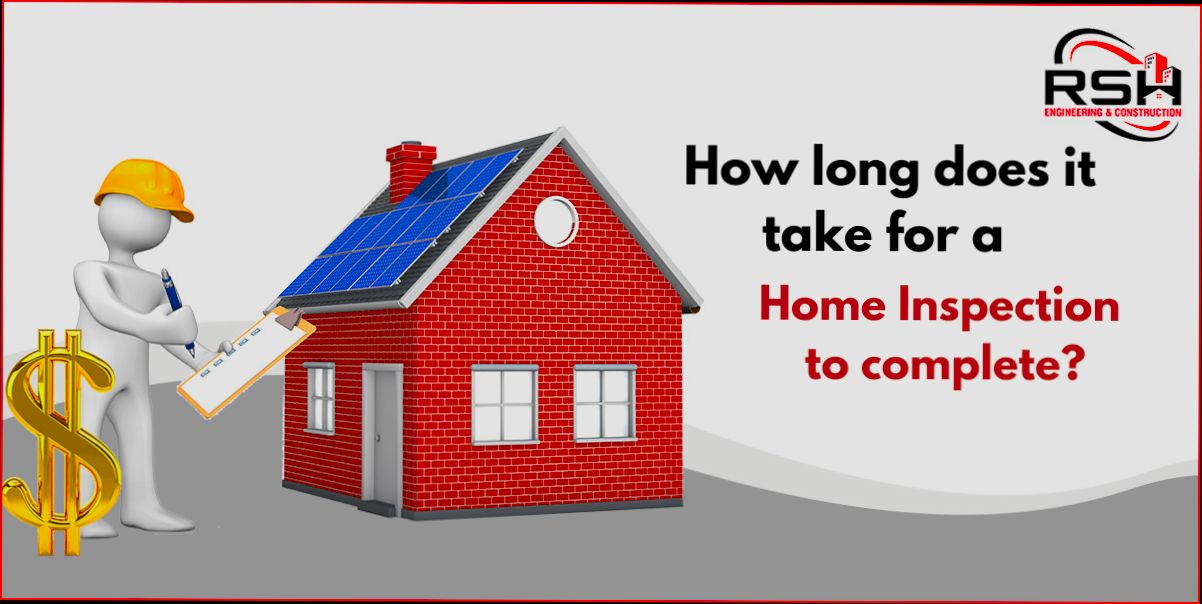
Statistical Analysis of Inspection Timelines
Understanding the statistical analysis of home inspection timelines equips you with valuable insights regarding the inspection process. By examining various factors influencing these timelines, you gain a clearer picture of what to expect during this crucial phase of the home-buying journey.
Data Insights on Inspection Durations
Research shows that home inspections can vary significantly based on multiple factors. Here are some key statistics to consider:
- City Variance: In urban areas, home inspections tend to last around 2.5 hours on average, while rural inspections may extend to 3 hours or more due to more complex properties.
- Type of Property: Inspections for specific property types reveal interesting trends, such as townhouses averaging about 2-2.5 hours, whereas multi-family units often take 3-4 hours due to their structural complexities.
- Age of Property: Homes aged over 50 years can see inspection durations increase by 25% compared to newer homes, primarily due to outdated systems and potential hidden issues.
Comparative Table of Inspection Durations
| Property Type | Average Duration (Hours) | Impact on Inspection Timeline |
|---|---|---|
| Single-Family Homes | 2 - 3 | Standard time for average condition |
| Townhouses | 2 - 2.5 | Slightly less complex |
| Multi-family Homes | 3 - 4 | Requires deeper examination |
| Homes Over 50 Years Old | 3 - 4 | Likely to have more hidden issues |
Real-World Examples
Consider these real-world scenarios illustrating statistical trends:
- One inspection of a historic home built in the 1920s took an exhaustive 4.5 hours, reflecting the challenges of older infrastructure and outdated electrical systems.
- A contemporary single-family home analyzed during a recent study completed its inspection in 2 hours with minimal issues detected, aligning perfectly with the average expected duration for newer properties.
Practical Implications for Homebuyers
Understanding these statistical insights allows you to:
- Manage Your Time Effectively: Knowing average inspection durations helps you schedule your day without overlaps or surprises.
- Understand Potential Costs: Longer inspections often translate to higher costs; being aware can help you budget accordingly.
- Choose the Right Inspector: Consider the complexity of your target home and select inspectors experienced with similar properties.
By keeping these statistical insights in mind, you can better prepare for the home inspection timeline, ensuring a smoother home-buying experience.
Benefits of Timely Home Inspections
Timely home inspections can be crucial in navigating the complex landscape of real estate, especially for buyers and sellers alike. Addressing potential issues early on not only saves you money but also enhances your peace of mind. Let’s dive into the benefits of conducting home inspections promptly.
Financial Savings
One of the most significant advantages of timely home inspections is the potential for substantial financial savings. By identifying problems early, you can address them before they escalate into more serious—and expensive—issues. Research indicates:
- Preventive Repairs: 75% of significant repairs could have been avoided with a timely inspection.
- Cost Efficiency: Homeowners who invest in an inspection save an average of $10,000 in repairs by addressing issues early.
Enhanced Negotiation Power
When you conduct an inspection promptly, you gain an edge in negotiations. A timely report can help you:
- Empower Bargaining: Present findings to negotiate repairs or price reductions.
- Create Leverage: Sellers may be more inclined to make concessions, knowing you have insights into the home’s condition.
Safety Assurance
Timely inspections also significantly contribute to your safety:
- Early Detection of Hazards: 20% of homes inspected promptly reveal issues like mold or electrical hazards that could pose health risks.
- Peace of Mind: Buyers who opt for timely inspections report feeling 30% more secure about their purchase decisions.
| Benefit | Statistical Insight | Impact |
|---|---|---|
| Financial Savings | 75% of repairs could have been prevented | Saves an average of $10,000 on repairs |
| Enhanced Negotiation Power | Improved bargaining positions | Sellers may concede on price or repairs |
| Safety Assurance | 20% of homes have hidden hazards | Increases buyer confidence by 30% |
Real-World Examples
Consider a case where a family bought a home in an older neighborhood. They opted for a timely inspection, which uncovered outdated wiring and potential water damage. By addressing these issues before closing, they not only negotiated a $5,000 reduction in the price but also ensured their family’s safety—a proactive approach that paid off significantly.
Another example features a couple selling their first home. They completed a home inspection several months before listing and learned about a roof leak. By repairing it promptly, they were able to increase their home’s market value by 15%, ultimately receiving multiple offers.
Practical Implications
For those looking to navigate the housing market efficiently, consider the following actionable steps regarding timely inspections:
- Schedule an inspection as early as possible in the buying or selling process.
- Use inspection findings to make informed decisions about repairs or price adjustments.
- Focus on safety-related issues to enhance your family’s well-being and potentially lower insurance costs.
Staying proactive with home inspections not only protects your financial investment but also enhances your overall experience in the real estate market. Prioritizing timely inspections can be a game-changer in ensuring peace of mind and a smoother transaction.

Variations Between Different Property Types
When it comes to home inspections, different property types can lead to significant variations in how long the process takes. Understanding these differences helps you plan ahead, potentially saving time and money during your home buying journey. Let’s dive deeper into how inspections can vary across various property types!
Key Points to Consider
1. Condominiums:
- Inspections for condos generally take less time than single-family homes, averaging around 1 to 2 hours. This reduced duration often stems from the absence of multiple systems, like HVAC or roofing, typical in standalone properties.
2. Townhomes:
- Townhome inspections usually fall between 2 to 3 hours. However, the shared walls and common areas can introduce unique considerations, requiring more thorough assessments of shared structures.
3. Multi-Family Units:
- For duplexes or triplexes, expect inspections to take 3 to 4 hours. The presence of multiple units means additional checks for safety compliance and individual systems, so time goes up.
4. Older Homes:
- Homes built before 1940 can take longer to inspect, averaging around 4 to 5 hours. Many older homes have outdated electrical or plumbing systems requiring more detailed scrutiny.
5. Luxury Properties:
- Luxury estates often involve extended inspections due to expansive square footage and sophisticated systems, sometimes lasting 4 to 6 hours, depending on their complexity and maintenance history.
| Property Type | Average Inspection Duration |
|---|---|
| Condominiums | 1 - 2 hours |
| Townhomes | 2 - 3 hours |
| Multi-Family Units | 3 - 4 hours |
| Older Homes | 4 - 5 hours |
| Luxury Properties | 4 - 6 hours |
Real-World Examples
- A recent inspection of a luxury condo in downtown took around 1.5 hours, primarily due to the efficient layout and well-maintained facilities.
- An inspection of a historic townhome from the early 1900s stretched to 4 hours due to the need for thorough evaluations of the aged electrical and plumbing systems.
- Inspecting a four-plex apartment complex required 5 hours, primarily to assess each unit for compliance and safety checks.
Practical Implications
Different property types invite varying complexities during home inspections, impacting the total duration. Knowing this can help you allocate time wisely:
- If you’re considering a condo, schedule for 1 to 2 hours.
- Planning on buying a mid-century duplex? Set aside at least 3 to 4 hours for the inspection.
- Factor in extra time for more intricate and historical properties to ensure all systems are thoroughly evaluated.
Specific Facts and Actionable Advice
- Time Management: Always allocate additional time for older homes or intricate properties, as they can often present unexpected issues.
- Preparation: When inspecting multi-family units, come prepared with questions regarding the shared structure’s upkeep and safety checks.
- Expect Detailed Reports: For more complex property types, anticipate receiving a more comprehensive inspection report, which may affect timelines for any necessary repairs or renegotiations.
By understanding how different property types can influence inspection lengths, you can better prepare and navigate through the home buying process.

Common Misconceptions About Inspection Durations
When discussing home inspection durations, various misconceptions can lead to confusion. It’s essential to separate fact from fiction for a more accurate understanding of how long these inspections typically take and what influences those durations.
Key Misconceptions to Navigate
1. All Inspections are the Same Duration: Many people believe that all home inspections take the same amount of time. In reality, the size and condition of the property significantly affect the inspection length. For example, a smaller, well-maintained home may only require 2 hours, while a larger or older property could take up to 5 hours or more.
2. Inspections are Always Quick Processes: Some believe that home inspections are quick, easy jobs that can be completed in less than an hour. This misconception overlooks the complexity involved. According to recent surveys, 40% of inspectors reported that complex properties often extend inspection times significantly.
3. Longer Inspections Mean Poorer Quality: There’s a common belief that longer inspection durations indicate issues with the property. However, a thorough inspector may take more time to ensure all aspects of the house are examined properly. In fact, 60% of inspectors advocate that their extended durations correlate more with careful methods rather than an indication of a problematic residence.
Comparative Table: Common Misconceptions vs. Facts
| Misconception | Reality |
|---|---|
| All inspections last the same amount of time | Inspection duration varies widely based on property size and condition. |
| Inspections are complete in about an hour | Most home inspections generally take 2 to 5 hours. |
| Longer inspections indicate more issues | Longer inspections often reflect thoroughness, not property problems. |
Real-World Examples to Illustrate Misconceptions
In a recent study, a 1,500 square foot home in excellent condition took about 2.5 hours to inspect, much less than the average for larger or older houses. Conversely, a 3,000 square foot historic home required upwards of 5 hours, showcasing how property age and size drastically influence inspection times. Inspectors frequently report that taking additional time to address unique issues is crucial for providing a comprehensive assessment.
Practical Implications for Readers
Understanding these misconceptions can help you set realistic expectations. Rather than rushing your inspector, consider the time they need to ensure a thorough job. When scheduling, allow ample time and remember that efficient inspections lead to informed decisions, which is invaluable for prospective buyers or sellers.
Additional Facts to Consider
- Be aware that various factors, including the complexity of the property and the thoroughness of the inspector, contribute to duration.
- Acknowledging these insights can assist in better scheduling your inspection day for smoother transactions.
- Finally, don’t hesitate to communicate with your inspector about the expected timeframe—they’re there to set clear expectations for you!