- Housing Expenses and Real Estate Market
- Grocery Prices: A Comparative Analysis
- Transportation Costs: Comparing Urban and Rural Areas
- Utilities and Monthly Bills Breakdown
- Healthcare Expenses: Insurance and Out-of-Pocket Costs
- Education Costs: Tuition Fees and Living Expenses
- Cultural and Recreational Spending
- Cost of Dining Out: Restaurants and Cafés
- Impact of Inflation on Everyday Expenses
- Regional Variations in Living Costs
- Statistical Comparison with Neighboring Countries
- Cost of Living Index: A Data-Driven Approach
- Table of Average Monthly Expenses in Slovakia
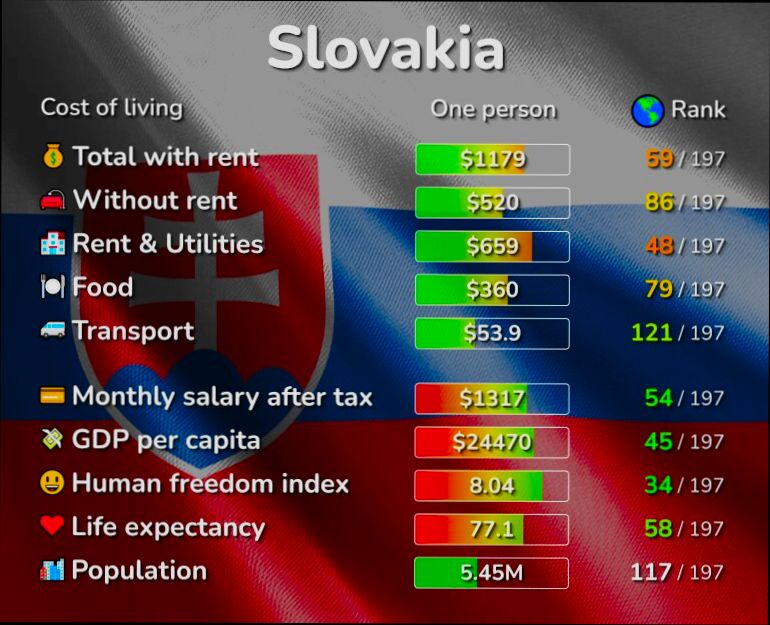
What is the cost of living in Slovakia? Well, if you’re considering a move to this beautiful Central European country or just curious about what expenses to expect, you’re in for an interesting ride! Slovakia is known for its stunning landscapes, rich history, and vibrant culture, but one of the first things you’ll want to know is how much you’ll need to budget to enjoy all it has to offer. From bustling cities like Bratislava to serene towns in the High Tatras, the cost of living can vary quite a bit.
When it comes to everyday expenses, things like food, accommodation, and transportation will play a major role in your budget. For instance, dining out can be pretty affordable, with a meal at an average restaurant costing around €10-€15, while grocery prices tend to be lower compared to Western Europe. Rent is another important factor—if you’re looking for a place in Bratislava, you might pay anywhere from €500 to €800 for a one-bedroom apartment in the city center, whereas smaller cities can be significantly cheaper. Whether you’re planning a short visit or thinking of making Slovakia your home, understanding the cost of living is crucial for making informed decisions.
Overview of Cost of Living in Slovakia
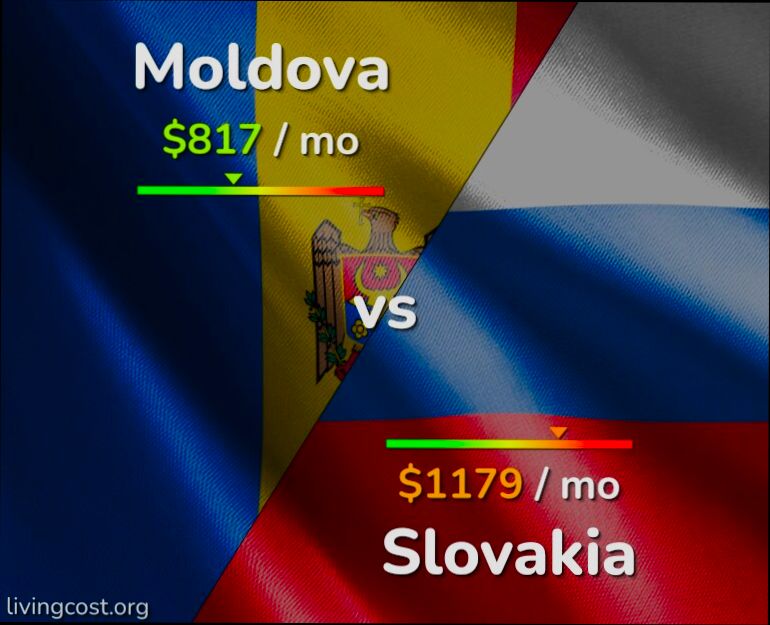
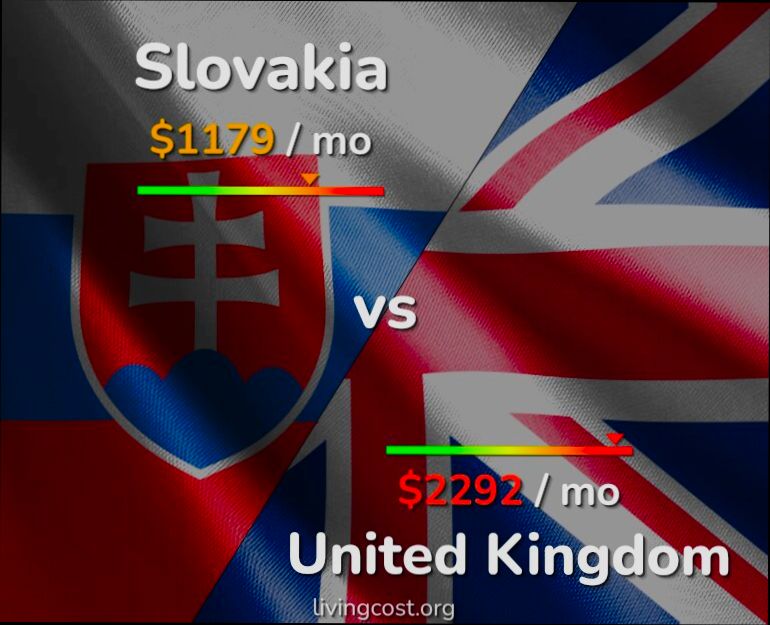
Living in Slovakia can be pretty affordable, especially compared to Western Europe. On average, you might spend around €800 to €1,200 a month, depending on where you’re chilling. Places like Bratislava, the capital, are pricier, while smaller towns like Košice or Prešov give you more bang for your buck.
Housing
When it comes to rent, you’ll pay about €500 for a nice one-bedroom apartment in the city center of Bratislava. If you head to a smaller town, that could drop to around €300! And if you’re up for it, sharing an apartment is a great way to cut those costs.
Groceries
For your grocery haul, you’re looking at spending roughly €200 to €300 each month. Essential items like bread, milk, and eggs are quite cheap. For example, a loaf of bread is around €1, and a liter of milk goes for about €0.80. Not too shabby, right?
Transportation
If you need to get around, public transport is super affordable. A monthly pass in Bratislava will cost you about €35. You can hop on buses, trams, and even the metro, making it easy to explore without breaking the bank.
Eating Out
Eating out can also be budget-friendly. A meal at a mid-range restaurant will only set you back about €10 to €15. If you’re grabbing a quick bite, fast food will cost you around €5 for a combo meal.
Utilities
Don’t forget about those utilities! Expect to spend around €150 to €200 for electricity, heating, water, and garbage pickup. Internet will add about €25 to your monthly bills. But hey, that’s still manageable!
All in all, Slovakia offers a decent quality of life without the hefty price tag you might find elsewhere. Whether you’re a student, a young professional, or just someone looking for a change, you’ll find your wallet staying relatively happy here.
Housing Expenses and Real Estate Market
If you’re thinking about living in Slovakia, let’s chat about housing expenses. It’s one of the biggest chunks of your budget! Rent prices vary quite a bit depending on where you’re looking. For example, in Bratislava, the capital, you’re looking at around €600 to €800 per month for a one-bedroom apartment in the city center. On the other hand, if you head out to places like Košice or Nitra, you can snag a similar place for about €400 to €600. That’s a nice little saving!
Now, if you’re more into buying than renting, the real estate market offers plenty of options. The average price per square meter in Bratislava is about €2,800, while you can find properties in other cities fetching prices around €1,500. So, if you’re eyeing a cozy 60 m² apartment outside the capital, you might be looking at around €90,000 to €100,000. Not too shabby, right?
It’s worth noting that housing costs in Slovakia have been on the rise in recent years. So, if you’re considering a move, getting in sooner rather than later might save you some money. Just remember to keep an eye out for extra costs like utilities, which can add an additional €150 to €200 a month depending on usage.
In summary, whether you’re renting or buying, you can still find affordable options that won’t completely break the bank! Just do a little homework, and you’ll find a home that suits both your lifestyle and your wallet.
Grocery Prices: A Comparative Analysis
When it comes to grocery shopping in Slovakia, you might be pleasantly surprised by how affordable things are! Let’s break it down a bit so you can get a clearer picture.
Everyday Essentials
First off, let’s talk about some basics. If you’re grabbing a loaf of bread, you’re looking at around €1. A liter of milk? Just about €1.10. Those are pretty standard prices and definitely easier on the wallet than many Western countries.
Fruits and Veggies
Fresh fruits and veggies are also quite budget-friendly. A kilogram of apples will cost you roughly €1.50, while a kilo of potatoes is around €0.80. You won’t break the bank while trying to eat healthy!
Meat and Dairy
Now, let’s talk protein. If you’re a meat lover, a kilo of chicken breast typically goes for about €6. Not too shabby! And if you’re craving some cheese, prepare to shell out about €7 for a kilo of a good hard cheese. Dinner plans are looking good, right?
Talking Snacks
And what about snacks? A bag of chips will cost you around €1.50, while a box of cereal is usually around €2. So, whether you’re stocking up for a movie night or breakfast, you won’t feel guilty about your snack expenses.
Comparing with Neighbors
When you stack up these prices against neighboring countries, like the Czech Republic or Hungary, you’ll find that Slovakia often has slightly lower grocery costs. For example, purchasing groceries in Slovakia can be about 10-15% cheaper compared to cities like Prague. Not too shabby!
Conclusion
Overall, if you’re living in Slovakia or just planning a trip, you can enjoy a variety of fresh and affordable groceries without worrying too much about your budget. Now, get that shopping list ready and enjoy the treats that Slovakia has to offer!
Transportation Costs: Comparing Urban and Rural Areas
When it comes to getting around Slovakia, there’s a noticeable difference between urban and rural areas. And trust me, it can really affect your wallet!
Urban Transportation
If you’re living in a city like Bratislava, you’re in luck—public transportation is pretty efficient. A single ride on the bus, tram, or trolleybus will set you back around €0.90. And if you plan to hop on and off, a monthly pass goes for about €30. That’s not too shabby, right?
Rural Transportation
Now, let’s talk about the rural side of things. If you’re in the countryside, you might want to own a car. Public transportation options can be limited and often less frequent. Gas prices are around €1.50 per liter, so if you’re driving to work every day, those costs can add up!
Cost Comparison
Here’s a quick comparison. A month of commuting in Bratislava using public transport might cost you around €30. On the flip side, if you’re relying on your car in a rural area, you could easily spend €150 or more on fuel, plus insurance, maintenance, and other car-related expenses.
Conclusion
In a nutshell, if you’re in an urban area, your transportation costs can be quite reasonable. But move to the sticks, and you could find yourself shelling out a lot more just to get around. It’s something to consider if you’re thinking about where to live in Slovakia!

Utilities and Monthly Bills Breakdown
Let’s talk about those monthly bills you can’t escape! Living in Slovakia comes with its own set of utility costs that you might need to consider when budgeting. Here’s the lowdown:
- Electricity: The average monthly bill for a small apartment is around €100-€150. Your usage can vary heavily based on whether you’re blasting the heating in winter or cranking the AC in summer.
- Water: Expect to pay about €30-€50 monthly for water supply. This includes the water you use for bathing, cooking, and watering your plants (if you have any!).
- Gas: If you rely on gas for heating or cooking, budget around €70-€100 each month. Prices have seen a bit of a hike, so keep an eye on your usage!
- Internet: A solid internet connection will cost you about €30-€50 per month. You’ll want this for everything from streaming to working from home!
- Mobile Phone: For the basics, mobile plans start at around €10-€20 per month. That’ll cover calls, texts, and a decent chunk of data.
Adding it all up, you’re looking at a total utility bill range of about €240 to €420 each month, depending on your lifestyle and how much you rely on your appliances. While it’s pretty manageable, always keep an eye on those meters and check out deals, especially for internet and mobile plans. Feel free to shop around – Slovakia has plenty of options!
Healthcare Expenses: Insurance and Out-of-Pocket Costs
When it comes to healthcare in Slovakia, you’ve got a solid safety net, but it’s good to keep your eyes peeled for costs. Most folks rely on health insurance, which is mandatory here, so let’s dig into what that means for your wallet.
Insurance Basics
So, if you’re working in Slovakia, your employer typically covers a chunk of your health insurance premium, which is around 10% of your salary. In return, you get access to state-run healthcare services. For instance, the average monthly premium for an individual can range from €60 to €80, depending on the provider and your specific situation.
Out-of-Pocket Expenses
Although you’ve got insurance, don’t forget about those out-of-pocket expenses. Copayments can add up! For example, a visit to your GP usually sets you back about €5, while specialists might charge €10. Plus, elective procedures or dental care can be pricier since not everything is covered completely.
Statistics That Matter
According to recent studies, Slovaks spend around 16% of their annual income on healthcare services. Let’s break that down. If you’re earning around €1,200 a month (roughly average), expect to shell out about €240 a year on medical costs beyond what your insurance covers.
Prescription Costs
Almost forgot about medications! With insurance, you’re looking at around 10% to 30% of the cost of prescriptions coming out of your pocket. For example, if a prescription med costs €50, you might pay between €5 and €15, depending on your insurance plan.
Overall, while Slovakia’s healthcare system is decent and affordable compared to many Western countries, it’s wise to budget for those extra costs. Keep an eye on your expenses, and you should be just fine!
Education Costs: Tuition Fees and Living Expenses
If you’re thinking about studying in Slovakia, it’s crucial to get the lowdown on what you’ll be shelling out. So, let’s break down tuition fees and living expenses.
Tuition Fees
Tuition fees in Slovakia can vary quite a bit depending on whether you’re from the EU or not. Here’s a quick rundown:
- EU Students: You can expect to pay anywhere from €1,000 to €3,500 per year for Bachelor’s and Master’s programs.
- Non-EU Students: These folks often face higher fees, typically ranging from €3,500 to €8,000 per year.
For example, a popular university like Comenius University in Bratislava charges about €1,500 a year for EU students in most programs, but if you’re not from the EU, that could jump to around €6,000 for similar courses.
Living Expenses
Now, let’s talk about day-to-day life. Living costs in Slovakia are generally lower than in many Western European countries, which is a huge plus! Here’s a rough estimate of what you might spend each month:
- Accommodation: Rent varies widely. A room in a shared apartment can cost around €150-€300 in cities like Bratislava, while in smaller towns, you might find it for €100-€200.
- Food: Expect to spend about €200-€300 on groceries if you cook at home. Eating out? A meal in a mid-range restaurant will set you back around €10-€15.
- Transportation: Public transport is affordable! A monthly pass will cost you about €30, and it covers buses, trams, and metro services.
In total, you should budget around €600-€800 a month depending on your lifestyle and location. So, while the tuition might feel steep, the overall cost of living is relatively friendly!
Cultural and Recreational Spending
When it comes to enjoying life in Slovakia, the good news is that you don’t have to break the bank! If you’re looking to dive into the local culture and recreational activities, it’s actually quite affordable.
First off, let’s talk about cultural experiences. Visiting museums and galleries won’t drain your wallet. For example, the Slovak National Museum in Bratislava charges just around €5 for entry, while many smaller galleries or historical sites may ask for a couple of euros or even offer free entry on certain days. You can often find local exhibitions that feature emerging artists at no cost!
Now, if you’re a fan of the arts, catching a Slovak Philharmonic concert or a local theater production is a treat. Ticket prices can range from €10 to €25, which is pretty wallet-friendly compared to larger city performances elsewhere in Europe.
Outdoor activities? Slovakia’s stunning nature is a playground! Whether you’re hiking in the High Tatras or exploring the numerous hiking trails, many of these activities are absolutely free. Adventure seekers can rent bikes for about €10 a day or join guided tours for around €30-€50, which often includes gear rental.
What about local festivals? Slovakia has its share of lively events throughout the year, and many, like the unforgettable Vianočné trhy (Christmas markets), don’t charge entry. You just pay for the snacks and mulled wine. The prices are reasonable, with delicious meals costing around €5 to €10!
For those cozy nights in, you can expect to spend about €5 to €15 for a movie ticket, usually depending on whether you’re catching it in an independent cinema or a multi-screen venue. Couch potatoes rejoice because Netflix and other streaming services cost around €8 to €12 a month.
To wrap it up, enjoying culture and recreational activities in Slovakia is all about getting the bang for your buck! With plenty of low-cost options and free events, you’ll find that your spending can stay pretty manageable while you soak in all that lovely Slovak charm.
Cost of Dining Out: Restaurants and Cafés
So, you’re thinking about grabbing a bite to eat in Slovakia? Well, let’s talk about what that’ll set you back! Dining out here is generally pretty wallet-friendly compared to other countries in Europe. You can enjoy a meal without breaking the bank.
Casual Cafés and Fast Food
If you’re in the mood for a quick snack or a casual meal, places like local cafés or fast-food joints are a great option. A meal at a fast-food restaurant will usually cost you around €5 to €7. For instance, a decent burger combo can be had for just under €7. And if you fancy a coffee or a pastry, expect to pay about €2 to €3 for a latte and a sweet treat.
Mid-Range Restaurants
If you’re looking to sit down at a mid-range restaurant, you could spend about €10 to €20 for a main course. A classic Slovak meal like bryndzové halušky (potato dumplings with sheep cheese) will set you back around €8, while something fancier, like a steak, might run closer to €15.
And don’t forget the beer! A local pint will typically cost you about €1.50 to €3, which is a steal when you consider how good Slovak beer is.
Fine Dining
Feeling a bit fancy? Fine dining is available, but expect to pay a premium. A meal at a top-notch restaurant can run you anywhere from €30 to €100 per person, depending on what you order and whether you go for wine or cocktails. For example, a chef’s tasting menu at a high-end restaurant could easily start at around €50.
Overall Dining Budget
If you plan to eat out a couple of times a week, budget about €100 to €200 a month for dining, which covers casual meals, a few mid-range dinners, and an occasional splurge. It’s all about balance!
In a nutshell, dining out in Slovakia doesn’t have to be a budget buster. Whether you’re snacking at a café or going all out for a nice dinner, there are plenty of options to fit your style and wallet!
Impact of Inflation on Everyday Expenses
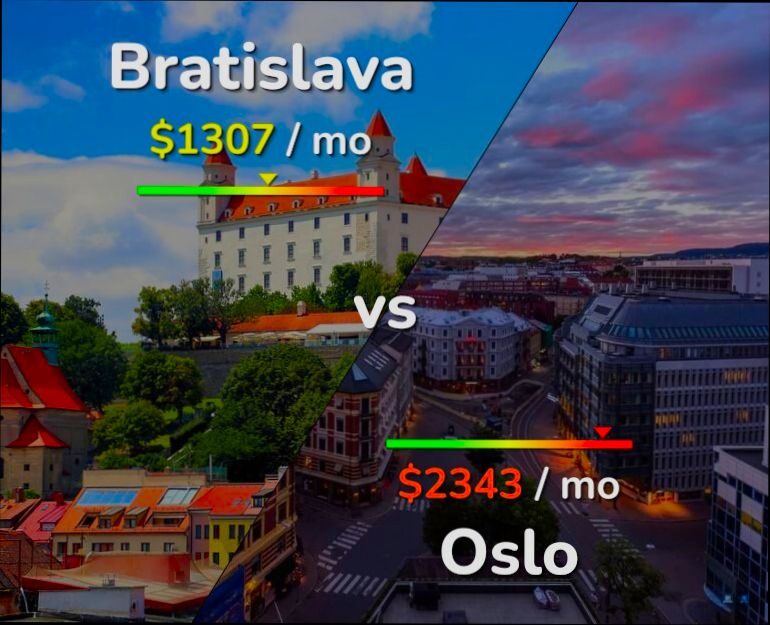
Alright, let’s talk about something that’s been on all our minds lately: inflation. It’s that sneaky little monster that creeps up and makes everything a bit more expensive than it used to be. For folks living in Slovakia, this has been an interesting ride.
As of late 2023, inflation in Slovakia has hovered around 10%. This means that the things you buy regularly, like groceries and utilities, are costing you more than they did just a year ago. For example, the price of bread has seen a jump, going up by approximately 15%, while dairy products can be up by 20%. Ouch!
When you hit the supermarket shelves, you might notice that your usual shopping list has gotten a bit pricier. A liter of milk might cost you around €1.20 instead of the €1 it used to be. And don’t even get me started on the price of fruits and veggies! That tasty apple could be setting you back by €0.70 instead of €0.50.
But it’s not just groceries. Rent prices in cities like Bratislava have also seen a noticeable uptick. A small one-bedroom apartment might have jumped to €700/month, which could be a real stretch for your budget. Even public transport has felt the pinch; a monthly pass can now set you back around €50.
So, what does all this mean for us everyday folks? Well, if you’re not careful with your budget, you could find yourself tightening your belt a little more than usual. It’s all about being smart with your money and maybe reconsidering those frequent café trips or takeaway meals.
Hopefully, these numbers give you a clearer picture of life in Slovakia with inflation in the mix. Stay savvy out there!
Regional Variations in Living Costs
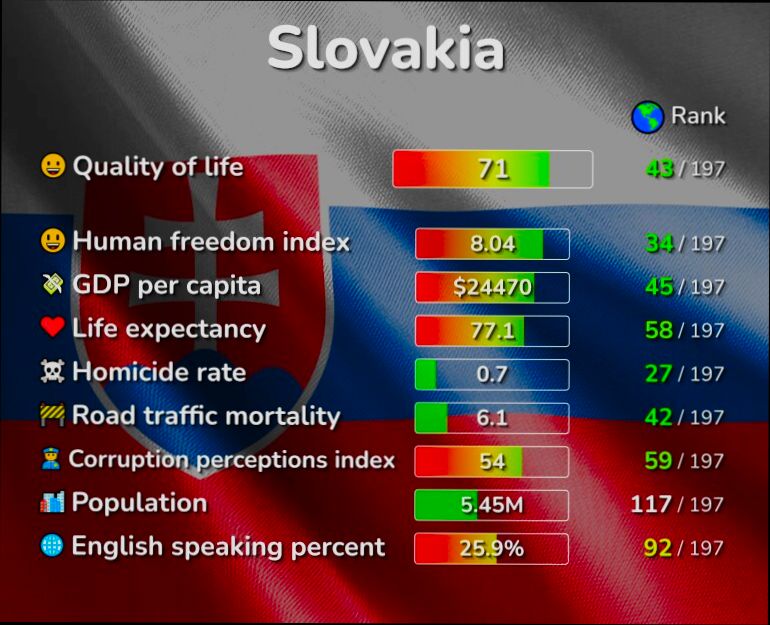
When it comes to living costs in Slovakia, you’re in for a bit of a ride! Just like any other country, things can vary quite a bit depending on where you are. Let’s break it down!
Bratislava: The capital city is where you’ll find the highest living costs. It’s buzzing with life, cultural events, and plenty of job opportunities, but that comes at a price. Rent for a one-bedroom apartment in the city center runs around €800 a month. If you’re looking at groceries, expect to spend about €250-€300 monthly if you’re cooking at home.
Trnava and Nitra: Both are smaller cities but still offer a decent lifestyle without breaking the bank. You can snag a one-bedroom apartment for about €500 in Trnava and around €450 in Nitra. Groceries here could set you back around €200 monthly. Plus, you get that cozy small-town feel with all the essentials!
Košice and Prešov: Heading east, you’ll discover Košice and Prešov. The costs drop significantly here. A two-bedroom apartment in the center of Košice is about €600, while in Prešov, you might pay around €500. Grocery bills hover around €180-€220, which is a bit more wallet-friendly!
To sum it up, if you’re planning to live in a bustling city like Bratislava, be prepared to pay more. But if you’re open to smaller towns, you can save a pretty penny without sacrificing quality of life. Just do your homework based on where you might want to settle down!
Statistical Comparison with Neighboring Countries
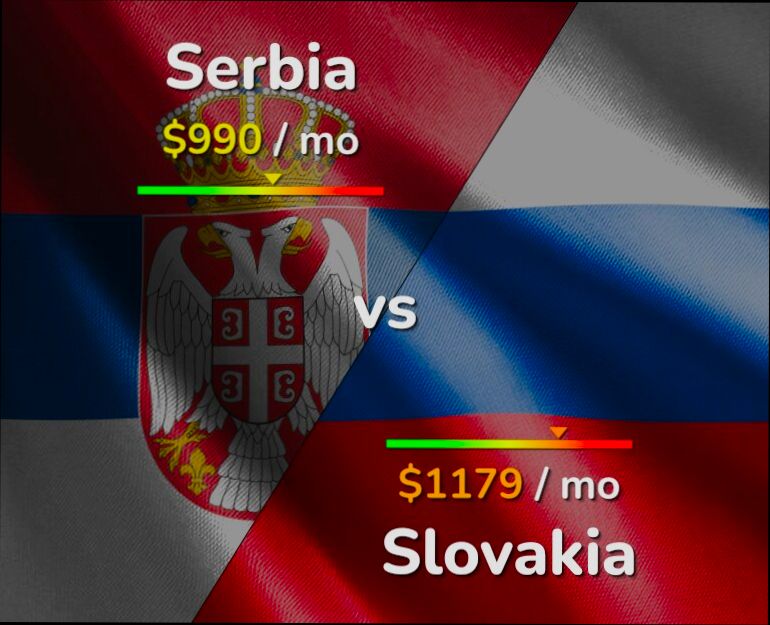
When it comes to the cost of living, Slovakia holds a pretty interesting spot in Central Europe. If you’re thinking about making a move or just curious, let’s break it down a bit by comparing it to its neighbors: Poland, Austria, and Hungary.
Slovakia vs. Poland
First up, Poland! Generally, living in Slovakia is slightly more expensive than in Poland. For instance, the average monthly rent in Bratislava is around €600 for a one-bedroom apartment, while in Warsaw, it’s about €500. But when it comes to groceries, you might actually pay a bit less in Poland—like a loaf of bread costing €0.70 in Slovakia, while it’s around €0.60 in Poland.
Slovakia vs. Austria
Now, let’s talk about Austria. This one’s pretty straightforward—Austria is definitely on the pricier side. If you’re living in Vienna, expect to shell out about €1,200 or more for that same cozy one-bedroom apartment. And food? A dinner for two at a nice restaurant in Bratislava might set you back about €40, while in Vienna, you could be looking at €70 or more.
Slovakia vs. Hungary
Finally, there’s Hungary. The capital, Budapest, is somewhat comparable to Bratislava in pricing, but still a little cheaper on average. A one-bedroom flat in Budapest costs about €525 a month, which is a win! For groceries, things like milk and fresh produce are often cheaper in Hungary, with a liter of milk costing around €0.85 in Slovakia compared to €0.75 across the border.
Wrapping it Up
So, if you’re considering a move or just looking to figure out where your money goes further, Slovakia is a pretty balanced option. It’s not the cheapest, nor the most expensive, which can be a nice sweet spot if you enjoy a blend of culture and affordability.
Cost of Living Index: A Data-Driven Approach
When we talk about the cost of living in Slovakia, it really helps to break down the numbers. The Cost of Living Index (COLI) gives us a clear snapshot of what to expect when living in different cities across this beautiful country.
Breaking Down the Numbers
Slovakia has a COLI that generally hovers around 50-70, depending on where you are. For comparison, New York City sits at a whopping 100! So, you can see that living in Slovakia can be pretty budget-friendly.
Rent is a Huge Factor
Let’s talk about rent, which is usually the biggest chunk of our monthly expenses. In Bratislava, the capital, you’re looking at around €800 to €1,200 for a one-bedroom apartment in the city center. But if you head to smaller towns like Košice or Prešov, that drops to about €400 to €600. That’s a significant saving!
Food Prices are Quite Manageable
Now, let’s get to groceries. On average, you might spend about €200 per month on food. A loaf of bread? Just €1.50. A liter of milk? Around €1.25. Even dining out isn’t too harsh on the wallet. A meal at a mid-range restaurant will cost roughly €10-€15. Not too bad, right?
Transportation Costs
Getting around Slovakia is super cheap as well. A monthly public transportation pass will set you back about €35 in Bratislava. And if you’re into biking, many cities have lovely bike lanes to explore without spending a dime!
Utility Bills
Don’t forget about utilities, which usually run about €150-€250 for a standard apartment. This covers your basic needs: electricity, heating, cooling, water, and garbage.
Healthcare Costs
Lastly, healthcare costs in Slovakia are quite affordable. With a good health insurance plan, you might only pay around €10-€20 per visit to a doctor. It’s a lot less stressful compared to other EU countries.
So there you have it! The cost of living in Slovakia is quite reasonable, especially when compared to Western Europe. Whether you’re considering moving or just curious, it’s worth diving into these figures!
Table of Average Monthly Expenses in Slovakia
So, you’re curious about what living in Slovakia might cost you? Here’s a quick breakdown of average monthly expenses for an individual. Remember, these figures can vary a lot depending on where you are—city life in Bratislava can be pricier than smaller towns, but this gives you a good ballpark!
| Expense Category | Average Monthly Cost (€) |
|---|---|
| Rent (1-bedroom apartment in city center) | 600 - 800 |
| Utilities (electricity, heating, cooling, water, garbage) | 150 - 200 |
| Internet | 25 - 35 |
| Groceries | 200 - 300 |
| Transportation (monthly pass) | 35 - 50 |
| Dining out (meal at a mid-range restaurant) | 10 - 15 |
Alright, let’s wrap it up with a few examples. If you’re living in a larger city, you might feel it in your wallet with rent typically hitting around €700. In contrast, smaller towns can offer rent as low as €300! For groceries, a shopping cart full of essentials will usually set you back about €250 a month. Lastly, don’t forget to factor in dining out; enjoying a nice meal could cost you around €12, but it’s totally worth it for the local cuisine!
So there you have it! Keep these figures in mind and plan your budget accordingly. Life in Slovakia can be affordable with the right approach!