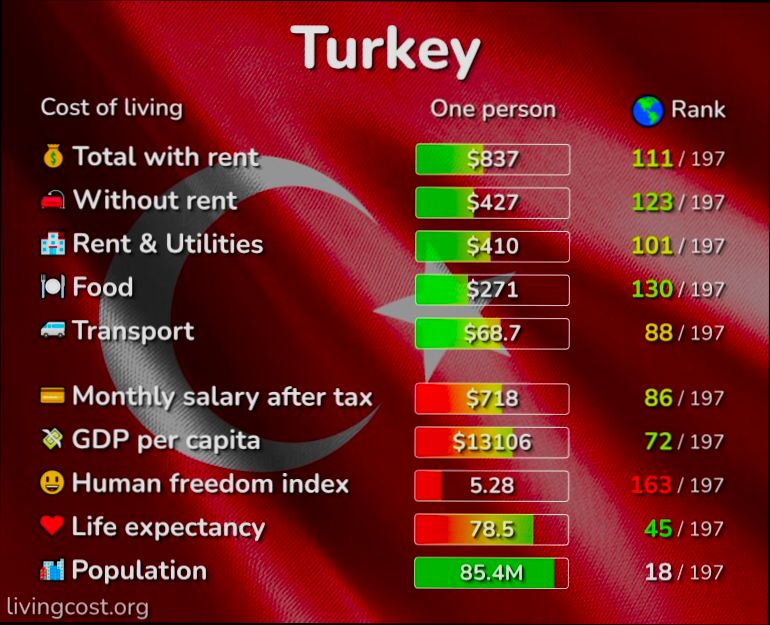
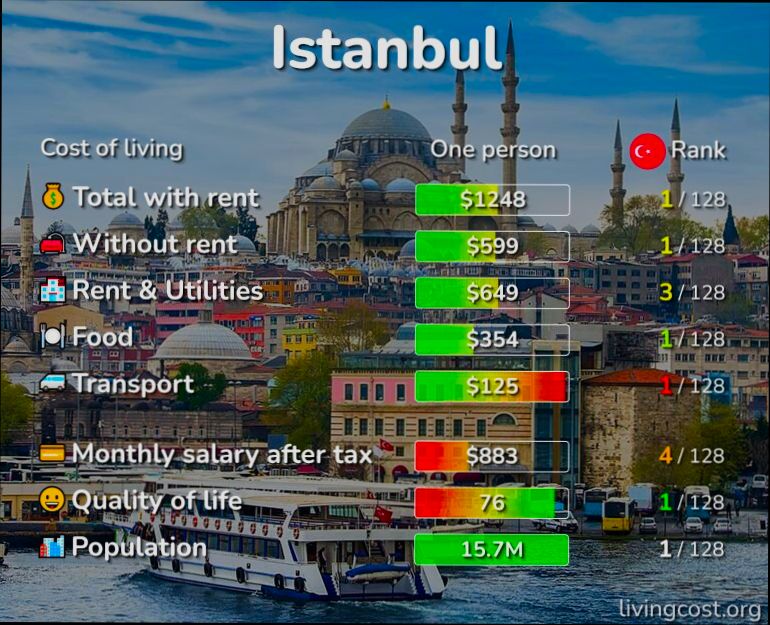
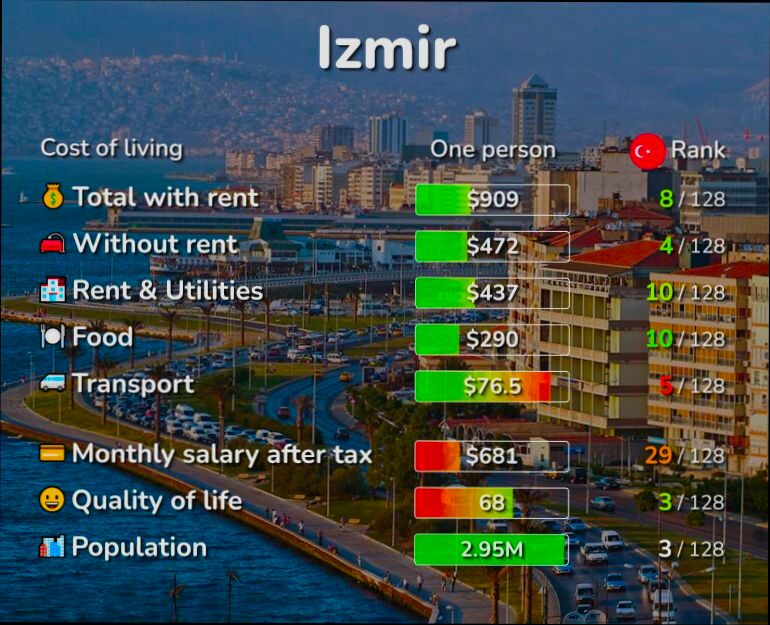
What is the Cost of Living in Turkey? Let’s break it down - you’ll find it’s a mix of affordable and surprising expenses. If you’re eyeing Istanbul, for instance, you might spend around 15,000 to 20,000 Turkish Lira ($600 to $800) a month for a comfortable lifestyle. Rent for a one-bedroom apartment in the city center can range from 7,000 to 10,000 TL, while a cozy spot on the outskirts might set you back just 4,500 TL. Food prices are friendly too; a meal at a local restaurant usually costs about 100 TL, and groceries for a week might run you around 1,500 to 2,000 TL.
As you venture into other cities, the costs can drop even further. In places like Antalya, you can snag a similar apartment for much less, with monthly rents falling to 3,500 TL. Public transport is super budget-friendly, with a monthly pass costing around 600 TL, making it easy to explore without breaking the bank. And don’t forget the cultural perks—many historical sites have low entrance fees, so you can indulge in Turkey’s rich history without emptying your wallet. It’s a vibrant blend of low-cost living with so much to experience right at your fingertips.
Understanding Housing Costs in Turkey
Understanding the housing costs in Turkey is essential, especially if you’re considering moving or investing in the country. Housing expenses can significantly impact your overall cost of living, and it’s vital to have a grasp of what to expect.
Over recent years, the Turkish real estate market has experienced fluctuations in pricing, driven by various economic factors. Let’s explore some of the key elements influencing housing costs in Turkey.
Rising Housing Prices
In 2024, Turkey has been noted as one of the countries with the highest inflation-adjusted house price growth. The annual growth rate of the real estate industry in Turkey was particularly notable between 2015 and 2023, showcasing persistent increases in property values. Specifically, the average monthly household expenditure on housing and rent escalated from approximately 1,500 Turkish lira in 2018 to around 3,200 lira by 2023.
- Average Monthly Household Expenditure (2018-2023):
- 2018: 1,500 TL
- 2019: 1,800 TL
- 2020: 2,200 TL
- 2021: 2,700 TL
- 2022: 3,000 TL
- 2023: 3,200 TL
Regional Variations in Housing Costs
Housing prices can vary significantly depending on the region. The unit prices of residential properties as of May 2024 differed considerably across Turkey. Here’s a snapshot of the average costs:
| Region | Price per Square Meter (TL) |
|---|---|
| Istanbul | 35,000 |
| Ankara | 25,000 |
| Izmir | 28,000 |
| Antalya | 30,000 |
| Bursa | 22,000 |
These figures reflect the diversity of the real estate market, where city centers typically command higher prices than suburban or rural areas.
Construction and Permitting Trends
The number of occupancy permits issued for buildings in Turkey saw substantial growth throughout the last decade. From 2014 to 2023, permits for new developments rose dramatically, indicating ongoing demand and construction activity. In 2023 alone, several thousand occupancy permits for new residential buildings were issued, showcasing the confidence in housing investments.
Real-World Examples
Considering the data, let’s take a closer look at a couple of significant players in Turkey’s real estate market. Leading construction companies, like XYZ Construction, have played a pivotal role in the market, contributing to the rise in available properties. In 2023, they reported revenues exceeding $1 billion, reflecting their large-scale impact on housing availability and prices.
Additionally, many expatriates have taken advantage of Turkey’s evolving housing landscape, often finding properties that offer good value relative to their cost of living in their home countries. For example, a young couple relocating from Europe found a two-bedroom apartment in Istanbul for the equivalent of 5,000 euros per month, significantly cheaper than similar accommodations in major European cities.
Practical Insights
As you delve into housing costs in Turkey, here are some key takeaways to consider:
- Budget for Fluctuating Prices: Always account for potential regional differences and market dynamics when budgeting for housing.
- Research Local Markets: Investigate specific neighborhoods to find the best balance between price and amenities.
- Understand Property Types: Know the differences in price between new constructions versus older properties, as well as the implications of buying versus renting.
When contemplating a move or investment in Turkey, keep these insights on housing costs in mind. Engaging with local real estate experts can provide further guidance tailored to your needs and circumstances.
Analyzing Food and Dining Expenses
Understanding food and dining expenses is crucial when evaluating the cost of living in Turkey. Whether you’re planning to move, travel, or just curious about Turkish cuisine, navigating these expenses can significantly affect your budget.
Average Grocery Costs
In urban areas of Turkey, grocery prices vary based on the products you choose. On average, a monthly grocery budget for one person ranges from 1,200 to 1,500 Turkish Lira (approximately $45 to $56). Here’s a breakdown of some common grocery items:
| Item | Price (in Turkish Lira) | Price (in USD) |
|---|---|---|
| Bread (1 loaf) | 5 | $0.19 |
| Milk (1 liter) | 12 | $0.45 |
| Eggs (12) | 35 | $1.33 |
| Chicken (1 kg) | 50 | $1.88 |
| Apples (1 kg) | 15 | $0.56 |
Dining Out
Dining out is another essential aspect of your food budget. Meals at local restaurants offer a diverse range of prices depending on the cuisine and location. However, you can expect to pay around:
- Street food: 20-50 Lira ($0.75 - $1.88) for items like simit (a traditional bread), köfte (meatballs), or doner kebabs.
- Casual dining: 80-150 Lira ($3 - $5.60) will secure you a meal in a mid-range restaurant.
If you enjoy a night out at fine dining establishments, plan for approximately:
- Fine dining meals: 300-600 Lira ($11 - $22) per person, including drinks.
Regional Differences
Food prices can significantly vary across different regions in Turkey. For example, in metropolitan areas like Istanbul and Ankara, you might witness slightly higher prices compared to smaller towns or rural areas. Here’s how the average expenses compare:
- Istanbul: Meals can be 20-30% more expensive.
- Ankara: Prices may be similar but tend to have better deals on local meals.
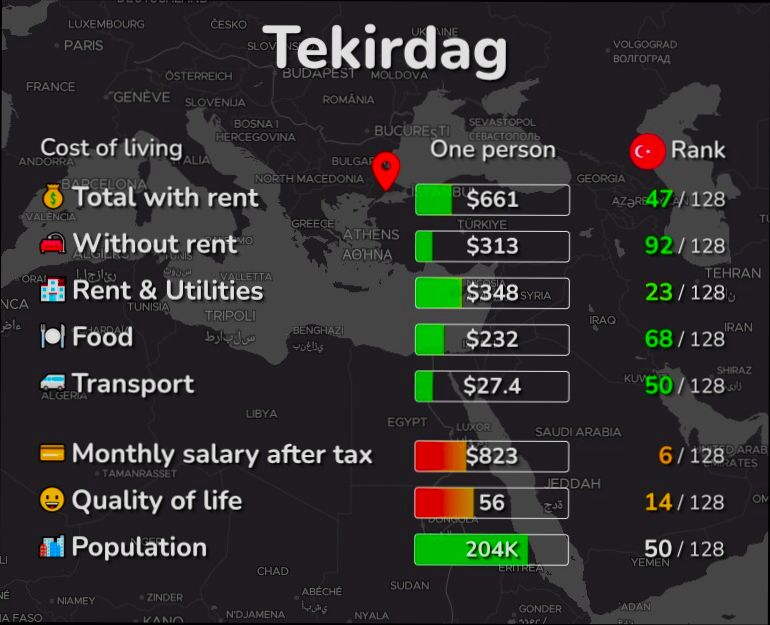
- Izmir: Typically offers affordable dining options, especially seafood.
Real-world Examples
Consider a recent case study of expats living in Turkey. One family of four shared how they spend around 3,500 Lira ($132) on groceries weekly, focusing heavily on seasonal produce, which allows them to save money. By shopping at local markets rather than supermarkets, they find fresher options at lower prices.
Another individual reported enjoying frequent meals at local eateries for an average cost of 60 Lira ($2.25) daily, emphasizing the affordability and diverse options available.
Practical Implications
When budgeting for food and dining in Turkey:
- Explore local markets: Fresh produce and unique Turkish delicacies are often more affordable than supermarkets.
- Street food: Do not overlook the vibrant street food scene that delivers delicious meals at rock-bottom prices.
- Dining preferences: Consider splitting meals or seeking out lunch specials, as many restaurants offer lower prices during lunch hours.
Actionable Advice
- If you are moving or traveling to Turkey, budget around 1,200 to 1,500 Lira per month for groceries.
- For dining out, allocate approximately 600 to 800 Lira per month for casual dining experiences.
- Keep an eye on local markets and food festivals for discounts and promotions that can help stretch your food budget.
Cost of Transportation in Major Cities
When considering the cost of living in Turkey, the cost of transportation plays a crucial role, especially in its major cities like Istanbul, Ankara, and Izmir. Understanding these expenses can help you budget more effectively in your new environment.
Public Transportation Costs
Utilizing public transportation is a common choice for residents in Turkey’s larger cities. Here’s how the costs break down:
- Istanbul: A single ride on the metro or tram costs around 15 Turkish Lira ($0.53). You can save money by purchasing an Istanbulkart, a rechargeable travel card that cuts fares to about 13.5 Turkish Lira ($0.48) per trip.
- Ankara: In the capital, a single bus fare is approximately 10 Turkish Lira ($0.35), with discounts available for students and seniors.
Taxi and Ride-Sharing Services
Taxis are readily available in cities, offering a convenient, albeit more expensive, option:
- The base fare for a taxi ride in Istanbul starts at around 23 Turkish Lira ($0.81), with an additional charge per kilometer of about 6.5 Turkish Lira ($0.23).
- Alternatively, popular ride-sharing apps like BiTaksi allow you to estimate fares beforehand, providing a transparent way to gauge your transportation expenses.
Comparative Costs of Transportation
Here’s a comparison of transportation costs in Turkey’s major cities:
| Transportation Method | Istanbul (TRY) | Ankara (TRY) | Izmir (TRY) |
|---|---|---|---|
| Metro/Tram Fare | 15 | N/A | 13 |
| Single Bus Fare | N/A | 10 | 12 |
| Taxi Base Fare | 23 | 20 | 22 |
| Ride-sharing Base Fare | 23 | N/A | 22 |
Real-World Examples
In Istanbul, commuters spending an average of 100 Turkish Lira ($3.53) a week on public transport might compare costs with those taking 3-4 taxi rides weekly, quickly increasing their transit budget. In contrast, residents in Ankara leveraging the bus system save significantly, allowing them to allocate funds to other living expenses.
Practical Implications
When planning your budget, consider fluctuations in fuel prices, which can affect taxi fares and ride-sharing costs.
- If you’re living in a more central area, you might rely less on public transport, making it essential to evaluate your daily commute and how it impacts your overall transportation costs.
- Factor in the necessity of occasional longer trips outside the city, which could increase transportation expenditures if you’re relying on taxis.
Actionable Advice
To maximize your budget, familiarize yourself with the schedule and routes of public transport. Using an Istanbulkart can lower your travel costs significantly, and considering group rides in taxis or ride-sharing services can further reduce expenses. Keep an eye on local transport promotions, which often offer discounts or free travel days, giving you the chance to explore the city without straining your wallet.
Statistical Overview of Living Expenses
Understanding the statistical overview of living expenses in Turkey provides a clearer picture of what you’ll encounter if you choose to live or invest here. This section will focus on essentials, such as trends in consumer spending, significant price fluctuations in various categories, and overall economic dynamics influencing living costs.
Living expenses have shown notable changes recently. For instance, the average annual spending per consumer unit has consistently increased over recent years. In 2023, this figure reached approximately $77,280, marking a 5.9% growth from the prior year.
Key Trends in Expenditures
Let’s delve into some key areas of consumer spending that reflect the economic environment in Turkey:
- Food & Dining: The food expenditure component remained significant, accounting for 12.9% of total expenses in 2023. Just looking at the food at home category, spending increased from $9,343 in 2022 to $9,985 in 2023, reflecting a 6.9% increase.
- Housing: The housing category saw average annual expenditures rise to $25,436 in 2023, representing a 4.7% increase from 2022. This trend highlights the ongoing demand for housing amidst increasing inflation pressures.
- Transportation: Transportation expenses have crept up as well, with average annual spending now at $13,174, an increase of 7.1% year-over-year in 2023.
Let’s look at these figures in a comparative table to better observe the shifts in living expenses over the years:
| Major Expense Category | 2022 Spending | 2023 Spending | Percentage Change |
|---|---|---|---|
| Food | $9,343 | $9,985 | 6.9% |
| Housing | $24,298 | $25,436 | 4.7% |
| Transportation | $12,295 | $13,174 | 7.1% |
| Health Care | $5,850 | $6,159 | 5.3% |
| Education | $1,335 | $1,656 | 24.0% |
Real-World Examples
Examining specific expenditure trends offers insight into consumer behavior. For instance, expenditures on education surged by 24% from 2022 to 2023, signaling a growing emphasis on educational services and potential investments in lifelong learning. Similarly, the expenses on alcoholic beverages increased by 9.3%, showcasing a continued interest in social dining and nightlife.
Practical Implications
What does this mean for you? If you’re considering moving to Turkey or investing, budgeting for these changes is crucial. Here are some actionable insights:
- Plan for Increased Food Costs: Given the upward trend in food prices, consider budgeting an additional 6.9% for groceries and dining out.
- Housing Investments: With housing costs rising at 4.7% annually, it’s wise to secure housing sooner rather than later if you’re looking to rent or buy.
- Transportation Budgeting: The increase of 7.1% in transportation suggests you should account for higher commuting costs in your financial planning.
Stay updated on these trends as they can significantly affect your overall cost of living in Turkey. Understanding and adapting to these statistical insights will empower you to manage your expenses effectively.

Practical Tips for Budgeting in Turkey
When it comes to budgeting for your time in Turkey, having a clear plan can significantly enhance your experience while keeping your expenses manageable. Understanding local costs and incorporating smart strategies will help you make the most of your budget as you explore this beautiful country. Let’s dive into some practical tips that can help you stay within your budget while enjoying everything Turkey has to offer.
Know Your Daily Costs
Understanding the average daily cost based on your travel style can set the tone for your budget. Here’s a quick glance:
| Travel Style | Average Daily Cost (in TRY) | One Week Cost (in TRY) |
|---|---|---|
| Budget (Cheap) | ₺1,937 | ₺13,562 |
| Mid-range | ₺4,787 | ₺33,506 |
| High-end | ₺11,625 | ₺81,372 |
This table highlights varying costs, helping you identify where you might want to cut back or indulge, depending on the experience you’re seeking.
Practical Tips for Smart Budgeting
1. Book in Advance: Secure your accommodations early to snag the best deals. For example, while budget options start at around ₺836 per night, booking last-minute could lead to higher prices.
2. Public Transport vs. Taxis: Turkey’s public transport system, including buses, metros, and trams, is efficient and budget-friendly. A single ride costs around ₺15, saving you money compared to higher taxi fares.
3. Dining Smart: Use resources like Google Maps to search for local restaurants away from tourist hotspots. Often, you’ll find not only better food but also more reasonable prices.
4. Minimize Data Roaming Costs: If you’re concerned about data fees, consider using Wi-Fi when available and turning off data roaming to avoid surprises on your bill.
5. Cash vs. Card: While cash is still widely accepted, many places prefer card payments. Ensure you have some cash on hand for smaller transactions, especially in markets or for tipping.
Real-World Examples
For instance, if you’re traveling on a budget, consider using the local transport system while planning to visit landmarks in clusters. This way, you efficiently explore the area without excess travel costs. Imagine visiting several historical sites in Istanbul while spending less than ₺50 on transportation for the whole day.
Practical Financial Tip: Currency Management
Using travel cards that offer favorable exchange rates, like Wise, helps reduce the costs associated with currency conversion. You can avoid hefty fees that traditional banks charge for currency exchanges. This strategy can result in better management of your spending while ensuring you get the most value from your money during your trip.
Actionable Advice
- Always calculate your daily budget based on the estimates for accommodation, transport, and meals before you arrive, giving you a clearer target.
- Look out for tourist discounts available at many attractions, especially combined tickets, which can lead to significant savings.
Keeping these tips in mind can make your stay in Turkey enjoyable without breaking the bank, allowing you to savor the stunning culture, cuisine, and landscapes responsibly.
Comparative Advantages of Living in Turkey
Living in Turkey comes with numerous comparative advantages that can significantly impact your lifestyle and budget. This vibrant country offers a blend of rich culture, strategic geographical advantages, and a relatively low cost of living compared to many Western nations. Understanding these benefits can enhance your experience whether you’re thinking of relocating, investing, or exploring new opportunities.
Cultural Diversity and Heritage
Turkey stands out due to its unique position at the crossroads of East and West, bringing together various cultures, languages, and traditions. This cultural diversity is not just enriching; it also promotes tolerance and understanding among different groups. Residents can enjoy a myriad of festivals, culinary experiences, and historical sites, providing a fulfilling lifestyle that blends the old with the modern.
Low Cost of Services
One of the more compelling advantages of living in Turkey is the affordability of various services. For example, domestic help such as cleaners or gardeners can be hired at a fraction of the cost compared to Western countries. You might find that:
- Hiring a full-time housekeeper: ₺2,000 - ₺3,000 ($110 - $165) per month.
- Utilizing personal trainers or yoga instructors can start from ₺200 ($11) per session.
These services can significantly ease your daily routine, allowing for a more balanced lifestyle.
Access to Nature and Climate
Turkey boasts a diverse geography that includes beautiful coastlines, mountains, and lush landscapes. Whether you prefer lounging on the Mediterranean beaches or hiking in the Cappadocia region, options are abundant. The climate is generally favorable, especially in coastal areas where mild winters and long summers allow for year-round outdoor activities.
Healthcare Quality and Affordability
The healthcare system in Turkey is both accessible and of high quality. Many doctors and healthcare professionals are trained internationally, and services are generally priced significantly lower than in the United States or European nations. Average costs for healthcare services:
| Service | Price (in Turkish Lira) | Price (in USD) |
|---|---|---|
| General Practitioner Visit | ₺300 | $16 |
| Dental Cleaning | ₺500 | $27 |
| 1-night Hospital Stay | ₺1,000 | $55 |
These costs illustrate how living in Turkey can maintain your health without breaking your budget.
Network of Expat Communities
As an expatriate-friendly country, Turkey is home to many expat communities. This network can provide invaluable support, friendship, and opportunities for socialization. You can connect through various groups focused on activities like:
- Language exchange
- Culinary classes
- Outdoor adventures
Engaging with these communities can make your transition smoother and enrich your overall experience.
Practical Implications
If you decide to move to Turkey, here are some actionable insights:
- Research Local Services: Knowledge of service prices can help you budget effectively. Consider setting aside a monthly allowance for services you may find beneficial.
- Explore Expat Networks: Join local expat forums or Facebook groups to ease your transition and meet like-minded people.
- Utilize Online Resources: Websites that compare service prices can give you a better understanding of local options and help you find what suits your needs best.
Living in Turkey opens doors to amazing experiences and advantages that are both culturally enriching and financially advantageous. Rich in history and charisma, Turkey invites you to explore its depths while enjoying a lifestyle that is often more affordable than many Western countries.
Healthcare Costs and Accessibility in Turkey
When considering the cost of living in Turkey, healthcare is a crucial factor that can significantly impact your budget. Turkey offers a health system that is both widely accessible and relatively affordable compared to many Western countries. Let’s delve into the specifics of healthcare costs and accessibility in Turkey.
Cost of Healthcare Services
Healthcare costs in Turkey can vary greatly between public and private sectors. Here are some key points regarding costs:
- Approximately 80% of healthcare expenses for Turkish citizens are covered by the Universal Health Insurance, ensuring that most people have access to essential health services.
- Public healthcare insurance typically covers over 70% of healthcare costs, including routine services and dental care, making it an attractive option for residents.
- For foreigners or those opting for private services, prices can still be lower than in the U.S. or EU. For example, a dental implant can cost around $1,200 in Turkey, which is significantly cheaper than the approximate $2,500 to $4,000 charged in the United States.
Table: Comparative Costs of Common Medical Procedures in Turkey vs. the U.S.
| Procedure | Cost in Turkey | Cost in U.S. |
|---|---|---|
| Dental Implant | $1,200 | $2,500 - $4,000 |
| Rhinoplasty | $3,000 | $6,000+ |
| Hair Transplant | $1,500 | $3,500 - $15,000 |
| Organ Transplant | $25,000 | $100,000+ |
Accessibility of Healthcare
One of Turkey’s strengths is its extensive healthcare network. Here are some highlights:
- Almost 99% of the population has access to public healthcare services. This high coverage rate ensures that the majority of citizens can receive necessary medical attention without prohibitive costs.
- The Turkish government has invested in modernizing healthcare facilities. The result? An increase in the quality of care that rivals that of developed nations, particularly in major cities like Istanbul and Ankara.
Real-World Examples
Turkey has become a popular destination for medical tourism due to its quality and affordability. For instance:
- Many foreigners travel to Turkey specifically for cosmetic procedures, as the prices are dramatically lower and the standards of care are excellent. A well-known clinic for hair transplants in Istanbul attracts a large number of international clients, who rave about the superb results and reasonable rates.
- Dental clinics often offer packages that include treatment and accommodation, further enhancing the appeal for international patients. For example, a combo deal for multiple dental procedures can be found for around $1,800, which would typically cost $5,000+ in the U.S.
Practical Implications for Residents and Expats
Living in Turkey provides you with affordable healthcare options. Here are a few tips to optimize your healthcare experience:
- If you reside in Turkey, it’s advisable to register for the Universal Health Insurance, as this allows you to minimize out-of-pocket expenses significantly.
- Combine public and private healthcare strategically. For regular check-ups and basic procedures, stick to public healthcare. For specialties or elective surgeries, consider the private sector for better service and shorter wait times.
- Research and compare clinics and hospitals, especially if you are considering surgery or treatment. Irrespective of whether you’re a local or an expat, quality may vary widely among private facilities.
Key Facts to Remember
- Public healthcare covers over 70% of expenses, making it a favorable option for Turkish residents.
- Many medical procedures in Turkey are significantly cheaper than in Western countries, with competitive quality.
- Access to healthcare is nearly universal, ensuring that most of the population can afford necessary medical services.