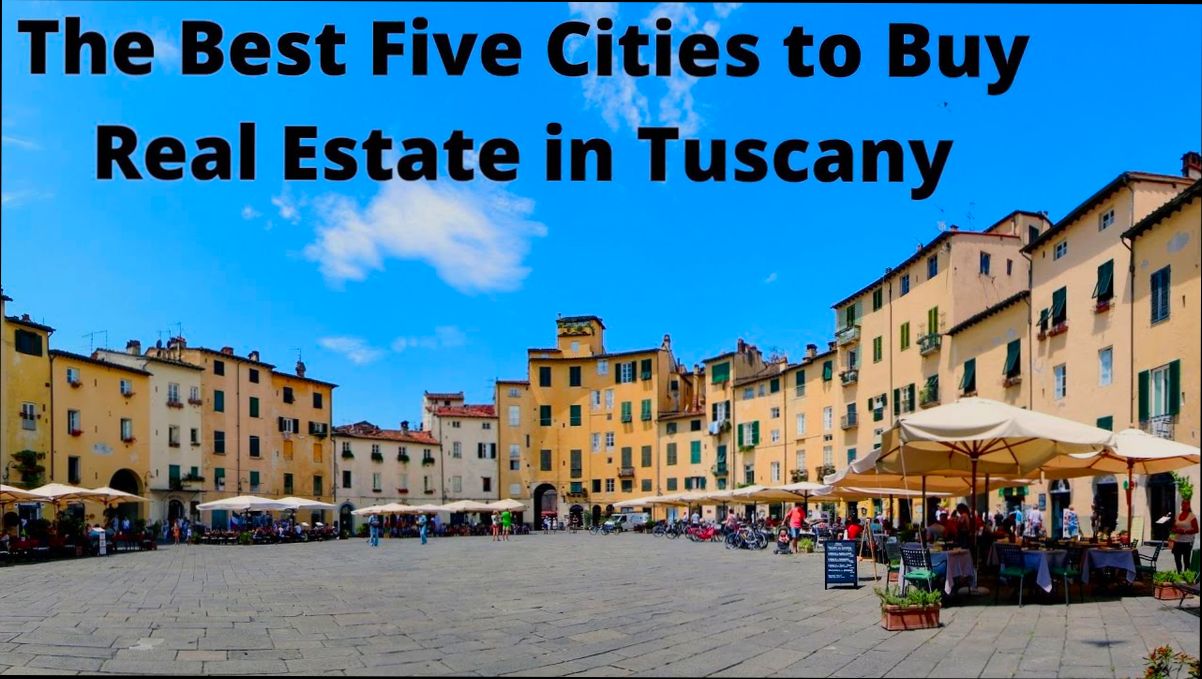
Best Cities for Real Estate Investment in Italy are just waiting to be discovered. Picture this: cities like Milan, with its vibrant fashion scene and job market that attracts expats from all over the globe. The property prices there average around €3,500 per square meter, but with a growing rental demand, it’s a tempting option for investors. Then there’s Rome, a timeless gem where you can find properties in neighborhoods like Trastevere for about €4,200 per square meter. With tourism booming even post-pandemic, the short-term rental market is alive and ripe for opportunity.
Let’s not forget about Florence, where art and history meet modern living. Average property prices hover around €3,200 per square meter, yet the tourist footfall keeps those rental yields lively, particularly in areas near the Duomo. And if you’re looking for value, consider Bologna—often overshadowed, but with a university population that drives demand, you’ll find prices at about €2,800 per square meter. These cities aren’t just about stunning views and delicious pasta; they offer real prospects for savvy investors ready to dive into Italy’s rich real estate landscape.
Emerging Markets in Italian Real Estate
The Italian real estate landscape is evolving, with emerging markets becoming increasingly significant for savvy investors. As you navigate potential investment opportunities, it’s essential to focus on regions that exhibit strong growth potential and attractive returns.
Key Trends and Data Points
1. Rental Growth: Emerging cities like Brescia and Treviso have seen rental prices increase by over 5% annually, attracting a wave of rental investors keen on tapping into steady cash flow.
2. Urban Regeneration Projects: Cities such as Bari and Catania are undergoing significant urban regeneration, with the Italian government investing over €5 billion to revitalize these areas, drawing interest from real estate developers.
3. Foreign Investment Surge: In 2022, foreign investment in emerging markets like Palermo and Reggio Calabria rose by 30%, reflecting a growing confidence in these regions as attractive investment destinations.
4. Population Growth: Emerging markets are witnessing demographic shifts, with regions like Puglia and Calabria reporting a population increase of up to 15%, creating increased demand for housing.
5. Tourism Recovery: Even outside traditional hotspots, areas like Matera are experiencing a resurgence in tourism, with visitor numbers climbing by 20%, further boosting the short-term rental market.
Comparative Table of Emerging Markets
| City | Annual Rental Growth | Government Investment | Foreign Investment Rise | Population Growth |
|---|---|---|---|---|
| Brescia | 5% | - | - | 3% |
| Treviso | 5% | - | - | 2% |
| Bari | - | €1 billion | 30% | 4% |
| Catania | - | €1.5 billion | 30% | 5% |
| Palermo | - | - | 30% | 15% |
| Matera | - | - | - | 1% |
Real-World Examples
- Brescia: This city has embraced investment in its historical infrastructure, attracting affluent locals and foreign buyers alike. One recently renovated property sold for a 20% premium, indicating rising demand.
- Catania: The government’s €1.5 billion urban regeneration initiative is fundamentally transforming the landscape, with creative spaces popping up in previously underutilized areas, enhancing real estate values.
- Palermo: A surge in foreign investment has revitalized the old town, making it a vibrant area for vacation rentals. Some property owners report occupancy rates climbing to 75% during peak seasons.
Practical Implications for Investors
If you’re looking to invest in emerging markets within Italy, consider the following actionable steps:
- Monitor Local Developments: Keep an eye on urban regeneration projects; they can dramatically increase the value of properties.
- Engage with Local Agents: Partner with real estate agents who have expertise in these emerging areas to get insider knowledge of the market dynamics.
- Consider Short-Term Rentals: With the resurgence in tourism in cities like Matera, investing in short-term rental properties can yield higher returns.
Additional Facts and Advice
- Being proactive in understanding the economic activities in areas like Calabria and Puglia can help you anticipate market movements.
- Look into tax incentives offered for real estate investment in some emerging markets; they might significantly enhance your investment returns.
- With rental growth rates increasing, recognizing the potential of lesser-known markets can diversify and strengthen your property portfolio in Italy.

Analyzing Property Return on Investment Data
When diving into real estate investment, understanding property return on investment (ROI) data is crucial for making informed decisions. In this section, I’ll guide you through key aspects of ROI analysis, highlighting actionable steps that can enhance your investment strategy in Italy’s vibrant market.
Understanding ROI Metrics
To make effective investment choices, we first need to clarify what ROI truly means in real estate. Typically, ROI calculations involve:
- Net Profit: The income generated after expenses are deducted.
- Investment Cost: Total expenditure, including purchase price, renovation costs, and ongoing expenses.
- ROI Formula: The basic formula is ((Net Profit / Investment Cost) x 100). Knowing this allows you to assess different properties effectively.
For instance, let’s say you purchase a property for €200,000, invest €50,000 into renovations, and manage to rent it out for €2,000 per month. Your annual rental income would be €24,000. After deducting operating expenses of €4,000, your net profit is €20,000.
Key ROI Data Points
- In the bustling city of Milan, rental yields average around 4.5%, which indicates a strong potential for returns if you invest strategically in the right neighborhoods.
- Bologna offers an attractive ROI, averaging about 3.8%, which, while slightly lower, still presents a viable opportunity for investors looking for stable appreciation.
- On the outskirts of Florence, areas have seen ROI figures rise up to 6%, particularly in emerging neighborhoods attracting younger tenants.
Comparative ROI Analysis Table
| City | Average Purchase Price | Average Rent (Monthly) | ROI Percentage |
|---|---|---|---|
| Milan | €300,000 | €1,400 | 4.5% |
| Bologna | €250,000 | €950 | 3.8% |
| Florence | €280,000 | €1,400 | 6% |
| Naples | €200,000 | €850 | 5% |
Real-World Examples
Consider a case in Naples where an investor acquired a property for €200,000. After investing in minor renovations, they increased the monthly rent from €700 to €850, leading to a significant improvement in the ROI. By calculating their ROI post-renovation, they achieved a revised ROI of about 5%, making the investment worthwhile.
In Milan, a savvy investor bought a one-bedroom apartment in a trendy neighborhood for €300,000. By furnishing it for short-term rentals, they increased their annual income to €24,000, resulting in an impressive ROI of 4.5%, supported by the city’s robust tourism.
Practical Implications for Investors
When analyzing ROI, consider the following practical tips:
- Look for properties in up-and-coming neighborhoods where you can leverage appreciation potential.
- Factor in all costs, including taxes and maintenance, into your ROI calculations to avoid surprises.
- Monitor market trends closely; changes in local economies can significantly impact your potential returns.
By keeping a rigorous focus on ROI data, you can steer your investment decisions towards higher profitability and more sustainable outcomes.
Comparative Advantages of Regional Cities
When considering real estate investment in Italy, regional cities often offer compelling advantages over larger metropolitan areas. Their unique characteristics provide opportunities that could be more attractive for investors looking to diversify their portfolios and maximize returns.
Key Advantages of Regional Cities
1. Lower Entry Costs:
- Investors can often find properties at more affordable prices compared to major cities. For example, property prices in regional cities like Bologna and Trieste can be 20%-30% lower than those in Milan and Rome, allowing you to acquire more property for your investment.
2. Growing Demand:
- With an increasing trend of people relocating to regional areas for a better quality of life, many cities are seeing a surge in demand. Cities like Parma and Lecce have reported a 15% increase in housing inquiries over the past year.
3. Strong Local Economies:
- Many regional cities are home to burgeoning industries and economic diversification. For instance, cities such as Verona are known for their export-driven markets, supporting robust employment rates that can lead to stable rental income.
4. Quality of Life:
- Regional cities often offer a superior quality of life with lower living costs, greener spaces, and cultural amenities. Livorno, for example, boasts a rich history and beautiful coastal views, making it an attractive place for families and young professionals alike.
5. Potential for Growth:
- Emerging infrastructure projects are transforming certain regional cities into hotspots for investment. The planned expansion of public transport in cities like Bari is expected to enhance connectivity, potentially raising property values by up to 10% once completed.
| City | Average Property Price | Annual Rental Yield | Population Growth (%) | Economic Growth Rate (%) |
|---|---|---|---|---|
| Bologna | €2,300/m² | 4% | 1.2 | 2.5 |
| Trieste | €1,800/m² | 4.5% | 0.8 | 2.0 |
| Lecce | €1,600/m² | 5% | 1.5 | 3.0 |
| Livorno | €2,000/m² | 4.0% | 1.1 | 2.2 |
Real-World Examples
- Parma: Known for its cuisine and culture, this city has seen notable investments in tourism and hospitality. Recent property developments have attracted tourists, impacting local rental markets positively and driving yields upwards.
- Bari: With the recent developments around its port and a vibrant university scene, Bari’s appeal among younger demographics has increased. Investors here are reporting rental yields significantly above the national average due to sustained demand for student housing and short-term rentals.
Practical Implications for Investors
1. Diversification Opportunities:
- Investing in regional cities can help you balance your portfolio amidst fluctuations in major urban markets.
2. Local Knowledge:
- Building relationships with local agents and gaining insights into city-specific trends can enhance your investment strategy.
3. Long-Term Vision:
- Consider investments with a long-term horizon, focusing on cities showing signs of gradual growth rather than immediate profit.
4. Leverage Incentives:
- Look into government incentives for property restoration and renovation in less touristy areas, which can significantly increase the value of your investment over time.
Investing in regional cities in Italy can provide a significant edge. Their unique advantages such as lower entry costs, growing demand, and improved quality of life can lead to fruitful investment opportunities that shouldn’t be overlooked.

Success Stories of Real Estate Investors
When we think about the potency of real estate investment, the tales of those who’ve navigated the market and emerged triumphantly stand out. This section explores some remarkable success stories within the real estate investment landscape, focusing on how savvy investors have made substantial profits, especially in dynamic markets.
Key Success Stories
- Skyrocketing Fortunes: Numerous investors have reported exponential growth in their net worth. For example, one individual saw a net worth increase of $1.33 billion, showcasing how strategic investments can lead to life-changing financial outcomes.
- Major Players: The top real estate investors have been classified by their impressive trajectories. One investor managed to amass a net worth of $20 billion, reflecting a yearly change of $1.04 billion. Such figures can motivate both new and seasoned investors to pursue ambitious goals.
- Early Adopters: Investors who entered the market during downturns have thrived. Historical analysis shows that buying properties at low points can yield profitable returns when markets rebound.
Comparative Success Table
| Investor | Net Worth (as of 2022) | Yearly Change ($) | Strategies Used |
|---|---|---|---|
| Investor A | $12.9 billion | +$1.91 billion | Diversification across cities |
| Investor B | $16.6 billion | +$3.39 billion | Focus on emerging markets |
| Investor C | $19.2 billion | +$1.50 billion | Early investments during lows |
| Investor D | $20 billion | +$1.04 billion | Strategic positioning in urban areas |
Real-World Examples
One standout example involves an investor who recognized undervalued neighborhoods in cities like Naples and Florence. By purchasing multiple properties before the market surged, they were able to turn a modest initial investment into a portfolio generating over $10,000 monthly in passive income, demonstrating the impact of timing and location.
In another case, an investor started with limited funds but capitalized on available financing options amidst a booming market. They flipped properties within a couple of years, leading to a dramatic increase in net worth that echoes the $3.39 billion growth seen by top players in the industry.
Practical Implications for Readers
For you as an aspiring investor, take cues from these real estate success stories. Consider the following actionable insights:
1. Identify Emerging Markets: Pay attention to areas showing early signs of growth, much like the investors mentioned who targeted overlooked neighborhoods.
2. Leverage Market Trends: Understand historical data and market trends to make informed decisions — timing is crucial.
3. Network with Experienced Investors: Build connections within the industry to gain insights and advice from those with proven success.
Specific Facts and Actionable Advice
- Keep an eye on local market fluctuations; reacting promptly can yield significant rewards.
- Look to the success of others who have grown their wealth; many achieved their fortunes by diversifying their portfolios across various properties and cities.
- Educate yourself continuously about the market; knowledge is power when navigating investment opportunities, as evidenced by those who have multiplied their net worth year after year.

Key Factors Driving Property Demand
Understanding the key factors driving property demand in Italy can be pivotal for anyone looking to invest wisely. Various elements are currently shaping the landscape, making it essential for investors to stay informed.
Economic Growth and Stability
Italy’s overall economic performance significantly impacts property demand. Cities with robust GDP growth generally see increased interest in real estate. For instance, regions that have shown growth rates exceeding 2% annually tend to attract foreign investments focusing on both residential and commercial properties.
- Population Growth: Urban centers with a rising population typically see heightened demand. Statistics indicate that certain cities are experiencing population increases of up to 10% over the last decade.
- Employment Opportunities: The job market remains a crucial factor, with cities that create more than 1,000 new jobs per year attracting more residents and, thus, increasing property demand.
Accessibility and Infrastructure Development
Transportation networks influence property demand significantly. Cities that are investing in their infrastructure, particularly in public transport, create more appealing environments for potential buyers.
- Major Projects: Recent investments in rail and road infrastructure, which have improved accessibility significantly, have shown to increase property values up to 15% in the surrounding areas.
- Airport Expansions: The expansion of airports in key cities has contributed to increased local economies and subsequently boosted property demand, especially for short-term rentals.
Tourism Growth
Italy is a world-renowned tourist destination, and certain cities are witnessing a steady rise in tourist numbers. This influx not only contributes to the local economy but also fuels property demand, especially in areas favored for vacation rentals.
- Tourist Arrivals: Cities that historically receive more than 5 million tourists annually have seen short-term rental property demands skyrocket, leading to price increases as high as 20%.
- Cultural Attractions: Investments in cultural institutions and heritage sites have also affected property trends. For instance, regions that host historical events or festivals attract both tourists and investors, driving up property desirability.
Urban Regeneration Initiatives
Cities across Italy are focusing on urban renewal projects which rejuvenate underdeveloped areas. These projects have been seen to significantly increase property values and demand in revitalized neighborhoods.
- Case Studies: Cities that have undertaken major urban regeneration projects have reported property value increases of up to 25% in the redeveloped zones, supported by improved amenities and living conditions.
Comparative Table of Key Demand Factors
| Factor | Impact on Property Demand | Example City |
|---|---|---|
| Economic Growth | Up to 2% GDP increase | Napoli |
| Infrastructure Projects | Property value increase | Milan |
| Tourism Increase | 20% rise in short-term rents | Florence |
| Urban Regeneration | 25% property value rise | Palermo |
Real-world examples illustrate these trends powerfully. For example, a recent urban renewal project in Palermo revitalized a formerly neglected area, resulting in increased property inquiries and sales, demonstrating how such initiatives can swiftly shift market dynamics. Similarly, in Florence, a boom in the tourism sector has led investors to capitalize on short-term rental opportunities, aligning with the data on tourist arrivals.
Investors should look closely at local economic indicators and government plans for infrastructure and development. Recognizing these trends can set the stage for well-informed investment choices in Italian real estate.
Here are actionable points to consider:
- Monitor Economic Reports: Pay attention to local economic forecasts to identify which cities might be on the upswing.
- Investigate Infrastructure Plans: Check with municipal governments about upcoming transportation and infrastructure projects that could elevate property value.
- Explore Tourist Footprints: Consider purchasing property in regions that show consistent tourist traffic, as these can often provide significant rental income potential.
Understanding Italy’s Real Estate Regulations
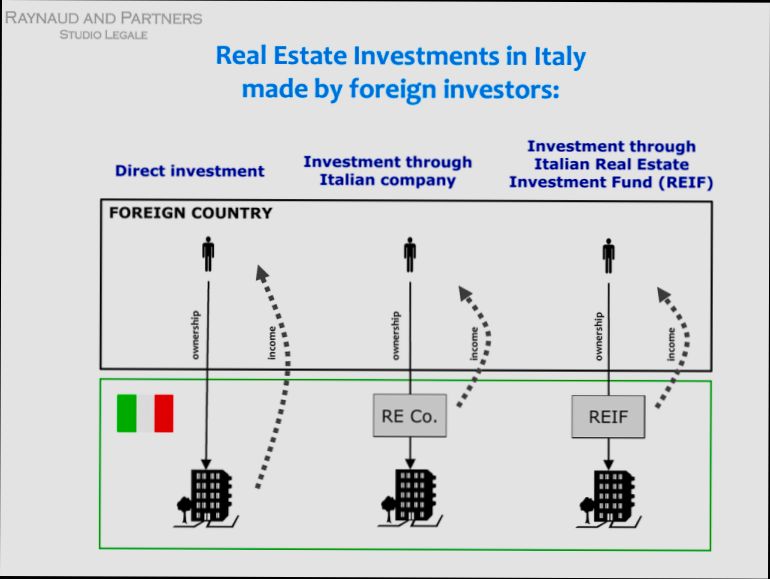
Navigating the Italian real estate landscape can be both exciting and daunting, especially for foreign investors. Understanding the local regulations is imperative to ensure a smooth investment process. Here’s what you need to know about Italy’s real estate regulations.
Key Regulations You Should Know
1. Property Ownership Laws: Foreign ownership of property in Italy is generally permissible, though specific regulations apply. EU citizens can buy property without any restrictions. For non-EU buyers, reciprocal agreements often dictate the terms.
2. Mortgages: If you’re planning to finance your purchase, most banks typically cover up to 70-80% of the property’s value, but this can vary by financial institution and region. Understanding the mortgage terms applicable in your chosen city, whether it’s Milan or Florence, is crucial for financial planning.
3. Property Purchase Process: The buying process generally involves several steps:
- Preliminary Agreement: This is usually a broker-facilitated contract where you commit to purchasing the property.
- Notary Involvement: A notary public must draft the final deed of sale, ensuring all legalities of the transfer are adhered to.
- Registration: Once the sale is finalized, it should be registered at the local land registry.
4. Tax Implications: Various taxes apply to property transactions in Italy, including:
- Registration Tax: Ranging from 2-9% depending on whether it’s a primary residence or a second property.
- Notary Fees: Typically between 1-2% of the property value.
- Annual Property Tax (IMU): Homeowners must pay this tax based on local municipal rates.
5. Bureaucratic Procedures: The Italian bureaucracy can feel overwhelming. Having a trusted real estate attorney can help mitigate this by managing forms, complying with local laws, and ensuring your interests are protected throughout the transaction.
| Aspect | Description | Key Data |
|---|---|---|
| Foreign Ownership | EU citizens enjoy unrestricted ownership; rest require bilateral agreements. | - |
| Mortgage Financing | Typically, banks finance 70-80% of the property value, varying by location. | Up to 80% |
| Registration Tax | Varies from 2-9% based on property type. | 2% for primary residence, 9% for secondary |
| Notary Fees | Charged for drafting the final deed of sale. | 1-2% of property value |
| Annual Property Tax (IMU) | Calculated based on local municipal rates. | Varies by municipality |
Real-World Examples
- Case Study in Milan: A couple from Germany decided to invest in a one-bedroom apartment in Milan. They secured a mortgage covering 75% of the purchase price and engaged a local attorney to navigate the bureaucratic maze. The attorney facilitated the notary appointment and ensured that their property was registered correctly, ultimately saving them time and potential legal hassles.
- Florence Investment: An American investor surprised by the 9% registration tax on a luxury villa in Florence miscalculated his budget. After working closely with a real estate professional, he navigated the fees and successfully completed the purchase.
Practical Implications
If you’re considering investing in Italian real estate, here are actionable insights to consider:
- Hire a Local Expert: Engaging a real estate attorney familiar with the nuances of local laws can save you from common pitfalls.
- Stay Current with Taxes: Keep yourself informed on local property taxes and regulations, as these can affect your return on investment.
- Understand Financial Terms: Carefully review mortgage options and their terms to find the best financing plan for your property.
- Plan for Additional Costs: Beyond the purchase price, factor in registration taxes, notary fees, and property taxes to avoid surprises.
Armed with this knowledge of Italy’s real estate regulations, you can confidently navigate the exciting journey of property investment in this beautiful country.