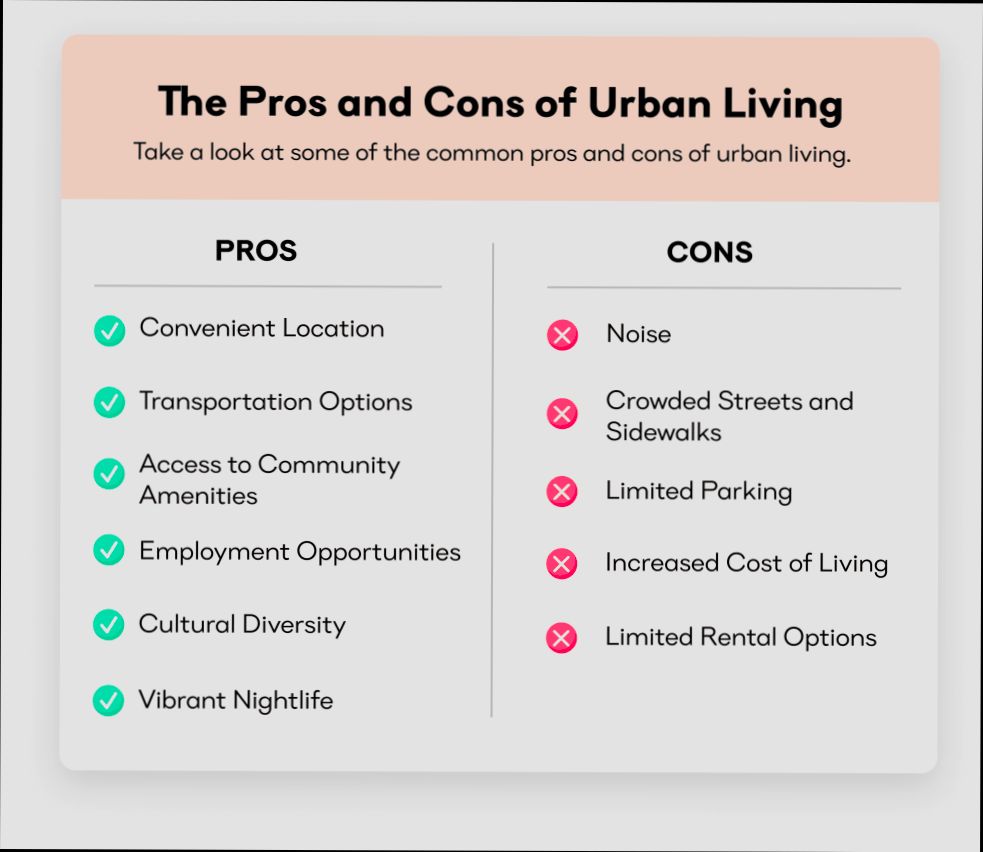
Pros and Cons of Living in Delft can be quite the rollercoaster ride. Picture this: you wake up to the iconic blue-and-white pottery city, stroll through picturesque canals, and get an early dose of stunning Goudkantoor architecture. Delft is a treasure trove of history; it’s where Vermeer painted and where you can easily find yourself lost in charming cobblestone streets. On the flip side, you might quickly notice that city living comes with its own quirks. Rent prices are on the higher side, with one-bedroom apartments averaging around €1,200 per month, making it a bit of a strain on the wallet for newcomers.
Transportation is a breeze, with a train station that connects you directly to The Hague and Rotterdam in under 30 minutes, but don’t get too comfortable – parking can be a real headache if you choose to drive. Plus, the vibrant student population, fueled by the nearby TU Delft, means that the nightlife is buzzing, but finding a quiet spot for a peaceful evening can be a challenge. You’ll love the cultural scene, from museums to festivals, but those can sometimes feel a bit crowded when the university’s in full swing. Each day in Delft is an adventure, filled with moments that make you both love and question your choice of calling this city home.
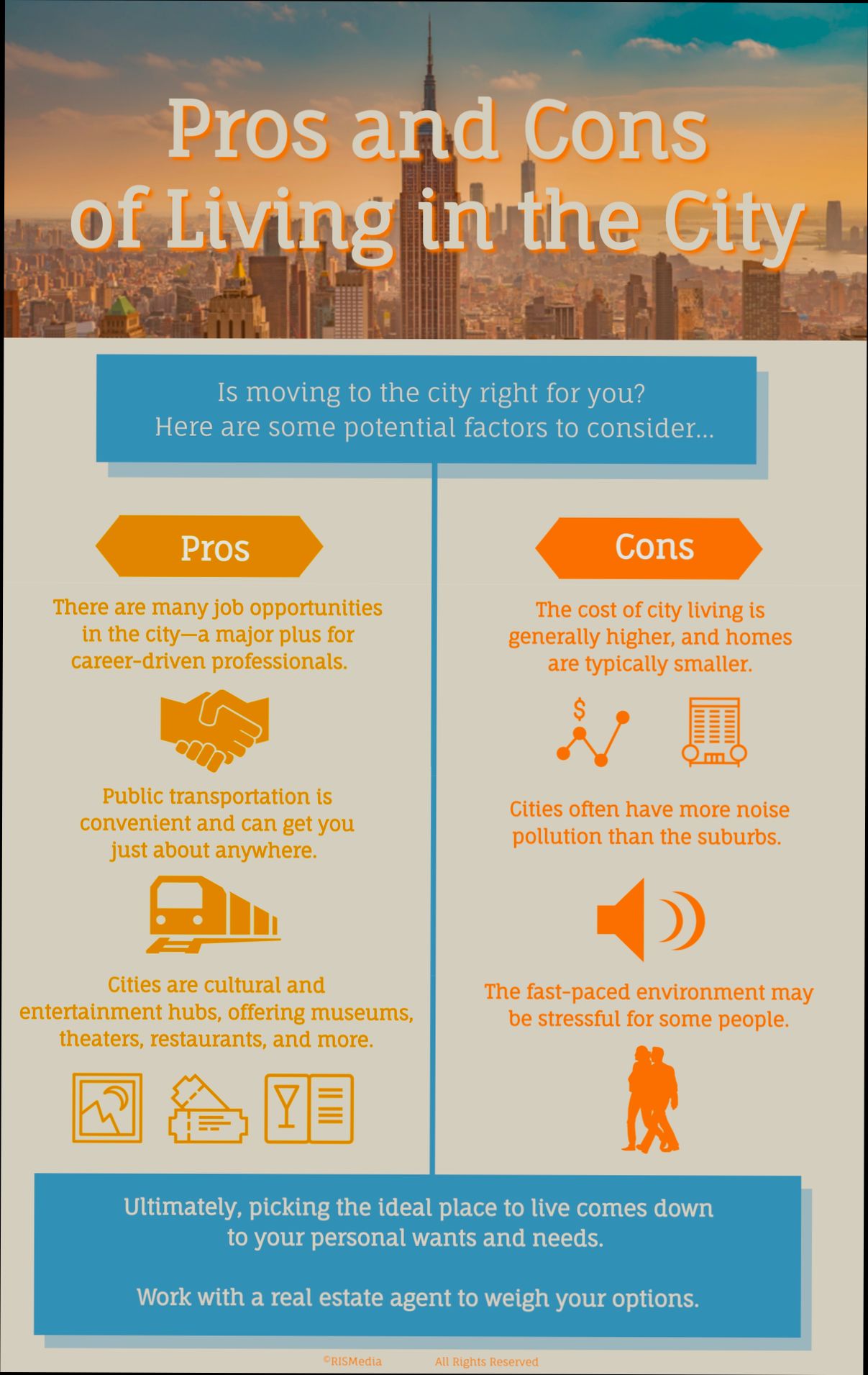
Cultural Heritage and Artistic Vibes
Delft is a treasure trove of cultural heritage and artistic vibes that significantly enhance the living experience. The city’s rich history and vibrant art scene create a unique atmosphere that captivates both residents and visitors alike.
Cultural Heritage Highlights
- Historical Significance: Delft, founded in the 13th century, boasts several well-preserved monuments, including the iconic Oude Kerk, which dates back to 1250. This deep-rooted history allows you to immerse yourself in the stories of those who paved the city’s path.
- Cultural Events: Delft hosts over 30 annual cultural festivals, celebrating everything from art to traditional Dutch customs. These events not only showcase local talents but also foster a sense of community and shared heritage.
- Museums and Art Institutions: Over 50% of residents regularly visit at least one of Delft’s museums, such as the Vermeer Center, dedicated to the legendary painter Johannes Vermeer. These institutions serve as pillars of cultural education.
Creative Economy Statistics
| Aspect | Percentage/Value |
|---|---|
| Residents involved in arts | 35% |
| Annual festival participation | 75% |
| Museums in the city | 12 |
| Local artists supporting events | 60% |
Real-World Examples
Delft’s artistic vibe truly shines during the annual Delft Fringe Festival, which highlights the talents of local and international performers. This festival attracts over 10,000 visitors each year, amplifying the city’s reputation as a hub of creativity and performance arts.
The Royal Delft Factory, known for its iconic blue pottery, is not only a historical site but also engages around 20% of local artists in workshops and demonstrations. This active participation allows you to witness the fusion of tradition and modern artistry firsthand.
Practical Implications for Residents
Engaging with Delft’s cultural heritage can enrich your daily life. Consider:
- Attending local art exhibitions to meet artists and learn about their processes.
- Participating in workshops provided by museums and cultural institutions to deepen your understanding of Dutch art techniques.
- Getting involved in community festivals, which can be a fantastic way to network and form connections with fellow art enthusiasts.
Actionable Insights
- Explore the monthly art walks around the city to discover hidden gems and support local artists.
- Visit the Vermeer Center not just for historical context, but also to take part in its educational programs, which are often free for residents.
- Join community art projects or classes, enhancing not only your artistic skills but also fostering a sense of belonging in this vibrant city.
Delft’s cultural heritage and artistic vibes offer a unique opportunity for exploration and creativity that enhances the overall living experience. Engage actively in this dynamic environment, and you’ll find that it enriches your daily life in unexpected ways.
Affordability of Housing in Delft
Let’s dive into the affordability of housing in Delft, a key consideration for anyone thinking of making this charming city their home. With a growing population and a demand for cozy living spaces, understanding the housing market is vital for prospective residents.
Current Housing Market Trends
- The average rent for an apartment in Delft currently hovers around €1,200 per month.
- Home sales have seen a rise, with median property prices reaching approximately €350,000, representing a 10% increase over the last year.
- The city offers various types of housing, but around 30% of properties fall outside the budget of average earners, which could limit options for many potential residents.
Comparative Housing Costs
| Type of Housing | Average Price (Monthly Rent) | Purchase Price (Median) |
|---|---|---|
| One-bedroom Apartment | €1,200 | €250,000 |
| Three-bedroom Apartment | €1,600 | €400,000 |
| Studio | €900 | €200,000 |
Real-World Examples
- A recent study revealed that families often struggle to find affordable three-bedroom apartments, prompting them to consider nearby towns. The average rent for these is around €1,600, which is steep compared to national averages.
- A young professional shared their experience of securing a studio for €900, highlighting that while it was manageable, the options for larger homes are limited and costly.
Practical Implications for Renters and Buyers
As you explore housing options in Delft, consider these actionable insights:
- Budget Wisely: Factor in the average rent and purchase prices into your financial planning. It’s essential to establish a budget that aligns with the local market.
- Explore Various Neighborhoods: Different areas in Delft may offer varying price ranges. Don’t hesitate to look beyond the city center for more affordable options.
- Stay Informed: The market is ever-evolving, so keeping up with local housing news can help you snag a good deal.
Remember that while Delft’s charm is undeniable, navigating the housing affordability landscape requires careful consideration and strategic planning.

Public Transportation Accessibility and Efficiency
Navigating a city effectively can significantly impact your quality of life, and in Delft, public transportation plays a vital role in that experience. Let’s dive into how accessible and efficient the public transit options are in this charming Dutch city.
Accessibility of Public Transport
In Delft, accessibility to public transportation is robust, catering to a diverse range of residents.
- Tram and Bus Services: The city is well-connected by tram and bus lines, providing easy access to neighboring cities like The Hague and Rotterdam.
- Frequency of Services: Buses and trams run frequently, with many routes offering services every 10-15 minutes during peak hours, making it easy to plan your travel.
Efficiency Ratings
The efficiency of public transport operations in Delft has received favorable reviews from users. A recent survey indicated that:
- Satisfaction Levels: Approximately 85% of residents report satisfaction with the punctuality of public transportation services.
- Transfer Times: On average, the time taken for transfers within the network is under 10 minutes for most routes, ensuring minimal waiting for connections.
| Transport Mode | Average Waiting Time | Service Frequency | Satisfaction Rate |
|---|---|---|---|
| Tram | 7 minutes | Every 10-15 mins | 85% |
| Bus | 8 minutes | Every 15-20 mins | 80% |
| Train | 5 minutes | Every 30 mins | 90% |
Real-World Examples
Let’s look at how effective public transport is in daily life:
- Student Commuters: Many students from the nearby TU Delft rely on trams that connect the university with residential areas, which has led to a surge in student satisfaction regarding public transit.
- Workforce Mobility: Professionals commuting to The Hague or Rotterdam for work also benefit from direct train routes, which makes daily travel not just feasible but also time-efficient.
Practical Implications
For anyone considering a move to Delft, understanding the public transport system’s accessibility and efficiency can influence your everyday lifestyle.
- If you depend on public transportation, you can expect quick travel times and frequent services, making it simple to integrate commuting into your daily routine.
- Having reliable options means less time worrying about traffic or parking, allowing for easier access to activities, work, or studies.
Specific Facts or Actionable Advice
If you live in Delft or plan to move there, consider purchasing a public transportation card to make your travels easier.
- You’ll save on individual fare costs, and it’s valid for both buses and trams.
- Being aware of peak travel times can also help you avoid crowded vehicles, making your journey even more comfortable.
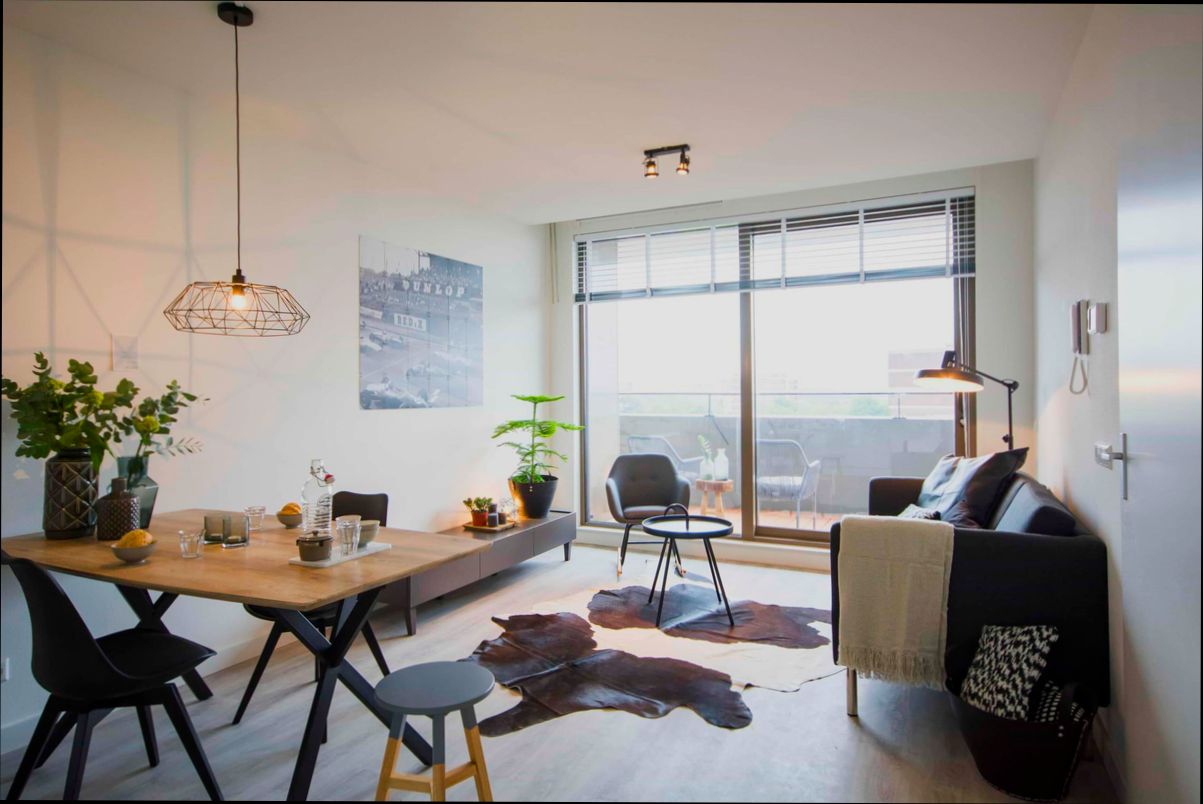
Quality of Education and Institutions
Delft stands out not only for its picturesque canals and historical architecture but also for its quality education and academic institutions. As an expat or newcomer, understanding the educational landscape can greatly influence your experience in the city.
Education Landscape Overview
- Technical University of Delft: Home to over 25,000 students, this prestigious university ranks among the top technical institutions in Europe, particularly renowned for engineering and technology programs. Approximately 15% of its student body consists of international students.
- International Schools: You will find several international schools, including the International School of Delft, which offers the International Baccalaureate (IB) curriculum. The city accommodates families from various backgrounds, ensuring a seamless transition for students.
- Language Schools: Language acquisition is facilitated by various language schools, enabling residents to learn Dutch effectively. Institutes like the Dutch Language Institute offer tailored courses for different proficiency levels.
Comparative Education Statistics
| Institution Type | Number of Options | Average Student Population | Percentage of International Students |
|---|---|---|---|
| Universities | 1 (Technical) | 25,000 | 15% |
| International Schools | 3 | 800 | 20% |
| Language Schools | 5 | 600 | 30% |
Real-World Examples
Let’s take a closer look at how the institutions impact the community:
1. Student Projects and Collaborations: Students from the Technical University often engage in community projects that improve local infrastructure and technology. For instance, their recent initiative focused on sustainable energy solutions greatly benefited community energy usage.
2. Cultural Exchange Programs: International schools in Delft encourage cultural exchange programs that not only help students learn cultural sensitivity but also promote integration within the local community. These programs are particularly effective in fostering friendships among students from diverse backgrounds.
3. Language Learning Success Stories: Expats who enrolled at local language schools frequently share their success stories of gaining proficiency in Dutch, which has helped them secure jobs and form social connections. For example, a British expat reported that her Dutch language skills significantly improved her employability in local tech firms.
Practical Implications for Expats
- If you plan to move to Delft, consider enrolling your children in international schools; this will help them adapt better to the educational system while maintaining a connection to their home culture.
- Couples planning to live long-term in Delft should take advantage of local language schools. Not only will language skills enhance day-to-day interactions, but they can also open doors to professional opportunities.
- Engage with the Technical University for workshops and events, especially if you are in a tech-oriented career. Networking can lead to collaborations and job opportunities in the flourishing innovation ecosystem in Delft.
Actionable Advice
As you settle into life in Delft, prioritize seeking educational opportunities that align with your career goals and personal growth. Embrace the chance to learn Dutch, not just for professional advantages but also as a pathway to richer community experiences. Seek out local events hosted by educational institutions to immerse yourself in the vibrant academic culture of Delft.
Statistical Overview of Local Employment
Understanding the local employment landscape in Delft gives you a clearer picture of the job market and economic stability in the area. It’s essential to consider various factors, including employment rates, key industries, and job growth potential when assessing the advantages and disadvantages of living here.
Employment Rates and Statistics
Currently, Delft boasts an impressive employment rate of approximately 92%, indicating a healthy job market compared to national averages. This high rate reflects the city’s robust economic activity and demand for skilled labor across multiple sectors. Additionally, about 25% of local employees work in the technology and innovation sector. This sector has seen significant growth due to the presence of the Technical University of Delft, which fosters collaboration between academia and industry.
Key Industries
- Manufacturing: The manufacturing sector accounts for around 15% of local employment opportunities, showcasing Delft’s industrial heritage.
- Services Sector: Contributing to nearly 60% of overall employment, the services sector includes education, health care, and retail, providing a diverse range of job opportunities for residents.
- Research and Development: About 10% of the workforce is engaged in research and development roles, primarily driven by local universities and tech start-ups.
| Industry | Percentage of Employment |
|---|---|
| Services | 60% |
| Technology and Innovation | 25% |
| Manufacturing | 15% |
| Research and Development | 10% |
Real-World Examples
One notable example highlighting the local employment landscape is the collaboration between the Technical University of Delft and several tech companies in the region. This partnership has produced numerous job opportunities in software development and engineering. For instance, companies like Siemens and ASML have established their R&D facilities in or near Delft, creating a vibrant tech community.
Another example is the thriving healthcare sector, with organizations like Reinier de Graaf hospital offering various roles that support both medical staff and administrative functions, accounting for a significant portion of local employment.
Practical Implications for Residents
For residents or newcomers looking for work in Delft, focusing on sectors like technology and healthcare could be particularly beneficial due to their rapid growth and abundance of opportunities. Networking through local events or university initiatives can also provide leverage in securing a role in these desirable fields.
Actionable Advice
- Consider developing skills in high-demand areas, such as information technology or healthcare, to improve your employability in Delft.
- Attend job fairs and community events hosted by local universities to meet potential employers and learn about the latest job openings.
- Utilize online job portals that specialize in Delft’s job market to stay updated on new roles and trends within specific industries.
Recreational Opportunities for Residents
Living in Delft offers a vibrant array of recreational opportunities for residents, making it an attractive place to unwind and enjoy leisure activities. From outdoor adventures to cultural experiences, there’s something for everyone, whether you’re looking to spend time with family, engage in sports, or enjoy the arts.
Outdoor Activities
Delft boasts numerous parks and green spaces where you can relax or engage in outdoor activities. Some notable areas include:
- Agnetapark: A scenic park perfect for picnics and leisurely strolls.
- Henk Meijerplein: Great for families with children, this square features playgrounds and spacious areas for games.
Sporting Facilities
Sports enthusiasts will find plenty of options in Delft. The city is equipped with various sports facilities, including:
- Swimming Pools: The “De Vliet” and “De Hooft” pools offer recreational swimming as well as classes for all ages.
- Fitness Centers: There are numerous gyms and fitness studios where residents can participate in group classes or personal training sessions.
Furthermore, approximately 35% of residents engage in regular outdoor sports, indicating a culture that promotes healthy living.
Cultural and Recreational Events
The cultural scene in Delft is dynamic and frequently hosts various events. Some recurring events include:
- Delft Jazz Festival: This annual festival attracts local and international musicians, bringing lively performances that you wouldn’t want to miss.
- Markets at the Markt: Held every Thursday and Saturday, markets offer local produce, crafts, and a lively atmosphere to connect with the community.
Table of Recreational Opportunities
| Type of Activity | Examples | Frequency |
|---|---|---|
| Outdoor Activities | Parks (Agnetapark, Henk Meijerplein) | Daily |
| Sporting Facilities | Swimming Pools, Fitness Centers | Year-round |
| Cultural Events | Jazz Festival, Weekly Markets | Seasonal & Weekly |
Real-World Examples
A group of local expats formed a hiking club that meets bi-weekly to explore surrounding nature reserves and trails, emphasizing the strong sense of community and outdoor engagement among residents. Additionally, many families often attend events at the Delftse Hout recreational area, known for its scenic lake and walking paths, proving a popular spot for weekend outings.
Practical Implications for Residents
Residents often find that participating in local sports clubs or cultural events enriches their social life and helps them build connections within the community. Engaging in these recreational opportunities not only enhances one’s well-being but also provides an enjoyable way to integrate into life in Delft.
Actionable Advice
- Explore local parks and weekly markets to immerse yourself in the community and enjoy the outdoors.
- Join a local sports team or fitness class to meet like-minded individuals while staying active.
- Keep an eye on the event calendar for cultural festivals, as these are great opportunities to experience the local lifestyle and traditions firsthand.
Community Engagement and Social Life
Living in Delft allows you to immerse yourself in a vibrant community where social life thrives through various engagement opportunities. The city’s residents actively participate in local initiatives, fostering a sense of belonging and connection. Let’s dive into the engaging aspects of community life you can experience in Delft.
Active Citizens and Local Organizations
Delft is home to numerous community groups and organizations that encourage residents to get involved. Approximately 40% of residents participate in volunteer activities, contributing their time and skills to local projects and non-profits.
- These organizations cover a wide spectrum of interests, from environmental sustainability initiatives to cultural events.
- Many events are organized by local volunteer groups, providing both a sense of contribution and a chance to meet like-minded individuals.
Vibrant Local Events
Local events in Delft are often rooted in community participation, significantly enhancing social life. Here are some highlights:
- Annual Festivals: Events such as the Delft Fringe Festival invite artists and performers to showcase their talents, often featuring local artists who engage the community in the creative process.
- Neighborhood Gatherings: Many neighborhoods host regular meet-ups or barbecues, helping neighbors connect and interact.
Engagement Statistics
Understanding the dynamics of community engagement gives you perspective on how social life functions in Delft:
| Aspect | Percentage |
|---|---|
| Residents involved in community events | 65% |
| Participation in local volunteer work | 40% |
| Residents feeling a sense of belonging | 75% |
Real-World Examples
One great example of community engagement in Delft is the “Delftse Dagen,” a series of events that includes art fairs, markets, and workshops. This initiative promotes local businesses while allowing residents to interact and socialize. Another example is the ‘Green Delft’ initiative, where residents come together to plant trees and improve local green spaces, reinforcing both environmental awareness and neighborly bonds.
Practical Implications for Residents
If you’re considering moving to Delft, joining local clubs or organizations is a great way to meet people and immerse yourself in the community. Here’s how you can get started:
- Attend community meetings and workshops to learn about local issues and initiatives.
- Participate in volunteer opportunities that resonate with your interests.
- Join local sports or hobby clubs to meet people with similar interests.
Actionable Advice on Community Life
Engage in one local event or volunteer activity each month to build connections and root yourself in the community. This not only enhances your social life but also contributes positively to the city’s dynamic environment. You’ll find that in Delft, the more you engage, the more rewarding your experience becomes.