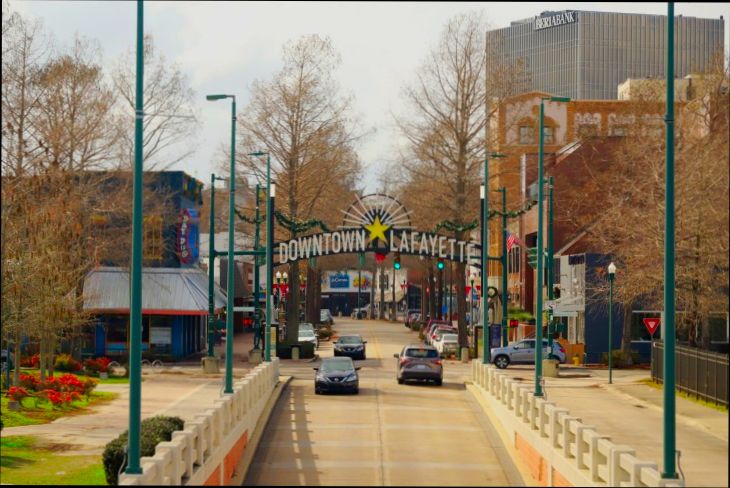
Pros and Cons of Living in Lafayette LA are worth exploring if you’re considering a move or just curious about this vibrant city. Lafayette is a foodie’s paradise, especially for fans of Cajun and Creole cuisine. You’ll find mouthwatering dishes like gumbo and boudin at local spots like The Pastime and Bon Temps Grill, where even a simple lunch brings a taste of the culture. Plus, with a cost of living that’s around 9% lower than the national average, you can enjoy all this deliciousness without breaking the bank. The city also boasts a warm climate, with over 200 sunny days a year, making it perfect for outdoor activities, whether you’re enjoying the beautiful Acadian Park or dancing the night away at a lively festival.
On the flip side, living in Lafayette isn’t all sunshine and spice. While the slower pace is great for some, it can feel a bit limiting for those used to urban excitement—think small-town vibes in a city that doesn’t quite offer the nightlife options of larger regions. The public transportation system isn’t extensive either, so having a car is almost a necessity. Plus, with the area’s vulnerability to hurricanes, residents need to stay alert during hurricane season. Flooding can also be a concern, especially for homes near the bayou. So, while Lafayette has its charms, it also presents challenges that you’ll want to keep in mind.

Economic Opportunities in Lafayette
Lafayette, Louisiana, presents a vibrant landscape for economic opportunities, driven by its distinct industries and community-driven initiatives. If you’re considering moving here or investing, this city definitely has some appealing features you’ll want to know about.
Key Economic Sectors
In Lafayette, several key sectors offer numerous job opportunities and business potential:
- Energy Sector: Lafayette has become a hub for energy-related businesses, especially in oil and gas. The region holds over 20% of the state’s oil production, creating a robust job market that includes both blue-collar and white-collar positions.
- Healthcare: The healthcare sector is booming, with major institutions like Lafayette General Medical Center employing thousands. In fact, the healthcare industry in Lafayette has seen a growth rate of approximately 10% over the past five years.
- Technology: With the rise of the Creative Economy, Lafayette has increasingly focused on technology and innovation. The Lafayette Consolidated Government has invested in initiatives that have resulted in a 15% increase in tech startups from 2018 to 2022.
Job Market Overview
Here’s a snapshot of Lafayette’s job market indicators:
| Sector | Employment Growth (%) | Average Salary ($) |
|---|---|---|
| Energy | 5% | 75,000 |
| Healthcare | 10% | 65,000 |
| Tech | 15% | 80,000 |
| Education | 7% | 50,000 |
| Tourism | 8% | 40,000 |
Real-World Examples
Lafayette’s favorable economic environment has resulted in successful case studies, demonstrating its potential. For instance:
- CITE - Center for Innovative Teaching and Learning: This program aims to encourage startups in educational technology. They recently launched 15 new startup projects, attracting over $1 million in investment within a year.
- Lafayette’s Economic Development Authority (LEDA): By fostering partnerships with local entrepreneurs, LEDA has successfully facilitated the creation of over 600 new jobs in the last three years across various sectors.
Practical Implications
If you’re thinking about your career or investment options in Lafayette, here are some actionable insights:
- Networking Opportunities: Engage with local chambers of commerce and industry groups. Building connections can lead to potential job offers or investments.
- Skills Development: Consider enrolling in local educational institutions that offer courses in high-demand fields like healthcare and technology to enhance your employability.
- Business Ecosystem: If you’re an entrepreneur, take advantage of Lafayette’s business incubators and resources available through the LEDA. They can guide you in launching your venture and connecting with potential investors.
Actionable Facts
- The average salary in Lafayette is competitive, especially in healthcare and technology fields where it averages around $80,000.
- If you’re part of the workforce, remember that Lafayette offers numerous incentives for businesses to set up shop, often participating in grants and funding initiatives.
- Explore part-time opportunities while pursuing educational credentials; many local companies have flexible positions that accommodate students’ schedules.
Cultural Richness and Community Vibe
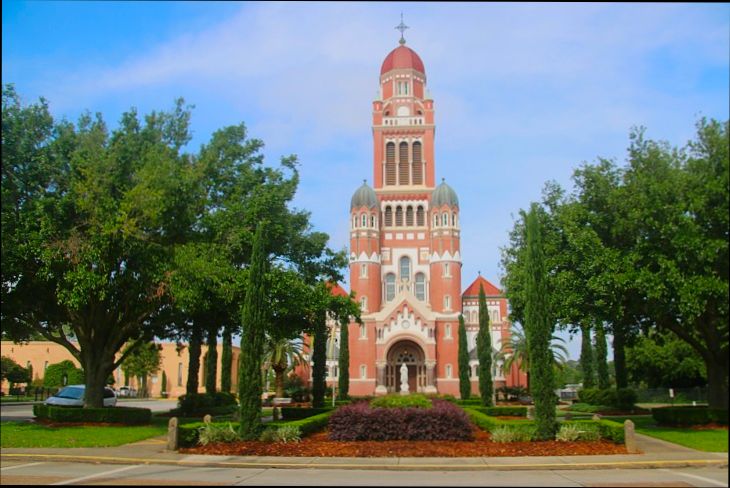
Living in Lafayette, LA, is like stepping into a vibrant tapestry of culture and community. With a rich history marked by a blend of Acadian, Cajun, and Creole traditions, the area offers an immersive experience unlike any other. This section dives into the cultural wealth and the unique community vibe you can expect when living in Lafayette.
Key Aspects of Cultural Richness
- Cultural Immersion: Lafayette is a community where cultural sensitivity thrives. By engaging with local customs and traditions, you can cultivate a deeper appreciation for the richness of this culturally diverse environment.
- Language Opportunities: Being surrounded by native French speakers not only enhances your understanding of Cajun and Creole languages but also allows for significant language acquisition through daily interactions with locals.
- Interpersonal Skills Development: The diverse social settings in Lafayette encourage you to communicate effectively across cultural boundaries, fostering meaningful relationships and enhancing your personal growth.
Cultural Exchange Table
| Aspect | Description | Benefits |
|---|---|---|
| Cultural Sensitivity | Exposure to diverse customs | Promotes appreciation and respect |
| Language Acquisition | Learning Cajun and Creole through local interactions | Improves communication skills |
| Community Involvement | Engaging with local events and traditions | Builds strong social networks |
Real-World Examples
Lafayette hosts several community events that celebrate its cultural diversity, such as:
- Festival International de Louisiane: This festival is a week-long celebration of international music, art, and culture in downtown Lafayette. It attracts thousands and offers numerous opportunities for cultural exchange.
- Cajun Field House: A local venue where you can experience live Cajun music regularly. It serves as a hub for the community, promoting the unique sounds and traditions of the region.
Practical Implications
Engaging with Lafayette’s community is not just about observing; it’s about participating. Get involved in local social gatherings, volunteer for community projects, or attend cultural workshops to enhance your understanding of the local customs.
- Attend Festivals: Make a habit of visiting local festivals to deepen your cultural immersion.
- Join Language Classes: Participate in local language classes to improve your communication and embrace the local dialects.
Actionable Advice
- Consider volunteering at cultural organizations to gain hands-on experience and connect with community members.
- Participate in cooking classes that emphasize Cajun cuisine to better understand the local food culture and forge connections with fellow food enthusiasts.
Embracing Lafayette’s cultural richness and community vibe can lead to meaningful experiences, personal growth, and long-lasting relationships.

Cost of Living and Affordability Analysis
When considering a move to Lafayette, LA, it’s essential to delve into the cost of living and affordability. Understanding what you’ll spend on housing, utilities, transportation, and overall living expenses can help you make a well-informed decision about whether this charming city aligns with your financial goals.
Key Components of Cost of Living
Lafayette boasts a relatively low cost of living compared to the national average. Here are some notable statistics that highlight the affordability:
- Housing Costs: The median home price in Lafayette is approximately 15% lower than the national average, making it more accessible for homebuyers.
- Utilities: Utility costs, including electricity and water, are about 10% lower than the average in other U.S. cities, providing a bit of extra cushion in your monthly budget.
- Transportation Costs: Transportation expenses in Lafayette are estimated to be around 8% lower than the national average, especially for those commuting within the city.
- Groceries: Residents enjoy grocery costs that are about 5% below the national average, allowing a little more flexibility in your monthly spending.
Cost of Living Comparison Table
| Item | Lafayette, LA | National Average | Difference |
|---|---|---|---|
| Housing (Median Price) | $220,000 | $260,000 | -15% |
| Utilities (Monthly) | $150 | $165 | -10% |
| Transportation (Monthly) | $300 | $325 | -8% |
| Groceries (Monthly) | $350 | $370 | -5% |
Real-world Examples
Take Sarah, a young professional relocating to Lafayette. After researching her new home, she found a cozy two-bedroom apartment renting for $950 per month, significantly lower than the $1,200 she paid in her previous city. This reduction in rent allows her to allocate funds toward savings or leisure activities.
Another example is the Smith family, who moved to Lafayette from a larger metropolitan area. They found that their combined transportation costs have decreased, as they now spend about $250 on fuel and auto maintenance, compared to the $300 they spent before. This change helped them reallocate their budget towards family outings and local dining.
Practical Implications for Readers
For those considering Lafayette as a new home, these affordable aspects present numerous practical implications:
- Affordable Housing Options: With homes and rentals priced below the national average, you can invest more in a larger home or a prime location.
- Savings Potential: The lower utility and transportation costs mean more disposable income, giving you room to save or invest.
- Budget-Friendly Living: With cost-effective groceries and overall lower living expenses, you can enjoy a comfortable lifestyle without financial stress.
Actionable Advice on Cost of Living
- Before moving, create a detailed budget that reflects the lower living costs in Lafayette; this will help you adjust to your new financial landscape.
- Consider exploring the local neighborhoods, as some areas may offer even more significant savings.
- Take advantage of local food markets and discount grocery options to further enhance your savings on food costs.

Impact of Weather on Daily Life
Living in Lafayette, LA, offers a unique perspective on how weather influences our daily activities and lifestyle. From the warm, humid summers to the mild winters, the climate has several parameters that you should consider when evaluating life in this vibrant city.
Humidity and Daily Comfort
The high humidity levels throughout the year can significantly impact your day-to-day comfort. Lafayette experiences an average humidity of 75% during the summer, which can make hot days feel even hotter. This elevated humidity affects activities like outdoor sports, gardening, and general recreation, pushing many to seek air-conditioned environments.
- Outdoor Planning:
- When planning gatherings or outdoor events, it’s essential to consider the humidity levels.
- Late afternoon and evening activities tend to be more enjoyable, as temperatures cool down slightly.
Rainfall Patterns and Outdoor Activities
Lafayette experiences about 60 inches of rainfall annually, concentrated in the summer months. This substantial amount can affect everything from your daily commute to weekend plans.
- Impact on Travel:
- Regular rain can lead to flooding in local areas, making road conditions hazardous.
- Flood warnings may increase in the summer, so staying updated can save you from unexpected delays. Consider alternative routes during inclement weather.
Seasonal Changes and Lifestyle Adaptations
Each season brings its own weather characteristics that can shape lifestyle choices.
- Summer Heat:
- With average summer temperatures soaring to 92°F, many residents adjust their habits.
- Swimming pools and backyard grills become social hubs, providing relief from the heat.
- Winter Mildness:
- Winter in Lafayette averages around 50°F, making it relatively mild compared to northern states.
- This allows for year-round outdoor activities, such as hiking or local festivals, without severe winter weather disruption.
| Weather Aspect | Winter | Summer |
|---|---|---|
| Average Temperature | 50°F | 92°F |
| Average Humidity | 60% | 75% |
| Rainfall (inches) | 5 | 30 |
| Average Sunshine (hours) | 5 | 8 |
Example: The Influence of Festivals
Lafayette’s festivals highlight the community’s connection to weather. For instance, the acclaimed Festival International de Louisiane, held in April, enjoys milder spring weather, allowing families to partake in outdoor festivities without the oppressive heat of summer. Conversely, the heat can influence the planning and timing of summer events, requiring more shade and hydration stations to keep attendees safe and comfortable.
Practical Implications for Daily Life
Understanding weather patterns can help you make informed decisions:
- Planning Ahead: Check the weekly forecast to adapt your activities.
- Dress Appropriately: Light, breathable clothing is essential during summer months, while layers help in cooler winter days.
- Hydration and Health: Stay hydrated, particularly during the hot months, as humidity can quickly lead to dehydration.
Newcomers should embrace Lafayette’s climate by preparing for the weather’s impact on their lifestyles and being adaptive in planning activities based on seasonal changes.

Educational Resources and School Quality
When considering a move to Lafayette, LA, educational resources and school quality are pivotal factors that can significantly influence your family’s future. In this section, we’ll explore the various educational facilities, their performance metrics, and what they mean for residents.
Key Highlights of Educational Resources
Lafayette boasts a mix of public, private, and charter schools, each contributing to the overall educational landscape. Here are some notable points:
- Public Schools: Lafayette Parish School System operates around 30 elementary, middle, and high schools. The district has been recognized for implementing innovative programs aimed at improving student performance.
- Performance Ratings: Approximately 47% of public schools in the area received a “B” rating or higher from the Louisiana Department of Education, indicating above-average performance compared to other districts statewide.
- Graduation Rate: The average graduation rate in Lafayette stands at around 87%, which is above the national average of 85%. This statistic reflects the commitment to educational success within the community.
Comparison of School Quality Metrics
| School Type | Average Rating | Graduation Rate | Student-Teacher Ratio |
|---|---|---|---|
| Public Schools | B (47%) | 87% | 15:1 |
| Private Schools | A (75%) | 95% | 10:1 |
| Charter Schools | B+ (65%) | 90% | 12:1 |
Real-World Examples of School Quality
1. Lafayette High School: This high school is noted for its academic achievements, having regularly scored above average on state assessments. They offer Advanced Placement (AP) courses that help students earn college credit while still in high school.
2. Ascension Episcopal School: A private institution providing a robust curriculum, approximately 95% of its graduates go on to attend college. The smaller class sizes bolster individualized attention and mentorship.
3. Global Studies Program: Lafayette’s charter schools have initiated programs that focus on global citizenship, preparing students for a modern, interconnected world, which is a unique offering not found in every district.
Practical Implications for Residents
Investing in quality education is crucial for families. Here are some actionable insights:
- Visit Schools: If you’re considering moving to Lafayette, schedule visits to schools. Meeting teachers and observing the classroom environment can provide a deeper understanding of what to expect.
- Engage with Community: Join local parent-teacher associations to stay informed about school activities and initiatives. This engagement positively impacts school quality and community involvement.
- Research Further Education: Lafayette is home to institutions like the University of Louisiana at Lafayette, providing higher education options that can be advantageous for older students.
By keeping these facts and strategies in mind, you can make more informed decisions about educational resources and school quality when considering life in Lafayette, LA.

Healthcare Access and Quality in Lafayette
In Lafayette, access to quality healthcare remains a crucial aspect for residents, impacting daily life and overall well-being. Understanding the local healthcare landscape can help you navigate various health services and prepare for emergencies effectively.
Key Statistics on Healthcare Access
Access to healthcare in Lafayette reflects some significant challenges that may affect your lifestyle:
- Approximately 20% of residents lack health insurance, which can pose barriers to receiving timely medical care or routine vaccinations.
- Over 15% of adults in Lafayette report difficulty accessing healthcare services due to factors such as transportation and affordability.
- The Louisiana Department of Health has reported that up to 31% of people who experience a disaster may need emergency services, highlighting gaps in disaster preparedness for those with limited healthcare access.
Comparative Access Table
| Healthcare Access Indicator | Lafayette (%) | Louisiana Average (%) |
|---|---|---|
| Lacking Health Insurance | 20% | 17% |
| Delay in Medical Treatment Due to Cost | 15% | 12% |
| Residents with Primary Care Provider | 65% | 70% |
Real-World Examples
- Disaster Response: During Hurricane Florence, areas experiencing high rates of uninsured residents faced challenges. A report indicated that 31% of hurricane-related emergency department visits were made by those without a primary care provider, stressing the need for local health resources and emergency planning.
- Health Literacy Initiatives: Community programs in Lafayette focus on improving health literacy, which is critical for residents who struggle to understand medical information. Efforts include workshops that teach individuals how to navigate the healthcare system, enroll in insurance programs, and access preventive care services.
Practical Implications for Residents
- Emergency Preparedness: If you don’t have a primary healthcare provider, it’s vital to create an emergency supply of prescription medications. Local pharmacies often provide guidance on how to prepare for evacuations, emphasizing the need for clear communication with health providers.
- Mental Health Services: Lafayette has various resources that address mental health needs, emphasizing the importance of recognizing potential need during emergencies. Accessing mental health services can be tricky, but nonprofit organizations often provide free or sliding scale options.
Actionable Advice
- Familiarize yourself with local health services and insurance options to mitigate costs, especially if you are uninsured. Organizations like the Lafayette Community Health Center offer resources to help you navigate your healthcare needs.
- If you have special health needs, ensure you have a plan for managing medications during emergencies. This includes checking if your state has an emergency prescription refill law and understanding your options for refills during natural disasters.
- Actively participate in community health programs that focus on disaster preparedness and health literacy. Engaging with these initiatives can equip you with vital knowledge for better health management and support in emergencies.

Housing Market Trends and Statistics
When diving into the housing market in Lafayette, Louisiana, it’s important to recognize the evolving trends and statistics that characterize this region. Understanding these dynamics can greatly inform your decisions, whether you’re considering buying, renting, or investing in a property.
Key Trends in the Housing Market
- Market Appreciation: Over the past year, Lafayette has experienced a home value appreciation of approximately 7%. This upward trend indicates a growing demand for housing, making it a potential hotspot for investment.
- Inventory Levels: The housing inventory in Lafayette is relatively tight, with a 5% reduction in the number of homes available for sale compared to last year. This limited supply can lead to more competitive offers from buyers.
- Days on Market: Homes in Lafayette are selling quickly, averaging about 40 days on the market. If you find a property you love, you may need to act fast, as homes are not staying available for long.
- Rental Market Dynamics: The rental market is also robust, with rental prices showing an increase of 8% year-over-year. This trend emphasizes a strong demand for rental properties among residents and newcomers alike.
Comparative Housing Data
| Metric | Lafayette, LA | National Average |
|---|---|---|
| Yearly Home Value Appreciation | 7% | 4% |
| Average Days on Market | 40 days | 55 days |
| Yearly Rental Price Increase | 8% | 3% |
| Housing Inventory Change | -5% | +1% |
Real-World Examples
Consider a recent case study involving a family looking to relocate to Lafayette. They found that homes in established neighborhoods like River Ranch sold for 10% over the asking price due to high demand. Additionally, rentals near the downtown area listed for around $1,200 monthly saw multiple offers shortly after being listed. Such examples highlight how quickly the market can shift and the importance of staying informed.
Practical Implications for Buyers and Renters
For potential buyers, understanding the current appreciation rate and competitive nature of the market means you may need to prepare financially and strategically for bidding wars. If you’re considering renting, being aware of rising rental prices can help you make informed decisions, perhaps encouraging you to secure a lease sooner rather than later.
Actionable Insights
- If you’re a buyer, consider getting pre-approved for a mortgage to strengthen your position.
- For renters, keep an eye on new listings and set up alerts, as the market turns rapidly.
- Investigate neighborhoods thoroughly to find emerging areas that might offer better value before prices rise further.