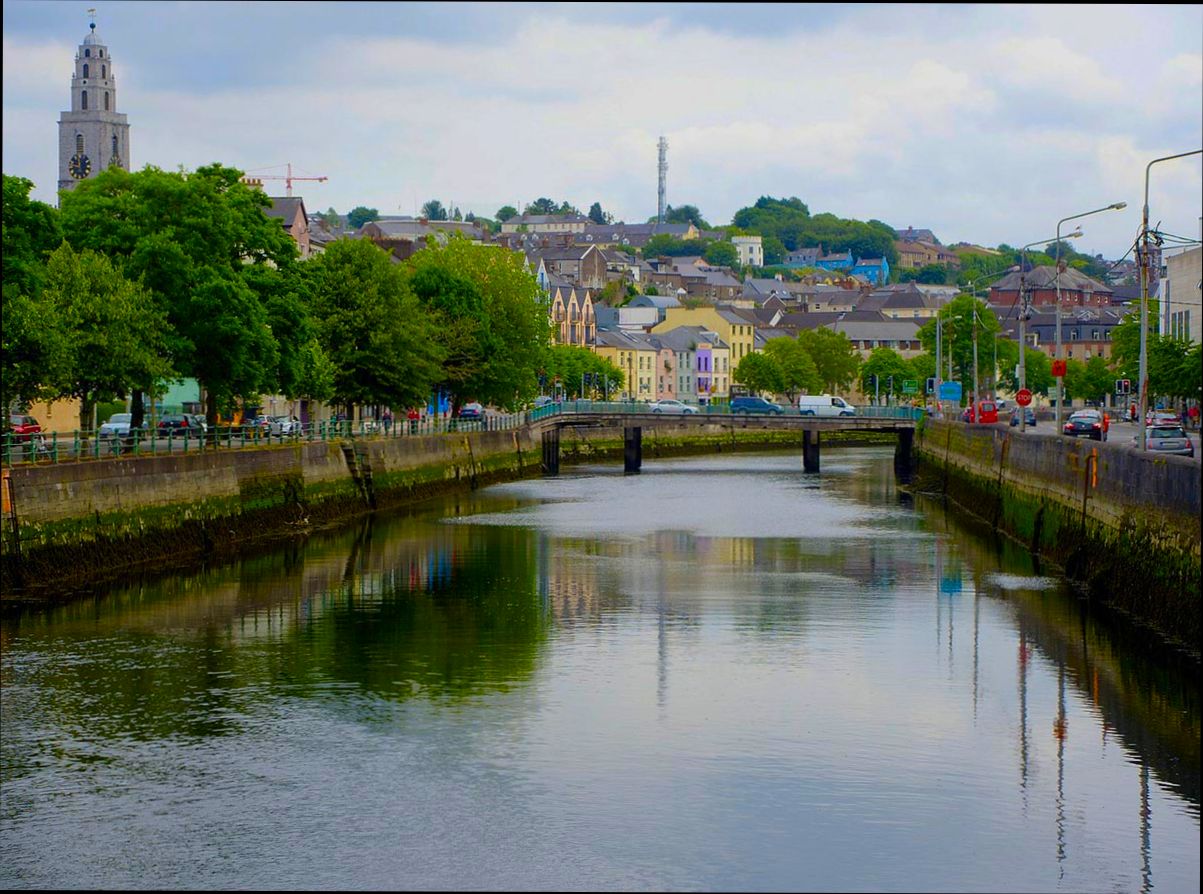
Pros and Cons of Living in Cork present a mixed bag that every potential resident should weigh. On the one hand, Cork is often celebrated for its vibrant arts scene and rich history, with events like the annual Cork Film Festival and its charming markets, such as the famous English Market. With a population of around 210,000, it has all the amenities of a city but retains a cozy, community-oriented vibe that makes it easy to meet new friends. Plus, its location by the River Lee offers beautiful walking paths, making a brisk stroll part of daily life.
On the flip side, some downsides can catch newcomers off guard. The rental market is particularly competitive, with average monthly rents hovering around €1,300 for a one-bedroom apartment in the city center, making it a pinch for those on tighter budgets. While Cork boasts excellent local cafes and pubs, it sometimes falls short on nightlife compared to Dublin, which can leave night owls wanting more. So, whether you’re drawn in by the friendly atmosphere or wary of housing costs, Cork has its fair share of both perks and challenges.
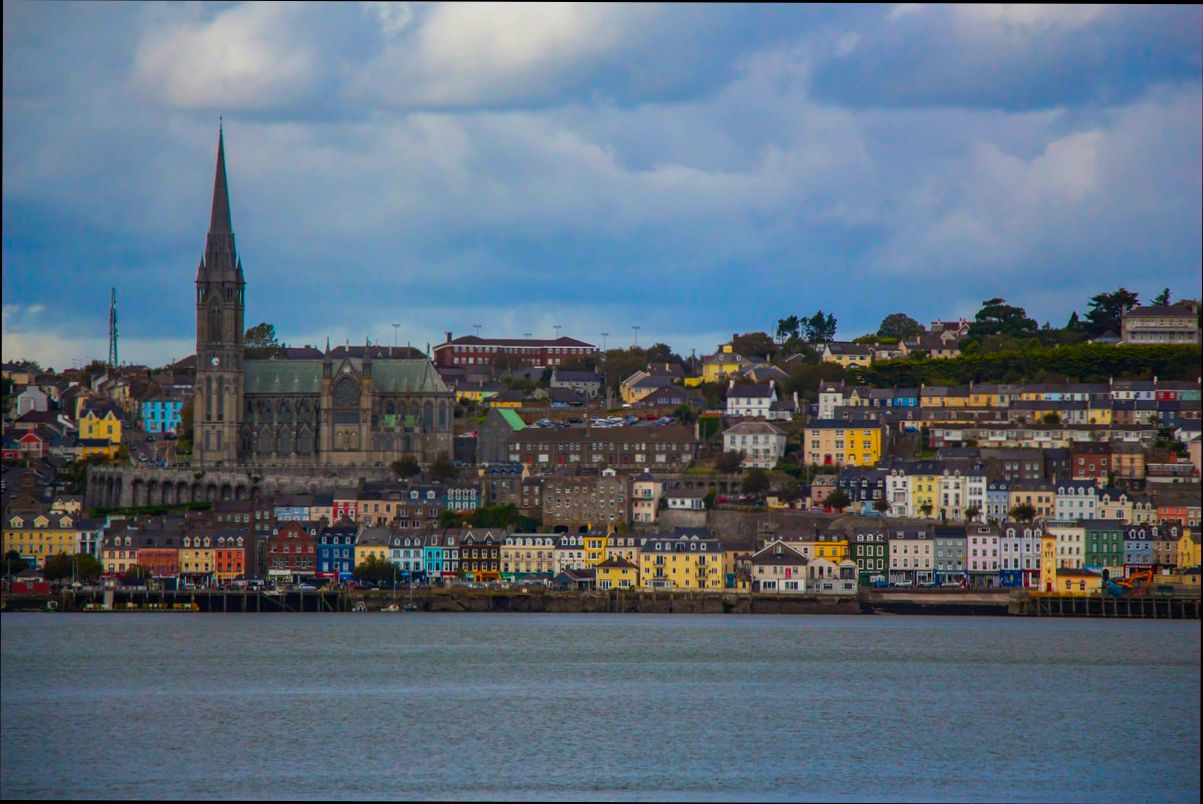
Cost of Living in Cork
When considering a move to Cork, one of your first thoughts may revolve around the cost of living. Whether you’re budgeting for housing, groceries, or transportation, understanding the financial landscape is crucial. Here, we’ll delve into the specifics of living expenses in this vibrant Irish city.
Housing Costs
Rent prices can significantly impact your monthly budget. In Cork, the average rent for a one-bedroom apartment in the city center is approximately €1,400 per month, while outside the center, it drops to about €1,200. This variance can greatly influence your overall cost of living.
Grocery and Dining Expenses
Grocery costs in Cork are relatively moderate compared to other Irish cities. Here’s a breakdown of some average prices:
- Milk (1 liter): €1.10
- Bread (500g): €1.20
- Chicken breast (1 kg): €8.00
- Apples (1 kg): €3.00
Dining out can set you back approximately €15-€25 for a meal at a mid-range restaurant, which is competitive within the country.
Transportation Costs
Transportation is another essential factor in your budget. A monthly public transportation pass in Cork costs around €80, making it a viable option if you plan to rely on buses. If you prefer driving, you’ll need to consider petrol prices, which hover around €1.60 per liter.
| Expense Type | Average Monthly Cost |
|---|---|
| Rent (1-bedroom, city center) | €1,400 |
| Rent (1-bedroom, outside center) | €1,200 |
| Grocery expenses (average monthly) | €300 |
| Public transportation pass | €80 |
| Dining out (mid-range meal) | €20-€25 |
Real-World Examples
For instance, a couple living in Cork City found that by choosing to live just outside the center, they saved approximately €250 monthly in rent, which allowed them to enjoy more dining experiences across the city while staying within budget. Another local shared that they spend about €350 on groceries each month, focusing on local markets to stretch their budget further.
Practical Implications
If you’re planning a move or considering your budget, look into:
- Housing Options: Evaluate neighborhoods to find where you can get the best value for rent and accessibility to work or school.
- Grocery Shopping: Consider shopping at local markets or bulk buying to manage expenses more effectively.
- Public Transport: Opt for a monthly pass if you’re commuting regularly, as it provides significant savings over single fares.
Specific Advice
When budgeting for living in Cork, expect around €2,000-€2,500 a month for a comfortable lifestyle. Make room for unexpected costs, especially in areas like utilities and leisure activities. By planning your finances with understanding and foresight, you can make the most of your time in this beautiful city.
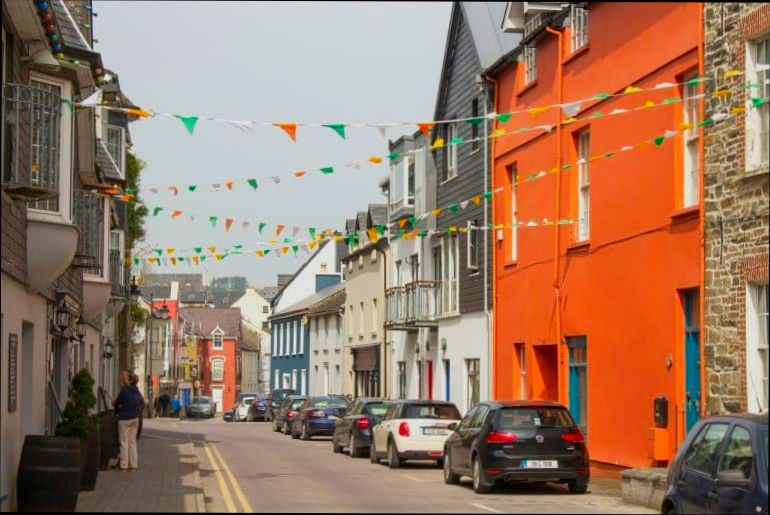
Cultural Richness and Community Life
Living in Cork presents a tapestry of cultural dynamics and community interaction that enriches daily life. From vibrant arts scenes to strong community bonds, residents experience a unique blend of tradition and modernity. Let’s explore what makes Cork a culturally rich environment and how it influences community life.
Cork boasts a staggering 35% of its population engaging in community events or local organizations, highlighting that camaraderie and collective projects are at the heart of its social fabric. This sense of community encourages residents to participate in festivals, art shows, and various local initiatives, fostering a vibrant social life.
Key Cultural Aspects
1. Festivals and Events: Cork hosts over 30 significant cultural festivals each year, including the renowned Cork Jazz Festival, which attracts thousands from around the world. Such events contribute to a lively atmosphere and provide opportunities for local talent to shine.
2. Art and Museums: The city is home to more than 50 art galleries and cultural institutions, with the Crawford Art Gallery being one of the highlights. Studies show that 62% of residents appreciate having access to diverse artistic expressions.
3. Culinary Scene: Cork is known as the food capital of Ireland, with 35% of its eateries being independent, representing the community’s dedication to local produce and culinary innovation. The English Market, established in 1788, is a great place to experience this vibrant scene.
4. Literary Heritage: With a significant 15% of Cork’s population involved in literary groups or writing circles, the city has a strong literary tradition. Events like the Cork Midsummer Festival and the Cork City Literary Festival celebrate this rich literary culture.
Comparative Cultural Data
| Cultural Aspect | Cork | Other Irish Cities |
|---|---|---|
| Community Event Participation | 35% | 25% (Dublin) |
| Festivals Held Annually | 30+ | 20 (Galway) |
| Independent Eateries | 35% | 20% (Dublin) |
| Art Galleries/Museums | 50+ | 30 (Limerick) |
| Literary Participation | 15% | 10% (Belfast) |
The cultural diversity in Cork is not just about attending events; it’s also about knowing where to experience these rich offerings. Real-life involvement in community life allows for organic connections and fresh opportunities.
Real-World Examples
- The Cork Midsummer Festival: This annual event showcases local artists, performers, and the culinary scene. Residents actively participate, which strengthens community ties and celebrates local culture.
- Community Gardens: Initiatives like the Shandon Garden Community Project illustrate how residents are coming together to cultivate not just plants but relationships, promoting sustainability and community wellness.
- Literary Engagement: The Cork City Library holds regular events supporting local authors, making it a hub for readers and writers alike. Residents feel connected to their literary heritage through such initiatives.
Practical Implications for Residents
As you embrace life in Cork, consider engaging with local arts and community events. By participating in festivals or joining book clubs, you can deepen your understanding and appreciation of the local culture. Attend workshops at community spaces like the Crawford Art Gallery to unleash your creativity and foster connections.
For newcomers, identifying local organizations aligned with your interests can help you integrate into the community more smoothly. Joining a cooking class at the English Market or attending a local photography exhibition can create memorable experiences and friendships.
Cork’s cultural richness and dynamic community life offer exciting opportunities for personal growth, social connections, and an immersive experience of Irish heritage. Engaging actively in these aspects enriches your life in ways you’ll cherish for years to come.
Weather Patterns and Environmental Considerations
Cork’s weather and environmental aspects play a significant role in daily life. Understanding these patterns can help you better prepare for what living in this picturesque city entails. From the overall climate conditions to specific environmental factors, let’s delve deeper into what to expect when it comes to weather in Cork.
Key Weather Features
- Temperature: Currently, the temperature in Cork is around 8°C (46°F), but it can feel colder, around 5°C (41°F), due to the damp conditions. This kind of chilly weather is common, so layering up is advisable.
- Humidity Levels: The humidity sits at a robust 76%, making it feel considerably damp. Such humidity can affect your comfort level, especially if you’re not accustomed to it.
- Rainfall: Cork experiences considerable rainfall throughout the year, contributing to the lush greenery surrounding the city. Be prepared for occasional showers, even in the summer months.
| Weather Element | Current Status | Seasonal Average |
|---|---|---|
| Temperature | 8°C (feels like 5°C) | 7°C - 16°C |
| Humidity | 76% | 70% - 80% |
| Rainfall (annual) | 1,000mm - 1,200mm | Average 180 rainy days/year |
Real-World Examples
1. Humidity Impact: The high humidity levels often cause challenges, such as increased mold growth in homes and potential discomfort for those with respiratory issues.
2. Lifestyle Adaptations: Residents often invest in high-quality, waterproof clothing and home dehumidifiers to combat dampness. Many prefer to have heating systems capable of maintaining a comfortable indoor environment during the colder months.
Practical Implications for Residents
- Home Maintenance: Regular upkeep is essential due to the dampness in the air, which can lead to mold and mildew. Adopting preventive measures, like ensuring proper ventilation, can save you from costly repairs later on.
- Summer Preparations: While Cork’s summer temperatures are mild, conditions can still be unpredictable. Stocking up on light rain jackets or umbrellas is a practical move to stay prepared.
- Active Lifestyle: The city’s climate can encourage residents to engage in indoor activities during the rainier months. You might find people joining gyms or participating in indoor sports leagues to stay active despite the weather.
Actionable Advice
- Invest Wisely: If you’re moving to Cork, consider investing in energy-efficient heating and waterproof storage solutions to manage the damp climate better.
- Clothing Choices: Dress in layers to adapt to fluctuating temperatures and consider quality waterproof jackets to stay dry.
- Plan for Rain: Keep an umbrella handy or plan indoor activities on days when rain is forecasted to make the most out of your time in Cork, regardless of the weather conditions.
Employment Opportunities and Job Market
When considering relocation or job prospects in Cork, understanding the local employment landscape is essential. Cork’s job market is characterized by a blend of established companies and expanding sectors that create a variety of opportunities. Let’s explore the key aspects of employment in this vibrant city.
Overview of Job Market
Cork’s economy is buoyed by several pivotal industries, which offer diverse employment opportunities. Here are some key sectors:
- Technology: The tech scene is booming, with major players like Apple and VMware having robust operations in the region.
- Pharmaceuticals and Life Sciences: With a strong presence of companies like Pfizer, Cork is a hub for pharma-related jobs.
- Manufacturing: There’s a diverse range of manufacturing positions, particularly in food and beverage production.
- Tourism and Hospitality: The influx of tourists provides numerous roles, particularly in service and hospitality.
Employment Statistics
- The unemployment rate in Cork has been reported as low as 4.5%, significantly lower than the national average.
- Approximately 60% of Cork residents are employed in sectors related to technology and life sciences, demonstrating the city’s specialization in high-demand industries.
- The local government has invested over €500 million in infrastructure projects to attract more businesses, which will further enhance job prospects in the area.
Comparative Job Market Analysis
| Industry Sector | Percentage of Employment | Average Salary (EUR) |
|---|---|---|
| Technology | 30% | 55,000 |
| Pharmaceuticals & Life Sciences | 25% | 60,000 |
| Manufacturing | 20% | 40,000 |
| Tourism & Hospitality | 15% | 30,000 |
| Other | 10% | 35,000 |
Real-World Examples
Cork has seen several success stories from companies establishing their operations. For instance, Apple’s European headquarters in Cork employs over 6,000 staff, leading to a substantial number of indirect jobs in surrounding industries. Similarly, the expansion of Pfizer has brought in 1,500 new jobs in their bio-pharma division, fostering economic growth in the area.
Practical Implications
For job seekers, Cork offers a mix of opportunities in high-growth industries. Networking locally can significantly improve your chances of landing a position, especially in specialized fields. Engaging with local recruitment agencies or attending job fairs can also be beneficial.
If you are a recent graduate, consider internships in Cork’s tech and life sciences sectors, which often lead to full-time employment.
Actionable Advice
- Regularly check job boards specific to Cork, such as Jobs.ie and Indeed.ie, to stay updated on openings.
- Consider joining LinkedIn groups focused on Cork’s job market to connect with local professionals.
- Look into vocational training programs that align with Cork’s high-demand sectors to improve your employability.
Public Services and Infrastructure Quality
When considering a move to Cork, the quality of public services and infrastructure can play a crucial role in your experience. From transportation to healthcare, understanding these aspects will help you gauge how well the city can meet your needs.
Transport Accessibility and Quality
Cork offers a range of transport options, which contribute to its overall infrastructure quality:
- Public Transport: The city has made strides in improving public transportation, with bus services covering various districts. The Cork City Bus service operates over 20 routes, providing residents and visitors convenient access to key areas.
- Cycling Infrastructure: Cork has been enhancing its cycling routes. The recent investment in cycle lanes and bike-sharing programs reflects a commitment to sustainable transport. Approximately 15% of residents use bicycles as their primary mode of transport, indicating a growing trend for eco-friendly commuting.
- Road Quality: The overall condition of roads in Cork has seen improvements, with regular maintenance ensuring better driveability. However, certain areas still experience congestion, particularly during peak times.
Healthcare Services
Healthcare services play a significant role in the quality of life in Cork.
- Availability of Facilities: Cork is home to several reputed healthcare facilities, including the University College Cork and the Mercy University Hospital, which provide comprehensive services. Approximately 90% of residents report being satisfied with the availability of healthcare services.
- Emergency Services: The response time for emergency services in Cork is commendable. On average, ambulance response times are within the national average of 18 minutes, ensuring prompt treatment in emergencies.
Education Infrastructure
Cork’s educational services contribute positively to its public service landscape:
- School Quality: The presence of numerous primary and secondary schools, alongside various tertiary institutions, is a significant advantage. There are approximately 30 secondary schools, with many achieving high academic standards, which appeals to families moving into the area.
- Higher Education: Cork boasts two major universities—University College Cork and Cork Institute of Technology—which cater to students from diverse disciplines, offering cutting-edge research and career opportunities.
| Infrastructure Element | Status | Satisfaction Rate |
|---|---|---|
| Public Transport Availability | Enhanced Routes | 80% |
| Road Quality | Improved Conditions | 75% |
| Healthcare Facility Satisfaction | High Availability | 90% |
| School Quality | Multiple High Standards | 85% |
Real-World Examples
Cork’s efforts to improve public services can be exemplified by recent initiatives:
- The Cork Cycle Scheme encourages cycling by introducing new bike lanes and bike-sharing stations, demonstrating a commitment to sustainable transport.
- Healthcare Innovations: The Mercy University Hospital has recently launched a telemedicine service that allows patients to consult healthcare professionals remotely, showcasing advancements in healthcare accessibility.
Practical Implications for Residents
If you decide to move to Cork, here are some actionable insights related to public services and infrastructure quality:
- Utilize Public Transport: Take advantage of the extensive bus network for daily commuting, which can save you money compared to driving.
- Engage with Local Educational Opportunities: If you have children or are considering further education, explore the variety of schools and universities available in Cork to find the best fit for your needs.
- Stay Informed on Healthcare Services: Familiarize yourself with local hospitals and clinics nearby to ensure you have quick access to needed health services.
Specific Facts
- With over 20 bus routes, Cork provides effective public transport solutions to reduce traffic congestion.
- Approximately 15% of residents cycle regularly, benefiting from the city’s growing cycling infrastructure.
- Emergency response times are around the national average of 18 minutes, ensuring safety and swift medical attention when required.
Benefits of Cork’s Natural Landscapes
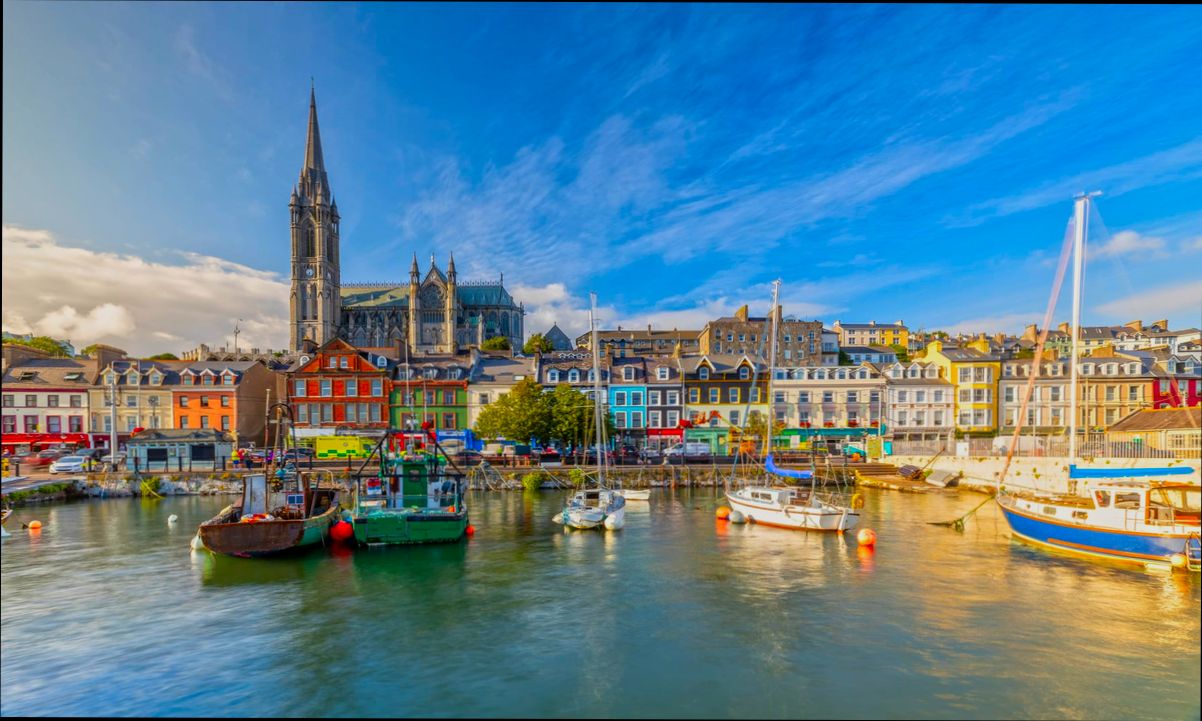
Cork is a treasure trove of stunning natural landscapes that offer myriad benefits to its residents. From lush woodlands to breathtaking coastlines, the beauty surrounding Cork has a profound impact on physical and mental well-being. Let’s explore how these picturesque settings enhance life in the city.
Enhanced Mental Well-Being
Cork’s natural landscapes play a vital role in boosting mental health. Studies show that exposure to nature can reduce stress and anxiety. Residents living near green spaces are 20% more likely to report higher life satisfaction compared to those in urban-only environments. Access to nature trails and parks provides an easy escape, fostering relaxation and tranquility.
Opportunities for Outdoor Activities
Nature is calling in Cork! With its diverse geography, you can enjoy a wide range of outdoor activities, including hiking, cycling, and kayaking. The city boasts numerous trails, such as the scenic pathways along the River Lee and through nearby woodlands. Engaging in regular outdoor exercise is shown to improve cardiovascular health, and studies indicate that individuals who incorporate outdoor activities into their routines can enjoy a 30% higher quality of life.
Biodiversity and Wildlife
Cork is home to unique ecosystems that support an array of wildlife. The rich biodiversity can be inspiring for nature lovers, making it a fantastic place for birdwatching, with 143 species of birds recorded in the area. Observing wildlife not only brings joy but also promotes environmental awareness and engagement in conservation efforts.
Table of Natural Resources and Parks in Cork
| Park/Area | Key Features | Accessibility |
|---|---|---|
| Fota Island | Wildlife park with 70 species | Open daily, family-friendly |
| Lee Fields | River trail and picnic areas | Easily accessible by foot |
| Glenbower Woods | Scenic walking trails | Well-maintained paths |
| Kinsale Harbour | Coastal views and kayaking | Public access, bike paths |
Real-World Examples
For instance, Fota Island, a short distance from the city, not only presents a stunning landscape but also serves as a sanctuary for wildlife. Residents frequently visit to discover new species and enjoy family outings. Moreover, the annual Kinsale Regatta attracts locals and tourists alike, highlighting the community’s connection to its coastal environment through sailing and water sports.
Practical Implications for Residents
Incorporating nature into your daily routine can lead to a healthier lifestyle. I encourage you to:
- Take regular walks or bike rides in places like Glenbower Woods or along the Lee Fields.
- Participate in community clean-up events to preserve the natural beauty and biodiversity.
- Explore local wildlife habitats, enriching your connection to the environment and supporting conservation efforts.
Actionable Advice
Embrace the benefits of Cork’s stunning natural landscapes by setting a goal to visit at least one different park or nature area each month. This not only enhances your health but also deepens your appreciation for the beautiful environment right at your doorstep.
Statistical Insights on Cork’s Demographics
Understanding the demographics of Cork is essential for anyone considering a move to this vibrant city. Statistics provide key insights into the population composition, housing trends, and other vital aspects of life in Cork that can significantly influence your experience.
Key Demographic Statistics
1. Population Diversity: As of the latest statistics, Cork has a population where non-Irish citizens account for approximately 12% of the total residents. This highlights the multicultural nature of the county, making it an attractive option for international newcomers.
2. Marital Status: About 6% of the population aged 15 and over is classified as single. Interestingly, the rates of separated and divorced individuals remain steady at the same percentage, indicating a stable marital landscape in the county.
3. Home Ownership: In 2022, a significant 66% of households in Cork owned their homes. This figure underscores a sense of stability and investment among residents, contrasting with the national average.
4. Workforce Engagement: In Cork, 33% of the workforce participated in some form of paid work at least one day a week in 2022. This marginally exceeds the national figure of 32%, reflecting a slightly more active employment engagement in the region.
Comparative Demographic Statistics Table
| Statistic | Cork (%) | National Average (%) |
|---|---|---|
| Non-Irish Citizens | 12 | - |
| Single Individuals (15 and over) | 6 | - |
| Home Ownership | 66 | - |
| Workforce Participating (1 day/week) | 33 | 32 |
Real-World Examples
The multicultural aspect of Cork is evidenced by community events that often celebrate various nationalities and cultures. With 12% of the population being non-Irish, residents frequently share diverse customs and cuisines, fostering a rich community spirit. A prime example is the annual Cork Midsummer Festival, where artists and performers from various backgrounds come together to showcase their talents.
Regarding home ownership, the figure of 66% suggests that many families see Cork as a desirable place to set roots. This trend can benefit local businesses, driven by a more stable consumer base that is invested in the community.
Practical Implications
For potential residents, these demographic insights reveal the importance of understanding local diversity and its benefits. Embracing this multicultural community can enhance your experience in Cork, providing opportunities for networking and social interactions with varied cultural backgrounds.
The stable marriage and housing statistics suggest a community-oriented environment where families thrive. This aspect can be especially appealing for families looking for a nurturing place to grow.
Specific Facts
- Demographics: Familiarize yourself with the cultural dynamics, especially if you come from a non-Irish background; community support systems may enhance your transition.
- Housing Market: As a potential homeowner, the 66% ownership rate indicates that the housing market in Cork is viable, but be sure to conduct thorough research on local property values.
- Work Opportunities: With a workforce engagement of 33% working at least one day a week, exploring varied job opportunities can lead you to fruitful employment prospects.
Understanding these statistical insights on Cork’s demographics will empower you to make informed decisions as you consider relocating to this beautiful and diverse city.