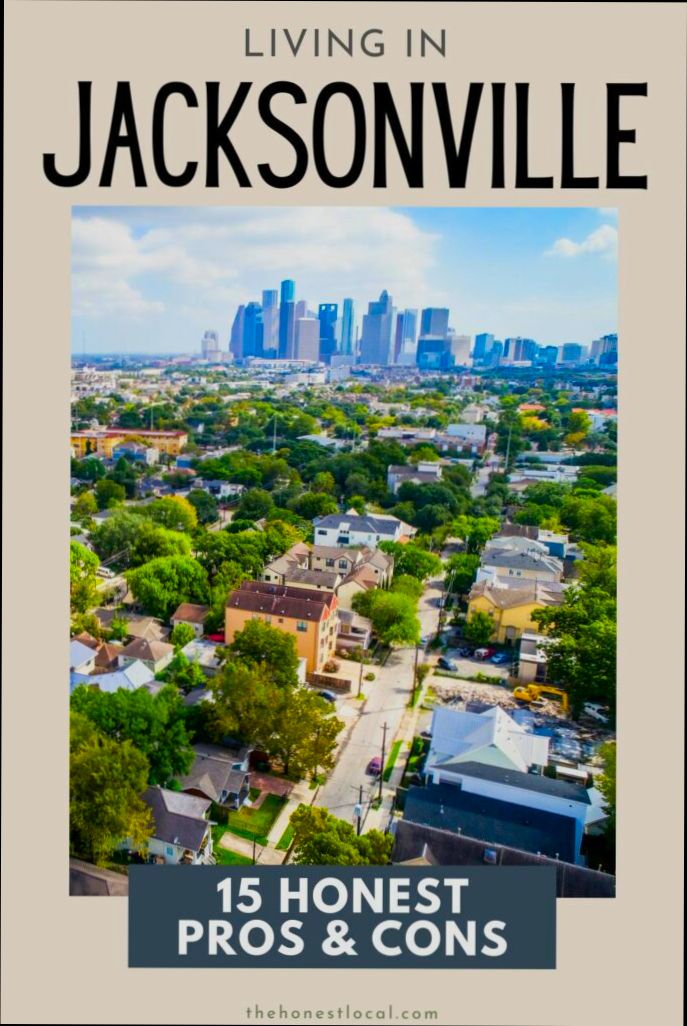
Pros and Cons of Living in Jacksonville, FL, really paint a mixed picture. On the bright side, Jacksonville boasts some impressive beaches and a vibrant arts scene that keep life exciting. You’ve got 22 miles of beautiful shoreline, which means weekends can easily be spent sunbathing at Jacksonville Beach or surfing at Ponte Vedra. Plus, the cost of living here is about 4% lower than the national average, making it a wallet-friendly option compared to other major cities in Florida like Miami or Orlando. The mild winters also mean you can ditch the snow gear and enjoy outdoor activities year-round.
However, life in Jacksonville isn’t all sunshine and surf. The job market can feel a bit hit-or-miss, especially if you’re in a specialized field; the unemployment rate hovers around 3.5%, which is close to the national average but can fluctuate depending on local industries. Traffic congestion is another downside, particularly around rush hour on major highways like I-295, which can make commuting a headache. And while the city has made strides in revitalizing certain neighborhoods, some areas still struggle with crime rates that can be concerning for new residents. So, there are definitely some trade-offs to consider when thinking about moving here.
Cost of Living Comparison in Jacksonville
When considering a move to Jacksonville, one of the most critical factors to evaluate is its cost of living. Understanding how Jacksonville stacks up against other cities can help you make informed decisions based on your financial situation and lifestyle preferences.
Key Cost of Living Data
Jacksonville often gets a reputation for being affordable, but let’s break down some specific numbers that shed light on this.
- Housing Costs: The median home price in Jacksonville is approximately $315,000, which is lower than the national average of around $400,000. This can be a significant savings, especially for first-time homebuyers.
- Utilities: Monthly utility costs for a standard apartment average about $150, which is 10% lower than the national average, making Jacksonville a good option for keeping your monthly expenses down.
- Transportation: If you rely on public transport, a monthly pass typically costs $60, which is lower than rates in major cities like New York or San Francisco, where it can exceed $130.
- Grocery Prices: Grocery prices in Jacksonville are approximately 8% lower than the national average. You can save substantially by shopping locally.
Comparison Table
| Expense Category | Jacksonville Avg | National Avg | Difference |
|---|---|---|---|
| Median Home Price | $315,000 | $400,000 | -$85,000 (-21%) |
| Monthly Utilities | $150 | $165 | -$15 (-10%) |
| Public Transport | $60 | $130 | -$70 (-54%) |
| Grocery Store Prices | 8% lower | --- | N/A |
Real-World Examples
Let’s take a look at how real-world scenarios reflect these statistics. A couple moving from Charlotte, NC, found that their monthly housing expenses decreased by $500 after relocating to Jacksonville. This shift allowed them to allocate more money towards savings and leisure activities.
Additionally, one local family shared their experience with grocery shopping. They realized they were spending about $100 less each month compared to their previous home in Philadelphia, primarily due to lower prices on fresh produce and meats in Jacksonville.
Practical Implications
Understanding these specifics can empower you to budget more effectively if you’re considering relocating to Jacksonville. You might find that, despite rising prices in some areas, the overall affordability in housing and day-to-day expenses can significantly enhance your quality of life.
- Actionable Tip: If you’re moving here, consider visiting different neighborhoods to find the best balance of housing costs and commute times.
- Budget Planning: Use the provided comparison data to create a thorough budget that factors in all living expenses, not just rent or mortgage.
- Shopping Strategies: Take advantage of local farmers’ markets and discount grocery stores to maximize your savings on food.
Jacksonville’s cost of living offers a unique chance for financial flexibility, allowing you to live comfortably without overspending.
Proximity to Beaches and Outdoor Activities
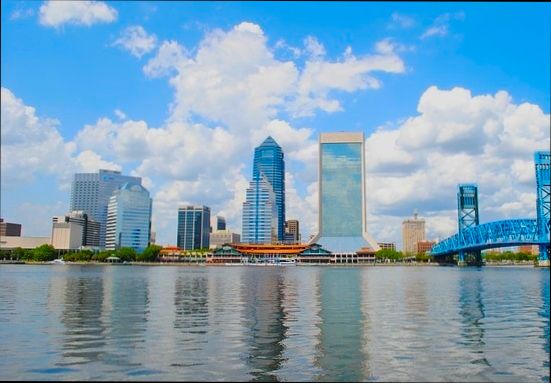
Living in Jacksonville, FL, puts you in close proximity to some fantastic beaches and a wealth of outdoor activities. With over 22 miles of coastline, you’re never far from sun, surf, and sand. Whether you’re a beach bum or an outdoor enthusiast, the options here are abundant and easily accessible.
Beaches Within Reach
- Jacksonville Beach: Just around 20 minutes from downtown, this popular beach offers a lively atmosphere with restaurants, shops, and a stunning pier.
- Neptune Beach: A quaint, family-friendly spot that’s perfect for a relaxing day. It’s approximately 25 minutes away by car.
- Atlantic Beach: Known for its scenic beauty and less crowded shores, it’s about a 30-minute drive from the city center.
Outdoor Activities Galore
Jacksonville isn’t just about the beaches; it also boasts a plethora of parks, rivers, and nature trails that invite you to explore the great outdoors.
- Parks and Recreation: Over 80,000 acres of parks and preserved lands in Jacksonville provide limitless opportunities for hiking, biking, and picnicking.
- Water Sports: The St. Johns River is perfect for kayaking, paddleboarding, and fishing. Rentals and guided tours are widely available.
- Sports Facilities: You can find multiple facilities dedicated to sports like golf, tennis, and soccer, promoting an active lifestyle year-round.
Beach and Activity Accessibility Comparison
| Beach/Area | Distance from Downtown | Activity Options |
|---|---|---|
| Jacksonville Beach | 20 minutes | Swimming, Surfing, Dining |
| Neptune Beach | 25 minutes | Relaxation, Walking, Sunset Views |
| Atlantic Beach | 30 minutes | Sunbathing, Beach Volleyball |
| St. Johns River | 15 minutes | Kayaking, Fishing, Sailing |
Real-World Examples
One family I spoke with loves living in Jacksonville for its easy access to the beaches. They spend almost every weekend at Jacksonville Beach, engaging in beach volleyball and enjoying local festivals. Another couple enjoys kayaking along the St. Johns River, where they often spot local wildlife such as dolphins and manatees. They appreciate that they only need a short drive to enjoy these activities.
Practical Tips for Enjoying the Outdoors
To maximize your outdoor experiences, consider these practical tips:
- Weekday Visits: Beaches are less crowded on weekdays. If you have flexibility, consider visiting during off-peak times.
- Local Events: Keep an eye on local event calendars for beach clean-ups or outdoor movie nights to combine fun with community involvement.
- Seasonal Gear: Invest in seasonal outdoor gear that suits the area, such as beach umbrellas, coolers, and portable grills for picnics.
Visit Jacksonville’s outdoor websites or social media pages to stay updated on parks and recreational activities that best suit your interests. Being proactive means you can fully enjoy the enviable proximity to beaches and outdoor activities in this vibrant city.
Impact of Climate on Daily Life
Living in Jacksonville comes with a distinct climate that shapes everyday experiences. The warm, humid subtropical climate directly influences lifestyle choices, outdoor activities, and even health and well-being.
Weather Patterns and Daily Convenience
Jacksonville enjoys mild winters and hot summers.
- Temperature Averages: The average high in July can reach 92°F, while January temperatures usually hover around 58°F.
- Humidity Levels: The average annual humidity percentage can be around 70%, making the heat feel more intense during the summer months.
This weather promotes a range of outdoor activities but can also lead to discomfort, especially during peak summer months. It’s essential to plan your day accordingly, perhaps scheduling outdoor errands earlier in the morning or later in the evening.
Rainfall and Its Effects
Jacksonville experiences an average of 53 inches of rain annually, with the majority falling in the summer months.
- Rainy Season: About 60% of annual rainfall occurs from June to September. It’s common to encounter daily thunderstorms during this period.
- Impact on Local Activities: The rain can occasionally disrupt outdoor plans, so keeping a flexible schedule is crucial. For instance, many residents have learned to embrace indoor activities during these downpours.
This seasonal pattern invites a lifestyle that makes good use of local indoor attractions, such as galleries and museums when the weather isn’t cooperating.
| Month | Average High (°F) | Average Low (°F) | Average Rainfall (inches) |
|---|---|---|---|
| January | 66 | 43 | 2.61 |
| April | 79 | 57 | 2.68 |
| July | 92 | 73 | 6.12 |
| October | 80 | 60 | 3.61 |
Real-World Examples of Climate Impact
1. Beach Life: The climate encourages beach outings year-round, but peak summer temperatures can lead to overcrowding, which impacts both local businesses and public spaces.
2. Health Considerations: The high humidity levels can lead to heat exhaustion, which has prompted many residents to stay hydrated and seek shade during the hottest parts of the day. Awareness campaigns by local health departments stress the importance of recognizing heat-related illnesses.
3. Hurricane Season Preparedness: During hurricane season (June to November), residents must stay informed about potential storms. It’s vital to prepare homes and have emergency kits ready, impacting not just safety but also mental well-being due to the stress of readiness.
Practical Implications for Daily Life
To manage the impact of climate:
- Adapt Clothing Choices: Lightweight, breathable fabrics work best in the humid heat, allowing you to stay comfortable throughout the day.
- Hydration is Key: Drink plenty of water, especially on hot days, to combat dehydration and related health issues.
- Embrace Flexibility: Maintain a flexible schedule to adapt to sudden rainstorms, allowing you to take advantage of broken clouds for outdoor enjoyment.
Actionable Insights
- Engage with the Community: Join local groups focused on outdoor fitness—many provide resources for outdoor activities that adjust for weather.
- Stay Informed: Regularly check local weather apps for real-time updates and plan your activities accordingly. Adapting to climate variations can enhance your overall enjoyment of living in Jacksonville.
Understanding the climate’s impact on daily life, you can make informed choices that enhance your living experience in Jacksonville’s vibrant setting.
Cultural Diversity and Community Engagement
Living in Jacksonville offers a vibrant tapestry of cultural diversity and abundant opportunities for community engagement. The city’s rich mix of cultures enhances your living experience and fosters a sense of belonging among residents. Let’s dive deeper into the richness of this cultural landscape.
Multicultural Population
Jacksonville is home to a diverse population, with over 30% of residents identifying as people of color. This multicultural fabric influences everything from local cuisine to festivals, making it a unique place to live. Here are a few highlights of this diversity:
- The city hosts various cultures, including African American, Hispanic, Asian, and Native American, each contributing to the local culture.
- Annual cultural festivals, like the Jacksonville Jazz Festival and the World of Nations Celebration, attract thousands and showcase diverse traditions.
Community Programs and Involvement Opportunities
Community engagement in Jacksonville flourishes through numerous programs designed to encourage participation from all demographics.
- Approximately 60% of residents engage in community service or local volunteering efforts.
- Organizations such as HandsOn Jacksonville facilitate volunteer opportunities that connect diverse groups, promoting cultural understanding and collaboration.
Equity in Representation
Jacksonville has actively focused on increasing representation across different sectors. Notably:
- The city’s efforts have resulted in a 25% increase in minority representation in local government roles over the last decade.
- The Jacksonville Community Council tracks involvement and works to ensure that all voices are heard, reflecting the community’s diversity.
Diversity-Driven Initiatives
Here is a comparative look at some initiatives promoting cultural diversity and community engagement in Jacksonville:
| Initiative | Focused Demographic | Impact |
|---|---|---|
| Neighborhood Associations | Local communities | Strengthens local ties |
| Cultural Arts Grant Program | Artists from diverse backgrounds | Funding opportunities |
| Public School Diversity Programs | Students and families | Enhances cultural awareness |
Real-World Examples
Jacksonville provides multiple case studies that illustrate community engagement fueled by cultural diversity:
- The “Cultural Council of Greater Jacksonville” implements community art projects that highlight local artists from various backgrounds. Initiatives like these create public spaces that reflect the city’s diversity while fostering community pride.
- Local businesses often participate in initiatives like the “Support Local Artists” campaign, lifting up artists of color and promoting their work at community events, allowing for both economic and cultural growth.
Practical Implications for Residents
For you as a resident, embracing the cultural diversity in Jacksonville can enhance your daily life. Consider participating in local festivals or engaging with community service projects that interest you.
- Join clubs or groups that align with your cultural interests, facilitating networking and friendships with individuals from various backgrounds.
- Keeping an open mind to different perspectives can enrich your experience and understanding of community dynamics, making your connection to Jacksonville even deeper.
Actionable Advice
To make the most out of Jacksonville’s cultural diversity, actively seek out events that celebrate different traditions. Attend multicultural festivals, engage in discussions at local community centers, or volunteer with organizations that promote inclusivity. Your participation not only enriches your life but also contributes to a more vibrant, connected community.

Public Transportation Accessibility and Limitations
Living in Jacksonville comes with its unique set of public transportation options, but also notable limitations that you should consider. Understanding these aspects can dramatically impact your daily commuting experience and overall quality of life in the city.
Current State of Public Transportation
Jacksonville’s public transportation system is primarily operated by the Jacksonville Transportation Authority (JTA). It’s essential to know how accessible this system is and what limitations it may impose on your lifestyle:
- Bus Coverage: The JTA operates about 40 local and express bus routes that cover much of the urban area. However, about 60% of the routes focus on the downtown area and its immediate surroundings, leaving some suburban neighborhoods less accessible.
- Access to Major Areas: While the public transit does connect to major areas such as medical centers, schools, and recreational spots, around 50% of respondents from a recent survey noted that they still find limited service in more remote regions of the city.
- Limited Transit Hours: Most JTA bus routes run on a limited schedule. Regular service does not operate late at night or on weekends for many routes, which can be a significant limitation for those who work non-traditional hours.
Comparative Public Transit Overview
Here’s a quick comparative overview of the accessibility features of Jacksonville’s public transportation:
| Feature | Accessibility Ratings | Limitations |
|---|---|---|
| Bus Routes Coverage | 75% of urban population served | 60% of routes focus on downtown |
| Transit Schedule | Limited hours (6 AM - 9 PM) | No late-night or weekend service |
| Major Destinations Connected | 85% of key locations | Less suburban coverage |
| Accessibility for Disabled | 100% compliant with ADA standards | Limited availability of services to specific areas |
Real-World Examples of Limitations
Several residents and local businesses have expressed challenges due to these transportation limitations:
- Lack of Connectivity: A community member shared that commuting from the Eastside to the Southside requires multiple transfers and long waiting times, which often takes over two hours for a 30-minute drive. This illustrates how limited routes can create real hindrances for daily commuters.
- Service Gaps on Weekends: Many students attending the University of North Florida shared their frustrations when trying to attend events or classes on weekends when bus service is significantly reduced. They emphasize the need for more consistent service to cater to university schedules.
Practical Implications for Living in Jacksonville
If you’re considering relocating to Jacksonville, here are some actionable insights regarding public transportation accessibility:
- Plan Your Routes: Familiarize yourself with bus schedules and routes in advance, focusing on those that serve your neighborhood. Utilizing the JTA’s website can help you plan more efficient travel.
- Consider Alternative Transportation: If public transit doesn’t meet your needs, you may want to explore alternatives, such as ride-sharing services, biking, or even investing in a car, especially if you work at odd hours or reside in less accessible areas.
- Stay Informed: Sign up for JTA updates to keep track of any changes to schedules or routes, especially if you live in an area with less frequent service.
By understanding the public transportation options and their limitations in Jacksonville, you can make more informed decisions to enhance your living experience in the city.
Job Market Trends and Economic Growth
When considering the job market and economic growth in Jacksonville, it’s clear that the city is on an upward trajectory. The combination of diverse industries, a growing labor force, and innovative business climate makes Jacksonville an attractive place for job seekers and entrepreneurs alike.
Thriving Industries
Here are some key sectors contributing to Jacksonville’s economic growth:
- Healthcare: Jacksonville is home to major healthcare providers, including the Mayo Clinic and Baptist Health. This sector continues to expand, offering numerous job opportunities.
- Transportation and Logistics: With its strategic location and extensive port facilities, Jacksonville has become a hub for logistics companies, including prominent players like CSX and UPS.
- Finance: The city also has a growing financial services sector, driven by companies such as Fidelity Investments and JPMorgan Chase.
Job Growth Statistics
According to recent data, Jacksonville’s job market shows impressive figures:
- The city experienced a 4.2% year-over-year job growth in 2023, exceeding the national average of 3.7%.
- Unemployment rates have consistently hovered around 3.0%, which indicates a healthy job market where more individuals are finding employment.
- The population growth rate is approximately 1.4% annually, contributing to labor force expansion.
| Sector | Job Growth Rate (%) | Median Salary |
|---|---|---|
| Healthcare | 5.0% | $70,000 |
| Transportation | 4.2% | $55,000 |
| Finance | 3.5% | $75,000 |
Real-World Examples
Take Duval County, which plays a pivotal role in Jacksonville’s job market. With the launch of several new healthcare facilities, there has been a significant uptick in hiring, adding over 1,500 jobs in the past year alone. Additionally, the Jacksonville Port Authority’s expansion plans are driving demand in the transportation sector, with companies like Crowley Maritime investing in local operations.
Practical Implications
As you navigate the job market in Jacksonville, consider these actionable insights:
- Networking Opportunities: Engage with local chambers of commerce or business associations to connect with industry leaders and potential employers.
- Upskilling: Given the city’s focus on healthcare and technology, consider pursuing certifications or training in these fields to enhance your employability.
Specific Facts
- Jacksonville is one of Florida’s fastest-growing cities, ranking as the 8th largest city in the U.S. by population, which contributes to a competitive job market.
- The city’s strategic emphasis on diversifying its economy has made it resilient during economic downturns, positioning it as a prime location for long-term career growth.
By understanding these job market trends and the factors driving economic growth, you can better position yourself for success in Jacksonville.
Safety Statistics and Crime Rates Analysis
When thinking about moving to Jacksonville, it’s essential to familiarize yourself with the safety statistics and crime rates in the area. Understanding these numbers can significantly impact your decision and help you feel more comfortable about your potential new home. Let’s dive into the data.
Key Crime Statistics
Jacksonville has its fair share of crime concerns, just like any large city. Here are some key crime statistics to consider:
- Overall Crime Rate: Jacksonville’s overall crime rate is approximately 40% higher than the national average.
- Violent Crime Rate: The violent crime rate in Jacksonville stands at about 8.4 incidents per 1,000 residents, significantly affecting residents’ perceptions of safety.
- Property Crime Rate: Property crime is reported at 46.9 per 1,000 residents, translating to concerns regarding burglaries and theft.
Comparative Crime Rates Table
| Crime Type | Jacksonville Rate (per 1,000 residents) | National Average Rate (per 1,000 residents) |
|---|---|---|
| Violent Crime | 8.4 | 4.0 |
| Property Crime | 46.9 | 28.1 |
Real-World Examples
To illustrate the impact of crime rates, consider the neighborhoods in Jacksonville. For instance, while areas such as Riverside and St. Nicholas may offer vibrant community life, they also report higher instances of property crime compared to safer neighborhoods like San Marco. Residents often share experiences of concerns about home burglaries in these areas, making it vital to weigh their options when selecting where to live.
Additionally, data from the Jacksonville Sheriff’s Office shows fluctuations in crime rates over the years. In recent annual reports, certain neighborhoods have shown marked improvements, indicating community engagement and policing efforts are making a difference, fostering a sense of safety for residents.
Practical Implications
As you evaluate Jacksonville’s neighborhoods, consider the following:
- Visit the Neighborhood: Spend time in various neighborhoods at different hours to gauge the environment and sense of safety.
- Consult Crime Maps: Utilize online crime mapping tools to track real-time data on specific types of crimes in areas that interest you.
- Connect with Residents: Engage local community groups on social media or attend neighborhood meetings to hear firsthand about safety concerns and improvements from current residents.
Remember, different neighborhoods can have vastly different crime rates, so thorough research is paramount in making an informed decision about where to live in Jacksonville.