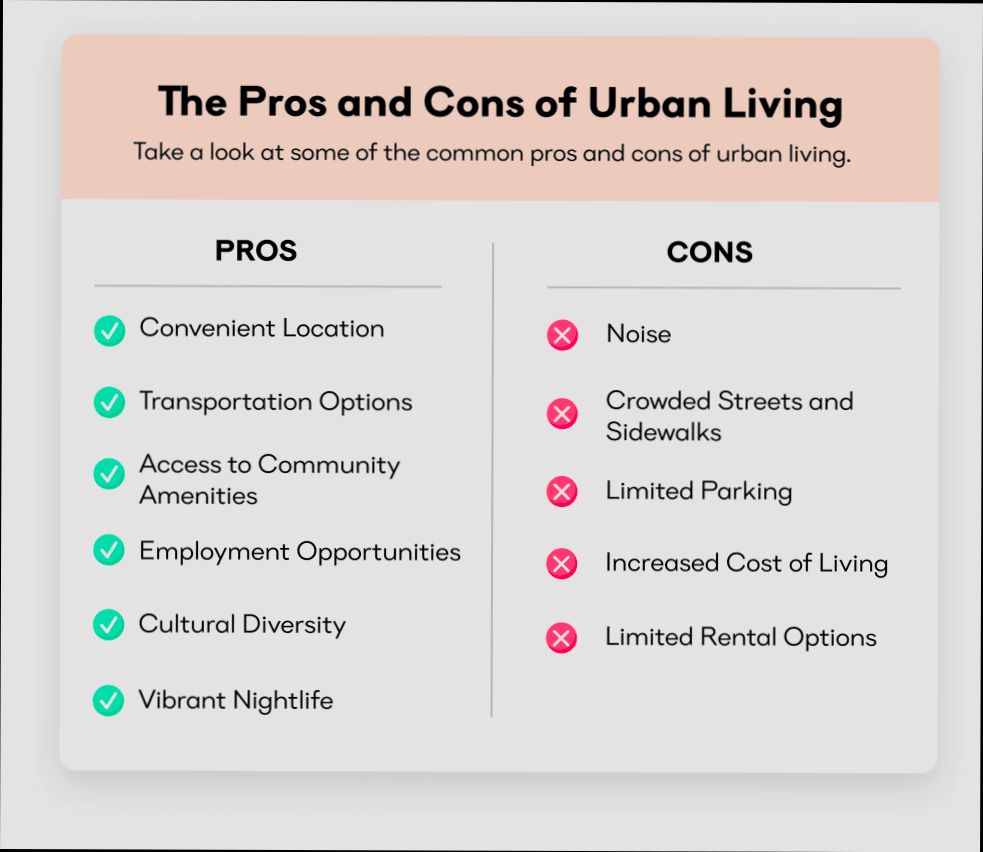
Pros and Cons of Living in Wichita Falls TX can paint a pretty vivid picture of what life is like in this underrated gem of a city. With a population hovering around 104,000, Wichita Falls offers the charm of a small town with urban conveniences. If you’re looking for affordable living, you’ll love the fact that the cost of living here is about 16% lower than the national average. Real estate is a steal; you can snag a decent three-bedroom home for less than $200,000. Plus, the city is home to beautiful parks like Lucy Park, where you can enjoy picnics, walking trails, and even a lovely waterfall that gives the place its name.
On the flip side, it’s essential to weigh the downsides too. Wichita Falls isn’t exactly known for its bustling nightlife; options are somewhat limited if you’re craving a night out on the town. Depending on your interests, the local cultural scene might feel a bit quieter compared to larger cities. And while the community is friendly, some newcomers find it challenging to break into established social circles. Also, be prepared for the Texas heat—summers can be sweltering, with temperatures often exceeding 100°F, which might not be everyone’s cup of tea.

Cost of Living and Affordability
When considering a move to Wichita Falls, Texas, understanding the cost of living and overall affordability is crucial. You’ll find that Wichita Falls offers a budget-friendly lifestyle, but it’s essential to analyze various components, from housing to daily expenses, to get the full picture.
Key Points on Cost of Living
1. Housing Costs: The median home price in Wichita Falls is around $130,000, which is significantly lower than the national median of approximately $280,000. This gives you a unique chance to invest in a property without breaking the bank.
2. Utilities: Monthly utility bills average about $150, which is 10% lower than the national average. This means your heating, cooling, and electricity costs will be more manageable, freeing up your budget for other areas.
3. Transportation Costs: Gas prices in Wichita Falls are generally 5% below the U.S. average. With average commute times also lower than the national average at around 20 minutes, you save not just on gas, but on the wear and tear of your vehicle.
4. Grocery Expenses: You can expect grocery prices to be about 8% lower than the national average. This means that your weekly grocery shopping could yield significant savings which you can reinvest into family activities or savings accounts.
5. Healthcare: Healthcare costs in Wichita Falls are approximately 15% lower than the national average. This can be a huge relief as it helps ease the financial burden of medical expenses.
Comparative Cost of Living Table
| Category | Wichita Falls Average | U.S. National Average |
|---|---|---|
| Median Home Price | $130,000 | $280,000 |
| Monthly Utilities | $150 | $165 |
| Gas Price per Gallon | $3.00 | $3.15 |
| Grocery Prices | 8% lower | - |
| Healthcare Costs | 15% lower | - |
Real-World Examples
- Home Buying: Let’s say you purchase a home for $130,000 in Wichita Falls. When comparing this to living in a city with a median home price of $300,000, you could save over $170,000. This savings can go towards renovations, investment, or simply enjoying life more comfortably.
- Daily Living: If you were to buy groceries in Wichita Falls, you might spend about $200 a month. In comparison, in cities where grocery costs are higher, you could be paying upwards of $250 monthly. This difference allows for more savings or discretionary spending.
Practical Implications
For those on a tight budget, living in Wichita Falls can be an excellent choice, allowing you to enjoy a comfortable lifestyle without the overwhelming financial pressures found in larger cities. By budgeting wisely and taking advantage of the lower cost of living, you can enhance your quality of life.
Actionable Advice
Consider creating a detailed monthly budget that includes rent or mortgage, utilities, groceries, and healthcare based on averages from Wichita Falls. This way, you’ll be well-prepared to manage your finances effectively while enjoying the benefits of owning a home in a cost-effective city.

Cultural Attractions and Entertainment Options
Wichita Falls, Texas, offers a variety of cultural attractions and entertainment options that cater to different interests. Whether you’re an art lover, history buff, or live music enthusiast, this city has something to pique your curiosity. Let’s explore what makes Wichita Falls an exciting place for cultural experiences and entertainment.
Key Cultural Attractions
1. Wichita Falls Museum of Art: This museum showcases a diverse range of artworks, with a particular focus on American art. It hosts rotating exhibitions and educational programs, making it a dynamic part of the community.
2. The Kell House Museum: Step back in time at this historical home that tells the story of one of the city’s founding family. With guided tours available, you can expect to learn about local history firsthand.
3. Art Galleries & Exhibitions: Wichita Falls is home to several small galleries offering local art and monthly exhibitions. This supports regional artists and enriches the local cultural scene.
Entertainment Options
- Annual Events: The city’s annual festivals, like the Hotter’n Hell 100 Bike Ride and the Wichita Falls Blues Festival, draw crowds and cultivate a robust community spirit.
- Live Music Venues: Places like the Iron Horse Pub frequently feature local and regional bands, offering a lively music scene that thrives especially on weekends.
| Attraction/Event | Type | Frequency |
|---|---|---|
| Wichita Falls Museum of Art | Art Museum | Ongoing |
| Kell House Museum | Historical Tour | Daily |
| Hotter’n Hell 100 | Annual Festival | Annually |
| Wichita Falls Blues Fest | Music Festival | Annually |
Real-World Examples
The Wichita Falls Museum of Art recently hosted a prominent exhibition featuring Texas artists that drew over 2,000 visitors in just the opening weekend. Such events not only showcase local talent but also boost tourism to the city. Additionally, the Kell House Museum reports that guided tours contribute significantly to community engagement, with visitors often highlighting the stories of the city’s early settlers as a favorite aspect.
Practical Implications
Having a variety of cultural and entertainment options enriches your life in Wichita Falls. With several art events and festivals, you can easily immerse yourself in the local culture while making connections with fellow creatives. For families, these activities provide both entertainment and educational opportunities, offering a splendid way to explore community history.
- Seek Out Local Events: Make it a habit to check local event calendars to find ongoing exhibitions or upcoming concerts.
- Support Local Artists: Visiting local galleries not only enhances your cultural understanding but also helps support the arts community.
When exploring Wichita Falls, you’ll find plenty of opportunities to engage with art, music, and history, ensuring a vibrant and enjoyable living experience.

Job Market and Employment Opportunities
Wichita Falls, Texas, presents a distinctive job market landscape that balances supply and demand effectively, making it an intriguing spot for job seekers and employers alike. Understanding the dynamics of the job market here can help you navigate your career opportunities and choices more effectively.
Key Job Market Statistics
- In October 2023, the national employment participation rate stood at 62.8%, reflecting the active workforce’s engagement in various job markets across the country.
- Employment opportunities often hinge on the area’s industrial focus. For instance, healthcare and manufacturing are significant sectors in Wichita Falls, creating consistent job openings.
- The unemployment rate in Wichita Falls typically fluctuates around 3.5% to 4%, which is relatively favorable compared to national averages, indicating a healthy job market.
Employment Opportunities by Sector
| Sector | Estimated Job Openings | Average Salary |
|---|---|---|
| Healthcare | 1,200 | $50,000 |
| Manufacturing | 800 | $45,000 |
| Retail | 2,000 | $27,000 |
| Education | 600 | $40,000 |
| Information Technology | 400 | $60,000 |
Real-World Examples
In recent years, healthcare employers like United Regional Health Care System have emerged as key players, continuously seeking qualified professionals to fill various roles, from nursing to administrative positions. The manufacturing sector also thrives, with companies like Raytheon and others in defense contracting creating steady demand for engineers and skilled technicians.
On the education front, institutions such as the Wichita Falls Independent School District have regularly recruited teachers, especially in subjects like STEM and special education, contributing to the high demand for educational roles.
Practical Implications for Job Seekers
To leverage the job market in Wichita Falls, keep these practical insights in mind:
- Industry Focus: Target your job search to sectors with the most opportunities, such as healthcare and manufacturing, to increase your chances of employment.
- Skill Development: Consider upskilling in high-demand areas, especially in technology and healthcare, to position yourself favorably among other candidates.
- Networking: Engaging in local job fairs and professional events can help you connect directly with employers looking to fill roles, providing a personal touch that online applications may lack.
Actionable Insights
- Utilize platforms like LinkedIn and local job boards to stay informed about new openings in your preferred sectors.
- Research the salary ranges in your targeted industry to negotiate effectively during job offers.
- Consider reaching out to local staffing agencies that specialize in your field to get insights into available positions and market conditions.

Public Safety and Crime Rates
When considering a move to Wichita Falls, Texas, public safety and crime rates become essential factors for potential residents. Understanding the current state of crime in the area can help you make informed decisions about your safety and community engagement.
Key Highlights on Crime Rates
- The crime rate in Wichita Falls has shown varied trends over the years. For instance, as of 2023, the overall crime rate is approximately 4,200 per 100,000 residents, reflecting a slight uptick compared to previous years.
- Violent crime accounts for about 40% of the total crimes reported, with property crimes remaining a significant concern, making up around 60% of incidents.
- In recent years, Wichita Falls has experienced a decrease in the number of robberies by 15%, while aggravated assaults have risen, indicating increasing challenges in certain areas.
- Specific neighborhoods may showcase vastly different crime statistics, with the downtown area seeing a higher concentration of reported incidents, particularly property crimes.
| Crime Type | Wichita Falls (2023) | National Average |
|---|---|---|
| Violent Crime Rate | 1,684 per 100,000 | 366 per 100,000 |
| Property Crime Rate | 2,516 per 100,000 | 2,110 per 100,000 |
| Robbery Rate | 146 per 100,000 | 81 per 100,000 |
| Aggravated Assaults Rate | 855 per 100,000 | 250 per 100,000 |
Real-World Examples
One notable case involved a spike in burglaries in a residential neighborhood during the summer months. Local authorities increased patrols and initiated community watch programs, resulting in a 30% decrease in theft incidents within six months. This proactive approach serves as a reminder of the importance of community involvement in enhancing safety.
Additionally, the Wichita Falls Police Department has implemented various crime prevention initiatives, such as “Coffee with a Cop,” fostering a partnership between officers and residents. This program aims to improve communication and trust, directly impacting the perception of safety within the community.
Practical Implications
For residents or newcomers, understanding neighborhoods’ specific safety statistics can help you choose a home that suits your safety preferences.
Consider these actionable insights:
- Research local crime maps and community reports to gauge safety levels in specific neighborhoods.
- Engage with local crime prevention initiatives to stay informed and involved.
- Be proactive by installing security systems if you live in higher-risk areas; many insurance providers offer discounts for such measures.
Remember, being informed about public safety and crime rates not only enhances your sense of security but also empowers you to take constructive actions for your well-being.

Community and Lifestyle Benefits
Wichita Falls, Texas, boasts a rich community spirit and lifestyle benefits that make living here a unique experience. From friendly locals to a busy calendar filled with activities, there’s a sense of belonging that many residents cherish. Let’s explore some key aspects that highlight the community and lifestyle advantages of living in this city.
Close-Knit Community Vibe
One of the standout features of Wichita Falls is its close-knit community. Residents often describe it as a place where everyone knows each other, creating a friendly atmosphere.
- Volunteerism: Many citizens engage in community service, with over 25% of residents participating in local charities and events each year.
- Family-Oriented Activities: Parks, recreational facilities, and family events cater to those looking for social interactions and fostering connections with neighbors.
Recreational Opportunities
With more than 100 miles of scenic trails and parks, Wichita Falls promotes an active lifestyle. This outdoor emphasis enhances community bonding and wellness.
- Annual Events: The city hosts events like the Texas State Fair and the Hotter’N Hell Hundred cycling race, attracting thousands and encouraging local participation.
- Sports and Fitness: Nearly 60% of residents engage in outdoor activities regularly, thanks to accessible recreational facilities catering to all ages.
Affordable Housing and Neighborhood Appeal
The appeal of affordable housing in safe, well-maintained neighborhoods contributes greatly to the overall community lifestyle.
- Neighborhood Diversity: Wichita Falls offers various neighborhoods, with family-friendly environments like the Westover Village, known for its parks and schools.
- Homeownership: Approximately 70% of residents own their homes, a statistic that reflects the pride and investment locals have in their community.
Local Businesses and Supportive Economy
Wichita Falls fosters a culture of supporting local businesses, enhancing the community spirit and lifestyle.
- Small Business Impact: Around 80% of businesses in the area are small, indicating a personalized and community-oriented shopping experience.
- Economic Initiatives: Local organizations promote “Shop Local” campaigns, which strengthen the economic base and communal ties.
| Community Factor | Wichita Falls Statistics |
|---|---|
| Volunteer Participation | 25% |
| Outdoor Activity Participation | 60% |
| Homeownership Rate | 70% |
| Small Businesses Percentage | 80% |
Real-World Examples
Take the example of the “Wichita Falls Pride Festival,” which not only supports inclusivity but also brings together diverse groups within the community. Organized by local advocates, this event sees participation from various demographics and showcases the celebratory aspect of community life.
Furthermore, local initiatives such as “Keep Wichita Falls Beautiful” not only enhance the aesthetic appeal of the city but also promote civic pride, encouraging residents to work together toward a common goal.
Practical Tips for Residents
For newcomers, joining community organizations or local clubs can be an excellent way to meet people. Engaging in recreational sports leagues or volunteering at local charities also helps integrate you into the community.
Additionally, regular participation in community events can significantly enhance your experience. Keeping an eye on local calendars can offer you new ways to connect and get involved.
As you consider moving to or living in Wichita Falls, taking advantage of these community and lifestyle benefits can truly enrich your experience and help you build lasting relationships.

Health Care Access and Quality
When exploring the nuances of living in Wichita Falls, Texas, health care access and quality play an essential role in your decision-making process. Understanding the local health care landscape can help you plan for your medical needs effectively, ensuring you and your family receive the best possible care.
Key Points on Health Care Access
- Availability of Services: Wichita Falls is home to several medical facilities, including the United Regional Health Care System, which has received high marks for patient care and comprehensive services.
- Physician-to-Population Ratio: Wichita Falls boasts a physician-to-population ratio of about 200 physicians per 100,000 residents, which is close to the national average. This ratio enhances access to specialists and primary care physicians.
- Health Insurance Coverage: Approximately 83% of residents have some form of health insurance, which significantly improves access to necessary medical services compared to national averages.
Health Care Quality Measures
| Measure | Wichita Falls | Texas State Average | National Average |
|---|---|---|---|
| Percentage of Residents with Health Coverage | 83% | 80% | 89% |
| Rated Quality of Care (1-5) | 4.2 | 4.0 | 4.3 |
| Preventable Hospitalizations (per 1,000) | 40 | 45 | 36 |
Real-World Examples
The United Regional Health Care System offers a range of specialized services, including a comprehensive cancer treatment center and a dedicated stroke care unit. Residents report positive experiences with these services, claiming that the availability of specialized care leads to better health outcomes. Moreover, local initiatives aimed at preventive care and wellness programs, such as free health screenings and educational workshops, have seen a 20% increase in participation over the past year, highlighting the community’s commitment to health.
Practical Implications
For anyone considering a move to Wichita Falls, knowing where to access quality medical care is vital. It’s advisable to familiarize yourself with local health resources and evaluate your insurance coverage to ensure you can fully utilize these services. Additionally, the community’s focus on preventive health is a significant asset; participating in wellness programs can lead to better long-term health.
Stay informed about your healthcare options by checking local reviews and ratings of nearby medical facilities. Investing time in understanding the healthcare landscape can save you from future inconveniences.

Demographic Trends and Statistics
Understanding the demographic trends and statistics surrounding Wichita Falls, Texas, is vital when considering a move. The population dynamics and characteristics of the area can significantly influence your lifestyle, opportunities, and community engagement.
Key Demographic Points
- The current population of Wichita Falls is approximately 104,000, reflecting an ongoing gradual decline since its peak in the 1980s. This trend can impact local economies and job markets.
- The city has a median age of around 34 years, suggesting a relatively younger population compared to national averages. This demographic can foster a vibrant community atmosphere, especially in social and recreational activities.
- Racially, Wichita Falls is diverse: around 66% of residents identify as White, 20% as Hispanic, and 10% as Black or African American. This diversity enriches the community and promotes a variety of cultural experiences.
Population Breakdown Table
| Demographic Category | Percentage |
|---|---|
| White | 66% |
| Hispanic | 20% |
| Black or African American | 10% |
| Other | 4% |
Real-World Examples
In recent years, the demographic shifts have shown an increase in Hispanic and Latino populations, correlating with the 79 million people projected to be added to the U.S. population by 2060. This growth presents opportunities for cultural festivals, cuisines, and community events that reflect this vibrant community.
Additionally, with the rise in the older population across the U.S., including Wichita Falls, it’s essential to consider the implications of an aging community. By 2030, one in every five Americans will be over 65, which may influence local services, healthcare access, and housing requirements.
Practical Implications for Residents
Understanding these demographic trends can help you make informed decisions about your move to Wichita Falls. For instance:
- If you’re seeking a community with young families, note that about 28% of households in the area have children under 18.
- For those prioritizing cultural experiences, the diverse racial composition means a rich array of cultural festivals and events throughout the year.
- The younger median age can also indicate a more energetic local scene, with activities catering to younger adults and families.
Specific Facts to Consider
- As Wichita Falls continues to experience slight population changes, you might find opportunities in real estate and local businesses that adapt to the evolving community needs.
- Keep an eye on how the demographic shifts may affect local elections and community initiatives. Engaging with local processes can be beneficial for newcomers seeking to integrate quickly and effectively into the community.
- With the projected national population growth, local resources may adapt to navigate these trends, making it worthwhile to stay informed about upcoming developments that can influence your living experience in Wichita Falls.