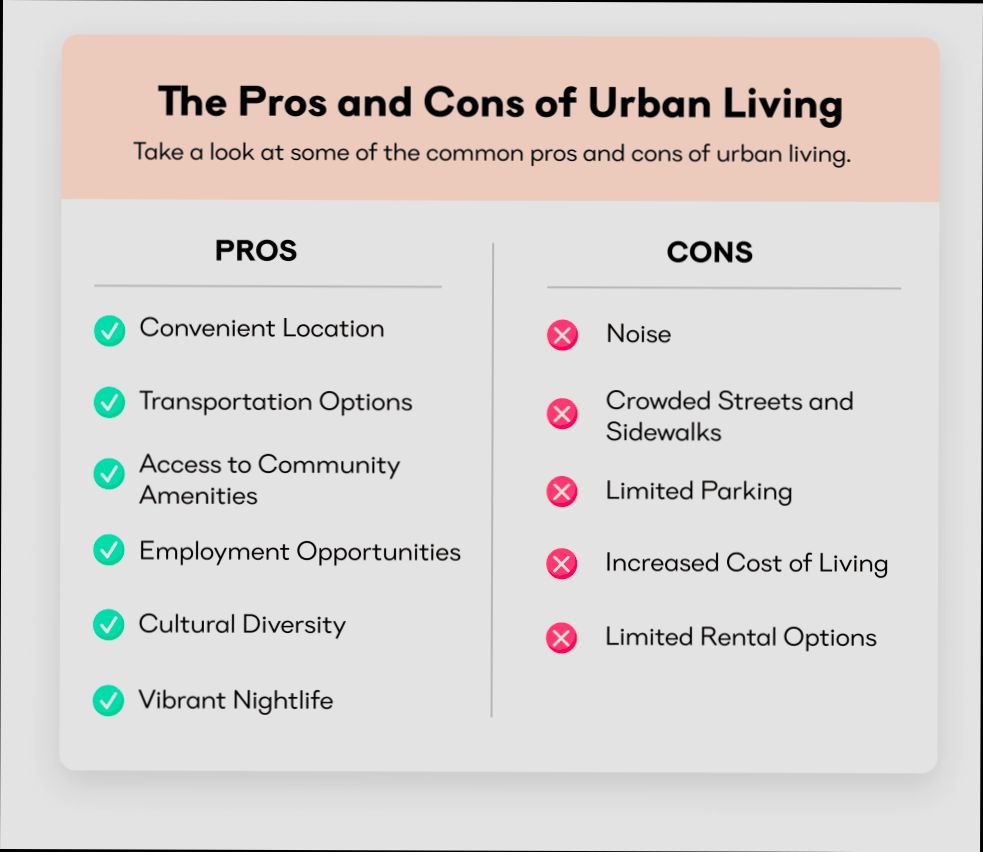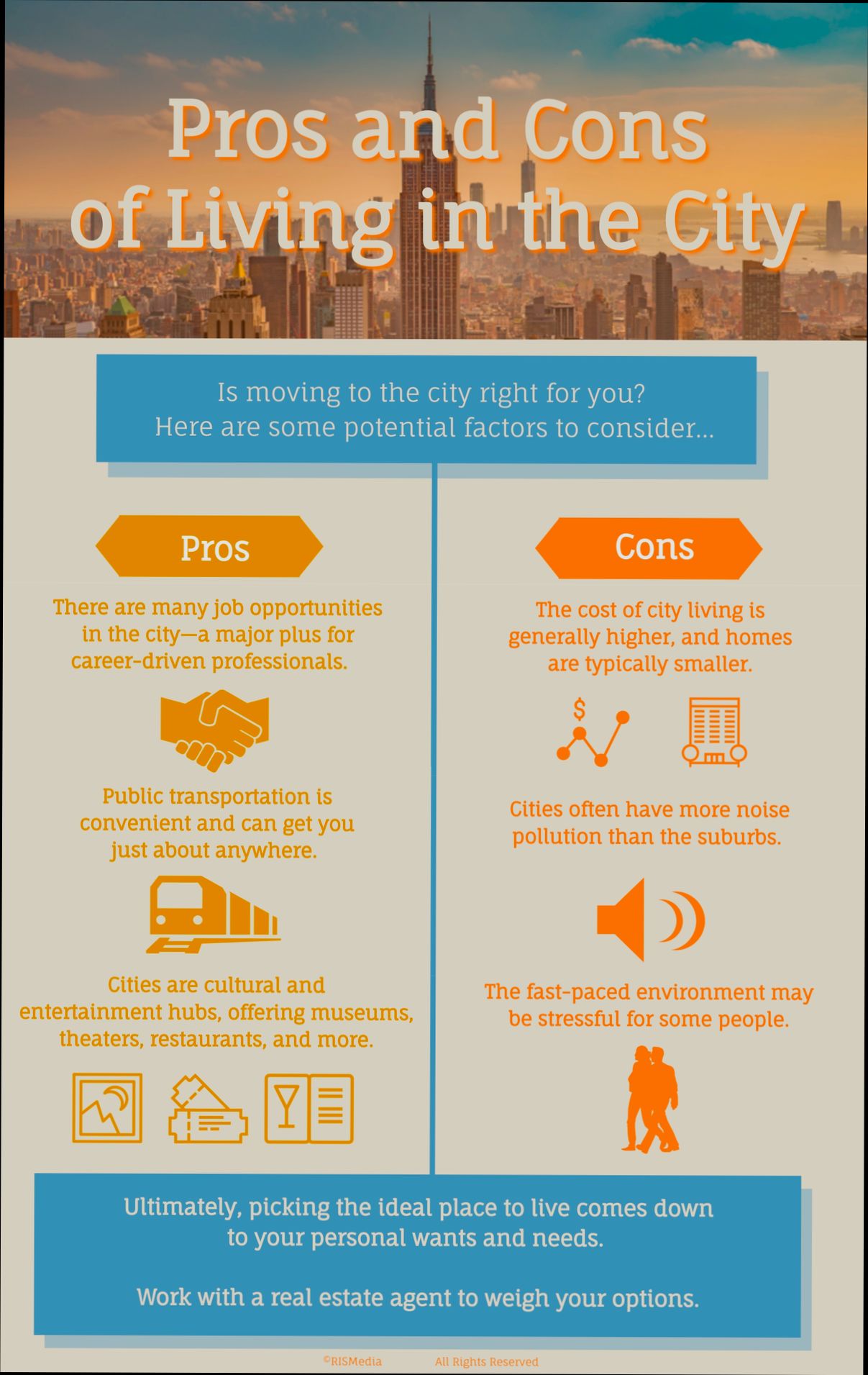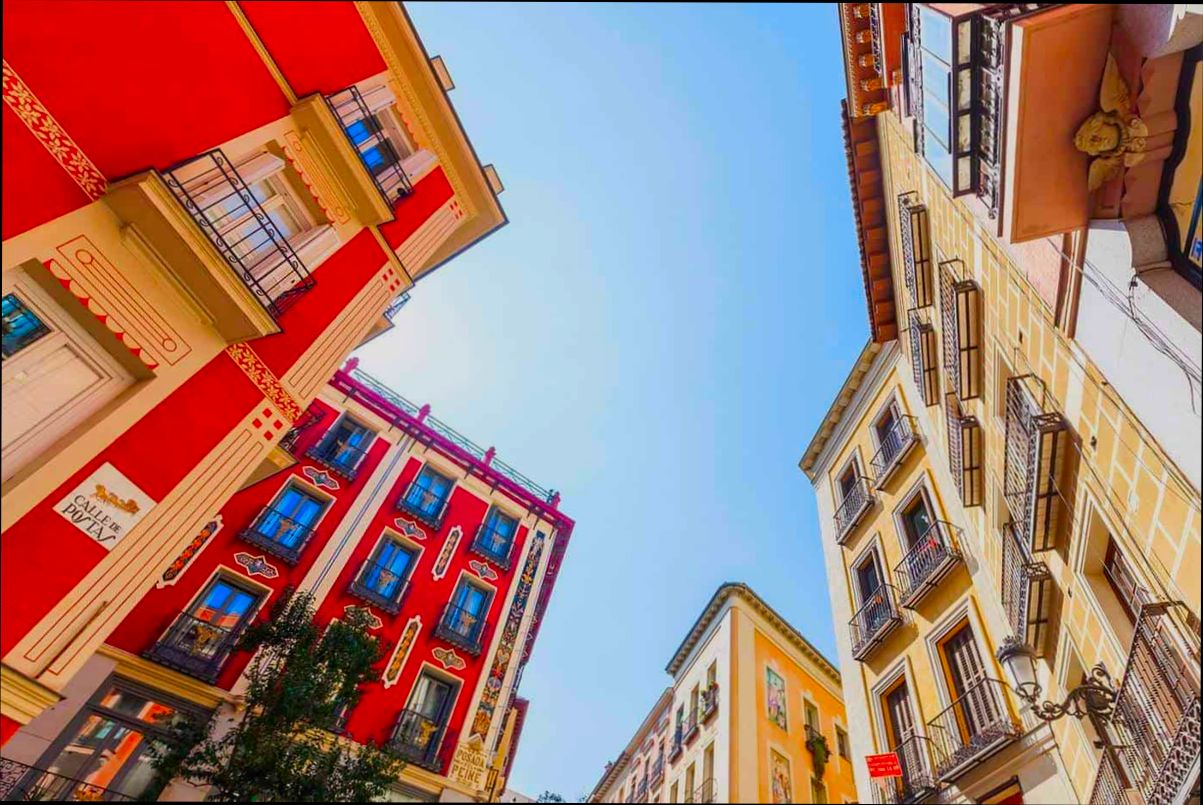
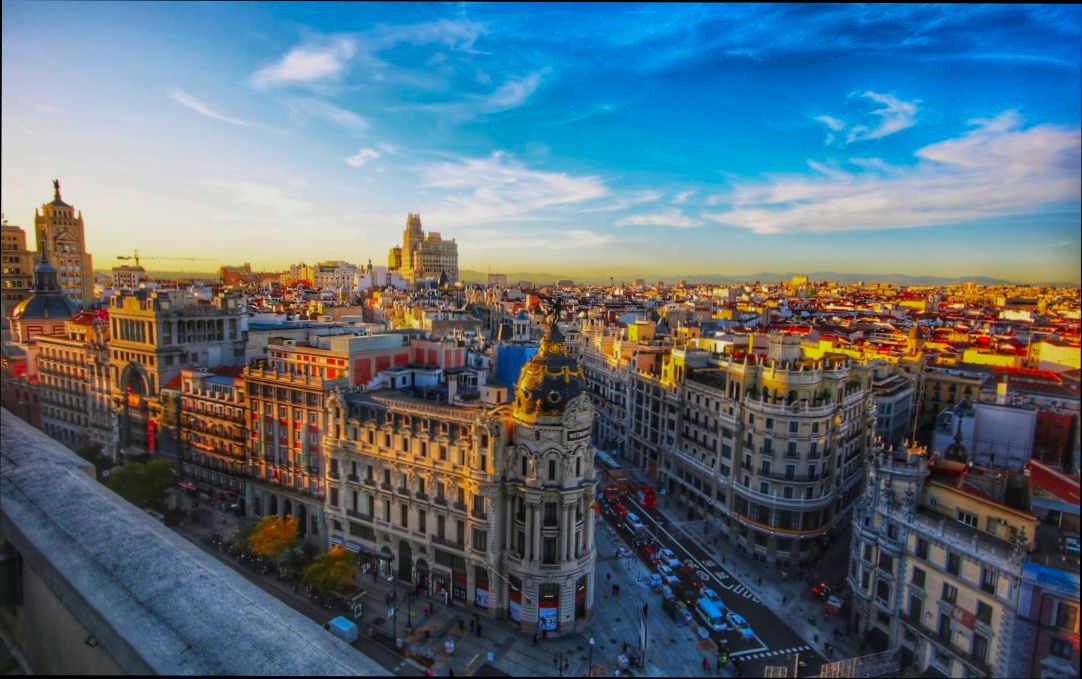
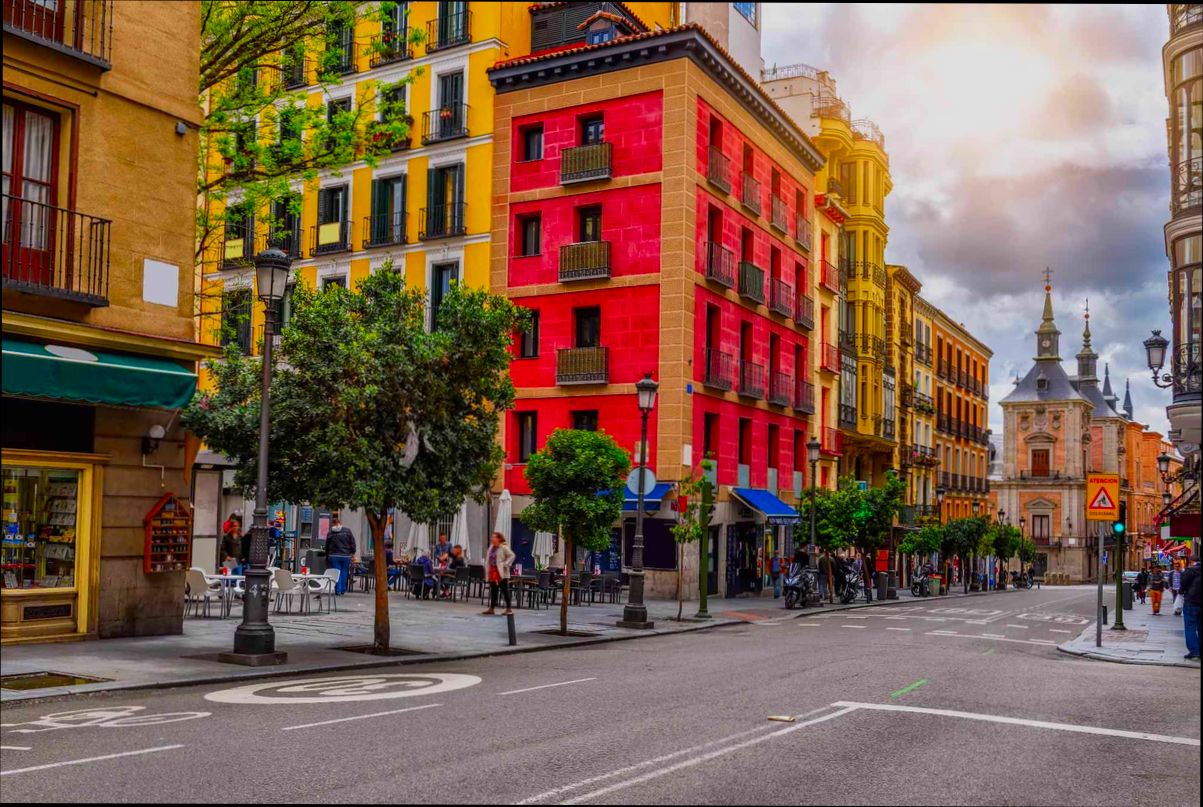
Pros and Cons of Living in Madrid really boiling down to the vibrant energy of city life mixed with some pretty serious challenges. On one hand, you’ve got a booming job market and a buzzing cultural scene that can be hard to resist. With over 6 million residents, Madrid thrives on its bustling streets, where you can find everything from world-class museums like the Prado to a never-ending array of tapas bars. Plus, let’s not forget the sunny weather—averaging nearly 300 days of sun a year—perfect for al fresco dining and weekend outings in Retiro Park.
On the flip side, Madrid isn’t all sunshine and sangria. The cost of living can creep up on you, especially in trendy neighborhoods like Malasaña and Chueca, where rents have shot up by about 20% in recent years, according to local reports. Let’s not overlook the infamous traffic jams and the sometimes frustrating public transport strikes that can turn a simple commute into an all-day ordeal. And while the nightlife is legendary, the late hours mean your weekdays can feel a bit rough if you’re not ready to embrace the “Madrid is a 24-hour city” lifestyle.
Cultural Richness and Social Life
Living in Madrid offers a vibrant tapestry of cultural experiences and a dynamic social scene that can be incredibly enriching. When it comes to cultural richness and social life, the city truly stands out as a place where history, art, and community coalesce beautifully.
Key Points About Cultural Richness
- Madrid hosts over 80 museums, including the famous Prado Museum, which houses more than 8,000 paintings. This makes it one of the most significant art capitals in the world.
- The city has a wide range of cultural festivals, with more than 150 celebrated annually. Each of these festivals showcases a blend of music, dance, and culinary delights, creating a unique atmosphere throughout the year.
- A significant 67% of locals participate in cultural and social events, illustrating just how integral these activities are to daily life in Madrid.
Comparative Table of Cultural Events and Attendance
| Cultural Event | Average Attendance (%) | Type of Activity |
|---|---|---|
| Madrid Pride | 1,500,000 | Parade & Festival |
| San Isidro Festival | 1,000,000 | Religious & Cultural |
| Madrid Book Fair | 500,000 | Literary Fair |
| Certamen de Poesía | 10,000 | Poetry Event |
| Flamenco Festivals | 200,000 | Dance & Music |
Real-World Examples
Each year, the San Isidro Festival attracts around 1 million attendees. This celebration not only honors Madrid’s patron saint but also features traditional music, flamenco shows, and local cuisine, inviting everyone to partake in the festivities.
In addition, the Madrid Book Fair, held every spring, offers a platform for authors and publishers, drawing in approximately 500,000 visitors. It showcases local literature while promoting community engagement through storytelling and discussion panels.
Flamenco, a traditional art form, thrives in neighborhoods like La Latina and Malasaña, where you can find intimate performances every night. With around 200,000 attendees at festivals dedicated to flamenco, this art form continues to thrive, enriching Madrid’s culture and social fabric.
Practical Implications for You
- Join a local cultural group or community center to participate in ongoing events to make the most of your cultural experience in Madrid.
- Attend local festivals not just for entertainment, but also to meet fellow residents. Engaging in these social gatherings allows you to forge connections with the city’s diverse population.
- Take advantage of free museum days and cultural offerings. Many museums offer free entry on certain days, enabling you to explore the artistic side of Madrid without breaking the bank.
Each of these aspects contributes to a rich cultural environment that allows you to fully immerse yourself in what Madrid offers. With active participation, you will discover the joy of Madrid’s vibrant cultural life.
Cost of Living and Economic Trends
Living in Madrid is often a balancing act between enjoying its vibrant atmosphere and managing the financial aspects. Understanding the cost of living and economic trends is crucial for anyone considering a move to this beautiful city.
Madrid has seen fluctuations in its cost of living, influenced by various economic factors. The Consumer Price Index (CPI) for all urban consumers rose by 2.8% in the last 12 months as of February 2025. This indicates a gradual increase in prices across various categories. Here are some key points to keep in mind:
- Food Prices: Average food costs have increased by 2.6%, with food at home rising by 1.9%. Notably, the prices of meats, poultry, fish, and eggs dramatically spiked by 7.7% during the same period.
- Housing Costs: The rent for primary residences increased by 4.1%, while the overall shelter index rose by 4.2%. This signifies that housing remains one of the most significant expenses for residents.
- Service Charges: Prices for services excluding energy have increased by 4.1%, which may impact everyday expenses like dining out or personal care.
- Transportation: Transportation services jumped by 6.0%, emphasizing the rising costs associated with commuting and public transit.
| Category | 12-month percent change, Feb 2025 |
|---|---|
| All items | 2.8% |
| Food | 2.6% |
| Rent of primary residence | 4.1% |
| Shelter | 4.2% |
| Transportation services | 6.0% |
Real-world examples can illustrate these trends effectively. For instance, if you’re considering moving to Madrid and plan to dine out regularly, you’ll notice that the cost for full-service meals and snacks has increased by 3.7%. This can add up if you dine out frequently. Additionally, the cost of transportation has seen a notable rise; therefore, if you rely on public transport, budget for higher fares.
When you consider these trends, it’s essential to think about your monthly budget. For a two-person household, the combined increase in food and housing can lead to a substantial rise in overall living expenses. Therefore, planning for these changes can help ensure financial stability.
As you navigate the costs associated with living in Madrid, here are some actionable pieces of advice:
- Keep an eye on the CPI for accurate budget forecasting.
- Consider alternative grocery shopping methods to counteract food price increases, such as local markets or bulk buying.
- Look for neighborhoods with competitive rental prices to offset rising housing costs.
These insights can guide you in making informed decisions about living in Madrid, ensuring that you enjoy the city’s offerings while maintaining a balanced budget.
Public Transportation: A Practical Overview
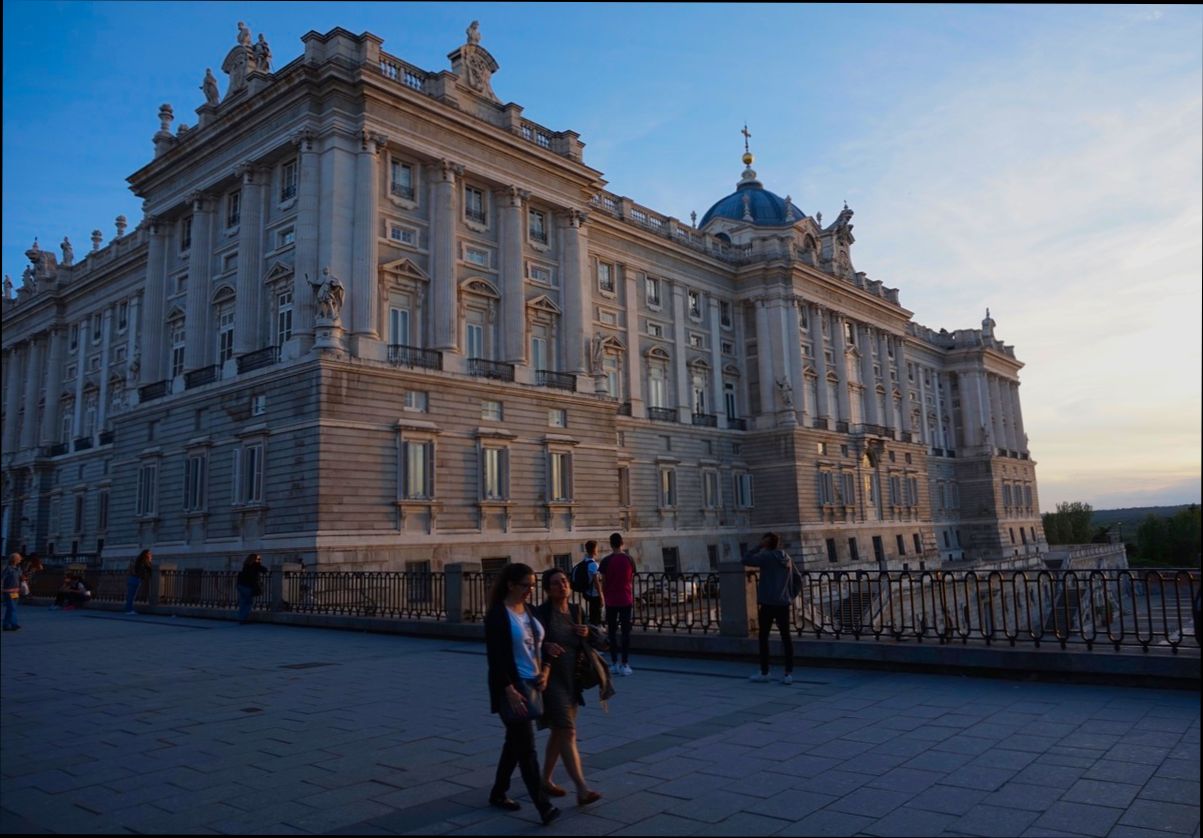
Living in Madrid means navigating one of the most efficient public transportation systems in Europe. It is essential for getting around the city and offers diverse options to suit different needs. In this section, we’ll delve into the intricacies of Madrid’s public transport and how it impacts daily life.
Key Points About Madrid’s Public Transportation System
- Metro System: Madrid boasts one of the largest metro networks in Europe, consisting of 302 kilometers and 300 stations. This extensive coverage means you are rarely far from a metro stop.
- Buses: The EMT (Empresa Municipal de Transportes) operates a comprehensive bus service that covers not just the central areas but also the suburbs, with over 200 routes available to the public.
- Overground Services: The Cercanías train network connects the city with its surrounding regions, making it easy to access nearby towns such as Alcalá de Henares or El Escorial.
- Cost Efficiency: A monthly transportation pass costs approximately €54. If you regularly use public transport, this can significantly lower commuting costs compared to owning a car.
- Sustainability Initiatives: Madrid’s commitment to sustainability is evident with increased electric buses and bike-sharing programs, promoting environmentally friendly alternatives.
Comparative Table of Public Transport Options in Madrid
| Transport Type | Coverage Area | Average Wait Time | Monthly Pass Cost (€) |
|---|---|---|---|
| Metro | Extensive (302 km) | 3-7 minutes | 54 |
| Bus | City + Suburbs | 10-15 minutes | 54 |
| Cercanías | Madrid and Surroundings | 10-20 minutes | 54 |
Real-World Examples
Using Madrid’s metro, for instance, can dramatically reduce travel time during rush hour. Many daily commuters rely on the metro for its punctuality and frequent service. For example, a typical journey from the suburb of Pozuelo de Alarcón to the city center can take as little as 30 minutes, whereas driving may take over an hour depending on traffic.
Additionally, a bike-sharing program, which serves as an alternative transport option, has increased its number of users by 40% in the last year, showcasing the growing preference for sustainable travel solutions. Integrating with public transport allows commuters to enjoy a multi-modal approach to getting around the city.
Practical Implications for Readers
If you’re considering living in Madrid, take advantage of the multiple transport options available. Investing in a monthly transportation pass can save you money if you’re a frequent user of public services. Also, use mobile apps like Google Maps or local transit apps to plan your routes efficiently, ensuring you’ll never miss a connection.
Furthermore, be mindful of the peak times for metro and bus services, which typically are between 7:00-9:00 AM and 6:00-8:00 PM, to avoid overcrowded conditions.
Actionable Advice
- Consider a combination of metro, bus, and even biking when commuting to ensure the quickest travel times.
- Check out the latest updates on the EMT website to discover which bus routes coincide with your needs, as new routes are frequently added.
- Utilize the user-friendly ticket vending machines found in every metro station for quick purchases of single and multi-journey tickets.
Madrid’s public transportation system is designed to make your daily commute seamless, offering an array of options to fit various lifestyles and preferences.

Climate and Weather Considerations
Living in Madrid brings a unique climate that significantly affects daily life. With its distinct seasons, understanding the city’s weather can help you enjoy your time here to the fullest. Let’s delve into the key aspects of Madrid’s climate and what it means for residents.
Temperature Variations
Madrid experiences a Mediterranean climate characterized by hot summers and mild winters. Here are some key temperature statistics:
- Summer (June to August):
- Average high temperatures often exceed 30°C (86°F), peaking around 35°C (95°F) in July.
- Winter (December to February):
- Average highs range from 10°C (50°F) to 15°C (59°F), with lows dropping to about 0°C (32°F).
Rainfall Patterns
Rainfall in Madrid is relatively minimal, which leads to dry conditions throughout much of the year:
- Annual Precipitation: Approximately 400 mm (15.7 inches) per year.
- Wet Months: Most precipitation occurs in May and November, contributing to a greener landscape during those months.
Comparative Climate Overview
| Month | Average High (°C) | Average Low (°C) | Precipitation (mm) |
|---|---|---|---|
| January | 10 | 0 | 30 |
| April | 18 | 7 | 25 |
| July | 35 | 20 | 5 |
| October | 23 | 12 | 20 |
Real-World Impacts on Lifestyle
The climate in Madrid influences various lifestyle aspects:
- Summer Heat: The high summer temperatures motivate residents to adapt by embracing evening activities. Many people head out after sunset to enjoy outdoor dining and nightlife as the temperatures drop.
- Winter Clothing: With winters being relatively mild, you’ll typically need lighter outerwear compared to other European cities. However, preparing for occasional cold snaps is wise.
Practical Tips for Residents
- Stay Hydrated: During the sweltering summer months, keeping hydrated is crucial. Carry a water bottle, especially when exploring the city.
- Seasonal Clothing: Invest in breathable clothing for summer and layering pieces for winter to stay comfortable year-round.
Actionable Advice
If you’re moving to Madrid, consider researching local weather reports and outdoor event calendars. Planning activities around milder temperatures will enhance your experience. Keep in mind that spring and fall are particularly pleasant, making them ideal seasons for outdoor excursions.
Education Opportunities in Madrid
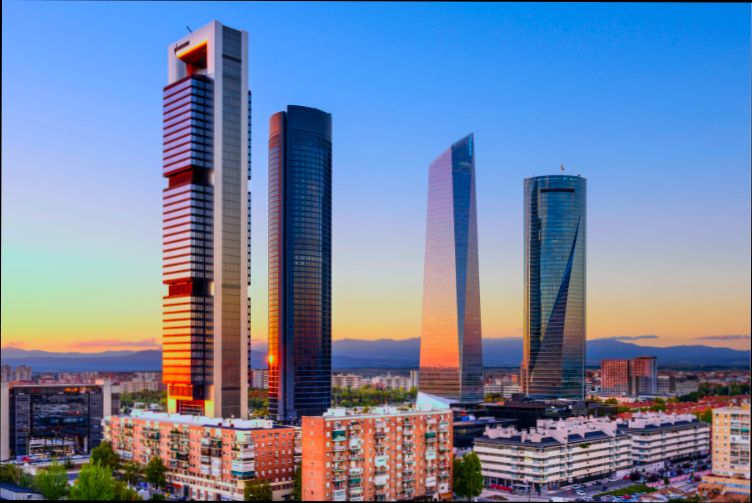
If you’re considering Madrid as your next educational destination, you’re in for a treat! The city boasts a vibrant academic atmosphere enriched by its rich cultural heritage. Here, I’ll walk you through the educational landscape, notable institutions, and what you can expect as a student in this beautiful city.
Diverse Universities and Programs
Madrid is home to a broad spectrum of higher education institutions, from traditional universities to specialized business schools:
- Major Universities to Consider:
- Complutense University of Madrid – One of the largest and oldest universities, offering a variety of programs in humanities, sciences, and social sciences.
- Polytechnic University of Madrid – Renowned for its engineering and technical programs.
- Charles III University of Madrid – Known for its focus on international programs and research.
- EAE Business School – A leading business school catering to MBA students from around the world.
Student Demographics and Culture
Around 165,000 students enroll in Madrid’s universities each year, with a significant portion being international students. This trend creates a diverse, multicultural environment fostering global connections and friendships.
- Cultural Integration:
- Opportunities to learn Spanish through university language programs.
- Access to local cultural events and workshops through university partnerships.
Pros and Cons of Studying in Madrid
Understanding the pros and cons can help you navigate your educational journey effectively.
Pros:
- Vibrant student life with numerous activities and local festivals.
- High safety ranking – Madrid is listed as the 13th safest city in a comparison of 60 global metropolises.
- Quality education with internationally recognized programs.
Cons:
- Cost of living can be relatively high depending on the neighborhood.
- Some universities may have large class sizes, which can impact personalized attention.
Comparative Table of Educational Institutions
| University Name | Specialization | International Programs |
|---|---|---|
| Complutense University of Madrid | Multidisciplinary | Yes |
| Polytechnic University of Madrid | Engineering & Technology | No |
| Charles III University | Social Sciences & Business | Yes |
| EAE Business School | MBA & Business Administration | Yes |
| CEU San Pablo University | Health Sciences & Humanities | Yes |
Real-World Opportunities
Consider real-life experiences reported by students:
- A student from the Complutense University of Madrid shared that being part of a multicultural cohort enhanced their educational experience and broadened their perspective on global issues.
- Internships offered through the EAE Business School often lead to job placements, reflecting high employability rates post-graduation.
Practical Implications
As you explore education opportunities in Madrid, think about your academic needs and lifestyle preferences. Consider these practical implications:
- Leverage the university’s connections for internships to gain real-world experience.
- Participate in language exchange programs to improve your Spanish and connect with locals.
- Explore cultural resources like museums and seminars to complement your education outside the classroom.
Actionable Advice
If you plan on studying in Madrid, visit potential universities’ websites for detailed program offerings, scholarships, and admissions criteria. Engage with current students online to gain firsthand insights into their experiences, and explore student associations to quickly immerse yourself in campus life.
Health Services Accessibility and Quality
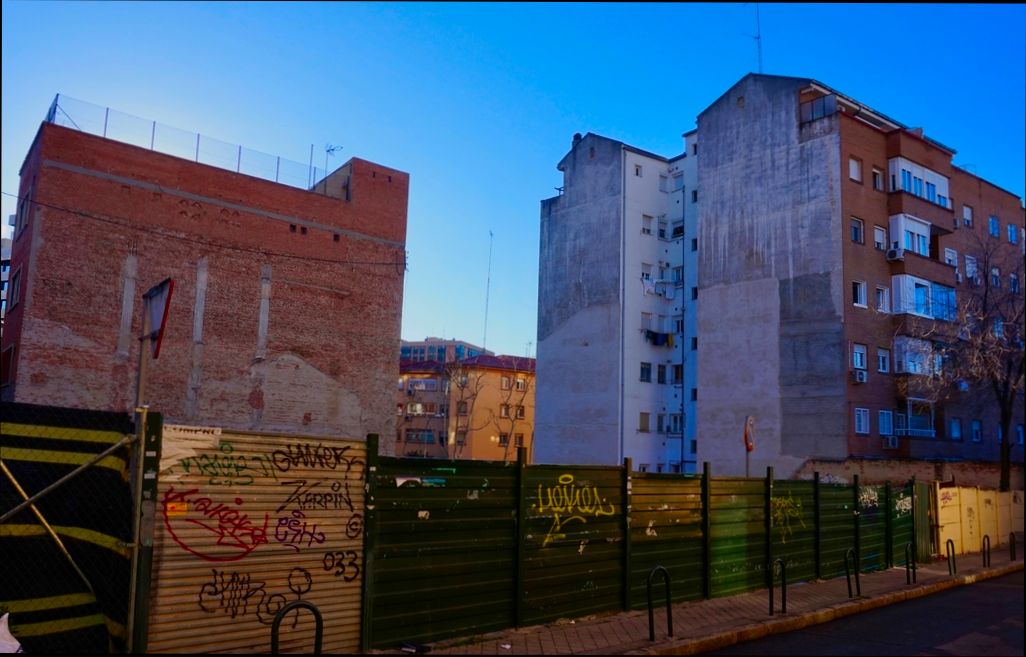
When considering health services in Madrid, you’ll find a well-structured system that prioritizes accessibility and quality. Spain’s healthcare, particularly in urban areas like Madrid, is renowned for its comprehensive coverage and efficient service delivery.
Key Points about Health Services Accessibility and Quality
- Universal Coverage: Spain offers a universal healthcare system, ensuring that residents, including expatriates, have access to essential medical services without facing exorbitant costs. Approximately 99% of Spaniards are covered under public health insurance.
- Availability of Specialists: Madrid hosts a high concentration of hospitals and healthcare facilities. In fact, the city has over 40 public hospitals and around 30 private ones, which means you typically won’t have to travel far to see a specialist.
- Waiting Times: While access is generally good, waiting times for non-emergency treatments can be longer than in private healthcare systems. According to recent data, the average wait time for elective surgeries in public hospitals is estimated to be around 80 days, which is crucial for planning your healthcare needs.
Comparative Accessibility Table
| Type of Service | Availability in Madrid | Average Wait Time (Days) | Quality Rating (1-5 Stars) |
|---|---|---|---|
| General Practitioner | High | 10 | 4.2 |
| Specialist Consultation | Moderate | 30 | 4.5 |
| Elective Surgeries | Moderate | 80 | 4.3 |
| Emergency Care | High | Immediate | 4.7 |
Real-World Examples
- A resident who requires a routine check-up with a general practitioner can typically access an appointment within 10 days, enjoying quality care and consultation. Many patients have reported high satisfaction with their GP services due to low costs and comprehensive care.
- If you’re facing a more complex health issue that requires a specialist, such as a cardiologist or orthopedic surgeon, you may experience a wait time of about 30 days. However, the quality rating for specialists is notably high at 4.5 stars, with many patients commending their thoroughness and professionalism.
Practical Implications for Readers
If you plan to move to Madrid, consider obtaining private health insurance to complement public services. This can significantly reduce wait times and offer access to a wider range of specialists. You may find that visiting private hospitals provides more immediate appointments and often a more personalized care experience.
Ensure to register with your local health center upon arrival to take full advantage of the public healthcare system. Bringing relevant medical records can also facilitate smoother transactions and consultations with healthcare providers in Madrid.
- Tip: Stay informed about healthcare rights in Spain, as any foreign resident legally residing in the country is entitled to public healthcare services.
Safety Data: Analyzing Urban Living
When living in a bustling city like Madrid, understanding safety data becomes crucial. This section focuses on exploring crime rates, public safety measures, and personal security perceptions within the urban landscape, providing actionable insights for residents and prospective movers alike.
Key Safety Data Points
- Crime Rate Trends: In recent years, Madrid has seen a decline in certain types of crime. For example, property crimes decreased by 2.5% from the previous year, making living in the city feel relatively secure.
- Violent Crime Statistics: The rate of violent crimes in Madrid stands at approximately 3.1 per 1,000 residents, lower than many other European capitals, which enhances the sense of safety among citizens.
- Police Presence: Madrid has a police-to-population ratio of 1.8 officers per 1,000 residents, significantly higher than the average in many Spanish cities, fostering a feeling of community safety.
Comparative Data on Crime in Major Spanish Cities
| City | Violent Crime Rate (per 1,000 residents) | Property Crime Rate (per 1,000 residents) |
|---|---|---|
| Madrid | 3.1 | 12.2 |
| Barcelona | 4.5 | 15.1 |
| Valencia | 3.7 | 10.3 |
| Sevilla | 3.8 | 9.7 |
Real-World Examples
In a recent survey conducted, around 85% of Madrid residents reported feeling safe walking alone in their neighborhoods after dark. Specific districts, such as Salamanca and Chamberí, showed even higher safety perceptions, with crime reported as a minor concern.
Additionally, community engagement programs, such as the “Safe Neighborhoods” initiative, have been effective in enhancing public safety. Local residents, through these programs, collaborate with law enforcement to identify and mitigate safety risks in their areas.
Practical Implications for Residents
Living in Madrid, it’s essential to stay informed about local safety statistics and measures. Engaging with community safety programs not only fosters a safer environment but also builds connections with neighbors.
Here are some actionable tips based on safety data:
- Stay Updated: Regularly check local crime reports for your neighborhood to remain informed of any potential safety issues.
- Join Community Programs: Consider participating in local safety initiatives to contribute to a secure living environment while getting to know your neighbors.
- Utilize Technology: Use apps and services that provide real-time updates on safety issues or alerts in your area.
Stay proactive about safety by understanding your environment and leveraging available resources to enhance personal security while living in Madrid.